Secondary Alkane Sulfonates Market Size & Forecasts 2026-2035, By Segments (Type, Application), Growth Opportunities, Innovation Landscape, Regulatory Shifts, Strategic Regional Insights (U.S., Japan, China, South Korea, UK, Germany, France), and Competitive Dynamics (Stepan, Clariant, Kao Corporation, BASF, Solvay)
Market Size and Growth Outlook
Secondary Alkane Sulfonates Market size is projected to grow steadily from USD 1.16 billion in 2025 to USD 2.24 billion by 2035, demonstrating a CAGR exceeding 6.8% through the forecast period (2026-2035). The 2026 revenue is estimated at USD 1.23 billion.
Get more details on this report
Request Free Sample ReportSecondary Alkane Sulfonates Market Intelligence Snapshot
Regional Market Dynamics
Segment Momentum
Market Expansion Drivers
Leading Market Participants
Global Market Forecast Snapshot
Market Outlook
Regional and Segment Outlook
Market Growth Drivers and Industry Trends
The increasing consumer preference for high-performance and mild surfactants in personal care and household cleaning products is a key driver in the secondary alkane sulfonates market. Companies such as Procter & Gamble and Unilever have emphasized formulations containing secondary alkane sulfonates due to their excellent foaming properties and skin compatibility, responding to consumer demand for gentle yet effective ingredients. This trend is shaped by heightened awareness around hygiene and wellness, which supports innovation in product lines featuring secondary alkane sulfonates. For market players, this presents an opportunity to invest in R&D and branding focused on safety and efficacy, while newcomers can capitalize by targeting emerging regional markets where personal care consumption is accelerating. As the hygiene-conscious consumer base grows, the secondary alkane sulfonates market will continue to align with evolving preferences for multi-functional, mild surfactants.
Regulatory Push for Biodegradable Surfactants
Stringent environmental regulations from authorities like the European Chemicals Agency (ECHA) and the U.S. Environmental Protection Agency (EPA) are accelerating the shift toward biodegradable surfactants, directly benefiting the secondary alkane sulfonates market. Such policies mandate reductions in aquatic toxicity and promote sustainable chemical inputs in detergents and industrial cleaners. For instance, the EPA’s Safer Choice program incentivizes formulations with safer ingredients, bolstering demand for secondary alkane sulfonates known for their environmental compatibility. This regulatory landscape compels manufacturers to reformulate products, creating strategic openings for companies with sustainable production capabilities. Both established and emerging suppliers who prioritize eco-friendly sourcing and certifications can leverage these trends to secure regulatory approval, improve market access, and align with growing corporate sustainability commitments.
Expansion into Industrial Applications
The secondary alkane sulfonates market is increasingly fueled by industrial sectors adopting these surfactants for enhanced cleaning and emulsification purposes. Industries such as textiles, oilfield chemicals, and metalworking fluids are integrating secondary alkane sulfonates due to their effective emulsification and dispersant traits, as highlighted in BASF’s recent product expansions. This diversification beyond consumer formulations signals robust demand generated by industrial process improvements and cost-efficiency goals. For incumbents, deepening penetration into industrial applications offers revenue diversification and resilience; new entrants with tailored formulations and application expertise can differentiate themselves by addressing niche industrial needs. Continued industrial adoption will sustain demand for secondary alkane sulfonates as process optimization and environmental compliance become central to manufacturing competitiveness.
Industry Restraints:
Environmental and Regulatory Compliance Constraints
Stringent environmental regulations pose a significant barrier to the secondary alkane sulfonates market, primarily due to increasing scrutiny on chemical safety and biodegradability. Agencies such as the U.S. Environmental Protection Agency (EPA) and the European Chemicals Agency (ECHA) have imposed rigorous testing and reporting standards, elevating compliance costs and lengthening product development cycles. The enhanced focus on reducing aquatic toxicity and promoting sustainable surfactants discourages manufacturers from relying heavily on synthetic alkane sulfonates that may not fully meet emerging eco-friendly criteria. This dynamic constrains established players, who must invest heavily in reformulation and certification, while erecting high entry barriers for new companies unable to bear upfront regulatory expenditure. Given regulatory trends emphasizing sustainability and circular economy principles, compliance demands will continue to intensify, driving innovation toward greener alternatives and compelling market participants to prioritize environmental stewardship to maintain competitiveness.
Feedstock Price Volatility and Supply Chain Disruptions
Secondary alkane sulfonates producers face ongoing challenges from feedstock price volatility, chiefly involving petroleum-derived raw materials, which materially affect production costs and margin stability. Geopolitical tensions and fluctuating crude oil prices, documented extensively by the International Energy Agency (IEA), disrupt supply chain predictability and input affordability. Coupled with logistical bottlenecks highlighted in recent reports by the World Bank on global trade disruptions, these factors introduce operational inefficiencies and elevate risk for manufacturers. Larger incumbents may leverage scale to buffer shocks, but smaller firms and new entrants often struggle to secure consistent supply or hedge costs effectively. This persistent volatility enforces a cautious approach to capacity expansion and product pricing strategies, a trend likely to persist near term as energy markets remain unsettled, compelling market actors to explore diversified sourcing and alternative raw materials to mitigate exposure.
| Growth Driver | Impact on CAGR | Regulatory Influence | Geographic Relevance | Adoption Rate | Impact Timeline |
|---|---|---|---|---|---|
| Growing demand in personal care and cleaning | 2.50% | Short term (≤ 2 yrs) | North America, Europe | Medium | Fast |
| Regulatory push for biodegradable surfactants | 2.00% | Medium term (2–5 yrs) | Europe, North America | High | Moderate |
| Expansion in industrial applications | 2.30% | Long term (5+ yrs) | Asia Pacific, Europe | Medium | Slow |
Explore Growth Opportunities
Request Free Sample ReportRegional Demand Dynamics
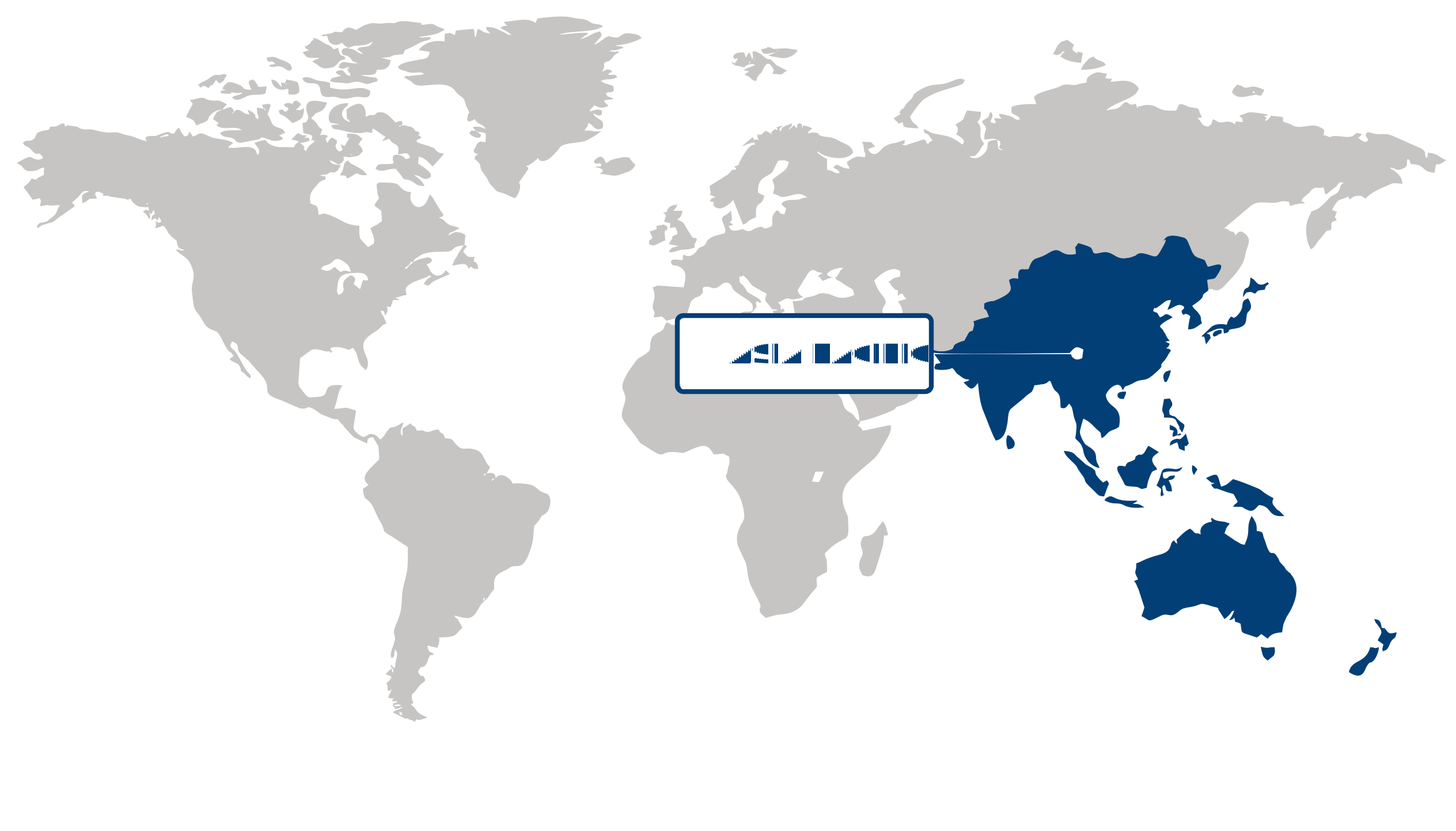
The Asia Pacific secondary alkane sulfonates market captured over 55% of the global share in 2025, establishing itself as the largest and fastest-growing region with an impressive 8.5% CAGR. This dominance is primarily driven by rapid industrialization and supportive manufacturing policies implemented by regional governments, which have collectively stimulated higher demand for these surfactants across multiple sectors. Consumer inclination towards advanced cleaning and personal care products, coupled with evolving environmental standards, has encouraged manufacturers to optimize production and adopt sustainable practices. For instance, the Ministry of Commerce in China has actively promoted industrial upgrades to enhance chemical processing capabilities. This dynamic environment, combined with robust supply chain networks and innovation in formulation technologies, underscores Asia Pacific’s strategic significance and lays a solid foundation for continued expansion in the secondary alkane sulfonates market.
Japan positions itself as a pivotal hub in the Asia Pacific secondary alkane sulfonates market, characterized by a sophisticated manufacturing ecosystem and stringent quality regulations. The country’s emphasis on sustainability and consumer health echoes in the growing integration of eco-friendly surfactants in household and personal care products. Companies like Kao Corporation have highlighted initiatives to improve biodegradability and reduce environmental impact, aligning with Japan’s stringent regulatory framework led by the Ministry of Economy, Trade and Industry. This focus drives innovation and reinforces Japan’s role as a technology leader, which is instrumental in setting regional standards and influencing market trajectories.
China anchors the Asia Pacific secondary alkane sulfonates market with its vast industrial base and proactive policy environment that encourages chemical sector modernization. The State Council’s 14th Five-Year Plan emphasizes green manufacturing and industrial upgrading, stimulating demand for high-performance surfactants in detergents, textiles, and automotive applications. Leading manufacturers such as Sinopec have announced capacity expansions and investments in cleaner production processes. China’s scale and speed in adopting these measures not only fortify its domestic market but also enhance Asia Pacific's competitive edge globally, solidifying the region’s sustained growth momentum in secondary alkane sulfonates.
North America Market Analysis:
North America maintained a substantial share in the secondary alkane sulfonates market, reflecting the region’s critical role driven by advanced industrial applications and evolving consumer preferences towards effective yet sustainable surfactants. The market benefits from well-established supply chains and a strong presence of key manufacturers investing in innovation and green chemistry. Regulatory frameworks led by the U.S. Environmental Protection Agency (EPA) emphasize safer chemical use, which is accelerating demand for biodegradable and low-toxicity secondary alkane sulfonates, as highlighted in recent EPA reports. Additionally, consumer awareness about environmental impact and increased spending on premium household and personal care products reinforce the market’s resilience. With ongoing advancements in manufacturing technologies and shifting preferences towards eco-friendly formulations, North America presents enduring appeal for investors focused on long-term growth aligned with sustainability mandates.
The U.S. serves as a pivotal market within North America for secondary alkane sulfonates, driven by its robust industrial base and progressive regulatory environment. Demand in the U.S. is buoyed by the rise of green cleaning products and increased adoption of environmentally responsible ingredients, supported by guidelines from the U.S. Food and Drug Administration (FDA) and the EPA. Consumer behavior trends reflect a willingness to pay more for products that combine efficacy with environmental safety, encouraging companies like Stepan Company to expand their eco-friendly surfactant portfolios. Furthermore, innovations stemming from U.S. chemical producers enhance product performance while meeting stringent emission and biodegradability standards. These dynamics solidify the U.S. as a competitive and attractive hub, reinforcing North America’s strong footing in the global secondary alkane sulfonates market.
Europe Market Trends:
Europe held a commanding share in the secondary alkane sulfonates market, underpinned by a mature consumer base with a preference for high-performance and sustainable cleaning products. The region's stringent environmental regulations, such as those enforced by the European Chemicals Agency (ECHA), have accelerated the adoption of environmentally friendly surfactants, favoring secondary alkane sulfonates due to their biodegradability and efficacy. Additionally, Europe's advanced manufacturing infrastructure and well-established supply chains have facilitated consistent product availability and innovation, highlighted by BASF’s recent sustainability initiatives disclosed in their corporate press releases. These factors, combined with growing demand for personal care and household cleaning solutions in urbanized areas, position Europe as a resilient and evolving market with diverse opportunities for manufacturers and investors focusing on green chemistry and premium formulations.
Germany plays a pivotal role in Europe’s secondary alkane sulfonates market, driven by its robust industrial sector and strict national environmental policies promoting sustainable chemical usage. The German Environment Agency’s (Umweltbundesamt) regulations encourage the phase-out of less biodegradable surfactants, enhancing secondary alkane sulfonates’ market penetration. Reputable firms like Henkel have capitalized on this trend, integrating secondary alkane sulfonates into eco-labeled detergents, as detailed in their recent corporate sustainability report. This fosters a competitive yet innovation-oriented environment that pushes advancements in product formulations and supply chain efficiencies. Germany’s leadership in regulatory compliance and consumer awareness strengthens regional prospects by setting benchmarks for quality and environmental stewardship, critical for expanding market adoption across Europe.
France constitutes a significant segment of the European secondary alkane sulfonates market, characterized by evolving consumer preferences favoring organic and hypoallergenic cleaning products. The country’s focus on chemical safety, endorsed by the French Agency for Food, Environmental and Occupational Health & Safety (ANSES), reinforces the demand for safer surfactants like secondary alkane sulfonates. Industry players such as Solvay have announced increased production capacities aligned with France’s policy framework, reflecting heightened market responsiveness reported in their investor communications. The confluence of strong consumer advocacy and regulatory backing in France supports differentiated product development, contributing to steady growth in this segment. This dynamic enhances Europe-wide opportunities by driving market segmentation and elevating product standards within secondary alkane sulfonates.
| Parameter | North America | Asia Pacific | Europe | Latin America | MEA |
|---|---|---|---|---|---|
| Innovation Hub i Scale Nascent Developing Advanced | |||||
| Cost-Sensitive Region i Scale Low Medium High | |||||
| Regulatory Environment i Scale Restrictive Neutral Supportive | |||||
| Demand Drivers i Scale Weak Moderate Strong | |||||
| Development Stage i Scale Emerging Developing Developed | |||||
| Adoption Rate i Scale Low Medium High | |||||
| New Entrants / Startups i Scale Sparse Moderate Dense | |||||
| Macro Indicators i Scale Weak Stable Strong |
Segment Leadership and Growth Trends
Secondary Alkane Sulfonates Market Share (%), by Type, 2026
Go beyond the chart, access full insights & data tables
Request Free Sample ReportThe cosmetic segment held the largest share in the secondary alkane sulfonates market in 2025, driven primarily by the rising demand for mild surfactants in personal care products. Its leadership stems from growing consumer preferences for gentler, skin-friendly ingredients that balance efficacy with safety, reflecting heightened awareness around dermatological health and product sensitivity. Regulatory advances, such as guidelines from the U.S. Food and Drug Administration (FDA) encouraging transparency in cosmetic formulations, have further bolstered trust and adoption. Key players like Croda International and BASF have emphasized sustainability initiatives and innovation in mild surfactant technology, promoting greener chemistry in cosmetics. This segment offers strategic opportunities for firms to differentiate through formulations that meet evolving regulatory and ethical standards. Given ongoing innovation and increasing consumer demand for natural and hypoallergenic products, the cosmetic segment is poised to maintain its prominence in the secondary alkane sulfonates market in the near to medium term.
Analysis by Application
The household detergents & cleaners segment represented the largest share of the secondary alkane sulfonates market in 2025, fueled by escalating consumer demand for effective and sustainable cleaning solutions. This segment’s dominance reflects shifting social trends favoring environmentally friendly products that do not compromise on performance, supported by heightened awareness of hygiene and wellness post-pandemic. Compliance with regulatory frameworks such as the European Chemicals Agency (ECHA) REACH standards has prompted manufacturers to innovate formulations with lower toxicity and improved biodegradability. Market leaders like Procter & Gamble and Unilever have accelerated investments in digital formulation platforms, enhancing product development efficiency and consumer responsiveness. These dynamics create fertile ground for both incumbents and new entrants to capture value by integrating sustainability and performance. The household detergents & cleaners segment is expected to sustain its market relevance amid evolving consumer habits and regulatory reinforcement targeting eco-conscious cleaning products.
| Segment | Sub-Segment | Largest Segment | Fastest Growing |
|---|---|---|---|
| Type | Cosmetic, Industrial | ||
| Application | Household Detergents & Cleaners, Industrial Cleaners, Dishwashing Liquids, Personal Care Products |
Unlock insights tailored to your business with our bespoke market research solutions.
Click to get your customized report now.
Competitive Landscape and Market Positioning
The competitive landscape is marked by orchestration of innovation and market expansion activities among these established players. There is a clear pattern of integrating advanced chemistries and investing in sustainable formulations to meet increasingly stringent environmental regulations. Collaborative endeavors and strategic partnerships are shaping capabilities, enabling improved supply chain resilience and localized product customization. New product introductions often emphasize eco-friendly attributes and enhanced performance metrics, reflecting a deliberate push toward differentiation. Additionally, investments aimed at expanding manufacturing capacity and technological upgrades strengthen competitive positioning, allowing companies to navigate price pressures and customer expectations seamlessly. This dynamic interaction cultivates an environment where technological leadership and operational excellence are paramount to maintaining influence.
Strategic / Actionable Recommendations for Regional Players
In North America, focusing on synergistic collaborations with technology firms and specialty chemical innovators can accelerate the development of highly effective and sustainable formulations. Leveraging digital tools for market intelligence and optimizing supply chain integration will enhance responsiveness to shifting demand, while capturing niche segments within personal care and industrial applications can fortify market share.
Players operating within the Asia Pacific might prioritize partnerships with regional manufacturers to leverage localized expertise and distribution networks. Emphasizing adaption of green chemistry principles and bio-based raw materials, aligned with rising regulatory expectations and consumer awareness, will prove valuable. Targeting expanding high-growth sectors such as household cleaning and agrochemicals could unlock diversified revenue streams alongside innovation-led differentiation.
European market participants should consider deepening investments in R&D to pioneer next-generation alkane sulfonate derivatives with superior biodegradability. Collaborations with academic and regulatory institutions can facilitate early adoption of evolving sustainability standards. Strengthening alliances across adjacent specialty chemicals also offers pathways for integrated solutions that enhance customer value while responding to competitive developments robustly.
| Company | Market Share | Company Revenue | Revenue CAGR (%) | Product Portfolio | Geographic Presence | Innovation / R&D Focus | Strategic Developments |
|---|---|---|---|---|---|---|---|
| No companies available. | |||||||
Customize Your Report
Explore examples of how this report can be tailored to different research needs, including custom segments, additional topics or chapters, and related reports. Click a section of the wheel or its numbered marker to explore the available options.
Secondary Alkane Sulfonates Market — Custom Segments
| Segment | Sub-Segment |
|---|---|
| No segment data available. | |
Secondary Alkane Sulfonates Market — Custom TOC
| Custom Chapter | Chapter Details | ||
|---|---|---|---|
| No custom TOC data available. | |||
Need a different cut of the data?
Request Custom ResearchHow is the secondary alkane sulfonates industry expected to grow over the next 10 years?
Which region captures the largest portion of the secondary alkane sulfonates market value?
Which area is showing the greatest surge in secondary alkane sulfonates sector?
Why does cosmetic sub-segment dominate the type segment of secondary alkane sulfonates sector?
How does household detergents & cleaners segment fare in the secondary alkane sulfonates industry?
Who are the major participants shaping the secondary alkane sulfonates landscape?
Our Clients
"The report helped us understand emerging consumer trends in our product category. It clarified where to focus innovation for the next product launch."
LyondellBasell
"The regional forecast section was incredibly useful. We were able to identify two new potential partners in Europe thanks to the vendor mapping you included."
SABIC
"We appreciated how actionable the recommendations were. It guided us to improve supply chain resilience."
Olin Corporation
Our Research Team & Methodology
Every Fundamental Business Insights report is built by a dedicated vertical research team, validated through a structured primary-and-secondary methodology, and reviewed for accuracy before it reaches you.
Research Team Overview
Prepared by the Chemicals & Materials Research Team
Delivery
Published
Demand
Available
Support
Trust & Compliance
Research Intelligence
Research Workflow & Quality Assurance
Data Collection
Verified information gathered through primary and secondary research.
Data Triangulation
Cross-validation using multiple independent data sources.
Forecast Modelling
Market estimates developed using historical trends and analytical models.
Analyst Validation
Findings reviewed by domain experts for accuracy and consistency.
Editorial & Quality Review
Final editorial, quality, and compliance checks before publication.
Final Publication
Released after successful completion of the internal review process.
Report Coverage
📊 Market Assessment
- Market Size & Forecast
- Market Segmentation
- Regional Analysis
- Growth Drivers & Challenges
- Market Dynamics
🏢 Competitive Intelligence
- Competitive Landscape
- Company Profiles
- Competitive Benchmarking
- Mergers & Acquisitions
- Market Share Analysis or Key Company Strategies
🔍 Strategic Analysis
- Value Chain Analysis
- Porter's Five Forces
- PESTLE Analysis
- Pricing Trends
- Supply-Demand Analysis
🚀 Future Outlook
- Technology Landscape
- Regulatory Landscape
- Investment & Funding Landscape
- Emerging Opportunities
- Future Market Outlook
Have a question about this report or need a custom scope?
Request Customization