Vaccine Storage & Packaging Market Size & Forecasts 2026-2035, By Segments (Function, End-User), Growth Opportunities, Innovation Landscape, Regulatory Shifts, Strategic Regional Insights (U.S., Japan, China, South Korea, UK, Germany, France), and Competitive Dynamics (BD, Amcor, West Pharmaceutical Services, Schott AG, Gerresheimer)
Jump to Content
Market Size and Growth Outlook
Vaccine Storage & Packaging Market size is likely to expand from USD 187.89 billion in 2025 to USD 626.61 billion by 2035, posting a CAGR above 12.8% across 2026-2035. The industry’s revenue potential for 2026 is USD 209.37 billion.
Get more details on this report
Request Free Sample ReportVaccine Storage & Packaging Market Intelligence Snapshot
Regional Market Dynamics
Segment Momentum
Market Expansion Drivers
Leading Market Participants
Global Market Forecast Snapshot
Market Outlook
Regional and Segment Outlook
Market Growth Drivers and Industry Trends
The surge in vaccine demand driven by global public health initiatives is a pivotal growth driver for the vaccine storage & packaging market. Organizations like the World Health Organization (WHO) have intensified immunization campaigns to combat infectious diseases, amplifying the need for reliable cold chain solutions. This trend reflects shifting consumer expectations for vaccine accessibility and rapid distribution, compelling manufacturers to innovate scalable packaging that ensures potency. For incumbents, this presents a chance to deepen supply chain integration, while startups can leverage agile technologies to address niche storage challenges. With governments increasingly prioritizing universal vaccine coverage, the market is positioned for steady expansion tied to these evolving healthcare frameworks.
Advancements in Ultra-Cold Chain Technologies
The vaccine storage & packaging market is profoundly influenced by the development of ultra-cold chain systems, particularly for mRNA vaccines requiring strict temperature control. Companies like Thermo Fisher Scientific and Pfizer have underscored the necessity of sophisticated packaging solutions capable of maintaining temperatures as low as -80°C. These technological innovations not only address preservation challenges but also reduce spoilage risks amid complex logistics. The strategic opportunity lies in optimizing materials and monitoring capabilities, creating differentiation through enhanced efficiency and compliance. As regulatory agencies intensify scrutiny on vaccine handling, ultra-cold chain advancements will continue to dictate competitive advantage in this specialized market segment.
Emerging Market Expansion and Localized Vaccination Drives
Emerging economies spearheading extensive vaccination campaigns are reshaping the vaccine storage & packaging market landscape. Governments in countries such as India and Brazil have launched large-scale immunization programs, necessitating robust supply chains tailored to variable infrastructure conditions. This environment encourages players to develop cost-effective, durable packaging solutions that accommodate diverse climatic and logistical constraints. For established firms, partnerships with regional healthcare providers can amplify market penetration, while new entrants may capitalize on unmet local demands by innovating context-specific products. The ongoing growth in these markets signals sustained demand for adaptable storage and packaging solutions that bridge gaps in vaccine access and distribution.
Industry Restraints:
Stringent Regulatory and Compliance Requirements
The vaccine storage and packaging market faces significant constraints from complex and evolving regulatory frameworks that govern product safety, efficacy, and traceability. Agencies like the U.S. Food and Drug Administration (FDA) and the European Medicines Agency (EMA) impose rigorous standards on temperature control, packaging materials, and labeling, necessitating substantial investment in compliant technologies and processes. These regulations slow innovation as companies allocate resources toward meeting compliance rather than accelerating product development. For example, Pfizer’s extensive protocol adaptations during the COVID-19 vaccine rollout highlight regulatory hurdles impacting operational timelines. Established players must continuously update compliance protocols, while new entrants may face barriers to entry due to high certification costs. This regulatory environment will likely maintain a cautious market pace, prioritizing risk mitigation and reliability over rapid deployment in the medium term.
Cold Chain Infrastructure Limitations
The market’s evolution is also hindered by inadequate cold chain infrastructure, especially in low- and middle-income regions where access to reliable refrigeration and temperature monitoring is limited. Organizations like the World Health Organization (WHO) emphasize that nearly 50% of vaccines are wasted due to improper storage conditions. This operational inefficiency restricts the market’s ability to scale, particularly for temperature-sensitive vaccines requiring ultra-cold storage, such as mRNA-based offerings from Moderna. The challenge forces manufacturers and distributors to invest heavily in advanced packaging solutions and logistic innovations, which increases costs and complexity. For incumbents, optimizing supply chains remains critical, whereas new players must navigate infrastructural deficiencies to gain market traction. Given persistent global disparities in refrigeration capacity, cold chain limitations will continue to constrain market penetration and innovation in vaccine storage and packaging.
| Growth Driver | Impact on CAGR | Regulatory Influence | Geographic Relevance | Adoption Rate | Impact Timeline |
|---|---|---|---|---|---|
| Increasing vaccine demand and immunization programs | 4.00% | Short term (≤ 2 yrs) | North America, Europe; Spillover: Asia Pacific | High | Fast |
| Development of ultra-cold chain storage and packaging solutions | 4.00% | Medium term (2–5 yrs) | North America, Europe; Spillover: Asia Pacific | Medium | Moderate |
| Expansion in emerging markets with vaccination campaigns | 2.00% | Long term (5+ yrs) | Asia Pacific, Latin America; Spillover: Europe | Medium | Slow |
Explore Growth Opportunities
Request Free Sample ReportRegional Demand Dynamics
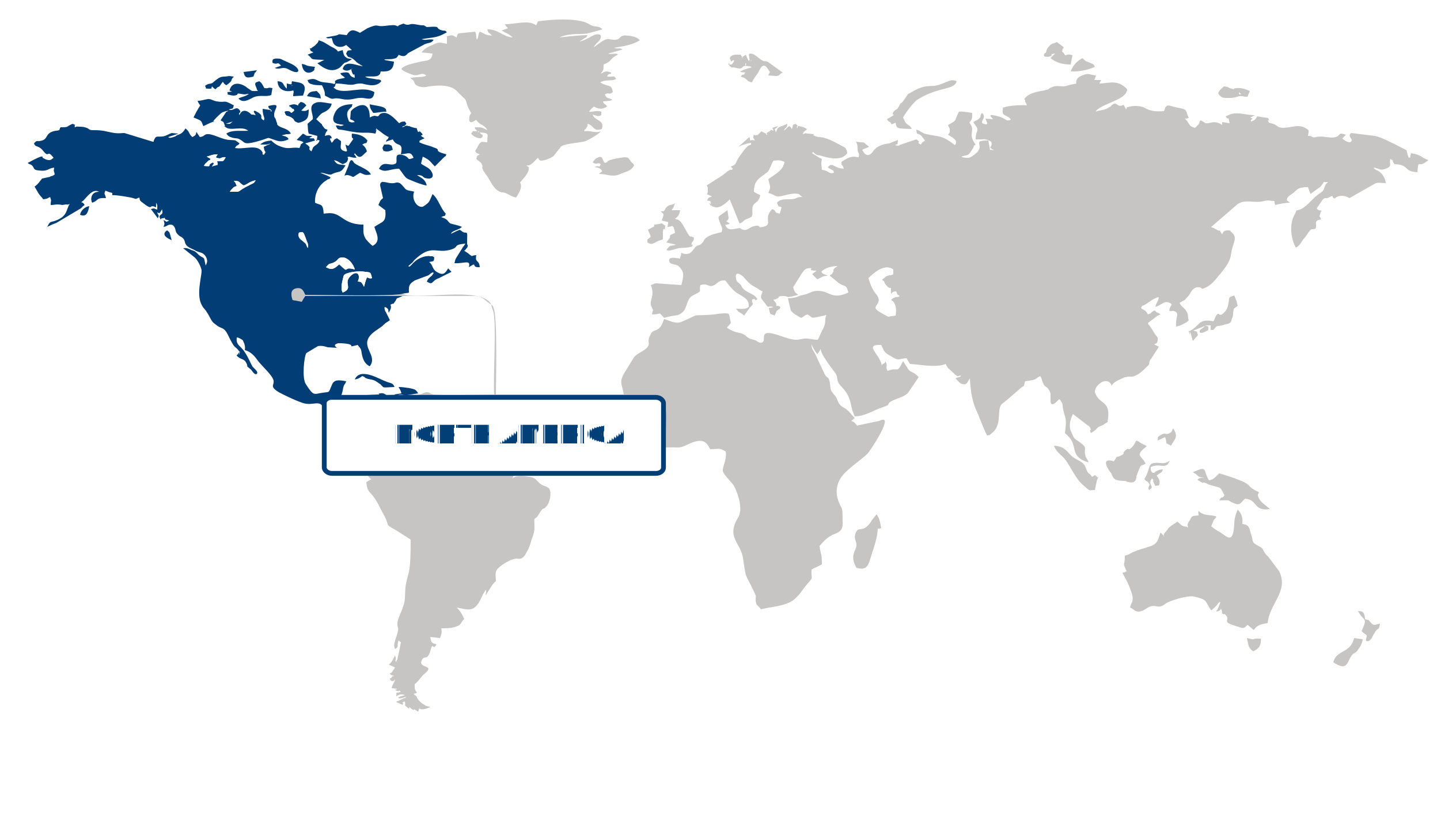
North America dominated the vaccine storage & packaging market, capturing over 37.1% of the global share in 2025. This leadership is primarily driven by the region’s robust cold chain infrastructure and stringent regulatory oversight, which ensures high-quality storage and packaging standards. Agencies such as the U.S. Food and Drug Administration (FDA) enforce rigorous compliance with storage conditions, underpinning the reliability of vaccine distribution. Advanced cold chain technologies developed by companies like Thermo Fisher Scientific have bolstered operational efficiency across the region. Additionally, North America’s substantial healthcare expenditure and expanding vaccination programs further elevate demand. These factors collectively create a resilient environment that supports innovation and market expansion, positioning the region for continued prominence amid evolving public health priorities.
The United States anchors the North American vaccine storage & packaging market with its comprehensive cold chain network and proactive regulatory framework. Federal initiatives, such as those led by the Centers for Disease Control and Prevention (CDC), emphasize vaccine integrity through advanced packaging solutions, facilitating large-scale immunization efforts. Leading firms like Pfizer leverage this environment to deploy ultra-cold storage technologies, enhancing distribution speed and safety. The U.S.’s integration of digital monitoring systems, supported by government grants, optimizes supply chain transparency. This strategic ecosystem not only strengthens domestic healthcare responses but also drives regional innovations, reinforcing North America’s substantial role and outlook in the global vaccine storage & packaging market.
Asia Pacific Market Analysis:
Asia Pacific emerged as the fastest-growing region in the vaccine storage & packaging market, registering a robust CAGR of 14.8%. The region’s rapid expansion is propelled by strong immunization programs coupled with a concerted emphasis on enhancing healthcare ecosystems. Governments across Asia Pacific, including significant investments in cold chain infrastructure by the World Health Organization and partnerships with local biotech firms, have bolstered vaccine distribution efficiency. Furthermore, heightened public health awareness and increased healthcare spending in countries such as India and South Korea drive demand for advanced storage and packaging solutions that ensure vaccine efficacy and safety. Technological advancements in smart packaging and temperature monitoring systems are increasingly adopted to comply with evolving regulatory standards, while sustainability initiatives targeting reduced material waste further position Asia Pacific as a key market innovator. These dynamics position the region for continued leadership in vaccine storage & packaging, capitalizing on growing vaccination coverage and supportive healthcare policies.
Japan plays a pivotal role in Asia Pacific’s vaccine storage & packaging market through its advanced healthcare infrastructure and stringent regulatory environment that prioritize vaccine safety and efficacy. The country’s comprehensive immunization programs, supported by the Ministry of Health, Labour and Welfare, have fostered demand for innovative packaging solutions incorporating IoT-enabled temperature control technologies. Companies like Terumo Corporation are actively investing in research to develop eco-friendly and highly reliable packaging materials tailored to Japan’s rigorous safety standards. Additionally, Japan’s aging population and rising demand for diverse vaccines necessitate scalable and efficient storage systems, reinforcing its strategic importance. The superior technological capabilities and policy focus in Japan enhance the broader regional growth trajectory and underscore opportunities for high-value, specialized vaccine storage innovation in Asia Pacific.
China, as a dominant market in Asia Pacific, exemplifies the region’s robust immunization drive supported by expansive public health initiatives and large-scale manufacturing capabilities. The National Health Commission’s push for widespread vaccination and the government’s collaborations with major pharmaceutical players such as Sinopharm facilitate rapid integration of cutting-edge cold chain solutions. Significant investments in logistics networks and digital transformation, including blockchain-based supply chain tracking, enhance vaccine traceability and reduce wastage. Moreover, rising disposable incomes and increasing urbanization fuel demand for premium vaccine packaging designed for safety and convenience. China's strong position in vaccine storage & packaging reinforces Asia Pacific’s dynamic ecosystem, offering investors and strategists critical footholds in a highly competitive yet rapidly evolving market landscape.
Europe Market Trends:
Europe maintained a notable presence in the vaccine storage & packaging market, driven by its advanced healthcare infrastructure and stringent regulatory environment that demand high standards for cold chain integrity and sustainable packaging solutions. The region’s commitment to environmental sustainability has prompted manufacturers to adopt eco-friendly materials and energy-efficient storage technologies, as underscored by the European Medicines Agency’s updated guidelines on vaccine cold storage compliance. Growing demand for rapid vaccination responses due to fluctuating epidemiological trends has further intensified the need for innovative packaging that ensures stability and accelerated distribution. Additionally, Europe’s robust supply chain networks, facilitated by collaborative initiatives such as the European Vaccine Alliance, enhance logistical efficiency and reduce spoilage risks. With increasing investments in digital temperature monitoring and automation from companies like Becton Dickinson, Europe presents fertile ground for growth, positioning it as a strategic hub for vaccine storage & packaging advancements in the near term.
Germany plays a pivotal role in Europe’s vaccine storage & packaging market owing to its strong industrial base and emphasis on cutting-edge biopharmaceutical manufacturing technologies. The country’s healthcare system prioritizes precision and safety, mirrored in regulatory updates from the Paul-Ehrlich-Institut that enforce rigorous cold chain management standards, fostering adoption of innovative multi-dose vial packaging and integrated tracking solutions by companies such as Gerresheimer AG. Furthermore, Germany’s significant public and private investment in R&D accelerates development of temperature-sensitive packaging tailored to emerging vaccine formats. This focus on technological sophistication aligns with local demand for efficient distribution frameworks, propelled by established logistics infrastructure and skilled workforce capabilities. Strategically, Germany’s leadership not only propels national growth but also catalyzes broader regional opportunities, underscoring its influence on Europe’s vaccine storage & packaging market dynamics.
France serves as a critical contributor to Europe’s vaccine storage & packaging market, leveraging robust governmental support and strong public health initiatives to expand cold chain capacities and packaging innovation. French regulatory authorities, notably the Agence Nationale de Sécurité du Médicament (ANSM), enforce stringent cold chain and packaging controls, encouraging manufacturers like Aptar Pharma to introduce advanced containment and delivery systems that enhance vaccine stability. Additionally, France’s growing focus on minimizing environmental impact through recyclable and biodegradable packaging materials reflects a broader cultural and policy shift towards sustainability. The country's extensive vaccination programs and strategic geographic positioning facilitate efficient vaccine distribution domestically and across neighboring regions. Consequently, France’s proactive regulatory framework and sustainability commitments amplify its role in driving Europe’s vaccine storage & packaging market growth prospects.
| Parameter | North America | Asia Pacific | Europe | Latin America | MEA |
|---|---|---|---|---|---|
| Innovation HubiScaleNascentDeveloping Advanced | |||||
| Cost-Sensitive RegioniScaleLowMedium High | |||||
| Regulatory EnvironmentiScaleRestrictiveNeutral Supportive | |||||
| Demand DriversiScaleWeakModerate Strong | |||||
| Development StageiScaleEmergingDeveloping Developed | |||||
| Adoption RateiScaleLowMedium High | |||||
| New Entrants / StartupsiScaleSparseModerate Dense | |||||
| Macro IndicatorsiScaleWeakStable Strong |
Segment Leadership and Growth Trends
Vaccine Storage & Packaging Market Share (%), by Function, 2026
Go beyond the chart, access full insights & data tables
Request Free Sample ReportThe storage segment held the largest share in the vaccine storage & packaging market in 2025, driven primarily by expanding global immunization programs and critical demand for reliable cold chain infrastructure to preserve vaccine potency. This leadership reflects a heightened emphasis on temperature-controlled storage solutions that meet stringent regulatory guidelines outlined by organizations like the World Health Organization (WHO) and the U.S. Centers for Disease Control and Prevention (CDC). Increasing vaccination initiatives in emerging economies underscore customer preferences for robust cold chain systems, while investments in digital temperature monitoring enhance supply chain transparency. Industry leaders such as Thermo Fisher Scientific have highlighted innovations in ultra-low temperature freezers as pivotal. This segment offers strategic advantages by supporting vaccine integrity from production to administration, positioning both established firms and entrants to capitalize on the continuous need for dependable storage. Ongoing advancements in cold chain logistics ensure this segment’s relevance amid evolving immunization demands.
Analysis by End-User
The biopharmaceutical companies segment represented the largest share in the vaccine storage & packaging market in 2025, fueled by the surge in vaccine manufacturing and global distribution activities requiring sophisticated packaging and storage solutions. Companies like Pfizer and Moderna have driven the expansion through their development of mRNA vaccines, necessitating specialized cold storage and packaging to maintain stability and shelf life. This segment benefits from regulatory milestones, such as emergency use authorizations, which accelerate product deployment while imposing strict compliance on packaging. Additionally, digital transformation in inventory and temperature monitoring systems strengthens supply chain resilience. The focus on environmentally sustainable materials aligns with corporate responsibility trends among leading biopharmaceutical enterprises. For both incumbents and emerging players, this segment offers an opportunity to deliver high-tech, compliant solutions critical to vaccine efficacy, guaranteeing sustained demand as immunization campaigns continue worldwide.
| Segment | Sub-Segment | Largest Segment | Fastest Growing |
|---|---|---|---|
| Function | Storage, Packaging | ||
| End-User | Hospitals, Biopharmaceutical Companies, Medical Laboratories, Others |
Unlock insights tailored to your business with our bespoke market research solutions.
Click to get your customized report now.
Competitive Landscape and Market Positioning
The competitive landscape is shaped by proactive moves such as cross-industry collaborations, targeted alliances, and strategic acquisitions that expand technological competencies and geographic footprints. Players continuously enhance offerings with next-generation packaging solutions emphasizing cold chain resilience and sustainable materials. Investment in R&D fosters innovation in delivery systems and component integration, while new product introductions reflect responsiveness to emerging vaccine types and distribution challenges, thereby consolidating market leadership and differentiating portfolios in a fragmented environment.
Strategic / Actionable Recommendations for Regional Players
North American stakeholders should deepen ties with biotech firms and leverage advancements in digital tracking and temperature-monitoring technologies to secure end-to-end vaccine integrity, enhancing the value chain and client retention in a competitive market.
In the Asia Pacific region, embracing flexible, cost-effective packaging innovations and forging partnerships with regional logistics providers can accelerate access to expanding immunization programs, tapping into high-growth demographics and governmental initiatives focused on healthcare infrastructure.
European companies are poised to benefit by integrating circular economy principles with high-quality glass and polymer solutions. Aligning with regulatory bodies and sustainability frameworks can differentiate offerings, while targeted collaborations within the EU can amplify innovation and bolster supply chain resilience amid evolving market demands.
| Company | Market Share | Company Revenue | Revenue CAGR (%) | Product Portfolio | Geographic Presence | Innovation / R&D Focus | Strategic Developments |
|---|---|---|---|---|---|---|---|
| No companies available. | |||||||
Customize Your Report
Explore examples of how this report can be tailored to different research needs, including custom segments, additional topics or chapters, and related reports. Click a section of the wheel or its numbered marker to explore the available options.
Vaccine Storage & Packaging Market — Custom Segments
| Segment | Sub-Segment |
|---|---|
| No segment data available. | |
Vaccine Storage & Packaging Market — Custom TOC
| Custom Chapter | Chapter Details |
|---|---|
| No custom TOC data available. | |
Need a different cut of the data?
Request Custom ResearchFrequently Asked Questions
How will the vaccine storage & packaging industry grow in terms of size and CAGR by 2035?
Which region emerges as the top contributor to the vaccine storage & packaging market revenue?
What is the fastest growing region in the vaccine storage & packaging sector?
What factors give storage segment a competitive edge in the vaccine storage & packaging sector?
Which is the largest sub-segment within the end-user segment for vaccine storage & packaging industry?
What are the key competitors in the vaccine storage & packaging landscape?
Our Clients
"The team took the time to understand our specific business needs and delivered a report that was well aligned with our objectives. Their expertise and understanding of the industry were clearly reflected in the quality and relevance of the insights provided."
Siemens Healthcare
"Our experience in acquiring the research report has been excellent. The depth of analysis, and actionable insights provided have been extremely valuable in supporting our ongoing R&D efforts."
GC Biopharma
"The report offered a comprehensive view of the market trends. The in-depth segmentation and analysis of emerging opportunities gave us a better understanding of the market."
Medtronic
Our Research Team & Methodology
Every Fundamental Business Insights report is built by a dedicated vertical research team, validated through a structured primary-and-secondary methodology, and reviewed for accuracy before it reaches you.
This report was prepared by the Healthcare & Medical Devices Research Team at Fundamental Business Insights, a dedicated research group specializing in the global healthcare and medical technology industry. Our analysts continuously monitor advancements in medical technologies, clinical adoption trends, regulatory developments, reimbursement policies, healthcare infrastructure investments, competitive strategies, and evolving patient care requirements to deliver timely and reliable market intelligence. The research is developed using a structured methodology that combines primary discussions with healthcare stakeholders, company financial disclosures, regulatory publications, clinical literature, government healthcare databases, medical associations, and other authoritative secondary sources. Market estimates are validated through multiple research techniques, including top-down and bottom-up analysis, before undergoing an internal quality review to ensure accuracy, consistency, and methodological integrity prior to publication.
Delivery
Published
Available
Support
- Market Size & Forecast
- Market Segmentation
- Regional Analysis
- Growth Drivers & Challenges
- Market Dynamics
- Competitive Landscape
- Company Profiles
- Competitive Benchmarking
- Mergers & Acquisitions
- Market Share Analysis or Key Company Strategies
- Value Chain Analysis
- Porter's Five Forces
- PESTLE Analysis
- Pricing Trends
- Supply-Demand Analysis
- Technology Landscape
- Regulatory Landscape
- Investment & Funding Landscape
- Emerging Opportunities
- Future Market Outlook