Rotational Molding Machine Market Size & Share, By Molding Type (Rock, Roll Molding, Shuttle Molding, Carousel Molding, Vertical Molding, Bi-Axial Molding), Capacity (Small Capacity (Below 2000 Liters), Medium Capacity (2000-10000 Liters), Large Capacity (Above 10000 Liters)), Application (Industrial Products, Automotive Components, Agricultural Equipment, Marine Products, Construction Products), Raw Material - Growth Trends, Regional Insights (U.S., Japan, South Korea, UK, Germany), Competitive Positioning, Global Forecast Report 2025-2034

Report ID: FBI 17040| Published Date: Apr-2025| Format: PDF, Excel
Jump to Content
Market Outlook

Market Size and Growth Outlook

Rotational Molding Machine Market size is expected to see substantial growth, increasing from USD 3.16 billion in 2024 to USD 6.45 billion by 2034, at a CAGR of over 7.4%. By 2025, the industry revenue is estimated to be USD 3.35 billion.

Base Year Value (2024)
USD 3.16 Billion
CAGR (2025-2034)
7.4%
Forecast Year Value (2034)
USD 6.45 Billion
Historical Data Period
2021-2024
Largest Region
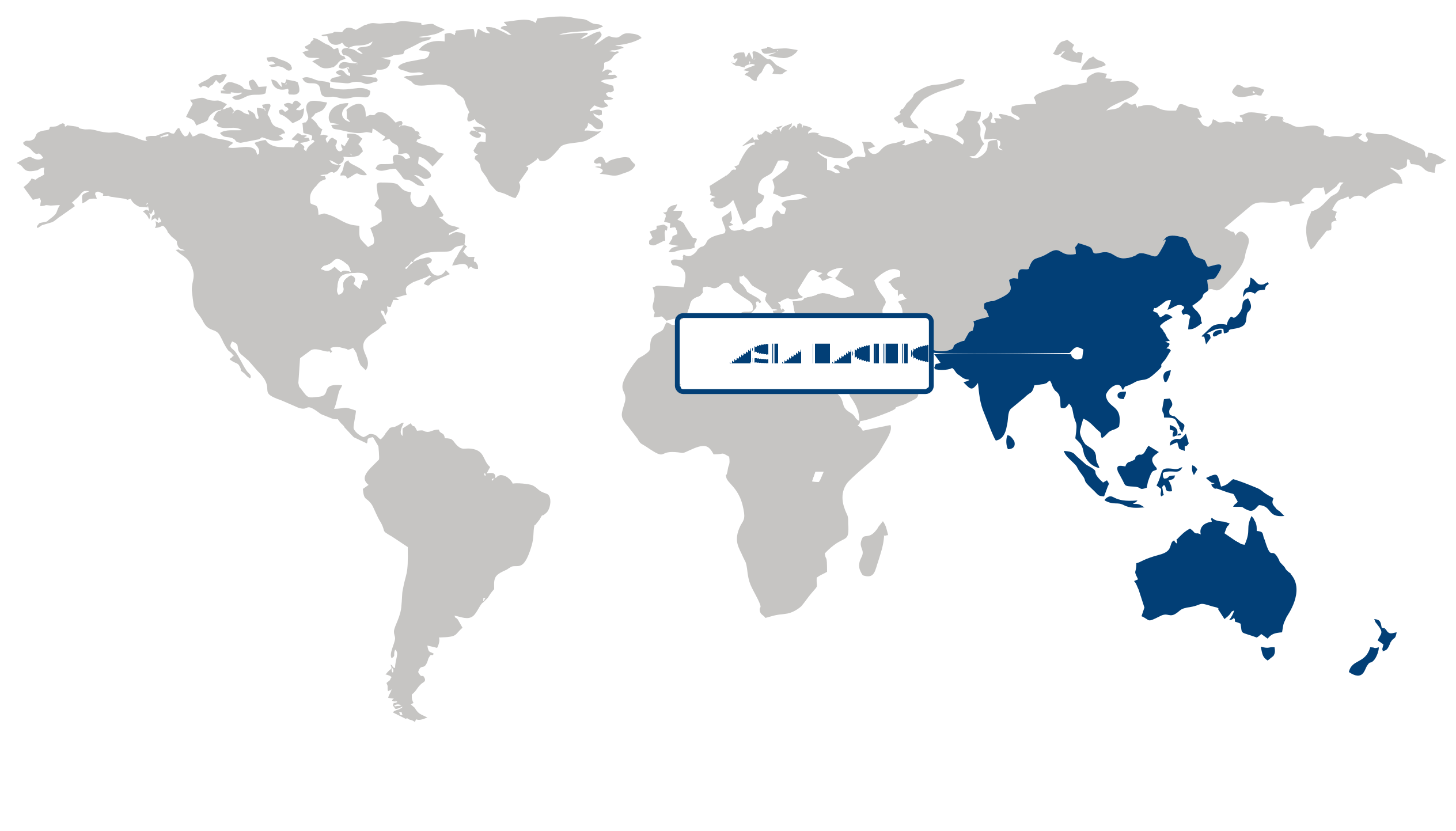
Asia Pacific
Forecast Period
2025-2034

Get more details on this report

Request Free Sample Report
Snapshot

Rotational Molding Machine Market Intelligence Snapshot

Regional Market Dynamics

Segment Momentum

Market Expansion Drivers

Leading Market Participants

Forecast Snapshot

Global Market Forecast Snapshot

Market Outlook

Regional and Segment Outlook

Market Dynamics

Market Growth Drivers and Industry Trends

Growth Drivers & Opportunities The Rotational Molding Machine Market is experiencing significant growth driven by various factors. One of the primary growth drivers is the rising demand for lightweight and durable plastic products across multiple industries, including automotive, consumer goods, and packaging. Rotational molding offers the ability to create complex shapes and designs that meet specific product requirements, making it particularly appealing to manufacturers seeking innovation in design. Another significant opportunity lies in the increasing focus on sustainability within manufacturing processes. Rotational molding machines are capable of using recycled materials, which not only reduces waste but also addresses the environmental concerns of consumers and regulatory bodies. This shift towards eco-friendly practices is encouraging businesses to invest in rotational molding technologies, creating further growth opportunities in the market. Additionally, advancements in technology have enhanced the efficiency and productivity of rotational molding machines. Automation and improved control systems facilitate faster production cycles and reduce labor costs. This technological evolution allows manufacturers to improve their output while maintaining quality, thus appealing to a wider range of potential buyers. Emerging economies are also playing a crucial role in expanding the market landscape. As industrialization progresses in countries with developing markets, there is a growing demand for plastic products. Businesses are increasingly adopting rotational molding due to its cost-effectiveness and ability to produce high-quality, consistent results. Industry Restraints: Despite the favorable growth outlook, the Rotational Molding Machine Market faces several restraints that could hinder its expansion. A major challenge is the high initial investment required for acquiring advanced rotational molding machines and installing them within manufacturing facilities. Smaller manufacturers may find it particularly difficult to afford these upfront costs, potentially limiting their participation in this market segment. Another restraint is the competition from alternative manufacturing processes such as injection molding and blow molding. These alternatives can offer faster production times and more precise dimensional accuracy for certain product lines, making them preferable in some applications. As manufacturers seek to optimize their processes, the versatility of these competing methods could pose a significant threat to the rotational molding market. Furthermore, fluctuations in raw material prices can also impact the overall market dynamics. The costs associated with the polymers used in rotational molding are susceptible to market volatility, which can squeeze margins for manufacturers. Thus, unpredictable increases in these expenses could deter investment in rotational molding technologies. Lastly, skilled labor shortages in the manufacturing sector pose a significant challenge to the growth of the rotational molding market. The need for experienced operators and technicians who can efficiently run and maintain these advanced machines is critical. Without a skilled workforce, productivity may suffer, ultimately affecting overall market growth.

Explore Growth Opportunities

Request Free Sample Report
Regional Forecast

Regional Demand Dynamics

Rotational Molding Machine Market
Largest Region
Asia Pacific
XX% Market Share in 2024
North America The North American rotational molding machine market is poised for steady growth, primarily driven by the increasing demand for customized and durable plastic products across various industries. The United States, as the largest market in the region, is focusing on innovation and technological advancements, particularly in automotive, consumer goods, and recreational products. Canada shows promise as well, with an expanding manufacturing sector that values flexibility and efficiency in production processes. The trend towards sustainability is prompting manufacturers to invest in more eco-friendly machine technologies, which will further boost market development in this region. Asia Pacific The Asia Pacific region is anticipated to witness the fastest growth in the rotational molding machine market, with China leading the charge due to its massive manufacturing base and rising domestic demand for plastic products. The country is continuously investing in infrastructure and has a strong consumer market, which influences the demand for rotationally molded items, especially in packaging and construction. Japan and South Korea are also key players in this region, emphasizing automation and high-tech solutions, which enhance productivity and reduce costs. As these economies adopt more advanced manufacturing practices, they are expected to experience significant growth in the rotational molding sector. Europe In Europe, the rotational molding machine market is characterized by increasing demand from sectors such as automotive, toys, and industrial containers. Germany stands out as the leading country in this region, attributed to its robust automotive industry and emphasis on innovative materials. The UK and France are also notable contributors, with growing markets for consumer goods and personalized products. The European market is shifting towards sustainable practices, compelling manufacturers to develop machines that facilitate the use of recycled materials and reduce waste, thereby creating opportunities for growth in the region.
🔒 Need data on a specific country or region? Individual country/region reports are available at discounted pricing. Inquire Before Buying

Go beyond the chart, access full insights & data tables

Request Free Sample Report
Molding Type Analysis The rotational molding machine market is segmented into several molding types, each with distinct characteristics and applications. Rock molding, often preferred for its simplicity and effectiveness, is utilized in creating large, hollow thermoplastic items. Roll molding is gaining traction due to its efficiency in producing complex shapes with a smoother finish. Shuttle molding, characterized by its ability to mold in multiple stations, is favored for high-volume production, while carousel molding allows for continuous operation and high output, making it suitable for companies seeking to maximize productivity. Vertical molding, although less common, offers advantages in space-saving and specific applications. Lastly, bi-axial molding is noted for its unique ability to produce uniform wall thickness and is increasingly used in high-performance applications. Capacity Analysis Capacity is another critical segment that plays a vital role in market dynamics. Small capacity machines, which cater to niche manufacturers and custom products, are expected to gain traction as startups and smaller companies capitalize on the flexibility these machines provide. Medium capacity machines are poised for significant growth due to the increasing demand from mid-sized firms looking to scale up operations without investing in large-scale machinery. On the other hand, large capacity machines are becoming integral in high-demand sectors such as automotive and construction, where large-volume production is essential. The trend indicates a growing preference for machines that can handle larger volumes efficiently while maintaining quality. Application Analysis When examining applications, industrial products take the lead as they encompass a wide range of uses, from storage tanks to containers. Automotive components are also experiencing rapid growth, driven by innovations in lightweight materials and designs that enhance vehicle efficiency. The agricultural equipment segment is expanding due to a focus on durable products that can withstand harsh environmental conditions. Marine products are increasingly being produced using rotational molding technologies, as manufacturers seek robust, lightweight solutions for boats and related gear. Finally, the construction products segment is seeing heightened demand for custom molds and water management solutions, which presents both opportunities and challenges for manufacturers in this space. Raw Material Analysis The raw material segment largely influences product quality and production costs in the rotational molding machine market. Polyethylene continues to be the dominant choice due to its favorable properties, such as durability and chemical resistance. However, a growing trend towards sustainability is pushing manufacturers towards bio-based and recycled materials, opening up new avenues for innovation. Polypropylene is also gaining popularity for certain applications due to its flexibility and impact resistance. As the market evolves, there is increasing interest in hybrid materials that combine the advantages of traditional plastics with enhanced performance characteristics.
Segment Sub-Segment Largest Segment Fastest Growing
Custom Research

Unlock insights tailored to your business with our bespoke market research solutions.

Click to get your customized report now.

Request Customization →
Competitive Landscape

Competitive Landscape and Market Positioning

The competitive landscape of the Rotational Molding Machine Market is characterized by a blend of established players and emerging companies vying for market share through innovation, technological advancements, and strategic partnerships. Key factors driving competition include product differentiation, pricing strategies, and the ability to meet diverse customer requirements across various industries such as automotive, consumer goods, and industrial applications. The growing demand for lightweight and durable plastic products is prompting manufacturers to enhance their R&D investments in rotational molding technology, leading to the development of advanced machines that offer improved efficiency and sustainability. Collaboration with end-users and a focus on customization further establish a competitive edge among market participants. Top Market Players 1. Hilmco 2. RotoMetrics 3. Free Form Plastics 4. Nayarit 5. Modern Engineering 6. GPM Machinery 7. Wabash Plastics 8. Roto-Shape 9. Romax 10. Roto-Products
Company Market Share Company Revenue Revenue CAGR (%) Product Portfolio Geographic Presence Innovation / R&D Focus Strategic Developments
No companies available.
🔒 This section is available as a standalone purchase. Buy only the data you need. Inquire Before Buying
Report Customization

Customize Your Report

Explore examples of how this report can be tailored to different research needs, including custom segments, additional topics or chapters, and related reports. Click a section of the wheel or its numbered marker to explore the available options.

1 Custom Segments 2 Custom TOC 3 Related Reports

Rotational Molding Machine Market — Custom Segments

Segment Sub-Segment
No segment data available.

Rotational Molding Machine Market — Custom TOC

Custom Chapter Chapter Details
No custom TOC data available.

Need a different cut of the data?

Request Custom Research
FAQ

Frequently Asked Questions

Testimonials

Our Clients

"The team at Fundamental Business Insights & Consulting demonstrated a commitment to excellence, not only in the quality of the report but also in their client-centric approach."

Regional Plant Head
FANUC

"The level of detail in the market segmentation provided were particularly noteworthy. The detailed country-level insights were also very helpful."

Delivery Head
B&R Industrial Automation GmbH

"The consultant took the time to understand our specific business objectives, ensuring that the reports were tailored to address our unique challenges and opportunities."

Operations Manager
KUKA SE & Co. KGaA
THE RESEARCH BEHIND THIS REPORT

Our Research Team & Methodology

Every Fundamental Business Insights report is built by a dedicated vertical research team, validated through a structured primary-and-secondary methodology, and reviewed for accuracy before it reaches you.

THIS REPORT'S RESEARCH VERTICAL
Industrial Automation & Equipment
Research Team Overview

This report was prepared by the Industrial Automation & Equipment Research Team at Fundamental Business Insights, a dedicated research group specializing in industrial automation technologies, manufacturing systems, and industrial equipment markets. Our analysts continuously monitor advancements in factory automation, robotics, industrial IoT (IIoT), smart manufacturing, process optimization, equipment modernization, supply chain developments, industrial safety standards, and evolving digital transformation initiatives across manufacturing industries to deliver timely and reliable market intelligence. The research is developed using a structured methodology that combines primary discussions with equipment manufacturers, automation solution providers, system integrators, industrial end users, distributors, and industry experts, along with company annual reports, regulatory publications, government industrial statistics, industry associations, technical standards, engineering publications, and other authoritative secondary sources. Market estimates are validated through multiple research techniques, including top-down and bottom-up analysis, before undergoing an internal quality review to ensure accuracy, consistency, and methodological integrity prior to publication.

Prepared by the Industrial Automation & Equipment Research Team
10+Industry Verticals
100+Countries Analyzed
5-7Days Standard
Delivery
13.8K+Research Reports
Published
On-DemandCustomized Research
Available
6Months Analyst
Support
PDF + XLSReport Deliverables
Trust & Compliance
D&B D-U-N-S
GDPR & CCPA Compliant
ISO 9001 Certified (ISO 9001:2015)
SSL Encryption
Secure Payments
Confidential Handling
Research Intelligence
Primary Research Network
Secondary Sources
Executive Leadership
Product & Technology Experts
Manufacturing & Operations Leaders
Procurement & Supply Chain Professionals
Sales & Commercial Executives
Channel Partners & Distribution Networks
Enterprise Buyers & End Users
Industry Consultants & Regulatory Experts
Research Workflow & Quality Assurance
01
Data Collection
Verified information gathered through primary and secondary research.
02
Data Triangulation
Cross-validation using multiple independent data sources.
03
Forecast Modelling
Market estimates developed using historical trends and analytical models.
04
Analyst Validation
Findings reviewed by domain experts for accuracy and consistency.
05
Editorial & Quality Review
Final editorial, quality, and compliance checks before publication.
06
Final Publication
Released after successful completion of the internal review process.
Report Coverage
Market Assessment
  • Market Size & Forecast
  • Market Segmentation
  • Regional Analysis
  • Growth Drivers & Challenges
  • Market Dynamics
🏢 Competitive Intelligence
  • Competitive Landscape
  • Company Profiles
  • Competitive Benchmarking
  • Mergers & Acquisitions
  • Market Share Analysis or Key Company Strategies
🔍 Strategic Analysis
  • Value Chain Analysis
  • Porter's Five Forces
  • PESTLE Analysis
  • Pricing Trends
  • Supply-Demand Analysis
🚀 Future Outlook
  • Technology Landscape
  • Regulatory Landscape
  • Investment & Funding Landscape
  • Emerging Opportunities
  • Future Market Outlook
Have a question about this report or need a custom scope?
Request Customization

Want this data scoped to your exact question?

Tell us the segments, regions, or competitors you need answered — an analyst will confirm scope before any custom work starts.

Talk to an Analyst →