Rock Climbing Gym Market Size & Share, By Customer Type (Individual Climbers, Families, Groups (Corporate Events, Team Building)), Gym Type (Bouldering, Top Rope/Lead Climbing, Trad/sports climbing, Multi-Purpose (With Cardio, Fitness Equipment)), Facility Amenities (Belay Stations, Auto-Belays, Climbing Walls, Training Equipment (Hangboards, Campus Boards), Yoga, Fitness Classes, Pro Shops), Climbing Difficulty (Beginner-Friendly, Intermediate, Advanced, Elite), Pricing Model - Growth Trends, Regional Insights (U.S., Japan, South Korea, UK, Germany), Competitive Positioning, Global Forecast Report 2025-2034

Report ID: FBI 18388| Published Date: Apr-2025| Format: PDF, Excel
Jump to Content
Market Outlook

Market Size and Growth Outlook

Rock Climbing Gym Market size is set to grow from USD 13.59 billion in 2024 to USD 35.57 billion by 2034, reflecting a CAGR of more than 10.1% between 2025 and 2034. In 2025, the industry is estimated to generate USD 14.69 billion in revenue.

Base Year Value (2024)
USD 13.59 Billion
CAGR (2025-2034)
10.1%
Forecast Year Value (2034)
USD 35.57 Billion
Historical Data Period
2021-2024
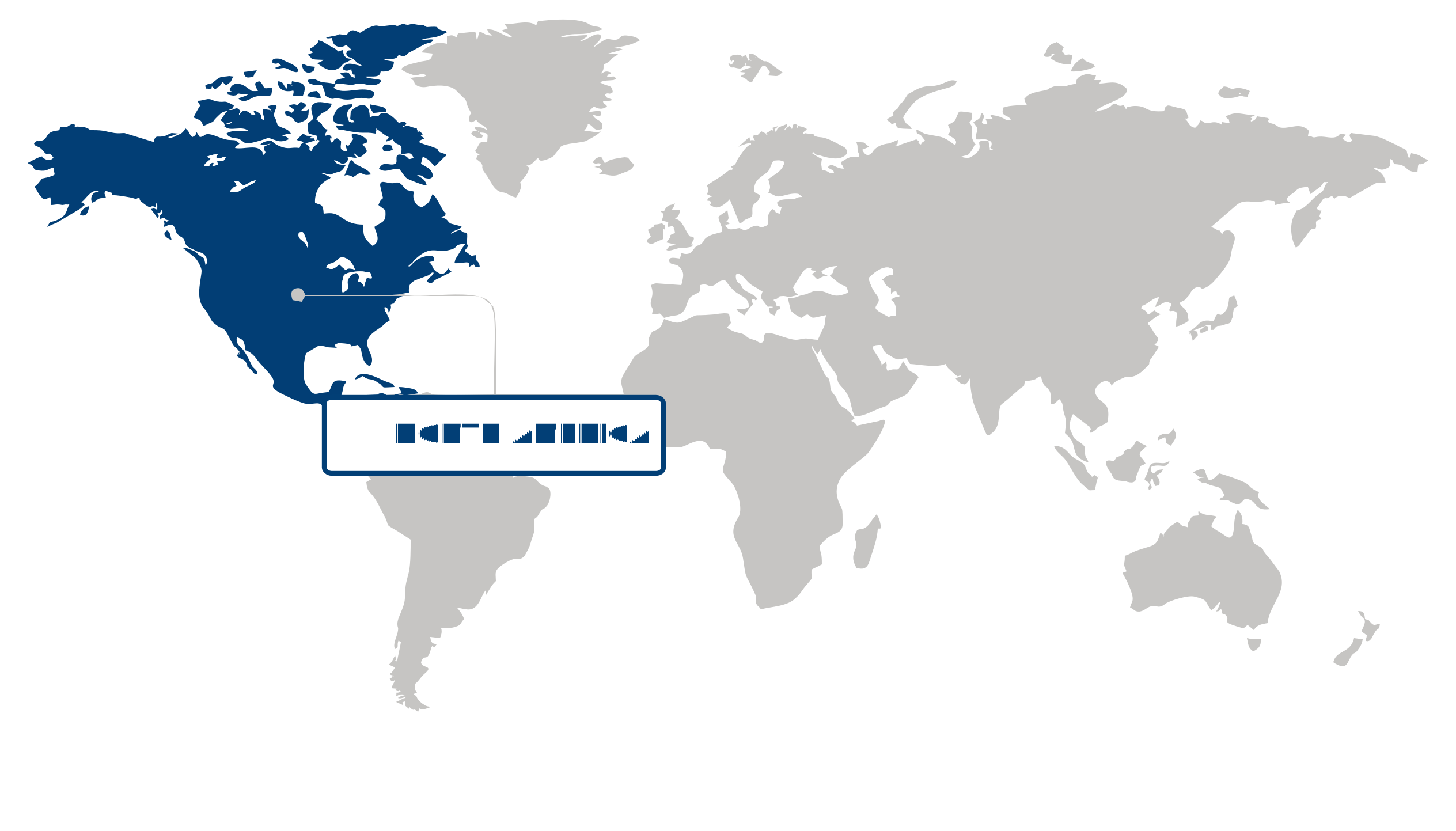
Largest Region
North America
Forecast Period
2025-2034

Get more details on this report

Request Free Sample Report
Snapshot

Rock Climbing Gym Market Intelligence Snapshot

Regional Market Dynamics

Segment Momentum

Market Expansion Drivers

Leading Market Participants

Forecast Snapshot

Global Market Forecast Snapshot

Market Outlook

Regional and Segment Outlook

Market Dynamics

Market Growth Drivers and Industry Trends

Growth Drivers & Opportunities The rock climbing gym market is experiencing significant growth driven by a surge in interest in fitness and outdoor activities. An increasing awareness of the health benefits associated with rock climbing, such as improved strength, flexibility, and mental well-being, has fueled participation rates across diverse demographics. The social aspect of rock climbing also attracts individuals looking for community engagement and connection, making climbing gyms appealing as social hubs. Furthermore, the rise of fitness-oriented lifestyles, particularly among millennials and Gen Z, is leading to a growing acceptance of unconventional sports, including indoor climbing. Technological advancements are enhancing the overall climbing experience, as innovative products such as climbing walls with built-in sensors and augmented reality features attract tech-savvy consumers. The ability to simulate various climbing environments and provide real-time feedback fosters an engaging atmosphere, appealing to both novice and experienced climbers. Additionally, the rise of bouldering, which requires less commitment than traditional rope climbing, offers an attractive entry point for beginners and has driven the establishment of more gyms dedicated to this climbing style. Another key opportunity arises from partnerships and collaborations within the industry. Climbing gyms can benefit from alliances with local schools, universities, and fitness organizations, promoting climbing as an essential component of physical education and recreational activities. Such collaborations can generate interest and participation, particularly in communities that may not be familiar with climbing. Furthermore, the growing trend of experiential leisure activities positions climbing gyms as attractive options for team-building exercises, birthday parties, and special events. Industry Restraints: Despite the promising growth prospects, the rock climbing gym market faces several challenges that could hinder its expansion. The initial capital investment required to establish and maintain a climbing gym can be substantial, which may deter potential entrepreneurs from entering the market. High operating costs, including insurance, facility maintenance, and equipment upkeep, can further strain profitability, especially during economic downturns when discretionary spending is limited. Moreover, safety concerns are paramount in the climbing industry. Incidents and injuries associated with climbing can lead to negative perceptions and apprehensions about participation, potentially impacting customer retention. Ensuring adequate safety measures, staff training, and equipment quality is crucial, but it can also add to operational costs and complicate management processes. Another significant restraint is the competitive landscape within the fitness industry. Climbing gyms must compete with traditional gyms, boutique fitness studios, and a variety of alternative leisure activities. As more fitness trends emerge, there is a constant need for climbing gyms to differentiate themselves through unique offerings, exceptional service, and community engagement to attract and retain members. Additionally, geographical limitations may restrict access for certain populations, making it difficult for gyms to reach a wider audience and fully capitalize on market potential.

Explore Growth Opportunities

Request Free Sample Report
Regional Forecast

Regional Demand Dynamics

Rock Climbing Gym Market
Largest Region
North America
XX% Market Share in 2024
North America The North American rock climbing gym market, particularly in the United States and Canada, remains one of the largest and most developed globally. The U.S. serves as the focal point for this market, driven by a strong culture of fitness and adventure sports. Cities like Boulder, Colorado, and Los Angeles, California, harbor a high concentration of climbing facilities, catering to a growing urban population interested in health and wellness activities. The trend of integrating climbing walls in fitness centers further catalyzes the market growth. Canada is also witnessing an increase in indoor climbing facilities, particularly in urban centers such as Toronto and Vancouver, driven by a young, active demographic. Asia Pacific In the Asia Pacific region, countries like China, Japan, and South Korea are experiencing significant growth in the rock climbing gym market. China, with its rapidly urbanizing population and increasing interest in sports and recreational activities, is projected to lead significant expansion in this sector. Major cities such as Beijing and Shanghai are seeing a rise in indoor climbing venues, attracting both enthusiasts and beginners. Meanwhile, Japan's established climbing culture, along with the preparation for international sporting events such as the Olympics, contributes to the steady growth of climbing gyms, especially in urban areas like Tokyo. South Korea, particularly through the influence of youth culture and the rise of adventure sports, is also emerging as a notable player with growing facilities. Europe Europe's rock climbing gym market is robust, with significant activity in countries like the United Kingdom, Germany, and France. The UK has a well-entrenched climbing community, with cities such as Manchester and London boasting numerous indoor climbing locations tailored to various skill levels. Germany stands out with its distinctive climbing culture, bolstered by the presence of both indoor and outdoor climbing opportunities. Cities like Munich and Berlin are deepening their investment in climbing gyms, reflecting the growing popularity of the sport. France, particularly in regions like Paris and Grenoble, experiences a surge in climbing facilities, influenced by its rich outdoor climbing heritage and increasing urban interest in fitness activities.
🔒 Need data on a specific country or region? Individual country/region reports are available at discounted pricing. Inquire Before Buying

Go beyond the chart, access full insights & data tables

Request Free Sample Report
Customer Type The rock climbing gym market is segmented by customer type into individual climbers, families, and groups. Individual climbers represent a significant portion of the market as they seek personal fitness and adventure experiences. Families have increasingly turned to climbing gyms as an engaging recreational activity that promotes physical fitness and bonding. Groups, particularly those involved in corporate events and team-building exercises, are also emerging as a substantial segment in the market. This segment is driven by the growing trend of companies investing in unique experiences that foster team cohesion. Among these, family-oriented climbing sessions are expected to exhibit the largest market size, while group sessions may show the fastest growth due to the rising interest in corporate wellness and team-building activities. Gym Type When examining gym types, the market can be divided into bouldering, top rope/lead climbing, trad/sports climbing, and multi-purpose gyms that include cardio and fitness equipment. Bouldering gyms have witnessed rising popularity due to their low barrier to entry and social atmosphere. Multi-purpose gyms have grown, attracting a broader audience by offering diverse fitness options alongside climbing. Top rope and lead climbing facilities cater to more serious climbers and tend to hold steady market sizes as dedicated climbing enthusiasts often seek these specialized venues. Bouldering gyms are anticipated to show the largest market size, while multi-purpose gyms may experience the fastest growth as the demand for versatile fitness environments rises. Facility Amenities Facility amenities play a pivotal role in attracting customers, with offerings such as belay stations, auto-belays, climbing walls, and training equipment like hangboards and campus boards being essential. Additionally, amenities that include yoga, fitness classes, and pro shops can significantly enhance the gym's appeal. Gyms that prioritize a diverse range of amenities tend to attract a wider customer base and can command higher membership prices. Among these segments, gyms with a range of training equipment are predicted to emerge with the largest market size, while facilities offering extensive yoga and fitness classes may experience the fastest growth due to the increasing popularity of holistic fitness approaches. Climbing Difficulty The climbing difficulty segment encompasses beginner-friendly, intermediate, advanced, and elite-level climbing. Beginner-friendly facilities are crucial for attracting new climbers and fostering interest in the sport. Meanwhile, advanced and elite segments cater to skilled climbers looking for challenging experiences. As the market matures, a growing number of gyms are diversifying their offerings across all difficulty levels, ensuring they can meet various skill sets. Facilities focusing on beginner-friendly options are expected to have the largest market size, while those that cater to intermediate and advanced climbers might see the fastest growth as more individuals strive to challenge themselves with progressive climbing levels. Pricing Model The pricing model segment of the rock climbing gym market consists of membership-based pricing, pay-per-use, and package deals. Membership models are popular as they provide steady revenue and foster customer loyalty, while pay-per-use models attract occasional visitors who may shy away from long-term commitments. Package deals, which combine multiple services at a discounted rate, are also gaining traction as gyms seek to appeal to family groups and corporate clients. Membership-based pricing is anticipated to command the largest market size, while the rise of package deals may drive the fastest growth as gyms adapt to consumer preferences for flexibility and value.
Segment Sub-Segment Largest Segment Fastest Growing
Custom Research

Unlock insights tailored to your business with our bespoke market research solutions.

Click to get your customized report now.

Request Customization →
Competitive Landscape

Competitive Landscape and Market Positioning

The competitive landscape in the Rock Climbing Gym Market is characterized by a mix of established players and emerging startups, with an increasing number of facilities offering diverse climbing experiences to cater to growing demand. Key trends include the rise of boutique gyms focusing on specific climbing styles, the integration of technology for enhanced training and community engagement, and an emphasis on providing a comprehensive fitness experience that includes yoga, nutrition, and adventure events. Major cities are seeing a proliferation of climbing gyms, as urban dwellers seek accessible and engaging fitness options, while partnerships with outdoor brands and climbing competitions further drive market growth. Top Market Players Brooklyn Boulders Climb Central The Climbing Hangar Earth Treks Vertical Endeavors Rockreation Movement Climbing + Fitness Momentum Indoor Climbing Climb Nashville Planet Granite
Company Market Share Company Revenue Revenue CAGR (%) Product Portfolio Geographic Presence Innovation / R&D Focus Strategic Developments
No companies available.
🔒 This section is available as a standalone purchase. Buy only the data you need. Inquire Before Buying
Report Customization

Customize Your Report

Explore examples of how this report can be tailored to different research needs, including custom segments, additional topics or chapters, and related reports. Click a section of the wheel or its numbered marker to explore the available options.

1 Custom Segments 2 Custom TOC 3 Related Reports

Rock Climbing Gym Market — Custom Segments

Segment Sub-Segment
No segment data available.

Rock Climbing Gym Market — Custom TOC

Custom Chapter Chapter Details
No custom TOC data available.

Need a different cut of the data?

Request Custom Research
FAQ

Frequently Asked Questions

Testimonials

Our Clients

"The team demonstrated a great understanding of our business needs, and the reports were tailored to address our specific concerns and objectives."

Delivery Manager
Infosys

"The report was up-to-date with the latest industry trends and technological advancements. The detailed competitive landscape analysis was quite helpful."

Network Engineer
Zebra Technologies

"The data presented in the report was accurate and well-researched. I also found the market dynamics section particularly useful."

Senior Sales Manager
Arlo Technologies
THE RESEARCH BEHIND THIS REPORT

Our Research Team & Methodology

Every Fundamental Business Insights report is built by a dedicated vertical research team, validated through a structured primary-and-secondary methodology, and reviewed for accuracy before it reaches you.

THIS REPORT'S RESEARCH VERTICAL
Smart Technologies
Research Team Overview

This report was prepared by the Smart Technologies Research Team at Fundamental Business Insights, a dedicated research group specializing in emerging digital technologies and intelligent connected systems. Our analysts continuously monitor advancements in artificial intelligence, Internet of Things (IoT), cloud computing, edge computing, cybersecurity, automation, digital transformation strategies, and evolving enterprise adoption trends to deliver timely and reliable market intelligence. The research is developed using a structured methodology that combines primary discussions with technology providers, software vendors, system integrators, enterprise users, and industry experts, along with company annual reports, investor presentations, regulatory publications, technology standards, industry associations, technical white papers, and other authoritative secondary sources. Market estimates are validated through multiple research techniques, including top-down and bottom-up analysis, before undergoing an internal quality review to ensure accuracy, consistency, and methodological integrity prior to publication.

Prepared by the Smart Technologies Research Team
10+Industry Verticals
100+Countries Analyzed
5-7Days Standard
Delivery
13.8K+Research Reports
Published
On-DemandCustomized Research
Available
6Months Analyst
Support
PDF + XLSReport Deliverables
Trust & Compliance
D&B D-U-N-S
GDPR & CCPA Compliant
ISO 9001 Certified (ISO 9001:2015)
SSL Encryption
Secure Payments
Confidential Handling
Research Intelligence
Primary Research Network
Secondary Sources
Executive Leadership
Product & Technology Experts
Manufacturing & Operations Leaders
Procurement & Supply Chain Professionals
Sales & Commercial Executives
Channel Partners & Distribution Networks
Enterprise Buyers & End Users
Industry Consultants & Regulatory Experts
Research Workflow & Quality Assurance
01
Data Collection
Verified information gathered through primary and secondary research.
02
Data Triangulation
Cross-validation using multiple independent data sources.
03
Forecast Modelling
Market estimates developed using historical trends and analytical models.
04
Analyst Validation
Findings reviewed by domain experts for accuracy and consistency.
05
Editorial & Quality Review
Final editorial, quality, and compliance checks before publication.
06
Final Publication
Released after successful completion of the internal review process.
Report Coverage
Market Assessment
  • Market Size & Forecast
  • Market Segmentation
  • Regional Analysis
  • Growth Drivers & Challenges
  • Market Dynamics
🏢 Competitive Intelligence
  • Competitive Landscape
  • Company Profiles
  • Competitive Benchmarking
  • Mergers & Acquisitions
  • Market Share Analysis or Key Company Strategies
🔍 Strategic Analysis
  • Value Chain Analysis
  • Porter's Five Forces
  • PESTLE Analysis
  • Pricing Trends
  • Supply-Demand Analysis
🚀 Future Outlook
  • Technology Landscape
  • Regulatory Landscape
  • Investment & Funding Landscape
  • Emerging Opportunities
  • Future Market Outlook
Have a question about this report or need a custom scope?
Request Customization

Want this data scoped to your exact question?

Tell us the segments, regions, or competitors you need answered — an analyst will confirm scope before any custom work starts.

Talk to an Analyst →