Resin Capsule Market Size & Forecasts 2026-2035, By Segments (Type, Catalyst Type, End-Use Industry), Growth Opportunities, Innovation Landscape, Regulatory Shifts, Strategic Regional Insights (U.S., Japan, China, South Korea, UK, Germany, France), and Competitive Dynamics (Henkel, 3M, Huntsman, BASF, Arkema)
Jump to Content
Market Size and Growth Outlook
Resin Capsule Market size is likely to expand from USD 1.42 billion in 2025 to USD 2.27 billion by 2035, posting a CAGR above 4.8% across 2026-2035. The industry’s revenue potential for 2026 is USD 1.48 billion.
Get more details on this report
Request Free Sample ReportResin Capsule Market Intelligence Snapshot
Regional Market Dynamics
Segment Momentum
Market Expansion Drivers
Leading Market Participants
Global Market Forecast Snapshot
Market Outlook
Regional and Segment Outlook
Market Growth Drivers and Industry Trends
Rising requirements from healthcare and high-spec industrial buyers are driving demand for components with tight tolerances and proven performance, directly affecting the resin capsule market. Regulatory frameworks and standards such as ISO 13485 and guidance from the U.S. Food and Drug Administration (FDA) increasingly condition procurement on documented quality systems, while ASTM International test methods set measurable acceptance criteria; device manufacturers and OEMs therefore prefer certified suppliers. Established producers can leverage certified manufacturing and traceability as a barrier to entry, while new entrants can win niche share by specializing in validated, small-batch production. Given expanding regulatory scrutiny and buyer emphasis on supply assurance, certified precision suppliers will capture prioritized procurement in the near term.
Advanced Formulation Development for Enhanced Performance
Ongoing R&D into specialty polymers and tailored chemistries is shaping product differentiation across the resin capsule market, with formulation shifts prompted by regulatory limits and end‑use performance needs. The European Chemicals Agency (ECHA) REACH processes and product stewardship announcements from materials firms such as BASF and Evonik have accelerated substitution toward higher‑performance or lower‑risk resins, and Dow and Henkel technical bulletins illustrate industry investment in functional additives and durability improvements. Incumbents with scale R&D can protect margins by bundling formulation expertise and regulatory support, while agile entrants can differentiate with bio‑based or application‑specific chemistries. Observable industry publications and material suppliers’ technical releases indicate continued prioritization of advanced formulations in procurement and product design.
Expansion in Emerging-Region Medical, Construction, and Industrial Applications
Infrastructure and healthcare expansion in emerging markets is expanding end‑use demand for resin capsules in medical devices, adhesives, and industrial fastening systems, creating new geographic growth corridors for the resin capsule market. Financing and project pipelines identified by the World Bank for infrastructure and WHO programs for medical device access are expanding procurement pools, while regional players such as Sika and Cemex publicly targeting emerging‑market construction demand demonstrate commercial pull. Large suppliers can scale through local production footprints and distribution partnerships, whereas new entrants can pursue targeted partnerships or service‑led offerings to capture retrofit and aftermarket opportunities. Continued public investment and corporate expansion into these regions point to sustained demand diversification across end markets.
Industry Restraints:
Regulatory Compliance Burdens
Evolving chemical regulation—notably European Chemicals Agency (ECHA) actions under REACH and policy signals from the European Commission’s Green Deal alongside U.S. Environmental Protection Agency (EPA) risk evaluations under TSCA—raises compliance costs and extends product development timelines for resin capsule formulations. These frameworks force additional testing, substitution of legacy monomers, and documentation for end‑use safety, slowing new-product introductions and increasing capex for reformulation. Major manufacturers such as BASF and Evonik have publicly cited regulatory-driven reformulation efforts in their sustainability roadmaps. Strategically, incumbents with regulatory expertise and scale can absorb compliance overhead, while smaller entrants face higher barriers and longer cash‑burn periods. Near to medium term, tightening REACH lists and EPA scrutiny will sustain demand for compliant chemistries and consolidate suppliers who can demonstrate documented compliance.
Feedstock Price and Supply Chain Volatility
Dependence on petrochemical feedstocks (naphtha, ethylene derivatives) makes resin capsule economics vulnerable to energy-market swings and logistical disruptions, as documented by the International Energy Agency (IEA) and the U.S. Energy Information Administration (EIA) on price and supply volatility. Past episodes of margin pressure and production curtailments reported by Dow Inc. and BASF illustrate how feedstock shocks pass through to resin makers. For market participants, this raises procurement and margin management challenges: vertically integrated firms can hedge and stabilize supply, while smaller formulators face cost passthrough limits and inventory strain. Looking ahead, geopolitical risks and the energy transition will keep feedstock volatility central to strategic planning, incentivizing investments in feedstock diversification, contractual hedging, and regional supply flexibility.
| Growth Driver | Impact on CAGR | Regulatory Influence | Geographic Relevance | Adoption Rate | Impact Timeline |
|---|---|---|---|---|---|
| Increasing demand for precision and reliability in resin capsules | 1.50% | Short term (≤ 2 yrs) | North America, Europe; Spillover: Asia Pacific | Medium | Fast |
| Development of advanced formulations for better performance | 1.70% | Medium term (2–5 yrs) | Europe, Asia Pacific | Medium | Moderate |
| Growth in medical, construction, and industrial applications in emerging regions | 1.60% | Long term (5+ yrs) | Asia Pacific, Latin America; Spillover: MEA | Low | Moderate |
Explore Growth Opportunities
Request Free Sample ReportRegional Demand Dynamics
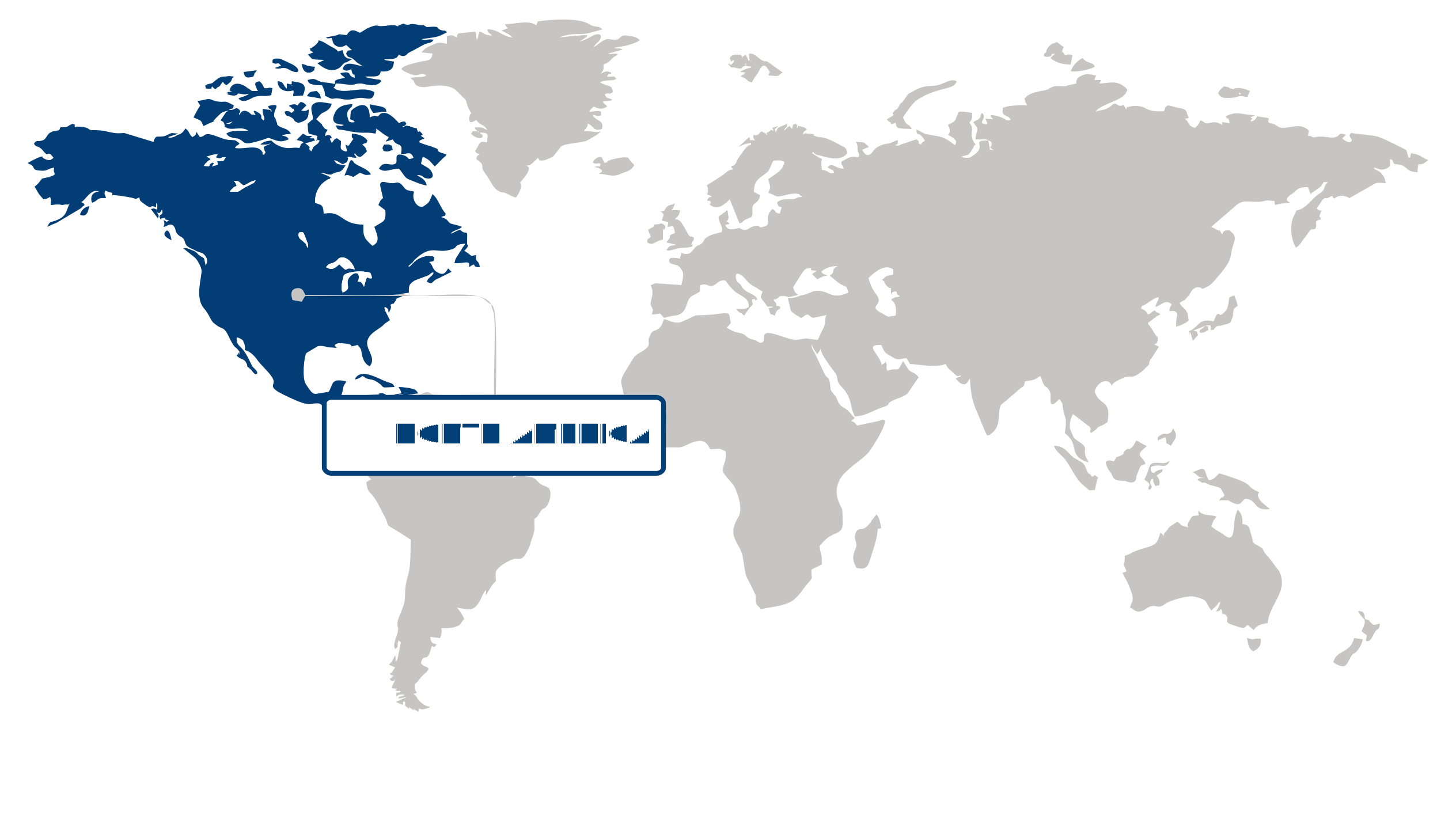
North America captured over 34.9% of the global resin capsule market in 2025 and remains the largest regional market by share, driven chiefly by robust infrastructure development and modernization initiatives across the U.S. and Canada. Large federal funding programs and project pipelines—illustrated by the U.S. Infrastructure Investment and Jobs Act and commitments from Infrastructure Canada and the Canada Infrastructure Bank—are increasing demand for durable, high-performance materials used in construction adhesives, coatings, and protective systems. This demand is amplified by tighter procurement specifications, growing emphasis on lifecycle performance and sustainability, and advances in formulation and manufacturing that shorten lead times and improve consistency; evidence of these dynamics appears in Federal Highway Administration program rollouts and analyses from the American Society of Civil Engineers. These factors position North America to capture premium segments and scale production efficiencies over the medium term, offering investors access to higher-margin applications and resilient demand streams.
The United States anchors the North American resin capsule market and functions as the primary demand engine, where federal infrastructure spending, procurement rules, and large-scale retrofitting create concentrated opportunities for suppliers and material innovators. Implementation of the Infrastructure Investment and Jobs Act alongside Federal Highway Administration projects and Buy America provisions has shifted purchasing toward domestically sourced, specification-compliant materials, prompting manufacturers to localize capacity, invest in quality control, and offer specification-ready resin systems; the American Society of Civil Engineers’ infrastructure needs assessments further highlight the depth of this pipeline. For market participants, the implication is clear: aligning product development and manufacturing footprints with U.S. procurement standards and project timetables unlocks substantial regional share and creates leverage for entry into adjacent commercial and industrial end‑use segments.
Asia Pacific Market Analysis:
Asia Pacific emerged as the fastest-growing region in the resin capsule market, registering a CAGR of 6.72%. This acceleration is driven largely by expanding mining and tunneling activity in China and India, supported by rising infrastructure finance from the Asian Development Bank and sustained fixed-asset investment reported by the National Bureau of Statistics of China. Demand patterns favor high-volume, durable anchoring solutions for ground support and rock bolting, while stricter environmental and construction standards push suppliers toward low-VOC chemistries and validated performance. Corporate project announcements from China Railway Group and public spending signals from India’s Ministry of Mines illustrate near-term demand pull. Together with improving local manufacturing capability and digital site-mapping adoption, the region offers scale, technical upgrade opportunities, and resilient aftermarket demand for resin capsule suppliers and investors.
China is the primary demand engine for the resin capsule market in the region, where large-scale tunneling and mineral extraction projects drive volume and technical specification needs. National Bureau of Statistics of China data on infrastructure investment and statements from the Ministry of Natural Resources of the People’s Republic of China on increased mining activity underscore elevated orders for rock-anchoring consumables. Domestic manufacturers are scaling capacity while multinational suppliers focus on product validation and local technical service; China Railway Group project awards further illustrate steady procurement pipelines. For investors and strategists, China’s combination of project scale, local sourcing momentum, and evolving regulatory quality requirements makes it the indispensable market to capture APAC share.
Japan plays a premium, specification-driven role in the resin capsule market, supplying high-value applications tied to infrastructure renewal and seismic resilience. The Ministry of Land, Infrastructure, Transport and Tourism (MLIT) highlights ongoing tunnel maintenance and retrofitting programs that demand certified, high-performance anchoring systems; Obayashi Corporation and other major contractors have publicized rehabilitation contracts emphasizing material performance and traceability. Japanese buyers prioritize rigorous testing, long-term durability, and supplier technical support, creating opportunities for premium formulations, third-party certification services, and digital quality-assurance tools. Japan’s exacting standards reinforce regional product development and export credentials, strengthening APAC-wide commercial strategies.
Europe Market Trends:
resin capsule market held a significant share in Europe, reflecting the region’s concentration of specialty chemical production, advanced manufacturing, and stringent sustainability expectations. Demand in Europe has shifted toward lower-emission and circular materials while manufacturers and buyers prioritize traceability, as reflected in the European Commission’s Circular Economy Action Plan and the European Chemicals Agency (ECHA) updates to REACH restrictions. Supply-chain resilience and nearshoring have been reinforced by guidance from the European Chemical Industry Council (Cefic), and leading suppliers such as BASF and Evonik have highlighted investments in sustainable polymer platforms in recent press releases. Together, these signals make Europe an attractive base for premium, compliant resin capsule solutions and for scale-up of greener formulations. Opportunities will be strongest for suppliers that align product portfolios with EU regulatory trajectories and procurement preferences.
resin capsule market in Germany plays a central role as a production and innovation hub, anchored by large specialty chemical firms and advanced manufacturing clusters. Germany’s ecosystem—illustrated by BASF’s and Evonik’s corporate statements on sustainable materials and digital manufacturing—supports rapid adoption of higher-value, technically differentiated resin capsules; meanwhile policy direction from the Federal Ministry for Economic Affairs and Climate Action (BMWK) and technical guidance from the Umweltbundesamt encourage low-carbon production pathways. Strong engineering talent, robust logistics, and supplier networks reduce time-to-market for new formulations, making Germany a testbed for premium, compliant offerings that can be scaled across Europe. Strategically, success in Germany validates technology and certification credentials for broader regional rollout.
resin capsule market in France functions as a demand-driven center for sustainability-led product development and niche manufacturing. French priorities—supported by the Agence de la transition écologique (ADEME) programs and R&I initiatives from firms such as Arkema and Solvay—favor bio-based or recyclable resin approaches and lifecycle transparency, prompting procurement teams to favor suppliers with demonstrable environmental credentials. France’s cluster initiatives and government incentives for green chemistry accelerate piloting and commercialization of alternative formulations, and domestic OEMs increasingly require compliance with French and EU environmental standards. As a result, France is a strategic market for validating green value propositions that can influence buyer specifications across Europe.
| Parameter | North America | Asia Pacific | Europe | Latin America | MEA |
|---|---|---|---|---|---|
| Innovation HubiScaleNascentDeveloping Advanced | |||||
| Cost-Sensitive RegioniScaleLowMedium High | |||||
| Regulatory EnvironmentiScaleRestrictiveNeutral Supportive | |||||
| Demand DriversiScaleWeakModerate Strong | |||||
| Development StageiScaleEmergingDeveloping Developed | |||||
| Adoption RateiScaleLowMedium High | |||||
| New Entrants / StartupsiScaleSparseModerate Dense | |||||
| Macro IndicatorsiScaleWeakStable Strong |
Resin Capsule Market Share (%), by Type, 2026
Go beyond the chart, access full insights & data tables
Request Free Sample ReportPolyester represented largest share in the resin capsule market in 2025 and polyester leads among segments within Type because its cost-effectiveness and wide adoption in anchoring applications make it the procurement choice for contractors and distributors. Its leadership is reinforced by product offerings from Hilti and Fischer that emphasize polyester-based chemical anchors for routine fastening, while regulatory oversight from the European Chemicals Agency supports predictable compliance pathways; supply-chain familiarity and preference for lower-cost materials further entrench adoption. This creates opportunities for established resin makers to expand private-label programs and for agile entrants to capture retrofit and maintenance niches, and the segment should remain central near term as cost pressure and high-volume infrastructure activity persist.
Analysis by Catalyst Type
Organic peroxides held largest share in the resin capsule market in 2025 as the leading catalyst among segments due to their fast curing and high bonding efficiency essential to construction and mining operations. Major suppliers such as Arkema and Nouryon highlight peroxide portfolios that enable rapid set times and mechanized installation workflows, while safety guidance from the U.S. Occupational Safety and Health Administration informs handling standards that industry buyers expect; the performance-to-install-time ratio and digital monitoring of cure make peroxides preferred in schedule-driven projects. Strategic opportunities include development of lower-odor, stabilized peroxide systems for urban works and tailored formulations for OEMs, and demand for rapid-cure chemistries should keep this segment relevant in the near to medium term.
Analysis by End-Use Industry
Construction held largest share in the resin capsule market in 2025 among end-use segments, supported by rising infrastructure development and strong demand for reliable anchoring solutions. The World Bank’s continued emphasis on infrastructure investment and product launches from Sika and BASF that target structural anchoring underscore construction’s pull on segments such as polyester resins and fast-curing catalysts; customer preference for certified systems, contractor labor trends toward faster install methods, and regulatory focus on safety and durability further drive procurement choices. This concentration offers established players scale advantages and service-led upsell opportunities, while new entrants can differentiate through specification-ready systems for retrofit and green building projects, sustaining the segment’s relevance through ongoing public and private project pipelines.
| Segment | Sub-Segment | Largest Segment | Fastest Growing |
|---|---|---|---|
| Type | Polyester, Epoxy | ||
| Catalyst Type | Organic peroxides, Oil-based, Water-based | ||
| End-Use Industry | Construction, Mining, Manufacturing, Others |
Unlock insights tailored to your business with our bespoke market research solutions.
Click to get your customized report now.
Competitive Landscape and Market Positioning
The competitive environment is shaped by deliberate expansion of capabilities and closer alignment with downstream users. Several players have broadened portfolios by folding complementary businesses into their offerings while others have intensified local presence through added production and technical-service capacity. New resin grades tailored to performance and sustainability requirements are being rolled out alongside enhanced application support and pilot-scale validation, and digital tools for formulation and customer engagement are being adopted to shorten development cycles. Those moves sharpen differentiation, raise barriers for smaller entrants, and accelerate an industry-wide shift toward higher-value, more specialized resin solutions.
Strategic / Actionable Recommendations for Regional Players
North America: Prioritize co-development with industrial OEMs and converters to capture demand in electronics, automotive, and specialty industrial segments; pair advanced formulation capabilities with pilot production and digital formulation platforms to reduce time-to-shelf; pursue selective commercial tie-ups with distributors to strengthen routes to market and service for high-performance resin capsules.
Asia Pacific: Build localized manufacturing and technical-support footprints to match fast-evolving regional demand; align with regional chemical and feedstock partners to secure cost-competitive inputs while establishing application centers that tailor grades for electronics, construction, and consumer goods; use close customer integration to move up the value chain.
Europe: Emphasize higher-margin, sustainability-focused resin variants and certification-led differentiation; work closely with specialty suppliers and testing institutes to validate bio-based or circular inputs and to meet stringent application standards; deepen relationships with innovation-focused end markets (medical, advanced adhesives) to consolidate premium positioning.
| Company | Market Share | Company Revenue | Revenue CAGR (%) | Product Portfolio | Geographic Presence | Innovation / R&D Focus | Strategic Developments |
|---|---|---|---|---|---|---|---|
| No companies available. | |||||||
Customize Your Report
Explore examples of how this report can be tailored to different research needs, including custom segments, additional topics or chapters, and related reports. Click a section of the wheel or its numbered marker to explore the available options.
Resin Capsule Market — Custom Segments
| Segment | Sub-Segment |
|---|---|
| No segment data available. | |
Resin Capsule Market — Custom TOC
| Custom Chapter | Chapter Details |
|---|---|
| No custom TOC data available. | |
Need a different cut of the data?
Request Custom ResearchFrequently Asked Questions
What is the market size of resin capsule?
How will the resin capsule industry grow in terms of size and CAGR by 2035?
Which region emerges as the top contributor to the resin capsule market revenue?
Which region leads in terms of year-over-year growth for the resin capsule sector?
Why does polyester sub-segment dominate the type segment of resin capsule sector?
How does organic peroxides segment fare in the resin capsule industry?
What share does construction segment hold in the resin capsule sector as of 2025?
Which organizations are considered leaders in the resin capsule landscape?
Our Clients
"The report helped us understand emerging consumer trends in our product category. It clarified where to focus innovation for the next product launch."
LyondellBasell
"The regional forecast section was incredibly useful. We were able to identify two new potential partners in Europe thanks to the vendor mapping you included."
SABIC
"We appreciated how actionable the recommendations were. It guided us to improve supply chain resilience."
Olin Corporation
Our Research Team & Methodology
Every Fundamental Business Insights report is built by a dedicated vertical research team, validated through a structured primary-and-secondary methodology, and reviewed for accuracy before it reaches you.
This report was prepared by the Chemicals & Materials Research Team at Fundamental Business Insights, a dedicated research group specializing in the global chemicals, advanced materials, and industrial manufacturing sectors. Our analysts continuously monitor raw material supply chains, feedstock pricing, production technologies, regulatory developments, sustainability initiatives, environmental compliance, trade dynamics, and evolving end-use applications to deliver timely and reliable market intelligence. The research is developed using a structured methodology that combines primary discussions with manufacturers, raw material suppliers, distributors, and industry experts, along with company annual reports, regulatory publications, government trade statistics, industry associations, technical literature, patent databases, and other authoritative secondary sources. Market estimates are validated through multiple research techniques, including top-down and bottom-up analysis, before undergoing an internal quality review to ensure accuracy, consistency, and methodological integrity prior to publication.
Delivery
Published
Available
Support
- Market Size & Forecast
- Market Segmentation
- Regional Analysis
- Growth Drivers & Challenges
- Market Dynamics
- Competitive Landscape
- Company Profiles
- Competitive Benchmarking
- Mergers & Acquisitions
- Market Share Analysis or Key Company Strategies
- Value Chain Analysis
- Porter's Five Forces
- PESTLE Analysis
- Pricing Trends
- Supply-Demand Analysis
- Technology Landscape
- Regulatory Landscape
- Investment & Funding Landscape
- Emerging Opportunities
- Future Market Outlook