Recycled Base Oil Market Size & Growth Forecast 2027–2036, By Segments (Type, Application), Regional Demand Trends (North America, Asia Pacific, Europe), Key Country Insights (U.S., Japan, South Korea, Germany, France, Italy), and Competitive Landscape
Jump to Content
Market Size and Growth Outlook
Recycled Base Oil Market size was worth USD 1.04 billion in 2026 and is expected to grow at a 4.75% CAGR between 2027 and 2036, surpassing USD 1.65 billion by 2036. The industry revenue for 2027 is calculated at USD 1.08 billion.
Get more details on this report
Request Free Sample ReportRecycled Base Oil Market Intelligence Snapshot
Regional Market Dynamics
- Asia Pacific leads and grows at 5.88% CAGR in 2026, supported by large used oil generation, strong industrial and transport activity, and rising demand for cost-efficient regenerated lubricants.
- Growth is driven by abundant feedstock availability from industrial and automotive sectors, expanding collection systems, and increasing preference for re-refined base oils in cost-sensitive lubricant applications.
Segment Momentum
- Low Viscosity Recycled Base Oil captured a 42.4% share in 2026 because of its broad usability, easier blending characteristics, and compatibility with high-volume lubricant applications.
- Industrial Oil is the fastest-growing application as operators increasingly adopt re-refined oils for machinery lubrication, seeking reliable, cost-conscious, and flexible lubricant sourcing options.
Market Expansion Drivers
- Rising environmental regulations and sustainability mandates driving demand for re-refined lubricants.
- Increasing crude oil price volatility encouraging adoption of cost-efficient recycled base oil alternatives.
- Expanding industrial circular economy initiatives promoting waste oil recovery and reuse systems.
Leading Market Participants
- Leading companies in the recycled base oil market include Valvoline LLC (United States), NexLube (United States), VISION OILS (United States), Gulf Basin Petroleum Recycling Co. (United Arab Emirates), Terrapure BR Ltd. (Canada), Hering VPT (Germany), SHARAFCO OIL REFINERY & IND CO L.L.C (United Arab Emirates), Rahaoil, Inc. (United States), BENZOIL (Australia), Clean Harbors Inc. (United States).
Global Market Forecast Snapshot
Market Outlook
- 2026 Market Size: USD 1.04 billion
- 2027 Estimated Market Size: USD 1.08 billion.
- Projected Market Size: USD 1.65 billion by 2036
- Growth Forecast: 4.75% CAGR (2027-2036)
Regional and Segment Outlook
- Leading Regional Market: Asia Pacific
- High-Growth Regional Hub: Asia Pacific
- Core Revenue Segment: Low Viscosity Recycled Base Oil (Type) | Automotive Oil (Application)
- Emerging Opportunity Segment: Medium Viscosity Recycled Base Oil (Type) | Industrial Oil (Application)
Market Growth Drivers and Industry Trends
Rising environmental regulations and sustainability mandates driving demand for re-refined lubricants
Stricter environmental regulations and corporate sustainability commitments are strengthening demand in the recycled base oil market by encouraging industries to reduce waste generation and improve resource efficiency. Re-refined lubricants allow used oil to be processed into usable base stocks, reducing reliance on virgin petroleum resources while supporting responsible waste management practices. As manufacturers and lubricant users face greater pressure to demonstrate circular resource utilization, the adoption of re-refined products becomes increasingly aligned with environmental compliance and sustainability objectives, particularly in applications where consistent lubricant performance is required.
Increasing crude oil price volatility encouraging adoption of cost-efficient recycled base oil alternatives
Cost considerations are becoming more influential as fluctuations in crude oil prices create uncertainty around the economics of virgin base oil procurement. The recycled base oil market benefits from this environment because recovered and reprocessed feedstocks can provide lubricant manufacturers with an alternative source of base oil while reducing exposure to movements in crude-derived input costs. Greater interest in predictable and efficient sourcing is encouraging industrial users and lubricant producers to evaluate recycled alternatives alongside conventional materials, particularly where product specifications can be maintained through effective re-refining processes.
Expanding industrial circular economy initiatives promoting waste oil recovery and reuse systems
Industrial circular economy programs are creating stronger infrastructure for collecting, processing, and returning used lubricants to productive use. Within the recycled base oil market, these initiatives encourage companies to treat waste oil as a recoverable resource rather than a disposal liability, supporting investments in collection networks, recovery technologies, and re-refining capacity. Improved coordination between waste generators, collection operators, and processors also increases the availability of suitable feedstock for producing recycled base stocks, while closed-loop resource practices help industries reduce dependence on newly extracted raw materials.
| Growth Driver | Impact on CAGR | Regulatory Influence | Geographic Relevance | Adoption Rate | Impact Timeline |
|---|---|---|---|---|---|
| Rising environmental regulations and sustainability mandates driving demand for re-refined lubricants | 2.00% | High | Europe, North America | High | Near Term |
| Increasing crude oil price volatility encouraging adoption of cost-efficient recycled base oil alternatives | 1.80% | Moderate | North America, Asia Pacific | High | Near Term |
| Expanding industrial circular economy initiatives promoting waste oil recovery and reuse systems | 1.50% | Moderate | Europe, Asia Pacific | Emerging | Mid Term |
Explore Growth Opportunities
Request Free Sample ReportRegional Demand Dynamics
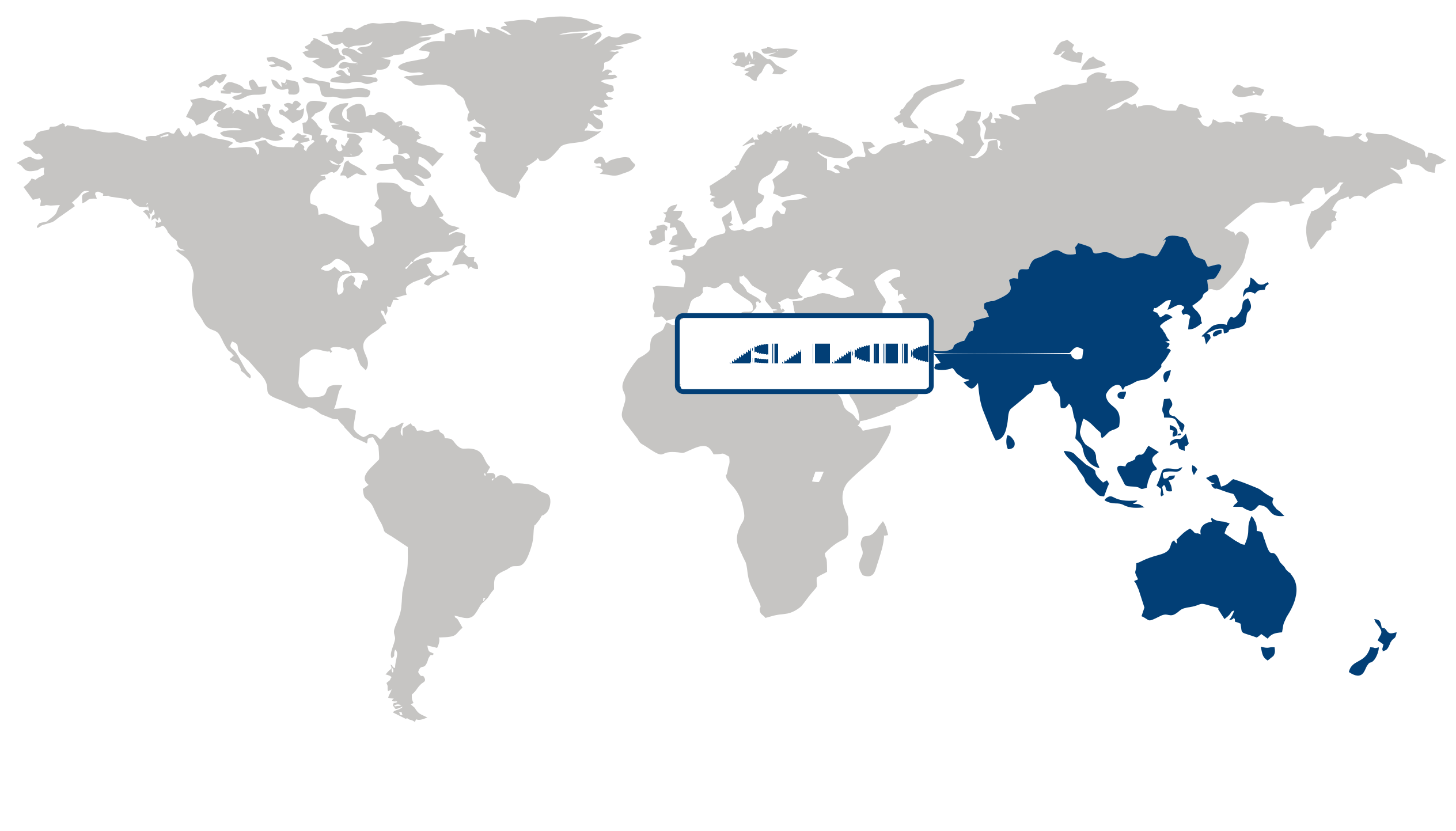
Asia Pacific (Largest & Fastest-Growing Region)
The Asia Pacific region held the largest share of the recycled base oil market in 2026 and is also positioned as the fastest-growing regional market. Strong demand for automotive lubricants, expanding industrial activity, and increasing attention to used-oil recovery are supporting regional market development. The region's large vehicle population and manufacturing base generate substantial volumes of used lubricating oil, creating a strong feedstock base for recycling and re-refining operations. In addition, growing emphasis on resource efficiency, waste reduction, and circular economy practices is encouraging industries and regulators to improve used-oil collection and processing systems. Investments in recycling infrastructure and cleaner re-refining technologies are further strengthening the regional supply ecosystem, while demand from automotive and industrial end users supports continued adoption of recycled base oils as a sustainable alternative to virgin materials.
| Parameter | North America | Asia Pacific | Europe | Latin America | MEA |
|---|---|---|---|---|---|
| Innovation HubiScaleNascentDeveloping Advanced | |||||
| Cost-Sensitive RegioniScaleLowMedium High | |||||
| Regulatory EnvironmentiScaleRestrictiveNeutral Supportive | |||||
| Demand DriversiScaleWeakModerate Strong | |||||
| Development StageiScaleEmergingDeveloping Developed | |||||
| Adoption RateiScaleLowMedium High | |||||
| New Entrants / StartupsiScaleSparseModerate Dense | |||||
| Macro IndicatorsiScaleWeakStable Strong |
Key Country Insights
Germany 🇩🇪
Industrial Re-Refining EmphasisGermany promotes recycled base oil through advanced re-refining capabilities and industrial sustainability initiatives. German lubricant producers increasingly integrate regenerated base oils into product portfolios while maintaining stringent performance requirements.
France 🇫🇷
Sustainable Lubricant AdoptionFrance encourages recycled base oil utilization through environmental priorities and responsible lubricant lifecycle management. French industrial users increasingly seek recycled base oils that align with operational performance expectations and sustainability objectives.
Italy 🇮🇹
Collection Network DevelopmentItaly continues improving recycled base oil availability by strengthening waste oil collection and domestic re-refining activities. Italian lubricant suppliers focus on expanding the use of regenerated base oils across industrial and automotive lubricant applications.
Japan 🇯🇵
Quality-Oriented ReprocessingJapan prioritizes high-quality recycled base oil production through advanced processing technologies and careful feedstock management. Japanese manufacturers focus on delivering consistent lubricant performance while supporting resource-efficient production practices.
South Korea 🇰🇷
Refining Technology InvestmentSouth Korea strengthens recycled base oil production by expanding modern re-refining capabilities and improving collection efficiency. Domestic lubricant manufacturers increasingly evaluate recycled feedstocks as part of broader resource optimization strategies.
United States 🇺🇸
Circular Lubricant SupplyThe U.S. recycled base oil market benefits from established collection networks and growing interest in circular lubricant production. Re-refining investments support reliable feedstock utilization while helping industrial users incorporate sustainable lubricant solutions.
Recycled Base Oil Market Share (%), by Type, 2026
Go beyond the chart, access full insights & data tables
Request Free Sample ReportType Segment Analysis: Low Viscosity Recycled Base Oil (Largest Segment) vs Medium Viscosity Recycled Base Oil (Fastest-Growing Segment)
Low viscosity recycled base oil accounted for the largest share of the recycled base oil market at 42.4% in 2026, supported by its suitability for lubricant formulations requiring fluidity and efficient performance across automotive and industrial applications. Its broad usability and compatibility with lubrication products help maintain demand, while increasing interest in resource recovery encourages the use of recycled feedstocks. The segment also benefits from efforts to reduce dependence on virgin petroleum-derived materials.
Medium viscosity recycled base oil is the fastest-growing type as lubricant producers seek recycled materials that can meet a broader range of performance and formulation requirements. Its applicability across diverse lubrication needs creates opportunities for expanded utilization as circular-economy practices gain traction. Growing emphasis on waste oil recovery, resource efficiency, and sustainable lubricant manufacturing is further encouraging the development of medium viscosity recycled base oil applications.
Application Segment Analysis: Automotive Oil (Largest Segment) vs Industrial Oil (Fastest-Growing Segment)
Automotive oil held the largest share of the recycled base oil market in 2026, reflecting substantial demand for lubricants used in vehicle engines and related systems. The established automotive lubricant ecosystem provides a broad consumption base for recycled base oils, while increasing attention to resource conservation and waste lubricant recovery supports their integration into automotive formulations. Sustainability considerations are also encouraging greater interest in recycled inputs across the lubricant value chain.
Industrial oil is experiencing the fastest growth as manufacturers increasingly explore recycled base oils for machinery, equipment, hydraulic systems, and other industrial lubrication requirements. Expanding industrial sustainability initiatives and efforts to improve material circularity are encouraging greater use of recovered lubricant feedstocks. The need to balance equipment performance with environmental and resource-efficiency objectives is creating additional opportunities for recycled base oils in industrial applications.
| Segment | Sub-Segment | Largest Segment | Fastest Growing |
|---|---|---|---|
| Type | High Viscosity Recycled Base Oil, Medium Viscosity Recycled Base Oil, Low Viscosity Recycled Base Oil | Low Viscosity Recycled Base Oil | Medium Viscosity Recycled Base Oil |
| Application | Automotive Oil, Industrial Oil, Metalworking Fluids, Others | Automotive Oil | Industrial Oil |
Unlock insights tailored to your business with our bespoke market research solutions.
Click to get your customized report now.
Competitive Landscape and Market Positioning
Major players in the recycled base oil market:
1. Valvoline LLC (United States)
2. NexLube (United States)
3. VISION OILS (United States)
4. Gulf Basin Petroleum Recycling Co. (United Arab Emirates)
5. Terrapure BR Ltd. (Canada)
6. Hering VPT (Germany)
7. SHARAFCO OIL REFINERY & IND CO L.L.C (United Arab Emirates)
8. Rahaoil Inc. (United States)
9. BENZOIL (Australia)
10. Clean Harbors Inc. (United States)
The recycled base oil market is expanding as sustainability goals and circular economy practices encourage greater adoption of re-refined lubricants. Strategic consolidation activities and investments in advanced recycling technologies are improving production capabilities, while demand for eco-friendly industrial solutions continues to strengthen market growth.
| Company | Market Share | Company Revenue | Revenue CAGR (%) | Product Portfolio | Geographic Presence | Innovation / R&D Focus | Strategic Developments |
|---|---|---|---|---|---|---|---|
| Valvoline LLC (United States) | |||||||
| NexLube (United States) | |||||||
| VISION OILS (United States) | |||||||
| Gulf Basin Petroleum Recycling Co. (United Arab Emirates) | |||||||
| Terrapure BR Ltd. (Canada) | |||||||
| Hering VPT (Germany) | |||||||
| SHARAFCO OIL REFINERY & IND CO L.L.C (United Arab Emirates) | |||||||
| Rahaoil Inc. (United States) | |||||||
| BENZOIL (Australia) | |||||||
| Clean Harbors Inc. (United States). |
Industry Development/News
| Company Name | Date | Key Development |
|---|---|---|
| Indian Oil; Re Sustainability | Mar-26 | Indian Oil Corporation and Re Sustainability signed an MoU to launch India's first structured national used oil recycling ecosystem. The project includes a dedicated Special Purpose Vehicle (SPV) and a planned re-refining facility to produce 50–100 KTA of Group II+ Re-Refined Base Oil (RRBO) to support a circular economy. |
| Exxon Mobil | Sep-24 | ExxonMobil (via its subsidiary Esso SAF) announced an initiative to produce re-refined base oils (RRBO) at its Gravenchon Refinery in France. Through a partnership with ECO HUILE, the facility will reconfigure existing units to transform used automotive oil into high-quality base stock, marking a significant advancement in circularity for a major oil company. |
| Clean Harbors; Vertex Energy | Jun-21 | Clean Harbors (parent of Safety-Kleen) entered an agreement to acquire used oil re-refining assets from Vertex Energy. This strategic move was designed to strengthen Clean Harbors’ commitment to sustainability and expand its operational footprint in the renewable lubricants and fuels market. |
Customize Your Report
Explore examples of how this report can be tailored to different research needs, including custom segments, additional topics or chapters, and related reports. Click a section of the wheel or its numbered marker to explore the available options.
Recycled Base Oil Market — Custom Segments
| Segment | Sub-Segment |
|---|---|
| Feedstock Source | Automotive Used Lubricants, Industrial Used Lubricants, Mixed & Other Used Lubricants |
| Recycling Process | Acid-Clay Processing, Solvent Extraction, Vacuum Distillation & Hydrotreatment, Other Advanced Re-refining Processes |
| Sales Channel | Direct Sales, Distributors & Wholesalers, Specialty Lubricant Suppliers |
Recycled Base Oil Market — Custom TOC
| Custom Chapter | Chapter Details |
|---|---|
| Feedstock Availability and Collection Network Assessment |
|
| Re-Refining Technology Competitiveness Benchmarking |
|
| Cross-Border Trade Flows and Supply Security Assessment |
|
Need a different cut of the data?
Request Custom ResearchFrequently Asked Questions
How much revenue does the recycled base oil market generate?
How much is the recycled base oil industry expected to grow by 2036?
Why are sustainability regulations accelerating adoption in the recycled base oil market?
How is crude oil price volatility influencing procurement strategies in the recycled base oil market?
Why is Low Viscosity Recycled Base Oil the largest type segment in the recycled base oil market?
What is fueling growth in the Industrial Oil application segment of the recycled base oil market?
Why is Asia Pacific both the largest and fastest-growing region in the recycled base oil market?
What market dynamics are supporting recycled base oil adoption in Asia Pacific?
What are the prominent companies operating in the recycled base oil landscape?
Our Clients
"The report helped us understand emerging consumer trends in our product category. It clarified where to focus innovation for the next product launch."
LyondellBasell
"The regional forecast section was incredibly useful. We were able to identify two new potential partners in Europe thanks to the vendor mapping you included."
SABIC
"We appreciated how actionable the recommendations were. It guided us to improve supply chain resilience."
Olin Corporation
Our Research Team & Methodology
Every Fundamental Business Insights report is built by a dedicated vertical research team, validated through a structured primary-and-secondary methodology, and reviewed for accuracy before it reaches you.
This report was prepared by the Chemicals & Materials Research Team at Fundamental Business Insights, a dedicated research group specializing in the global chemicals, advanced materials, and industrial manufacturing sectors. Our analysts continuously monitor raw material supply chains, feedstock pricing, production technologies, regulatory developments, sustainability initiatives, environmental compliance, trade dynamics, and evolving end-use applications to deliver timely and reliable market intelligence. The research is developed using a structured methodology that combines primary discussions with manufacturers, raw material suppliers, distributors, and industry experts, along with company annual reports, regulatory publications, government trade statistics, industry associations, technical literature, patent databases, and other authoritative secondary sources. Market estimates are validated through multiple research techniques, including top-down and bottom-up analysis, before undergoing an internal quality review to ensure accuracy, consistency, and methodological integrity prior to publication.
Delivery
Published
Available
Support
- Market Size & Forecast
- Market Segmentation
- Regional Analysis
- Growth Drivers & Challenges
- Market Dynamics
- Competitive Landscape
- Company Profiles
- Competitive Benchmarking
- Mergers & Acquisitions
- Market Share Analysis or Key Company Strategies
- Value Chain Analysis
- Porter's Five Forces
- PESTLE Analysis
- Pricing Trends
- Supply-Demand Analysis
- Technology Landscape
- Regulatory Landscape
- Investment & Funding Landscape
- Emerging Opportunities
- Future Market Outlook