Potassium Soap Insecticides Market Size & Growth Forecast 2027–2036, By Segments (Application, Crop Type), Regional Demand Trends (North America, Asia Pacific, Europe), Key Country Insights (U.S., Japan, South Korea, Germany, France, Italy), and Competitive Landscape
Jump to Content
Market Size and Growth Outlook
Potassium Soap Insecticides Market size was around USD 11.6 billion in 2026 and is slated to grow at a 8.36% CAGR from 2027 to 2036, reaching USD 25.89 billion by 2036. The industry revenue for 2027 is assessed at USD 12.42 billion.
Get more details on this report
Request Free Sample ReportPotassium Soap Insecticides Market Intelligence Snapshot
Regional Market Dynamics
- Europe accounted for the largest regional share in 2026, driven by established use in horticulture, greenhouse cultivation, and organic farming, where low-residue pest management supports consistent purchasing demand.
- Asia Pacific is projected to grow at a 10.06% CAGR as managed cultivation expands and growers increasingly adopt residue-aware contact insecticides for intensive fruit, vegetable, and specialty crop production.
Segment Momentum
- Horticulture held a 75.94% share in 2026 because growers require frequent, contact-based pest control to protect high-value plants where crop quality and appearance directly affect commercial value.
- Small Trees & Shrubs are growing fastest because ornamental and landscape plants require frequent inspection and targeted pest treatments, increasing demand for localized potassium soap insecticide applications.
Market Expansion Drivers
- Rising shift toward organic farming and sustainable agriculture boosting eco-friendly pesticide adoption.
- Increasing crop diversification and horticulture expansion driving demand for versatile pest control solutions.
- Growing consumer preference for residue-free food accelerating adoption of bio-based insecticides.
Leading Market Participants
- Key players in the potassium soap insecticides market include Certis USA L.L.C. (United States), W. Neudorff GmbH (Germany), BASF SE (Germany), Bayer AG (Germany), Syngenta AG (Switzerland), UPL Limited (India), Koppert Biological Systems (Netherlands), BioWorks Inc. (United States), Kao Corporation (Japan), Marrone Bio Innovations Inc. (United States).
Global Market Forecast Snapshot
Market Outlook
- 2026 Market Size: USD 11.6 billion
- 2027 Estimated Market Size: USD 12.42 billion.
- Projected Market Size: USD 25.89 billion by 2036
- Growth Forecast: 8.36% CAGR (2027-2036)
Regional and Segment Outlook
- Leading Regional Market: Europe
- High-Growth Regional Hub: Asia Pacific
- Core Revenue Segment: Horticulture (Application) | Fruits and Vegetables (Crop Type)
- Emerging Opportunity Segment: Indoor Gardening (Application) | Small Trees & Shrubs (Crop Type)
Market Growth Drivers and Industry Trends
Rising shift toward organic farming and sustainable agriculture boosting eco-friendly pesticide adoption
The increasing adoption of organic farming practices is supporting the potassium soap insecticides market as growers seek pest management products that align with sustainable agricultural production methods. Potassium soap insecticides, which are based on fatty acid salts, can provide a lower-impact option for managing certain soft-bodied insect pests while fitting into integrated pest management approaches. As farmers place greater emphasis on reducing reliance on conventional chemical pesticides and maintaining environmentally responsible cultivation practices, demand for compatible crop protection inputs is increasing. Expansion of sustainable farming systems across horticultural and specialty crop production is also encouraging growers to consider pest control solutions that can complement organic and environmentally conscious cultivation programs.
Increasing crop diversification and horticulture expansion driving demand for versatile pest control solutions
The expansion of horticultural production and diversification of agricultural crops are increasing the need for pest control products that can be applied across different cultivation environments and crop categories. The potassium soap insecticides market benefits from this trend because potassium soap formulations can be used as part of pest management programs for various plants affected by soft-bodied insects. Growth in vegetable, fruit, ornamental, and other specialty crop cultivation is encouraging growers to adopt flexible crop protection strategies that can be integrated with broader farm management practices. Producers also require pest control approaches that can be adapted to different cultivation systems, including protected agriculture and intensive horticultural operations, where recurring pest pressure can affect crop quality and productivity.
Growing consumer preference for residue-free food accelerating adoption of bio-based insecticides
Increasing consumer attention to food quality and pesticide residues is influencing growers to adopt crop protection methods perceived as more compatible with residue-conscious production practices. This shift is supporting the potassium soap insecticides market as bio-based pest control products become more relevant within integrated and sustainable crop management programs. Farmers supplying markets where consumers and buyers place strong emphasis on clean production practices may seek alternatives that reduce dependence on conventional pesticide applications while maintaining effective pest management. Retail and food supply chains are also placing greater attention on cultivation practices and product attributes, encouraging agricultural producers to consider bio-based insecticides as part of programs designed around responsible pest control and reduced chemical residue concerns.
| Growth Driver | Impact on CAGR | Regulatory Influence | Geographic Relevance | Adoption Rate | Impact Timeline |
|---|---|---|---|---|---|
| Rising shift toward organic farming and sustainable agriculture boosting eco-friendly pesticide adoption | 2.30% | High | North America, Europe, Asia Pacific | High | Mid Term |
| Increasing crop diversification and horticulture expansion driving demand for versatile pest control solutions | 2.00% | Moderate | Global | High | Mid Term |
| Growing consumer preference for residue-free food accelerating adoption of bio-based insecticides | 1.80% | High | North America, Europe | Medium | Long Term |
Explore Growth Opportunities
Request Free Sample ReportRegional Demand Dynamics
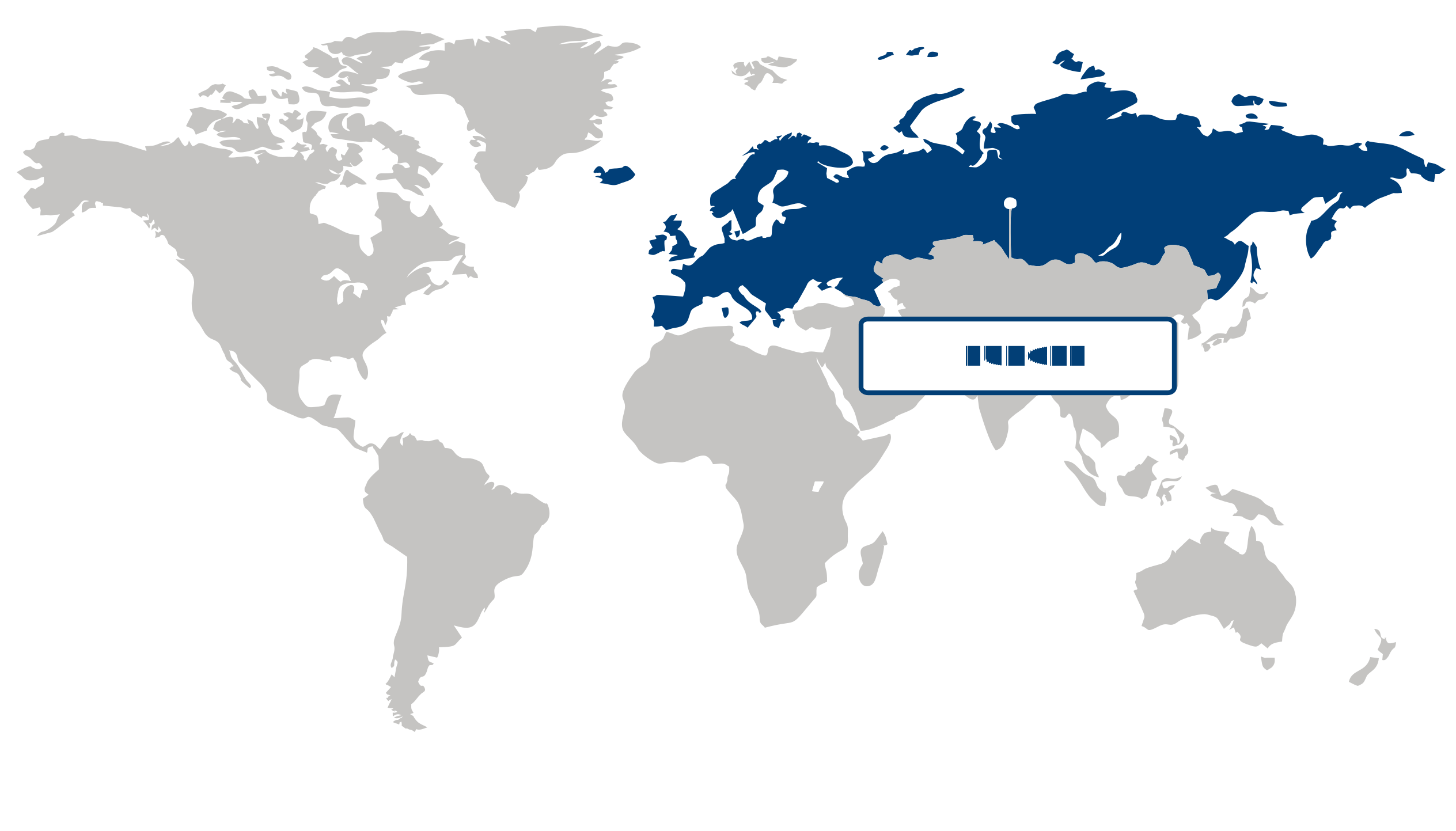
Europe (Largest Region)
Europe led the potassium soap insecticides market in 2026, supported by strong adoption of sustainable agricultural practices, environmental awareness, and demand for alternatives to conventional chemical pest-control products. Potassium soap insecticides are particularly relevant to integrated and environmentally conscious crop management because they can provide pest-control benefits while fitting into broader approaches focused on reduced chemical impact. The region's established organic farming sector and emphasis on responsible agricultural inputs create favorable conditions for adoption. Regulatory attention toward pesticide use, combined with consumer demand for sustainably produced food and continued development of environmentally compatible crop protection practices, further strengthens the regional market environment.
Asia Pacific (Fastest-Growing Region)
Asia Pacific is the fastest-growing regional market, supported by expanding agricultural production, increasing adoption of integrated pest management, and growing awareness of environmentally responsible crop protection. Rising demand for food production is encouraging growers to improve crop productivity while managing pest pressures in a more sustainable manner. The expansion of horticulture, organic farming, and high-value crop cultivation is creating additional applications for potassium soap-based insecticides. Improving agricultural extension services and greater availability of modern crop protection inputs are also supporting adoption, while increasing environmental awareness among farmers is encouraging the use of pest-control solutions that complement sustainable farming practices.
| Parameter | North America | Asia Pacific | Europe | Latin America | MEA |
|---|---|---|---|---|---|
| Innovation HubiScaleNascentDeveloping Advanced | |||||
| Cost-Sensitive RegioniScaleLowMedium High | |||||
| Regulatory EnvironmentiScaleRestrictiveNeutral Supportive | |||||
| Demand DriversiScaleWeakModerate Strong | |||||
| Development StageiScaleEmergingDeveloping Developed | |||||
| Adoption RateiScaleLowMedium High | |||||
| New Entrants / StartupsiScaleSparseModerate Dense | |||||
| Macro IndicatorsiScaleWeakStable Strong |
Key Country Insights
Germany 🇩🇪
Organic Farming SupportGermany encourages the use of potassium soap insecticides in environmentally responsible farming systems. Agricultural producers prioritize products that effectively manage soft-bodied insects while supporting regulatory compliance and sustainable crop protection objectives.
France 🇫🇷
Eco-Friendly Crop CareFrance supports potassium soap insecticides for fruit, vegetable, and ornamental crop protection within integrated farming systems. French producers increasingly prioritize products that balance effective insect control with environmental stewardship and responsible agricultural practices.
Italy 🇮🇹
Specialty Agriculture ApplicationsItaly applies potassium soap insecticides across vineyards, horticulture, and specialty agriculture where targeted pest management is important. Italian growers increasingly favor products that integrate easily with broader sustainable crop protection programs and quality-focused production.
Japan 🇯🇵
Precision Pest ControlJapan adopts potassium soap insecticides for high-value crop cultivation where targeted pest management is essential. Japanese growers value reliable application performance and compatibility with integrated crop management programs that minimize environmental impact.
South Korea 🇰🇷
Green Agriculture AdoptionSouth Korea is incorporating potassium soap insecticides into environmentally focused farming practices. Demand is supported by growers seeking practical alternatives that improve pest management while maintaining crop quality and supporting sustainable cultivation methods.
United States 🇺🇸
Sustainable Crop ProtectionThe U.S. promotes potassium soap insecticides as part of integrated pest management strategies across horticulture and specialty crops. Growers increasingly seek residue-conscious pest control options that align with sustainable agricultural practices and organic production systems.
Potassium Soap Insecticides Market Share (%), by Application, 2026
Go beyond the chart, access full insights & data tables
Request Free Sample ReportApplication Segment Analysis: Horticulture (Largest Segment) vs Indoor Gardening (Fastest-Growing Segment)
The horticulture segment led the potassium soap insecticides market, accounting for a 75.94% share in 2026. Its dominant position is supported by the broad use of potassium soap insecticides in managing soft-bodied pests across ornamental plants, fruits, vegetables, and other horticultural crops. These insecticides are valued for their suitability in integrated and environmentally conscious pest management practices, particularly where growers seek alternatives to more persistent chemical treatments. Increasing attention to crop quality, residue management, and sustainable cultivation practices is supporting continued adoption across horticultural production.
Indoor gardening is expected to be the fastest-growing application segment as controlled cultivation environments gain greater attention and growers seek pest-management solutions compatible with enclosed growing systems. Potassium soap insecticides can provide a practical option for managing common soft-bodied pests while fitting into cultivation approaches that emphasize reduced chemical persistence. The increasing interest in home gardening, protected cultivation, and controlled plant-growing environments is creating additional opportunities for these products, particularly as growers prioritize accessible and comparatively environmentally considerate pest-control methods.
Crop Type Segment Analysis: Fruits and Vegetables (Largest Segment) vs Small Trees & Shrubs (Fastest-Growing Segment)
Fruits and vegetables represented the largest crop type segment in the potassium soap insecticides market, holding a 64.7% share in 2026. Their leading position reflects the substantial need for effective pest management in crops that are particularly sensitive to insect damage and quality deterioration. Potassium soap insecticides are well suited to horticultural pest-control programs where growers seek solutions that can be incorporated into integrated pest management practices. Growing emphasis on produce quality, sustainable cultivation, and responsible crop protection is supporting demand across fruit and vegetable production.
Small trees & shrubs are projected to be the fastest-growing crop type segment, supported by increasing cultivation of ornamental and landscape plants as well as greater attention to pest management in small-scale and managed growing environments. These plants can face recurring infestations from soft-bodied insects, creating a need for targeted treatments that can be incorporated into routine plant-care programs. Growing interest in maintaining plant health and appearance, combined with the suitability of potassium soap insecticides for pest control on a range of plant surfaces, is supporting greater adoption in this category.
| Segment | Sub-Segment | Largest Segment | Fastest Growing |
|---|---|---|---|
| Application | Horticulture, Indoor Gardening, Outdoor Gardening, Field Crops | Horticulture | Indoor Gardening |
| Crop Type | Fruits and Vegetables, Small Trees & Shrubs, Ornamental Trees, Oilseeds, Herbs & Spices | Fruits and Vegetables | Small Trees & Shrubs |
Unlock insights tailored to your business with our bespoke market research solutions.
Click to get your customized report now.
Competitive Landscape and Market Positioning
Top players in the potassium soap insecticides market:
1. Certis USA L.L.C. (United States)
2. W. Neudorff GmbH (Germany)
3. BASF SE (Germany)
4. Bayer AG (Germany)
5. Syngenta AG (Switzerland)
6. UPL Limited (India)
7. Koppert Biological Systems (Netherlands)
8. BioWorks Inc. (United States)
9. Kao Corporation (Japan)
10. Marrone Bio Innovations Inc. (United States)
In the potassium soap insecticides market, innovation is centered on safer and more environmentally compatible pest control solutions. Continuous formulation improvements are enhancing effectiveness against diverse pest types. Collaborative development efforts are supporting broader application use, while rising demand for eco-conscious alternatives is shaping product evolution in the potassium soap insecticides market.
| Company | Market Share | Company Revenue | Revenue CAGR (%) | Product Portfolio | Geographic Presence | Innovation / R&D Focus | Strategic Developments |
|---|---|---|---|---|---|---|---|
| Certis USA L.L.C. (United States) | |||||||
| W. Neudorff GmbH (Germany) | |||||||
| BASF SE (Germany) | |||||||
| Bayer AG (Germany) | |||||||
| Syngenta AG (Switzerland) | |||||||
| UPL Limited (India) | |||||||
| Koppert Biological Systems (Netherlands) | |||||||
| BioWorks Inc. (United States) | |||||||
| Kao Corporation (Japan) | |||||||
| Marrone Bio Innovations Inc. (United States). |
Customize Your Report
Explore examples of how this report can be tailored to different research needs, including custom segments, additional topics or chapters, and related reports. Click a section of the wheel or its numbered marker to explore the available options.
Potassium Soap Insecticides Market — Custom Segments
| Segment | Sub-Segment |
|---|---|
| Formulation Type | Liquid Concentrates, Ready-to-Use Liquids, Soluble Concentrates, Water-Soluble Formulations |
| User Type | Commercial Growers, Professional Landscapers & Gardeners, Home Gardeners, Agricultural Service Providers |
| Distribution Channel | Agricultural Input Dealers, Garden & Home Improvement Stores, Online Retail, Direct Sales, Specialty Distributors |
Potassium Soap Insecticides Market — Custom TOC
| Custom Chapter | Chapter Details |
|---|---|
| Sustainable Pest Management Adoption Analysis |
|
| Organic Agriculture Application Opportunities |
|
| Integrated Pest Management Strategy Review |
|
Need a different cut of the data?
Request Custom ResearchFrequently Asked Questions
How much is the potassium soap insecticides market worth?
What is the anticipated CAGR of the potassium soap insecticides industry?
How is the shift toward organic farming practices influencing adoption of potassium soap insecticides?
Why are crop diversification and residue-free food demand strengthening market adoption patterns?
Why is horticulture the largest application segment in the potassium soap insecticides market?
Why are Small Trees & Shrubs the fastest-growing crop type in the potassium soap insecticides market?
Why does Europe lead the potassium soap insecticides market?
Why is Asia Pacific the fastest-growing region for potassium soap insecticides?
What are the key competitors in the potassium soap insecticides landscape?
Our Clients
"The report helped us understand emerging consumer trends in our product category. It clarified where to focus innovation for the next product launch."
LyondellBasell
"The regional forecast section was incredibly useful. We were able to identify two new potential partners in Europe thanks to the vendor mapping you included."
SABIC
"We appreciated how actionable the recommendations were. It guided us to improve supply chain resilience."
Olin Corporation
Our Research Team & Methodology
Every Fundamental Business Insights report is built by a dedicated vertical research team, validated through a structured primary-and-secondary methodology, and reviewed for accuracy before it reaches you.
This report was prepared by the Chemicals & Materials Research Team at Fundamental Business Insights, a dedicated research group specializing in the global chemicals, advanced materials, and industrial manufacturing sectors. Our analysts continuously monitor raw material supply chains, feedstock pricing, production technologies, regulatory developments, sustainability initiatives, environmental compliance, trade dynamics, and evolving end-use applications to deliver timely and reliable market intelligence. The research is developed using a structured methodology that combines primary discussions with manufacturers, raw material suppliers, distributors, and industry experts, along with company annual reports, regulatory publications, government trade statistics, industry associations, technical literature, patent databases, and other authoritative secondary sources. Market estimates are validated through multiple research techniques, including top-down and bottom-up analysis, before undergoing an internal quality review to ensure accuracy, consistency, and methodological integrity prior to publication.
Delivery
Published
Available
Support
- Market Size & Forecast
- Market Segmentation
- Regional Analysis
- Growth Drivers & Challenges
- Market Dynamics
- Competitive Landscape
- Company Profiles
- Competitive Benchmarking
- Mergers & Acquisitions
- Market Share Analysis or Key Company Strategies
- Value Chain Analysis
- Porter's Five Forces
- PESTLE Analysis
- Pricing Trends
- Supply-Demand Analysis
- Technology Landscape
- Regulatory Landscape
- Investment & Funding Landscape
- Emerging Opportunities
- Future Market Outlook