Polyetherimide (PEI) Market Size & Forecasts 2026-2035, By Segments (Grade Type, Process Type, Form, End-User), Growth Opportunities, Innovation Landscape, Regulatory Shifts, Strategic Regional Insights (U.S., Japan, China, South Korea, UK, Germany, France), and Competitive Dynamics (Sabic, Solvay, Evonik, Covestro, Ensinger)
Jump to Content
Market Size and Growth Outlook
Polyetherimide Market size is predicted to expand from USD 765.35 million in 2025 to USD 1.52 billion by 2035, with growth underpinned by a CAGR above 7.1% between 2026 and 2035. The industry revenue outlook for 2026 is USD 812.88 million.
Get more details on this report
Request Free Sample ReportPolyetherimide (PEI) Market Intelligence Snapshot
Regional Market Dynamics
Segment Momentum
Market Expansion Drivers
Leading Market Participants
Global Market Forecast Snapshot
Market Outlook
Regional and Segment Outlook
Market Growth Drivers and Industry Trends
The growing emphasis on fuel efficiency and emissions reduction in transportation is a key driver shaping the polyetherimide (PEI) market. Aerospace and automotive manufacturers increasingly rely on lightweight materials like PEI to replace traditional metals, as evidenced by Honeywell’s announcements on incorporating high-performance polymers in commercial aircraft interiors. This shift reflects evolving consumer expectations for environmentally sustainable products and stricter regulatory emissions standards globally. For incumbents, this trend presents strategic opportunities to deepen partnerships with OEMs by delivering innovative, high-strength PEI formulations. New entrants can capitalize by focusing on bespoke processing techniques tailored for lightweight automotive parts, fostering market differentiation. As regulatory scrutiny intensifies, PEI suppliers equipped with advanced R&D capabilities and supply chain resilience are well-positioned to lead the market transformation driven by these sectors' evolving material needs.
Growth in Electronics and Medical Device Applications
The polyetherimide (PEI) market is increasingly influenced by the expansion of electronics and healthcare industries, where demand for high-performance, sterilizable, and flame-retardant polymers is surging. Companies like Medtronic highlight the importance of robust, biocompatible materials in next-generation medical devices, while Samsung has emphasized polymer use in compact, heat-resistant components for mobile electronics. These applications cater to evolving consumer preferences for safer, more durable products and stringent regulatory standards on material safety and performance. Established players can leverage these developments to innovate tailored PEI grades that meet medical and electronic certifications, whereas startups might explore niche applications such as wearables. Continued integration of PEI into these industries is poised to solidify its role in device miniaturization and enhanced safety, reinforcing demand sustainability without compromising regulatory compliance.
Material Cost Optimization and Process Innovations
Advances in process technologies and material cost efficiencies are reshaping competitive dynamics in the polyetherimide (PEI) market. Manufacturers like SABIC are investing in scalable production methods and novel compounding techniques that reduce polymer synthesis costs while maintaining performance. These improvements respond to pressures from end-users seeking affordable yet high-quality materials amid global supply chain fluctuations and inflationary conditions. For established market leaders, adopting cost-optimized processes can secure pricing competitiveness and margin resilience, while smaller players might differentiate by offering customized, lower-cost specialty grades. The ongoing focus on improving supply chain integration and manufacturing automation is expected to enhance overall PEI availability and affordability, fostering broader adoption across cost-sensitive applications and reinforcing the market’s long-term growth trajectory.
Industry Restraints:
High Raw Material Costs and Volatility
The polyetherimide (PEI) market faces significant constraints from elevated raw material costs, driven by fluctuations in petrochemical prices and supply disruptions. Since PEI production heavily depends on high-purity monomers derived from aromatic compounds, any volatility in crude oil or specialty chemical markets directly inflates input expenses. For instance, SABIC’s 2023 financial disclosures outlined raw material price surges linked to geopolitical tensions affecting global supply chains. Such cost pressures translate into narrower margins, prompting manufacturers to either absorb expenses or pass them onto clients, risking demand contraction. Both established players and emerging entrants must navigate these cost dynamics, complicating competitive positioning and investment decisions. Given ongoing geopolitical uncertainties and feedstock supply imbalances reported by the International Energy Agency (IEA), raw material cost volatility is expected to remain a key market restraint, necessitating strategic focus on cost optimization and alternative sourcing.
Stringent Regulatory and Environmental Compliance
Increasing regulatory scrutiny on chemical manufacturing and end-product recyclability poses a notable challenge for PEI market growth. Compliance with stringent environmental standards—such as the European Chemicals Agency’s (ECHA) REACH regulations and the U.S. EPA’s Toxic Substances Control Act (TSCA)—requires substantial investment in process adaptation and certification. For example, Celanese Corporation highlighted in its 2023 sustainability report the escalating costs tied to reducing hazardous emissions and achieving polymer recyclability targets. These compliance demands slow time-to-market and elevate operational complexities for both incumbents and startups, hindering rapid innovation cycles. As global governments intensify focus on sustainability and circular economy principles, regulatory hurdles will persist as a core restraint, compelling market participants to integrate green chemistry and lifecycle assessment strategies into development roadmaps.
| Growth Driver | Impact on CAGR | Regulatory Influence | Geographic Relevance | Adoption Rate | Impact Timeline |
|---|---|---|---|---|---|
| Rising demand in aerospace and automotive lightweight components | 2.50% | Short term (≤ 2 yrs) | North America, Europe | Medium | Fast |
| Growth in electronics and medical device applications | 2.00% | Medium term (2–5 yrs) | Asia Pacific, North America | Low | Moderate |
| Material cost optimization and process innovations | 1.50% | Long term (5+ yrs) | Asia Pacific (Primary), Europe (Spillover) | Low | Slow |
Explore Growth Opportunities
Request Free Sample ReportRegional Demand Dynamics
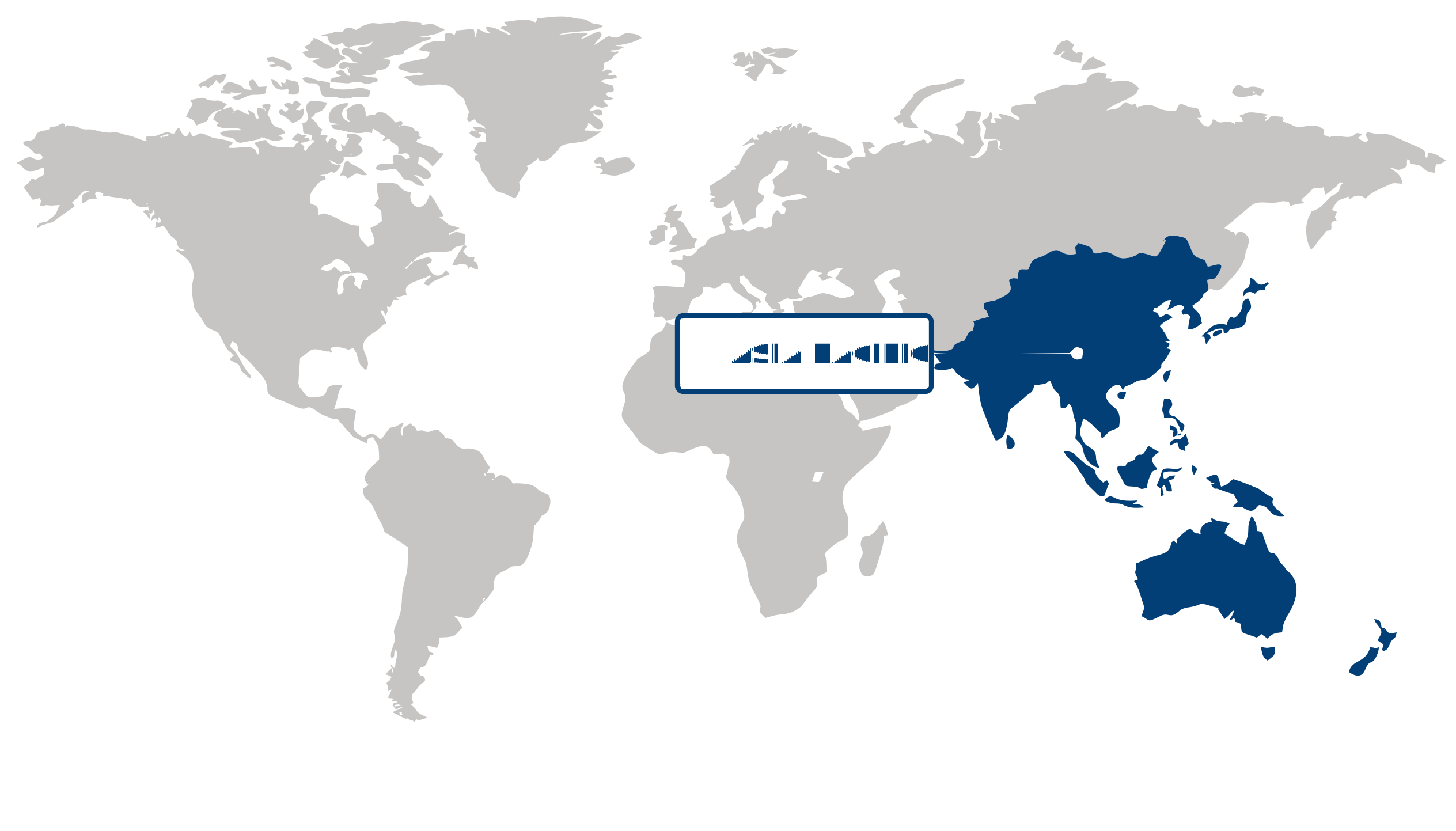
The Asia Pacific polyetherimide (PEI) market captured over 44% of the global share in 2025, emerging as both the largest and fastest-growing region with an 8.1% CAGR. The robust expansion is propelled primarily by booming electronics, automotive, and aerospace manufacturing sectors, supported by technological innovations and shifting consumer preferences favoring high-performance materials. For instance, according to the Japan Electronics and Information Technology Industries Association, escalating demand for lightweight yet durable components is accelerating PEI adoption. Additionally, regional supply chain enhancements and government incentives, such as China’s Made in China 2025 initiative, have strengthened manufacturing capabilities. This dynamic fosters resilience amid global disruptions and establishes Asia Pacific as a core market for PEI manufacturers seeking sustainable, scalable growth. With rising investments in green manufacturing and digital transformation, the region presents significant long-term opportunities in advanced polymer applications.
Japan is positioned as a pivotal hub in Asia Pacific’s polyetherimide (PEI) market, driven by its advanced aerospace and automotive industries emphasizing durability and lightweight materials. The Japan Aerospace Exploration Agency’s recent collaborations with polymer producers have further propelled PEI applications in aircraft components, leveraging the country’s strengths in precision manufacturing. Meanwhile, government policies promoting innovation and energy efficiency encourage adoption of sustainable materials. This unique ecosystem enables Japanese manufacturers to maintain competitive edges in global supply chains, reinforcing the region's leadership.
China plays a central role in the Asia Pacific polyetherimide (PEI) market, fueled by its rapidly growing electronics manufacturing landscape. With industry giants like Huawei integrating high-performance polymers for next-generation devices, the demand for PEI is amplifying. Initiatives by the Ministry of Industry and Information Technology to enhance production technology align with increasing consumer preference for durable and lightweight electronics. This strategic push positions China as a cornerstone for regional market growth, underpinning Asia Pacific’s sustained dominance in advanced polymer utilization.
North America Market Analysis:
North America held a substantial share in the polyetherimide (PEI) market, driven by robust demand for high-performance materials across automotive, aerospace, and electronics sectors. The region’s ongoing investment in advanced manufacturing technologies and sustainability-focused materials enhances the appeal of PEI, which is valued for its thermal stability and chemical resistance. Regulatory emphasis by agencies such as the U.S. Environmental Protection Agency on reducing emissions has further encouraged the adoption of lightweight yet durable polymers like PEI. Moreover, North America’s well-established supply chain, coupled with a skilled workforce and commitment to innovation—evidenced by ongoing R&D investments from companies like SABIC and Solvay—positions the region as a critical hub for PEI growth. With increasing digital transformation in manufacturing and rising demand for electric vehicle components, North America offers sustained growth opportunities for PEI suppliers and end-users.
The U.S. plays a pivotal role in North America’s polyetherimide (PEI) market, leveraging its strong industrial base and innovation-driven economy. Consumer preference in the U.S. is shifting towards materials that support energy efficiency and environmental compliance, stimulating PEI demand in automotive and healthcare applications. The U.S. Department of Energy’s initiatives to advance lightweight materials underscore this trend, fostering new PEI adoption in electric vehicles and aerospace components. Corporate moves, such as SABIC’s expansion of PEI manufacturing capacity in the Gulf Coast region, reflect strategic positioning to meet rising domestic and export demand. The U.S.’s comprehensive regulatory framework and leading research institutions significantly reinforce the polyetherimide market’s growth, anchoring North America’s competitive edge globally.
Europe Market Trends:
Europe maintained a notable presence in the polyetherimide (PEI) market, demonstrating moderate growth driven by the region’s robust industrial base and rising emphasis on sustainable manufacturing practices. The continent’s advanced engineering sectors, coupled with stringent environmental regulations imposed by the European Chemicals Agency (ECHA), have accelerated demand for high-performance, recyclable polymers such as PEI. Strategic investments in Europe’s automotive and aerospace industries—highlighted by Airbus’s increasing use of lightweight materials—further stimulate market expansion. In addition, the continent's well-established supply chains and digitalization efforts in manufacturing, exemplified by Siemens’ smart factory initiatives, enhance operational efficiencies. With Europe prioritizing innovation and a circular economy, it offers a fertile ground for PEI suppliers to capitalize on evolving industrial requirements and regulatory frameworks.
Germany plays a pivotal role in Europe’s polyetherimide (PEI) market, propelled by its leadership in automotive engineering and additive manufacturing technologies. The country’s focus on reducing vehicle emissions has increased adoption of lightweight, heat-resistant polymers like PEI, as reflected in BASF’s recent launch of high-performance grades tailored for e-mobility components. Germany’s strong engineering talent pool and extensive industrial R&D infrastructure underpin rapid innovation, supporting both supply chain resilience and technical sophistication. This synergy between government policies promoting sustainable mobility and private sector R&D investments positions Germany as a key strategic hub within Europe’s PEI landscape, reinforcing growth opportunities across the region.
France also contributes to the steady expansion of the polyetherimide (PEI) market in Europe, leveraging its growing aerospace and electronics sectors. The French government's collaboration with Safran on advanced materials research highlights the country's commitment to integrating high-performance polymers to reduce aircraft weight and improve energy efficiency. Additionally, France’s regulatory focus on environmental safety and circular economy practices shapes market demand toward sustainable PEI solutions. This alignment of innovation-driven aerospace applications and supportive policy frameworks consolidates France’s role as an essential market within Europe, enhancing the overall regional attractiveness for polyetherimide suppliers.
| Parameter | North America | Asia Pacific | Europe | Latin America | MEA |
|---|---|---|---|---|---|
| Innovation HubiScaleNascentDeveloping Advanced | |||||
| Cost-Sensitive RegioniScaleLowMedium High | |||||
| Regulatory EnvironmentiScaleRestrictiveNeutral Supportive | |||||
| Demand DriversiScaleWeakModerate Strong | |||||
| Development StageiScaleEmergingDeveloping Developed | |||||
| Adoption RateiScaleLowMedium High | |||||
| New Entrants / StartupsiScaleSparseModerate Dense | |||||
| Macro IndicatorsiScaleWeakStable Strong |
Polyetherimide (PEI) Market Share (%), by Grade Type, 2026
Go beyond the chart, access full insights & data tables
Request Free Sample ReportThe reinforced segment held the largest share in the polyetherimide (PEI) market in 2025, driven by escalating demand for high-strength, high-temperature resistant plastics as substitutes for metals in automotive and aerospace sectors. This leadership reflects a broader shift towards lightweight and durable materials preferred by manufacturers aiming to enhance fuel efficiency and comply with stringent emission regulations, as highlighted in recent aerospace supplier briefings by Boeing. Supply chain advancements enabling consistent availability of glass and carbon fiber reinforcements further strengthen this segment's position. Reinforced PEI offers strategic advantage by meeting performance requirements for critical structural parts, creating avenues for innovation among established players and new entrants focusing on composite technologies. Given ongoing regulatory push for lightweight materials and material science breakthroughs, reinforced PEI is set to remain central in next-generation high-performance applications.
Analysis by Process Type
Injection molding represented the largest share in the polyetherimide (PEI) market in 2025, propelled by its efficiency and suitability for high-volume production of automotive and electronics components. This process aligns with industry trends toward rapid digital transformation and automation that improve precision and cost-effectiveness, as evidenced by investment announcements from companies like BASF and SABIC in advanced molding technologies. Customer preference for complex geometries and shorter lead times intensifies demand for injection-molded PEI parts. The segment's scalability and compatibility with sustainable manufacturing practices present significant opportunities for both dominant manufacturers and innovative startups. Recent regulatory encouragement for recyclable and lightweight automotive parts ensures injection molding’s continued relevance in delivering high-quality PEI components in the foreseeable future.
Analysis by Form
Granule held the largest share in the polyetherimide (PEI) market in 2025, supported by its role as the fundamental raw material for molding and extrusion processes across diverse industries. Its widespread acceptance is amplified by streamlined supply chains facilitating just-in-time delivery models, a factor emphasized by trade reports from the American Chemistry Council. The granule form meets manufacturers’ demands for consistent quality and ease of handling, aligning well with evolving production workflows in electronics, healthcare, and automotive sectors. This segment offers strategic value by serving as a versatile feedstock that enables innovation in product design and process optimization. Ongoing advancements in granule formulations and the emphasis on circular economy principles sustain its critical role within the PEI market landscape over the near to medium term.
| Segment | Sub-Segment | Largest Segment | Fastest Growing |
|---|---|---|---|
| Grade Type | Reinforced, Unreinforced | ||
| Process Type | Injection Molding, Thermoforming, Extrusion, Compression Molding | ||
| Form | Film, Sheet, Granule, Tube, Rod | ||
| End-User | Electrical & Electronics, Transportation, Consumer Goods, Industrial, Medical, Others |
Unlock insights tailored to your business with our bespoke market research solutions.
Click to get your customized report now.
Competitive Landscape and Market Positioning
The competitive environment in the PEI sector is marked by proactive developments that reinforce each player’s market relevance. Entities are increasingly aligning through cross-industry agreements and enhancing R&D investments to push the boundaries of polymer performance. Innovations aligned with tailored grades and specialty compounds suit electronics and automotive submarkets, reinforcing barriers to entry. The consolidation trend and product portfolio expansion sharpen competitive edges, with firms focusing on faster commercialization of novel formulations and seamless supply chain integration. These advancements not only elevate product differentiation but also intensify rivalry among incumbents, compelling continuous evolution in market offerings and operational agility.
Strategic / Actionable Recommendations for Regional Players
In North America, firms may benefit from deepening collaborative ties with technology-driven start-ups to accelerate innovation cycles, particularly focusing on high-growth sectors such as aerospace and healthcare. Expanding capabilities in customized compound development can enhance value propositions in specialized industrial applications.
Within Asia Pacific, players should leverage advancements in digital manufacturing and sustainable processing technologies to capture rapidly expanding demand in electronics and automotive industries. Building strategic alliances with local manufacturers and research institutes can enable better adaptation to regional regulatory frameworks while fostering innovation.
European companies are encouraged to focus on integrating circular economy principles through material recycling and eco-friendly formulations, responding to stringent regulatory pressures. Enhancing partnerships across the value chain, especially in automotive and electrical sectors, will help solidify leadership positions amidst a shifting global landscape.
| Company | Market Share | Company Revenue | Revenue CAGR (%) | Product Portfolio | Geographic Presence | Innovation / R&D Focus | Strategic Developments |
|---|---|---|---|---|---|---|---|
| No companies available. | |||||||
Customize Your Report
Explore examples of how this report can be tailored to different research needs, including custom segments, additional topics or chapters, and related reports. Click a section of the wheel or its numbered marker to explore the available options.
Polyetherimide (PEI) Market — Custom Segments
| Segment | Sub-Segment |
|---|---|
| No segment data available. | |
Polyetherimide (PEI) Market — Custom TOC
| Custom Chapter | Chapter Details |
|---|---|
| No custom TOC data available. | |
Need a different cut of the data?
Request Custom ResearchFrequently Asked Questions
What are the growth projections for the polyetherimide (PEI) industry?
What is the leading region in terms of polyetherimide (PEI) market share?
In which region is the polyetherimide sector expanding at the quickest pace?
What share does reinforced segment hold in the polyetherimide (PEI) sector as of 2025?
Where is the injection molding segment seeing the strongest adoption within the polyetherimide (PEI) industry?
When did granule sub-segment emerge as the largest sub-segment in the form segment of polyetherimide (PEI) sector?
Why is the transportation segment leading in the polyetherimide (PEI) industry?
Which companies are driving growth in the polyetherimide (PEI) landscape?
Our Clients
"The report helped us understand emerging consumer trends in our product category. It clarified where to focus innovation for the next product launch."
LyondellBasell
"The regional forecast section was incredibly useful. We were able to identify two new potential partners in Europe thanks to the vendor mapping you included."
SABIC
"We appreciated how actionable the recommendations were. It guided us to improve supply chain resilience."
Olin Corporation
Our Research Team & Methodology
Every Fundamental Business Insights report is built by a dedicated vertical research team, validated through a structured primary-and-secondary methodology, and reviewed for accuracy before it reaches you.
This report was prepared by the Chemicals & Materials Research Team at Fundamental Business Insights, a dedicated research group specializing in the global chemicals, advanced materials, and industrial manufacturing sectors. Our analysts continuously monitor raw material supply chains, feedstock pricing, production technologies, regulatory developments, sustainability initiatives, environmental compliance, trade dynamics, and evolving end-use applications to deliver timely and reliable market intelligence. The research is developed using a structured methodology that combines primary discussions with manufacturers, raw material suppliers, distributors, and industry experts, along with company annual reports, regulatory publications, government trade statistics, industry associations, technical literature, patent databases, and other authoritative secondary sources. Market estimates are validated through multiple research techniques, including top-down and bottom-up analysis, before undergoing an internal quality review to ensure accuracy, consistency, and methodological integrity prior to publication.
Delivery
Published
Available
Support
- Market Size & Forecast
- Market Segmentation
- Regional Analysis
- Growth Drivers & Challenges
- Market Dynamics
- Competitive Landscape
- Company Profiles
- Competitive Benchmarking
- Mergers & Acquisitions
- Market Share Analysis or Key Company Strategies
- Value Chain Analysis
- Porter's Five Forces
- PESTLE Analysis
- Pricing Trends
- Supply-Demand Analysis
- Technology Landscape
- Regulatory Landscape
- Investment & Funding Landscape
- Emerging Opportunities
- Future Market Outlook