Polychloroprene Rubber Market Size & Forecasts 2026-2035, By Segments (Type, Application), Growth Opportunities, Innovation Landscape, Regulatory Shifts, Strategic Regional Insights (U.S., Japan, China, South Korea, UK, Germany, France), and Competitive Dynamics (DuPont, Denka, LANXESS, Mitsui Chemicals, Jiangsu Sopo)
Jump to Content
Market Size and Growth Outlook
Polychloroprene Rubber Market size is projected to expand significantly, moving from USD 1.72 billion in 2025 to USD 2.72 billion by 2035, with a CAGR of 4.7% during the 2026-2035 forecast period. The expected revenue for 2026 is USD 1.79 billion.
Get more details on this report
Request Free Sample ReportPolychloroprene Rubber Market Intelligence Snapshot
Regional Market Dynamics
Segment Momentum
Market Expansion Drivers
Leading Market Participants
Global Market Forecast Snapshot
Market Outlook
Regional and Segment Outlook
Market Growth Drivers and Industry Trends
The automotive sector's progressive shift toward lightweight, durable, and versatile materials is amplifying demand within the polychloroprene rubber market. Manufacturers like Bridgestone and Sumitomo are incorporating polychloroprene-based components to improve fuel efficiency and durability in tires, hoses, and belts, responding to stricter emissions regulations from agencies such as the U.S. Environmental Protection Agency (EPA). Similarly, industrial equipment producers benefit from polychloroprene’s chemical resistance and mechanical resilience, driving replacement and innovation cycles. This trend offers incumbent producers opportunities to deepen partnerships with automotive OEMs and industrial firms, while newcomers can focus on niche high-performance formulations. The continuous regulatory emphasis on emission control and industrial safety standards implies sustained demand for polychloroprene-infused products in these sectors.
Innovations in Chemical Formulations for Enhanced Performance
Recent advancements in chemical synthesis and compounding techniques, demonstrated by companies like DuPont and Zeon Corporation, are enhancing the physicochemical properties of polychloroprene rubber, such as improved thermal stability and ozone resistance. These innovations facilitate application diversification into sectors requiring higher durability and compliance, like aerospace seals and renewable energy equipment. Additionally, commitment to reducing volatile organic compounds (VOCs) aligns with environmental directives from bodies like the European Chemicals Agency (ECHA), creating a competitive edge for firms adopting greener formulations. Strategic investments in R&D empower both incumbents and startups to differentiate through value-added products, bolstering market resilience amid intensifying sustainability demands. Continuing innovation grounded in regulatory compliance will likely define competitive dynamics in the polychloroprene rubber market.
Expansion of Construction and Infrastructure in Emerging Economies
Accelerated urbanization and infrastructure development across regions such as Southeast Asia and Africa are propelling growth in the polychloroprene rubber market by elevating demand for sealing materials, gaskets, and waterproofing membranes. Reports from the Asian Development Bank (ADB) highlight multi-billion-dollar investments in roadways and building projects requiring resilient elastomers resistant to climatic stressors. This landscape invites established chemical manufacturers to scale production capabilities and engage local construction conglomerates, while smaller firms can capitalize on regional market penetration and customized formulations. Given ongoing government initiatives promoting infrastructure modernization, the polychloroprene rubber market is positioned to benefit from sustained upstream demand, reinforcing supply chain localization and manufacturing agility.
Industry Restraints:
Environmental and Regulatory Pressures
Stringent environmental regulations and mounting sustainability concerns are significant restraints on the polychloroprene rubber market. Due to the chlorine content and production processes, polychloroprene synthesis involves hazardous chemicals, subject to rigorous regulatory scrutiny. Agencies like the U.S. Environmental Protection Agency (EPA) and the European Chemicals Agency (ECHA) have imposed strict emission standards and disposal guidelines that increase operational complexity and compliance costs for manufacturers such as DuPont and DENKA. These regulatory burdens slow market expansion by raising barriers to entry and limiting production scale-offs, especially for smaller firms with fewer compliance resources. As global emphasis on green chemistry and circular economy principles intensifies, companies must invest heavily in cleaner technologies or face penalties, impacting capital allocation. This sustained regulatory focus is likely to maintain market friction in the near term, compelling players to prioritize innovation in eco-friendly processes while navigating evolving policy landscapes.
Feedstock Volatility and Supply Chain Constraints
The polychloroprene rubber market is also constrained by fluctuations in petrochemical feedstock availability and pricing, notably chloroprene monomer, the primary raw material. Supply chain disruptions—exacerbated by geopolitical tensions, natural disasters, and production facility outages like the 2020 Denka plant fire in Japan—have led to volatility that undermines consistent manufacturing. This unpredictability affects both legacy producers like Tosoh Corporation and emerging entrants seeking reliable supply agreements. Costly input volatility reduces margin predictability, hampers long-term contract negotiations, and complicates inventory management across the value chain. As industries dependent on polychloroprene adjust to these swings, incumbents face pressures to diversify suppliers and improve operational resilience. Ongoing global logistics challenges and feedstock price instability suggest this restraint will persist, necessitating strategic supply chain optimization and risk mitigation by market participants.
| Growth Driver | Impact on CAGR | Regulatory Influence | Geographic Relevance | Adoption Rate | Impact Timeline |
|---|---|---|---|---|---|
| Demand from automotive and industrial rubber applications | 1.50% | Short term (≤ 2 yrs) | North America, Europe; Spillover: Asia Pacific | Medium | Fast |
| Innovations in chemical formulations for enhanced performance | 1.80% | Medium term (2–5 yrs) | Europe, Asia Pacific | Medium | Moderate |
| Expansion of construction and infrastructure in emerging economies | 1.40% | Long term (5+ yrs) | Asia Pacific, Latin America; Spillover: MEA | Low | Moderate |
Explore Growth Opportunities
Request Free Sample ReportRegional Demand Dynamics
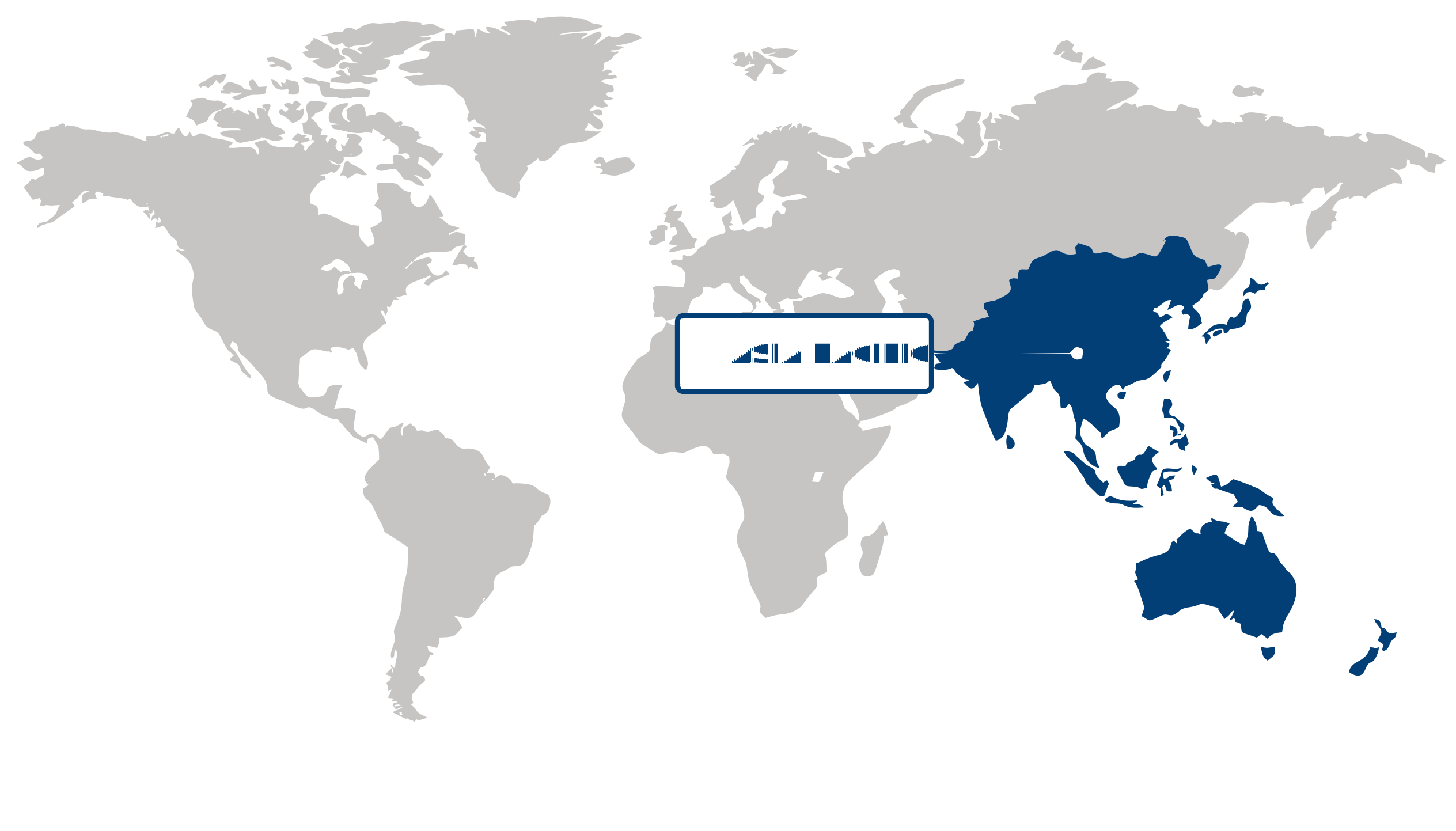
The Asia Pacific polychloroprene rubber market is poised to dominate the global landscape, capturing more than 52.4% of the market share in 2025, while also emerging as the fastest-growing region with a CAGR of 5.64%. This commanding position is largely driven by the rapid expansion of the automotive and construction sectors, particularly in China and India, which are the largest contributors to regional demand. The region’s robust manufacturing base and increasing investments in infrastructure projects, such as those highlighted by the Asian Development Bank’s recent infrastructure initiatives, are catalyzing the need for durable, high-performance materials like polychloroprene rubber. Additionally, government incentives promoting sustainable industrial processes and advancements in chemical manufacturing technology, like those from Japan’s Mitsui Chemicals, further strengthen Asia Pacific’s competitive edge. With ongoing urbanization and industrial diversification, the region presents substantial opportunities for stakeholders aiming to capitalize on long-term demand growth.
China anchors the Asia Pacific polychloroprene rubber market as a pivotal growth engine shaped by its burgeoning automotive industry and large-scale infrastructure development. The Chinese government’s emphasis on electric vehicle adoption, supported by policies from the Ministry of Industry and Information Technology, amplifies demand for specialized elastomers used in automotive components, contributing significantly to market expansion. Furthermore, leading chemical manufacturers such as Sinopec Corporation have announced capacity expansions for specialty rubber production, reflecting confidence in sustained demand. These dynamics position China as both a major consumer and a production hub, reinforcing Asia Pacific’s leadership role. Strategically, China’s integration of advanced material technologies with environmental regulations ensures a resilient supply chain, boosting investor confidence in the region’s polychloroprene rubber market potential.
Japan plays a crucial role in the Asia Pacific polychloroprene rubber market through its technological innovation and focus on high-quality manufacturing standards. The country’s well-established automotive industry, supported by companies like Bridgestone Corporation, demands advanced elastomeric materials with stringent performance criteria. Japan’s regulatory environment, emphasizing environmental sustainability, drives the development of eco-friendly rubber alternatives and recycling initiatives as showcased by Japan Rubber Manufacturers Association efforts. This culture of innovation coupled with efficient production processes enables Japan to supply specialized polychloroprene products not only domestically but also across the region. Japan’s contributions enhance the overall Asia Pacific market ecosystem, creating vital synergies that help sustain the region’s rapid growth trajectory in polychloroprene rubber consumption and technology development.
North America Market Analysis:
North America held a commanding share in the polychloroprene rubber market, bolstered by diverse industrial applications and a robust manufacturing landscape. The region’s demand is primarily driven by stringent regulatory frameworks that prioritize product safety and environmental compliance, prompting manufacturers to innovate sustainable and high-performance elastomers. Rising investments in automotive and construction sectors reflect shifting consumer preferences toward durable, eco-friendly materials, with reports from the U.S. Environmental Protection Agency emphasizing reduced emissions in synthetic rubber production. Additionally, North America’s advanced supply chain networks and skilled workforce enhance operational efficiencies, supported by government initiatives such as the Manufacturing USA program. These dynamics position the region as a strategic hub for polychloroprene rubber development, offering sustained opportunities amid evolving global market conditions.
The U.S. stands as a pivotal player in the polychloroprene rubber market, underscored by its technological leadership and stringent environmental regulations that catalyze demand for high-quality and low-impact materials. The country’s expanding automotive industry, driven by consumer demand for lightweight and durable vehicle components, fuels significant adoption of polychloroprene rubber, as highlighted in Ford Motor Company’s recent sustainability report outlining material innovation targets. Furthermore, regulatory incentives under the Clean Air Act promote manufacturers to integrate advanced rubber compounds that comply with emission thresholds. The U.S. market’s emphasis on research and development, paired with established logistics infrastructure, reinforces North America’s dominance and opens avenues for innovative applications in emerging sectors such as renewable energy and electronics.
Europe Market Trends:
Europe maintained a notable presence in the polychloroprene rubber market, driven by its diversified industrial base and evolving sustainability priorities. The region’s emphasis on enhancing product durability and eco-efficient manufacturing aligns with shifts in demand within automotive, construction, and electronics sectors. Policymakers in the European Union have progressively tightened standards for chemical usage and environmental compliance, fostering innovation in safer and more recyclable polychloroprene formulations. For instance, BASF’s recent press release detailed advancements in bio-based polymer integration, reflecting broader trends in operational efficiency and green chemistry. Supply chain resilience is further augmented by well-established logistics networks and a skilled workforce adept in high-value manufacturing processes. Consequently, Europe offers strategic growth avenues as companies seek to balance regulatory pressure and consumer expectations for sustainable, high-performance materials.
Germany plays a pivotal role in the polychloroprene rubber market, largely due to its robust automotive and industrial machinery sectors. The country’s stringent environmental regulations have accelerated the adoption of cleaner production technologies, as highlighted by Covestro’s sustainability initiatives targeting reduced solvent emissions. Simultaneously, Germany’s emphasis on Industry 4.0 facilitates the digital transformation of manufacturing, enhancing operational precision and material performance. These factors collectively support steady growth despite competitive pressures from emerging markets. This regulatory rigor and technological leadership position Germany as a critical hub within Europe, enabling it to influence regional standards and supply chains in the polychloroprene rubber market significantly.
France has emerged as a significant player in Europe’s polychloroprene rubber market, underpinned by growing demand in infrastructure and consumer goods sectors. The government’s proactive industrial policies, including support from the French Ministry of Economy and Finance for advanced materials research, have stimulated innovation in polymer blends that improve durability and environmental profiles. Moreover, French manufacturers are leveraging regional trade frameworks to optimize distribution channels, enhancing market responsiveness. Public and private sector collaborations, such as the partnership between Arkema and local research institutes, further enable breakthroughs in performance chemistry. France’s integration of sustainable chemistry with strong industrial backing suggests expanding opportunities aligned with broader European market trajectories in polychloroprene rubber.
| Parameter | North America | Asia Pacific | Europe | Latin America | MEA |
|---|---|---|---|---|---|
| Innovation HubiScaleNascentDeveloping Advanced | |||||
| Cost-Sensitive RegioniScaleLowMedium High | |||||
| Regulatory EnvironmentiScaleRestrictiveNeutral Supportive | |||||
| Demand DriversiScaleWeakModerate Strong | |||||
| Development StageiScaleEmergingDeveloping Developed | |||||
| Adoption RateiScaleLowMedium High | |||||
| New Entrants / StartupsiScaleSparseModerate Dense | |||||
| Macro IndicatorsiScaleWeakStable Strong |
Polychloroprene Rubber Market Share (%), by Type, 2026
Go beyond the chart, access full insights & data tables
Request Free Sample ReportRubber sheet represented the largest share in the polychloroprene rubber market in 2025, driven primarily by robust demand for durable and flexible rubber products across diverse industrial applications. This segment’s leadership is underpinned by its adaptability for use in gasketing, protective coverings, and insulation where resilience and flexibility are paramount. Industry developments such as advancements in polymer formulation by manufacturers like DuPont have enhanced product performance while meeting evolving environmental compliance, including standards set by the U.S. Environmental Protection Agency. The emphasis on long-lasting, maintenance-reducing materials aligns with procurement trends favoring total cost of ownership. As a result, both legacy producers and emerging entrants benefit from opportunities to supply specialty sheets tailored for niche industrial and commercial needs. Given ongoing innovation in material science and sustained industrial demand, this segment’s relevance is poised to continue amid tighter quality and durability standards.
Analysis by Application
Automotive held the largest share in the polychloroprene rubber market segment in 2025, fueled by the expanding use of this rubber in seals, hoses, and vibration control components critical to vehicle performance and safety. The segment’s dominance reflects automotive industry trends emphasizing enhanced durability and chemical resistance under diverse operating conditions, such as those documented by the Society of Automotive Engineers (SAE). Increasing electrification and lightweight vehicle design have further spurred demand for reliable elastomeric materials like polychloroprene rubber to maintain structural integrity and noise reduction. Supply chain collaborations between rubber producers and automakers, including partnerships announced by Bridgestone, highlight a strategic focus on customized compound development. This segment enables manufacturers to address regulatory emissions targets and consumer expectations for vehicle longevity. Continued advancements in modular vehicle architectures underscore its ongoing strategic importance in automotive innovation and component standardization.
| Segment | Sub-Segment | Largest Segment | Fastest Growing |
|---|---|---|---|
| Type | Rubber Pad, Rubber Sheet, Others | ||
| Application | Automotive, Electronics & Electricals, Construction, Aerospace, Others |
Unlock insights tailored to your business with our bespoke market research solutions.
Click to get your customized report now.
Competitive Landscape and Market Positioning
The competitive landscape is characterized by a series of strategic moves that enhance innovation and market penetration among the top players. Collaborative ventures across regions and industries have deepened technological synergies, enabling faster development of customized polychloroprene variants suited for automotive, construction, and electronics sectors. Investment in R&D facilities and advanced production technologies has been instrumental in improving product consistency and environmental compliance. These players have pursued selective acquisitions and broadened alliances to access new markets or incorporate complementary materials, increasing their foothold and adaptability. Product portfolio expansions reflect a keen understanding of evolving customer requirements, while supply chain optimizations further bolster resilience and responsiveness, collectively intensifying competitive differentiation and customer loyalty.
Strategic / Actionable Recommendations for Regional Players
In North America, capitalizing on the region’s robust innovation ecosystem through partnerships with research institutions and technology startups can accelerate the development of high-performance, sustainable polychloroprene grades. Focusing on electrification-driven segments and advanced manufacturing processes will help maintain competitive edge amid growing environmental regulations.
In Asia Pacific, expanding collaboration with local industries to tailor product solutions for burgeoning automotive and electronics manufacturing hubs is imperative. Embracing digitalization and Industry 4.0 technologies in production can enhance operational efficiency and quality. Moreover, forming strategic alliances to integrate upstream and downstream activities will strengthen market positioning amid intensifying regional competition.
European players should prioritize leveraging technological expertise to develop eco-friendly and bio-based polychloroprene alternatives aligning with stringent sustainability mandates. Strengthening networks across the value chain and fostering innovation through joint ventures can open access to niche, high-value applications while responding efficiently to rapid policy shifts and market demands.
| Company | Market Share | Company Revenue | Revenue CAGR (%) | Product Portfolio | Geographic Presence | Innovation / R&D Focus | Strategic Developments |
|---|---|---|---|---|---|---|---|
| No companies available. | |||||||
Customize Your Report
Explore examples of how this report can be tailored to different research needs, including custom segments, additional topics or chapters, and related reports. Click a section of the wheel or its numbered marker to explore the available options.
Polychloroprene Rubber Market — Custom Segments
| Segment | Sub-Segment |
|---|---|
| No segment data available. | |
Polychloroprene Rubber Market — Custom TOC
| Custom Chapter | Chapter Details |
|---|---|
| No custom TOC data available. | |
Need a different cut of the data?
Request Custom ResearchFrequently Asked Questions
How much is the polychloroprene rubber industry expected to grow by 2035?
Which geographical region leads the polychloroprene rubber market market?
Which area is showing the greatest surge in polychloroprene rubber sector?
Where is the rubber sheet segment seeing the strongest adoption within the polychloroprene rubber industry?
When did automotive sub-segment emerge as the largest sub-segment in the application segment of polychloroprene rubber sector?
Which companies are driving growth in the polychloroprene rubber landscape?
Our Clients
"The report helped us understand emerging consumer trends in our product category. It clarified where to focus innovation for the next product launch."
LyondellBasell
"The regional forecast section was incredibly useful. We were able to identify two new potential partners in Europe thanks to the vendor mapping you included."
SABIC
"We appreciated how actionable the recommendations were. It guided us to improve supply chain resilience."
Olin Corporation
Our Research Team & Methodology
Every Fundamental Business Insights report is built by a dedicated vertical research team, validated through a structured primary-and-secondary methodology, and reviewed for accuracy before it reaches you.
This report was prepared by the Chemicals & Materials Research Team at Fundamental Business Insights, a dedicated research group specializing in the global chemicals, advanced materials, and industrial manufacturing sectors. Our analysts continuously monitor raw material supply chains, feedstock pricing, production technologies, regulatory developments, sustainability initiatives, environmental compliance, trade dynamics, and evolving end-use applications to deliver timely and reliable market intelligence. The research is developed using a structured methodology that combines primary discussions with manufacturers, raw material suppliers, distributors, and industry experts, along with company annual reports, regulatory publications, government trade statistics, industry associations, technical literature, patent databases, and other authoritative secondary sources. Market estimates are validated through multiple research techniques, including top-down and bottom-up analysis, before undergoing an internal quality review to ensure accuracy, consistency, and methodological integrity prior to publication.
Delivery
Published
Available
Support
- Market Size & Forecast
- Market Segmentation
- Regional Analysis
- Growth Drivers & Challenges
- Market Dynamics
- Competitive Landscape
- Company Profiles
- Competitive Benchmarking
- Mergers & Acquisitions
- Market Share Analysis or Key Company Strategies
- Value Chain Analysis
- Porter's Five Forces
- PESTLE Analysis
- Pricing Trends
- Supply-Demand Analysis
- Technology Landscape
- Regulatory Landscape
- Investment & Funding Landscape
- Emerging Opportunities
- Future Market Outlook