Polycarboxylate Ether Market Size & Forecasts 2026-2035, By Segments (Manufacturing Process, Polymerization Degree, Ionicity, Product Type, Application), Growth Opportunities, Innovation Landscape, Regulatory Shifts, Strategic Regional Insights (U.S., Japan, China, South Korea, UK, Germany, France), and Competitive Dynamics (Sika, BASF, GCP Applied Technologies, MAPEI, W. R. Grace)
Jump to Content
Market Size and Growth Outlook
Polycarboxylate Ether Market size is expected to advance from USD 6.82 billion in 2025 to USD 18.85 billion by 2035, registering a CAGR of more than 10.7% across 2026-2035. By 2026, the industry is anticipated to generate USD 7.47 billion in revenue.
Get more details on this report
Request Free Sample ReportPolycarboxylate Ether Market Intelligence Snapshot
Regional Market Dynamics
Segment Momentum
Market Expansion Drivers
Leading Market Participants
Global Market Forecast Snapshot
Market Outlook
Regional and Segment Outlook
Market Growth Drivers and Industry Trends
The escalating demand for construction and infrastructure development, driven by urbanization and increased government spending on public works, is a primary growth driver for the polycarboxylate ether market. Polycarboxylate ethers (PCEs) are crucial as advanced superplasticizers that improve concrete workability and strength, aligning with the construction industry's push for faster, more durable projects. For instance, the World Bank’s infrastructure investment reports underscore major funding boosts in emerging economies, where building quality and efficiency are paramount. This trend enables market participants to expand their footprint by tailoring products for large-scale infrastructure projects and residential developments. Both established chemical manufacturers and innovative startups can capitalize on this demand by aligning product offerings with regional construction needs and sustainability standards. As infrastructure projects persistently increase globally, the polycarboxylate ether market will continue gaining momentum as a key enabler of modern concrete technology.
Innovations in PCE Superplasticizer Formulations
Advancements in polycarboxylate ether superplasticizer chemistry, including polymer chain modifications and enhanced admixture compatibility, are reshaping the market landscape. Leading companies like BASF and Sika have demonstrated that next-generation PCEs increase concrete flow and reduce cement usage without compromising performance, directly responding to customer demands for efficiency and sustainability. Such innovations address the competitive pressure to deliver tailored solutions for diverse applications, from high-rise buildings to precast concrete elements. These technological improvements open strategic avenues for both incumbents and new entrants to differentiate by offering specialized products that cater to niche construction challenges. Given ongoing R&D investments and patent activity, the polycarboxylate ether market will increasingly evolve through continuous innovation focused on performance optimization and customization.
Environmental Regulations on Cement and Concrete Emissions
Stringent environmental regulations targeting cement production and concrete emissions are significantly influencing the polycarboxylate ether market by accelerating demand for low-carbon concrete additives. Regulatory bodies, including the European Chemicals Agency (ECHA), impose CO2 reduction mandates that compel the construction sector to seek admixtures that improve cement efficiency and durability to lower carbon footprints. Polycarboxylate ethers, by enhancing concrete strength and reducing cement content, align seamlessly with these regulatory goals. This compliance-driven shift presents strategic growth opportunities for manufacturers who proactively develop eco-friendly formulations and collaborate with construction firms prioritizing sustainability. As emission standards tighten globally, the polycarboxylate ether market is poised to become a critical component in achieving greener construction, reinforcing its relevance amid intensifying environmental scrutiny.
Industry Restraints:
Stringent Environmental Regulations on Chemical Additives
Environmental compliance emerges as a major restraint on the polycarboxylate ether (PCE) market, given increasing regulatory scrutiny on chemical additives used in construction and other industries. Authorities such as the European Chemicals Agency (ECHA) impose strict registration and reporting requirements under REACH regulations, directly affecting manufacturers’ operational costs and timelines. For instance, the need to ensure biodegradability and reduce residual monomer content increases formulation complexity, as highlighted by industry updates from BASF. This regulatory landscape constrains smaller firms with limited R&D budgets and slows innovation cycles for established players, who must allocate resources towards compliance rather than product development. Given the global trend toward sustainability-focused legislation and enhanced chemical safety standards, this restraint is expected to persist, compelling market participants to prioritize eco-friendly formulations and invest in compliance capabilities to remain competitive.
Volatility in Raw Material Supply and Pricing
The PCE market is heavily impacted by fluctuations in petrochemical feedstock availability, particularly in monomers crucial for synthesis such as methacrylates and polyether polyols. Supply disruptions from geopolitical tensions — exemplified by constraints on Chinese exports during regional trade disputes, as noted by ICIS chemical pricing reports — escalate procurement costs and introduce production delays. This volatility challenges manufacturers’ ability to maintain stable pricing and delivery schedules, undermining customer confidence across the construction and concrete admixture sectors. Both established companies with global supply chains and emerging players face heightened risk exposure and must adopt robust risk mitigation strategies such as diversified sourcing and inventory management. Given ongoing geopolitical uncertainties and energy market instability, raw material price and supply volatility will remain a key operational challenge constraining market expansion in the foreseeable future.
| Growth Driver | Impact on CAGR | Regulatory Influence | Geographic Relevance | Adoption Rate | Impact Timeline |
|---|---|---|---|---|---|
| Growing construction and infrastructure demand | 3.50% | Short term (≤ 2 yrs) | Asia Pacific, North America | Low | Fast |
| Innovations in PCE superplasticizer formulations | 3.00% | Medium term (2–5 yrs) | Europe, Asia Pacific | Medium | Moderate |
| Environmental regulations on cement and concrete emissions | 4.20% | Long term (5+ yrs) | North America, Europe; spillover: MEA | High | Moderate |
Explore Growth Opportunities
Request Free Sample ReportRegional Demand Dynamics
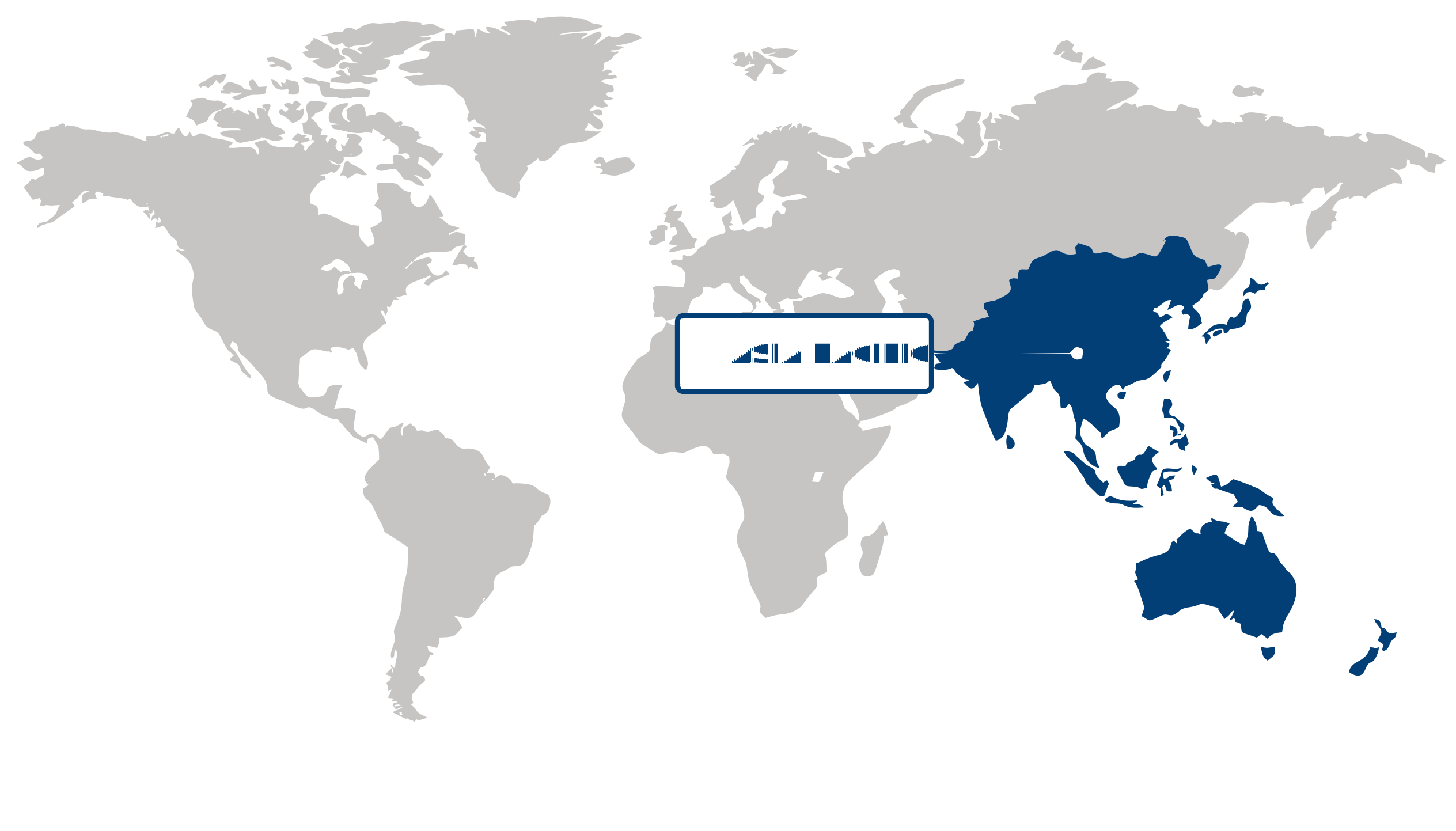
The Asia Pacific polycarboxylate ether market is poised to dominate with a substantial 41% share of the global market in 2025, also emerging as the fastest-growing region with a CAGR of 12.84%. This robust growth is primarily fueled by escalating demand for high-performance concrete in extensive infrastructure projects, particularly within developing economies. For instance, initiatives like China's Belt and Road and India's infrastructure expansion underscore this trend, as highlighted by data from the Asian Development Bank. The region’s emphasis on sustainable construction practices, aligned with evolving regulatory frameworks promoting green building, further catalyzes market penetration. Operational advances in production technology and a highly skilled regional workforce also optimize supply chains, reinforcing Asia Pacific’s leadership. Consequently, this region offers investors unparalleled growth opportunities driven by both urbanization dynamics and strategic government investments.
Japan plays a pivotal role in the Asia Pacific polycarboxylate ether market by combining advanced manufacturing technologies with stringent environmental regulations. The country’s commitment to sustainable urban development and earthquake-resistant architecture increases demand for innovative high-performance concrete admixtures. According to a report from the Japan Concrete Institute, the emphasis on durability and performance standards fosters adoption of polycarboxylate ether-based solutions among leading manufacturers such as Mitsui Chemicals. Japan’s position as a technology innovator complements China’s volume-driven growth, collectively reinforcing Asia Pacific’s strategic prominence in the polycarboxylate ether market.
China anchors the Asia Pacific polycarboxylate ether market through its vast infrastructure investments and regulatory momentum toward eco-friendly construction. The China Ministry of Housing and Urban-Rural Development has implemented policies encouraging the use of advanced admixtures to enhance concrete efficiency and sustainability. Leading companies like Sika and BASF have expanded production capacities in China to meet this soaring demand, reflecting competitive intensity and supply chain optimization. The scale and speed of construction activities position China as a critical driver, aligning closely with regional market dynamics and amplifying Asia Pacific’s growth trajectory in the polycarboxylate ether market.
Europe Market Analysis:
Europe maintained a substantial share in the polycarboxylate ether market, driven by the region’s well-established construction and infrastructure sectors. The demand for high-performance concrete admixtures, including polycarboxylate ethers, is bolstered by stringent sustainability regulations and the region’s focus on reducing carbon emissions in building materials. The European Chemicals Agency (ECHA) has implemented policies favoring environmentally compliant additives, encouraging manufacturers to adopt advanced polycarboxylate ethers. Additionally, Europe’s mature supply chains and investments in green technologies further enhance the availability and innovation of these products. The growing preference for energy-efficient and durable constructions amid urbanization across Europe also underpins steady demand. Consequently, the region’s strong regulatory framework and commitment to sustainable construction practices position Europe as a key market with promising growth opportunities for polycarboxylate ether suppliers looking to capitalize on evolving infrastructure needs.
Germany is a pivotal market within Europe for the polycarboxylate ether market, reflecting the country’s robust industrial base and leadership in green building standards. Germany’s construction sector increasingly prioritizes materials that meet the stringent energy efficiency and sustainability criteria outlined by the German Sustainable Building Council (DGNB). This focus drives significant adoption of polycarboxylate ether admixtures, known for enhancing concrete workability and reducing cement usage. Companies such as BASF continue to expand their product portfolios in Germany, leveraging innovations tailored to local environmental mandates. German consumers and contractors’ demand for longevity and low-carbon materials, combined with efficient logistics networks, underlines Germany’s strategic importance in reinforcing Europe’s polycarboxylate ether market strength.
France plays an essential role in Europe's polycarboxylate ether market, with steady construction growth underpinned by national infrastructure investment programs like the Grand Paris Express. The French government’s commitment to sustainable urban development and energy-efficient buildings increases reliance on advanced concrete admixtures, including polycarboxylate ethers. Producers such as Sika actively respond to French regulatory shifts promoting lower carbon footprints in construction materials, boosting market penetration. French builders prefer admixtures that improve concrete durability and reduce environmental impact, reflecting evolving consumer and policy-driven requirements. France’s innovative construction landscape and investment in smart infrastructure projects enhance Europe’s aggregate market potential, complementing regional dynamics toward greener building solutions.
North America Market Trends:
North America maintained notable presence in the polycarboxylate ether market, driven by robust infrastructure development and evolving construction standards across the region. Increasing demand for high-performance concrete admixtures, amplified by shifts toward sustainable building materials and stringent environmental regulations, underpins market expansion. The U.S. Environmental Protection Agency’s (EPA) initiatives promoting low-carbon construction practices highlight regulatory encouragement for eco-friendly additives. Concurrent advances in production technologies from firms like BASF Corporation enhance product efficiency and reduce costs, reinforcing regional competitiveness. Supply chain optimization, bolstered by advances in digital logistics platforms, further ensures steady availability amid fluctuating raw material costs. Given these factors, North America presents promising opportunities by integrating sustainability priorities with technological innovation to meet rising industry demands.
The U.S. plays a pivotal role in the North American polycarboxylate ether market, where increasing construction activity and emphasis on green building certification programs such as LEED underpin demand growth. Large-scale projects incorporating polycarboxylate ethers benefit from improved concrete performance and reduced environmental impact, as reported by the Portland Cement Association. Additionally, stringent emissions regulations from the EPA compel manufacturers to focus on eco-friendly product formulations and process efficiency. Leading chemical producers such as Dow Chemical Company continuously invest in R&D, accelerating innovation in admixture technologies. This dynamic positions the U.S. as a strategic hub, driving regional growth through a blend of regulatory compliance, sustainability focus, and technological leadership in the polycarboxylate ether market.
| Parameter | North America | Asia Pacific | Europe | Latin America | MEA |
|---|---|---|---|---|---|
| Innovation HubiScaleNascentDeveloping Advanced | |||||
| Cost-Sensitive RegioniScaleLowMedium High | |||||
| Regulatory EnvironmentiScaleRestrictiveNeutral Supportive | |||||
| Demand DriversiScaleWeakModerate Strong | |||||
| Development StageiScaleEmergingDeveloping Developed | |||||
| Adoption RateiScaleLowMedium High | |||||
| New Entrants / StartupsiScaleSparseModerate Dense | |||||
| Macro IndicatorsiScaleWeakStable Strong |
Polycarboxylate Ether Market Share (%), by Manufacturing Process, 2026
Go beyond the chart, access full insights & data tables
Request Free Sample ReportFree radical polymerization dominated the polycarboxylate ether market in 2025, driven by its widespread adoption for scalable and cost-efficient PCE production. This segment’s leadership stems from its ability to enable consistent polymer quality and process flexibility, meeting diverse industrial demands. Customers increasingly favor manufacturers who leverage this method, as evidenced by BASF’s press releases highlighting enhanced production efficiency and reduced operational costs. Additionally, environmental regulations promoting sustainable manufacturing bolster free radical polymerization’s preferential use, given its lower energy requirements compared to other processes. For established firms and new entrants, this segment offers strategic benefits by optimizing supply chain reliability and enabling rapid innovation cycles. The ongoing digital transformation in process monitoring and automation further ensures that free radical polymerization remains the backbone of cost-effective PCE manufacturing in the foreseeable future.
Analysis by Polymerization Degree
Medium degree of polymerization represented the largest share of the polycarboxylate ether market, propelled by its balanced performance profile between workability and strength in concrete admixtures. This segment’s prominence is underpinned by construction industry preferences for admixtures that optimize concrete durability without compromising fluidity—an equilibrium supported by organizations such as the American Concrete Institute (ACI) establishing guidelines for admixture efficacy. Furthermore, demand for sustainable building materials amplifies preference for medium polymerization degrees, as they facilitate reduced cement usage and carbon footprint. Industry leaders like Sika have emphasized product lines targeting this segment to capture growth opportunities. These attributes make medium polymerization degree PCEs particularly attractive for both legacy suppliers and innovative startups, ensuring sustained market relevance amid evolving regulatory and environmental expectations.
Analysis by Ionicity
Anionic PCEs held the largest share in the polycarboxylate ether market, driven by their superior dispersion efficiency within cementitious systems. This segment benefits from enhanced compatibility with various cement chemistries, improving mixture uniformity and strength development, as supported by studies published by the Portland Cement Association (PCA). Growing customer demand for highly effective admixtures that reduce water-to-cement ratios aligns with the performance advantages of anionic PCEs. Competitive dynamics favor firms offering tailored anionic formulations, evidenced by companies such as Mapei advancing product innovations focused on this chemistry. Regulatory frameworks emphasizing durability and sustainability in infrastructure further cement anionic PCEs’ relevance. Consequently, this segment offers significant growth potential and continues to be focal for strategic investment and product development in the medium term.
| Segment | Sub-Segment | Largest Segment | Fastest Growing |
|---|---|---|---|
| Manufacturing Process | Step-Growth Polymerization, Free Radical Polymerization | ||
| Polymerization Degree | Low Degree of Polymerization, Medium Degree of Polymerization, High Degree of Polymerization | ||
| Ionicity | Anionic, Nonionic, Cationic | ||
| Product Type | Superplasticizer, Dispersant, Stabilizer, Others | ||
| Application | Concrete Admixtures, Dispersion Agents, Stabilization of Suspensions, Oil & Gas Drilling, Paints and Coatings |
Unlock insights tailored to your business with our bespoke market research solutions.
Click to get your customized report now.
Competitive Landscape and Market Positioning
The competitive landscape is marked by dynamic initiatives where leading entities actively expand capabilities through synergistic collaborations, targeted acquisitions, and enhanced R&D endeavors. For example, BASF’s dual presence as BASF and BASF Construction Chemicals reflects a refined focus on product portfolio specialization. Meanwhile, entities such as GCP Applied Technologies and MAPEI emphasize the introduction of novel admixtures with improved environmental footprints. These concerted efforts help sustain their competitive edge by addressing evolving customer requirements while fostering incremental innovation. Continual technology integration and strategic partnerships deepen market penetration and resilience amid intensifying rivalry.
Strategic / Actionable Recommendations for Regional Players
North American firms should explore strengthening alliances with multinational suppliers to leverage advanced polymer technologies and broaden application scope in sustainable construction. Increasing investment into next-generation formulations that meet stringent environmental regulations could differentiate offerings in an increasingly eco-conscious market.
In Asia Pacific, players can capitalize on rapid urbanization by targeting emerging sub-segments such as infrastructure refurbishments and precast concrete. Aligning with global innovators for knowledge transfer and co-development would enhance technological capabilities and streamline product adaptation for local conditions.
European companies might benefit from prioritizing collaborations that foster circular economy frameworks, emphasizing biodegradable and low-carbon solutions. Expanding competencies in digital formulation tools and predictive performance analytics will support superior product customization, reinforcing their position amid a mature, innovation-driven market.
| Company | Market Share | Company Revenue | Revenue CAGR (%) | Product Portfolio | Geographic Presence | Innovation / R&D Focus | Strategic Developments |
|---|---|---|---|---|---|---|---|
| No companies available. | |||||||
Customize Your Report
Explore examples of how this report can be tailored to different research needs, including custom segments, additional topics or chapters, and related reports. Click a section of the wheel or its numbered marker to explore the available options.
Polycarboxylate Ether Market — Custom Segments
| Segment | Sub-Segment |
|---|---|
| No segment data available. | |
Polycarboxylate Ether Market — Custom TOC
| Custom Chapter | Chapter Details |
|---|---|
| No custom TOC data available. | |
Need a different cut of the data?
Request Custom ResearchFrequently Asked Questions
What is the projected value of the polycarboxylate ether industry by 2035?
In which region is the polycarboxylate ether market most concentrated?
In which region is the polycarboxylate ether sector expanding most rapidly?
Why does free radical polymerization sub-segment dominate the manufacturing process segment of polycarboxylate ether sector?
How much is the medium degree of polymerization segment expected to grow in the polycarboxylate ether industry beyond 2025?
What factors give anionic segment a competitive edge in the polycarboxylate ether sector?
Which is the largest sub-segment within the product type segment for polycarboxylate ether industry?
Why does concrete admixtures sub-segment dominate the application segment of polycarboxylate ether sector?
Which companies are driving growth in the polycarboxylate ether landscape?
Our Clients
"The report helped us understand emerging consumer trends in our product category. It clarified where to focus innovation for the next product launch."
LyondellBasell
"The regional forecast section was incredibly useful. We were able to identify two new potential partners in Europe thanks to the vendor mapping you included."
SABIC
"We appreciated how actionable the recommendations were. It guided us to improve supply chain resilience."
Olin Corporation
Our Research Team & Methodology
Every Fundamental Business Insights report is built by a dedicated vertical research team, validated through a structured primary-and-secondary methodology, and reviewed for accuracy before it reaches you.
This report was prepared by the Chemicals & Materials Research Team at Fundamental Business Insights, a dedicated research group specializing in the global chemicals, advanced materials, and industrial manufacturing sectors. Our analysts continuously monitor raw material supply chains, feedstock pricing, production technologies, regulatory developments, sustainability initiatives, environmental compliance, trade dynamics, and evolving end-use applications to deliver timely and reliable market intelligence. The research is developed using a structured methodology that combines primary discussions with manufacturers, raw material suppliers, distributors, and industry experts, along with company annual reports, regulatory publications, government trade statistics, industry associations, technical literature, patent databases, and other authoritative secondary sources. Market estimates are validated through multiple research techniques, including top-down and bottom-up analysis, before undergoing an internal quality review to ensure accuracy, consistency, and methodological integrity prior to publication.
Delivery
Published
Available
Support
- Market Size & Forecast
- Market Segmentation
- Regional Analysis
- Growth Drivers & Challenges
- Market Dynamics
- Competitive Landscape
- Company Profiles
- Competitive Benchmarking
- Mergers & Acquisitions
- Market Share Analysis or Key Company Strategies
- Value Chain Analysis
- Porter's Five Forces
- PESTLE Analysis
- Pricing Trends
- Supply-Demand Analysis
- Technology Landscape
- Regulatory Landscape
- Investment & Funding Landscape
- Emerging Opportunities
- Future Market Outlook