Polyacetal Resin Market Size & Forecasts 2026-2035, By Segments (Type, Application), Growth Opportunities, Innovation Landscape, Regulatory Shifts, Strategic Regional Insights (U.S., Japan, China, South Korea, UK, Germany, France), and Competitive Dynamics (Celanese, BASF, DuPont, Mitsubishi Chemical, Polyplastics)
Jump to Content
Market Size and Growth Outlook
Polyacetal Resin Market size is projected to expand significantly, moving from USD 9.5 billion in 2025 to USD 21.09 billion by 2035, with a CAGR of 8.3% during the 2026-2035 forecast period. The expected revenue for 2026 is USD 10.19 billion.
Get more details on this report
Request Free Sample ReportPolyacetal Resin Market Intelligence Snapshot
Regional Market Dynamics
Segment Momentum
Market Expansion Drivers
Leading Market Participants
Global Market Forecast Snapshot
Market Outlook
Regional and Segment Outlook
Market Growth Drivers and Industry Trends
The increasing reliance on lightweight, durable components in automotive and electronics sectors is a pivotal growth driver for the polyacetal resin market. As manufacturers like Bosch and Toyota emphasize fuel efficiency and miniaturization, polyacetal’s exceptional mechanical strength and excellent dimensional stability make it a preferred choice. Regulatory bodies, such as the European Union’s stringent emission standards, further fuel this demand by pushing automakers to adopt materials that reduce weight without compromising performance. This evolution presents strategic opportunities for established resin producers to deepen partnerships with OEMs and for new entrants to innovate customized solutions catering to electric vehicles and consumer electronics. Ongoing advancements in these industries ensure sustained demand for polyacetal, aligning the market with evolving design and regulatory criteria globally.
Innovations in High-Performance Polyacetal Formulations
Technological breakthroughs by chemical companies such as DuPont and Celanese in enhancing polyacetal resin properties are transforming the market landscape. Innovations focusing on improved thermal resistance, chemical stability, and eco-friendly additives respond directly to manufacturers’ needs for materials suitable for harsh operating environments, including industrial automation and medical devices. These advancements align with global sustainability commitments and stricter safety regulations from agencies like the U.S. Food and Drug Administration, broadening application potential. For market players, this trend opens avenues to differentiate through proprietary formulations and patented technologies. Continued innovation in formulation complexities will maintain polyacetal’s competitive edge and adaptability in diversified sectors.
Expansion in Industrial Machinery and Consumer Goods
The polyacetal resin market benefits substantially from rising industrial automation and increasing demand for precision-engineered consumer products. Heavy equipment manufacturers such as Caterpillar and consumer electronics brands like Samsung increasingly utilize polyacetal for gears, bearings, and housings due to its robust wear resistance and fatigue strength. The need for consistent quality and reliability amid evolving production techniques underscores polyacetal’s value. Additionally, supply chain modernization and lean manufacturing practices incentivize materials that streamline assembly and reduce defects. Both incumbents and entrants can leverage these trends by optimizing resin blends tailored to emerging machine designs and consumer preferences. The ongoing industrial and consumer sector expansion will likely reinforce polyacetal resin’s role as a fundamental engineering polymer.
Industry Restraints:
Environmental Regulatory Constraints
Increasingly stringent environmental regulations on plastic materials significantly restrain the polyacetal resin market’s expansion. Governments and regulatory bodies like the European Chemicals Agency (ECHA) have tightened restrictions on formaldehyde emissions and product recyclability standards, compelling manufacturers to invest heavily in compliance measures. For instance, the ECHA's REACH regulation mandates rigorous safety data submissions, raising operational costs and delaying product launches. This regulatory complexity not only impacts production timelines but also limits adoption in eco-sensitive markets such as automotive and electronics, where sustainability standards are stringent. Market incumbents face the challenge of adapting legacy production processes, while new entrants encounter high barriers to entry due to compliance-related capital expenditures. Looking ahead, these evolving environmental policies will continue to drive innovation towards greener alternatives, compelling market players to accelerate R&D investment or risk obsolescence in increasingly regulation-driven supply chains.
Volatility in Raw Material Supply
The polyacetal resin market is constrained by supply chain disruptions and price volatility in key feedstocks like formaldehyde and methanol, predominantly sourced from petrochemical derivatives. Industry data from the International Energy Agency (IEA) highlights that fluctuations in crude oil prices directly affect methanol availability and cost, injecting uncertainty into polyacetal production economics. This volatility hampers manufacturers’ ability to plan long-term production and pricing strategies, leading to operational inefficiencies and reduced profit margins. Established players must adopt flexible procurement strategies or risk margin erosion, whereas smaller companies and startups face heightened vulnerability to supply shocks. Considering ongoing geopolitical tensions and fluctuating energy markets, raw material supply instability is expected to remain a critical challenge, encouraging firms to explore alternative feedstocks or regionalized sourcing to mitigate risk and sustain competitive positioning.
| Growth Driver | Impact on CAGR | Regulatory Influence | Geographic Relevance | Adoption Rate | Impact Timeline |
|---|---|---|---|---|---|
| Rising demand in automotive and electronics applications | 2.50% | Short term (≤ 2 yrs) | Asia Pacific, Europe | Medium | Fast |
| Innovations in high-performance polyacetal formulations | 2.00% | Medium term (2–5 yrs) | North America, Europe | Medium | Moderate |
| Expansion in industrial machinery and consumer goods | 1.80% | Long term (5+ yrs) | Asia Pacific, MEA | Medium | Moderate |
Explore Growth Opportunities
Request Free Sample ReportRegional Demand Dynamics
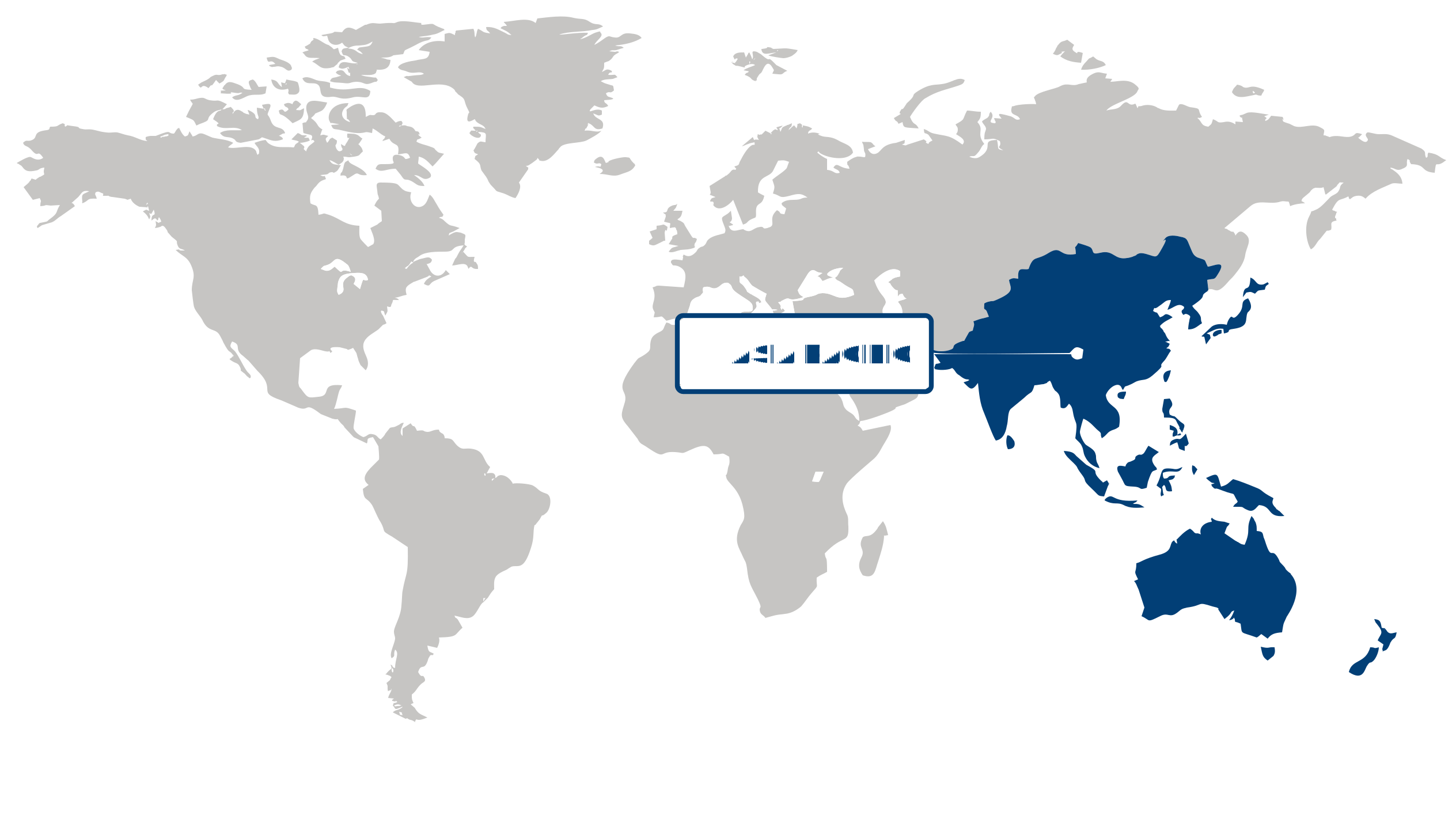
The Asia Pacific polyacetal resin market dominated with a substantial 47.90% share of the global market in 2025, standing as the largest and fastest-growing region with a CAGR of 9.96%. This leadership is underpinned by a robust industrial base in automotive and electronics manufacturing, sectors that heavily rely on polyacetal resin for its durability and precision engineering capabilities. Countries such as Japan and China drive demand through advanced manufacturing processes and increasing automation. According to the Japan Automobile Manufacturers Association, the region's automotive output is rapidly integrating lightweight, high-performance components, boosting resin consumption. Additionally, the Electronics and Information Technology Industry Association of China highlights surging investments in electronics, further propelling material demand. The convergence of evolving consumer needs, policies encouraging innovation, and resilient supply chains positions Asia Pacific for sustained growth and expanding opportunities in the polyacetal resin market.
Japan anchors the Asia Pacific polyacetal resin market with its pioneering role in precision engineering and stringent quality standards in automotive and electronics sectors. The Japan Automobile Manufacturers Association reports a consistent rise in the adoption of engineered polymers like polyacetal resin, driven by demands for fuel efficiency and enhanced product lifespan. Japanese firms such as Mitsubishi Chemical Corporation have announced increased capacity expansions for polyacetal products, capitalizing on rising internal and export demand. This positions Japan as a technological benchmark that influences regional supply chains and elevates market sophistication. In turn, Japan’s leadership fosters innovation diffusion across Asia Pacific, reinforcing the region's competitive edge in the polyacetal resin market.
China acts as the growth powerhouse within the Asia Pacific polyacetal resin market, propelled by dynamic manufacturing and expanding consumer electronics sectors. Regulatory support for advanced materials and manufacturing modernization, emphasized by China’s Ministry of Industry and Information Technology, encourages significant investments in polyacetal resin applications. Leading corporations like China National Chemical Corporation have publicized strategies to boost production capacities and develop sustainable resin variants, aligning with rising environmental standards. The vibrant domestic market, combined with strategic export expansion, enhances China’s influence across Asia Pacific, elevating the entire region’s attractiveness to investors and manufacturers seeking high-potential polyacetal resin opportunities.
North America Market Analysis:
North America maintained a substantial share in the polyacetal resin market, driven by the region's strong industrial base and consistent demand for high-performance engineering plastics. The region benefits from its extensive automotive and electronics manufacturing sectors, where polyacetal resins are increasingly favored for their durability and low friction properties. Additionally, evolving sustainability regulations, such as those spearheaded by the U.S. Environmental Protection Agency, have encouraged manufacturers to adopt materials that offer improved recyclability and reduced environmental impact, enhancing the appeal of polyacetal resins. Robust supply chains and advanced manufacturing infrastructure further bolster North America’s market position. Industry leaders like DuPont have also advanced material innovations, aligning product offerings with growing consumer preferences for lightweight yet reliable components. Given these dynamics, North America is poised to sustain its critical role in the polyacetal resin market, with ongoing opportunities emerging from advancements in green manufacturing and expanding end-use applications.
The U.S. stands as a key contributor to North America’s polyacetal resin market, underpinned by its substantial manufacturing capabilities and progressive regulatory framework. The automotive sector’s increasing focus on fuel efficiency has accelerated the adoption of polyacetal resins for components such as fuel system parts and transmission gears, as highlighted in research by the U.S. Department of Energy. Furthermore, the electronics industry’s demand for miniaturized, high-performance parts supports steady consumption of the resin. U.S. suppliers benefit from strong capital investment in R&D, with firms like Celanese Corporation innovating to enhance polymer performance and sustainability credentials. The country’s emphasis on eco-friendly policies and consumer shifts toward durable and recyclable materials underscore its strategic importance, reinforcing North America’s overall strength and offering a robust platform for growth in the polyacetal resin market.
Europe Market Trends:
Europe maintained a significant share in the polyacetal resin market, driven by its advanced manufacturing infrastructure and stringent regulatory landscape that prioritizes material safety and environmental compliance. Demand in the region is buoyed by automotive and electronics sectors seeking high-performance, lightweight materials aligning with sustainability initiatives promoted by the European Chemicals Agency (ECHA) through REACH regulations. Additionally, Europe’s strong focus on digital transformation and Industry 4.0 adoption enhances operational efficiencies across supply chains, supported by investments from entities like the European Commission’s Horizon Europe program. Key manufacturers headquartered in Europe have ramped up production capacity and innovation, reflecting the region’s competitive intensity and skilled talent pool. These dynamics collectively reinforce Europe’s role as a hub for high-quality polyacetal resin applications, positioning it for continued prominence as industries pivot to eco-friendly and technologically advanced polymer solutions.
Germany anchors Europe’s polyacetal resin market prominence by leveraging its leading automotive and industrial equipment sectors, which prioritize durable and recyclable materials. The German Environment Agency’s rigorous emphasis on sustainability has accelerated demand for materials that comply with circular economy principles, enhancing polyacetal resin’s appeal in engineering applications. BASF’s recent product innovations in high-performance polyacetal grades underscore Germany’s role as a global innovation leader, supporting enhanced mechanical properties and chemical resistance. Meanwhile, Germany’s integrated supply chains benefit from robust logistics infrastructure, enabling agile responses to market fluctuations. This confluence of regulatory rigor, industrial innovation, and operational excellence solidifies Germany as a cornerstone in Europe’s polyacetal resin market, providing a strategic advantage in meeting evolving consumer and industrial demands.
France plays a pivotal role in the European polyacetal resin market by fostering growth through strong governmental support for sustainable manufacturing and materials research. The French Environment and Energy Management Agency (ADEME) has championed initiatives to reduce carbon footprints in polymer production, stimulating demand for resins with superior recyclability and mechanical performance. Companies like Arkema have leveraged these policies to innovate bio-sourced and recycled polyacetal variants, addressing consumer preferences for greener products. Additionally, France’s emphasis on digital industrial frameworks enhances production precision and supply chain transparency, improving product quality and customer trust. This synergy of sustainability leadership and technological integration positions France as a critical growth market within Europe, contributing to the region’s overall resilience and advancement in polyacetal resin applications.
| Parameter | North America | Asia Pacific | Europe | Latin America | MEA |
|---|---|---|---|---|---|
| Innovation HubiScaleNascentDeveloping Advanced | |||||
| Cost-Sensitive RegioniScaleLowMedium High | |||||
| Regulatory EnvironmentiScaleRestrictiveNeutral Supportive | |||||
| Demand DriversiScaleWeakModerate Strong | |||||
| Development StageiScaleEmergingDeveloping Developed | |||||
| Adoption RateiScaleLowMedium High | |||||
| New Entrants / StartupsiScaleSparseModerate Dense | |||||
| Macro IndicatorsiScaleWeakStable Strong |
Segment Leadership and Growth Trends
Polyacetal Resin Market Share (%), by Type, 2026
Go beyond the chart, access full insights & data tables
Request Free Sample ReportAcetal Copolymer held the largest share in the polyacetal resin market in 2025, driven by its superior thermal stability and chemical resistance compared to acetal homopolymers. This segment’s leadership is anchored in its enhanced performance under demanding environmental conditions, meeting rising customer preferences for durability and reliability in engineering polymers. Innovations in polymer synthesis and material formulations, as highlighted in recent releases by Celanese Corporation, have further strengthened the supply chain resilience and product consistency across industries. The segment offers strategic advantages by enabling manufacturers to address stringent regulatory standards and evolving industrial applications, fostering market entry opportunities for both established firms and niche players. Given ongoing advancements in material engineering and growing demand across high-performance sectors, acetal copolymers are expected to sustain their relevance in the near to medium term, supported by continuous improvements in thermal and chemical properties.
Analysis by Application
The automotive segment represented the largest share in the polyacetal resin market in 2025, propelled by the growing adoption of lightweight materials in automotive components. This trend reflects manufacturers’ efforts to enhance fuel efficiency and reduce emissions in response to tightening global regulatory mandates, a priority underscored by organizations like the International Energy Agency (IEA). Demand patterns are influenced by increasing consumer preference for vehicles with improved safety and performance, driving the use of polyacetal resins in precision-engineered parts such as fuel systems and interior fittings. Industry leaders such as BASF have publicized innovations targeting automotive-grade resins, enhancing competitive dynamics and supply chain integration. The segment presents key strategic opportunities for market players to leverage sustainable material solutions and capture emerging automotive markets. These developments ensure the segment remains a focal point for investment and innovation in the foreseeable future.
| Segment | Sub-Segment | Largest Segment | Fastest Growing |
|---|---|---|---|
| Type | Acetal Homopolymer, Acetal Copolymer | ||
| Application | Electrical & Electronics, Automotive, Consumer Appliances, Healthcare, Others |
Unlock insights tailored to your business with our bespoke market research solutions.
Click to get your customized report now.
Competitive Landscape and Market Positioning
The competitive environment is marked by continuous enhancement of product performance and application breadth, driven by the top players’ dedication to advancing polymer formulations and processing technologies. Strategic moves such as inter-company collaborations and targeted acquisitions have augmented capacity and facilitated entry into specialty sub-segments, reflecting a commitment to deeper market integration. Investment into research extending polyacetal resin’s thermal stability, mechanical strength, and chemical resistance broadens its application scope, keeping these companies at the forefront of innovation. Furthermore, tailored formulations addressing regional automotive and electronics trends enhance competitive differentiation, while supply chain optimization efforts improve responsiveness to customer demands, collectively reinforcing market leadership and resilience.
Strategic / Actionable Recommendations for Regional Players
In North America, companies should deepen alliances with end-user industries like automotive and medical devices to co-develop application-specific resin grades, elevating product relevance and locking in demand. Embracing advancements in bio-based polyacetals could provide differentiation amid growing sustainability expectations. Prioritizing flexible manufacturing approaches will help navigate dynamic regulatory landscapes and shifting end-market preferences.
Within the Asia Pacific, leveraging expanding industrial ecosystems and rapid technological adoption remains pivotal. Integrating digitalization and automation into production can enhance quality consistency while fostering innovation cycles. Building cross-border partnerships may accelerate access to emerging markets, while tailoring resin properties to automotive lightweighting and electronics miniaturization trends will strengthen regional competitiveness.
European players should harness established expertise by enhancing collaboration with research institutions to drive next-generation resin developments focusing on recyclability and circular economy imperatives. Strengthening supply networks within the region while aligning product innovations with stringent environmental regulations will secure market positioning. Diversifying into high-performance sub-segments linked to industrial machinery and electrical applications can unlock new growth avenues amidst intensifying competition.
| Company | Market Share | Company Revenue | Revenue CAGR (%) | Product Portfolio | Geographic Presence | Innovation / R&D Focus | Strategic Developments |
|---|---|---|---|---|---|---|---|
| No companies available. | |||||||
Customize Your Report
Explore examples of how this report can be tailored to different research needs, including custom segments, additional topics or chapters, and related reports. Click a section of the wheel or its numbered marker to explore the available options.
Polyacetal Resin Market — Custom Segments
| Segment | Sub-Segment |
|---|---|
| No segment data available. | |
Polyacetal Resin Market — Custom TOC
| Custom Chapter | Chapter Details |
|---|---|
| No custom TOC data available. | |
Need a different cut of the data?
Request Custom ResearchFrequently Asked Questions
How much is the polyacetal resin industry expected to grow by 2035?
In which region is the polyacetal resin market share the greatest?
Which region shows the most rapid acceleration in the polyacetal resin sector?
What share does acetal copolymer segment hold in the polyacetal resin sector as of 2025?
Where is the automotive segment seeing the strongest adoption within the polyacetal resin industry?
Which companies are driving growth in the polyacetal resin landscape?
Our Clients
"The report helped us understand emerging consumer trends in our product category. It clarified where to focus innovation for the next product launch."
LyondellBasell
"The regional forecast section was incredibly useful. We were able to identify two new potential partners in Europe thanks to the vendor mapping you included."
SABIC
"We appreciated how actionable the recommendations were. It guided us to improve supply chain resilience."
Olin Corporation
Our Research Team & Methodology
Every Fundamental Business Insights report is built by a dedicated vertical research team, validated through a structured primary-and-secondary methodology, and reviewed for accuracy before it reaches you.
This report was prepared by the Chemicals & Materials Research Team at Fundamental Business Insights, a dedicated research group specializing in the global chemicals, advanced materials, and industrial manufacturing sectors. Our analysts continuously monitor raw material supply chains, feedstock pricing, production technologies, regulatory developments, sustainability initiatives, environmental compliance, trade dynamics, and evolving end-use applications to deliver timely and reliable market intelligence. The research is developed using a structured methodology that combines primary discussions with manufacturers, raw material suppliers, distributors, and industry experts, along with company annual reports, regulatory publications, government trade statistics, industry associations, technical literature, patent databases, and other authoritative secondary sources. Market estimates are validated through multiple research techniques, including top-down and bottom-up analysis, before undergoing an internal quality review to ensure accuracy, consistency, and methodological integrity prior to publication.
Delivery
Published
Available
Support
- Market Size & Forecast
- Market Segmentation
- Regional Analysis
- Growth Drivers & Challenges
- Market Dynamics
- Competitive Landscape
- Company Profiles
- Competitive Benchmarking
- Mergers & Acquisitions
- Market Share Analysis or Key Company Strategies
- Value Chain Analysis
- Porter's Five Forces
- PESTLE Analysis
- Pricing Trends
- Supply-Demand Analysis
- Technology Landscape
- Regulatory Landscape
- Investment & Funding Landscape
- Emerging Opportunities
- Future Market Outlook