Plantable Packaging Market Size & Growth Forecast 2027–2036, By Segments (Type, Application, Material), Regional Demand Trends (North America, Asia Pacific, Europe), Key Country Insights (U.S., Japan, South Korea, Germany, France, Italy), and Competitive Landscape
Jump to Content
Market Size and Growth Outlook
Plantable Packaging Market size was valued at USD 178.3 million in 2026 and is anticipated to grow at a 11.5% CAGR from 2027 to 2036, exceeding USD 529.54 million by 2036. The industry revenue for 2027 is assessed at USD 195.56 million.
Get more details on this report
Request Free Sample ReportPlantable Packaging Market Intelligence Snapshot
Regional Market Dynamics
- Europe held a 45.58% market share in 2026, supported by widespread sustainable packaging adoption and strong consumer acceptance of eco-conscious packaging for branding and waste reduction.
- Asia Pacific is forecast to grow at a 13.44% CAGR as sustainable packaging adoption expands across consumer goods, retail, and e-commerce, encouraging greater use of low-waste packaging alternatives.
Segment Momentum
- Flexible packaging leads the market because it combines sustainability with efficient handling, storage, and distribution while integrating easily into existing packing processes and supporting lightweight product formats.
- Cosmetics is growing fastest because brands increasingly use plantable packaging to strengthen product storytelling, enhance customer engagement, and reinforce premium positioning through innovative sustainable packaging concepts.
Market Expansion Drivers
- Stringent plastic waste regulations driving shift toward biodegradable packaging alternatives.
- Rising circular economy adoption enabling seed-embedded compostable packaging solutions.
- Corporate ESG branding initiatives accelerating sustainable packaging procurement decisions.
Leading Market Participants
- Leading players in the plantable packaging market include Botanical PaperWorks Inc. (Canada), Earthly Goods Inc. (United States), Eco Marketing Solutions (United States), Dongguan On The Way Packaging Products Co., Ltd. (China), Greenfield (United States), The Mend Packaging (United States), Sway Innovation Co. (United States), Evoware (Indonesia), Pangea Organics Inc. (United States).
Global Market Forecast Snapshot
Market Outlook
- 2026 Market Size: USD 178.3 million
- 2027 Estimated Market Size: USD 195.56 million.
- Projected Market Size: USD 529.54 million by 2036
- Growth Forecast: 11.5% CAGR (2027-2036)
Regional and Segment Outlook
- Leading Regional Market: Europe
- High-Growth Regional Hub: Asia Pacific
- Core Revenue Segment: Flexible Packaging (Type) | Food and Beverage (Application) | Bioplastics (Material)
- Emerging Opportunity Segment: Flexible Packaging (Type) | Cosmetics (Application) | Seaweed (Material)
Market Growth Drivers and Industry Trends
Stringent plastic waste regulations driving shift toward biodegradable packaging alternatives
Stricter regulations targeting plastic waste and packaging pollution are encouraging manufacturers and end users to explore materials with lower environmental persistence, supporting growth in the plantable packaging market. Conventional plastic packaging faces increasing scrutiny because of its contribution to waste accumulation and disposal challenges, prompting businesses to evaluate biodegradable and compostable alternatives. Plantable packaging extends this shift by incorporating materials that can biodegrade while providing an additional end-of-life use through embedded seeds. As packaging requirements increasingly account for waste reduction and environmental performance, businesses are evaluating plantable formats for applications where sustainable material choices can align with evolving regulatory expectations and waste-management objectives.
Rising circular economy adoption enabling seed-embedded compostable packaging solutions
Growing adoption of circular economy principles is creating opportunities for packaging formats designed to deliver value beyond their initial use. The plantable packaging market is benefiting from interest in seed-embedded compostable materials that can transition from a discarded packaging item into a planting medium under suitable conditions. This approach supports efforts to reduce the linear consumption model in which packaging is produced, used, and discarded without further utility. Packaging incorporating biodegradable fibers and seeds can provide an alternative end-of-life pathway while connecting product packaging with reuse, composting, and nature-oriented initiatives, particularly for applications where brands want packaging functionality to extend beyond product protection.
Corporate ESG branding initiatives accelerating sustainable packaging procurement decisions
Corporate environmental, social, and governance initiatives are influencing packaging procurement as businesses seek tangible ways to demonstrate sustainability commitments through customer-facing products and materials. Plantable packaging can provide companies with a visible sustainability feature that links packaging design with biodegradable materials, planting, and environmental engagement. Its distinctive end-of-life concept can also create opportunities for brands to communicate sustainability messages through packaging interactions rather than relying solely on conventional labeling. As procurement teams increasingly assess environmental attributes alongside functional packaging requirements, seed-embedded formats can attract interest from businesses seeking differentiated packaging solutions that support broader ESG-oriented branding strategies.
| Growth Driver | Impact on CAGR | Regulatory Influence | Geographic Relevance | Adoption Rate | Impact Timeline |
|---|---|---|---|---|---|
| Stringent plastic waste regulations driving shift toward biodegradable packaging alternatives | 2.20% | High | Europe, North America | High | Near Term |
| Rising circular economy adoption enabling seed-embedded compostable packaging solutions | 2.00% | High | Europe, Asia Pacific | High | Mid Term |
| Corporate ESG branding initiatives accelerating sustainable packaging procurement decisions | 1.60% | Moderate | North America, Europe, Asia Pacific | Medium | Mid Term |
Explore Growth Opportunities
Request Free Sample ReportRegional Demand Dynamics
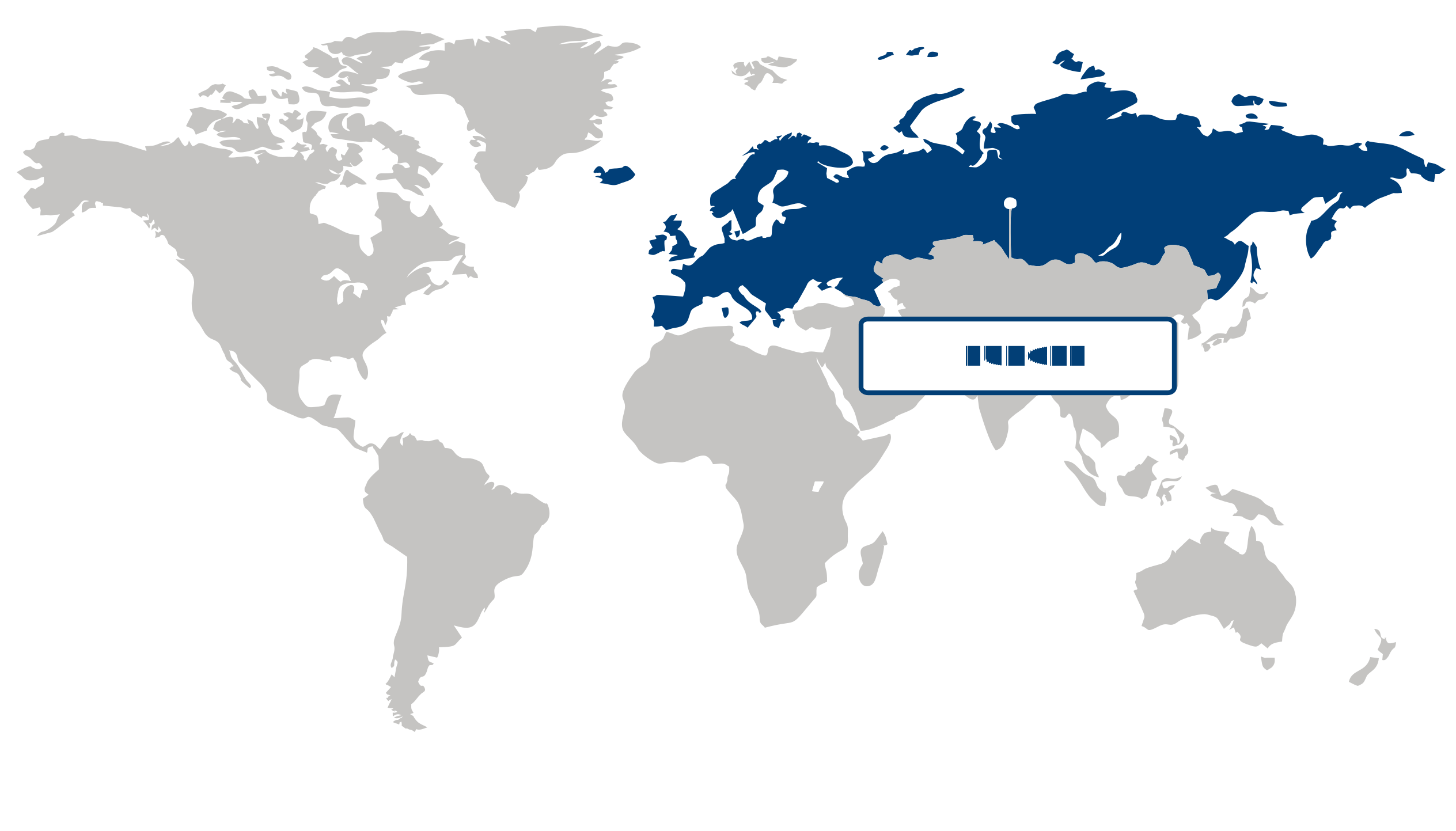
Europe (Largest Region)
Europe held the largest share of the plantable packaging market at 45.58% in 2026, reflecting strong environmental awareness, established circular-economy practices, and regulatory emphasis on reducing conventional packaging waste. Consumers and businesses are increasingly seeking packaging formats that offer sustainability benefits beyond recyclability, creating demand for materials capable of supporting waste reduction and ecological restoration. The region's developed packaging industry and growing adoption of environmentally responsible product design also support commercialization of plantable solutions. Retail, food, cosmetics, and gifting applications are particularly suited to packaging that combines functional use with sustainability-oriented consumer engagement.
Asia Pacific (Fastest-Growing Region)
Asia Pacific is emerging as the fastest-growing regional market, propelled by expanding consumer markets, increasing environmental consciousness, and efforts to address packaging waste associated with rapid urbanization and industrial development. Manufacturers are exploring alternative packaging materials that can align with sustainability objectives while meeting evolving consumer expectations for environmentally responsible products. Growing adoption of sustainable packaging across food, personal care, retail, and agricultural applications is creating additional opportunities for plantable formats. Increasing investment in biodegradable materials and innovation in packaging design is further supporting the region's expansion.
| Parameter | North America | Asia Pacific | Europe | Latin America | MEA |
|---|---|---|---|---|---|
| Innovation HubiScaleNascentDeveloping Advanced | |||||
| Cost-Sensitive RegioniScaleLowMedium High | |||||
| Regulatory EnvironmentiScaleRestrictiveNeutral Supportive | |||||
| Demand DriversiScaleWeakModerate Strong | |||||
| Development StageiScaleEmergingDeveloping Developed | |||||
| Adoption RateiScaleLowMedium High | |||||
| New Entrants / StartupsiScaleSparseModerate Dense | |||||
| Macro IndicatorsiScaleWeakStable Strong |
Key Country Insights
Germany 🇩🇪
Sustainable Material IntegrationGermany emphasizes plantable packaging that aligns with circular economy objectives and environmentally responsible product design. Businesses increasingly evaluate biodegradable materials capable of reducing packaging waste while supporting measurable sustainability initiatives.
France 🇫🇷
Eco-Luxury PackagingFrance integrates plantable packaging into premium consumer products where sustainability complements brand identity and product presentation. Businesses increasingly favor packaging solutions that balance visual appeal with responsible material selection and waste reduction objectives.
Italy 🇮🇹
Artisan Sustainability FocusItaly is incorporating plantable packaging into specialty food, fashion, and lifestyle products to reinforce environmentally conscious branding. Manufacturers continue exploring creative packaging formats that enhance customer experience while supporting circular packaging strategies.
Japan 🇯🇵
Eco-Design ApplicationsJapan is incorporating plantable packaging into premium consumer goods where minimal waste and thoughtful product presentation are valued. Manufacturers continue refining material quality and print performance while maintaining environmental compatibility throughout the packaging lifecycle.
South Korea 🇰🇷
Green Brand PackagingSouth Korea is adopting plantable packaging to strengthen sustainable brand positioning across cosmetics, retail, and promotional products. Companies increasingly use innovative packaging concepts to differentiate products while reinforcing environmental commitments.
United States 🇺🇸
Circular Packaging InnovationThe U.S. is advancing plantable packaging as brands seek packaging solutions that combine sustainability with consumer engagement. Companies increasingly explore seed-infused materials for promotional packaging, specialty retail, and environmentally conscious product launches.
Plantable Packaging Market Share (%), by Type, 2026
Go beyond the chart, access full insights & data tables
Request Free Sample ReportType Segment Analysis: Flexible Packaging (Largest & Fastest-Growing Segment)
Flexible packaging dominated the plantable packaging market and represented the largest segment in 2026, while also being the fastest-growing segment. Its lightweight structure, efficient material usage, and adaptability to different product formats make it well suited to sustainable packaging applications where manufacturers seek to reduce conventional packaging waste. The integration of plantable materials into flexible formats also supports convenient handling and disposal, while growing consumer preference for packaging with an environmental benefit is encouraging broader adoption across product categories.
Application Segment Analysis: Food and Beverage (Largest Segment) vs Cosmetics (Fastest-Growing Segment)
The food and beverage segment held the largest position in the plantable packaging market in 2026, supported by the extensive use of packaging across packaged foods, beverages, and consumer products. Plantable packaging can strengthen sustainability positioning while providing brands with an opportunity to connect packaging disposal with environmental regeneration. Increasing consumer awareness of packaging waste and demand for environmentally responsible product formats are encouraging food and beverage producers to explore alternatives to conventional packaging.
Cosmetics are emerging as a faster-growing application as personal care brands increasingly emphasize sustainable packaging and environmentally conscious product positioning. Plantable formats can complement clean and natural product concepts by extending sustainability considerations beyond the formulation itself. The growing appeal of eco-conscious beauty products and demand for distinctive packaging experiences are creating additional opportunities for plantable solutions in cosmetics.
| Segment | Sub-Segment | Largest Segment | Fastest Growing |
|---|---|---|---|
| Type | Flexible Packaging, Rigid Packaging | Flexible Packaging | Flexible Packaging |
| Application | Food and Beverage, Cosmetics, Pharmaceutical, Industrial | Food and Beverage | Cosmetics |
| Material | Bagasse, Starch-based, Bioplastics, Cellulose, Seaweed, Others | Bioplastics | Seaweed |
Unlock insights tailored to your business with our bespoke market research solutions.
Click to get your customized report now.
Competitive Landscape and Market Positioning
Key companies in the plantable packaging market:
1. Botanical PaperWorks Inc. (Canada)
2. Earthly Goods Inc. (United States)
3. Eco Marketing Solutions (United States)
4. Dongguan On The Way Packaging Products Co. Ltd. (China)
5. Greenfield (United States)
6. The Mend Packaging (United States)
7. Sway Innovation Co. (United States)
8. Evoware (Indonesia)
9. Pangea Organics Inc. (United States)
Eco-conscious consumption trends are accelerating the adoption of plantable packaging solutions designed to reduce environmental impact. Innovation is focused on biodegradable materials embedded with regenerative properties. Product diversification is enabling broader application across retail and consumer goods. Differentiation is strongly driven by sustainability narratives and lifecycle benefits.
| Company | Market Share | Company Revenue | Revenue CAGR (%) | Product Portfolio | Geographic Presence | Innovation / R&D Focus | Strategic Developments |
|---|---|---|---|---|---|---|---|
| Botanical PaperWorks Inc. (Canada) | |||||||
| Earthly Goods Inc. (United States) | |||||||
| Eco Marketing Solutions (United States) | |||||||
| Dongguan On The Way Packaging Products Co. Ltd. (China) | |||||||
| Greenfield (United States) | |||||||
| The Mend Packaging (United States) | |||||||
| Sway Innovation Co. (United States) | |||||||
| Evoware (Indonesia) | |||||||
| Pangea Organics Inc. (United States). |
Customize Your Report
Explore examples of how this report can be tailored to different research needs, including custom segments, additional topics or chapters, and related reports. Click a section of the wheel or its numbered marker to explore the available options.
Plantable Packaging Market — Custom Segments
| Segment | Sub-Segment |
|---|---|
| End-of-Life Function | Seed Germination Packaging, Compostable Packaging, Biodegradable Packaging, Direct-Planting Packaging |
| Packaging Format | Bags & Pouches, Boxes & Cartons, Wrappers & Sleeves, Labels & Tags, Cups & Containers |
| Procurement Route | Direct Brand Procurement, Packaging Distributors, Contract Packaging Providers, Retail & Specialty Suppliers |
Plantable Packaging Market — Custom TOC
| Custom Chapter | Chapter Details |
|---|---|
| Plantable Packaging Commercialization Roadmap |
|
| Sustainable Packaging Adoption Readiness Assessment |
|
| Circular Packaging Model Assessment |
|
Need a different cut of the data?
Request Custom ResearchFrequently Asked Questions
What is the market valuation of plantable packaging?
How much is the plantable packaging industry expected to grow by 2036?
How are regulatory pressures on plastics influencing procurement decisions in the plantable packaging market?
How is circular economy adoption shaping innovation and differentiation in plantable packaging solutions?
Why does flexible packaging lead the plantable packaging market?
Why is cosmetics the fastest-growing application in the plantable packaging market?
Why does Europe lead the plantable packaging market?
What is fueling plantable packaging market growth in Asia Pacific?
Which companies dominate the plantable packaging landscape?
Our Clients
"The report provided a thorough look at market trends, technological advancements, and the competitive landscape. The depth of insights was really valuable."
ITC Limited
"We would highly recommend Fundamental Business Insights & Consulting to anyone looking for reliable, detailed, and comprehensive market research in the Food industry."
Tyson Foods
"The clarity and presentation of the information were commendable. The report was delivered timely, which made the overall experience smooth and convenient."
Mondelēz International
Our Research Team & Methodology
Every Fundamental Business Insights report is built by a dedicated vertical research team, validated through a structured primary-and-secondary methodology, and reviewed for accuracy before it reaches you.
This report was prepared by the Food & Beverage Research Team at Fundamental Business Insights, a dedicated research group specializing in the global food, beverage, ingredients, and food processing industries. Our analysts continuously monitor evolving consumer preferences, product innovation, ingredient developments, food safety regulations, manufacturing technologies, supply chain dynamics, pricing trends, sustainability initiatives, and changing retail and foodservice landscapes to deliver timely and reliable market intelligence. The research is developed using a structured methodology that combines primary discussions with food manufacturers, ingredient suppliers, distributors, retailers, industry experts, and other key stakeholders, along with company annual reports, regulatory publications, government trade statistics, food safety authorities, industry associations, technical publications, and other authoritative secondary sources. Market estimates are validated through multiple research techniques, including top-down and bottom-up analysis, before undergoing an internal quality review to ensure accuracy, consistency, and methodological integrity prior to publication.
Delivery
Published
Available
Support
- Market Size & Forecast
- Market Segmentation
- Regional Analysis
- Growth Drivers & Challenges
- Market Dynamics
- Competitive Landscape
- Company Profiles
- Competitive Benchmarking
- Mergers & Acquisitions
- Market Share Analysis or Key Company Strategies
- Value Chain Analysis
- Porter's Five Forces
- PESTLE Analysis
- Pricing Trends
- Supply-Demand Analysis
- Technology Landscape
- Regulatory Landscape
- Investment & Funding Landscape
- Emerging Opportunities
- Future Market Outlook