PE Resin Market Size & Forecasts 2026-2035, By Segments (Density, Polymerization Process, End Use, Additives), Growth Opportunities, Innovation Landscape, Regulatory Shifts, Strategic Regional Insights (U.S., Japan, China, South Korea, UK, Germany, France), and Competitive Dynamics (LyondellBasell, Dow, ExxonMobil, INEOS, SABIC)
Jump to Content
Market Size and Growth Outlook
PE Resin Market size is forecasted to reach USD 462.54 billion by 2035, rising from USD 268.23 billion in 2025, at a CAGR of more than 5.6% between 2026 and 2035. In 2026, revenue is projected at USD 281.27 billion.
Get more details on this report
Request Free Sample ReportPE Resin Market Intelligence Snapshot
Regional Market Dynamics
Segment Momentum
Market Expansion Drivers
Leading Market Participants
Global Market Forecast Snapshot
Market Outlook
Regional and Segment Outlook
Market Growth Drivers and Industry Trends
The surge in packaging and consumer goods demand is a significant catalyst for the PE resin market’s expansion. As global consumption patterns pivot towards convenience and single-use products, PE resin’s versatility and cost-effectiveness have made it integral to packaging solutions spanning from food to personal care. For instance, Procter & Gamble’s packaging innovations increasingly rely on PE resins to enhance recyclability and durability, responding to growing consumer preference for sustainable packaging. This trend stimulates opportunities for producers to innovate bio-based and recyclable PE grades, appealing to environmentally conscious buyers while maintaining performance. Positioned at the heart of this evolving consumer landscape, market participants can leverage these dynamics to differentiate offerings and build resilience in supply chains anchored by responsiveness to sustainability regulations, as seen in directives from the European Chemicals Agency.
Lightweighting Trends in Automotive Applications
Lightweighting initiatives in automotive manufacturing propel the PE resin market by driving demand for materials that reduce vehicle weight without sacrificing durability. Automakers like Ford and Toyota have adopted advanced PE resins for interior components and under-the-hood applications to meet stringent fuel efficiency standards and regulatory emissions targets globally. These shifts underscore PE resin’s strategic role in enabling automotive innovation while supporting regulatory compliance. Established resin producers can capitalize on this trend through investments in high-performance polymers tailored for automotive specifications, while new entrants can focus on niche applications with value-added resin formulations. As stricter emissions mandates intensify across markets, the PE resin market is poised to integrate deeper into automotive material ecosystems, anchoring itself as a key enabler of sustainable vehicle manufacturing.
Sustained Long-term Growth in Plastics Consumption
The enduring rise in plastics consumption globally underpins steady demand growth in the PE resin market. Despite sustainability debates, plastics continue to see rising use across sectors due to their economic benefits and functional versatility. Organizations such as the American Chemistry Council report ongoing upticks in plastic resin production linked to expanding infrastructure, agriculture, and consumer goods sectors, reinforcing PE resin’s foundational role. This longevity offers resilience for producers amidst fluctuating market conditions, prompting strategic shifts towards circular economy models and enhanced recycling technologies. For both incumbents and newcomers, embedding sustainability in product portfolios and supply chain operations presents critical differentiation avenues. Observed investments in chemical recycling and bio-based alternatives by companies like LyondellBasell signal a pragmatic evolution of the PE resin market aligned with long-term plastic consumption patterns.
Industry Restraints:
Environmental Regulatory Pressures
Increasingly stringent environmental regulations are a critical restraint on the PE resin market, as governments worldwide push for reduced plastic pollution and enhanced circularity. For instance, the European Chemicals Agency (ECHA) has introduced tighter restrictions on single-use plastics and mandated improved recyclability standards, compelling producers to reformulate or invest in costly compliance measures. Such mandates elevate production costs and complicate supply chains, particularly for smaller manufacturers lacking economies of scale. Consequently, established players face capital allocation dilemmas between regulatory adaptation and expansion, while new entrants grapple with high barriers to entry due to compliance complexities. As global regulatory frameworks tighten further in response to climate agendas, these pressures will continue to slow market expansion and stimulate innovation in alternative materials and recycling technologies.
Volatile Feedstock Prices and Supply Chain Disruptions
The PE resin market is highly sensitive to the volatility of crude oil and natural gas prices, which directly affect raw material costs. Fluctuations driven by geopolitical tensions or OPEC+ production adjustments, as reported by the U.S. Energy Information Administration (EIA), translate into unpredictable input costs and margin pressures for manufacturers. Additionally, ongoing supply chain challenges—such as logistical bottlenecks highlighted in recent analyses by the World Economic Forum—limit timely availability of feedstocks, disrupting production schedules. These factors hinder operational efficiency and increase inventory risk, disproportionately impacting smaller producers with less procurement leverage. In response, market participants must adopt flexible sourcing strategies and invest in supply chain resilience, but the overall uncertainty is expected to persist, constraining the pace of market growth and complicating capacity planning in the near term.
| Growth Driver | Impact on CAGR | Regulatory Influence | Geographic Relevance | Adoption Rate | Impact Timeline |
|---|---|---|---|---|---|
| Growth in packaging and consumer goods | 2.00% | Short term (≤ 2 yrs) | Asia Pacific, Europe; Spillover: North America | Low | Fast |
| Lightweighting in automotive applications | 1.90% | Medium term (2–5 yrs) | Global; Spillover: Latin America | Medium | Moderate |
| Long-term plastic consumption growth | 1.70% | Long term (5+ yrs) | Global; Spillover: MEA | Low | Slow |
Explore Growth Opportunities
Request Free Sample ReportRegional Demand Dynamics
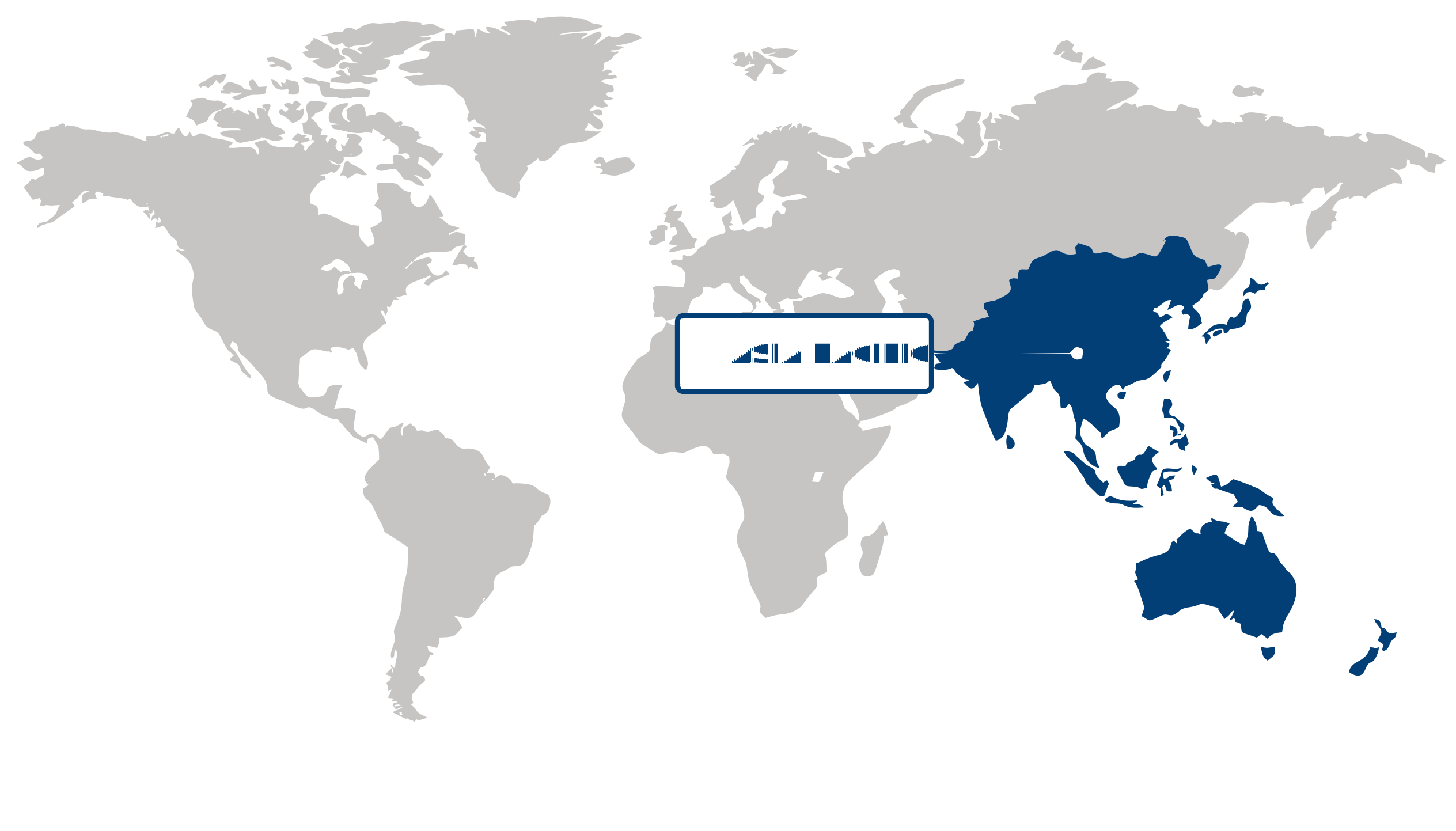
The Asia Pacific region dominates the global PE resin market, representing more than 46.8% of the total market share in 2025 and exhibiting the fastest growth at a 6.72% CAGR. This leadership is largely driven by the extensive adoption of polyethylene in food packaging and consumer goods, sectors experiencing rapid expansion due to rising urbanization and changing lifestyle preferences. For instance, top packaging companies like Amcor and China’s packaging industry association highlight surging demand for lightweight, durable packaging solutions. Furthermore, Asia Pacific’s evolving regulatory frameworks encourage the use of recyclable polyolefins, while investments in advanced polymer processing technologies by firms such as Toray Industries bolster supply capabilities. These elements, combined with robust manufacturing infrastructure and rising consumer spending, position Asia Pacific as a highly attractive arena for PE resin market growth.
China stands as a critical growth engine within the Asia Pacific PE resin market, fueled by massive consumption in food packaging and consumer electronics sectors. With increased urban middle-class incomes and governmental support for sustainable packaging, Chinese firms such as Sinopec are expanding high-density polyethylene production to meet domestic and export demand. Regulations emphasizing environmental safety prompt companies to innovate in recyclable PE formulations, aligning with China’s Ministry of Ecology and Environment initiatives. Concurrently, strategic partnerships and capacity expansions announced by CNPC reinforce China’s dominance. This dynamic enhances regional supply chain resilience and cements China’s essential role in Asia Pacific’s broader market prospects.
Japan plays a pivotal role in the Asia Pacific PE resin market by driving demand for premium, high-performance polyethylene products, particularly in consumer goods and specialized packaging applications. Advanced manufacturing ecosystems, supported by corporations like Mitsubishi Chemical and Sumitomo Chemical, emphasize quality, innovation, and sustainability. Japan’s stringent environmental policies and consumer shifts toward eco-friendly packaging motivate continuous R&D investment, fostering differentiation and competitive advantage. The Japan Packaging Institute’s reports underscore ongoing transformation toward biobased and recyclable PE resins, bolstering industry agility. Japan’s sophisticated market complements China’s scale, collectively enhancing Asia Pacific’s position as the foremost and fastest-growing PE resin market globally.
North America Market Analysis:
North America maintained a substantial share in the PE resin market, driven by its mature manufacturing base and well-established infrastructure facilitating efficient supply chains. The region’s diverse industrial applications, particularly in packaging, automotive, and construction sectors, have fueled steady demand for PE resins. Evolving consumer preferences toward lightweight, durable, and recyclable materials are prompting manufacturers to innovate with advanced resin grades, supporting sustainability ambitions and regulatory compliance. The U.S. Environmental Protection Agency’s recent emphasis on circular economy initiatives further underpins the regional market dynamics, promoting recycled content use in production processes. Additionally, North America’s competitive landscape benefits from robust investments in R&D by key industry players such as ExxonMobil and Dow Inc., enhancing product differentiation and operational efficiencies. This combination of regulatory support, innovation, and market maturity positions North America as a crucial hub for ongoing PE resin market stability and incremental growth.
The U.S. functions as the cornerstone of North America’s PE resin market, reflecting high domestic demand driven by packaging and consumer goods sectors. The country’s regulatory environment, shaped by the U.S. Chemical Safety Board and EPA policies, incentivizes adoption of recyclable and high-performance PE resins. Meanwhile, large-scale players like Chevron Phillips Chemical frequently highlight their capacity expansions and collaborations aimed at sustainable resin formulations, signaling confidence in the market’s enduring potential. The U.S.’s sophisticated supply networks and consumer shift toward eco-conscious packaging further fuel its pivotal role, anchoring North America’s leadership in the global PE resin landscape. These dynamics create fertile ground for investors and strategists focused on innovation-led growth and environmental stewardship within the region.
Europe Market Trends:
Europe maintained a notable presence in the global PE resin market, driven by a balanced mix of sustainable consumer demand and stringent regulatory environments. The region's moderate growth reflects increasing focus on circular economy practices, with companies and governments prioritizing recyclable and bio-based materials that align with the European Green Deal objectives. For instance, BASF’s recent initiative to enhance bio-based polymer production highlights industry adaptation to evolving sustainability mandates. Additionally, Europe’s advanced logistics network and collaborative innovation platforms, such as those supported by the European Chemicals Agency (ECHA), facilitate efficient supply chains and technological advancements. These factors collectively position Europe as a hub for sustainable development in PE resin applications, offering investors significant opportunities in eco-friendly product segments and regulatory-aligned innovation.
Germany plays a pivotal role in Europe's PE resin market, propelled by robust industrial demand and progressive regulatory frameworks that emphasize environmental compliance. German manufacturers, as exemplified by Covestro's commitment to integrating recycled polymer feedstocks, demonstrate how sustainability priorities shape production and procurement strategies. Consumer awareness across various sectors—from automotive to packaging—fosters continual adoption of high-performance, recyclable PE resins. Moreover, Germany’s skilled workforce and industrial automation capabilities enhance operational efficiencies, reinforcing its market leadership. Strategically, Germany’s blend of innovation and regulation drives the regional PE resin market toward durable, eco-conscious solutions, accentuating Europe’s broader growth trajectory.
France contributes significantly to the European PE resin market, leveraging government support for green technologies and shifting consumer preferences toward sustainable products. The French Environment and Energy Management Agency (ADEME) has propelled initiatives that encourage bioplastic integration and recycling infrastructure upgrades, catalyzing demand for advanced PE resins. Industry leaders like TotalEnergies actively invest in circular economy models, underscoring market responsiveness to evolving sustainability policies. Coupled with France’s expanding role in digital manufacturing and smart packaging, these dynamics enhance supply chain agility and product differentiation. Consequently, France’s momentum complements regional growth, reinforcing Europe’s expanding foothold in sustainable and innovative PE resin markets.
| Parameter | North America | Asia Pacific | Europe | Latin America | MEA |
|---|---|---|---|---|---|
| Innovation HubiScaleNascentDeveloping Advanced | |||||
| Cost-Sensitive RegioniScaleLowMedium High | |||||
| Regulatory EnvironmentiScaleRestrictiveNeutral Supportive | |||||
| Demand DriversiScaleWeakModerate Strong | |||||
| Development StageiScaleEmergingDeveloping Developed | |||||
| Adoption RateiScaleLowMedium High | |||||
| New Entrants / StartupsiScaleSparseModerate Dense | |||||
| Macro IndicatorsiScaleWeakStable Strong |
PE Resin Market Share (%), by Density, 2026
Go beyond the chart, access full insights & data tables
Request Free Sample ReportHigh-density polyethylene (HDPE) held the largest share in the PE resin market by density segment in 2025, driven primarily by its extensive use in rigid packaging, pipes, and construction applications. HDPE’s superior strength and chemical resistance meet the growing demand for durable, lightweight materials, aligning with industry shifts toward sustainable and cost-effective supply chains. Companies like ExxonMobil and SABIC highlight HDPE’s versatility through product innovations promoting recyclability and environmental compliance. This segment offers established players competitive advantages in infrastructure and packaging sectors, while new entrants can capitalize on increasing regulatory mandates favoring resilient, recyclable materials. HDPE’s proven performance and adaptability ensure it will remain a cornerstone of the PE resin market amid ongoing urbanization and infrastructure investment.
Analysis by Polymerization Process
Ziegler-Natta polymerization represented the largest share in the PE resin market by polymerization process segment by 2025, backed by its widespread adoption in large-scale polyethylene production. This catalyst system enables cost-efficient, high-yield manufacturing, addressing escalating industrial demand and supply continuity concerns. Leading producers like LyondellBasell have emphasized Ziegler-Natta technology’s ability to meet stringent product quality standards and regulatory requirements. The segment’s dominance supports strategic positioning for both incumbents strengthening downstream integration and emerging firms exploiting improved catalyst efficiencies. Given ongoing advances in catalyst design and a robust industrial base relying on reliable output, Ziegler-Natta polymerization will sustain its leadership role in the evolving PE resin market.
Analysis by End Use
Packaging held the largest share in the PE resin market within the end-use segment in 2025, propelled by rising global demand for flexible and rigid plastic packaging solutions. Consumer preferences for lightweight, durable, and sustainable packaging, coupled with growth in e-commerce and food safety regulations, underscore this segment’s strength. Industry leaders like Amcor and Berry Global have showcased innovations enhancing recyclability and barrier performance, aligning with environmental mandates. The packaging segment presents significant opportunities for market players to leverage digital transformation in supply chains and respond to circular economy initiatives. As regulatory frameworks evolve and consumption patterns shift, packaging is expected to remain a critical driver of PE resin demand in the near to medium term.
| Segment | Sub-Segment | Largest Segment | Fastest Growing |
|---|---|---|---|
| Density | High-density Polyethylene (HDPE), Medium-density Polyethylene (MDPE), Low-density Polyethylene (LDPE) | ||
| Polymerization Process | Free Radical Polymerization, Ziegler-Natta Polymerization, Metallocene Polymerization | ||
| End Use | Packaging, Automotive, Building and Construction, Medical and Healthcare, Electrical and Electronics | ||
| Additives | Antioxidants, Anti-static agents, UV stabilizers, Flame retardants, Nucleating agents |
Unlock insights tailored to your business with our bespoke market research solutions.
Click to get your customized report now.
Competitive Landscape and Market Positioning
The competitive landscape is marked by purposeful advancements where these key firms continuously refine their portfolios and operational efficiencies. By engaging in targeted collaborations and operational expansions, they enhance scale and innovation. Recent initiatives suggest a focus on developing high-performance PE grades and circular economy solutions, reinforcing sustainability trends. Intellection into research facilities and strategic acquisitions further fortifies their market positioning, creating barriers for emerging entrants. These maneuvers collectively elevate the competitive intensity while broadening application scopes across packaging, automotive, and construction sectors.
Strategic / Actionable Recommendations for Regional Players
In North America, firms can benefit from fostering deeper linkages with technology innovators to accelerate the adoption of advanced PE formulations. Emphasizing partnerships that facilitate circular economy practices and recycling breakthroughs could significantly enhance reputation and resilience amid tightening regulations.
Players in the Asia Pacific region should consider expanding engagement with end-user industries experiencing rapid growth, such as consumer goods and electronics. Leveraging proprietary technology and forming cross-border alliances could aid in capturing evolving market demands and addressing supply chain complexities effectively.
European market participants might focus on integrating sustainable polymer alternatives and strengthening collaborations with research institutions. This approach would support compliance with stringent environmental standards while positioning these firms as leaders in green innovation within the PE resin domain.
| Company | Market Share | Company Revenue | Revenue CAGR (%) | Product Portfolio | Geographic Presence | Innovation / R&D Focus | Strategic Developments |
|---|---|---|---|---|---|---|---|
| No companies available. | |||||||
Customize Your Report
Explore examples of how this report can be tailored to different research needs, including custom segments, additional topics or chapters, and related reports. Click a section of the wheel or its numbered marker to explore the available options.
PE Resin Market — Custom Segments
| Segment | Sub-Segment |
|---|---|
| No segment data available. | |
PE Resin Market — Custom TOC
| Custom Chapter | Chapter Details |
|---|---|
| No custom TOC data available. | |
Need a different cut of the data?
Request Custom ResearchFrequently Asked Questions
How is the PE resin industry size expected to evolve during the forecast period?
Which geographic area exhibits the highest level of PE resin market penetration?
Which geography represents the strongest growth trajectory for the PE resin sector?
What factors give high-density polyethylene (HDPE) segment a competitive edge in the PE resin sector?
Which is the largest sub-segment within the polymerization process segment for PE resin industry?
Why does packaging sub-segment dominate the end use segment of PE resin sector?
How does antioxidants segment fare in the PE resin industry?
Who are the leading players in the PE resin landscape?
Our Clients
"The report helped us understand emerging consumer trends in our product category. It clarified where to focus innovation for the next product launch."
LyondellBasell
"The regional forecast section was incredibly useful. We were able to identify two new potential partners in Europe thanks to the vendor mapping you included."
SABIC
"We appreciated how actionable the recommendations were. It guided us to improve supply chain resilience."
Olin Corporation
Our Research Team & Methodology
Every Fundamental Business Insights report is built by a dedicated vertical research team, validated through a structured primary-and-secondary methodology, and reviewed for accuracy before it reaches you.
This report was prepared by the Chemicals & Materials Research Team at Fundamental Business Insights, a dedicated research group specializing in the global chemicals, advanced materials, and industrial manufacturing sectors. Our analysts continuously monitor raw material supply chains, feedstock pricing, production technologies, regulatory developments, sustainability initiatives, environmental compliance, trade dynamics, and evolving end-use applications to deliver timely and reliable market intelligence. The research is developed using a structured methodology that combines primary discussions with manufacturers, raw material suppliers, distributors, and industry experts, along with company annual reports, regulatory publications, government trade statistics, industry associations, technical literature, patent databases, and other authoritative secondary sources. Market estimates are validated through multiple research techniques, including top-down and bottom-up analysis, before undergoing an internal quality review to ensure accuracy, consistency, and methodological integrity prior to publication.
Delivery
Published
Available
Support
- Market Size & Forecast
- Market Segmentation
- Regional Analysis
- Growth Drivers & Challenges
- Market Dynamics
- Competitive Landscape
- Company Profiles
- Competitive Benchmarking
- Mergers & Acquisitions
- Market Share Analysis or Key Company Strategies
- Value Chain Analysis
- Porter's Five Forces
- PESTLE Analysis
- Pricing Trends
- Supply-Demand Analysis
- Technology Landscape
- Regulatory Landscape
- Investment & Funding Landscape
- Emerging Opportunities
- Future Market Outlook