Paper and Plastic Straws Market Size & Forecasts 2026-2035, By Segments (Product Type, End-User), Growth Opportunities, Innovation Landscape, Regulatory Shifts, Strategic Regional Insights (U.S., Japan, China, South Korea, UK, Germany, France), and Competitive Dynamics (EnviroStraw, StrawTech, GreenSip, BioWrap, ClearSip)
Jump to Content
Market Size and Growth Outlook
Paper and Plastic Straws Market size is predicted to expand from USD 2.67 billion in 2025 to USD 5.3 billion by 2035, with growth underpinned by a CAGR above 7.1% between 2026 and 2035. The industry revenue outlook for 2026 is USD 2.84 billion.
Get more details on this report
Request Free Sample ReportPaper and Plastic Straws Market Intelligence Snapshot
Regional Market Dynamics
Segment Momentum
Market Expansion Drivers
Leading Market Participants
Global Market Forecast Snapshot
Market Outlook
Regional and Segment Outlook
Market Growth Drivers and Industry Trends
Increasing regulatory scrutiny on single-use plastics is a critical growth driver in the paper and plastic straws market. Governments worldwide, including the European Union and the United States Environmental Protection Agency (EPA), are implementing bans or restrictions on plastic straws to reduce marine pollution. This shift is reshaping consumer behavior, pushing hospitality and retail sectors to seek alternatives swiftly. For established companies like Huhtamaki and new entrants, this evolving regulatory landscape presents strategic opportunities to innovate and capture market share by offering compliant, sustainable straw options. The momentum behind plastic bans is expected to sustain demand for eco-friendly alternatives, ensuring continued investment in product diversification aligned with tightening regulations.
Growth in Foodservice and Beverage Packaging
The expanding foodservice and beverage sectors are amplifying demand in the paper and plastic straws market. Increasing consumer preference for convenience and on-the-go dining, documented by the National Restaurant Association, intensifies the need for disposable yet environmentally conscious packaging solutions. Brands such as Starbucks have already committed to phasing out plastic straws worldwide, signaling robust market endorsement for sustainable packaging. Both incumbents and startups can leverage this growth by aligning straw innovations with packaging ecosystems that emphasize functionality and compliance. As foodservice evolves, integrating straws into broader sustainability initiatives will be crucial for competitive differentiation and customer loyalty.
Adoption of Biodegradable and Eco-Friendly Materials
Innovation in biodegradable and eco-friendly materials is pivotal in transforming the paper and plastic straws market. Leading manufacturers like Green Paper Products and World Centric are pioneering straws made from plant-based fibers and compostable bioplastics, responding directly to heightened environmental concerns expressed by consumers and regulators alike. This shift supports broader sustainability mandates set forth by global organizations such as the United Nations Environment Programme (UNEP). For market participants, investing in material science not only meets rising demand but also erects barriers to entry by establishing technological leadership. Ongoing advancements in eco-materials signal a durable transition that will shape product development priorities and competitive positioning.
Industry Restraints:
Environmental Regulation Complexity and Enforcement
Navigating divergent and evolving environmental policies significantly constrains the paper and plastic straws market. Varied bans and restrictions on single-use plastics imposed by jurisdictions like the European Union under its Single-Use Plastics Directive and the U.S. Plastic Packaging Tax create compliance challenges for manufacturers and distributors operating across borders. These regulations drive operational inefficiencies, forcing companies such as Berry Global and Huhtamaki to redesign product lines and recalibrate supply chains. Enforcement variability further complicates market strategies, as noted by the U.S. Environmental Protection Agency’s uneven regulation application at state levels. Consequentially, firms face elevated compliance costs and delayed market entry, limiting agility. This leads to a strategic focus on innovation and adaptability in regulatory forecasting. Given intensifying global sustainability commitments, regulatory complexity will persist as a critical restraint, compelling continuous investment in compliance capabilities and collaborative policy monitoring for both incumbents and newcomers.
Raw Material Supply and Cost Volatility
Volatility in raw material availability and pricing notably impedes consistent production in the paper and plastic straws sector. The reliance on pulp for paper straws and petrochemical derivatives for plastic counterparts exposes manufacturers to fluctuations driven by global supply chain disruptions and commodity market dynamics, as highlighted by the International Energy Agency and FAO reports. For instance, rising cellulose fiber costs due to demand-supply imbalances and unstable crude oil prices directly increase production expenses, squeezing margins for players like Aardvark and Greenline Paper. Smaller entrants face amplified risks, given limited scale and negotiating power, while larger firms must in-source or secure long-term contracts to stabilize operations. This restraint enforces a cautious capital deployment approach and accelerates raw material diversification efforts. With ongoing geopolitical tensions and climate-related supply risks, these cost and supply uncertainties are expected to remain a pivotal challenge, shaping procurement strategies and innovation priorities.
| Growth Driver | Impact on CAGR | Regulatory Influence | Geographic Relevance | Adoption Rate | Impact Timeline |
|---|---|---|---|---|---|
| Rising awareness of single-use plastic bans | 2.50% | Short term (≤ 2 yrs) | Europe, North America | High | Fast |
| Growth in foodservice and beverage packaging | 2.00% | Medium term (2–5 yrs) | Asia Pacific, North America | Low | Fast |
| Adoption of biodegradable and eco-friendly materials | 2.50% | Long term (5+ yrs) | Europe, Asia Pacific | Medium | Moderate |
Explore Growth Opportunities
Request Free Sample ReportRegional Demand Dynamics
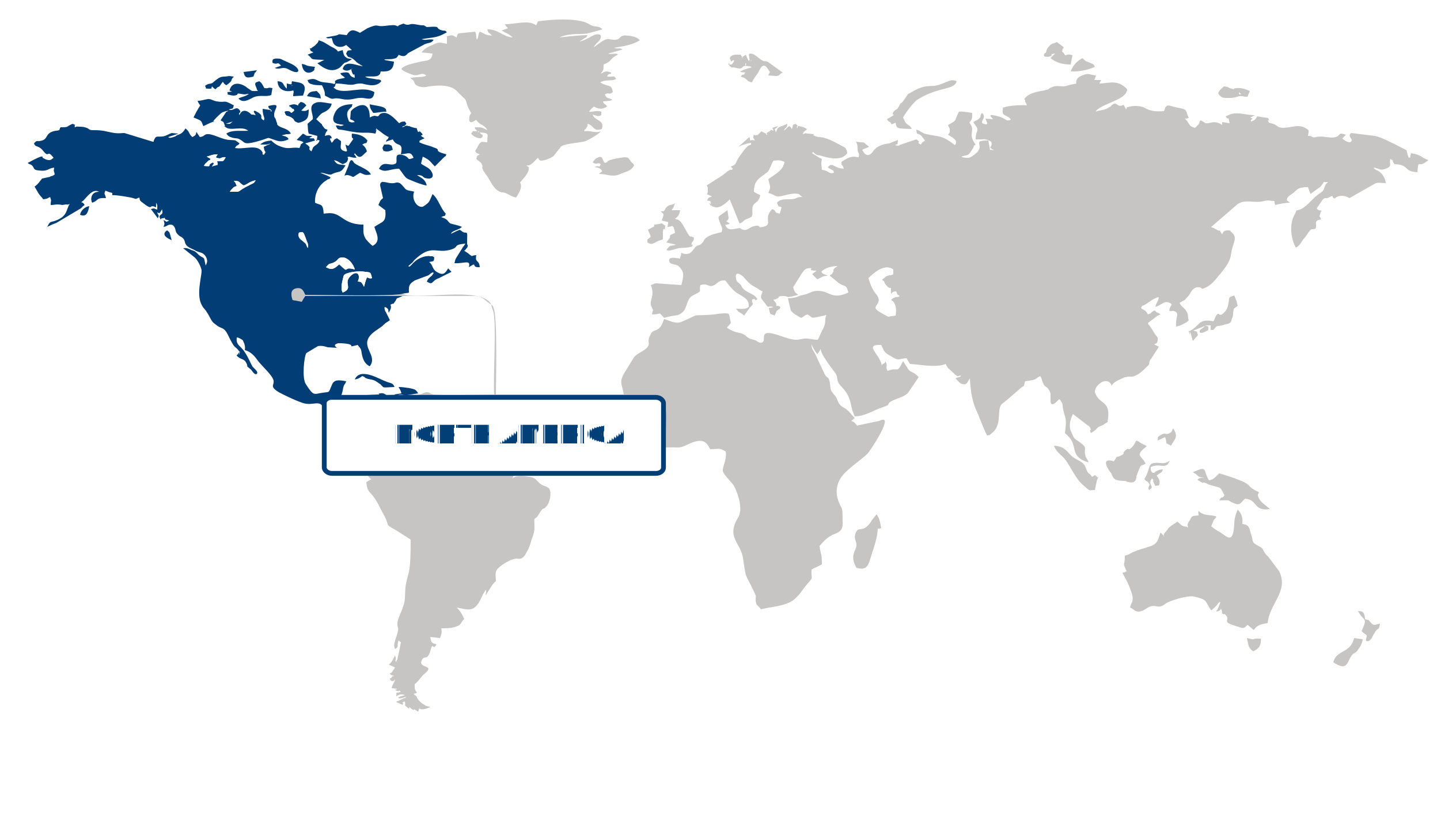
North America dominated the paper and plastic straws market in 2025, representing more than 38% of the global share. This leadership is primarily driven by stringent single-use plastic bans implemented across multiple states and municipalities, coupled with robust demand from the food-service industry. Regulatory momentum, exemplified by the U.S. Food and Drug Administration's updated guidance and localized bans in California and New York, has shifted procurement towards sustainable alternatives, accelerating adoption of paper straws. Concurrently, rising consumer preference for eco-friendly products and resilience in foodservice spending amid economic fluctuations have supported sustained demand. Investments in manufacturing innovations and streamlined supply chains, as reflected in initiatives by Green Paper Products and Aardvark Straws, further bolster this growth. Moving forward, North America offers significant opportunities, leveraging regulatory frameworks and evolving market preferences to innovate and expand eco-friendly straw alternatives.
The United States anchors the North American paper and plastic straws market as the largest single national contributor, propelled by aggressive policy shifts against single-use plastics and heightened sustainability awareness within the foodservice sector. Regulatory measures such as California’s statewide ban on plastic straws and New York City’s expanded restrictions have catalyzed widespread adoption of paper alternatives among restaurants and cafes. Leading companies like World Centric and Syrian Plastic Solutions have strategically expanded their product lines to meet this evolving demand, adapting to complex compliance landscapes. These developments underscore the U.S.’s critical role in steering regional market dynamics, offering investors and strategists grounded opportunities to capitalize on regulatory-driven demand shifts and innovation in biodegradable straw solutions.
Asia Pacific Market Analysis:
Asia Pacific emerged as the fastest-growing region in the paper and plastic straws market, registering a robust CAGR of 9.94%. This impressive growth is primarily driven by rising environmental awareness, rapid urbanization, and the expansion of the foodservice and beverage sectors across the region. Consumers in APAC are increasingly favoring sustainable alternatives due to government policies aimed at reducing plastic waste, such as bans on single-use plastics implemented by authorities like the Ministry of Environment in various countries. Urban centers are witnessing higher demand for eco-friendly straws as cafes, restaurants, and quick-service outlets adopt sustainable practices, supported by advancements in supply chain efficiency and local manufacturing capabilities. The Food and Agriculture Organization of the United Nations recognizes APAC’s evolving consumption patterns, which highlight a shift towards greener products. Looking ahead, ongoing urban development and consumer preference for environmentally responsible products position Asia Pacific as a pivotal market for innovation and sustainable growth in paper and plastic straws.
Japan holds a strategic position in the Asia Pacific paper and plastic straws market, driven by its strong environmental regulations and high consumer eco-consciousness. Japanese companies leverage advanced manufacturing technologies to produce biodegradable straws that meet strict quality standards set by local regulators such as the Ministry of Economy, Trade and Industry. Consumer preference trends here favor premium, sustainable goods, supported by initiatives like the Ministry of the Environment’s Plastic Resource Circulation Strategy, aimed at reducing plastic pollution. Additionally, Japan’s hospitality sector integrates sustainable straw options as part of broader green certifications, reinforcing the market’s growth. Consequently, Japan’s regulatory rigor and innovation dynamics contribute significantly to the region’s market momentum.
China plays a leading role in Asia Pacific’s market expansion, propelled by rapid urbanization and the burgeoning foodservice and beverage sectors catering to a large and increasingly environmentally aware population. The Chinese government’s proactive policies, including the 2020 plastic ban and promotion of biodegradable alternatives governed by the National Development and Reform Commission, have accelerated the adoption of paper straws in urban centers. Major cities like Shanghai and Beijing exhibit heightened consumer demand for sustainable packaging solutions, reflected in initiatives by companies like Starbucks China committing to eliminate plastic straws by 2025. This combination of regulatory impetus and shifting consumer habits underpins China’s critical contribution to the Asia Pacific market’s growth trajectory, reinforcing the region’s leadership in sustainable product adoption within the paper and plastic straws sector.
Europe Market Trends:
Europe held a substantial share in the paper and plastic straws market, underpinned by the region’s increasing commitment to sustainability and regulatory actions aimed at reducing plastic waste. Heightened environmental awareness among European consumers has spurred demand for eco-friendly alternatives, prompting manufacturers to accelerate adoption of biodegradable materials and innovate in product design and functionality. The European Union’s Single-Use Plastics Directive, enforced since 2021, has restricted plastic straws, nudging the market towards paper-based options. Additionally, Europe's robust logistics infrastructure and competitive manufacturing landscape facilitate efficient distribution and scaling of sustainable straw products. Organizations such as the European Bioplastics Association have championed these shifts, reinforcing industry collaboration and consumer education. This evolving regulatory and consumer environment positions Europe to unlock significant opportunities for growth through continued innovation and alignment with green policies.
Germany represents a pivotal market in Europe’s paper and plastic straws market, reflecting the country’s strong environmental policies and progressive consumer base. German legislation, aligned with the EU’s directives, enforces strict bans on single-use plastic products, driving demand for alternatives like paper straws. Companies such as Retap GmbH have introduced innovative, high-quality biodegradable straws targeting the hospitality and retail sectors, signaling robust market adoption. Germany’s well-developed recycling systems and consumer preference for sustainable goods further reinforce this momentum. Its role as a manufacturing hub ensures efficient supply chain coordination, enhancing competitiveness. This dynamic underscores Germany’s importance as a catalyst in Europe’s broader transition toward sustainable straw solutions, securing its position as a strategic driver for regional market expansion.
France holds a notable presence in the paper and plastic straws market within Europe, bolstered by rigorous environmental legislation and rising consumer advocacy for zero-waste lifestyles. The French Anti-Waste Law for a Circular Economy (2020) includes specific measures against plastic straws, accelerating the switch to paper-based alternatives. French companies like Loliware have actively pursued innovations in edible and compostable straws, resonating with a consumer base attentive to ethical consumption. High awareness campaigns by the French Agency for Ecological Transition (ADEME) have further supported sustainable adoption, complemented by increasing collaboration among small and medium enterprises to improve local production. France’s cultural emphasis on eco-conscious living and policy enforcement reinforces its strategic role in Europe, fueling opportunities for scalable growth and diversified product offerings in the regional paper and plastic straws market.
| Parameter | North America | Asia Pacific | Europe | Latin America | MEA |
|---|---|---|---|---|---|
| Innovation HubiScaleNascentDeveloping Advanced | |||||
| Cost-Sensitive RegioniScaleLowMedium High | |||||
| Regulatory EnvironmentiScaleRestrictiveNeutral Supportive | |||||
| Demand DriversiScaleWeakModerate Strong | |||||
| Development StageiScaleEmergingDeveloping Developed | |||||
| Adoption RateiScaleLowMedium High | |||||
| New Entrants / StartupsiScaleSparseModerate Dense | |||||
| Macro IndicatorsiScaleWeakStable Strong |
Segment Leadership and Growth Trends
Paper and Plastic Straws Market Share (%), by Product Type, 2026
Go beyond the chart, access full insights & data tables
Request Free Sample ReportKraft paper straws held the largest share in the paper and plastic straws market in 2025, driven predominantly by widespread bans on single-use plastics and a growing emphasis on sustainability. This segment’s leadership reflects shifting consumer preferences toward eco-friendly alternatives and regulatory frameworks championed by entities such as the U.S. Environmental Protection Agency and the European Commission, which have introduced stringent restrictions on plastic straw usage. Additionally, supply chain adaptations facilitating biodegradable raw materials and packaging innovations from companies like Aardvark Paper Straws bolster its dominance. Kraft paper straws present strategic opportunities for established manufacturers to diversify portfolios and for emerging players to differentiate through sustainable product innovation. Given the persistence of environmental regulations and heightened consumer awareness about plastic pollution, the kraft paper straws segment is poised to maintain its relevance in the medium term.
Analysis by End-User
Restaurants and motels represented the largest share in the paper and plastic straws market in 2025, fueled by high-volume straw consumption inherent to the foodservice industry. This segment’s prominence stems from the sector’s operational scale and adoption of sustainability policies responding to customer demand for green solutions, as evidenced by initiatives from the National Restaurant Association promoting eco-friendly packaging. The integration of digital ordering platforms has also increased efficiency in supply management, enabling bulk procurement of paper and plastic straws aligned with environmental standards. Strategic advantages in this segment include opportunities for suppliers to build long-term partnerships through customized offerings and for new entrants to leverage niche eco-conscious clientele. As environmental compliance continues to solidify across hospitality chains worldwide, the restaurants and motels segment remains central to market dynamics.
| Segment | Sub-Segment | Largest Segment | Fastest Growing |
|---|---|---|---|
| Product Type | Kraft Paper Straws, Printed Paper Straws, Plastic Straws | ||
| End-User | Hotels, Restaurants & Motels, Bars & Lounges, Cafes, Others |
Unlock insights tailored to your business with our bespoke market research solutions.
Click to get your customized report now.
Competitive Landscape and Market Positioning
The competitive landscape is marked by strategic efforts to deepen market reach and technological advancement. Collaborative efforts among these top players underscore a shared priority on enhancing product sustainability and consumer appeal, as evidenced by joint research initiatives and co-branded product cycles. EnviroStraw’s recent launches incorporate cutting-edge compostable polymer blends, while StrawTech has expanded its portfolio with high-strength paper straw lines tailored for premium hospitality sectors. FlexiStraw and NaturaSip have intensified their market presence through partnerships with local suppliers to optimize cost structures and logistics agility. Meanwhile, ClearSip and EcoRing focus on refining manufacturing processes to reduce carbon footprints, reinforcing their competitive positioning. These multidimensional initiatives collectively elevate market innovation and underline a dynamic race to align offerings with tightening environmental regulations and shifting consumer behaviors.
Strategic / Actionable Recommendations for Regional Players
In North America, players should leverage collaborative ventures with technology startups specializing in bio-based materials to accelerate the introduction of next-generation straws, tapping into sustainability-driven consumer demand. Strengthening alliances with foodservice chains and packaging distributors can expand market penetration while offering customization aligned with brand values.
Within the Asia Pacific region, regional stakeholders could benefit from integrating digital tracking and quality control technologies into supply chains to enhance transparency and responsiveness. Capitalizing on partnerships with e-commerce platforms and beverage companies focused on on-the-go consumption will address the region’s growing urban and youth demographics.
European market participants are well-positioned to harness regulatory expertise and invest further in material innovation that adheres to and anticipates evolving environmental mandates. Collaborations with research institutions and sustainability-focused NGOs can heighten brand credibility and unlock access to niche sub-segments emphasizing zero-waste lifestyles, thereby enhancing competitive differentiation.
| Company | Market Share | Company Revenue | Revenue CAGR (%) | Product Portfolio | Geographic Presence | Innovation / R&D Focus | Strategic Developments |
|---|---|---|---|---|---|---|---|
| No companies available. | |||||||
Customize Your Report
Explore examples of how this report can be tailored to different research needs, including custom segments, additional topics or chapters, and related reports. Click a section of the wheel or its numbered marker to explore the available options.
Paper and Plastic Straws Market — Custom Segments
| Segment | Sub-Segment |
|---|---|
| No segment data available. | |
Paper and Plastic Straws Market — Custom TOC
| Custom Chapter | Chapter Details |
|---|---|
| No custom TOC data available. | |
Need a different cut of the data?
Request Custom ResearchFrequently Asked Questions
How much revenue does the paper and plastic straws market generate?
What are the growth projections for the paper and plastic straws industry?
Which region emerges as the top contributor to the paper and plastic straws market revenue?
Which geography represents the strongest growth trajectory for the paper and plastic straws sector?
Why is the kraft paper straws segment leading in the paper and plastic straws industry?
Why does restaurants & motels sub-segment dominate the end-user segment of paper and plastic straws sector?
What are the prominent companies operating in the paper and plastic straws landscape?
Our Clients
"The report helped us understand emerging consumer trends in our product category. It clarified where to focus innovation for the next product launch."
LyondellBasell
"The regional forecast section was incredibly useful. We were able to identify two new potential partners in Europe thanks to the vendor mapping you included."
SABIC
"We appreciated how actionable the recommendations were. It guided us to improve supply chain resilience."
Olin Corporation
Our Research Team & Methodology
Every Fundamental Business Insights report is built by a dedicated vertical research team, validated through a structured primary-and-secondary methodology, and reviewed for accuracy before it reaches you.
This report was prepared by the Chemicals & Materials Research Team at Fundamental Business Insights, a dedicated research group specializing in the global chemicals, advanced materials, and industrial manufacturing sectors. Our analysts continuously monitor raw material supply chains, feedstock pricing, production technologies, regulatory developments, sustainability initiatives, environmental compliance, trade dynamics, and evolving end-use applications to deliver timely and reliable market intelligence. The research is developed using a structured methodology that combines primary discussions with manufacturers, raw material suppliers, distributors, and industry experts, along with company annual reports, regulatory publications, government trade statistics, industry associations, technical literature, patent databases, and other authoritative secondary sources. Market estimates are validated through multiple research techniques, including top-down and bottom-up analysis, before undergoing an internal quality review to ensure accuracy, consistency, and methodological integrity prior to publication.
Delivery
Published
Available
Support
- Market Size & Forecast
- Market Segmentation
- Regional Analysis
- Growth Drivers & Challenges
- Market Dynamics
- Competitive Landscape
- Company Profiles
- Competitive Benchmarking
- Mergers & Acquisitions
- Market Share Analysis or Key Company Strategies
- Value Chain Analysis
- Porter's Five Forces
- PESTLE Analysis
- Pricing Trends
- Supply-Demand Analysis
- Technology Landscape
- Regulatory Landscape
- Investment & Funding Landscape
- Emerging Opportunities
- Future Market Outlook