Organic Textile Market Size & Share, By Fiber Type (Cotton, Linen, Wool, Silk, Jute), Product Type (Apparel, Home Textiles, Industrial Textiles, Medical Textiles), Certification Standard ( Organic Textile Standard (GOTS), Organic Content Standard (OCS), Textile Exchange Organic Cotton Standard (OCS), European Union Organic Textile Standard (EUTS), National Organic Program (NOP)), Distribution Channel (Online, Offline (Retail Stores), Direct-to-Consumer, Business-to-Business), End-Use Application - Growth Trends, Regional Insights (U.S., Japan, South Korea, UK, Germany), Competitive Positioning, Global Forecast Report 2025-2034

Report ID: FBI 16974| Published Date: Apr-2025| Format: PDF, Excel
Jump to Content
Market Outlook

Market Size and Growth Outlook

Organic Textile Market size is predicted to reach USD 241.03 billion by 2034, up from USD 46.84 billion in 2024, reflecting a CAGR of over 17.8% during the forecast period from 2025 to 2034. The industry revenue for 2025 is projected to be USD 53.52 billion.

Base Year Value (2024)
USD 46.84 Billion
CAGR (2025-2034)
17.8%
Forecast Year Value (2034)
USD 241.03 Billion
Historical Data Period
2021-2024
Largest Region
Europe
Forecast Period
2025-2034

Get more details on this report

Request Free Sample Report
Snapshot

Organic Textile Market Intelligence Snapshot

Regional Market Dynamics

Segment Momentum

Market Expansion Drivers

Leading Market Participants

Forecast Snapshot

Global Market Forecast Snapshot

Market Outlook

Regional and Segment Outlook

Market Dynamics

Market Growth Drivers and Industry Trends

Growth Drivers & Opportunities The Organic Textile Market has witnessed significant growth in recent years, primarily fueled by a strong consumer shift towards sustainable and eco-friendly products. Increasing awareness of environmental issues and the harmful effects of conventional textile production on health and the planet has driven consumers to seek organic alternatives. This heightened consciousness supports a burgeoning demand for organic textiles, as individuals increasingly consider the ecological footprint of their purchasing decisions. Innovation and advancements in technology play a pivotal role in facilitating this market expansion. The development of more efficient organic farming practices and textile processing techniques is making organic materials more accessible and affordable for manufacturers and consumers alike. Furthermore, the introduction of new blends and finishes that enhance the functionality and aesthetic appeal of organic textiles is broadening their market appeal. A rise in governmental and non-governmental initiatives promoting organic agriculture also presents substantial opportunities. Many countries have implemented policies aimed at supporting organic farming through subsidies and incentivized certification processes. Additionally, NGOs and environmental organizations are actively campaigning for sustainable practices, encouraging consumers and businesses to pivot towards organic products. The growing influence of social media and digital marketing has become a double-edged sword, acting as both a driver and an opportunity for market growth. Brands are leveraging online platforms to reach eco-conscious consumers more effectively, creating engaging narratives around sustainability and organic practices. This has not only highlighted the benefits of choosing organic textiles but has also spurred brand loyalty among a demographic increasingly dedicated to ethical consumerism. Industry Restraints: Despite the numerous growth drivers, the Organic Textile Market faces several key restraints that could hinder its potential. One of the primary challenges is the relatively higher cost of organic textiles compared to their conventional counterparts. The price premium often deter consumers who are unwilling to pay more for organic options, particularly in price-sensitive markets. These costs stem from more expensive farming practices, limited economies of scale, and stringent certification processes. Another significant constraint is the limited availability of certified organic raw materials. While demand is rising, the production of organic fibers like cotton, hemp, and wool remains constrained due to factors like climate change, land availability, and the slow conversion of conventional farms to organic farming. This scarcity can lead to supply chain issues, making it difficult for manufacturers to source the necessary materials consistently. Additionally, the market is not without its share of skepticism. Concerns surrounding greenwashing, where companies falsely claim to be organic or sustainable, further complicate consumer trust. This skepticism can result in hesitance among potential buyers to fully embrace organic textiles, as they may question the authenticity of the claims made by brands. Lastly, regulatory barriers and the varying standards for organic certifications across different regions pose challenges for businesses aiming to operate internationally. Navigating these regulatory landscapes can be complex and costly, which could deter new entrants and stifle innovation within the market landscape.

Explore Growth Opportunities

Request Free Sample Report
Regional Forecast

Regional Demand Dynamics

Organic Textile Market
Largest Region
Europe
XX% Market Share in 2024
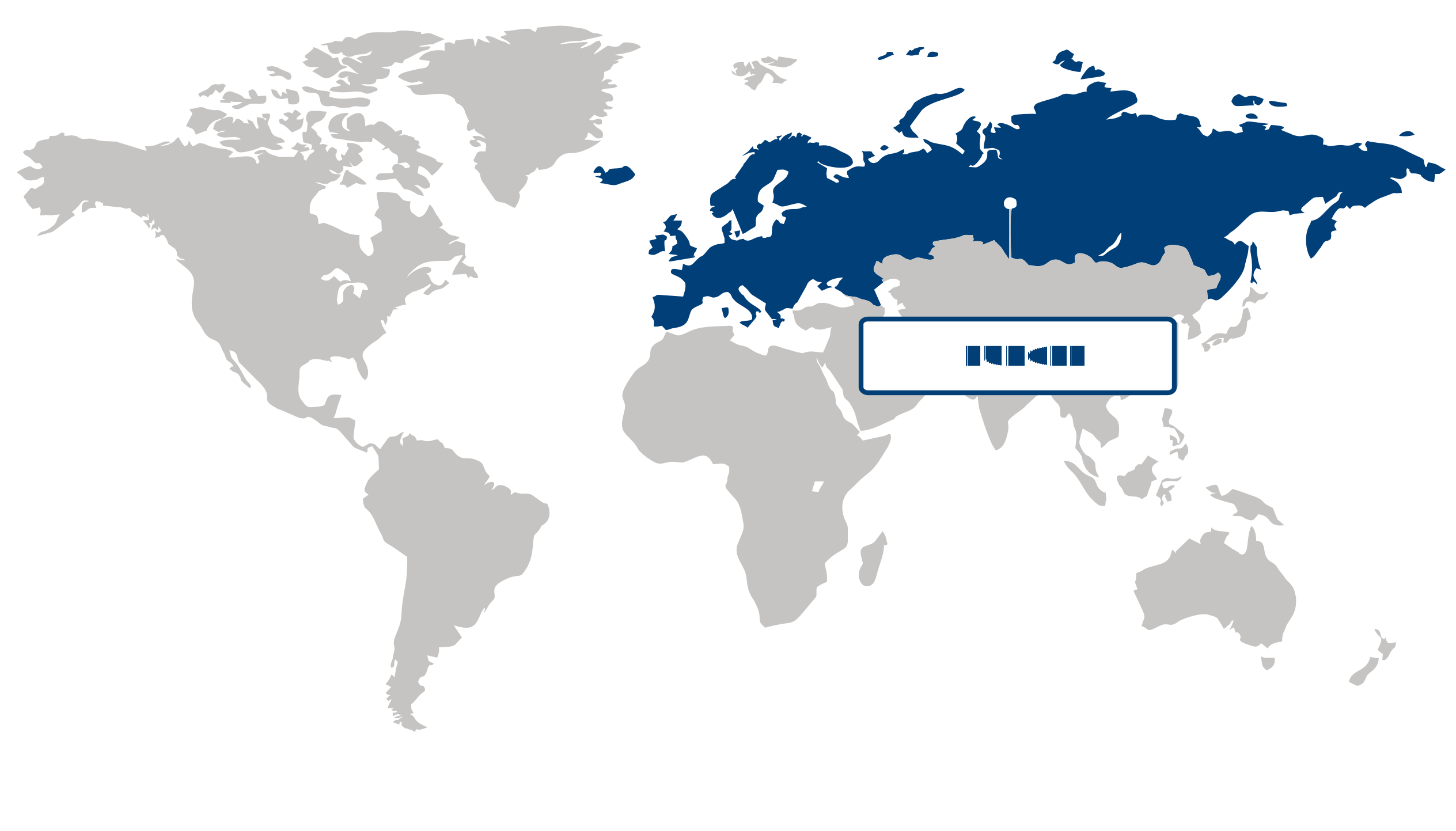
North America The North American organic textile market is primarily driven by increasing consumer awareness regarding sustainable and eco-friendly products. The United States leads the market, supported by a robust retail environment and a growing preference for organic textiles among consumers, particularly in apparel and home textiles. Canada follows closely, with significant growth anticipated due to rising demand for organic products and government initiatives promoting sustainability. The focus on ethical production practices and transparency in sourcing is becoming crucial, supporting brand loyalty among consumers. Asia Pacific In the Asia Pacific region, China is at the forefront of the organic textile market, bolstered by its large manufacturing base and an expanding middle class that seeks sustainable alternatives. The country's initiatives to promote organic agriculture further stimulate market growth. Japan and South Korea are also notable players; Japan exhibits a high consumer inclination towards quality and sustainability, fostering demand for premium organic textiles. South Korea's market is evolving, with increasing awareness of environmental issues leading to rising interest in organic fabric products, particularly among younger consumers. Europe Europe remains a significant player in the organic textile market, with Germany, the UK, and France leading the charge. Germany stands out due to its stringent regulations on textile production and a strong commitment to sustainability, making it a key market for organic textiles. The UK follows, where there is a progressive shift towards ethical fashion and strong consumer advocacy for environmentally friendly products, driving growth in the organic segment. France also contributes significantly, as consumer demand for organic products rises along with initiatives to support local, sustainable production practices. Overall, Europe is characterized by a well-established market with continuous innovation and increasing investment in organic textile development across these leading countries.
🔒 Need data on a specific country or region? Individual country/region reports are available at discounted pricing. Inquire Before Buying

Go beyond the chart, access full insights & data tables

Request Free Sample Report
Fiber Type The Organic Textile Market is significantly shaped by the type of fibers utilized, primarily including Cotton, Linen, Wool, Silk, and Jute. Cotton dominates this segment due to its widespread usage in various applications, favored for its comfort and breathability. Organic cotton, in particular, has seen high demand thanks to increasing consumer awareness regarding sustainable practices. Linen, derived from flax plants, highlights its eco-friendly properties and is gaining traction due to its durability and natural aesthetic. Wool and Silk are recognized for their premium qualities and are predominantly used in higher-end applications such as luxury apparel and specialized textiles. Jute, an emerging player, is praised for its biodegradable properties and affordability, making it a suitable option for eco-conscious consumers. Product Type The segmentation by Product Type reveals that Apparel holds the largest share in the Organic Textile Market, fueled by the growing trend toward sustainable fashion. Consumers are actively seeking organic clothing options that reduce environmental impact while providing comfort and style. Home Textiles are also witnessing significant growth driven by increased interest in organic bedding, curtains, and upholstery materials that promote healthier indoor environments. Industrial Textiles, while smaller in market size, are progressively gaining attention for their sustainable applications in sectors such as automotive and construction. Medical Textiles, although niche, are essential for applications requiring hypoallergenic and non-toxic materials, driving innovation in this segment. Certification Standard Certification Standards play a critical role in guaranteeing the authenticity and quality of organic textiles. The Organic Textile Standard (GOTS) is widely recognized, ensuring that textiles are produced ethically and sustainably. The Organic Content Standard (OCS) and Textile Exchange Organic Cotton Standard (OCS) are pivotal for traceability and transparency within the supply chain, contributing to consumer trust. The European Union Organic Textile Standard (EUTS) and National Organic Program (NOP) standards further solidify market integrity. Among these, GOTS is expected to exhibit the largest market size, driven by its stringent criteria and global recognition, while OCS is anticipated to grow rapidly due to the increasing emphasis on sustainable sourcing practices. Distribution Channel The Distribution Channel segment highlights a shift towards online platforms as a primary channel for organic textiles, owing to the growing trend of e-commerce and convenience for consumers. Online sales allow brands to reach a broader audience while offering extensive product information. Offline retail stores continue to hold significance, particularly for consumers who prefer in-person shopping experiences, where they can physically assess the fabrics. Direct-to-Consumer (DTC) approaches are becoming more common, allowing brands to establish direct relationships with consumers and offer personalized service. Business-to-Business (B2B) sales are prevalent in commercial applications such as industrial and medical textiles, representing steady growth as businesses increasingly prioritize sustainability in their operations. End-Use Application In assessing the End-Use Application, the Organic Textile Market showcases notable demand across various sectors, with Apparel and Home Textiles leading the way. The focus on organic materials in apparel reflects a strong consumer shift towards sustainability in fashion. Home Textiles benefit from heightened awareness of health and environmental issues, with consumers opting for organic options that enhance indoor air quality. Industrial Textiles are growing gradually, driven by sectors that value sustainability and eco-friendly practices. Medical Textiles, while smaller in scale, maintain importance for applications that require safe, non-toxic materials, reflecting ongoing innovation within the healthcare industry.
Segment Sub-Segment Largest Segment Fastest Growing
Custom Research

Unlock insights tailored to your business with our bespoke market research solutions.

Click to get your customized report now.

Request Customization →
Competitive Landscape

Competitive Landscape and Market Positioning

The competitive landscape in the Organic Textile Market is characterized by a growing demand for sustainable and eco-friendly products, as consumers become more aware of environmental issues and seek organic alternatives. Key players in the market focus on innovative manufacturing processes, sustainable sourcing of materials, and ethical labor practices to differentiate their offerings. Vertical integration and strategic partnerships are common strategies to enhance supply chain transparency and improve product traceability. In addition, as regulatory frameworks around organic certification evolve, companies are investing in compliance to gain a competitive edge. This market features a mix of established textile companies and new entrants, all vying for market share in an increasingly eco-conscious consumer base. Top Market Players 1. Patagonia 2. Eileen Fisher 3. The North Face 4. prAna 5. Organic Cotton Plus 6. GOTS (Global Organic Textile Standard) 7. TENCEL 8. Alkena 9. Lenzing AG 10. Bhumi
Company Market Share Company Revenue Revenue CAGR (%) Product Portfolio Geographic Presence Innovation / R&D Focus Strategic Developments
No companies available.
🔒 This section is available as a standalone purchase. Buy only the data you need. Inquire Before Buying
Report Customization

Customize Your Report

Explore examples of how this report can be tailored to different research needs, including custom segments, additional topics or chapters, and related reports. Click a section of the wheel or its numbered marker to explore the available options.

1 Custom Segments 2 Custom TOC 3 Related Reports

Organic Textile Market — Custom Segments

Segment Sub-Segment
No segment data available.

Organic Textile Market — Custom TOC

Custom Chapter Chapter Details
No custom TOC data available.

Need a different cut of the data?

Request Custom Research
FAQ

Frequently Asked Questions

Testimonials

Our Clients

"The report helped us understand emerging consumer trends in our product category. It clarified where to focus innovation for the next product launch."

Senior Chemical Engineer
LyondellBasell

"The regional forecast section was incredibly useful. We were able to identify two new potential partners in Europe thanks to the vendor mapping you included."

Director of Quality Assurance & Compliance
SABIC

"We appreciated how actionable the recommendations were. It guided us to improve supply chain resilience."

Business Development Director
Olin Corporation
THE RESEARCH BEHIND THIS REPORT

Our Research Team & Methodology

Every Fundamental Business Insights report is built by a dedicated vertical research team, validated through a structured primary-and-secondary methodology, and reviewed for accuracy before it reaches you.

THIS REPORT'S RESEARCH VERTICAL
Chemicals & Materials
Research Team Overview

This report was prepared by the Chemicals & Materials Research Team at Fundamental Business Insights, a dedicated research group specializing in the global chemicals, advanced materials, and industrial manufacturing sectors. Our analysts continuously monitor raw material supply chains, feedstock pricing, production technologies, regulatory developments, sustainability initiatives, environmental compliance, trade dynamics, and evolving end-use applications to deliver timely and reliable market intelligence. The research is developed using a structured methodology that combines primary discussions with manufacturers, raw material suppliers, distributors, and industry experts, along with company annual reports, regulatory publications, government trade statistics, industry associations, technical literature, patent databases, and other authoritative secondary sources. Market estimates are validated through multiple research techniques, including top-down and bottom-up analysis, before undergoing an internal quality review to ensure accuracy, consistency, and methodological integrity prior to publication.

Prepared by the Chemicals & Materials Research Team
10+Industry Verticals
100+Countries Analyzed
5-7Days Standard
Delivery
13.8K+Research Reports
Published
On-DemandCustomized Research
Available
6Months Analyst
Support
PDF + XLSReport Deliverables
Trust & Compliance
D&B D-U-N-S
GDPR & CCPA Compliant
ISO 9001 Certified (ISO 9001:2015)
SSL Encryption
Secure Payments
Confidential Handling
Research Intelligence
Primary Research Network
Secondary Sources
Executive Leadership
Product & Technology Experts
Manufacturing & Operations Leaders
Procurement & Supply Chain Professionals
Sales & Commercial Executives
Channel Partners & Distribution Networks
Enterprise Buyers & End Users
Industry Consultants & Regulatory Experts
Research Workflow & Quality Assurance
01
Data Collection
Verified information gathered through primary and secondary research.
02
Data Triangulation
Cross-validation using multiple independent data sources.
03
Forecast Modelling
Market estimates developed using historical trends and analytical models.
04
Analyst Validation
Findings reviewed by domain experts for accuracy and consistency.
05
Editorial & Quality Review
Final editorial, quality, and compliance checks before publication.
06
Final Publication
Released after successful completion of the internal review process.
Report Coverage
Market Assessment
  • Market Size & Forecast
  • Market Segmentation
  • Regional Analysis
  • Growth Drivers & Challenges
  • Market Dynamics
🏢 Competitive Intelligence
  • Competitive Landscape
  • Company Profiles
  • Competitive Benchmarking
  • Mergers & Acquisitions
  • Market Share Analysis or Key Company Strategies
🔍 Strategic Analysis
  • Value Chain Analysis
  • Porter's Five Forces
  • PESTLE Analysis
  • Pricing Trends
  • Supply-Demand Analysis
🚀 Future Outlook
  • Technology Landscape
  • Regulatory Landscape
  • Investment & Funding Landscape
  • Emerging Opportunities
  • Future Market Outlook
Have a question about this report or need a custom scope?
Request Customization

Want this data scoped to your exact question?

Tell us the segments, regions, or competitors you need answered — an analyst will confirm scope before any custom work starts.

Talk to an Analyst →