Oil Spill Management Market Size & Growth Forecast 2027–2036, By Segments (Technology, Location), Regional Demand Trends (North America, Asia Pacific, Europe), Key Country Insights (U.S., Japan, South Korea, Germany, France, Italy), and Competitive Landscape
Jump to Content
Market Size and Growth Outlook
Oil Spill Management Market size was worth USD 160.67 billion in 2026 and is expected to grow at a 3.89% CAGR between 2027 and 2036, surpassing USD 235.33 billion by 2036. The industry revenue for 2027 is assessed at USD 165.88 billion.
Get more details on this report
Request Free Sample ReportOil Spill Management Market Intelligence Snapshot
Regional Market Dynamics
- North America accounts for 43.04% of the global market in 2026, supported by extensive oil and gas operations, maritime infrastructure, environmental requirements, and established spill response capabilities.
- Expanding offshore exploration, maritime transportation, and coastal energy infrastructure are increasing response needs, while stronger environmental frameworks and adoption of containment, recovery, monitoring, and remediation technologies support market growth.
Segment Momentum
- Pre-oil spill management held a 67.3% share in 2026, reflecting investment in spill prevention, monitoring, risk assessment, containment planning, and emergency preparedness to reduce environmental damage, operational disruption, and financial exposure.
- Post-oil spill management is the fastest-growing technology segment, driven by demand for rapid containment, hydrocarbon recovery, cleanup, remediation, and environmental restoration to limit contamination and long-term damage to marine and coastal environments.
Market Expansion Drivers
- Increasing frequency of oil spills and environmental awareness.
- Technological advancements in oil spill remediation.
- Expansion of offshore drilling and maritime activities.
Leading Market Participants
- Leading companies in the oil spill management market include Oil Spill Response Limited (UK), Lamor (Finland), Clean Harbors (US), Desmi (Denmark), NRC International (Norway), FenderCare Marine (UK), SpillTech (US), Elastec (US), American Pollution Control (US), Ecoslops (France).
Global Market Forecast Snapshot
Market Outlook
- 2026 Market Size: USD 160.67 billion
- 2027 Estimated Market Size: USD 165.88 billion
- Projected Market Size: USD 235.33 billion by 2036
- Growth Forecast: 3.89% CAGR (2027-2036)
Regional and Segment Outlook
- Leading Regional Market: North America
- High-Growth Regional Hub: Asia Pacific
- Core Revenue Segment: Technology (Pre-oil Spill Management) | Location (Offshore)
- Emerging Opportunity Segment: Technology (Post-oil Spill Management) | Location (Offshore)
Market Growth Drivers and Industry Trends
Increasing frequency of oil spills and environmental awareness
Growing concerns surrounding marine and terrestrial oil contamination are strengthening demand for effective spill prevention, containment, and remediation solutions. Oil spills can disrupt aquatic ecosystems, damage coastal environments, affect fisheries, and create long-term contamination challenges, increasing pressure on operators and authorities to respond rapidly. Rising public and institutional awareness of environmental protection is therefore encouraging greater preparedness, investment in response capabilities, and adoption of comprehensive oil spill management practices.
Technological advancements in oil spill remediation
Advancements in containment, recovery, monitoring, and remediation technologies are improving the efficiency and responsiveness of oil spill management operations. Development of more effective absorbent materials, remote monitoring systems, automated detection methods, and environmentally compatible remediation techniques is enabling faster identification and treatment of contaminated areas. Continued innovation is also helping operators address complex spill conditions while reducing secondary environmental impacts associated with conventional cleanup methods.
Expansion of offshore drilling and maritime activities
Expansion of offshore exploration, production, shipping, and other maritime activities is increasing the need for reliable oil spill preparedness and response infrastructure. Greater movement of petroleum products through marine transportation networks creates demand for containment equipment, recovery systems, monitoring capabilities, and emergency response services. As offshore operations become more extensive and geographically dispersed, the need for coordinated spill management capabilities is supporting market development.
| Growth Driver | Impact on CAGR | Regulatory Influence | Geographic Relevance | Adoption Rate | Impact Timeline |
|---|---|---|---|---|---|
| Increasing frequency of oil spills and environmental awareness | 1.5% | Short term (≤ 2 yrs) | North America; Europe | High | Fast |
| Technological advancements in oil spill remediation | 1.2% | Medium term (2–5 yrs) | Europe; Asia Pacific | Medium | Moderate |
| Expansion of offshore drilling and maritime activities | 0.8% | Long term (5+ yrs) | Asia Pacific; Latin America | Low | Moderate |
Explore Growth Opportunities
Request Free Sample ReportRegional Demand Dynamics
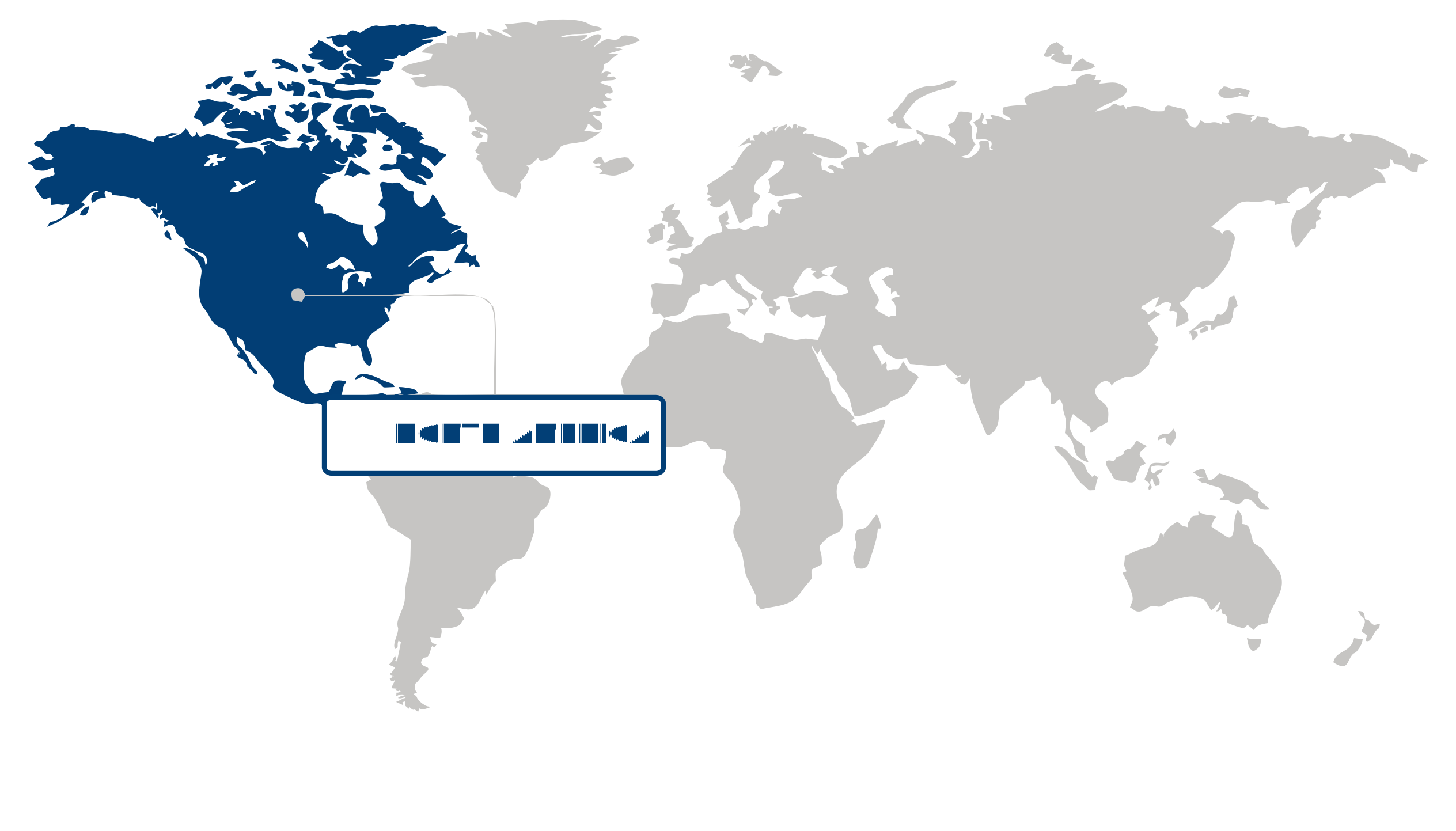
North America (Largest Region)
The North America oil spill management market held the largest global market share of 43.04% in 2026. The region’s market growth is supported by extensive offshore and onshore oil and gas activities, stringent environmental protection requirements, and established response capabilities for managing accidental hydrocarbon releases. Continuous investment in spill prevention, containment, recovery, monitoring, and remediation technologies is strengthening the demand for comprehensive oil spill management solutions. The presence of significant maritime transportation and petroleum infrastructure further increases the need for rapid-response equipment and specialized environmental services. In addition, regulatory requirements related to environmental protection and emergency preparedness are encouraging operators to strengthen spill response capabilities and adopt more efficient technologies for minimizing ecological and economic damage.
Asia Pacific (Fastest-Growing Region)
The Asia Pacific oil spill management market is expected to grow at the fastest pace over the forecast period. The region’s growth is propelled by expanding offshore exploration and production activities, increasing maritime transportation, and the development of coastal energy infrastructure. Rising energy demand across emerging economies is supporting continued investment in oil and gas facilities, pipelines, terminals, and offshore operations, increasing the need for effective spill prevention and response solutions. Furthermore, growing environmental awareness and strengthening regulatory frameworks are encouraging governments and industry participants to improve preparedness for marine and terrestrial oil spills. Increasing adoption of advanced containment, recovery, monitoring, and remediation technologies is further supporting the expansion of oil spill management capabilities across the region.
| Parameter | North America | Asia Pacific | Europe | Latin America | MEA |
|---|---|---|---|---|---|
| Innovation HubiScaleNascentDeveloping Advanced | |||||
| Cost-Sensitive RegioniScaleLowMedium High | |||||
| Regulatory EnvironmentiScaleRestrictiveNeutral Supportive | |||||
| Demand DriversiScaleWeakModerate Strong | |||||
| Development StageiScaleEmergingDeveloping Developed | |||||
| Adoption RateiScaleLowMedium High | |||||
| New Entrants / StartupsiScaleSparseModerate Dense | |||||
| Macro IndicatorsiScaleWeakStable Strong |
Key Country Insights
United States 🇺🇸
Integrated Response SystemsThe U.S. prioritizes coordinated oil spill preparedness across offshore production, shipping, and coastal assets, supported by established response contractors and regulatory requirements. Near-term priorities include strengthening rapid containment, remote monitoring, and response readiness for complex incidents involving sensitive marine environments.
Germany 🇩🇪
Maritime Risk PreparednessGermany’s oil spill management priorities center on protecting heavily trafficked coastal and port areas through coordinated emergency response capabilities. Investment focus includes specialized containment equipment, surveillance, shoreline protection, and cross-agency preparedness to address spills associated with shipping and industrial activity.
Japan 🇯🇵
Coastal Response ResilienceJapan emphasizes rapid oil spill containment and shoreline protection given its extensive maritime activity and dependence on coastal infrastructure. Market priorities include improving response logistics, remote assessment, specialized cleanup technologies, and coordination between authorities, ports, and private operators during marine pollution incidents.
South Korea 🇰🇷
Port Spill ReadinessSouth Korea’s market priorities are closely tied to major ports, shipbuilding activity, and busy coastal shipping routes. Operators and authorities are focused on rapid containment, vessel-response capabilities, spill detection, and shoreline cleanup systems that can limit operational disruption and environmental exposure following marine incidents.
France 🇫🇷
Coastal Protection SystemsFrance places strong emphasis on marine pollution preparedness across commercial shipping routes, ports, and environmentally sensitive coastlines. Priorities include coordinated offshore response, shoreline cleanup, spill surveillance, and equipment readiness, with response strategies designed to protect coastal ecosystems while maintaining maritime operations.
Italy 🇮🇹
Mediterranean Spill ResponseItaly’s oil spill management priorities reflect intensive maritime traffic, commercial ports, offshore activities, and environmentally sensitive Mediterranean coastlines. Demand centers on containment barriers, recovery equipment, rapid-response services, and monitoring capabilities that can support localized incidents while limiting impacts on tourism, fisheries, and coastal infrastructure.
Oil Spill Management Market Share (%), by Technology, 2026
Go beyond the chart, access full insights & data tables
Request Free Sample ReportTechnology Segment Analysis: Pre-oil Spill Management (Largest Segment) vs Post-oil Spill Management (Fastest-Growing Segment)
The pre-oil spill management segment accounted for the largest 2026 share of 67.3% of the technology segment, supported by the growing emphasis on preventing oil spills before they occur and reducing the environmental, operational, and financial risks associated with accidental releases. Pre-oil spill management encompasses preventive technologies and preparedness measures such as spill detection, monitoring, risk assessment, containment planning, and emergency response readiness. Increasing regulatory scrutiny around environmental protection, stronger focus on operational safety across oil and gas activities, and the need to minimize costly disruptions are encouraging operators to invest in preventive capabilities. In addition, proactive spill management enables organizations to identify potential vulnerabilities across production, transportation, storage, and handling activities, strengthening overall environmental risk management.
The post-oil spill management segment is expected to be the fastest-growing technology segment, driven by the increasing need for rapid containment, cleanup, recovery, and environmental restoration following oil spill incidents. Advances in response technologies are supporting more efficient removal of spilled hydrocarbons while helping limit damage to marine ecosystems, coastal areas, and surrounding infrastructure. Growing emphasis on minimizing the duration and impact of spill events is also encouraging the adoption of improved recovery equipment, remediation techniques, monitoring systems, and coordinated emergency response solutions. As environmental authorities and industry participants place greater importance on restoring affected areas and reducing the long-term consequences of contamination, demand for post-oil spill management capabilities is expected to expand.
Location Segment Analysis: Offshore (Largest & Fastest-Growing Segment)
The offshore segment represents the largest and fastest-growing segment of the oil spill management market, reflecting the substantial environmental and operational risks associated with offshore exploration, production, drilling, transportation, and storage activities. Offshore operations involve complex environments where oil spill incidents can affect marine ecosystems, coastlines, fisheries, and other economic activities, creating a strong requirement for comprehensive prevention and response capabilities. The geographical isolation of offshore facilities also increases the importance of specialized monitoring, containment, recovery, and emergency response technologies that can be deployed efficiently in challenging marine conditions. Growing offshore energy activity, stricter environmental protection requirements, and increasing attention to operational safety are supporting investments in oil spill preparedness and management solutions. At the same time, the need for rapid response to minimize the spread and persistence of oil in marine environments is encouraging continued development and adoption of advanced offshore spill management technologies.
| Segment | Sub-Segment | Largest Segment | Fastest Growing |
|---|---|---|---|
| Technology | Pre-oil Spill Management, Post-oil Spill Management | Pre-oil Spill Management | Post-oil Spill Management |
| Location | Onshore, Offshore | Offshore | Offshore |
Unlock insights tailored to your business with our bespoke market research solutions.
Click to get your customized report now.
Competitive Landscape and Market Positioning
Analyst Perspective:
Operational effectiveness in oil spill response is governed by the speed of containment and the environmental trade-offs of recovery technologies. Because incidents unfold under variable sea states, temperatures, and oil viscosities, response providers compete on rapid equipment deployment and the proven efficiency of mechanical skimmers under harsh field conditions. While mechanical recovery remains preferred, tactical flexibility often necessitates utilizing dispersants, in-situ burning, or bioremediation. However, because chemical and thermal methods introduce regulatory constraints and localized toxicity risks, market leadership favors operators who combine geographically distributed readiness with rigorous environmental documentation, ensuring containment strategies are tailored safely to specific incident parameters.
Major players in the oil spill management market:
- Oil Spill Response Limited (UK)
- Lamor (Finland)
- Clean Harbors (US)
- Desmi (Denmark)
- NRC International (Norway)
- FenderCare Marine (UK)
- SpillTech (US)
- Elastec (US)
- American Pollution Control (US)
- Ecoslops (France)
| Company | Market Share | Company Revenue | Revenue CAGR (%) | Product Portfolio | Geographic Presence | Innovation / R&D Focus | Strategic Developments |
|---|---|---|---|---|---|---|---|
| Oil Spill Response Limited (UK) | |||||||
| Lamor (Finland) | |||||||
| Clean Harbors (US) | |||||||
| Desmi (Denmark) | |||||||
| NRC International (Norway) | |||||||
| FenderCare Marine (UK) | |||||||
| SpillTech (US) | |||||||
| Elastec (US) | |||||||
| American Pollution Control (US) | |||||||
| Ecoslops (France) |
Customize Your Report
Explore examples of how this report can be tailored to different research needs, including custom segments, additional topics or chapters, and related reports. Click a section of the wheel or its numbered marker to explore the available options.
Oil Spill Management Market — Custom Segments
| Segment | Sub-Segment |
|---|---|
| Response Service | Containment & Control, Mechanical Recovery, Shoreline Cleanup, Waste Management & Disposal, Monitoring & Assessment |
| Spill Source | Marine Vessels & Tankers, Offshore Oil & Gas, Onshore Oil & Gas, Pipelines & Storage Facilities, Industrial & Other Sources |
| Contract Model | Emergency & On-Demand Services, Retainer & Standby Contracts, Long-Term Managed Services |
Oil Spill Management Market — Custom TOC
| Custom Chapter | Chapter Details |
|---|---|
| Spill Response Readiness Assessment |
|
| Emergency Response Procurement Models |
|
| Circularity in Recovered Oil & Waste |
|
Need a different cut of the data?
Request Custom ResearchFrequently Asked Questions
What is the market valuation of the oil spill management market?
How is the oil spill management industry size expected to evolve during the forecast period?
How are environmental concerns and offshore activity increasing investment in oil spill management capabilities?
How are remediation technology advances improving the effectiveness of oil spill response operations?
Why does pre-oil spill management account for the largest share of the oil spill management market?
How is post-oil spill management creating new commercial opportunities?
What makes North America the largest market for oil spill management?
How is Asia Pacific driving future growth in oil spill management?
What are the prominent companies operating in the oil spill management landscape?
Our Clients
"The information presented in the report was genuinely insightful. The data was clear and easy to understand, which made it much easier to interpret the findings."
Amara Raja Group
"The responsiveness and professionalism exhibited by the team were exemplary. They were readily available to address queries, provide clarifications, and offer additional insights."
ONGC
"The reports offered a comprehensive analysis of various segments within the market. The detailed insights into market trends, and regulatory landscapes were excellent."
TotalEnergies
Our Research Team & Methodology
Every Fundamental Business Insights report is built by a dedicated vertical research team, validated through a structured primary-and-secondary methodology, and reviewed for accuracy before it reaches you.
This report was prepared by the Energy & Power Research Team at Fundamental Business Insights, a dedicated research group specializing in global energy markets, power generation technologies, and energy infrastructure. Our analysts continuously monitor developments in renewable energy, conventional power generation, grid modernization, energy storage, transmission and distribution infrastructure, decarbonization initiatives, regulatory policies, energy investments, and evolving electricity demand across residential, commercial, and industrial sectors to deliver timely and reliable market intelligence. The research is developed using a structured methodology that combines primary discussions with utility companies, equipment manufacturers, technology providers, project developers, energy consultants, and industry experts, along with company annual reports, government energy statistics, regulatory publications, industry associations, technical publications, and other authoritative secondary sources. Market estimates are validated through multiple research techniques, including top-down and bottom-up analysis, before undergoing an internal quality review to ensure accuracy, consistency, and methodological integrity prior to publication.
Delivery
Published
Available
Support
- Market Size & Forecast
- Market Segmentation
- Regional Analysis
- Growth Drivers & Challenges
- Market Dynamics
- Competitive Landscape
- Company Profiles
- Competitive Benchmarking
- Mergers & Acquisitions
- Market Share Analysis or Key Company Strategies
- Value Chain Analysis
- Porter's Five Forces
- PESTLE Analysis
- Pricing Trends
- Supply-Demand Analysis
- Technology Landscape
- Regulatory Landscape
- Investment & Funding Landscape
- Emerging Opportunities
- Future Market Outlook