Oil Country Tubular Goods (OCTG) Market Size & Forecasts 2026-2035, By Segments (Process, Application, Product), Growth Opportunities, Innovation Landscape, Regulatory Shifts, Strategic Regional Insights (U.S., Japan, China, South Korea, UK, Germany, France), and Competitive Dynamics (Tenaris, TMK, Vallourec, JFE Steel, U.S. Steel)
Jump to Content
Market Size and Growth Outlook
Oil Country Tubular Goods Market size is projected to grow steadily from USD 28.28 billion in 2025 to USD 58.29 billion by 2035, demonstrating a CAGR exceeding 7.5% through the forecast period (2026-2035). The 2026 revenue is estimated at USD 30.14 billion.
Get more details on this report
Request Free Sample ReportOil Country Tubular Goods (OCTG) Market Intelligence Snapshot
Regional Market Dynamics
Segment Momentum
Market Expansion Drivers
Leading Market Participants
Global Market Forecast Snapshot
Market Outlook
Regional and Segment Outlook
Market Growth Drivers and Industry Trends
Increased upstream activities, particularly in shale and offshore formations, are driving demand in the oil country tubular goods (octg) market. Growing exploration initiatives, as reported by the U.S. Energy Information Administration (EIA), reflect industry efforts to capitalize on new reserves amid evolving energy mix dynamics. This surge stimulates consumption of specialized tubular products crucial for well integrity and production efficiency. Established players can leverage existing supply chains to scale quickly, while new entrants have opportunities to innovate with niche offerings tailored to unconventional drilling methods. With areas like the Permian Basin seeing sustained investment, the market’s expansion aligns with global energy security priorities, underpinning steady demand for OCTG products.
Technological Advancements in Tubular Goods Manufacturing
The oil country tubular goods (octg) market is increasingly shaped by innovations such as advanced seamless steel production and automated inspection technologies, enhancing product quality and durability. Companies like Vallourec have introduced high-performance alloys and precision manufacturing techniques that reduce failure rates and extend service life in extreme drilling environments. These enhancements address both operational challenges and regulatory mandates, enabling end-users to achieve cost efficiencies and risk mitigation. For market participants, integrating cutting-edge manufacturing processes offers differentiation and competitive advantage. As technology adoption accelerates, ongoing innovation will remain fundamental to meeting the evolving requirements of complex reservoirs and sustaining market growth.
Regulatory Compliance and Safety Standards in OCTG
Stringent regulations around material certification, traceability, and safety performance are pivotal growth drivers for the oil country tubular goods (octg) market. Agencies such as the American Petroleum Institute (API) have progressively tightened standards to ensure structural integrity and environmental protection during drilling operations. Compliance with API specifications like API 5CT compels manufacturers to invest in quality control systems and supplier audits, raising industry entry barriers. This regulatory rigor creates opportunities for established players with robust compliance frameworks to reinforce market leadership while incentivizing newcomers to develop specialized offerings aligned with evolving standards. Regulatory dynamics will continue to shape procurement decisions and drive innovation in safe, reliable tubular solutions.
Industry Restraints:
Environmental Regulations and Emissions Compliance
Stringent environmental regulations are a critical restraint on the OCTG market, limiting operational flexibility and imposing significant compliance costs. Agencies such as the U.S. Environmental Protection Agency (EPA) and the European Environment Agency (EEA) enforce rigorous emissions standards that compel oilfield equipment manufacturers to adopt cleaner, often costlier, production technologies. Compliance complexity deters smaller manufacturers and raises barriers to entry, while established players face increased operational expenses and project delays. Saudi Aramco’s recent investment disclosures emphasize costly retrofitting to meet evolving standards, underscoring the widespread impact across the industry. This regulatory environment compels strategic shifts towards greener manufacturing and supply chain practices but continues to strain margins. Over the medium term, evolving carbon emissions frameworks will likely sustain upward pressure on compliance costs and slow deployment cycles, firmly influencing capital allocation decisions across the OCTG market.
Raw Material Supply and Price Volatility
The availability and fluctuating prices of key raw materials, notably high-grade steel and alloy additives, significantly constrain OCTG production and market expansion. Disruptions in global steel supply chains, highlighted by World Steel Association reports on pandemic-related bottlenecks and geopolitical tensions, exacerbate cost unpredictability and inventory challenges. For companies like Tenaris and Vallourec, material scarcity raises lead times and inflates input costs, compressing margins and forcing prioritization of premium contracts over volume growth. New entrants face heightened risk amid volatile commodity markets and uncertain procurement, complicating business scalability. Strategic sourcing and vertical integration emerge as essential tactics, yet adaptive capacity remains limited. Going forward, raw material volatility is expected to persist as a fundamental restraint, influencing pricing strategies and investment timelines, while incentivizing innovation in alternative materials and recycling efficiencies in the OCTG sector.
| Growth Driver | Impact on CAGR | Regulatory Influence | Geographic Relevance | Adoption Rate | Impact Timeline |
|---|---|---|---|---|---|
| Rising oil & gas drilling and exploration activities | 2.50% | Short term (≤ 2 yrs) | North America, MEA; Spillover: Asia Pacific | Medium | Fast |
| Technological advancements in tubular goods manufacturing | 2.00% | Medium term (2–5 yrs) | North America, Europe; Spillover: Asia Pacific | Medium | Moderate |
| Regulatory compliance and safety standards in OCTG | 2.00% | Long term (5+ yrs) | Europe, North America; Spillover: Asia Pacific | High | Moderate |
Explore Growth Opportunities
Request Free Sample ReportRegional Demand Dynamics
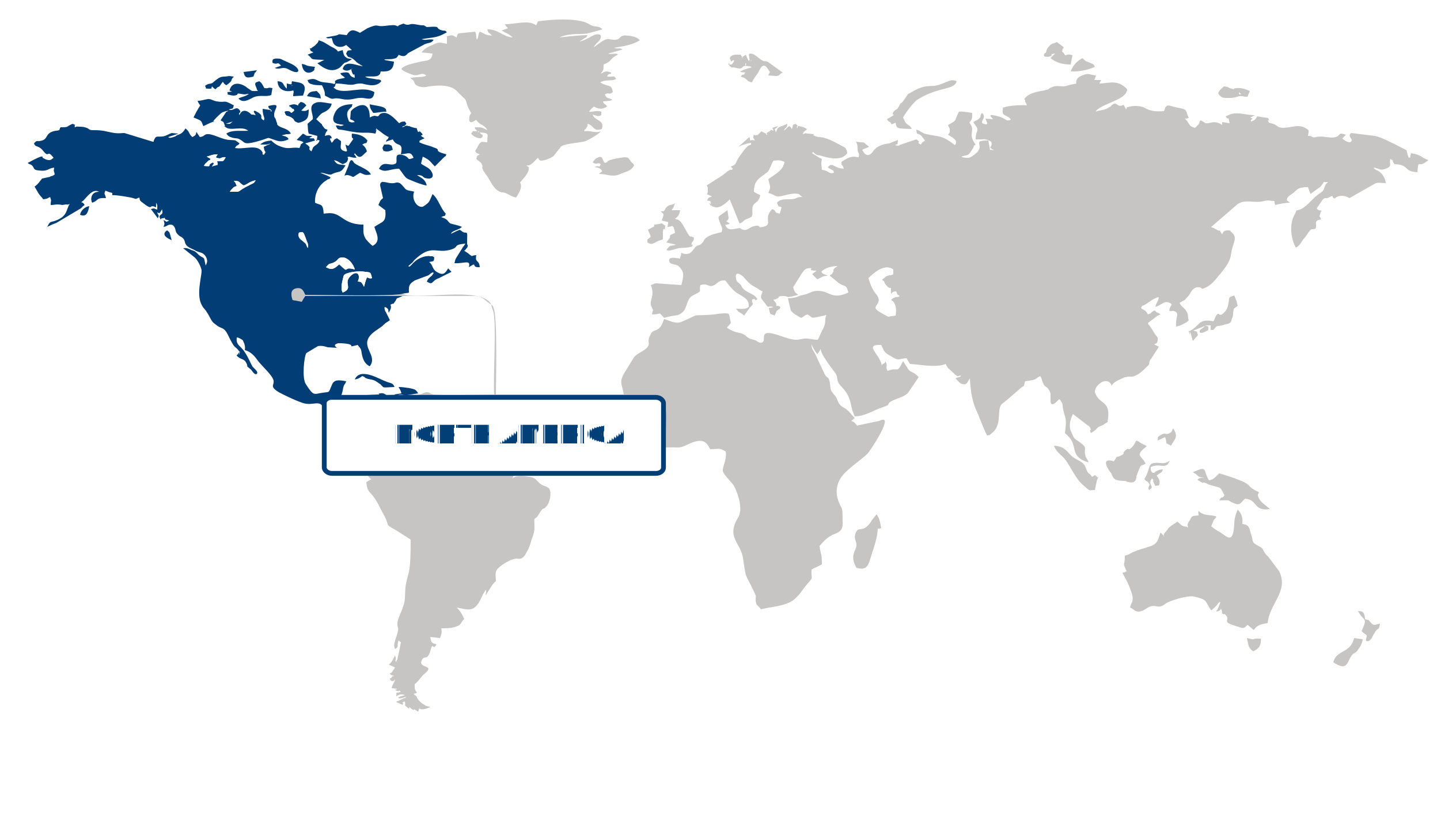
North America dominated the oil country tubular goods (octg) market, capturing over 47.26% of the global share in 2025. This region’s leadership is primarily driven by the surge in shale gas exploration, particularly in prolific landscapes like the Permian Basin, which sustains one of the world's densest concentrations of active drilling rigs. The region's advanced infrastructure and ongoing investments in drilling technology by industry leaders such as Halliburton and Schlumberger, as reported by the U.S. Energy Information Administration, further cement its position. Moreover, the evolving regulatory framework encouraging domestic energy production and the economic resilience demonstrated during fluctuating oil prices ensure continued demand for OCTG products. These factors collectively create a dynamic environment where North America remains pivotal, offering substantial opportunities for innovation and growth in tubular goods manufacturing and supply chain optimization.
The United States anchors the North American oil country tubular goods (octg) market, underpinned by its vast shale gas resources and extensive drilling activity. The high concentration of rigs in the Permian Basin, highlighted by Baker Hughes’ rig count reports, signifies robust consumer demand and operational momentum. U.S. pipeline operators and drilling firms leverage cutting-edge OCTG technologies to enhance extraction efficiency while adapting to evolving regulatory standards set by the Bureau of Land Management. This strategic emphasis attracts major investments, exemplified by Tenaris’ expansions in the country, positioning the U.S. as a cornerstone for regional market growth. The U.S. market dynamics not only reinforce North America’s dominant share but also propel technological advancement and supply chain resilience critical for sustaining global leadership in the oil country tubular goods sector.
Asia Pacific Market Analysis:
Asia Pacific emerged as the fastest-growing region in the oil country tubular goods (OCTG) market, registering a robust CAGR of 9%. This remarkable growth is driven primarily by increasing offshore exploration projects and the rapid expansion of LNG infrastructure in key countries such as China and India. The region’s strategic focus on enhancing energy security and diversifying sources has stimulated investments in deepwater and ultra-deepwater drilling, heightening demand for sophisticated OCTG products. Regulatory frameworks favoring cleaner energy and advancements in drilling technology further bolster growth. For instance, China National Offshore Oil Corporation’s (CNOOC) recent offshore ventures underscore the growing appetite for durable tubular goods capable of withstanding extreme conditions. Looking ahead, Asia Pacific presents significant opportunities for OCTG providers as national priorities align with large-scale infrastructure projects and evolving energy consumption patterns that prioritize gas and renewable transition.
Japan plays a pivotal role in Asia Pacific’s oil country tubular goods (OCTG) market by leveraging its expertise in advanced manufacturing and technological innovation. Given its limited domestic hydrocarbon resources, Japan focuses on supplying high-performance OCTG materials that meet stringent quality and durability standards demanded by offshore operators throughout the Asia Pacific basin. Japanese firms, such as JFE Steel Corporation, have been instrumental in deploying OCTG with enhanced corrosion resistance and mechanical strength, catering to the complex geology of offshore wells. Additionally, Japan’s commitment to sustainability influences its production processes, aligning with global shifts toward eco-efficient hydrocarbon extraction. This technological leadership creates opportunities for collaboration and export expansion, further anchoring Asia Pacific’s dominant market position.
China stands as a critical driver in the Asia Pacific oil country tubular goods (OCTG) market through its aggressive offshore exploration initiatives and the expanded LNG infrastructure targeting both domestic and export demands. The country’s regulatory support for energy infrastructure development, as outlined in China’s 14th Five-Year Plan, has facilitated brookfield exploration activities in the South China Sea and Bohai Bay, escalating consumption of high-grade tubular products. Notable projects such as the Guangdong LNG terminal expansion, announced by China National Petroleum Corporation (CNPC), underscore the integration of OCTG within broader energy transition strategies. China's vast manufacturing capacity combined with growing in-country demand strategically positions it to spearhead regional OCTG growth, offering investors and stakeholders a robust market foundation buttressed by strong policy impetus and industrial scale.
Europe Market Trends:
Europe maintained notable presence in the oil country tubular goods (OCTG) market, driven by its strategic refining hubs and evolving energy transition frameworks. The region's moderate growth is underpinned by steady demand from legacy oil fields and increasing offshore exploration in the North Sea, balanced against tightening environmental standards encouraging higher-grade, corrosion-resistant tubulars. The European Union’s stringent regulations on emissions and material sustainability, as outlined by the European Chemicals Agency (ECHA), have spurred advancements in specialized OCTG products. Siemens Energy’s recent announcement on integrating digital monitoring technologies in tubular manufacturing further illustrates operational modernization to enhance efficiency and compliance. Additionally, Europe's advanced logistics infrastructure facilitates smoother supply chain operations despite geopolitical uncertainties. These factors collectively position Europe as an attractive zone for innovative OCTG solutions adapting to energy market shifts and evolving regulatory landscapes, promising sustained relevance in upstream activities.
Germany plays a pivotal role in Europe’s oil country tubular goods (OCTG) market by leveraging its robust industrial base and advanced manufacturing capabilities, fostering supply chain resilience amid moderate market growth. The country’s commitment to upgrading aging offshore platforms in the North Sea aligns with demand for tailored high-performance tubular products, as reported by Wintershall Dea’s recent engineering expansion. Germany’s regulatory environment, guided by the Federal Ministry for Economic Affairs and Climate Action, mandates compliance with rigorous product standards boosting innovation in materials and coating technologies. Furthermore, Germany’s focus on integrating Industry 4.0 principles into OCTG production, evidenced by Bosch Rexroth’s adoption of IoT-enabled process controls, enhances quality and scalability. This technological edge reinforces Germany’s leadership in the European OCTG supply landscape, positioning the country as a critical enabler of regional market opportunities.
France holds a strategic position in Europe’s oil country tubular goods (OCTG) market, primarily driven by its offshore exploration activities and energy sector diversification efforts. Despite moderate regional growth, France’s policies under the Ministry of Ecological Transition emphasize sustainable extraction practices, encouraging suppliers to innovate towards environmentally resilient tubular goods. TotalEnergies’ initiatives to deploy advanced tubular solutions with improved fatigue resistance in deepwater fields underscore adaptation to evolving operational demands. Concurrently, France's competitive OCTG manufacturing ecosystem benefits from strategic collaborations between industry players and research institutions, such as IFP Energies Nouvelles, enhancing materials science advancements. These dynamics not only support refined product specifications but also position France as a growth catalyst within the European OCTG market, underlining its importance in regional upstream infrastructure developments.
| Parameter | North America | Asia Pacific | Europe | Latin America | MEA |
|---|---|---|---|---|---|
| Innovation HubiScaleNascentDeveloping Advanced | |||||
| Cost-Sensitive RegioniScaleLowMedium High | |||||
| Regulatory EnvironmentiScaleRestrictiveNeutral Supportive | |||||
| Demand DriversiScaleWeakModerate Strong | |||||
| Development StageiScaleEmergingDeveloping Developed | |||||
| Adoption RateiScaleLowMedium High | |||||
| New Entrants / StartupsiScaleSparseModerate Dense | |||||
| Macro IndicatorsiScaleWeakStable Strong |
Segment Leadership and Growth Trends
Oil Country Tubular Goods (OCTG) Market Share (%), by Process, 2026
Go beyond the chart, access full insights & data tables
Request Free Sample ReportSeamless segment held the largest share in the oil country tubular goods (octg) market in 2025, driven primarily by the preference for seamless tubular goods known for superior strength and reliability under high-pressure drilling conditions. This leadership is reinforced by the increasing complexity of drilling operations in challenging deepwater and unconventional reservoirs, where seamless pipes minimize risks of leaks and failures. Customer demand for reliable, durable components aligns with elevated safety and quality standards advocated by organizations like the American Petroleum Institute (API). Advances in manufacturing technologies and automation by companies such as Vallourec enhance seamless pipe precision and supply chain efficiency, benefitting both incumbent producers and agile entrants. Given ongoing exploration in harsh environments requiring enhanced material performance, the seamless segment is poised to retain its dominance in the near to medium term by meeting stringent operational demands.
Analysis by Application
Onshore segment represented the largest share in the oil country tubular goods (octg) market in 2025, owing to extensive onshore drilling activities and inherent cost advantages over offshore operations. This segment benefits from the broad geographic distribution of onshore fields, including mature basins in North America and emerging plays in the Middle East, where operational scale and reduced logistical complexity lower expenses. Investors and operators favor onshore projects due to streamlined regulatory frameworks and faster project turnarounds, supported by reports from the U.S. Energy Information Administration (EIA). The evolving focus on enhancing sustainability through improved well site practices and digital monitoring solutions further solidifies onshore drilling as a strategic focus area. Consequently, onshore drilling’s cost efficiency and adaptability to evolving energy policies ensure sustained demand for OCTG products in this segment.
Analysis by Product
Well casing segment dominated the oil country tubular goods (octg) market in 2025, propelled by the critical role of well casing in ensuring structural integrity and safety across onshore and offshore oil and gas wells. This segment’s leadership reflects stringent regulatory regimes enforced by bodies such as the Bureau of Safety and Environmental Enforcement (BSEE), which mandate robust casing designs to prevent blowouts and environmental hazards. Operators prioritize reliable well casing to extend well life and reduce maintenance costs, aligning with broader industry trends toward risk mitigation and asset longevity. Corporate initiatives from major OCTG manufacturers like Tenaris highlight innovations in corrosion-resistant alloys and coatings that enhance casing durability. The strategic advantage of well casing lies in its indispensability to well construction, securing this segment’s continued relevance amid evolving drilling technologies and tightening safety standards.
| Segment | Sub-Segment | Largest Segment | Fastest Growing |
|---|---|---|---|
| Process | Welded, Seamless | ||
| Application | Offshore, Onshore | ||
| Product | Drill Pipe, Production Tubing, Well Casing, Others |
Unlock insights tailored to your business with our bespoke market research solutions.
Click to get your customized report now.
Competitive Landscape and Market Positioning
The competitive landscape is marked by intensified collaboration efforts and technology-driven enhancements. Leaders are investing substantially in metallurgy innovations and coating solutions to extend product lifecycle and meet stringent industry specifications. Mergers and partnerships have been pivotal in expanding geographic reach and portfolio diversity, notably among European and Russian players aiming to consolidate supply chains. Continuous advancements in automated manufacturing and quality control further differentiate market standing, while emerging alliances with oilfield service companies enhance integrated service offerings. This dynamic ecosystem fosters an environment of rapid adaptation and resilience amid evolving upstream exploration and production activities.
Strategic / Actionable Recommendations for Regional Players
In North America, companies could strengthen market foothold by deepening ties with shale producers and investing in digital monitoring technologies that enhance product traceability and performance diagnostics. Embracing additive manufacturing may also unlock efficiencies in custom tubular configurations.
Within Asia Pacific, focusing on partnerships with local drilling firms to co-develop OCTG products tailored for expanding offshore and unconventional resources can drive demand. Leveraging advanced steelmaking technologies to meet regional environmental regulations will further differentiate offerings.
Europe-based players should consider broadening cross-border collaboration networks to optimize supply chain agility and jointly develop high-grade tubular goods for deepwater and arctic applications. Emphasizing sustainable manufacturing processes will resonate with regulatory frameworks and customer expectations in this mature market.
| Company | Market Share | Company Revenue | Revenue CAGR (%) | Product Portfolio | Geographic Presence | Innovation / R&D Focus | Strategic Developments |
|---|---|---|---|---|---|---|---|
| No companies available. | |||||||
Customize Your Report
Explore examples of how this report can be tailored to different research needs, including custom segments, additional topics or chapters, and related reports. Click a section of the wheel or its numbered marker to explore the available options.
Oil Country Tubular Goods (OCTG) Market — Custom Segments
| Segment | Sub-Segment |
|---|---|
| No segment data available. | |
Oil Country Tubular Goods (OCTG) Market — Custom TOC
| Custom Chapter | Chapter Details |
|---|---|
| No custom TOC data available. | |
Need a different cut of the data?
Request Custom ResearchFrequently Asked Questions
How is the oil country tubular goods (OCTG) industry expected to grow over the next 10 years?
Which geographical region leads the oil country tubular goods (OCTG) market market?
Where has the oil country tubular goods sector recorded the sharpest year-over-year increase?
Which is the largest sub-segment within the process segment for oil country tubular goods (OCTG) industry?
Why does onshore sub-segment dominate the application segment of oil country tubular goods (OCTG) sector?
How does well casing segment fare in the oil country tubular goods (OCTG) industry?
Who holds a significant market share in the oil country tubular goods (OCTG) landscape?
Our Clients
"The information presented in the report was genuinely insightful. The data was clear and easy to understand, which made it much easier to interpret the findings."
Amara Raja Group
"The responsiveness and professionalism exhibited by the team were exemplary. They were readily available to address queries, provide clarifications, and offer additional insights."
ONGC
"The reports offered a comprehensive analysis of various segments within the market. The detailed insights into market trends, and regulatory landscapes were excellent."
TotalEnergies
Our Research Team & Methodology
Every Fundamental Business Insights report is built by a dedicated vertical research team, validated through a structured primary-and-secondary methodology, and reviewed for accuracy before it reaches you.
This report was prepared by the Energy & Power Research Team at Fundamental Business Insights, a dedicated research group specializing in global energy markets, power generation technologies, and energy infrastructure. Our analysts continuously monitor developments in renewable energy, conventional power generation, grid modernization, energy storage, transmission and distribution infrastructure, decarbonization initiatives, regulatory policies, energy investments, and evolving electricity demand across residential, commercial, and industrial sectors to deliver timely and reliable market intelligence. The research is developed using a structured methodology that combines primary discussions with utility companies, equipment manufacturers, technology providers, project developers, energy consultants, and industry experts, along with company annual reports, government energy statistics, regulatory publications, industry associations, technical publications, and other authoritative secondary sources. Market estimates are validated through multiple research techniques, including top-down and bottom-up analysis, before undergoing an internal quality review to ensure accuracy, consistency, and methodological integrity prior to publication.
Delivery
Published
Available
Support
- Market Size & Forecast
- Market Segmentation
- Regional Analysis
- Growth Drivers & Challenges
- Market Dynamics
- Competitive Landscape
- Company Profiles
- Competitive Benchmarking
- Mergers & Acquisitions
- Market Share Analysis or Key Company Strategies
- Value Chain Analysis
- Porter's Five Forces
- PESTLE Analysis
- Pricing Trends
- Supply-Demand Analysis
- Technology Landscape
- Regulatory Landscape
- Investment & Funding Landscape
- Emerging Opportunities
- Future Market Outlook