Oil and Gas Fittings Market Size & Forecasts 2026-2035, By Segments (Application, Type, Power Output, End-Use), Growth Opportunities, Innovation Landscape, Regulatory Shifts, Strategic Regional Insights (U.S., Japan, China, South Korea, UK, Germany, France), and Competitive Dynamics (Emerson, Swagelok, Parker Hannifin, Dresser Group, Aalberts Industries)
Jump to Content
Market Size and Growth Outlook
Oil and Gas Fittings Market size is forecast to climb from USD 3.88 billion in 2025 to USD 5.74 billion by 2035, expanding at a CAGR of over 4% during 2026-2035. Industry revenue in 2026 is projected at USD 4.02 billion.
Get more details on this report
Request Free Sample ReportOil and Gas Fittings Market Intelligence Snapshot
Regional Market Dynamics
Segment Momentum
Market Expansion Drivers
Leading Market Participants
Global Market Forecast Snapshot
Market Outlook
Regional and Segment Outlook
Market Growth Drivers and Industry Trends
The expansion of industrial oil and gas infrastructure significantly shapes the oil and gas fittings market by increasing demand for robust, scalable components capable of withstanding harsher operational environments. As major projects in regions like the U.S. Gulf Coast and the Middle East advance, driven by entities such as the U.S. Energy Information Administration and Saudi Aramco, the market benefits from heightened infrastructure investments. This growth fosters opportunities for both established manufacturers to leverage existing supply chains and new entrants to introduce innovative, modular fitting solutions designed for rapid deployment. As infrastructure frameworks evolve, companies that prioritize durability and customization will be strategically positioned to capture market share amid ongoing industrial expansion.
Adoption of Standardized and Efficient Fittings
The accelerating shift towards standardized and efficient fittings in the oil and gas sector directly influences market dynamics by reducing installation complexity and enhancing system reliability. Industry leaders like Schlumberger and Baker Hughes promote standardized components aligning with international specifications from bodies such as the American Petroleum Institute (API), facilitating interoperability and cost-effective maintenance. This trend lowers barriers for new entrants capable of producing compliant fittings and enables incumbents to optimize manufacturing processes, driving competitive differentiation. The sustained endorsement of efficiency norms ensures the oil and gas fittings market will increasingly favor products that integrate seamlessly within advanced infrastructure and digital monitoring ecosystems, reinforcing quality and performance benchmarks.
Compliance with Safety and Operational Regulations
Stringent safety and operational regulations remain a pivotal growth driver in the oil and gas fittings market, with government agencies such as the U.S. Occupational Safety and Health Administration (OSHA) and the European Chemicals Agency (ECHA) enforcing stricter standards on materials and installation practices. Compliance demands elevated material quality and precise engineering, prompting suppliers to innovate in corrosion-resistant alloys and certified welding techniques. This regulatory landscape offers strategic openings for market players that can demonstrate compliance excellence and traceability, while newcomers can differentiate through agile certification adherence. The ongoing tightening of compliance requirements ensures that market participants will increasingly emphasize risk mitigation and operational integrity as core value propositions.
Industry Restraints:
Stringent Regulatory and Compliance Requirements
The oil and gas fittings market faces stringent regulatory and compliance standards that significantly impede rapid product deployment and innovation. Compliance with evolving international and regional standards, such as those set by the American Petroleum Institute (API) and the International Organization for Standardization (ISO), demands costly certification processes and rigorous testing, thereby increasing lead times and operational expenses. For example, Baker Hughes highlighted persistent challenges in aligning products with changing environmental and safety regulations across multiple jurisdictions. This complexity disproportionately burdens smaller manufacturers trying to enter the market while pressuring incumbents to invest heavily in compliance frameworks. As regulatory bodies intensify focus on environmental impact and safety protocols, this constraint will sustain a cautious adoption pace and necessitate strategic allocation of resources towards compliance capabilities among market players.
Volatility in Raw Material Supply and Pricing
Fluctuations in the availability and cost of raw materials, particularly stainless steel and alloy components, create significant supply chain disruptions that slow market growth. Steel Dynamics Inc. and similar suppliers have reported periodic shortages combined with price volatility driven by geopolitical tensions and shifts in global demand. These disruptions undermine production planning and inflate input costs, leading to operational inefficiencies and constrained profit margins for oil and gas fittings manufacturers. Market incumbents face challenges in securing stable supply contracts, while new entrants struggle with high capital requirements for raw material procurement. Going forward, escalating geopolitical risks and trade uncertainties are likely to perpetuate raw material supply challenges, compelling companies to enhance supply chain resilience through diversification and strategic partnerships.
| Growth Driver | Impact on CAGR | Regulatory Influence | Geographic Relevance | Adoption Rate | Impact Timeline |
|---|---|---|---|---|---|
| Increasing industrial oil and gas infrastructure | 1.50% | Short term (≤ 2 yrs) | North America, Asia Pacific; Spillover: Europe | Medium | Fast |
| Adoption of standardized and efficient fittings | 1.30% | Medium term (2–5 yrs) | Europe, North America; Spillover: Asia Pacific | Medium | Moderate |
| Compliance with safety and operational regulations | 1.20% | Long term (5+ yrs) | North America, Europe; Spillover: Asia Pacific | High | Moderate |
Explore Growth Opportunities
Request Free Sample ReportRegional Demand Dynamics
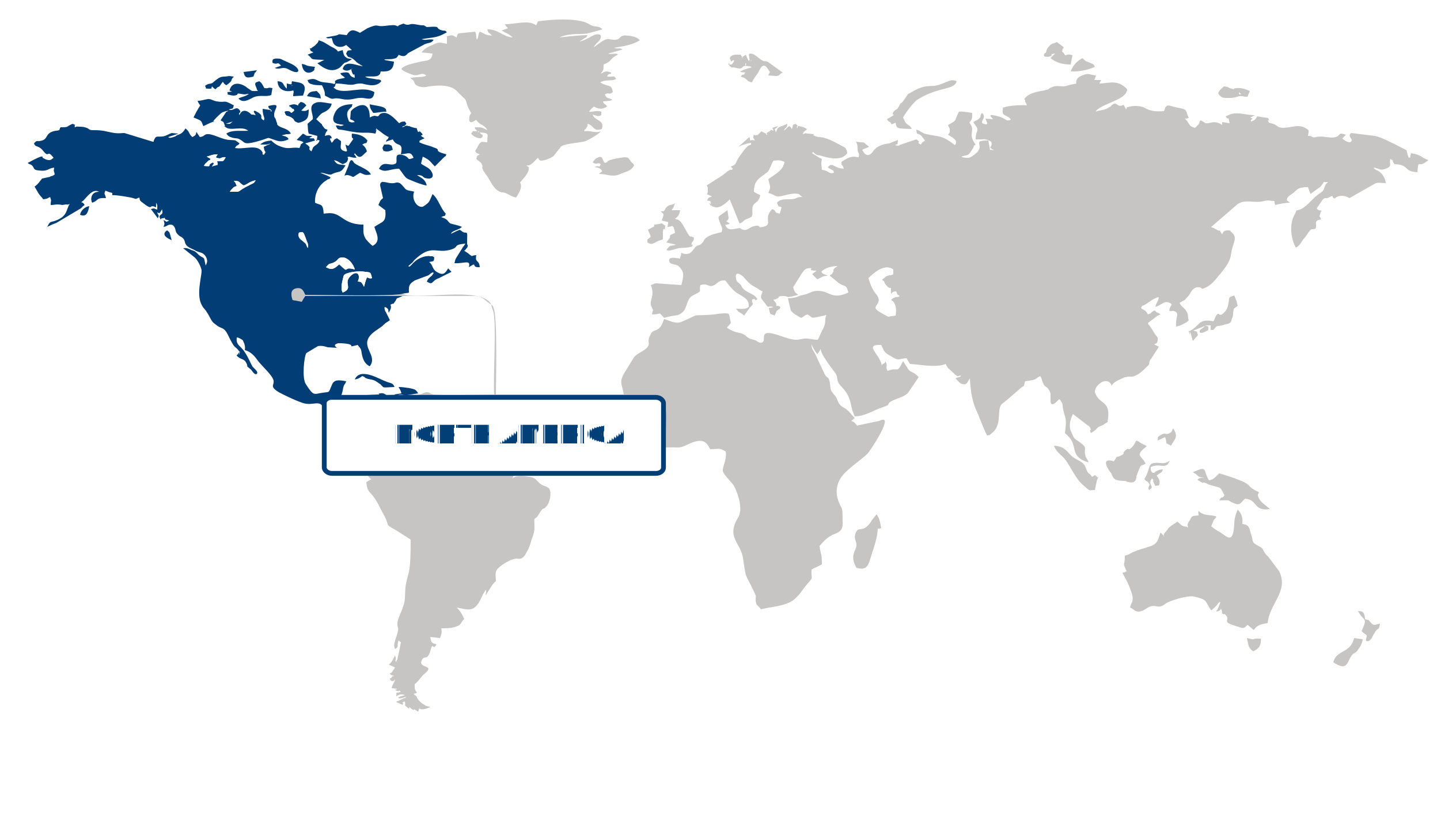
North America dominated the oil and gas fittings market in 2025, representing more than 34.2% of the global share and exhibiting the fastest growth with a 5.8% CAGR. The region's leadership is strongly driven by extensive shale gas exploration and the rapid expansion of midstream pipeline networks, particularly in prolific regions like the Permian Basin. This is coupled with progressive operational technologies enhancing extraction and transportation efficiency. Regulatory frameworks by agencies such as the U.S. Department of Energy and innovations from industry leaders like Halliburton further support market resilience. Additionally, North America's focus on optimizing supply chains and adopting digital monitoring solutions is meeting evolving energy demands while minimizing downtime, positioning the market for sustained growth in energy infrastructure and fittings.
The United States anchors the North American oil and gas fittings market, propelled by its pioneering shale gas activities, especially in Texas and New Mexico’s Permian Basin. U.S. government initiatives promoting energy independence, combined with capital investments from companies like Baker Hughes, continue to bolster pipeline infrastructure development. The regulatory environment, facilitated by the U.S. Federal Energy Regulatory Commission, encourages robust midstream operations. This dynamic reinforces the U.S.’s strategic role in shaping regional growth, thereby driving demand for advanced fittings critical to pipeline safety and efficiency, and enhancing North America’s market prospects.
Asia Pacific Market Analysis:
Asia Pacific emerged as the fastest-growing region in the oil and gas fittings market, registering a robust CAGR of 7.2%. This rapid expansion is primarily driven by heightened investments in upstream and midstream infrastructure, fueled by increasing energy demand and government initiatives promoting domestic energy production. The region’s focus on upgrading aging pipelines and enhancing operational efficiency has further bolstered demand for advanced fittings. For instance, the Asian Development Bank’s recent support for energy infrastructure projects in Southeast Asia underscores the region’s commitment to sustainable growth amid evolving regulatory frameworks. Additionally, technological advancements, including the integration of digital monitoring systems, have improved supply chain resilience and operational safety. Asia Pacific’s demographic diversity and rapidly urbanizing economies also drive sustained consumption of oil and gas products, underpinning long-term opportunities for fittings suppliers invested in innovation and quality.
Japan plays a pivotal role within Asia Pacific’s oil and gas fittings market, characterized by a strategic emphasis on high-quality, precision-engineered components. The country’s stringent regulatory environment, governed by the Ministry of Economy, Trade and Industry, mandates rigorous safety standards, prompting suppliers to adopt cutting-edge manufacturing technologies. Japan’s investments in offshore oil platforms and LNG import infrastructure heighten demand for corrosion-resistant fittings, aligning with consumer priorities on reliability and durability. Companies such as Sumitomo Corporation have recently expanded their portfolios to meet these standards, reflecting enhanced supply chain sophistication. This focus on quality and regulation not only highlights Japan’s leadership in adopting advanced fittings but also positions it as a regional benchmark, driving innovation across Asia Pacific.
China’s expansive oil and gas fittings market underscores the region’s growth trajectory, fueled by large-scale pipeline projects and aggressive domestic energy production targets. The National Energy Administration’s strategic plans prioritize network expansion and modernization, encouraging adoption of cost-efficient yet reliable fittings solutions tailored to diverse climatic zones. Chinese manufacturers increasingly leverage digital fabrication and IoT-enabled systems to streamline production and reduce downtime, meeting the swelling industrial and commercial demand. Additionally, evolving consumer preferences favor suppliers who offer customizable and sustainable components, supporting China’s broader energy transition agenda. Corporate moves by giants like CNPC to enhance infrastructure resilience reinforce China’s critical role in underpinning Asia Pacific’s market dynamism, consolidating the region’s position as a global leader in fitted oil and gas infrastructure development.
Europe Market Trends:
Europe maintained a notable presence in the oil and gas fittings market, driven by its well-established industrial infrastructure and progressive energy transition policies. The region benefits from robust regulatory frameworks aimed at enhancing pipeline safety and reducing operational emissions, as highlighted by the European Chemicals Agency’s recent collaboration initiatives. Concurrently, digitalization and automation advances in manufacturing, as seen in Siemens’ smart factory implementations, improve precision and reduce downtime in fittings production. Consumer preference shifts toward sustainable and high-efficiency solutions have encouraged suppliers to innovate with corrosion-resistant and lightweight materials. Despite supply chain challenges from geopolitical tensions, European firms leverage strong logistical networks across the EU, enabling steady demand fulfillment. With increasing investments into offshore wind and natural gas projects, Europe offers significant opportunities for growth through diversified energy portfolios and heightened maintenance activities in existing oil and gas infrastructure.
Germany plays a pivotal role in Europe’s oil and gas fittings market, leveraging its advanced engineering sector and commitment to industry modernization. The country’s regulatory environment consistently emphasizes high safety and environmental standards, exemplified by the Federal Network Agency’s enforcement of stricter pipeline integrity regulations, driving demand for sophisticated fittings. German manufacturers are at the forefront of integrating Industry 4.0 technologies, with firms like Thyssenkrupp deploying IoT-enabled monitoring systems that enhance product reliability and client servicing. Additionally, Germany’s balanced approach to natural gas and renewable energy usage sustains moderate growth by supporting retrofit and upgrade projects in existing pipelines. This positions Germany as a strategic hub, offering scalable innovation and compliance expertise, which collectively underpin regional expansion prospects in the oil and gas fittings market.
France contributes actively to Europe’s oil and gas fittings market, supported by its focus on energy diversification and strong public-private partnerships. The French government’s Renewable Energy Development Plan encourages incorporation of hybrid energy solutions, increasing the demand for versatile and adaptive fittings, as seen in Technip Energies’ recent contract for supply of advanced components to offshore gas platforms. France’s competitive landscape is also shaped by emphasis on sustainability and circular economy principles, encouraging manufacturers like Vallourec to enhance material recyclability and extend product lifecycle. With increasing infrastructure modernization initiatives paced by the French Ministry of Ecological Transition, France’s market dynamics introduce opportunities for innovation in fittings designed for enhanced durability and environmental compliance. This commitment bolsters Europe’s overall oil and gas fittings market growth through integration of cutting-edge technologies and sustainable practices.
| Parameter | North America | Asia Pacific | Europe | Latin America | MEA |
|---|---|---|---|---|---|
| Innovation HubiScaleNascentDeveloping Advanced | |||||
| Cost-Sensitive RegioniScaleLowMedium High | |||||
| Regulatory EnvironmentiScaleRestrictiveNeutral Supportive | |||||
| Demand DriversiScaleWeakModerate Strong | |||||
| Development StageiScaleEmergingDeveloping Developed | |||||
| Adoption RateiScaleLowMedium High | |||||
| New Entrants / StartupsiScaleSparseModerate Dense | |||||
| Macro IndicatorsiScaleWeakStable Strong |
Segment Leadership and Growth Trends
Oil and Gas Fittings Market Share (%), by Application, 2026
Go beyond the chart, access full insights & data tables
Request Free Sample ReportThe continuous power segment represented the largest share in the oil and gas fittings market in 2025, driven by the rising consumption of fittings across upstream, midstream, and downstream operations. This demand correlates with the need for durable, high-reliability components in continuous power infrastructure and expanding pipeline networks, supporting uninterrupted production cycles. Industry initiatives like those from the American Petroleum Institute emphasize stringent quality standards for fittings to ensure operational integrity, reflecting customers’ growing preference for long-lasting, safe equipment. This segment offers strategic advantages for firms focusing on integrated supply chain solutions and innovation in material resilience. As oil and gas operations intensify globally, continuous power fittings will remain vital due to ongoing infrastructure expansions and regulatory emphasis on system reliability.
Analysis by Type
The stationary generator segment dominated the oil and gas fittings market in 2025, propelled by persistent demand for continuous power in refineries, processing facilities, and offshore platforms. These fixed installations require robust, durable fittings that withstand harsh operational environments, aligning with operators’ focus on minimizing downtime and maintaining compliance with safety regulations like those promulgated by the U.S. Occupational Safety and Health Administration (OSHA). Competitive dynamics favor suppliers that can integrate advanced manufacturing technologies and supply chain efficiencies. This segment enables both incumbents and new entrants to capitalize on the modernization of critical power assets. Given the sustained energy sector activity and infrastructure aging, stationary generator fittings will continue to lead as indispensable components in ensuring operational continuity.
Analysis by Power Output
The more than 5.0 KW power output segment held the largest share in the oil and gas fittings market in 2025, reflecting increasing deployment of high-capacity generators to support large-scale oil and gas operations. These substantial power requirements drive demand for fittings designed to handle elevated pressure and complex mechanical stresses, meeting rigorous standards such as those outlined by the International Electrotechnical Commission (IEC). Operators prioritize reliability and safety, reinforcing market preference for premium-quality components. The segment presents strategic opportunities for suppliers emphasizing engineering precision and compliance expertise to serve large industrial clients. Looking forward, as oil and gas facilities expand and upgrade with higher power capacity equipment, fittings in this category will remain central to maintaining efficient and secure power infrastructure.
| Segment | Sub-Segment | Largest Segment | Fastest Growing |
|---|---|---|---|
| Application | Standby Backup Power, Continuous Power | ||
| Type | Portable Generator, Stationary Generator | ||
| Power Output | Less Than 1.0 KW, 1.0 To 3.0 KW, 3.0 To 5.0 KW, More Than 5.0 KW | ||
| End-Use | Commercial, Residential, Industrial, Agricultural, Others |
Unlock insights tailored to your business with our bespoke market research solutions.
Click to get your customized report now.
Competitive Landscape and Market Positioning
The competitive landscape reveals an intensifying focus on integrated solutions and cutting-edge technologies among these top players. Collaborative ventures and targeted expansions enhance their ability to penetrate emerging markets and diversify offerings. Investment in research and development facilitates the introduction of advanced materials and designs optimized for operational efficiency and safety. Streamlined supply chains and enhanced aftermarket services further fortify market positioning. Consequently, these initiatives drive differentiation and reinforce barriers to entry, enabling incumbents to sustain competitiveness amidst evolving client demands and tightening regulatory frameworks.
Strategic / Actionable Recommendations for Regional Players
In North America, leveraging established industry networks to forge partnerships can amplify innovation diffusion and expand market reach. Embracing digitalization and smart fitting technologies will differentiate product lines while addressing operational reliability demands. Targeting niche subsectors such as deepwater and unconventional oil extraction could also yield competitive advantages.
For Asia Pacific, aligning with global technology leaders through strategic alliances can accelerate capabilities and market acceptance. Regional players should capitalize on the expanding infrastructure and upstream exploration activities by offering customizable and cost-efficient fittings engineered for diverse environmental conditions. Strengthening local manufacturing to reduce lead times may improve responsiveness.
European players stand to benefit from intensifying sustainability-focused collaborations and advancing eco-compatible material utilization. Prioritizing advances in corrosion resistance and extended product lifecycle supports stricter environmental mandates. Additionally, focusing on aftermarket services and integrated system solutions can solidify client loyalty and differentiate offerings in a mature market.
| Company | Market Share | Company Revenue | Revenue CAGR (%) | Product Portfolio | Geographic Presence | Innovation / R&D Focus | Strategic Developments |
|---|---|---|---|---|---|---|---|
| No companies available. | |||||||
Customize Your Report
Explore examples of how this report can be tailored to different research needs, including custom segments, additional topics or chapters, and related reports. Click a section of the wheel or its numbered marker to explore the available options.
Oil and Gas Fittings Market — Custom Segments
| Segment | Sub-Segment |
|---|---|
| No segment data available. | |
Oil and Gas Fittings Market — Custom TOC
| Custom Chapter | Chapter Details |
|---|---|
| No custom TOC data available. | |
Need a different cut of the data?
Request Custom ResearchFrequently Asked Questions
What is the forecasted size of the oil and gas fittings industry?
Which region holds the largest share of the oil and gas fittings market?
In which region is the oil and gas fittings sector expanding most rapidly?
Why is the continuous power segment leading in the oil and gas fittings industry?
Why does stationary generator* sub-segment dominate the type segment of oil and gas fittings sector?
How much is the more than 5.0 KW* segment expected to grow in the oil and gas fittings industry beyond 2025?
What factors give industrial* segment a competitive edge in the oil and gas fittings sector?
Who are the leading players in the oil and gas fittings landscape?
Our Clients
"The information presented in the report was genuinely insightful. The data was clear and easy to understand, which made it much easier to interpret the findings."
Amara Raja Group
"The responsiveness and professionalism exhibited by the team were exemplary. They were readily available to address queries, provide clarifications, and offer additional insights."
ONGC
"The reports offered a comprehensive analysis of various segments within the market. The detailed insights into market trends, and regulatory landscapes were excellent."
TotalEnergies
Our Research Team & Methodology
Every Fundamental Business Insights report is built by a dedicated vertical research team, validated through a structured primary-and-secondary methodology, and reviewed for accuracy before it reaches you.
This report was prepared by the Energy & Power Research Team at Fundamental Business Insights, a dedicated research group specializing in global energy markets, power generation technologies, and energy infrastructure. Our analysts continuously monitor developments in renewable energy, conventional power generation, grid modernization, energy storage, transmission and distribution infrastructure, decarbonization initiatives, regulatory policies, energy investments, and evolving electricity demand across residential, commercial, and industrial sectors to deliver timely and reliable market intelligence. The research is developed using a structured methodology that combines primary discussions with utility companies, equipment manufacturers, technology providers, project developers, energy consultants, and industry experts, along with company annual reports, government energy statistics, regulatory publications, industry associations, technical publications, and other authoritative secondary sources. Market estimates are validated through multiple research techniques, including top-down and bottom-up analysis, before undergoing an internal quality review to ensure accuracy, consistency, and methodological integrity prior to publication.
Delivery
Published
Available
Support
- Market Size & Forecast
- Market Segmentation
- Regional Analysis
- Growth Drivers & Challenges
- Market Dynamics
- Competitive Landscape
- Company Profiles
- Competitive Benchmarking
- Mergers & Acquisitions
- Market Share Analysis or Key Company Strategies
- Value Chain Analysis
- Porter's Five Forces
- PESTLE Analysis
- Pricing Trends
- Supply-Demand Analysis
- Technology Landscape
- Regulatory Landscape
- Investment & Funding Landscape
- Emerging Opportunities
- Future Market Outlook