Non-Commercial Acrylic Paint Market Size & Share, By Product Type (Acrylic Emulsion Paint, Acrylic Mediums, Varnishes, Acrylic Gesso, Acrylic Pastel Paint, Watercolor Acrylic Paint), Distribution Channel (Online Retail, Brick-and-Mortar Retail, Art, Craft Stores, Direct-to-Consumer Sales, Wholesalers/Distributors), Application (Canvas Painting, Paper Painting, Wood Painting, Fabric Painting, Ceramics Painting), End User - Growth Trends, Regional Insights (U.S., Japan, South Korea, UK, Germany), Competitive Positioning, Global Forecast Report 2025-2034

Report ID: FBI 17532| Published Date: Apr-2025| Format: PDF, Excel
Jump to Content
Market Outlook

Market Size and Growth Outlook

Non-Commercial Acrylic Paint Market size is expected to expand from USD 8.3 billion in 2024 to USD 10.62 billion by 2034, demonstrating a CAGR of more than 2.5% between 2025 and 2034. In 2025, the industry revenue is estimated to reach USD 8.46 billion.

Base Year Value (2024)
USD 8.3 Billion
CAGR (2025-2034)
2.5%
Forecast Year Value (2034)
USD 10.62 Billion
Historical Data Period
2021-2024
Largest Region
North America
Forecast Period
2025-2034

Get more details on this report

Request Free Sample Report
Snapshot

Non-Commercial Acrylic Paint Market Intelligence Snapshot

Regional Market Dynamics

Segment Momentum

Market Expansion Drivers

Leading Market Participants

Forecast Snapshot

Global Market Forecast Snapshot

Market Outlook

Regional and Segment Outlook

Market Dynamics

Market Growth Drivers and Industry Trends

Growth Drivers & Opportunities The Non-Commercial Acrylic Paint Market has experienced significant growth due to a variety of key factors. One primary growth driver is the rising popularity of DIY projects and home improvement activities. As individuals increasingly engage in creative pursuits, such as painting and crafting, the demand for non-commercial acrylic paints has surged. The accessibility and versatility of acrylic paints make them appealing for both amateur and seasoned artists. Moreover, their quick-drying properties and ease of use encourage more people to explore their artistic talents. Another factor contributing to the market's expansion is the growing interest in eco-friendly and non-toxic products. Many consumers today are more environmentally conscious and prefer art supplies that align with their values. Non-commercial acrylic paints are often formulated to meet these demands, featuring water-based formulas that minimize harmful emissions. This trend presents a significant opportunity for manufacturers to innovate and develop new products that cater to health-conscious consumers. The increase in online retailing and e-commerce platforms also plays a pivotal role in driving market growth. The convenience of purchasing art supplies online has made it easier for consumers to access a broader range of non-commercial acrylic paints. This trend has been further accelerated by social media platforms, where artists showcase their work and share techniques, inspiring others to try acrylic painting. E-commerce not only broadens market reach but also facilitates the entry of new brands and products, fostering competition and innovation. Industry Restraints: Despite the promising growth prospects of the Non-Commercial Acrylic Paint Market, several Industry Restraints: can potentially hinder its development. One significant challenge is the availability of low-cost alternatives and counterfeit products. As the market grows, the influx of substandard acrylic paints can lead to consumer dissatisfaction and diminished brand loyalty. This competition may force established brands to lower their prices, impacting profit margins. Another restraint is the fluctuating prices of raw materials used in acrylic paint production. As the cost of essential ingredients increases, manufacturers may struggle to maintain competitive pricing while ensuring quality. This fluctuation can lead to uncertainty in production planning and inventory management, posing challenges for companies in the market. Additionally, supply chain disruptions can further aggravate these issues, impacting the overall market stability. Lastly, a lack of awareness and education surrounding non-commercial acrylic paints can limit growth potential. While the market is expanding, there remains a significant segment of the population that may not fully understand the benefits and applications of acrylic paints. Increasing educational initiatives and workshops could help mitigate this restraint by promoting greater understanding and encouraging more individuals to explore acrylic painting.

Explore Growth Opportunities

Request Free Sample Report
Regional Forecast

Regional Demand Dynamics

Non-Commercial Acrylic Paint Market
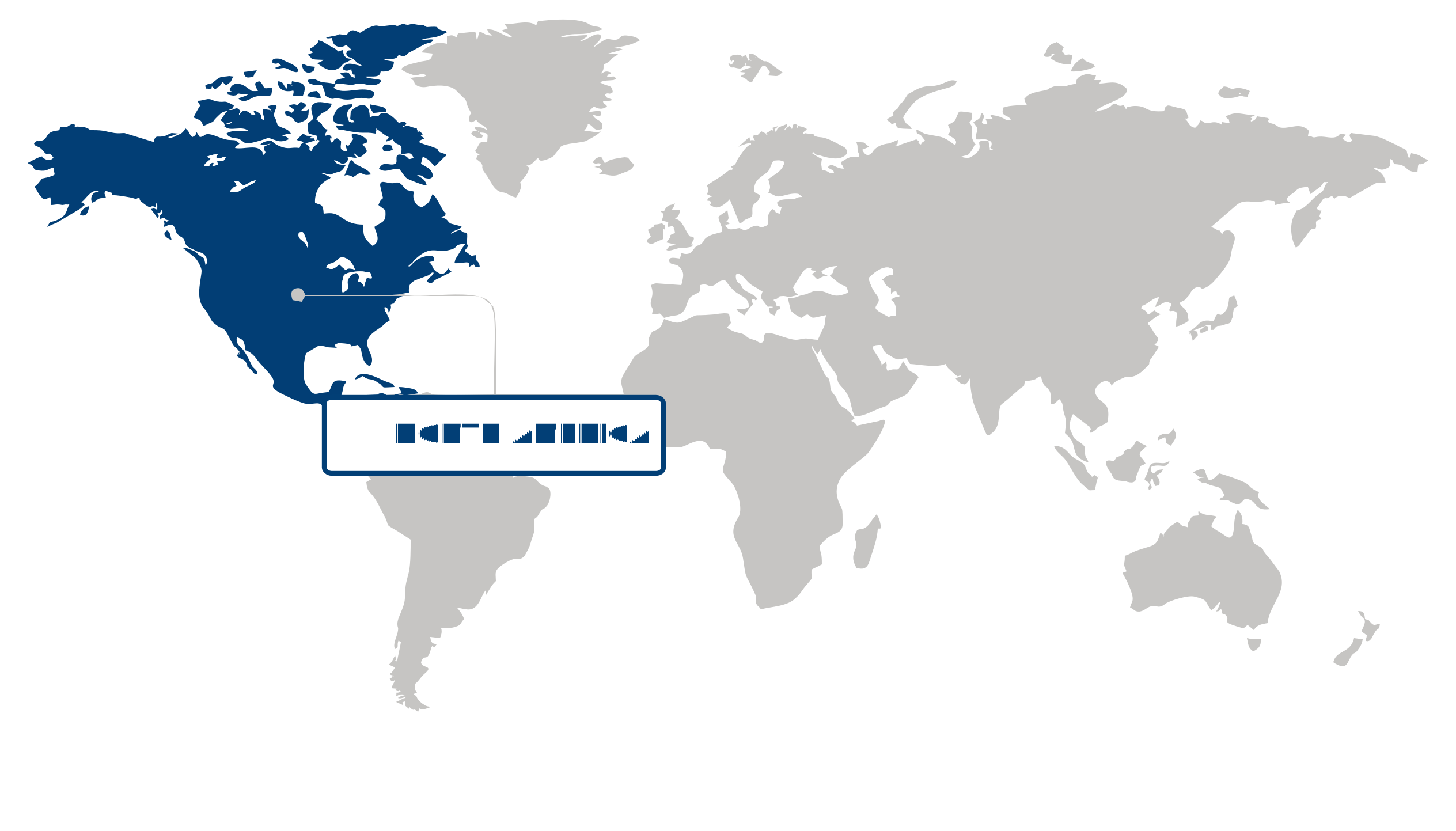
Largest Region
North America
XX% Market Share in 2024
North America The Non-Commercial Acrylic Paint Market in North America, particularly in the United States and Canada, is characterized by a vibrant arts and crafts community. In the U.S., states like California and New York demonstrate robust growth fueled by high disposable incomes and a strong emphasis on personal creativity. Moreover, the proliferation of art supply stores and workshops has contributed significantly to the market's expansion. Canada is emerging as a considerable player, particularly in urban centers such as Toronto and Vancouver, where a growing demographic of artists and hobbyists is driving demand for non-commercial acrylic paints. The emphasis on sustainability and the adoption of eco-friendly paints are also influencing purchasing behaviors in this region. Asia Pacific In the Asia Pacific region, countries such as Japan, South Korea, and China are showing substantial promise in the Non-Commercial Acrylic Paint Market. Japan emphasizes traditional art forms alongside a burgeoning interest in contemporary art, particularly in cities like Tokyo and Osaka, which fosters a strong market environment. South Korea's cultural dynamism and a growing popularity of art education are enhancing the market presence of acrylic paints, especially among younger generations. Meanwhile, China has become a powerhouse in arts and crafts, with cities like Shanghai and Beijing at the forefront of market growth due to increasing disposable incomes and a rising middle class that prioritizes artistic expression and home decor. The combination of these factors creates a vibrant landscape for non-commercial acrylic paint in the region. Europe Europe showcases a multifaceted Non-Commercial Acrylic Paint Market, with countries like the UK, Germany, and France at the forefront. The UK, driven by a rich art history and a focus on DIY culture, sees cities such as London and Brighton as key hubs for acrylic paint sales, nurtured by a strong community of artists and weekend crafters. Germany stands out for its emphasis on quality and eco-consciousness, with a growing trend towards sustainable art materials among its artistic communities in cities like Berlin and Munich. France, particularly in Paris and other artistic cities, reflects a blend of traditional and modern values in art, fueling demand for high-quality acrylic paints. Each of these countries contributes uniquely to the overall dynamics of the European Non-Commercial Acrylic Paint Market.
🔒 Need data on a specific country or region? Individual country/region reports are available at discounted pricing. Inquire Before Buying

Go beyond the chart, access full insights & data tables

Request Free Sample Report
Product Type The Non-Commercial Acrylic Paint Market is diverse, with several key product types making significant contributions. Acrylic Emulsion Paint is the leading segment, valued for its versatility and ease of use, making it popular among artists. Acrylic Mediums and Varnishes also play essential roles, offering artists the ability to alter textures and finishes, thereby expanding the creative possibilities. Acrylic Gesso is crucial for preparing surfaces for painting, while Acrylic Pastel Paint and Watercolor Acrylic Paint cater to niche markets, appealing to specific artist needs. It is expected that Acrylic Emulsion Paint will continue to dominate due to its widespread applicability and popularity across various artistic endeavors. Distribution Channel The distribution of non-commercial acrylic paints is segmented into several channels. Online Retail has emerged as a critical platform, particularly following the pandemic's acceleration of e-commerce; artists appreciate the convenience and range available online. Brick-and-Mortar Retail still holds value, especially for consumers who prefer to view colors and textures in person. Art and Craft Stores provide specialized options and expert advice, which can enhance the shopping experience, while Direct-to-Consumer Sales allow manufacturers to build relationships with consumers directly. Wholesalers and Distributors serve broader markets but may face competition from online platforms. In this landscape, Online Retail is projected to experience the fastest growth, driven by increasing digital engagement and convenience. Application Acrylic paints serve various applications, each with unique demands. Canvas Painting remains the most prominent application, as it is the traditional medium for professional artists. Paper Painting also caters to a vast demographic, especially among students and hobbyists. Wood Painting and Fabric Painting see consistent use due to the growing interest in mixed media and home decor projects, while Ceramics Painting taps into the expanding DIY culture. Of these applications, Canvas Painting is anticipated to hold the largest market share, whereas Fabric Painting may exhibit the fastest growth as more consumers engage in personalized, creative projects. End User The end-user landscape for the Non-Commercial Acrylic Paint Market encompasses a range of customer segments, including amateur artists, students, and professional artists. Amateur artists and students constitute a substantial share, driven by educational institutions and increasing interest in creative hobbies. Professional artists, although fewer in number, contribute significantly to market value, often seeking high-quality products for their work. The growth of community art classes and workshops has further bolstered demand among amateur and student categories. It is expected that the amateur segment will see the fastest growth, fueled by rising interest in DIY and art activities across various demographics, especially among younger consumers.
Segment Sub-Segment Largest Segment Fastest Growing
Custom Research

Unlock insights tailored to your business with our bespoke market research solutions.

Click to get your customized report now.

Request Customization →
Competitive Landscape

Competitive Landscape and Market Positioning

The competitive landscape of the Non-Commercial Acrylic Paint Market is characterized by a diverse range of players, including both established brands and emerging companies. The market is driven by a growing interest in art and creativity among hobbyists and an increasing demand for high-quality materials that cater to both amateur and professional artists. Key trends include innovations in product formulations, non-toxic options, and eco-friendly packaging. Companies are focused on expanding their product offerings and enhancing customer experiences through online retail platforms and community engagement initiatives. The market dynamics are further influenced by the rise of social media platforms that showcase artistic talents and promote the use of acrylic paints in various forms of artistic expression. Top Market Players 1. Golden Artist Colors 2. Liquitex 3. Winsor & Newton 4. Da Vinci Paints 5. Sennelier 6. Daler-Rowney 7. FolkArt 8. Crafter's Acrylic 9. Blick Art Materials 10. Artify Supplies
Company Market Share Company Revenue Revenue CAGR (%) Product Portfolio Geographic Presence Innovation / R&D Focus Strategic Developments
No companies available.
🔒 This section is available as a standalone purchase. Buy only the data you need. Inquire Before Buying
Report Customization

Customize Your Report

Explore examples of how this report can be tailored to different research needs, including custom segments, additional topics or chapters, and related reports. Click a section of the wheel or its numbered marker to explore the available options.

1 Custom Segments 2 Custom TOC 3 Related Reports

Non-Commercial Acrylic Paint Market — Custom Segments

Segment Sub-Segment
No segment data available.

Non-Commercial Acrylic Paint Market — Custom TOC

Custom Chapter Chapter Details
No custom TOC data available.

Need a different cut of the data?

Request Custom Research
FAQ

Frequently Asked Questions

Testimonials

Our Clients

"The report helped us understand emerging consumer trends in our product category. It clarified where to focus innovation for the next product launch."

Senior Chemical Engineer
LyondellBasell

"The regional forecast section was incredibly useful. We were able to identify two new potential partners in Europe thanks to the vendor mapping you included."

Director of Quality Assurance & Compliance
SABIC

"We appreciated how actionable the recommendations were. It guided us to improve supply chain resilience."

Business Development Director
Olin Corporation
THE RESEARCH BEHIND THIS REPORT

Our Research Team & Methodology

Every Fundamental Business Insights report is built by a dedicated vertical research team, validated through a structured primary-and-secondary methodology, and reviewed for accuracy before it reaches you.

THIS REPORT'S RESEARCH VERTICAL
Chemicals & Materials
Research Team Overview

This report was prepared by the Chemicals & Materials Research Team at Fundamental Business Insights, a dedicated research group specializing in the global chemicals, advanced materials, and industrial manufacturing sectors. Our analysts continuously monitor raw material supply chains, feedstock pricing, production technologies, regulatory developments, sustainability initiatives, environmental compliance, trade dynamics, and evolving end-use applications to deliver timely and reliable market intelligence. The research is developed using a structured methodology that combines primary discussions with manufacturers, raw material suppliers, distributors, and industry experts, along with company annual reports, regulatory publications, government trade statistics, industry associations, technical literature, patent databases, and other authoritative secondary sources. Market estimates are validated through multiple research techniques, including top-down and bottom-up analysis, before undergoing an internal quality review to ensure accuracy, consistency, and methodological integrity prior to publication.

Prepared by the Chemicals & Materials Research Team
10+Industry Verticals
100+Countries Analyzed
5-7Days Standard
Delivery
13.8K+Research Reports
Published
On-DemandCustomized Research
Available
6Months Analyst
Support
PDF + XLSReport Deliverables
Trust & Compliance
D&B D-U-N-S
GDPR & CCPA Compliant
ISO 9001 Certified (ISO 9001:2015)
SSL Encryption
Secure Payments
Confidential Handling
Research Intelligence
Primary Research Network
Secondary Sources
Executive Leadership
Product & Technology Experts
Manufacturing & Operations Leaders
Procurement & Supply Chain Professionals
Sales & Commercial Executives
Channel Partners & Distribution Networks
Enterprise Buyers & End Users
Industry Consultants & Regulatory Experts
Research Workflow & Quality Assurance
01
Data Collection
Verified information gathered through primary and secondary research.
02
Data Triangulation
Cross-validation using multiple independent data sources.
03
Forecast Modelling
Market estimates developed using historical trends and analytical models.
04
Analyst Validation
Findings reviewed by domain experts for accuracy and consistency.
05
Editorial & Quality Review
Final editorial, quality, and compliance checks before publication.
06
Final Publication
Released after successful completion of the internal review process.
Report Coverage
Market Assessment
  • Market Size & Forecast
  • Market Segmentation
  • Regional Analysis
  • Growth Drivers & Challenges
  • Market Dynamics
🏢 Competitive Intelligence
  • Competitive Landscape
  • Company Profiles
  • Competitive Benchmarking
  • Mergers & Acquisitions
  • Market Share Analysis or Key Company Strategies
🔍 Strategic Analysis
  • Value Chain Analysis
  • Porter's Five Forces
  • PESTLE Analysis
  • Pricing Trends
  • Supply-Demand Analysis
🚀 Future Outlook
  • Technology Landscape
  • Regulatory Landscape
  • Investment & Funding Landscape
  • Emerging Opportunities
  • Future Market Outlook
Have a question about this report or need a custom scope?
Request Customization

Want this data scoped to your exact question?

Tell us the segments, regions, or competitors you need answered — an analyst will confirm scope before any custom work starts.

Talk to an Analyst →