Nitrification and Urease Inhibitors Market Size & Growth Forecast 2027–2036, By Segments (Product Type, Crop Type, Application Method), Regional Demand Trends (North America, Asia Pacific, Europe), Key Country Insights (U.S., Japan, South Korea, Germany, France, Italy), and Competitive Landscape
Jump to Content
Market Size and Growth Outlook
Nitrification and Urease Inhibitors Market size was worth USD 2.25 billion in 2026 and is expected to grow at a 5.1% CAGR between 2027 and 2036, exceeding USD 3.7 billion by 2036. The industry revenue for 2027 is calculated at USD 2.36 billion.
Get more details on this report
Request Free Sample ReportNitrification and Urease Inhibitors Market Intelligence Snapshot
Regional Market Dynamics
- Asia Pacific accounted for 37.04% of revenue in 2026, supported by extensive agricultural activity, rising fertilizer consumption, and growing adoption of nutrient-efficient and sustainable farming practices.
- Increasing crop productivity requirements, government support for responsible fertilizer use, and agricultural modernization are strengthening demand for inhibitors that reduce nitrogen losses and improve fertilizer effectiveness.
Segment Momentum
- The nitrification inhibitors segment holds the largest share of the market, accounting for 47.3% in 2026. Its dominance is supported by widespread use in nitrogen management, particularly in cereal and grain cultivation, where improving fertilizer efficiency and reducing nitrogen losses are essential for maintaining crop productivity.
- The dual inhibitors segment under product type, horticulture segment under crop type, and fertigation segment under application method are expected to witness the fastest growth.
Market Expansion Drivers
- Rising adoption of nitrification and urease inhibitors in agriculture.
- Government policies promoting sustainable fertilizer use.
- Development of next-gen inhibitor formulations for efficiency.
Leading Market Participants
- Key companies in the nitrification and urease inhibitors market include BASF SE (Germany), Yara International ASA (Norway), Koch Agronomic Services LLC (USA), EuroChem Group (Switzerland), Haifa Group (Israel), Dow Chemical (USA), Syngenta AG (Switzerland), UPL Limited (India), Loveland Products (USA), Helena Agri-Enterprises (USA).
Global Market Forecast Snapshot
Market Outlook
- 2026 Market Size: USD 3.82 billion
- 2027 Estimated Market Size: USD 4 billion
- Projected Market Size: USD 6.53 billion by 2036
- Growth Forecast: 5.51% CAGR (2027-2036)
Regional and Segment Outlook
- Leading Regional Market: Asia Pacific
- High-Growth Regional Hub: Asia Pacific
- Core Revenue Segment: Method (Fertigation) | Nutrition (Nitrogen) | Crop Type (Food Crop)
- Emerging Opportunity Segment: Method (Fertigation) | Nutrition (Nitrogen) | Crop Type (Food Crop)
Market Growth Drivers and Industry Trends
Rising adoption of nitrification and urease inhibitors in agriculture
The growing emphasis on improving fertilizer efficiency is increasing the adoption of nitrification and urease inhibitors in agricultural production. These products help slow the conversion or loss of nitrogen in soil, allowing nutrients to remain available to crops for longer periods. Improved nitrogen utilization can support more effective fertilizer application while reducing nutrient losses, making inhibitors increasingly relevant to farmers seeking to enhance crop productivity, optimize input use, and improve overall nutrient management practices.
Government policies promoting sustainable fertilizer use
Government policies promoting sustainable agricultural practices are supporting demand for nitrification and urease inhibitors. Increasing attention to nitrogen losses, soil degradation, water contamination, and agricultural emissions is encouraging the use of technologies that improve nutrient efficiency. Regulatory initiatives, environmental programs, and sustainable farming guidelines can motivate growers to adopt enhanced fertilizer management practices, particularly where reducing nutrient losses and improving the environmental performance of agricultural production have become important policy objectives.
Development of next-gen inhibitor formulations for efficiency
The development of next-generation inhibitor formulations is improving the effectiveness and usability of nitrogen management products. Advances in formulation technologies are focused on extending inhibitor performance, improving compatibility with different fertilizers, supporting more controlled nutrient release, and maintaining effectiveness under varying soil and climatic conditions. These improvements can provide farmers with greater flexibility in fertilizer application while enhancing nitrogen retention and reducing losses, thereby strengthening the role of inhibitors in modern precision and sustainable agriculture.
| Growth Driver | Impact on CAGR | Regulatory Influence | Geographic Relevance | Adoption Rate | Impact Timeline |
|---|---|---|---|---|---|
| Rising adoption of nitrification and urease inhibitors in agriculture | 2% | Short term (≤ 2 yrs) | North America; Europe; spillover: Asia Pacific | Medium | Fast |
| Government policies promoting sustainable fertilizer use | 1.5% | Medium term (2–5 yrs) | Europe; North America; spillover: Asia Pacific | High | Moderate |
| Development of next-gen inhibitor formulations for efficiency | 1% | Long term (5+ yrs) | North America; Europe; spillover: Asia Pacific | Low | Slow |
Explore Growth Opportunities
Request Free Sample ReportRegional Demand Dynamics
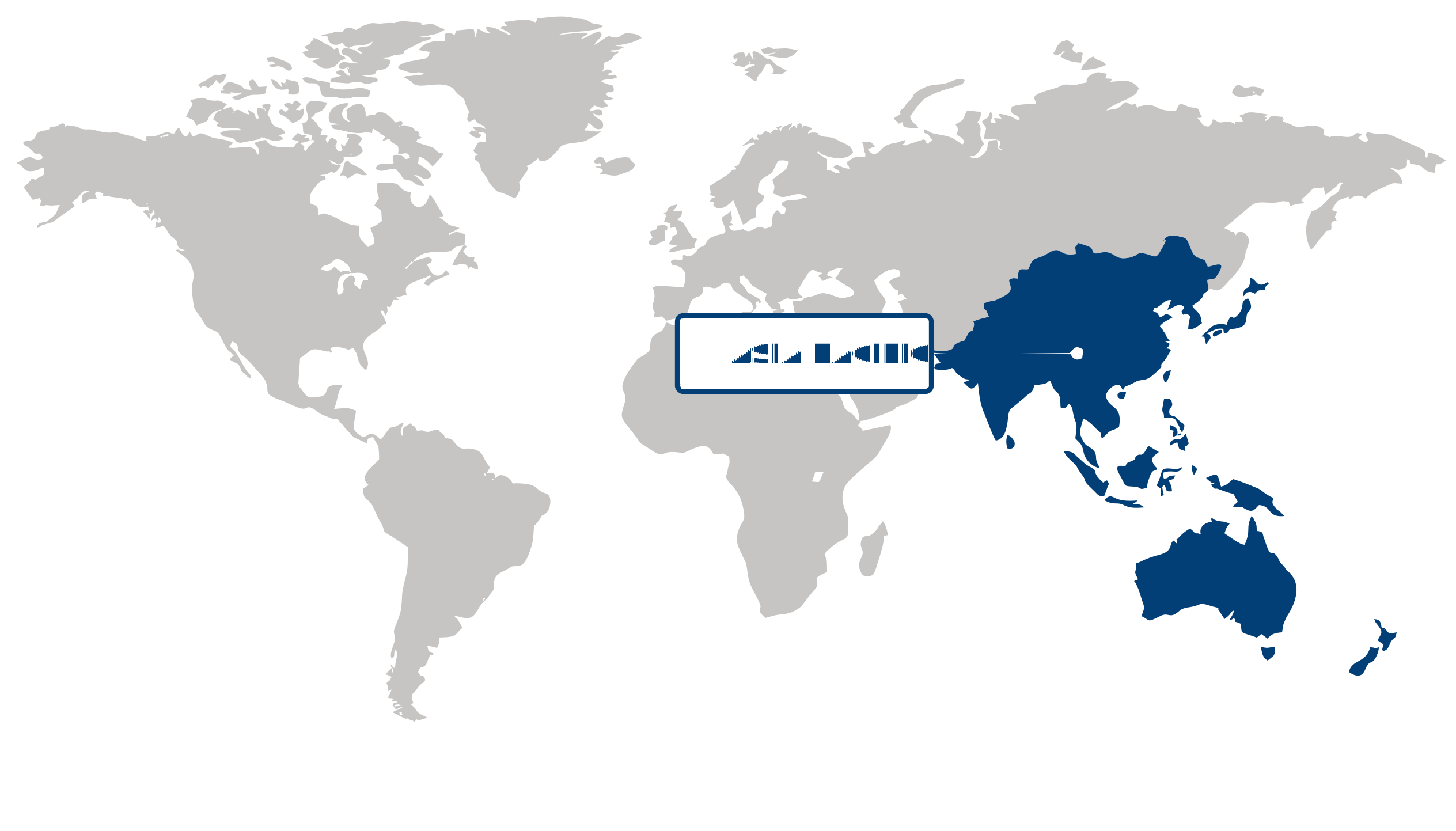
Asia Pacific (Largest & Fastest-Growing Region)
Asia Pacific accounted for the largest revenue share of 37.04% in 2026 and is also the fastest-growing region in the nitrification and urease inhibitors market, propelled by expanding agricultural activity, rising fertilizer consumption, and increasing efforts to improve nutrient-use efficiency. The region’s large agricultural base and growing need to enhance crop productivity are driving interest in technologies that reduce nitrogen losses and improve fertilizer effectiveness. Nitrification and urease inhibitors help retain nitrogen in the soil for longer periods, supporting more efficient nutrient availability while reducing losses caused by volatilization and leaching. Increasing awareness of sustainable farming practices, soil health, and efficient fertilizer management is further encouraging adoption among agricultural producers. Government initiatives promoting responsible fertilizer use, combined with the modernization of farming practices and growing demand for higher agricultural productivity, are expected to strengthen regional market expansion.
| Parameter | North America | Asia Pacific | Europe | Latin America | MEA |
|---|---|---|---|---|---|
| Innovation HubiScaleNascentDeveloping Advanced | |||||
| Cost-Sensitive RegioniScaleLowMedium High | |||||
| Regulatory EnvironmentiScaleRestrictiveNeutral Supportive | |||||
| Demand DriversiScaleWeakModerate Strong | |||||
| Development StageiScaleEmergingDeveloping Developed | |||||
| Adoption RateiScaleLowMedium High | |||||
| New Entrants / StartupsiScaleSparseModerate Dense | |||||
| Macro IndicatorsiScaleWeakStable Strong |
Key Country Insights
United States 🇺🇸
Precision Nitrogen ManagementThe U.S. market is increasingly shaped by efforts to improve nitrogen-use efficiency across large-scale farming operations. Demand for nitrification and urease inhibitors is closely tied to precision nutrient management, fertilizer optimization, and practical measures that help growers manage nitrogen losses while maintaining application efficiency.
Germany 🇩🇪
Regulated Nutrient EfficiencyGermany places strong emphasis on reducing agricultural nitrogen losses, making nutrient-efficiency solutions commercially relevant for fertilizer management. Adoption of nitrification and urease inhibitors is supported by tighter environmental expectations and the need for farmers to optimize nitrogen applications without significantly disrupting established fertilization practices.
Japan 🇯🇵
Intensive Crop OptimizationJapan's agricultural structure creates demand for technologies that improve nutrient efficiency within relatively intensive cultivation systems. Nitrification and urease inhibitors can support more controlled fertilizer use, particularly where farmers seek to reduce nitrogen losses and improve crop-input management while working within established, high-value production practices.
South Korea 🇰🇷
Controlled Fertilizer UseSouth Korea's market is influenced by the need to improve fertilizer efficiency across intensive agricultural production. Nitrification and urease inhibitors offer a practical route toward better nitrogen management, particularly as growers and agricultural stakeholders place greater attention on input efficiency, environmental performance, and more controlled nutrient application.
France 🇫🇷
Sustainable Fertilizer PracticesFrance provides a substantial agricultural application base where nitrogen management remains commercially important. Interest in nitrification and urease inhibitors is connected with efforts to improve fertilizer utilization and limit nutrient losses, supporting their integration into more sustainable crop-production practices and increasingly efficiency-focused farm input strategies.
Italy 🇮🇹
Specialty Crop EfficiencyItaly's diverse crop base creates opportunities for nitrogen-management solutions tailored to intensive and higher-value agricultural production. Nitrification and urease inhibitors can help improve fertilizer utilization where growers prioritize input efficiency, crop performance, and environmental management, particularly within production systems requiring careful control of nutrient applications.
Nitrification and Urease Inhibitors Market Share (%), by Product Type, 2026
Go beyond the chart, access full insights & data tables
Request Free Sample ReportProduct Type Segment Analysis: Nitrification Inhibitors (Largest Segment) vs Dual Inhibitors (Fastest-Growing Segment)
The nitrification inhibitors segment accounted for the largest share of the market, representing 47.3% in 2026, driven by increasing adoption of nitrogen management solutions to improve fertilizer efficiency and reduce nitrogen losses in agricultural soils. Nitrification inhibitors slow the conversion of ammonium into nitrate, helping minimize nitrogen leaching and improve nutrient availability for crop uptake. Their growing application in cereal and grain cultivation, where efficient nitrogen utilization is essential for maintaining productivity, continues to support segment demand. Increasing awareness of sustainable farming practices, rising fertilizer costs, and the need to optimize nutrient utilization are encouraging farmers to adopt nitrification inhibitors. Additionally, growing concerns regarding groundwater contamination and nitrous oxide emissions are strengthening interest in technologies that improve nitrogen retention and reduce environmental impacts. Their compatibility with conventional nitrogen fertilizers and established agricultural application practices further supports their leading market position.
The dual inhibitors segment is expected to grow at the fastest pace, supported by increasing demand for integrated nitrogen management solutions that combine nitrification and urease inhibition. These products help reduce nitrogen losses through both nitrification and ammonia volatilization, improving overall fertilizer use efficiency and nutrient availability. The combined functionality offers farmers a more comprehensive approach to nitrogen conservation compared with individual inhibitor products. Growing interest in precision agriculture, sustainable nutrient management, and improved crop productivity is encouraging the adoption of dual inhibitors. Furthermore, increasing emphasis on reducing fertilizer wastage, lowering agricultural emissions, and improving soil nutrient management is expected to create additional growth opportunities for this segment.
Crop Type Segment Analysis: Cereals & Grains (Largest Segment) vs Horticulture (Fastest-Growing Segment)
The cereals and grains segment dominated the market, accounting for 53.9% of the total market share in 2026, primarily due to the extensive cultivation of crops such as wheat, rice, maize, and barley, which require substantial nitrogen inputs to maintain productivity. The widespread use of nitrogen-based fertilizers in cereal production creates considerable demand for nitrification and urease inhibitors to improve nutrient utilization and minimize nitrogen losses. Increasing global demand for staple food crops, rising agricultural productivity requirements, and the need to improve fertilizer efficiency are further supporting the adoption of nitrogen inhibitors across cereal-producing regions. Additionally, growing awareness of sustainable farming practices and the environmental consequences of excessive nitrogen application is encouraging farmers to incorporate inhibitor-based fertilizer management solutions into cereal and grain cultivation.
The horticulture segment is expected to register the fastest growth, driven by increasing demand for high-value crops, including fruits, vegetables, flowers, and ornamental plants. Horticultural production requires precise nutrient management to support crop quality, yield consistency, and optimal plant development. Nitrogen inhibitors help improve nitrogen availability, reduce nutrient losses, and enhance fertilizer use efficiency, making them increasingly relevant to intensive horticultural farming systems. The expansion of protected cultivation, greenhouse farming, fertigation systems, and precision agriculture is further supporting the adoption of advanced nitrogen management solutions. Additionally, increasing consumer demand for high-quality fresh produce and growing emphasis on sustainable agricultural practices are encouraging horticulture producers to adopt technologies that optimize fertilizer application and improve crop performance.
Application Method Segment Analysis: Fertilizer Coating/Impregnation (Largest Segment) vs Fertigation (Fastest-Growing Segment)
The fertilizer coating/impregnation segment held the largest market share of 43.2% in 2026, supported by the widespread integration of nitrogen inhibitors into conventional and specialty fertilizer products. Coating and impregnation technologies enable inhibitors to be incorporated directly into fertilizer formulations, allowing controlled and efficient delivery of active ingredients during fertilizer application. These methods help reduce nitrogen losses through ammonia volatilization and nitrate leaching while improving nutrient availability for crop uptake. Their compatibility with established fertilizer manufacturing processes and conventional agricultural application practices supports widespread adoption among fertilizer producers and farmers. Furthermore, increasing demand for enhanced-efficiency fertilizers, growing awareness of nitrogen management, and the need to improve fertilizer utilization are contributing to the segment's dominant position.
The fertigation segment is anticipated to experience the fastest growth, driven by increasing adoption of precision irrigation and advanced nutrient delivery systems in modern agriculture. Fertigation enables farmers to apply water-soluble fertilizers and compatible nitrogen management products directly through irrigation systems, supporting more uniform nutrient distribution and efficient plant uptake. The integration of nitrogen inhibitors into fertigation practices can help minimize nitrogen losses and improve nutrient utilization, particularly in high-value horticultural crops and water-efficient farming systems. Growing adoption of drip irrigation, greenhouse cultivation, and automated irrigation technologies is further supporting demand for fertigation-based applications. Additionally, increasing concerns regarding water conservation, fertilizer efficiency, and sustainable crop production are encouraging farmers to adopt integrated irrigation and nutrient management practices.
| Segment | Sub-Segment | Largest Segment | Fastest Growing |
|---|---|---|---|
| Product Type | Nitrification Inhibitors (NI), Urease Inhibitors (UI), Dual Inhibitors (Combined NI + UI) | Nitrification Inhibitors (NI) | Dual Inhibitors (Combined NI + UI) |
| Crop Type | Cereals & Grains, Oilseeds & Pulses, Horticulture, Fibre Crops, Others | Cereals & Grains | Horticulture |
| Application Method | Fertilizer Coating/Impregnation, Granular Blending, Fertigation, Liquid/Foliar Application, Others | Fertilizer Coating/Impregnation | Fertigation |
Unlock insights tailored to your business with our bespoke market research solutions.
Click to get your customized report now.
Competitive Landscape and Market Positioning
Analyst Perspective:
Market success depends on converting active chemical stability into reliable nitrogen-retention performance across diverse agricultural conditions. While dual-inhibitor formulations offer synergistic protection against both ammonia volatilization and nitrate leaching, adoption relies on proven field efficacy relative to higher formulation costs. Advanced delivery mechanisms like microencapsulation and controlled-release coatings protect active ingredients during handling, but their commercial value hinges on uniform release rates and low-cost production. Ultimately, seamless blending compatibility with both liquid and dry fertilizer formats remains essential to avoiding application segregation and expanding market reach.
Key companies in the nitrification and urease inhibitors market:
- BASF SE (Germany)
- Yara International ASA (Norway)
- Koch Agronomic Services LLC (USA)
- EuroChem Group (Switzerland)
- Haifa Group (Israel)
- Dow Chemical (USA)
- Syngenta AG (Switzerland)
- UPL Limited (India)
- Loveland Products (USA)
- Helena Agri-Enterprises (USA)
| Company | Market Share | Company Revenue | Revenue CAGR (%) | Product Portfolio | Geographic Presence | Innovation / R&D Focus | Strategic Developments |
|---|---|---|---|---|---|---|---|
| BASF SE (Germany) | |||||||
| Yara International ASA (Norway) | |||||||
| Koch Agronomic Services LLC (USA) | |||||||
| EuroChem Group (Switzerland) | |||||||
| Haifa Group (Israel) | |||||||
| Dow Chemical (USA) | |||||||
| Syngenta AG (Switzerland) | |||||||
| UPL Limited (India) | |||||||
| Loveland Products (USA) | |||||||
| Helena Agri-Enterprises (USA) |
Customize Your Report
Explore examples of how this report can be tailored to different research needs, including custom segments, additional topics or chapters, and related reports. Click a section of the wheel or its numbered marker to explore the available options.
Nitrification and Urease Inhibitors Market — Custom Segments
| Segment | Sub-Segment |
|---|---|
| Inhibitor Type | Nitrification inhibitors, Urease inhibitors, Combined nitrification and urease inhibitors |
| Fertilizer Compatibility | Urea-based fertilizers, Ammonium-based fertilizers, Nitrate-based fertilizers, Compound and blended fertilizers |
| Inhibitor Formulation | Granular, Liquid, Water-soluble |
Nitrification and Urease Inhibitors Market — Custom TOC
| Custom Chapter | Chapter Details |
|---|---|
| Farm-Level Adoption Economics |
|
| Nitrogen Efficiency Value Proposition |
|
| Sustainable Agriculture Program Opportunities |
|
Need a different cut of the data?
Request Custom ResearchFrequently Asked Questions
How big is the nitrification and urease inhibitors market?
How much is the nitrification and urease inhibitors industry expected to grow by 2036?
How is the focus on fertilizer efficiency influencing adoption of nitrification and urease inhibitors?
How are next-generation inhibitor formulations changing agricultural deployment priorities?
Which product type segment dominates the nitrogen inhibitors market?
Which segment is expected to grow the fastest in the nitrogen inhibitors market?
Why does Asia Pacific lead the nitrification and urease inhibitors market?
What is driving continued growth in Asia Pacific's nitrification and urease inhibitors market?
What are the prominent companies operating in the nitrification and urease inhibitors landscape?
Our Clients
"The report helped us understand emerging consumer trends in our product category. It clarified where to focus innovation for the next product launch."
LyondellBasell
"The regional forecast section was incredibly useful. We were able to identify two new potential partners in Europe thanks to the vendor mapping you included."
SABIC
"We appreciated how actionable the recommendations were. It guided us to improve supply chain resilience."
Olin Corporation
Our Research Team & Methodology
Every Fundamental Business Insights report is built by a dedicated vertical research team, validated through a structured primary-and-secondary methodology, and reviewed for accuracy before it reaches you.
This report was prepared by the Chemicals & Materials Research Team at Fundamental Business Insights, a dedicated research group specializing in the global chemicals, advanced materials, and industrial manufacturing sectors. Our analysts continuously monitor raw material supply chains, feedstock pricing, production technologies, regulatory developments, sustainability initiatives, environmental compliance, trade dynamics, and evolving end-use applications to deliver timely and reliable market intelligence. The research is developed using a structured methodology that combines primary discussions with manufacturers, raw material suppliers, distributors, and industry experts, along with company annual reports, regulatory publications, government trade statistics, industry associations, technical literature, patent databases, and other authoritative secondary sources. Market estimates are validated through multiple research techniques, including top-down and bottom-up analysis, before undergoing an internal quality review to ensure accuracy, consistency, and methodological integrity prior to publication.
Delivery
Published
Available
Support
- Market Size & Forecast
- Market Segmentation
- Regional Analysis
- Growth Drivers & Challenges
- Market Dynamics
- Competitive Landscape
- Company Profiles
- Competitive Benchmarking
- Mergers & Acquisitions
- Market Share Analysis or Key Company Strategies
- Value Chain Analysis
- Porter's Five Forces
- PESTLE Analysis
- Pricing Trends
- Supply-Demand Analysis
- Technology Landscape
- Regulatory Landscape
- Investment & Funding Landscape
- Emerging Opportunities
- Future Market Outlook