Next Generation Packaging Market Size & Forecasts 2026-2035, By Segments (Type, Application), Growth Opportunities, Innovation Landscape, Regulatory Shifts, Strategic Regional Insights (U.S., Japan, China, South Korea, UK, Germany, France), and Competitive Dynamics (Amcor, Sealed Air, Berry Global, Mondi Group, WestRock)
Jump to Content
Market Size and Growth Outlook
Next Generation Packaging Market size is forecast to climb from USD 29.84 billion in 2025 to USD 58.7 billion by 2035, expanding at a CAGR of over 7% during 2026-2035. Industry revenue in 2026 is projected at USD 31.67 billion.
Get more details on this report
Request Free Sample ReportNext Generation Packaging Market Intelligence Snapshot
Regional Market Dynamics
Segment Momentum
Market Expansion Drivers
Leading Market Participants
Global Market Forecast Snapshot
Market Outlook
Regional and Segment Outlook
Market Growth Drivers and Industry Trends
The escalating consumer demand for environmentally responsible products is a critical growth driver for the next generation packaging market. Companies like Unilever and Procter & Gamble are pioneering biodegradable and recyclable materials, responding to shoppers’ growing preference for sustainable brands highlighted in their recent sustainability reports. This shift reflects broader cultural and regulatory pressures influencing packaging innovation and material selection. For market incumbents, this trend offers a pathway to differentiate through eco-friendly portfolios, while new entrants can capitalize on emerging bio-based technologies. The transition to renewable, compostable, and low-impact packaging aligns with global sustainability commitments, ensuring the market’s evolution remains tightly intertwined with environmental imperatives and consumer allegiance toward greener consumption.
Integration of Smart and Intelligent Packaging Technologies
Advancements in sensor technology and digital connectivity are reshaping the next generation packaging market by enhancing product tracking, consumer engagement, and supply chain transparency. Companies such as Avery Dennison and Smurfit Kappa have announced initiatives embedding RFID, QR codes, and freshness indicators within packaging to meet evolving consumer expectations and logistical needs. This technological integration not only drives operational efficiencies but also enables brands to create interactive experiences, bolstering brand loyalty and combating counterfeiting. Both established players with scale and startups focusing on IoT solutions benefit from this innovation wave, which is becoming a competitive imperative as digital transformation penetrates packaging ecosystems globally.
Regulatory Compliance and Environmental Packaging Mandates
Evolving regulations spearheaded by the European Commission and the U.S. Environmental Protection Agency have intensified requirements for packaging recyclability, reduced plastic waste, and lifecycle transparency. These mandates are vital growth drivers for the next generation packaging market, compelling manufacturers to redesign and streamline packaging according to stringent environmental criteria. Companies such as Amcor and Ball Corporation have publicly disclosed investments in compliant packaging solutions reflecting regulatory adherence as a strategic priority. This regulatory backdrop incentivizes innovation in sustainable materials and circular economy models, offering new market entrants clear entry points via compliance-driven product innovations and encouraging incumbents to reinforce their ESG credentials while mitigating regulatory risks.
Industry Restraints:
Regulatory Compliance Complexities
Next generation packaging innovations face significant hurdles due to stringent and often fragmented regulatory frameworks. For instance, the European Chemicals Agency’s (ECHA) evolving restrictions on substances like PFAS compounds create compliance challenges that delay product approvals and increase developmental costs. These policy barriers compel manufacturers to invest heavily in reformulating materials and documentation, slowing time-to-market and stifling smaller entrants who lack regulatory expertise or resources. This dynamic disproportionately burdens companies aiming to introduce sustainable, bio-based, or smart packaging solutions, as they navigate varying global standards. Going forward, regulatory landscapes will likely remain a bottleneck, necessitating proactive engagement and adaptive strategies by market participants to mitigate operational risks and accelerate compliance-driven innovation.
Material Supply Constraints
The next generation packaging market is constrained by supply chain volatility affecting advanced raw materials such as biodegradable polymers and nanocomposites. Major suppliers like BASF and NatureWorks have reported periodic shortages driven by demand surges and production capacity limitations, complicating manufacturers’ ability to scale production consistently. These interruptions increase costs and introduce unpredictability in fulfilling client orders, inhibiting widespread adoption of novel packaging formats. Both incumbents and startups face heightened procurement risks that can delay R&D cycles and commercialization timelines. In response, firms are exploring diversified sourcing and investing in upstream partnerships, but material supply instability will remain a defining challenge influencing production planning and competitive positioning in the near term.
| Growth Driver | Impact on CAGR | Regulatory Influence | Geographic Relevance | Adoption Rate | Impact Timeline |
|---|---|---|---|---|---|
| Adoption of next-generation packaging solutions for sustainability | 2.00% | Short term (≤ 2 yrs) | North America, Europe; Spillover: Asia Pacific | Medium | Fast |
| Integration of smart and intelligent packaging technologies | 2.00% | Medium term (2–5 yrs) | North America, Asia Pacific; Spillover: Europe | Low | Moderate |
| Regulatory compliance and environmental packaging mandates | 3.00% | Long term (5+ yrs) | Europe, North America; Spillover: Asia Pacific | High | Moderate |
Explore Growth Opportunities
Request Free Sample ReportRegional Demand Dynamics
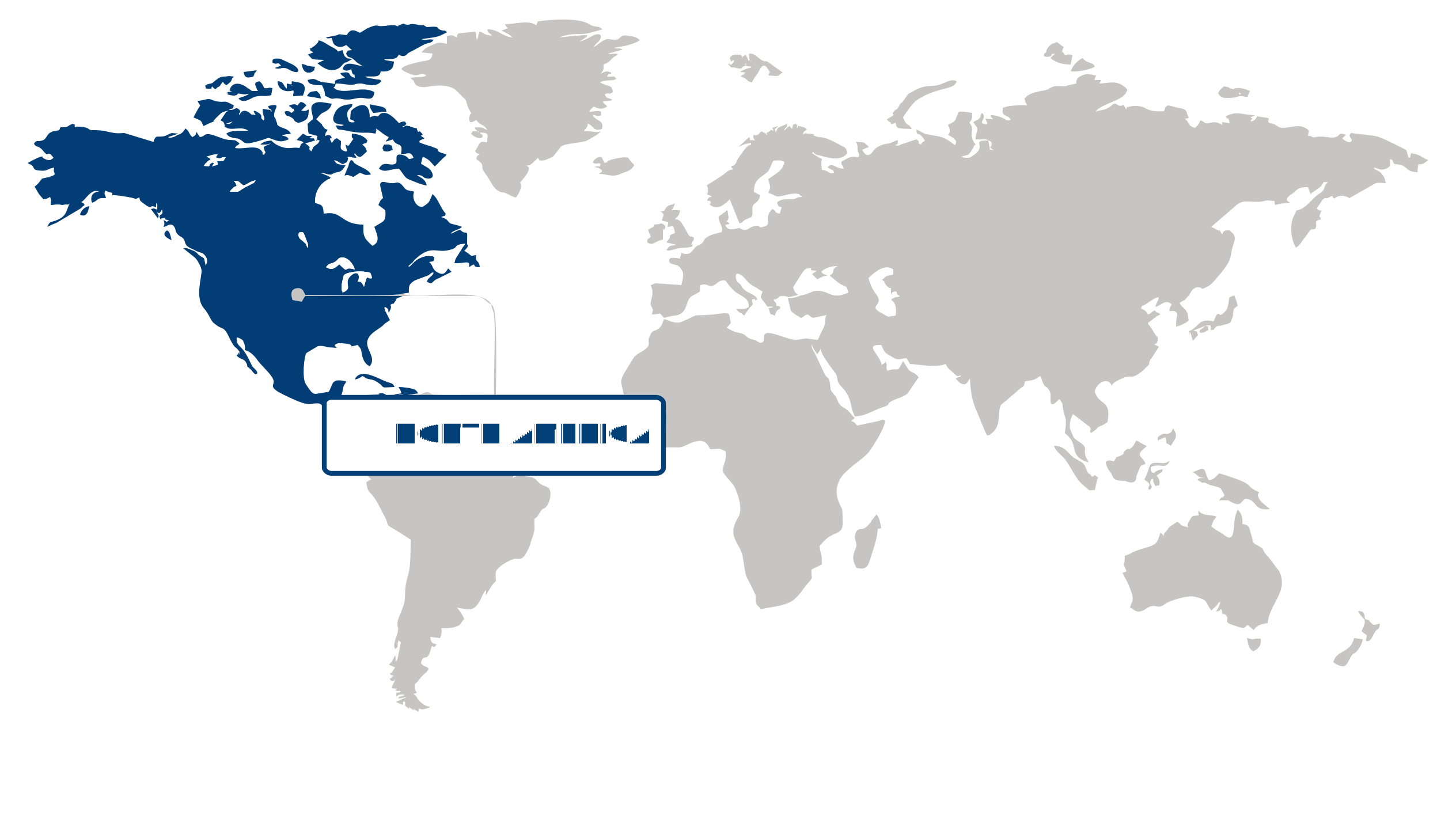
North America captured over 34.1% of the global next generation packaging market in 2025, establishing itself as the largest regional player. The region's leadership is primarily fueled by stringent environmental regulations and a robust demand for sustainable food packaging solutions. Initiatives by the U.S. Environmental Protection Agency promoting recyclable and biodegradable packaging underscore this trend, while changing consumer preferences toward eco-friendly options further accelerate adoption. Additionally, advancements in smart and bio-based materials, supported by innovation hubs like the Massachusetts Institute of Technology, enhance operational efficiencies. North America's resilient economy and well-established supply chains create a conducive environment for the rapid deployment of these technologies. With ongoing policy enhancements and rising corporate sustainability commitments, the region stands poised for sustained growth and innovation, offering substantial opportunities for investors and stakeholders in the next generation packaging market.
The United States anchors the North American next generation packaging market, driven by its proactive regulatory landscape and consumer demand for sustainable alternatives. The U.S. Food and Drug Administration’s evolving guidelines around food-grade sustainable materials influence company strategies, leading major players like WestRock and Amcor to expand their eco-friendly packaging portfolios. Consumer awareness campaigns, such as those sponsored by The Sustainable Packaging Coalition, shape purchasing behaviors, intensifying demand for biodegradable and recyclable packaging formats. Furthermore, investments in circular economy models and digital tracking technologies highlight an operational shift toward transparency and efficiency. This dynamic regulatory and market environment cements the U.S. as a critical gateway for advances in next generation packaging, significantly undergirding North America’s overall market dominance and future potential.
Asia Pacific Market Analysis:
Asia Pacific emerged as the fastest-growing region in the next generation packaging market, registering a robust CAGR of 9.8%. This remarkable expansion is primarily driven by the rapid proliferation of e-commerce and pharmaceutical sectors, particularly in emerging economies. The region’s shifting consumer behaviors, emphasizing convenience and safety, have spurred demand for innovative packaging solutions that enhance product protection and extend shelf life. Additionally, government initiatives promoting sustainability and stricter regulatory frameworks in countries like China and India encourage adoption of eco-friendly and smart packaging technologies. Leading corporations such as Alibaba Group and pharmaceutical giants like Sun Pharmaceutical Industries have highlighted packaging innovation as key to maintaining competitive advantage, further validating market vitality. Given Asia Pacific’s dynamic digital economy and regulatory momentum, the region presents significant opportunities for specialized packaging solutions that support supply chain agility and consumer trust.
Japan holds a pivotal role in Asia Pacific’s next generation packaging market as a technology leader emphasizing precision and sustainability. The country’s consumers demand high-quality, functional packaging integrating eco-conscious materials and digital enhancements such as QR codes and anti-counterfeiting features. Manufacturers like Dai Nippon Printing Co., Ltd. have introduced smart packaging systems aligning with Japan’s strict environmental policies and aging population’s need for easier-to-use solutions. The government’s promotion of a circular economy also accelerates investment in recyclable and biodegradable materials, positioning Japan as a hub for advanced packaging innovation. These factors collectively underpin Japan’s critical contribution to regional growth, reinforcing Asia Pacific’s standing as a front-runner in the market.
China is a significant growth engine within Asia Pacific’s next generation packaging market, fueled by its expansive e-commerce landscape and burgeoning pharmaceutical production capabilities. As one of the largest consumer markets globally, China’s rising middle class demands personalized and sustainable packaging that ensures product authenticity and enhances user experience. The National Medical Products Administration’s tightening of regulations on pharmaceutical packaging quality has prompted manufacturers to integrate tamper-evident and temperature-sensitive packaging solutions. Key players like Beijing Huashen Packaging Co., Ltd. have leveraged local supply chain efficiencies and digital printing technologies to meet these evolving requirements. China’s combination of scale, innovation, and regulatory enforcement underscores its strategic importance, further solidifying Asia Pacific’s momentum and offering targeted avenues for next generation packaging developments.
Europe Market Trends:
Europe held a substantial share in the next generation packaging market, reflecting the region’s strong emphasis on sustainability and advanced manufacturing capabilities. The market’s growth in Europe is largely driven by heightened regulatory frameworks from entities such as the European Chemicals Agency (ECHA), promoting eco-friendly materials and circular packaging solutions. Additionally, shifting consumer preferences toward biodegradable and reusable packaging, alongside robust investments in Industry 4.0 technologies by companies like BASF and Covestro, underscore Europe’s strategic focus on innovation and environmental responsibility. The region’s well-established supply chains and collaborative networks between manufacturers and research institutions bolster its competitive edge. These factors collectively position Europe as a fertile ground for advancing next generation packaging solutions, presenting significant opportunities for stakeholders seeking durable, sustainable formats that align with tightening compliance and evolving market demands.
Germany plays a pivotal role in Europe’s next generation packaging market, driven by its manufacturing excellence and proactive environmental policies. German companies such as Covestro are pioneering high-performance materials that enhance packaging sustainability while meeting stringent EU regulations, including the EU Green Deal’s targets. The country’s alignment with circular economy principles and investment in digitalization, illustrated by collaborations in the Fraunhofer Packaging Technology Program, further fuel innovation in packaging formats. These initiatives not only satisfy local consumer demands for eco-conscious packaging but also set benchmarks adopted across Europe, highlighting Germany’s influence in shaping market trends. This leadership underscores Germany’s strategic importance in reinforcing Europe’s position as a global hub for next generation packaging technologies.
France also holds a significant position in the next generation packaging market within Europe, primarily driven by evolving consumer preferences toward environmentally sustainable products and strong regulatory oversight. French companies such as Saint-Gobain are investing in bio-based and recyclable packaging materials to comply with national mandates like the Anti-Waste Law, which aims to drastically reduce plastic use by 2040. Concurrently, France’s active participation in European sustainability initiatives and its focus on fostering innovation through programs led by Bpifrance illustrate a balanced approach integrating policy enforcement with technological advancement. France’s robust demand for greener solutions reinforces Europe’s growth trajectory in next generation packaging, emphasizing the country’s critical role in scaling sustainable practices throughout the region.
| Parameter | North America | Asia Pacific | Europe | Latin America | MEA |
|---|---|---|---|---|---|
| Innovation HubiScaleNascentDeveloping Advanced | |||||
| Cost-Sensitive RegioniScaleLowMedium High | |||||
| Regulatory EnvironmentiScaleRestrictiveNeutral Supportive | |||||
| Demand DriversiScaleWeakModerate Strong | |||||
| Development StageiScaleEmergingDeveloping Developed | |||||
| Adoption RateiScaleLowMedium High | |||||
| New Entrants / StartupsiScaleSparseModerate Dense | |||||
| Macro IndicatorsiScaleWeakStable Strong |
Next Generation Packaging Market Share (%), by Type, 2026
Go beyond the chart, access full insights & data tables
Request Free Sample ReportActive packaging represented the largest share in the next generation packaging market in 2025, driven by the increasing demand for solutions that extend product shelf life and enhance safety, especially within the food and beverage sector. This leadership reflects growing consumer emphasis on freshness and contamination prevention, alongside regulatory encouragement from bodies like the U.S. Food and Drug Administration promoting innovative food safety measures. Industry leaders such as Sealed Air Corporation have showcased advanced active packaging technologies that absorb oxygen and moisture to maintain product quality. This segment provides strategic opportunities for firms to differentiate offerings through value-added functionalities, appealing to health-conscious and convenience-seeking consumers. With ongoing innovation in materials science and rising global standards for food safety, active packaging is positioned to sustain its relevance, supporting extended shelf life and compliance demands in the evolving market landscape.
Analysis by Application
Food & beverages held the largest share in the next generation packaging market in 2025, propelled by growing consumer demand for sustainable, high-performance packaging tailored to perishable goods. This dominance is linked to heightened awareness of environmental impacts and stringent regulations such as the European Union’s Single-Use Plastics Directive encouraging eco-friendly solutions. Leading corporations like Nestlé have publicly committed to deploying next generation packaging to reduce food waste and improve recyclability, driving competitive innovation. The segment capitalizes on shifting demographic preferences for convenience, freshness, and sustainability, creating a fertile ground for both established and emerging players to introduce differentiated packaging formats. Given ongoing advancements in biodegradable materials and intelligent packaging integration, the food and beverage segment is poised to maintain its strategic importance amid increasing global food security and sustainability initiatives.
| Segment | Sub-Segment | Largest Segment | Fastest Growing |
|---|---|---|---|
| Type | Active Packaging, Intelligent Packaging, Modified Atmosphere Packaging | ||
| Application | Food & Beverages, Healthcare and Pharmaceutical, Personal Care, Logistics & Supply Chain, Others |
Unlock insights tailored to your business with our bespoke market research solutions.
Click to get your customized report now.
Competitive Landscape and Market Positioning
The competitive landscape is marked by dynamic initiatives that continuously redefine market boundaries. Leading firms actively pursue cross-industry collaborations and alliances to incorporate next-gen materials and enhance product functionalities. Innovation is accelerated through targeted investments in research and development, driving breakthroughs such as biodegradable substrates and smart packaging systems. Strategic consolidation activities and product portfolio expansions further enhance market penetration, enabling these players to cater to diverse sectors from food and healthcare to electronics. Such multifaceted undertakings cultivate robust competitive differentiation, fuel technological advancement, and amplify responsiveness to regulatory and consumer pressures.
Strategic / Actionable Recommendations for Regional Players
In North America, leveraging collaborations with technology startups specializing in smart and sustainable materials would facilitate accelerated innovation. Capitalizing on the region’s advanced manufacturing infrastructure can enable rapid prototyping and scale-up of eco-friendly packaging solutions, thus addressing increasingly stringent environmental mandates.
Asia Pacific players should focus on deepening engagement with emerging consumer markets by tailoring packaging formats to local preferences and logistics needs. Strengthening partnerships with regional material suppliers and investing in automation can enhance supply chain resilience and cost efficiency amidst growing competition.
European companies could benefit from intensifying efforts in circular economy initiatives and bio-based material development to align with stringent sustainability regulations. Collaborating with research institutions and standard-setting bodies will support leadership in packaging that meets both environmental goals and evolving consumer expectations.
| Company | Market Share | Company Revenue | Revenue CAGR (%) | Product Portfolio | Geographic Presence | Innovation / R&D Focus | Strategic Developments |
|---|---|---|---|---|---|---|---|
| No companies available. | |||||||
Customize Your Report
Explore examples of how this report can be tailored to different research needs, including custom segments, additional topics or chapters, and related reports. Click a section of the wheel or its numbered marker to explore the available options.
Next Generation Packaging Market — Custom Segments
| Segment | Sub-Segment |
|---|---|
| No segment data available. | |
Next Generation Packaging Market — Custom TOC
| Custom Chapter | Chapter Details |
|---|---|
| No custom TOC data available. | |
Need a different cut of the data?
Request Custom ResearchFrequently Asked Questions
What is the forecasted size of the next generation packaging industry?
Which territory demonstrates the strongest presence in the next generation packaging market?
Which region has emerged as the fastest-growing for the next generation packaging sector?
What share does active packaging segment hold in the next generation packaging sector as of 2025?
Where is the food & beverages segment seeing the strongest adoption within the next generation packaging industry?
Which companies are driving growth in the next generation packaging landscape?
Our Clients
"The report provided us with a clear direction, and the level of detail was beyond what we expected. I would definitely recommend their services to others."
Haier Appliances
"The collaboration with Fundamental Business Insights has added significant value to our decision-making process, and we look forward to continuing this partnership for our future market research requirements."
Luxottica Group S.p.A.
"The team at FBI delivered an exceptional research report. The insights on industry innovations were particularly impressive and added a lot of value to the overall report."
Nike
Our Research Team & Methodology
Every Fundamental Business Insights report is built by a dedicated vertical research team, validated through a structured primary-and-secondary methodology, and reviewed for accuracy before it reaches you.
This report was prepared by the Consumer Goods & Services Research Team at Fundamental Business Insights, a dedicated research group specializing in global consumer markets, retail industries, and service-oriented businesses. The team closely tracks evolving consumer preferences, purchasing behavior, product innovation, brand strategies, retail and e-commerce developments, pricing trends, distribution channels, sustainability initiatives, demographic shifts, and changing lifestyle patterns to deliver timely and reliable market intelligence. The research is developed using a structured methodology that combines primary discussions with manufacturers, brand owners, retailers, distributors, service providers, industry experts, and other key stakeholders, along with company annual reports, government consumer statistics, regulatory publications, industry associations, retail market data, trade publications, and other authoritative secondary sources. Market estimates are validated through multiple research techniques, including top-down and bottom-up analysis, before undergoing an internal quality review to ensure accuracy, consistency, and methodological integrity prior to publication.
Delivery
Published
Available
Support
- Market Size & Forecast
- Market Segmentation
- Regional Analysis
- Growth Drivers & Challenges
- Market Dynamics
- Competitive Landscape
- Company Profiles
- Competitive Benchmarking
- Mergers & Acquisitions
- Market Share Analysis or Key Company Strategies
- Value Chain Analysis
- Porter's Five Forces
- PESTLE Analysis
- Pricing Trends
- Supply-Demand Analysis
- Technology Landscape
- Regulatory Landscape
- Investment & Funding Landscape
- Emerging Opportunities
- Future Market Outlook