Nanoemulsion Market Size & Forecasts 2026-2035, By Segments (Distribution Channel, Route of Administration, Drug Class), Growth Opportunities, Innovation Landscape, Regulatory Shifts, Strategic Regional Insights (U.S., Japan, China, South Korea, UK, Germany, France), and Competitive Dynamics (Gattefossé, Croda International, BASF SE, Evonik Industries, Ashland Inc.)
Jump to Content
Market Size and Growth Outlook
Nanoemulsion Market size is projected to grow steadily from USD 13.48 billion in 2025 to USD 28.04 billion by 2035, demonstrating a CAGR exceeding 7.6% through the forecast period (2026-2035). The 2026 revenue is estimated at USD 14.38 billion.
Get more details on this report
Request Free Sample ReportNanoemulsion Market Intelligence Snapshot
Regional Market Dynamics
Segment Momentum
Market Expansion Drivers
Leading Market Participants
Global Market Forecast Snapshot
Market Outlook
Regional and Segment Outlook
Market Growth Drivers and Industry Trends
Broader use cases in drug delivery, topical actives and food-grade encapsulation are directly expanding the nanoemulsion market as formulators respond to consumer demand for improved bioavailability and sensory performance. The U.S. Food and Drug Administration (FDA) guidance on nanotechnology in regulated products and product launches by L'Oréal demonstrate regulatory attention and commercial intent, while Nestlé research into nanoencapsulation for nutrient delivery illustrates food-sector interest. Established players can leverage existing regulatory expertise and supply chains to scale portfolios, and new entrants can carve niches in specialty actives or contract development. Ongoing regulatory clarifications and visible product rollouts point to steady integration of nanoemulsions across categories.
Advances in nanoemulsion formulation technologies
Innovations in low-energy emulsification, microfluidic homogenization and continuous manufacturing are lowering production complexity and cost, accelerating adoption within the nanoemulsion market. Peer-reviewed work in ACS Nano and Nature Communications and commercial equipment investments by GEA Group and Dolomite Microfluidics validate both the scientific and industrial progress. Technology leaders can monetize via platform licensing and scale-up services, while startups can differentiate with proprietary process IP or application-specific know-how. Observable publication volume and capital expenditure on specialized equipment indicate a maturing technology base that supports faster commercial translation.
Expansion in emerging markets’ pharmaceutical & cosmetic sectors
Rising middle classes and localized manufacturing expansion are expanding demand and production capacity, reshaping the nanoemulsion market toward regionally tailored products. The World Bank’s analysis of income growth in Asia and Africa, coupled with L'Oréal and Unilever announcements of increased investment in India and China, illustrate both demand-side growth and supply-side commitment. Multinationals can optimize global footprints by relocating fill-finish and formulation labs, while regional incumbents and contract manufacturers gain opportunities to supply tailored nanoemulsion formulations. Observable investment flows and regulatory harmonization initiatives support broader market penetration without relying on speculative projections.
Industry Restraints:
Regulatory and Safety Uncertainty
Regulatory fragmentation and precautionary guidance across agencies raises approval complexity and compliance costs, slowing adoption of nanoemulsion formulations in cosmetics, food, and therapeutics. U.S. Food and Drug Administration guidance (Considering Whether an FDA-Regulated Product Involves the Application of Nanotechnology) and European Commission requirements under Regulation (EC) No 1223/2009, together with EFSA’s Guidance on the risk assessment of the application of nanoscience and nanotechnologies in the food and feed chain and Scientific Committee on Consumer Safety (SCCS) opinions on nanomaterials, force extended dossiers, bespoke toxicology testing, and case-by-case reviews. The result favors incumbents with regulatory affairs capacity and deters smaller entrants due to higher time‑to‑market and expense. Expect sustained scrutiny and slow harmonization across jurisdictions in the near–to–medium term, maintaining a regulatory premium for experienced manufacturers and CDMOs.
Manufacturing Scale‑up and Supply Constraints
Reproducible scale‑up of nanoemulsions requires specialized lipids, surfactants, and precision equipment; constrained raw‑material supply chains and high CAPEX create production bottlenecks. The rapid scale‑up of lipid nanoparticle manufacturing during COVID‑19 highlighted these limits—Moderna’s manufacturing collaboration with Lonza and the use of multiple CDMOs by Pfizer/BioNTech exposed supplier concentration risks and lead‑time pressures. For market participants this raises operational risk: established firms must invest in vertical capacity or secure long‑term supplier contracts, while new entrants face higher barriers and reliance on scarce CDMO slots. Near term, capacity expansion by suppliers and CDMOs will ease but lead times and material specialization mean constraints will continue to shape strategy and deal‑making.
| Growth Driver | Impact on CAGR | Regulatory Influence | Geographic Relevance | Adoption Rate | Impact Timeline |
|---|---|---|---|---|---|
| Rising applications in pharmaceuticals, cosmetics & food | 2.80% | Short term (≤ 2 yrs) | North America, Europe | Medium | Fast |
| Advances in nanoemulsion formulation technologies | 2.50% | Medium term (2–5 yrs) | Europe, Asia Pacific | Low | Moderate |
| Expansion in emerging markets’ pharmaceutical & cosmetic sectors | 2.30% | Long term (5+ yrs) | Asia Pacific; Spillover: Latin America | Low | Moderate |
Explore Growth Opportunities
Request Free Sample ReportRegional Demand Dynamics
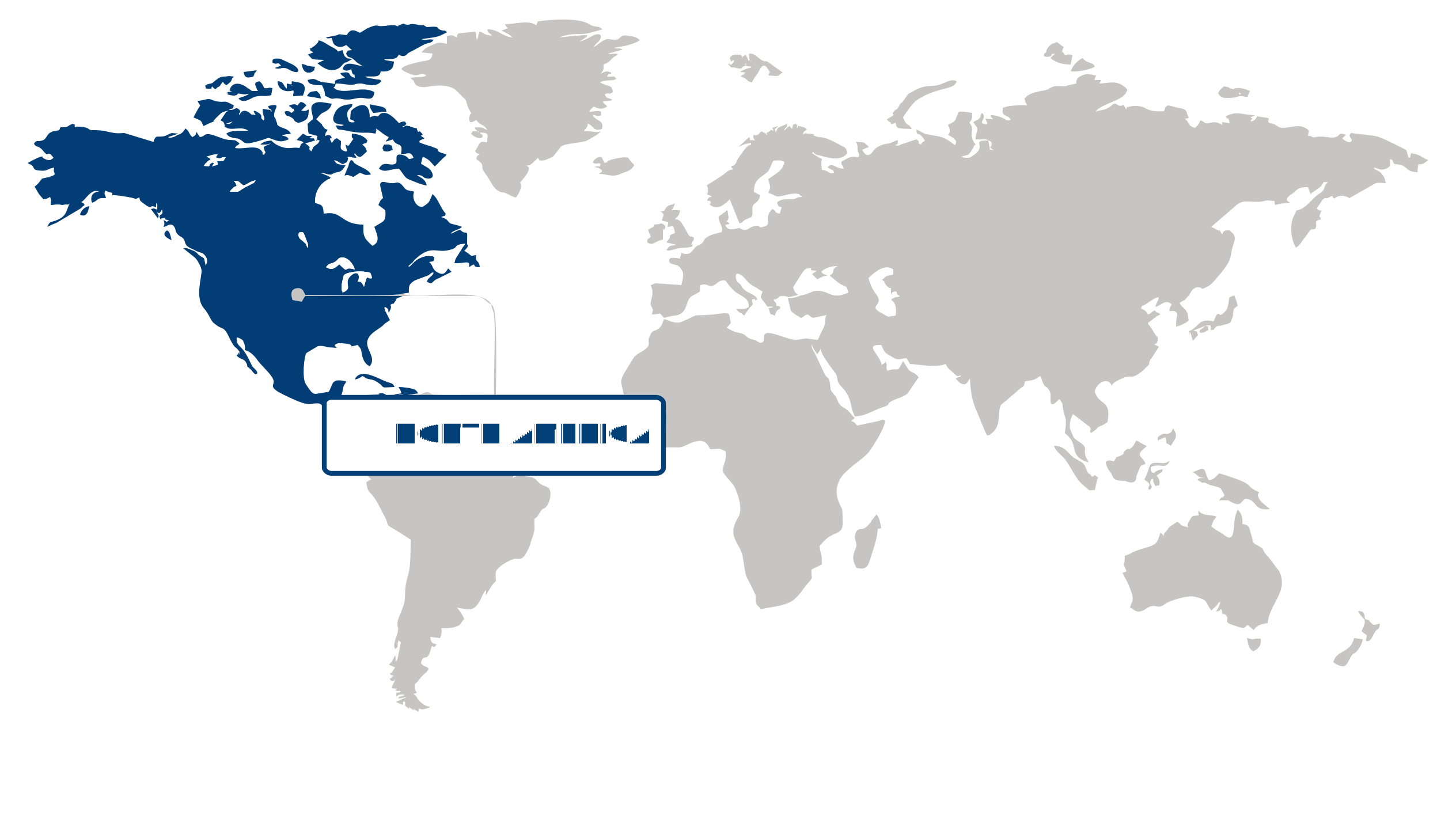
North America captured 36.8% of the global nanoemulsion market in 2025 and stands as the largest regional contributor by share. This leadership is underpinned by concentrated demand from pharmaceutical, cosmetics, and nutraceutical sectors together with deep R&D and scale-up capacity; for example, sustained funding from the National Institutes of Health and the National Nanotechnology Initiative has enabled translational programs, while the U.S. Food and Drug Administration’s guidance on nanotechnology-informed product development has clarified regulatory pathways for formulators. Major firms citing delivery-technology investments, such as Pfizer and Estée Lauder Companies, and trade data highlighted by the Council for Responsible Nutrition on supplement growth, provide qualitative evidence of cross-sector pull. Given these structural assets—research hubs, contract development and manufacturing organizations, and clearer regulatory expectations—North America offers high-return opportunities for targeted clinical formulations, advanced topical cosmetics, and bioavailable nutraceutical launches.
The United States anchors the North American market for the nanoemulsion market, acting as the primary innovation and commercialization engine. U.S. strengths manifest in concentrated academic-industrial ecosystems (illustrated by National Cancer Institute funding for nanodelivery research), regulatory engagement through the U.S. Food and Drug Administration that accelerates pathway definition, and corporate R&D commitments reported in Pfizer press releases and Estée Lauder Companies communications. Strong private and public investment, combined with robust clinical trial networks and CDMO capacity, means U.S.-focused product strategies—partnering with established pharma or leveraging specialized CMOs—will scale faster and de-risk market entry across North America.
Asia Pacific Market Analysis:
Asia-Pacific emerged as the fastest-growing region in the nanoemulsion market, registering a CAGR of 10.4%. The region’s acceleration is driven by rising demand for nanoemulsion-based cosmetics, functional foods, and healthcare products—consumers are trading up to high-efficacy topical and ingestible formats that improve bioavailability and sensory experience. Market intelligence from Euromonitor International highlights continued premiumization of skincare across APAC, while Grand View Research documents strong growth in functional foods demand; Chinese regulatory reform at the National Medical Products Administration (NMPA) and major R&I investments by firms such as L’Oréal and Shiseido have lowered barriers for innovative formulations. Combined with dense e-commerce distribution networks and expanding formulation talent pools, APAC offers scalable commercial pathways for both niche premium brands and large CPG players seeking rapid rollout across diverse markets.
Japan serves as a research- and quality-driven center in the nanoemulsion market, where an aging population and premium cosmetics culture push demand for clinically effective topical and nutraceutical delivery systems. Domestic players such as Shiseido and Kao Corporation have emphasized formulation R&D and patented delivery platforms in their corporate disclosures and sustainability/R&D reports, aligning product innovation with stringent Ministry of Health, Labour and Welfare (MHLW) regulation and consumer trust. High per-capita spending, sophisticated retail channels, and a strong specialty ingredient supply chain make Japan an ideal testbed for premium nanoemulsion launches and clinical validation that can be translated to neighboring APAC markets.
China acts as the scale and speed engine in the nanoemulsion market, where mass-market uptake is amplified by e-commerce and faster regulatory pathways. Platforms led by Alibaba Group (Tmall) and JD.com accelerate consumer trial and feedback loops for new nanoemulsion cosmetics and functional beverages, while NMPA reforms and heightened local manufacturing capacity support faster product introductions. Multinational R&I commitments—illustrated by L’Oréal’s expanded China research footprint—plus rapidly growing domestic brands create intense competitive intensity but also deep distribution reach. For investors and strategists, China offers rapid volume growth and consumer-learning opportunities that reinforce APAC’s regional leadership in nanoemulsion innovation and commercialization.
Europe Market Trends:
Europe held a substantial share of the nanoemulsion market, driven by strong cross‑sector demand for improved delivery systems in cosmetics, pharmaceuticals and food ingredients and by policy and supplier ecosystems that accelerate adoption. The European Commission’s Green Deal and circular economy initiatives, paired with attention from the European Chemicals Agency (ECHA) on nanoforms, have nudged formulators toward safer, lower‑energy emulsification techniques; Cosmetics Europe reporting on sustainable formulation trends and L'Oréal and Unilever research collaborations illustrate commercial momentum, while BASF and Croda investments in formulation platforms show supplier readiness. With regulatory clarity emerging and manufacturing scale-up capabilities available, Europe offers significant near-term opportunities for specialty players and contract manufacturers to capture premium segments.
Germany serves as an industrial anchor in the nanoemulsion market, where advanced chemical manufacturing and engineering capabilities enable commercialization at scale. Major German specialty-chemicals firms such as BASF and Evonik provide excipients and process technologies that support high‑quality formulations, and Fraunhofer research groups have published applied work on nanoencapsulation methods, while the Federal Ministry for Economic Affairs and Climate Action’s industrial and decarbonization policies help reduce operational barriers; together these factors compress time-to-market for formulation companies. Strategically, Germany’s production depth and regulatory alignment position it as a regional manufacturing hub for firms seeking reliable supply, technical partnerships, and export scale.
France functions as a consumer and innovation hub in the nanoemulsion market, with a dense cosmetics ecosystem and strong R&D in dermatological delivery systems. L'Oréal’s formulation research and public disclosures on sustainable product lines, alongside regulatory engagement by ANSES on nanomaterial safety, shape product design and market acceptance, while an active startup scene and university spinouts accelerate ingredient innovation; French consumers’ preference for premium, eco-conscious personal care supports rapid uptake. For investors and suppliers, France offers a high-value testbed for premium nanoemulsion formulations and consumer validation that can be scaled across Europe.
| Parameter | North America | Asia Pacific | Europe | Latin America | MEA |
|---|---|---|---|---|---|
| Innovation HubiScaleNascentDeveloping Advanced | |||||
| Cost-Sensitive RegioniScaleLowMedium High | |||||
| Regulatory EnvironmentiScaleRestrictiveNeutral Supportive | |||||
| Demand DriversiScaleWeakModerate Strong | |||||
| Development StageiScaleEmergingDeveloping Developed | |||||
| Adoption RateiScaleLowMedium High | |||||
| New Entrants / StartupsiScaleSparseModerate Dense | |||||
| Macro IndicatorsiScaleWeakStable Strong |
Nanoemulsion Market Share (%), by Distribution Channel, 2026
Go beyond the chart, access full insights & data tables
Request Free Sample ReportHospital Pharmacy dominated the nanoemulsion market in 2025 among distribution segments, reflecting its largest share as hospital-based facilities account for high-volume dispensing and inpatient/infusion use of advanced formulations. Leadership stems from the driver of hospital dispensing volumes and concentrated procurement via hospital formularies, which American Society of Health-System Pharmacists (ASHP) guidance and American Hospital Association (AHA) reporting show favor integrated pharmacy services and clinical trial supply chains. This position is reinforced by payer and clinician preferences for hospital-managed specialty therapies, supply-chain consolidation, and digital inventory systems; it creates strategic advantages for established manufacturers through institutional contracting and for emerging firms via hospital partnerships and pilot programs. With ongoing clinical adoption, regulatory engagement by the U.S. Food and Drug Administration (FDA), and hospital investment in specialty therapeutics, this distribution segment is likely to remain central in the near to medium term.
Analysis by Route of Administration
Topical represented largest share in the nanoemulsion market in 2025 among administration segments, driven by growing use of topical nanoemulsion formulations for dermatological and localized drug delivery. The leadership role is directly linked to improved dermal penetration and localized efficacy—factors highlighted in National Institutes of Health (NIH) publications and reflected in product development activity from companies such as L'Oréal exploring nanoemulsion carriers for topical applications. Consumer preference for noninvasive, fast-acting topical therapies, dermatology clinic adoption, and regulatory frameworks that facilitate topical product pathways support this trend; these dynamics offer established brands opportunities in clinic-to-retail rollouts and nimble entrants room for niche, targeted formulations. Given continued research into skin-targeted delivery, digital dermatologist-patient channels, and demand for differentiated topical therapeutics, topical segments should retain strategic relevance over the coming years.
Analysis by Drug Class
NSAIDs held largest share in the nanoemulsion market in 2025 among drug-class segments, supported by the rising demand for fast-acting pain and anti-inflammatory formulations. This leadership is rooted in the driver of demand for rapid-onset analgesia and enhanced bioavailability—areas documented in World Health Organization (WHO) analyses of global pain burden and in National Institutes of Health (NIH) research on nanoemulsion-enhanced drug delivery. Clinical preference for quick symptom relief, outpatient and sports-medicine treatment patterns, and manufacturer focus on shorter onset profiles drive adoption; manufacturers can leverage this through hospital and retail channels, while smaller innovators can differentiate with niche rapid-relief products. With persistent clinical need for effective analgesics, regulatory scrutiny on safety, and ongoing formulation advances, NSAID-focused nanoemulsion segments are positioned to remain important in the near to medium term.
| Segment | Sub-Segment | Largest Segment | Fastest Growing |
|---|---|---|---|
| Distribution Channel | Retail Pharmacy, Hospital Pharmacy, Online Pharmacy | ||
| Route of Administration | Topical, Parenteral, Oral, Nasal | ||
| Drug Class | Anesthetics, Steroids, NSAIDs, Immunosuppressant, Antimicrobials, Antiretroviral, Vasodilators, Others |
Unlock insights tailored to your business with our bespoke market research solutions.
Click to get your customized report now.
Competitive Landscape and Market Positioning
The competitive environment is characterized by capability integration and targeted enhancement of formulation toolkits to address performance and sustainability expectations. Market leaders have broadened product suites and built closer working relationships with end-users and research partners to accelerate adoption of droplet-control and bio-based chemistries, while investments in scalable processing and modular production differentiate propositions on cost and speed. This dynamic favors firms that can combine technical differentiation with reliable supply and application support, pushing competitors to refine niche offerings or scale distribution and service networks.
Strategic / Actionable Recommendations for Regional Players
North America: Leverage proximity to large pharmaceutical and CPG customers by strengthening ties with contract developers and ingredient specialists, piloting advanced high-energy and continuous processing approaches, and concentrating efforts on nutraceutical and agrochemical emulsions where formulation advantages can translate into clearer commercial acceptance.
Asia Pacific: Pursue collaborative links with regional formulators and academic centers to adapt lower-cost, bio-derived surfactants and simplified process routes; prioritize personal-care and functional-food applications and scale modular manufacturing hubs to capture fast-growing regional demand while managing logistics and input variability.
Europe: Emphasize sustainability-linked performance by combining renewable surfactant sourcing with certification and OEM engagement, target premium personal-care and pharmaceutical delivery niches where differentiation commands margins, and implement circular-process improvements in production to maintain competitiveness against lower-cost entrants.
| Company | Market Share | Company Revenue | Revenue CAGR (%) | Product Portfolio | Geographic Presence | Innovation / R&D Focus | Strategic Developments |
|---|---|---|---|---|---|---|---|
| No companies available. | |||||||
Customize Your Report
Explore examples of how this report can be tailored to different research needs, including custom segments, additional topics or chapters, and related reports. Click a section of the wheel or its numbered marker to explore the available options.
Nanoemulsion Market — Custom Segments
| Segment | Sub-Segment |
|---|---|
| No segment data available. | |
Nanoemulsion Market — Custom TOC
| Custom Chapter | Chapter Details |
|---|---|
| No custom TOC data available. | |
Need a different cut of the data?
Request Custom ResearchFrequently Asked Questions
What is the market size of nanoemulsion?
How is the nanoemulsion industry expected to grow over the next 10 years?
In which region is the nanoemulsion market share the greatest?
Where has the nanoemulsion sector recorded the sharpest year-over-year increase?
Why is the hospital pharmacy segment leading in the nanoemulsion industry?
Why does topical sub-segment dominate the route of administration segment of nanoemulsion sector?
How much is the NSAIDs segment expected to grow in the nanoemulsion industry beyond 2025?
Which organizations are considered leaders in the nanoemulsion landscape?
Our Clients
"The report helped us understand emerging consumer trends in our product category. It clarified where to focus innovation for the next product launch."
LyondellBasell
"The regional forecast section was incredibly useful. We were able to identify two new potential partners in Europe thanks to the vendor mapping you included."
SABIC
"We appreciated how actionable the recommendations were. It guided us to improve supply chain resilience."
Olin Corporation
Our Research Team & Methodology
Every Fundamental Business Insights report is built by a dedicated vertical research team, validated through a structured primary-and-secondary methodology, and reviewed for accuracy before it reaches you.
This report was prepared by the Chemicals & Materials Research Team at Fundamental Business Insights, a dedicated research group specializing in the global chemicals, advanced materials, and industrial manufacturing sectors. Our analysts continuously monitor raw material supply chains, feedstock pricing, production technologies, regulatory developments, sustainability initiatives, environmental compliance, trade dynamics, and evolving end-use applications to deliver timely and reliable market intelligence. The research is developed using a structured methodology that combines primary discussions with manufacturers, raw material suppliers, distributors, and industry experts, along with company annual reports, regulatory publications, government trade statistics, industry associations, technical literature, patent databases, and other authoritative secondary sources. Market estimates are validated through multiple research techniques, including top-down and bottom-up analysis, before undergoing an internal quality review to ensure accuracy, consistency, and methodological integrity prior to publication.
Delivery
Published
Available
Support
- Market Size & Forecast
- Market Segmentation
- Regional Analysis
- Growth Drivers & Challenges
- Market Dynamics
- Competitive Landscape
- Company Profiles
- Competitive Benchmarking
- Mergers & Acquisitions
- Market Share Analysis or Key Company Strategies
- Value Chain Analysis
- Porter's Five Forces
- PESTLE Analysis
- Pricing Trends
- Supply-Demand Analysis
- Technology Landscape
- Regulatory Landscape
- Investment & Funding Landscape
- Emerging Opportunities
- Future Market Outlook