Nano-enabled Packaging Market Size & Growth Forecast 2027–2036, By Segments (Type, Application), Regional Demand Trends (North America, Asia Pacific, Europe), Key Country Insights (U.S., Japan, South Korea, Germany, France, Italy), and Competitive Landscape
Jump to Content
Market Size and Growth Outlook
Nano-enabled Packaging Market size was estimated at USD 46.1 billion in 2026 and is projected to grow at a 11.78% CAGR from 2027 to 2036, attaining USD 140.39 billion by 2036. The industry revenue for 2027 is calculated at USD 50.67 billion.
Get more details on this report
Request Free Sample ReportNano-enabled Packaging Market Intelligence Snapshot
Regional Market Dynamics
- North America held a 31.37% market share in 2026, supported by mature packaging value chains, strong commercialization capabilities, and sustained demand for high-performance packaging across food, healthcare, and personal care applications.
- Asia Pacific is projected to grow at a 13.78% CAGR, fueled by expanding manufacturing, rising packaged goods consumption, and increasing adoption of advanced packaging materials for improved durability and product protection.
Segment Momentum
- Intelligent & Smart Packaging leads with 81.32% share due to strong adoption for tracking, condition monitoring, and shelf-life visibility across supply chains. Active Packaging grows on demand for freshness preservation and spoilage reduction through direct environmental interaction.
- Food & Beverages holds 36.78% share due to high-volume demand for freshness maintenance, quality protection, and shelf-life management that reduces waste. Pharmaceuticals grow fastest as stricter stability, protection, and handling needs intensify for sensitive formulations.
Market Expansion Drivers
- Rising demand for extended shelf life and food safety in packaged food industry.
- Expansion of pharmaceutical packaging requirements for moisture and UV protection.
- Increasing adoption of sustainable and smart packaging technologies.
Leading Market Participants
- Major players in the nano-enabled packaging market include Amcor plc (Switzerland), Sealed Air Corporation (United States), Tetra Pak International S.A (Switzerland), Sonoco Products Company (United States), CCL Industries Inc. (Canada), Klöckner Pentaplast Group (Luxembourg), BASF SE (Germany), Avery Dennison Corporation (United States), DuPont Teijin Films (Japan), Checkpoint Systems, Inc. (United States).
Global Market Forecast Snapshot
Market Outlook
- 2026 Market Size: USD 46.1 billion
- 2027 Estimated Market Size: USD 50.67 billion.
- Projected Market Size: USD 140.39 billion by 2036
- Growth Forecast: 11.78% CAGR (2027-2036)
Regional and Segment Outlook
- Leading Regional Market: North America
- High-Growth Regional Hub: Asia Pacific
- Core Revenue Segment: Intelligent & Smart Packaging (Type) | Food & Beverages (Application)
- Emerging Opportunity Segment: Active Packaging (Type) | Pharmaceuticals (Application)
Market Growth Drivers and Industry Trends
Rising demand for extended shelf life and food safety in packaged food industry
The nano-enabled packaging market is gaining traction as packaged food producers seek stronger protection against deterioration and contamination. Nano-enabled materials can enhance barrier properties and help limit exposure to factors that affect product quality, supporting longer shelf life and improved food safety while helping packaging maintain product integrity during storage and distribution.
Expansion of pharmaceutical packaging requirements for moisture and UV protection
Growing pharmaceutical packaging requirements are strengthening the nano-enabled packaging market as sensitive medicines require effective protection from environmental exposure. Advanced nano-enabled barrier technologies can improve resistance to moisture and UV radiation, helping preserve product stability and quality while enabling packaging systems to address the specialized protection requirements associated with pharmaceutical products.
Increasing adoption of sustainable and smart packaging technologies
The nano-enabled packaging market is benefiting from increasing interest in packaging solutions that combine sustainability with intelligent functionality. Nano-enabled technologies can support advanced material performance and smart packaging capabilities, allowing manufacturers to pursue packaging systems that provide enhanced protection while aligning with evolving requirements for resource efficiency, product monitoring, and improved packaging functionality.
| Growth Driver | Impact on CAGR | Regulatory Influence | Geographic Relevance | Adoption Rate | Impact Timeline |
|---|---|---|---|---|---|
| Rising demand for extended shelf life and food safety in packaged food industry | 2.10% | Moderate | Asia Pacific, North America | High | Near Term |
| Expansion of pharmaceutical packaging requirements for moisture and UV protection | 1.90% | High | Global | High | Mid Term |
| Increasing adoption of sustainable and smart packaging technologies | 1.80% | Moderate | Europe, North America | Medium | Mid Term |
Explore Growth Opportunities
Request Free Sample ReportRegional Demand Dynamics
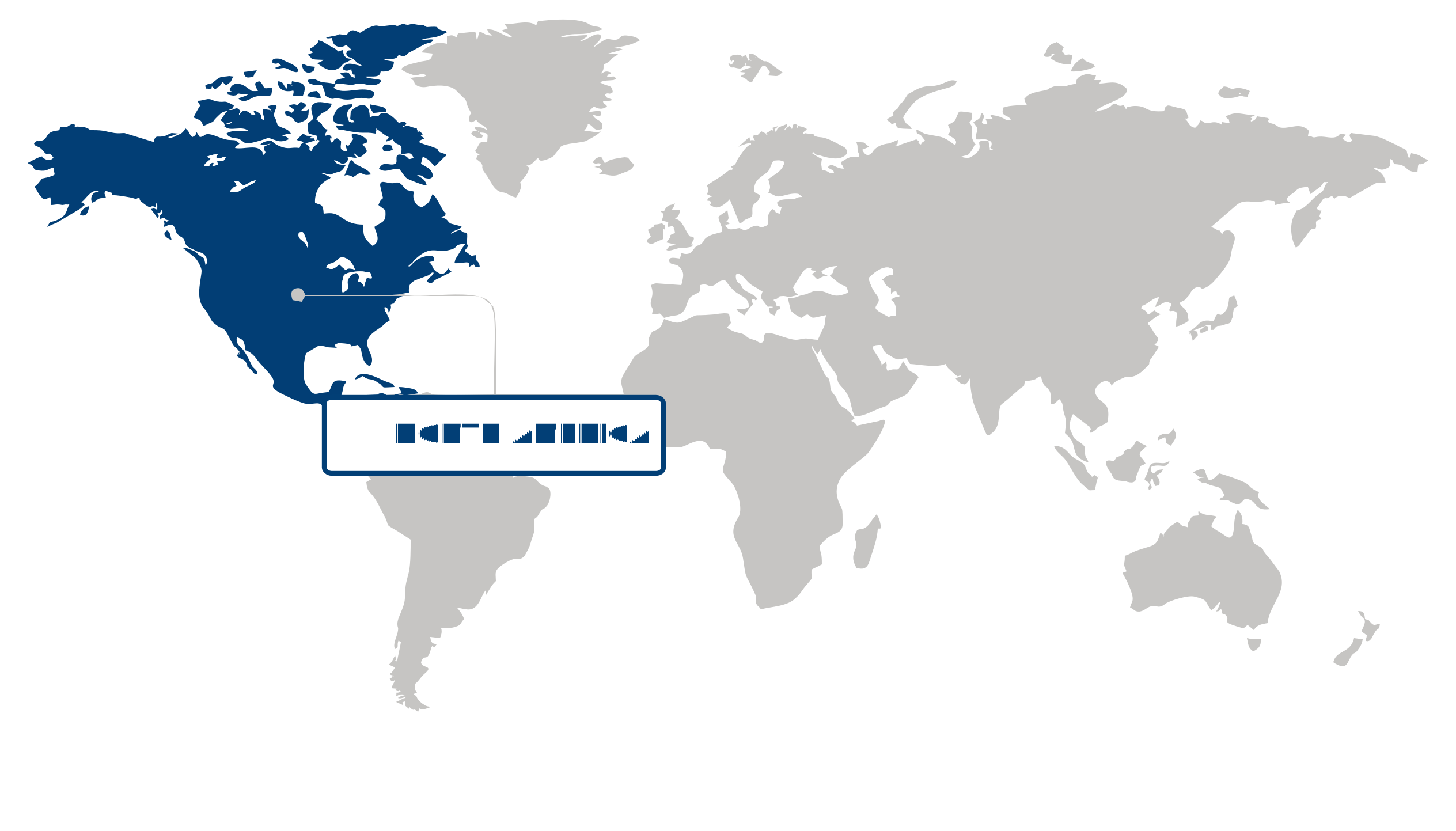
North America (Largest Region)
North America dominated the nano-enabled packaging market with a 31.37% share in 2026, supported by strong demand for advanced packaging solutions across food, beverages, healthcare, and other consumer-oriented industries. The region benefits from sophisticated packaging infrastructure, established research capabilities, and increasing interest in technologies that can improve barrier performance, product protection, shelf life, and packaging efficiency. Growing attention to food safety, waste reduction, and sustainable material use is also encouraging investment in innovative packaging technologies. In addition, the region's advanced manufacturing ecosystem and willingness among end users to adopt higher-value materials support the integration of nanotechnology into packaging applications, strengthening its overall market position.
Asia Pacific (Fastest-Growing Region)
Asia Pacific is emerging as the fastest-growing regional market, driven by expanding manufacturing activity, rising consumption of packaged goods, and rapid development of food and beverage, pharmaceutical, and consumer product industries. Urbanization and changing consumption patterns are increasing the need for packaging that provides improved protection, durability, and product preservation. At the same time, expanding industrial capabilities and greater investment in advanced materials are creating a favorable environment for nano-enabled packaging adoption. Growing regulatory attention to food quality and packaging safety, alongside efforts to reduce material waste and improve supply-chain efficiency, is further encouraging manufacturers to explore innovative packaging technologies.
| Parameter | North America | Asia Pacific | Europe | Latin America | MEA |
|---|---|---|---|---|---|
| Innovation HubiScaleNascentDeveloping Advanced | |||||
| Cost-Sensitive RegioniScaleLowMedium High | |||||
| Regulatory EnvironmentiScaleRestrictiveNeutral Supportive | |||||
| Demand DriversiScaleWeakModerate Strong | |||||
| Development StageiScaleEmergingDeveloping Developed | |||||
| Adoption RateiScaleLowMedium High | |||||
| New Entrants / StartupsiScaleSparseModerate Dense | |||||
| Macro IndicatorsiScaleWeakStable Strong |
Key Country Insights
Germany 🇩🇪
Sustainable Barrier SolutionsGermany develops nano-enabled packaging technologies that strengthen material performance while supporting sustainability objectives. Manufacturers prioritize recyclable packaging formats with enhanced protection, durability, and resource efficiency for industrial and consumer applications.
France 🇫🇷
Food Safety EnhancementFrance promotes nano-enabled packaging solutions that strengthen food preservation and packaging performance while maintaining regulatory compliance. Companies evaluate advanced materials that improve barrier properties and support premium packaged food applications.
Italy 🇮🇹
Premium Packaging InnovationItaly applies nano-enabled packaging technologies across food, beverage, and specialty consumer products requiring enhanced protection and presentation. Packaging manufacturers increasingly invest in advanced materials that extend product integrity while maintaining production efficiency.
Japan 🇯🇵
Functional Packaging DesignJapan emphasizes nano-enabled packaging solutions that improve shelf life, product protection, and compact packaging performance. Domestic companies continue integrating advanced material science into high-value food, healthcare, and consumer packaging applications.
South Korea 🇰🇷
Advanced Material CommercializationSouth Korea accelerates commercialization of nano-enabled packaging through collaboration between material developers and packaging manufacturers. Market activity focuses on functional coatings, antimicrobial performance, and compatibility with modern production processes.
United States 🇺🇸
Smart Packaging AdoptionThe U.S. advances nano-enabled packaging through innovations that improve food preservation, barrier performance, and intelligent packaging functionality. Companies increasingly evaluate nanotechnology to enhance product quality while meeting packaging safety expectations.
Nano-enabled Packaging Market Share (%), by Type, 2026
Go beyond the chart, access full insights & data tables
Request Free Sample ReportType Segment Analysis: Intelligent & Smart Packaging (Largest Segment) vs Active Packaging (Fastest-Growing Segment)
Intelligent & smart packaging held the largest share of the nano-enabled packaging market in 2026, accounting for 81.32% of the market. Its dominance reflects growing demand for packaging systems that provide information, monitoring, traceability, and enhanced visibility throughout product distribution and consumption. Nano-enabled technologies can support sensing and indication functions that improve product monitoring and help address concerns related to quality, freshness, authenticity, and supply-chain visibility. Increasing emphasis on connected packaging and greater integration of advanced materials into packaging systems is reinforcing the segment's leading position.
Active packaging is experiencing the fastest growth as manufacturers increasingly seek packaging solutions that actively help maintain product quality and extend shelf life. Nano-enabled active systems can support functions such as moisture management, antimicrobial protection, oxygen control, and other mechanisms that help preserve packaged products. Rising demand for improved food preservation, reduced product losses, and more functional packaging is encouraging investment in technologies that provide protection beyond the conventional physical barrier offered by packaging materials.
Application Segment Analysis: Food & Beverages (Largest Segment) vs Pharmaceuticals (Fastest-Growing Segment)
Food & beverages represented the largest application segment of the nano-enabled packaging market in 2026, holding a 36.78% share. The segment benefits from the growing need to preserve product quality, maintain freshness, improve shelf life, and strengthen packaging-based protection across a wide range of food and beverage products. Nano-enabled materials can provide enhanced barrier and functional properties, helping manufacturers address moisture, oxygen, contamination, and product degradation concerns. Increasing consumer expectations for safe, high-quality packaged products are further supporting the adoption of advanced packaging technologies.
Pharmaceuticals are gaining momentum as the fastest-growing application segment, driven by the need for packaging that provides stronger protection, product integrity, traceability, and controlled storage conditions. Nano-enabled packaging technologies can contribute to improved barrier performance and advanced monitoring capabilities, which are particularly valuable for sensitive medicines and healthcare products. Increasing attention to pharmaceutical safety, product authentication, and supply-chain integrity is creating additional opportunities for sophisticated packaging solutions in the healthcare sector.
| Segment | Sub-Segment | Largest Segment | Fastest Growing |
|---|---|---|---|
| Type | Intelligent & Smart Packaging, Active Packaging | Intelligent & Smart Packaging | Active Packaging |
| Application | Food & Beverages, Pharmaceuticals, Personal Care & Cosmetics, Consumer Electronics, Others | Food & Beverages | Pharmaceuticals |
Unlock insights tailored to your business with our bespoke market research solutions.
Click to get your customized report now.
Competitive Landscape and Market Positioning
Prominent players in the nano-enabled packaging market:
1. Amcor plc (Switzerland)
2. Sealed Air Corporation (United States)
3. Tetra Pak International S.A (Switzerland)
4. Sonoco Products Company (United States)
5. CCL Industries Inc. (Canada)
6. Klöckner Pentaplast Group (Luxembourg)
7. BASF SE (Germany)
8. Avery Dennison Corporation (United States)
9. DuPont Teijin Films (Japan)
10. Checkpoint Systems Inc. (United States)
The nano-enabled packaging market is advancing through integration of smart material technologies that enhance preservation and shelf life. Innovations in barrier performance and functional coatings are expanding application scope. Increasing focus on sustainability is also influencing material design strategies.
| Company | Market Share | Company Revenue | Revenue CAGR (%) | Product Portfolio | Geographic Presence | Innovation / R&D Focus | Strategic Developments |
|---|---|---|---|---|---|---|---|
| Amcor plc (Switzerland) | |||||||
| Sealed Air Corporation (United States) | |||||||
| Tetra Pak International S.A (Switzerland) | |||||||
| Sonoco Products Company (United States) | |||||||
| CCL Industries Inc. (Canada) | |||||||
| Klöckner Pentaplast Group (Luxembourg) | |||||||
| BASF SE (Germany) | |||||||
| Avery Dennison Corporation (United States) | |||||||
| DuPont Teijin Films (Japan) | |||||||
| Checkpoint Systems Inc. (United States). |
Industry Development/News
| Company Name | Date | Key Development |
|---|---|---|
| Sonoco | Jun-24 | Sonoco entered into an agreement to acquire Evisoys from KPS Capital Partners for USD 3.9 billion. The transaction is positioned to strengthen Sonoco’s core packaging business and support investment in higher-return growth opportunities, enhancing its scale and strategic positioning within advanced and sustainable packaging markets. |
| Amcor | Mar-23 | Amcor entered a joint research project with Nfinite Nanotechnology Inc. to validate nanocoating technology aimed at improving compostable and recyclable packaging solutions. The initiative focuses on integrating nano-enabled coatings into packaging structures to enhance sustainability performance and functional packaging properties. |
| Aptar Food + Beverage | Mar-20 | Aptar Food + Beverage launched the InvisiShield platform, an anti-pathogenic packaging technology integrated into sealed packaging formats. The system is designed to protect fresh-cut produce from bacteria, viruses, and fungi, representing a functional innovation in active packaging aimed at improving food safety and extending protective capabilities. |
Customize Your Report
Explore examples of how this report can be tailored to different research needs, including custom segments, additional topics or chapters, and related reports. Click a section of the wheel or its numbered marker to explore the available options.
Nano-enabled Packaging Market — Custom Segments
| Segment | Sub-Segment |
|---|---|
| Nanomaterial Type | Nanoclays, Metal & Metal Oxide Nanoparticles, Nanocellulose, Carbon-Based Nanomaterials |
| Packaging Format | Flexible Packaging, Rigid Packaging, Semi-Rigid Packaging |
| Manufacturing Technology | Nanocomposite Extrusion & Blending, Nano-Coating & Surface Treatment, Layer-by-Layer Deposition & Lamination |
Nano-enabled Packaging Market — Custom TOC
| Custom Chapter | Chapter Details |
|---|---|
| Nanotechnology Adoption Roadmap |
|
| Smart Packaging Opportunity Mapping |
|
| Regulatory Readiness and Compliance Pathways |
|
Need a different cut of the data?
Request Custom ResearchFrequently Asked Questions
What is the market size of nano-enabled packaging?
How will the nano-enabled packaging industry grow in terms of size and CAGR by 2036?
How is rising demand for extended shelf life and food safety shaping adoption in the nano-enabled packaging market?
Why is pharmaceutical packaging performance becoming a key growth driver for nano-enabled solutions?
Why does Intelligent & Smart Packaging dominate the nano-enabled packaging market, and what is driving growth of Active Packaging?
What makes Food & Beverages the largest application, and why are Pharmaceuticals growing fastest?
Why does North America lead the nano-enabled packaging market?
What is driving rapid growth in the nano-enabled packaging market across Asia Pacific?
Which organizations are considered leaders in the nano-enabled packaging landscape?
Our Clients
"The report helped us understand emerging consumer trends in our product category. It clarified where to focus innovation for the next product launch."
LyondellBasell
"The regional forecast section was incredibly useful. We were able to identify two new potential partners in Europe thanks to the vendor mapping you included."
SABIC
"We appreciated how actionable the recommendations were. It guided us to improve supply chain resilience."
Olin Corporation
Our Research Team & Methodology
Every Fundamental Business Insights report is built by a dedicated vertical research team, validated through a structured primary-and-secondary methodology, and reviewed for accuracy before it reaches you.
This report was prepared by the Chemicals & Materials Research Team at Fundamental Business Insights, a dedicated research group specializing in the global chemicals, advanced materials, and industrial manufacturing sectors. Our analysts continuously monitor raw material supply chains, feedstock pricing, production technologies, regulatory developments, sustainability initiatives, environmental compliance, trade dynamics, and evolving end-use applications to deliver timely and reliable market intelligence. The research is developed using a structured methodology that combines primary discussions with manufacturers, raw material suppliers, distributors, and industry experts, along with company annual reports, regulatory publications, government trade statistics, industry associations, technical literature, patent databases, and other authoritative secondary sources. Market estimates are validated through multiple research techniques, including top-down and bottom-up analysis, before undergoing an internal quality review to ensure accuracy, consistency, and methodological integrity prior to publication.
Delivery
Published
Available
Support
- Market Size & Forecast
- Market Segmentation
- Regional Analysis
- Growth Drivers & Challenges
- Market Dynamics
- Competitive Landscape
- Company Profiles
- Competitive Benchmarking
- Mergers & Acquisitions
- Market Share Analysis or Key Company Strategies
- Value Chain Analysis
- Porter's Five Forces
- PESTLE Analysis
- Pricing Trends
- Supply-Demand Analysis
- Technology Landscape
- Regulatory Landscape
- Investment & Funding Landscape
- Emerging Opportunities
- Future Market Outlook