Mulching Materials Market Size & Growth Forecast 2027–2036, By Segments (Product, Application), Regional Demand Trends (North America, Asia Pacific, Europe), Key Country Insights (U.S., Japan, South Korea, Germany, France, Italy), and Competitive Landscape
Jump to Content
Market Size and Growth Outlook
Mulching Materials Market size was around USD 4.9 billion in 2026 and is slated to grow at a 7.41% CAGR from 2027 to 2036, surpassing USD 10.01 billion by 2036. The industry revenue for 2027 is estimated at USD 5.21 billion.
Get more details on this report
Request Free Sample ReportMulching Materials Market Intelligence Snapshot
Regional Market Dynamics
- North America accounted for 45.16% of the market in 2026, supported by widespread use across agriculture, landscaping, and gardening, with consistent demand from professional and residential applications.
- Asia Pacific is expected to grow at an 8.81% CAGR as farmers increasingly adopt mulching materials to improve moisture management, reduce weeds, and enhance cultivation efficiency.
Segment Momentum
- Organic mulch held a 57.96% share in 2026, driven by widespread use for soil health, moisture retention, and nutrient support across agricultural and horticultural applications.
- Residential is the fastest-growing application segment as more homeowners adopt mulching for home gardening, weed control, moisture retention, and easier landscape maintenance.
Market Expansion Drivers
- Rising adoption of sustainable and organic farming practices increasing mulching material usage.
- Growing demand for biodegradable and eco-friendly mulch alternatives reducing environmental impact.
- Expansion of precision agriculture and automated mulching systems improving farm efficiency.
Leading Market Participants
- Top players in the mulching materials market include The Scotts Miracle-Gro Company (United States), BASF SE (Germany), Novamont S.p.A. (Italy), Ohio Mulch Supply, Inc. (United States), FKuR Kunststoff GmbH (Germany), Cowart Mulch Products, Inc. (United States), Bailey Bark Materials, Inc. (United States), Jolly Gardener Products Inc. (United States), Woodland Mulch, Inc. (United States), Renewable Fiber, Inc. (United States).
Global Market Forecast Snapshot
Market Outlook
- 2026 Market Size: USD 4.9 billion
- 2027 Estimated Market Size: USD 5.21 billion.
- Projected Market Size: USD 10.01 billion by 2036
- Growth Forecast: 7.41% CAGR (2027-2036)
Regional and Segment Outlook
- Leading Regional Market: North America
- High-Growth Regional Hub: Asia Pacific
- Core Revenue Segment: Organic (Product) | Horticulture (Application)
- Emerging Opportunity Segment: Inorganic (Product) | Residential (Application)
Market Growth Drivers and Industry Trends
Rising adoption of sustainable and organic farming practices increasing mulching material usage
The mulching materials market is gaining momentum as farmers increasingly adopt sustainable and organic cultivation practices aimed at improving soil management while reducing reliance on intensive agricultural inputs. Mulching helps conserve soil moisture, suppress weed growth, regulate soil temperature, and protect soil surfaces from erosion, making it particularly relevant to resource-efficient farming systems. Organic farming operations can also use materials such as straw, plant residues, and other natural coverings to support soil health and maintain favorable growing conditions. As agricultural producers place greater emphasis on efficient resource utilization and environmentally responsible cultivation, mulching is becoming an increasingly integrated component of crop-management practices.
Growing demand for biodegradable and eco-friendly mulch alternatives reducing environmental impact
Increasing environmental awareness among agricultural producers is encouraging a shift toward mulch solutions that can provide agronomic benefits without creating persistent waste after use. Biodegradable alternatives are gaining attention because they can decompose under suitable conditions, reducing the need for removal and disposal associated with some conventional materials. Within the mulching materials market, this transition is supported by efforts to minimize plastic waste, improve soil stewardship, and align agricultural production with sustainability objectives. The availability of natural fibers, plant-based materials, and other environmentally oriented solutions is expanding the range of options available to growers seeking effective weed suppression and moisture retention while limiting the long-term environmental burden of field coverings.
Expansion of precision agriculture and automated mulching systems improving farm efficiency
The growing adoption of precision agriculture is encouraging farmers to integrate mulching practices with equipment and technologies designed to improve consistency and reduce manual intervention. Automated mulching systems can support more uniform placement, improve coverage across cultivated areas, and reduce labor requirements associated with field preparation and maintenance. As the mulching materials market becomes increasingly connected with mechanized farming workflows, growers can combine material application with broader precision-based approaches for crop and resource management. This integration is particularly valuable for larger-scale agricultural operations seeking greater operational consistency, optimized use of materials, and improved workforce productivity during cultivation activities.
| Growth Driver | Impact on CAGR | Regulatory Influence | Geographic Relevance | Adoption Rate | Impact Timeline |
|---|---|---|---|---|---|
| Rising adoption of sustainable and organic farming practices increasing mulching material usage | 2.00% | Moderate | North America, Asia Pacific | High | Near Term |
| Growing demand for biodegradable and eco-friendly mulch alternatives reducing environmental impact | 1.70% | High | Europe, North America | High | Mid Term |
| Expansion of precision agriculture and automated mulching systems improving farm efficiency | 1.50% | Moderate | Asia Pacific, North America | Emerging | Mid Term |
Explore Growth Opportunities
Request Free Sample ReportRegional Demand Dynamics
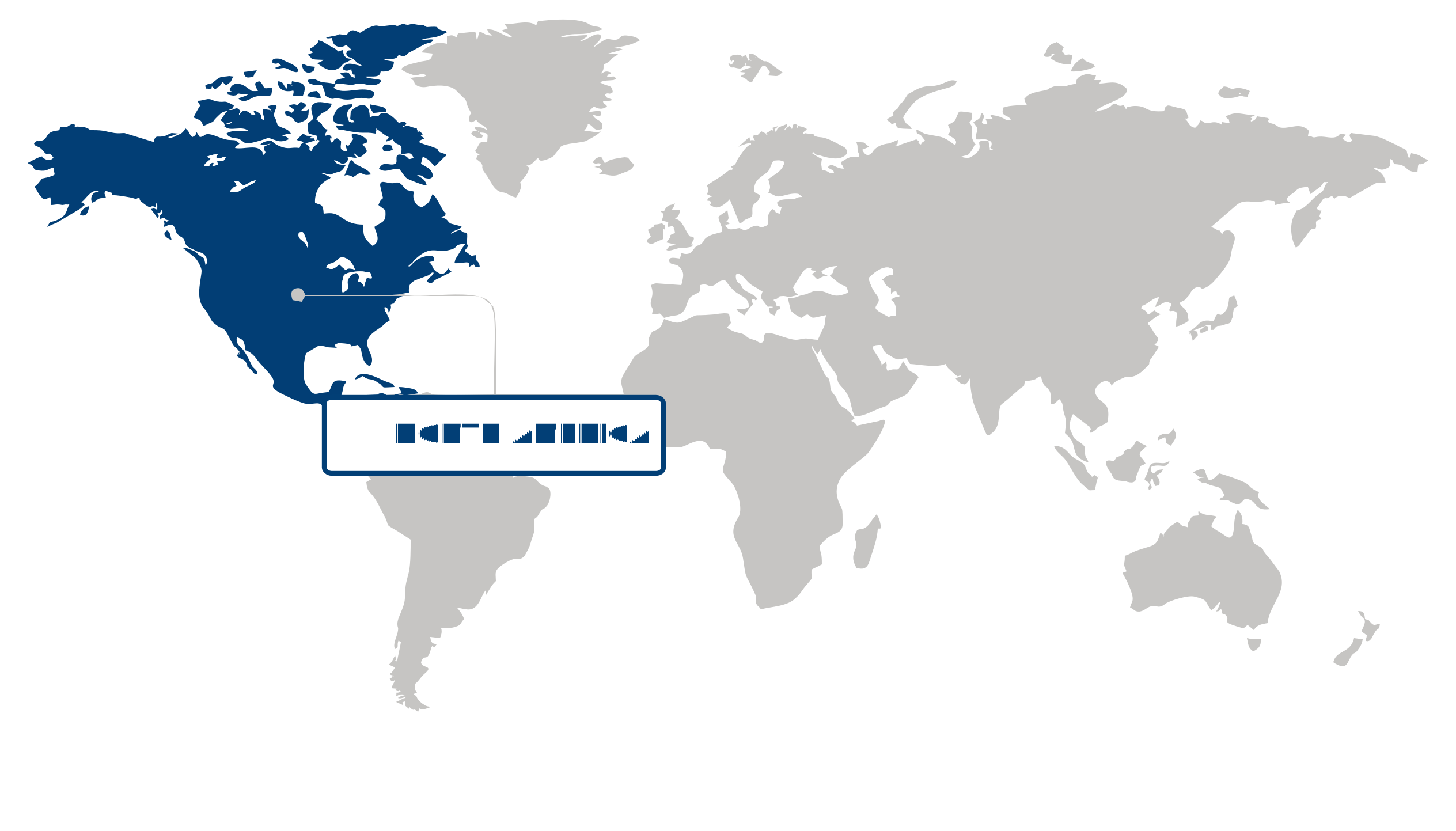
North America (Largest Region)
In the mulching materials market, North America held the largest share of 45.16% in 2026, reflecting widespread adoption of agricultural and horticultural practices focused on soil conservation, moisture management, and improved crop productivity. Farmers and commercial growers increasingly use mulch to suppress weeds, regulate soil temperature, and reduce moisture loss, particularly as resource efficiency becomes more important in agricultural operations. The region's established farming infrastructure, mechanized cultivation practices, and growing interest in sustainable land management also support demand for both organic and synthetic mulching solutions. Greater emphasis on efficient water use and soil health is further strengthening market adoption.
Asia Pacific (Fastest-Growing Region)
Asia Pacific is experiencing the fastest growth as agricultural producers respond to increasing food demand, changing climatic conditions, and the need to improve cultivation efficiency. Expanding horticulture, protected agriculture, and commercial farming activities are creating broader opportunities for mulching materials. Growing awareness of soil moisture conservation and weed management is encouraging farmers to adopt practical cultivation technologies, while agricultural modernization initiatives are improving access to improved farming inputs. The increasing use of plastic and biodegradable mulch solutions across high-value crops is also contributing to regional market expansion.
| Parameter | North America | Asia Pacific | Europe | Latin America | MEA |
|---|---|---|---|---|---|
| Innovation HubiScaleNascentDeveloping Advanced | |||||
| Cost-Sensitive RegioniScaleLowMedium High | |||||
| Regulatory EnvironmentiScaleRestrictiveNeutral Supportive | |||||
| Demand DriversiScaleWeakModerate Strong | |||||
| Development StageiScaleEmergingDeveloping Developed | |||||
| Adoption RateiScaleLowMedium High | |||||
| New Entrants / StartupsiScaleSparseModerate Dense | |||||
| Macro IndicatorsiScaleWeakStable Strong |
Key Country Insights
Germany 🇩🇪
Circular Material AdoptionGermany prioritizes mulching materials with recyclable or biodegradable characteristics to align with sustainable farming practices. Manufacturers in Germany are developing high-performance solutions that balance field durability with environmental compliance for agricultural and landscaping applications.
France 🇫🇷
Specialty Crop EfficiencyFrance emphasizes mulching materials that support vineyard, fruit, and vegetable production while improving soil conservation. French growers increasingly select products offering durability and environmental compatibility to meet evolving agricultural sustainability objectives.
Italy 🇮🇹
Horticultural Productivity FocusItaly applies mulching materials extensively in horticulture to improve crop quality and optimize irrigation efficiency. Italian suppliers continue refining biodegradable and climate-adapted products that meet the operational needs of diversified agricultural producers.
Japan 🇯🇵
Precision Cultivation SupportJapan focuses on advanced mulching materials that enhance productivity in intensive and space-efficient farming systems. Agricultural users in Japan increasingly value products that improve soil temperature regulation and reduce maintenance in high-value crop cultivation.
South Korea 🇰🇷
Smart Farming IntegrationSouth Korea is incorporating mulching materials into modern cultivation practices that emphasize efficient resource management. Producers in South Korea are introducing durable and eco-friendly products compatible with protected agriculture and technology-driven farming operations.
United States 🇺🇸
Sustainable Crop ManagementThe U.S. mulching materials market is emphasizing biodegradable films and durable landscape solutions that improve moisture retention and weed control. Growers in the U.S. are adopting materials that reduce labor requirements while supporting efficient water use across commercial agriculture and horticulture.
Mulching Materials Market Share (%), by Product, 2026
Go beyond the chart, access full insights & data tables
Request Free Sample ReportProduct Segment Analysis: Organic (Largest Segment) vs Inorganic (Fastest-Growing Segment)
Organic materials accounted for the largest share of the mulching materials market, representing 57.96% in 2026, supported by their ability to improve soil structure while helping retain moisture and suppress unwanted plant growth. Materials such as plant residues and other biodegradable inputs also contribute organic matter to the soil as they decompose, making them attractive for growers seeking solutions that combine crop protection with soil-health benefits.
Inorganic materials are advancing at the fastest pace as growers increasingly seek durable mulching solutions that provide consistent weed suppression, moisture management, and temperature regulation. Their longer-lasting characteristics and suitability for intensive cultivation systems are supporting adoption where producers prioritize reduced replacement requirements and predictable field performance.
Application Segment Analysis: Horticulture (Largest Segment) vs Residential (Fastest-Growing Segment)
Horticulture held the largest position in the mulching materials market, accounting for 43.14% in 2026, driven by the need to manage soil moisture, weeds, temperature, and crop-growing conditions across fruit, vegetable, ornamental, and other horticultural production. Mulching can improve growing efficiency while helping protect crops from variable environmental conditions, making it an important cultivation practice across commercial horticultural operations.
Residential applications are experiencing the fastest growth as homeowners increasingly adopt mulching to improve garden appearance while supporting moisture conservation and reducing weed maintenance. Greater interest in sustainable landscaping, home gardening, and low-maintenance outdoor spaces is encouraging broader use of both organic and inorganic mulch materials in residential settings.
| Segment | Sub-Segment | Largest Segment | Fastest Growing |
|---|---|---|---|
| Product | Organic, Inorganic | Organic | Inorganic |
| Application | Residential, Horticulture, Others | Horticulture | Residential |
Unlock insights tailored to your business with our bespoke market research solutions.
Click to get your customized report now.
Competitive Landscape and Market Positioning
Major players in the mulching materials market:
1. The Scotts Miracle-Gro Company (United States)
2. BASF SE (Germany)
3. Novamont S.p.A. (Italy)
4. Ohio Mulch Supply Inc. (United States)
5. FKuR Kunststoff GmbH (Germany)
6. Cowart Mulch Products Inc. (United States)
7. Bailey Bark Materials Inc. (United States)
8. Jolly Gardener Products Inc. (United States)
9. Woodland Mulch Inc. (United States)
10. Renewable Fiber Inc. (United States)
Increasing focus on sustainable farming practices is influencing the mulching materials market, encouraging the development of advanced biodegradable and high-performance mulch solutions. Technological improvements in material composition are supporting better moisture retention, weed control, and soil health while meeting evolving agricultural requirements.
| Company | Market Share | Company Revenue | Revenue CAGR (%) | Product Portfolio | Geographic Presence | Innovation / R&D Focus | Strategic Developments |
|---|---|---|---|---|---|---|---|
| The Scotts Miracle-Gro Company (United States) | |||||||
| BASF SE (Germany) | |||||||
| Novamont S.p.A. (Italy) | |||||||
| Ohio Mulch Supply Inc. (United States) | |||||||
| FKuR Kunststoff GmbH (Germany) | |||||||
| Cowart Mulch Products Inc. (United States) | |||||||
| Bailey Bark Materials Inc. (United States) | |||||||
| Jolly Gardener Products Inc. (United States) | |||||||
| Woodland Mulch Inc. (United States) | |||||||
| Renewable Fiber Inc. (United States). |
Customize Your Report
Explore examples of how this report can be tailored to different research needs, including custom segments, additional topics or chapters, and related reports. Click a section of the wheel or its numbered marker to explore the available options.
Mulching Materials Market — Custom Segments
| Segment | Sub-Segment |
|---|---|
| Crop Type | Row Crops, Fruits & Vegetables, Plantation Crops, Turf & Ornamentals |
| Farming Practice | Conventional Farming, Organic Farming, Protected Cultivation, Precision & Sustainable Farming |
| Sales Channel | Direct Sales, Distributors & Dealers, Retail & E-commerce |
Mulching Materials Market — Custom TOC
| Custom Chapter | Chapter Details |
|---|---|
| Plastic Mulch Replacement Roadmap |
|
| Sustainable Agriculture Adoption Assessment |
|
| Precision Farming Integration Assessment |
|
Need a different cut of the data?
Request Custom ResearchFrequently Asked Questions
What is the market size of mulching materials?
How is the mulching materials industry expected to grow over the next 10 years?
How are sustainable farming practices influencing purchasing behavior in the mulching materials market?
Why are biodegradable mulch materials gaining traction among commercial growers?
Why does the Organic segment lead the mulching materials market?
Which application segment is growing fastest in the mulching materials market?
Why is North America the leading mulching materials market?
What factors are accelerating mulching materials market growth in Asia Pacific?
Which organizations are considered leaders in the mulching materials landscape?
Our Clients
"The report helped us understand emerging consumer trends in our product category. It clarified where to focus innovation for the next product launch."
LyondellBasell
"The regional forecast section was incredibly useful. We were able to identify two new potential partners in Europe thanks to the vendor mapping you included."
SABIC
"We appreciated how actionable the recommendations were. It guided us to improve supply chain resilience."
Olin Corporation
Our Research Team & Methodology
Every Fundamental Business Insights report is built by a dedicated vertical research team, validated through a structured primary-and-secondary methodology, and reviewed for accuracy before it reaches you.
This report was prepared by the Chemicals & Materials Research Team at Fundamental Business Insights, a dedicated research group specializing in the global chemicals, advanced materials, and industrial manufacturing sectors. Our analysts continuously monitor raw material supply chains, feedstock pricing, production technologies, regulatory developments, sustainability initiatives, environmental compliance, trade dynamics, and evolving end-use applications to deliver timely and reliable market intelligence. The research is developed using a structured methodology that combines primary discussions with manufacturers, raw material suppliers, distributors, and industry experts, along with company annual reports, regulatory publications, government trade statistics, industry associations, technical literature, patent databases, and other authoritative secondary sources. Market estimates are validated through multiple research techniques, including top-down and bottom-up analysis, before undergoing an internal quality review to ensure accuracy, consistency, and methodological integrity prior to publication.
Delivery
Published
Available
Support
- Market Size & Forecast
- Market Segmentation
- Regional Analysis
- Growth Drivers & Challenges
- Market Dynamics
- Competitive Landscape
- Company Profiles
- Competitive Benchmarking
- Mergers & Acquisitions
- Market Share Analysis or Key Company Strategies
- Value Chain Analysis
- Porter's Five Forces
- PESTLE Analysis
- Pricing Trends
- Supply-Demand Analysis
- Technology Landscape
- Regulatory Landscape
- Investment & Funding Landscape
- Emerging Opportunities
- Future Market Outlook