Monopropylene Glycol Market Size & Share, By Application (Plastics, Resins, Textiles, Automotive Coolants, Fluids, Deicing, Antifreeze Applications, Pharmaceuticals, Cosmetics, Food, Beverage, Personal Care Products, Metalworking, Lubricants), Manufacturing Process (Hydrogen Peroxide Process, Propylene Oxide Process, Methanol Carbonylation Process), Grade (Commercial Grade, Pharmaceutical Grade, Food Grade, Industrial Grade), End-Use Industry - Growth Trends, Regional Insights (U.S., Japan, South Korea, UK, Germany), Competitive Positioning, Global Forecast Report 2025-2034

Report ID: FBI 17250| Published Date: Apr-2025| Format: PDF, Excel
Jump to Content
Market Outlook

Market Size and Growth Outlook

Monopropylene Glycol Market size is expected to see substantial growth, increasing from USD 17.97 billion in 2024 to USD 31.58 billion by 2034, at a CAGR of over 5.8%. By 2025, the industry revenue is estimated to be USD 18.8 billion.

Base Year Value (2024)
USD 17.97 Billion
CAGR (2025-2034)
5.8%
Forecast Year Value (2034)
USD 31.58 Billion
Historical Data Period
2021-2024
Largest Region
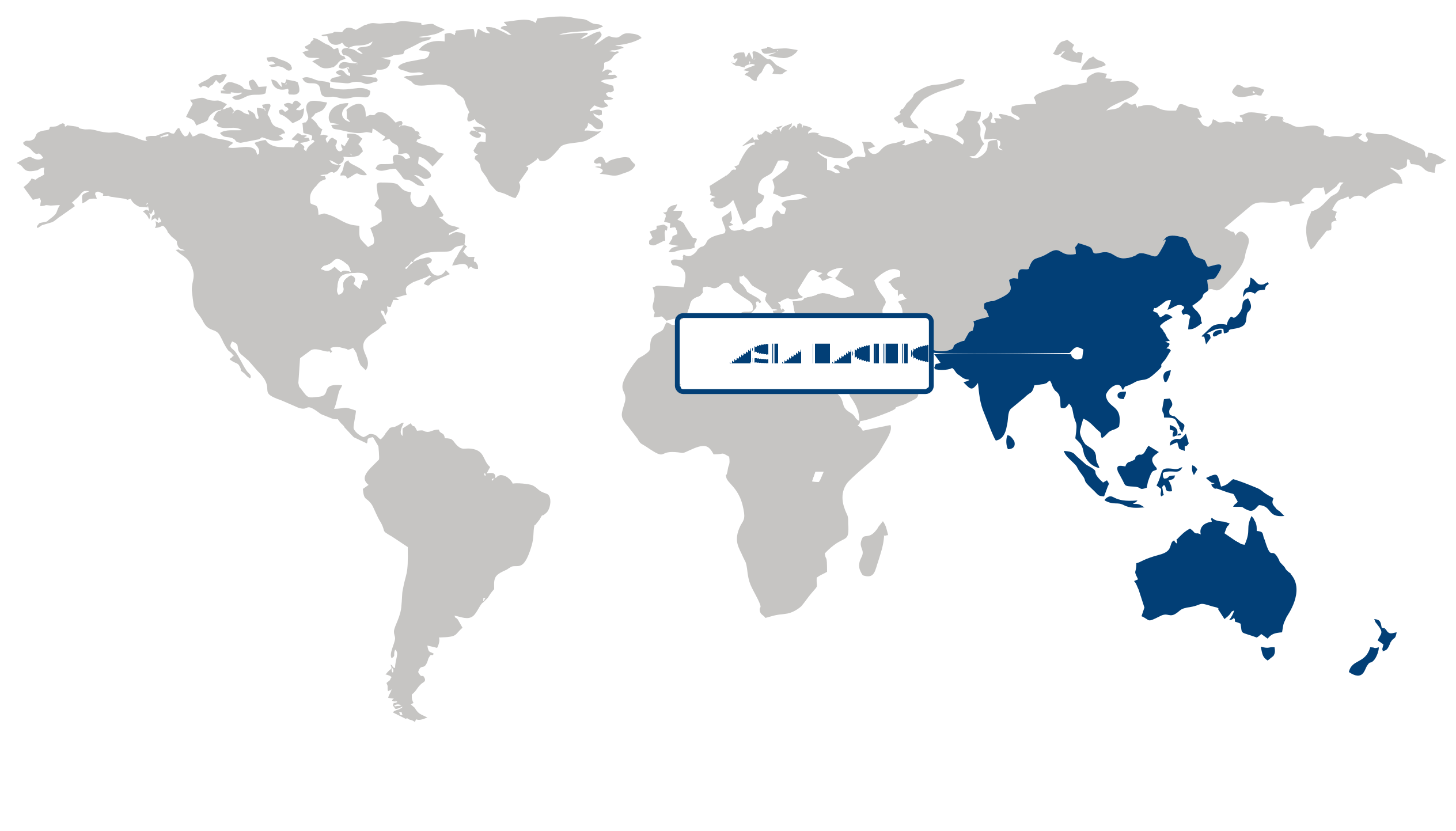
Asia Pacific
Forecast Period
2025-2034

Get more details on this report

Request Free Sample Report
Snapshot

Monopropylene Glycol Market Intelligence Snapshot

Regional Market Dynamics

Segment Momentum

Market Expansion Drivers

Leading Market Participants

Forecast Snapshot

Global Market Forecast Snapshot

Market Outlook

Regional and Segment Outlook

Market Dynamics

Market Growth Drivers and Industry Trends

Growth Drivers & Opportunities The Monopropylene Glycol (MPG) market is witnessing significant growth driven by its diverse applications across various industries. One of the primary growth drivers is the increasing demand from the food and beverage sector, where monopropylene glycol is used as a food additive, solvent, and carrier for flavoring agents. The growing consumer preference for processed foods is likely to fuel the consumption of MPG, thereby presenting a promising opportunity for market expansion. Additionally, the pharmaceutical industry is another critical area contributing to the growth of the MPG market. As a versatile solvent and humectant, monopropylene glycol finds extensive use in the formulation of various medications, including oral, injectable, and topical products. The rising prevalence of chronic diseases and the expansion of pharmaceutical research and development activities are expected to further enhance the demand for MPG. The cosmetic and personal care sector is also driving the growth of the monopropylene glycol market. The increasing consumer awareness regarding personal grooming products has led to a surge in the use of MPGs as moisturizing agents and skin conditioning agents in cosmetics. This trend is expected to create ample growth opportunities for MPG manufacturers to explore innovative applications in this segment. Another growth driver is the expanding demand for antifreeze and coolant products. Monopropylene glycol is increasingly used in automotive and industrial applications due to its lower toxicity and environmental impact compared to other alternatives. The growing automotive industry and rising concerns regarding vehicle emissions will likely boost the demand for MPG-based coolants. Industry Restraints: Despite the promising growth prospects in the Monopropylene Glycol market, several restraints could impede its expansion. One of the primary concerns is the fluctuating prices of raw materials, which can lead to increased production costs for MPG manufacturers. The dependence on petroleum-based resources for production poses a risk, especially in volatile market conditions, which could ultimately hinder profitability. Regulatory challenges also present a significant restraint in the MPG market. While monopropylene glycol is generally recognized as safe by various regulatory bodies, stringent regulations across regions concerning chemical safety and environmental impact can impede the speed of market entry for new products. Compliance with these regulations may require substantial investment and time, which can be particularly challenging for smaller manufacturers. Moreover, the emergence of bio-based alternatives poses a threat to the traditional monopropylene glycol market. As manufacturers increasingly focus on sustainable and eco-friendly products, the rising popularity of bio-based glycols could diminish the market share of conventional MPG. This shift could lead to increased competition and pressure on pricing, impacting overall market dynamics. Finally, the ongoing global economic uncertainties, including fluctuations in demand across end-user industries, can affect the overall growth trajectory of the monopropylene glycol market. Supply chain disruptions and geopolitical tensions may also create challenges for manufacturers in sourcing materials and meeting consumer demands effectively.

Explore Growth Opportunities

Request Free Sample Report
Regional Forecast

Regional Demand Dynamics

Monopropylene Glycol Market
Largest Region
Asia Pacific
XX% Market Share in 2024
North America The Monopropylene Glycol market in North America is primarily driven by its diverse applications across industries such as food and beverage, pharmaceuticals, and cosmetics. The United States holds the largest market share in this region, largely due to its advanced manufacturing capabilities and high demand for chemical products. Canada is also witnessing notable growth, primarily influenced by its burgeoning food processing sector and increasing use of monopropylene glycol as a food additive. The regulatory environment in North America is generally supportive, contributing to steady market development, particularly in the U.S., which continues to lead in innovation and product formulations. Asia Pacific In the Asia Pacific region, the Monopropylene Glycol market is experiencing rapid growth, largely fueled by the expanding industrial base and rising consumer demand in countries such as China and India. China has emerged as a significant player due to its vast manufacturing landscape and increasing consumption of chemicals in various end-use sectors, including personal care and pharmaceuticals. Japan and South Korea are also contributing to market expansion, driven by technological advancements and a robust presence in the electronics and automotive industries, which utilize monopropylene glycol in various applications. Overall, this region is anticipated to exhibit fast-paced growth, with China positioned to dominate the market landscape. Europe The European market for Monopropylene Glycol is characterized by stringent regulations and a strong emphasis on sustainability. The United Kingdom stands out as a significant market, propelled by innovations in food and beverage applications and a focus on health-conscious consumer products. Germany is another key contributor, recognized for its industrial manufacturing strengths and the presence of numerous chemical companies that leverage monopropylene glycol for diverse uses. France complements the region's growth with its vibrant cosmetics industry that increasingly incorporates this compound into formulations. As environmental concerns drive demand for bio-based products, Europe continues to adapt, fostering an environment conducive to the evolving Monopropylene Glycol market.
🔒 Need data on a specific country or region? Individual country/region reports are available at discounted pricing. Inquire Before Buying

Go beyond the chart, access full insights & data tables

Request Free Sample Report
Monopropylene Glycol Market by Application The monopropylene glycol market is broadly segmented by application, revealing diverse uses across various industries. Notably, the plastics and resins sectors are significant due to the demand for versatile and durable materials. The automotive industry utilizes monopropylene glycol in coolants and fluids, and trends in electric vehicle production could further drive growth. The pharmaceuticals and cosmetics segments are also critical, with increasing consumer preferences for natural and chemical-free products fueling demand. Applications in food and beverages, personal care products, and metalworking showcase the compound's multifunctional uses. Among these, pharmaceuticals and food applications are expected to exhibit the largest market size due to stringent regulations and increasing safety awareness. Manufacturing Process The manufacturing processes of monopropylene glycol—primarily the hydrogen peroxide process, propylene oxide process, and methanol carbonylation process—play a significant role in determining the market dynamics. The propylene oxide process is widely adopted due to its efficiency and ability to produce high-purity glycol, aligning with the requirements for pharmaceuticals and food industries. In contrast, the hydrogen peroxide process is gaining traction for its environmentally friendly attributes, appealing to industries focused on sustainable practices. While all processes contribute to market growth, the propylene oxide process is likely to dominate due to its established infrastructure and production capabilities. Grade Monopropylene glycol is available in various grades, including commercial, pharmaceutical, food, and industrial grades. The pharmaceutical and food grades are anticipated to grow the fastest, driven by escalating health consciousness and regulatory mandates concerning product safety. These grades meet stricter quality and purity standards, making them essential for their respective applications. Market segments focusing on industrial and commercial grades will continue to be significant but may not capture growth rates comparable to the higher-grade segments, as these are more influenced by consumer health trends and quality assurance norms. End-Use Industry The end-use industry for monopropylene glycol encompasses a wide array of sectors, including transportation, personal care, food and beverage, and pharmaceuticals. The pharmaceutical industry is expected to see substantial growth, influenced by the ongoing development of healthcare products and a global emphasis on preventative health measures. The personal care sector will also exhibit notable expansion, driven by consumer preferences for safer, chemical-free ingredients in beauty products. Conversely, while other industries like automotive and industrial might remain stable, they may not grow as quickly due to fluctuating regulations and market dynamics in comparison to the burgeoning demand in pharmaceuticals and personal care.
Segment Sub-Segment Largest Segment Fastest Growing
Custom Research

Unlock insights tailored to your business with our bespoke market research solutions.

Click to get your customized report now.

Request Customization →
Competitive Landscape

Competitive Landscape and Market Positioning

The Monopropylene Glycol Market is characterized by a competitive landscape that features a mix of global and regional players who leverage strategic partnerships, technological advancements, and robust supply chain management to maintain their market share. The growing demand across various end-user industries, including pharmaceuticals, food, cosmetics, and plastics, has intensified competition among major manufacturers. Companies are focusing on expanding production capacities and improving product quality to meet the rising consumer preferences for bio-based and environmentally friendly options. Additionally, market players are investing in research and development to innovate their product offerings and enhance their competitive edge in this dynamic market. Top Market Players 1. Dow Inc. 2. BASF SE 3. Mitsubishi Chemical Corporation 4. INEOS Oxide 5. Archer Daniels Midland Company 6. LyondellBasell Industries 7. Royal Dutch Shell plc 8. Huntsman Corporation 9. PetroChina Company Limited 10. Repsol S.A.
Company Market Share Company Revenue Revenue CAGR (%) Product Portfolio Geographic Presence Innovation / R&D Focus Strategic Developments
No companies available.
🔒 This section is available as a standalone purchase. Buy only the data you need. Inquire Before Buying
Report Customization

Customize Your Report

Explore examples of how this report can be tailored to different research needs, including custom segments, additional topics or chapters, and related reports. Click a section of the wheel or its numbered marker to explore the available options.

1 Custom Segments 2 Custom TOC 3 Related Reports

Monopropylene Glycol Market — Custom Segments

Segment Sub-Segment
No segment data available.

Monopropylene Glycol Market — Custom TOC

Custom Chapter Chapter Details
No custom TOC data available.

Need a different cut of the data?

Request Custom Research
FAQ

Frequently Asked Questions

Testimonials

Our Clients

"The report helped us understand emerging consumer trends in our product category. It clarified where to focus innovation for the next product launch."

Senior Chemical Engineer
LyondellBasell

"The regional forecast section was incredibly useful. We were able to identify two new potential partners in Europe thanks to the vendor mapping you included."

Director of Quality Assurance & Compliance
SABIC

"We appreciated how actionable the recommendations were. It guided us to improve supply chain resilience."

Business Development Director
Olin Corporation
THE RESEARCH BEHIND THIS REPORT

Our Research Team & Methodology

Every Fundamental Business Insights report is built by a dedicated vertical research team, validated through a structured primary-and-secondary methodology, and reviewed for accuracy before it reaches you.

THIS REPORT'S RESEARCH VERTICAL
Chemicals & Materials
Research Team Overview

This report was prepared by the Chemicals & Materials Research Team at Fundamental Business Insights, a dedicated research group specializing in the global chemicals, advanced materials, and industrial manufacturing sectors. Our analysts continuously monitor raw material supply chains, feedstock pricing, production technologies, regulatory developments, sustainability initiatives, environmental compliance, trade dynamics, and evolving end-use applications to deliver timely and reliable market intelligence. The research is developed using a structured methodology that combines primary discussions with manufacturers, raw material suppliers, distributors, and industry experts, along with company annual reports, regulatory publications, government trade statistics, industry associations, technical literature, patent databases, and other authoritative secondary sources. Market estimates are validated through multiple research techniques, including top-down and bottom-up analysis, before undergoing an internal quality review to ensure accuracy, consistency, and methodological integrity prior to publication.

Prepared by the Chemicals & Materials Research Team
10+Industry Verticals
100+Countries Analyzed
5-7Days Standard
Delivery
13.8K+Research Reports
Published
On-DemandCustomized Research
Available
6Months Analyst
Support
PDF + XLSReport Deliverables
Trust & Compliance
D&B D-U-N-S
GDPR & CCPA Compliant
ISO 9001 Certified (ISO 9001:2015)
SSL Encryption
Secure Payments
Confidential Handling
Research Intelligence
Primary Research Network
Secondary Sources
Executive Leadership
Product & Technology Experts
Manufacturing & Operations Leaders
Procurement & Supply Chain Professionals
Sales & Commercial Executives
Channel Partners & Distribution Networks
Enterprise Buyers & End Users
Industry Consultants & Regulatory Experts
Research Workflow & Quality Assurance
01
Data Collection
Verified information gathered through primary and secondary research.
02
Data Triangulation
Cross-validation using multiple independent data sources.
03
Forecast Modelling
Market estimates developed using historical trends and analytical models.
04
Analyst Validation
Findings reviewed by domain experts for accuracy and consistency.
05
Editorial & Quality Review
Final editorial, quality, and compliance checks before publication.
06
Final Publication
Released after successful completion of the internal review process.
Report Coverage
Market Assessment
  • Market Size & Forecast
  • Market Segmentation
  • Regional Analysis
  • Growth Drivers & Challenges
  • Market Dynamics
🏢 Competitive Intelligence
  • Competitive Landscape
  • Company Profiles
  • Competitive Benchmarking
  • Mergers & Acquisitions
  • Market Share Analysis or Key Company Strategies
🔍 Strategic Analysis
  • Value Chain Analysis
  • Porter's Five Forces
  • PESTLE Analysis
  • Pricing Trends
  • Supply-Demand Analysis
🚀 Future Outlook
  • Technology Landscape
  • Regulatory Landscape
  • Investment & Funding Landscape
  • Emerging Opportunities
  • Future Market Outlook
Have a question about this report or need a custom scope?
Request Customization

Want this data scoped to your exact question?

Tell us the segments, regions, or competitors you need answered — an analyst will confirm scope before any custom work starts.

Talk to an Analyst →