Malaysia Construction Market Size & Share, By Sectors (Infrastructure Construction, Residential Construction, Energy, Utilities Construction, Commercial Construction, Industrial Construction), Type - Growth Trends, Regional Insights (U.S., Japan, South Korea, UK, Germany), Competitive Positioning, Global Forecast Report 2025-2034

Report ID: FBI 18079| Published Date: Apr-2025| Format: PDF, Excel
Jump to Content
Market Outlook

Market Size and Growth Outlook

Malaysia Construction Market size is anticipated to grow significantly, reaching USD 114.37 billion by 2034, up from USD 47 billion. This growth represents a CAGR of over 9.3%, with a revenue forecast of USD 50.49 billion for 2025.

Base Year Value (2024)
USD 47 Billion
CAGR (2025-2034)
9.3%
Forecast Year Value (2034)
USD 114.37 Billion
Historical Data Period
2021-2024
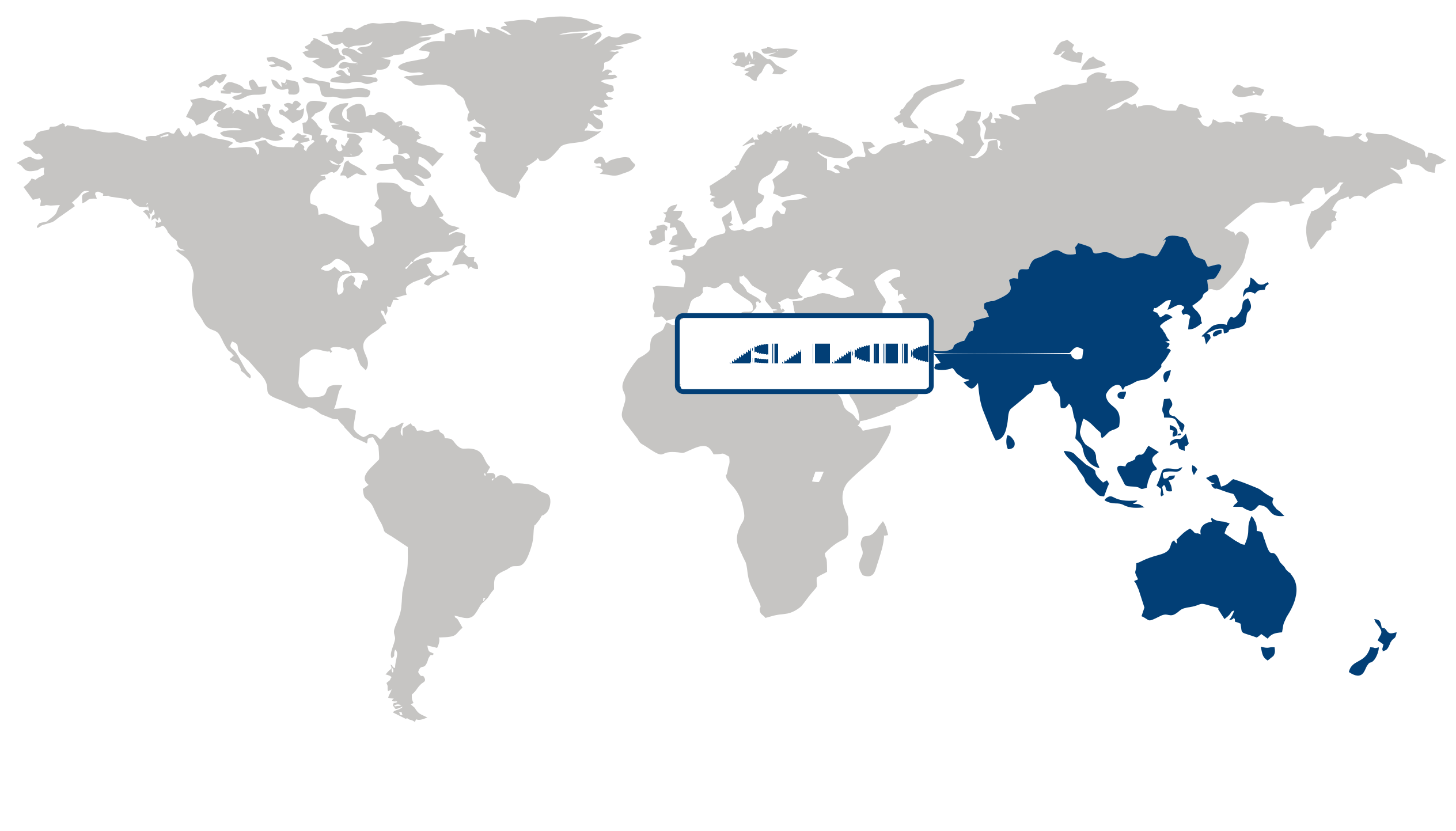
Largest Region
Asia Pacific
Forecast Period
2025-2034

Get more details on this report

Request Free Sample Report
Snapshot

Malaysia Construction Market Intelligence Snapshot

Regional Market Dynamics

Segment Momentum

Market Expansion Drivers

Leading Market Participants

Forecast Snapshot

Global Market Forecast Snapshot

Market Outlook

Regional and Segment Outlook

Market Dynamics

Market Growth Drivers and Industry Trends

Growth Drivers & Opportunities The Malaysia construction market is poised for significant growth, driven by various factors that create opportunities for expansion. One of the primary growth drivers is the government's commitment to infrastructure development. Initiatives such as the Malaysia Plan and various national strategies emphasize building and upgrading transportation networks, including roads, rail, and airports. This focus not only facilitates connectivity but also stimulates economic activity across various sectors. Additionally, urbanization plays a crucial role in shaping the construction landscape. As more people migrate to urban areas, there is an increasing demand for residential and commercial properties. This trend opens up avenues for developers to invest in housing projects, mixed-use developments, and commercial spaces, catering to the evolving preferences of city dwellers. Furthermore, the push towards sustainable construction practices presents opportunities for firms specializing in eco-friendly building materials and energy-efficient technologies. The influx of foreign direct investment (FDI) into Malaysia also contributes to market vitality. Investment in real estate and infrastructure projects by both local and international investors enhances the overall economic environment. This brings along advanced construction techniques, technologies, and expertise, fostering innovation within the industry. Enhanced public-private partnerships (PPPs) serve to further leverage capital and knowledge, allowing significant projects to proceed that might otherwise face funding limitations. Moreover, the ongoing focus on digital transformation in construction presents new avenues for efficiency and productivity. The adoption of Building Information Modeling (BIM), automation, and other digital solutions can streamline project execution, reduce costs, and enhance collaboration among stakeholders. As the market embraces these technological advancements, companies that adapt quickly stand to gain a competitive edge. Industry Restraints: Despite the promising growth trajectory of the Malaysia construction market, several challenges pose significant restraints. One major constraint is the fluctuation in material costs, which can impact the budgeting and financial planning of construction projects. Volatility in prices for essential materials, such as steel and cement, can lead to increased project costs and extended timelines, resulting in financial strain for contractors and developers. Another significant challenge is regulatory hurdles and bureaucratic delays. Navigating the permitting process can be cumbersome, often leading to project delays and increased costs. Inconsistent regulatory frameworks across different states can further exacerbate these issues, making it difficult for firms to operate efficiently. Ensuring compliance with various regulations often necessitates extensive documentation and time-consuming approvals, hindering overall progress. Labor shortages also present a considerable restraint, as the construction industry requires a skilled workforce to meet ongoing demands. Competition for skilled labor can drive up wages, impacting profit margins for companies. Moreover, the aging workforce in the sector raises concerns about the future availability of experienced labor, compelling the industry to invest in training and development programs to attract younger talent. Lastly, environmental concerns and the increasing emphasis on sustainability can impose additional burdens on construction firms. Compliance with environmental regulations and standards necessitates investment in sustainable practices and technologies, which may not be financially feasible for smaller companies. Balancing the need for rapid construction with the imperative to protect the environment adds complexity to project planning and execution in the Malaysian construction market.

Explore Growth Opportunities

Request Free Sample Report
Regional Forecast

Regional Demand Dynamics

Malaysia Construction Market
Largest Region
Asia Pacific
XX% Market Share in 2024
North America The construction market in North America, particularly in the United States and Canada, is experiencing steady growth driven by a robust housing market and infrastructure initiatives. In the U.S., major cities like New York, Los Angeles, and Dallas are seeing significant investments in residential and commercial projects. The infusion of federal funds aimed at improving infrastructure, including roads, bridges, and public transport systems, is further bolstering the construction industry. Canada, with cities such as Toronto and Vancouver, is similarly witnessing a surge in demand for residential housing as well as commercial developments, fueled by population growth and urbanization. Asia Pacific In the Asia Pacific region, countries such as China, Japan, and South Korea are emerging powerhouses in the construction market, but with varying trajectories. China remains the largest market, with extensive infrastructure development projects, including transportation networks and urban housing projects, driven by government policy and investment. Japan’s construction sector is increasingly focused on sustainability and modernization, particularly in response to natural disasters and an aging population. South Korea, on the other hand, is witnessing growth through smart city developments and infrastructure upgrades, supported by technological advancements. Europe The construction market in Europe, particularly in key countries like the UK, Germany, and France, is adapting to post-pandemic recovery initiatives and sustainability goals. The UK construction sector is poised for growth as the government places significant emphasis on housing and infrastructure, aiming to address the housing shortage while also investing in green projects. Germany, known for its engineering strength, is focusing on sustainable building materials and technologies, with major investments in renewable energy infrastructure. France is also investing heavily in urban development and renovation projects, embracing a green agenda to meet climate goals, thus stimulating the construction market across the country.
🔒 Need data on a specific country or region? Individual country/region reports are available at discounted pricing. Inquire Before Buying

Go beyond the chart, access full insights & data tables

Request Free Sample Report
Malaysia Construction Market Analysis Infrastructure Construction The infrastructure construction sector in Malaysia is pivotal for national development, focusing on projects such as roads, bridges, and public transport systems. This segment is expected to experience significant growth, driven by government initiatives to enhance connectivity and support urbanization. Investment in large-scale projects like the Mass Rapid Transit (MRT) and highways will continue to attract both public and private sector funding. The emphasis on sustainability and smart infrastructure is prompting innovations that may further strengthen this segment's growth. Residential Construction Residential construction remains one of the most prominent sectors in Malaysia, reflecting a growing demand for housing due to urban migration and population growth. Segment growth is driven by affordable housing schemes and plans by the government to provide better housing options for low- to mid-income families. The surge in condominium and high-rise developments in urban areas indicates a shift in living preferences, with a focus on compact living solutions. The post-pandemic recovery is also anticipated to spur investments in residential projects as buyer confidence returns. Energy and Utilities Construction The energy and utilities construction sector is undergoing transformation, with a strong push towards renewable energy projects. Initiatives aimed at increasing sustainable energy sources, such as solar and hydropower facilities, are expanding the market considerably. Additionally, the demand for utilities construction, particularly in water supply and waste management projects, is buoyed by ongoing urban development and the need for improved infrastructure. This segment's growth is supported by government policies focused on enhancing energy efficiency and sustainability. Commercial Construction Commercial construction, which includes office buildings, retail spaces, and hospitality projects, is projected to show robust growth as economic conditions improve. The revival of the tourism sector and the need for modern office spaces in a post-COVID-19 environment will drive new developments. This segment is increasingly characterized by mixed-use developments that combine retail, office, and residential spaces, appealing to urbanites’ needs for convenience and connectivity. Industrial Construction The industrial construction sector is witnessing a shift towards modern manufacturing facilities and logistics hubs, spurred by Malaysia's strategic geographical location as a trade gateway. Growth in this segment is largely driven by foreign investment in manufacturing, particularly in high-tech and pharmaceutical industries. The emphasis on automation and smart manufacturing is expected to influence the design and functionality of industrial facilities, pushing demand for innovative construction solutions. Key Takeaways by Segment Overall, while each of these sectors has potential for growth, the infrastructure and residential construction segments are poised to exhibit the largest market sizes, largely due to government-led development initiatives. Meanwhile, the energy and utilities construction sector is anticipated to show the fastest growth rates, driven by a shift towards sustainable energy solutions and technological advancements in utilities management. The commercial and industrial segments will also contribute significantly to market dynamics, reflecting broader economic trends and investment flows.
Segment Sub-Segment Largest Segment Fastest Growing
Custom Research

Unlock insights tailored to your business with our bespoke market research solutions.

Click to get your customized report now.

Request Customization →
Competitive Landscape

Competitive Landscape and Market Positioning

The competitive landscape of the Malaysia Construction Market is characterized by a mix of both local and international companies vying for market share in an expanding sector fueled by urbanization, infrastructure development, and government investment. Players in this market are focusing on innovation, sustainability, and efficiency to gain a competitive edge. Key trends include the adoption of advanced technologies like Building Information Modeling (BIM) and green building practices, responding to rising environmental concerns. Additionally, collaborations between local firms and international contractors are becoming increasingly common, aimed at enhancing project delivery capabilities and sharing expertise. As the Malaysian government continues to push for large-scale infrastructure projects, the competition is expected to intensify, leading to potential mergers and acquisitions as companies seek to strengthen their positions. Top Market Players 1 Gamuda Berhad 2 Sunway Construction Group Berhad 3 IJM Corporation Berhad 4 YTL Corporation Berhad 5 WCT Holdings Berhad 6 Perak Hanjoong Simen 7 Hock Seng Lee Berhad 8 Kuala Lumpur Kepong Berhad 9 Matrix Concepts Holdings Berhad 10 KLCCP Stapled Group
Company Market Share Company Revenue Revenue CAGR (%) Product Portfolio Geographic Presence Innovation / R&D Focus Strategic Developments
No companies available.
🔒 This section is available as a standalone purchase. Buy only the data you need. Inquire Before Buying
Report Customization

Customize Your Report

Explore examples of how this report can be tailored to different research needs, including custom segments, additional topics or chapters, and related reports. Click a section of the wheel or its numbered marker to explore the available options.

1 Custom Segments 2 Custom TOC 3 Related Reports

Malaysia Construction Market — Custom Segments

Segment Sub-Segment
No segment data available.

Malaysia Construction Market — Custom TOC

Custom Chapter Chapter Details
No custom TOC data available.

Need a different cut of the data?

Request Custom Research
FAQ

Frequently Asked Questions

Testimonials

Our Clients

"Your insights on workforce structures were spot-on. The analysis on mid-to-senior level roles validated some of our hiring decisions and highlighted gaps."

Senior Systems Engineer
Ateliers De France

"The report gave us insights on competitors in the market. It helped our team refine our bidding strategy for upcoming contracts."

Program Manager
Clark Construction

"The reports provided a deep dive into market trends, and competitive landscape. The strategic insights and recommendations have been very helpful."

Sales Director
Rudolph and Sletten
THE RESEARCH BEHIND THIS REPORT

Our Research Team & Methodology

Every Fundamental Business Insights report is built by a dedicated vertical research team, validated through a structured primary-and-secondary methodology, and reviewed for accuracy before it reaches you.

THIS REPORT'S RESEARCH VERTICAL
Construction & Manufacturing
Research Team Overview

This report was prepared by the Construction & Manufacturing Research Team at Fundamental Business Insights, a dedicated research group specializing in global construction, building materials, manufacturing processes, and industrial infrastructure markets. The team closely tracks construction activity, infrastructure investments, manufacturing technologies, raw material trends, equipment adoption, labor and productivity developments, sustainability initiatives, regulatory standards, and supply chain dynamics to provide timely and reliable market intelligence. The research is developed using a structured methodology that combines primary discussions with manufacturers, construction companies, equipment suppliers, distributors, contractors, and industry experts, along with company annual reports, government infrastructure statistics, regulatory publications, industry associations, engineering standards, technical publications, and other authoritative secondary sources. Market estimates are validated through multiple research techniques, including top-down and bottom-up analysis, before undergoing an internal quality review to ensure accuracy, consistency, and methodological integrity prior to publication.

Prepared by the Construction & Manufacturing Research Team
10+Industry Verticals
100+Countries Analyzed
5-7Days Standard
Delivery
13.8K+Research Reports
Published
On-DemandCustomized Research
Available
6Months Analyst
Support
PDF + XLSReport Deliverables
Trust & Compliance
D&B D-U-N-S
GDPR & CCPA Compliant
ISO 9001 Certified (ISO 9001:2015)
SSL Encryption
Secure Payments
Confidential Handling
Research Intelligence
Primary Research Network
Secondary Sources
Executive Leadership
Product & Technology Experts
Manufacturing & Operations Leaders
Procurement & Supply Chain Professionals
Sales & Commercial Executives
Channel Partners & Distribution Networks
Enterprise Buyers & End Users
Industry Consultants & Regulatory Experts
Research Workflow & Quality Assurance
01
Data Collection
Verified information gathered through primary and secondary research.
02
Data Triangulation
Cross-validation using multiple independent data sources.
03
Forecast Modelling
Market estimates developed using historical trends and analytical models.
04
Analyst Validation
Findings reviewed by domain experts for accuracy and consistency.
05
Editorial & Quality Review
Final editorial, quality, and compliance checks before publication.
06
Final Publication
Released after successful completion of the internal review process.
Report Coverage
Market Assessment
  • Market Size & Forecast
  • Market Segmentation
  • Regional Analysis
  • Growth Drivers & Challenges
  • Market Dynamics
🏢 Competitive Intelligence
  • Competitive Landscape
  • Company Profiles
  • Competitive Benchmarking
  • Mergers & Acquisitions
  • Market Share Analysis or Key Company Strategies
🔍 Strategic Analysis
  • Value Chain Analysis
  • Porter's Five Forces
  • PESTLE Analysis
  • Pricing Trends
  • Supply-Demand Analysis
🚀 Future Outlook
  • Technology Landscape
  • Regulatory Landscape
  • Investment & Funding Landscape
  • Emerging Opportunities
  • Future Market Outlook
Have a question about this report or need a custom scope?
Request Customization

Want this data scoped to your exact question?

Tell us the segments, regions, or competitors you need answered — an analyst will confirm scope before any custom work starts.

Talk to an Analyst →