Kids Apparel Market Size & Share, By Product Type (Formal, Casual, Semi-Formal), End User (Boys, Girls), Distribution Channel (Offline, Online) - Growth Trends, Regional Insights (U.S., Japan, South Korea, UK, Germany), Competitive Positioning, Global Forecast Report 2025-2034

Report ID: FBI 18325| Published Date: Apr-2025| Format: PDF, Excel
Jump to Content
Market Outlook

Market Size and Growth Outlook

Kids Apparel Market size is expected to expand from USD 198.99 billion in 2024 to USD 297.4 billion by 2034, demonstrating a CAGR of more than 4.1% between 2025 and 2034. In 2025, the industry revenue is estimated to reach USD 205.55 billion.

Base Year Value (2024)
USD 198.99 Billion
CAGR (2025-2034)
4.1%
Forecast Year Value (2034)
USD 297.4 Billion
Historical Data Period
2021-2024
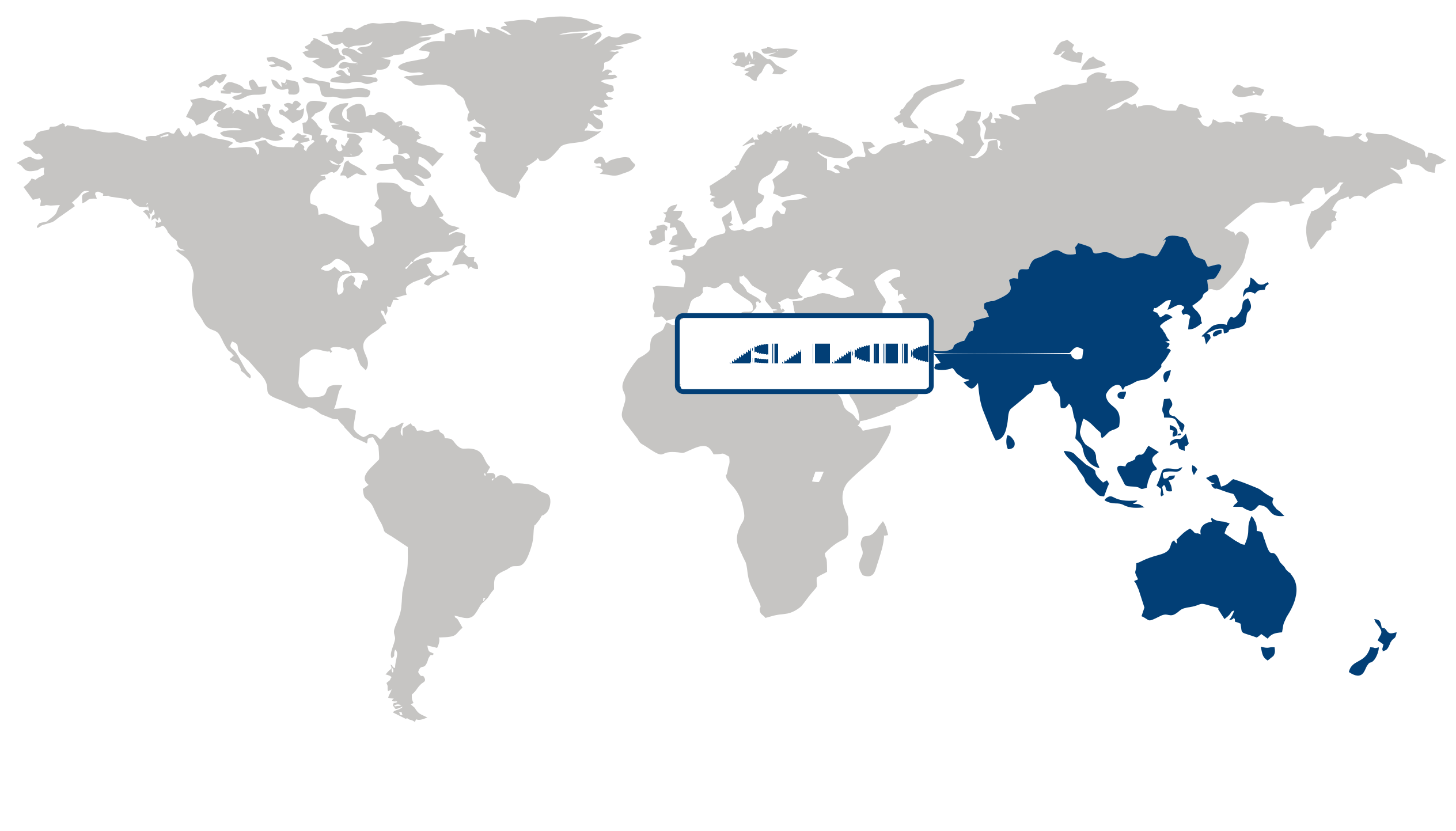
Largest Region
Asia Pacific
Forecast Period
2025-2034

Get more details on this report

Request Free Sample Report
Snapshot

Kids Apparel Market Intelligence Snapshot

Regional Market Dynamics

Segment Momentum

Market Expansion Drivers

Leading Market Participants

Forecast Snapshot

Global Market Forecast Snapshot

Market Outlook

Regional and Segment Outlook

Market Dynamics

Market Growth Drivers and Industry Trends

Growth Drivers & Opportunities The kids apparel market is experiencing significant growth driven by several key factors. One of the primary growth drivers is the rising disposable income among families, which allows parents to spend more on high-quality clothing for their children. The increasing awareness of fashion trends among parents also contributes to the demand for stylish and trendy kids’ apparel. Additionally, the growing influence of social media and online platforms has made it easier for brands to reach consumers, encouraging purchases directly from online stores. This shift towards e-commerce is particularly appealing to younger, tech-savvy parents who prefer the convenience of shopping from home. Another notable opportunity in the market lies in the increasing demand for sustainable and eco-friendly clothing options. Parents are becoming more environmentally conscious and are seeking eco-friendly materials and production practices for their children’s apparel. Brands that focus on sustainability can carve out a niche in this competitive market and attract a loyal customer base. Furthermore, the expansion of the athleisure trend has opened up new avenues for kids’ apparel. The popularity of comfortable, functional clothing that can be worn for various activities is prompting brands to diversify their offerings, which can effectively meet the active lifestyle of children. Industry Restraints: Despite the promising growth prospects, the kids apparel market also faces several challenges that could hinder its development. One significant restraint is the fluctuating cost of raw materials, which can impact pricing strategies for clothing manufacturers. When production costs rise, companies may struggle to maintain competitive pricing while preserving profit margins, leading to potential losses in market share. Moreover, the dynamic nature of fashion trends can pose challenges for brands to keep pace with shifting consumer preferences. Rapid changes in what is considered stylish can lead to excess inventory or outdated stock, resulting in financial strain for retailers. Additionally, market saturation is a concern as numerous brands compete for the same customer base, making it increasingly difficult for new entrants to gain a foothold. This intense competition can lead to price wars and decreased profitability across the industry, further complicating the operational landscape for companies in the kids apparel sector.

Explore Growth Opportunities

Request Free Sample Report
Regional Forecast

Regional Demand Dynamics

Kids Apparel Market
Largest Region
Asia Pacific
XX% Market Share in 2024
North America The North American kids apparel market is driven by high disposable income levels and a strong emphasis on fashion among parents. The United States emerges as the largest market within this region, characterized by a diverse range of brands catering to various income levels and preferences. Retail innovation, including e-commerce and omnichannel strategies, has further fueled growth in the sector. Canada, while smaller than the U.S. market, shows promising potential due to its increasing retail presence and collaboration with local designers, which adds a unique touch to children's clothing. Asia Pacific In the Asia Pacific region, China stands out as the largest and fastest-growing market for kids apparel. The country's ongoing urbanization and rising middle-class population significantly contribute to increasing demand for stylish and high-quality children's clothing. Moreover, the strong presence of online shopping platforms and mobile commerce plays a crucial role in shaping consumer behavior. Japan and South Korea also show robust growth trends, driven by cultural influences and a penchant for premium products in children's fashion. Japanese consumers often focus on high-quality materials and innovative designs, while South Korea exhibits a mix of global and traditional styles that attract local and international brands. Europe Europe's kids apparel market is characterized by cultural diversity and a growing trend toward sustainability. The United Kingdom leads the market, driven by a blend of high fashion and casual wear for children, with brands increasingly focusing on eco-friendly materials in response to consumer demand for sustainable practices. Germany follows closely, with a well-developed retail sector and a growing inclination towards functional yet trendy apparel. France, celebrated for its fashion heritage, illustrates steady growth driven by a blend of stylish designs and luxury offerings. Additionally, the rise of e-commerce and a shift towards online shopping among European parents are reshaping the market landscape across these countries.
🔒 Need data on a specific country or region? Individual country/region reports are available at discounted pricing. Inquire Before Buying

Go beyond the chart, access full insights & data tables

Request Free Sample Report
Product Type In the kids apparel market, the product type segmentation is divided into formal, casual, and semi-formal categories. The casual segment is anticipated to dominate the market due to an increasing preference among parents for comfortable and versatile clothing that can be used for various occasions. Within this segment, everyday wear, such as t-shirts, shorts, and leggings, is particularly favored. On the other hand, the formal segment is expected to witness substantial growth driven by rising demand for special occasion attire, such as for weddings or family gatherings, as parents seek stylish yet appropriate options for their children. Semi-formal wear also plays a significant role, especially for events that require a dressier approach but are less formal than traditional upscale clothing. End User The end-user segmentation focuses on boys and girls, each with unique preferences influencing the dynamics of the market. The boys' apparel segment tends to lead in market size, as it encompasses a variety of activewear and durable clothing tailored for outdoor play and sports activities, appealing strongly to parents seeking functional clothing. Meanwhile, the girls' apparel segment is expected to exhibit rapid growth, fueled by trends emphasizing style, colors, and patterns. Parents increasingly invest in fashionable items, and the influence of fashion innovation has led to a wider array of choices that cater to girls’ desires for trendy and visually appealing clothing. Distribution Channel The distribution channel segmentation comprises offline and online avenues. The offline segment remains the largest contributor to the kids apparel market, bolstered by traditional retail outlets, specialty stores, and direct purchasing experiences that allow for tactile inspection and immediate satisfaction. However, the online distribution channel is projected to grow at the fastest rate. The surge in e-commerce and the convenience of shopping from home have transformed the landscape, with parents increasingly using online platforms to access a broader range of products, read reviews, and find competitive pricing. This shift reflects changing consumer behavior, particularly among tech-savvy millennial parents who prioritize ease of access and variety in shopping for their children’s clothing.
Segment Sub-Segment Largest Segment Fastest Growing
Custom Research

Unlock insights tailored to your business with our bespoke market research solutions.

Click to get your customized report now.

Request Customization →
Competitive Landscape

Competitive Landscape and Market Positioning

The competitive landscape in the Kids Apparel Market is characterized by a diverse range of established brands and emerging players striving to capture market share through innovative designs, sustainable practices, and strategic partnerships. The sector has seen heightened competition as companies increasingly focus on e-commerce platforms and digital marketing to reach tech-savvy parents. Additionally, trends such as personalized clothing and eco-friendly materials are gaining traction, compelling brands to adapt their product lines. The market is also influenced by collaborations with popular children's franchises and influencers, driving consumer engagement and brand loyalty. As a result, companies are focusing on unique value propositions to distinguish themselves from competitors and cater to the evolving demands of young consumers and their families. Top Market Players 1. Nike Inc. 2. Adidas AG 3. Gap Inc. 4. Under Armour Inc. 5. Carter’s Inc. 6. The Children’s Place Inc. 7. H&M Group 8. OshKosh B’gosh 9. Zara 10. Levi Strauss & Co.
Company Market Share Company Revenue Revenue CAGR (%) Product Portfolio Geographic Presence Innovation / R&D Focus Strategic Developments
No companies available.
🔒 This section is available as a standalone purchase. Buy only the data you need. Inquire Before Buying
Report Customization

Customize Your Report

Explore examples of how this report can be tailored to different research needs, including custom segments, additional topics or chapters, and related reports. Click a section of the wheel or its numbered marker to explore the available options.

1 Custom Segments 2 Custom TOC 3 Related Reports

Kids Apparel Market — Custom Segments

Segment Sub-Segment
No segment data available.

Kids Apparel Market — Custom TOC

Custom Chapter Chapter Details
No custom TOC data available.

Need a different cut of the data?

Request Custom Research
FAQ

Frequently Asked Questions

Testimonials

Our Clients

"The report provided us with a clear direction, and the level of detail was beyond what we expected. I would definitely recommend their services to others."

Senior Project Engineer
Haier Appliances

"The collaboration with Fundamental Business Insights has added significant value to our decision-making process, and we look forward to continuing this partnership for our future market research requirements."

Category Manager
Luxottica Group S.p.A.

"The team at FBI delivered an exceptional research report. The insights on industry innovations were particularly impressive and added a lot of value to the overall report."

Director - R&D
Nike
THE RESEARCH BEHIND THIS REPORT

Our Research Team & Methodology

Every Fundamental Business Insights report is built by a dedicated vertical research team, validated through a structured primary-and-secondary methodology, and reviewed for accuracy before it reaches you.

THIS REPORT'S RESEARCH VERTICAL
Consumer Goods & Services
Research Team Overview

This report was prepared by the Consumer Goods & Services Research Team at Fundamental Business Insights, a dedicated research group specializing in global consumer markets, retail industries, and service-oriented businesses. The team closely tracks evolving consumer preferences, purchasing behavior, product innovation, brand strategies, retail and e-commerce developments, pricing trends, distribution channels, sustainability initiatives, demographic shifts, and changing lifestyle patterns to deliver timely and reliable market intelligence. The research is developed using a structured methodology that combines primary discussions with manufacturers, brand owners, retailers, distributors, service providers, industry experts, and other key stakeholders, along with company annual reports, government consumer statistics, regulatory publications, industry associations, retail market data, trade publications, and other authoritative secondary sources. Market estimates are validated through multiple research techniques, including top-down and bottom-up analysis, before undergoing an internal quality review to ensure accuracy, consistency, and methodological integrity prior to publication.

Prepared by the Consumer Goods & Services Research Team
10+Industry Verticals
100+Countries Analyzed
5-7Days Standard
Delivery
13.8K+Research Reports
Published
On-DemandCustomized Research
Available
6Months Analyst
Support
PDF + XLSReport Deliverables
Trust & Compliance
D&B D-U-N-S
GDPR & CCPA Compliant
ISO 9001 Certified (ISO 9001:2015)
SSL Encryption
Secure Payments
Confidential Handling
Research Intelligence
Primary Research Network
Secondary Sources
Executive Leadership
Product & Technology Experts
Manufacturing & Operations Leaders
Procurement & Supply Chain Professionals
Sales & Commercial Executives
Channel Partners & Distribution Networks
Enterprise Buyers & End Users
Industry Consultants & Regulatory Experts
Research Workflow & Quality Assurance
01
Data Collection
Verified information gathered through primary and secondary research.
02
Data Triangulation
Cross-validation using multiple independent data sources.
03
Forecast Modelling
Market estimates developed using historical trends and analytical models.
04
Analyst Validation
Findings reviewed by domain experts for accuracy and consistency.
05
Editorial & Quality Review
Final editorial, quality, and compliance checks before publication.
06
Final Publication
Released after successful completion of the internal review process.
Report Coverage
Market Assessment
  • Market Size & Forecast
  • Market Segmentation
  • Regional Analysis
  • Growth Drivers & Challenges
  • Market Dynamics
🏢 Competitive Intelligence
  • Competitive Landscape
  • Company Profiles
  • Competitive Benchmarking
  • Mergers & Acquisitions
  • Market Share Analysis or Key Company Strategies
🔍 Strategic Analysis
  • Value Chain Analysis
  • Porter's Five Forces
  • PESTLE Analysis
  • Pricing Trends
  • Supply-Demand Analysis
🚀 Future Outlook
  • Technology Landscape
  • Regulatory Landscape
  • Investment & Funding Landscape
  • Emerging Opportunities
  • Future Market Outlook
Have a question about this report or need a custom scope?
Request Customization

Want this data scoped to your exact question?

Tell us the segments, regions, or competitors you need answered — an analyst will confirm scope before any custom work starts.

Talk to an Analyst →