Isononanoic Acid Market Size & Forecasts 2026-2035, By Segments (Application, End-Use Industry, Derivatives), Growth Opportunities, Innovation Landscape, Regulatory Shifts, Strategic Regional Insights (U.S., Japan, China, South Korea, UK, Germany, France), and Competitive Dynamics (Eastman Chemical, BASF, Emery Oleochemicals, Eastman Fine Chemicals, Godrej Industries)
Jump to Content
Market Size and Growth Outlook
Isononanoic Acid Market size is forecasted to reach USD 9.67 billion by 2035, rising from USD 5.3 billion in 2025, at a CAGR of more than 6.2% between 2026 and 2035. In 2026, revenue is projected at USD 5.59 billion.
Get more details on this report
Request Free Sample ReportIsononanoic Acid Market Intelligence Snapshot
Regional Market Dynamics
Segment Momentum
Market Expansion Drivers
Leading Market Participants
Global Market Forecast Snapshot
Market Outlook
Regional and Segment Outlook
Market Growth Drivers and Industry Trends
The expansion of lubricants and specialty chemicals sectors is a critical driver in the isononanoic acid market. Isononanoic acid derivatives enhance lubricant formulations by improving oxidative stability and viscosity control, aligning with industry efforts to meet stringent quality standards. Companies like BASF have highlighted the use of specialty acids in developing next-generation additives, responding to evolving industrial performance requirements. This trend reflects a broader shift towards customized chemical solutions, catering to diverse end-user needs in automotive and manufacturing industries. For market participants, this growth opens avenues to innovate value-added products and strengthen supplier relationships. As companies prioritize efficiency and performance upgrades, the isononanoic acid market is positioned to deliver tailored chemical inputs critical for advanced lubricant formulations, reinforcing its role in the chemicals ecosystem.
Rising Demand in Industrial Coatings and Emulsions
The isononanoic acid market benefits from increasing consumption in industrial coatings and emulsions, driven by heightened regulatory emphasis on environmental safety and product longevity. Regulatory bodies such as the U.S. Environmental Protection Agency (EPA) are enforcing stricter volatile organic compound (VOC) limits, compelling coatings manufacturers to adopt sustainable raw materials like isononanoic acid. AkzoNobel's press releases emphasize bio-based emulsions’ growing acceptance for their reduced environmental impact and enhanced performance. This shift empowers market players to develop lower-emission, more durable coatings compatible with eco-friendly standards. Established companies can leverage their R&D capabilities to optimize product portfolios, while new entrants focusing on green chemistry can capitalize on emerging demand. The increasing regulatory scrutiny and environmental consciousness are set to sustain this growth trajectory in the isononanoic acid market.
Development of Bio-Based and High-Performance Isononanoic Acid
Advancements in bio-based and high-performance isononanoic acid production are reshaping the market by responding to sustainability and efficiency imperatives. Organizations such as Cargill and Croda International have invested in biotechnological production pathways, reflecting a strategic move toward renewable feedstocks and reduced carbon footprints. This innovation complements the industry's pursuit of circular economy principles and caters to end users’ preference for environmentally responsible chemicals without compromising on functionality. Emerging biotechnologies create strategic opportunities for companies to differentiate offerings, access premium segments, and meet stricter regulatory compliance. As sustainability becomes integral to procurement policies globally, the isononanoic acid market's evolution will be increasingly dictated by bio-based innovations, steering the industry toward long-term, eco-conscious growth.
Industry Restraints:
Stringent Environmental Regulations on Fatty Acid Derivatives
Increasingly rigorous regulatory frameworks concerning the environmental impact of chemical manufacturing significantly constrain the isononanoic acid market. Agencies such as the U.S. Environmental Protection Agency (EPA) and the European Chemicals Agency (ECHA) have tightened emissions and waste disposal standards for fatty acid production, escalating compliance costs and operational complexities. For example, BASF’s 2023 sustainability report highlights substantial capital investments to reduce volatile organic compound (VOC) emissions in their specialty chemicals plants, reflecting broader industry efforts. These regulatory pressures disproportionately challenge smaller manufacturers with limited resources for upgrading facilities, complicating market entry and expansion. Going forward, continuous regulatory tightening will necessitate advanced process innovations and collaborative compliance approaches, reinforcing barriers that slow rapid market expansion and favor incumbents with robust environmental management capabilities.
Volatility in Natural Oil Feedstock Supply
The isononanoic acid market’s reliance on vegetable oils and related natural feedstocks exposes it to supply chain volatility, a critical growth restraint. Fluctuations in palm oil and castor oil availability—driven by geopolitical tensions, climate variability, and shifting agricultural policies—impact raw material costs and production stability. The Malaysian Palm Oil Board’s 2024 report underscores recent production shortfalls attributable to adverse weather patterns and export restrictions, evidencing supply sensitivities. This volatility hampers producers’ ability to secure consistent input costs, complicating pricing strategies for both established players and new entrants. Strategically, firms with diversified sourcing and forward procurement contracts possess greater resilience, while others face margin pressures. In the near to medium term, supply chain diversification and bio-based feedstock innovation will remain crucial strategic responses to feedstock instability.
| Growth Driver | Impact on CAGR | Regulatory Influence | Geographic Relevance | Adoption Rate | Impact Timeline |
|---|---|---|---|---|---|
| Growing applications in lubricants & specialty chemicals | 1.70% | Short term (≤ 2 yrs) | Asia Pacific, North America | Medium | Moderate |
| Rising demand in industrial coatings and emulsions | 1.50% | Medium term (2–5 yrs) | Europe, Asia Pacific | Low | Moderate |
| Development of bio-based and high-performance Isononanoic Acid | 1.00% | Long term (5+ yrs) | North America, Europe | High | Slow |
Explore Growth Opportunities
Request Free Sample ReportRegional Demand Dynamics
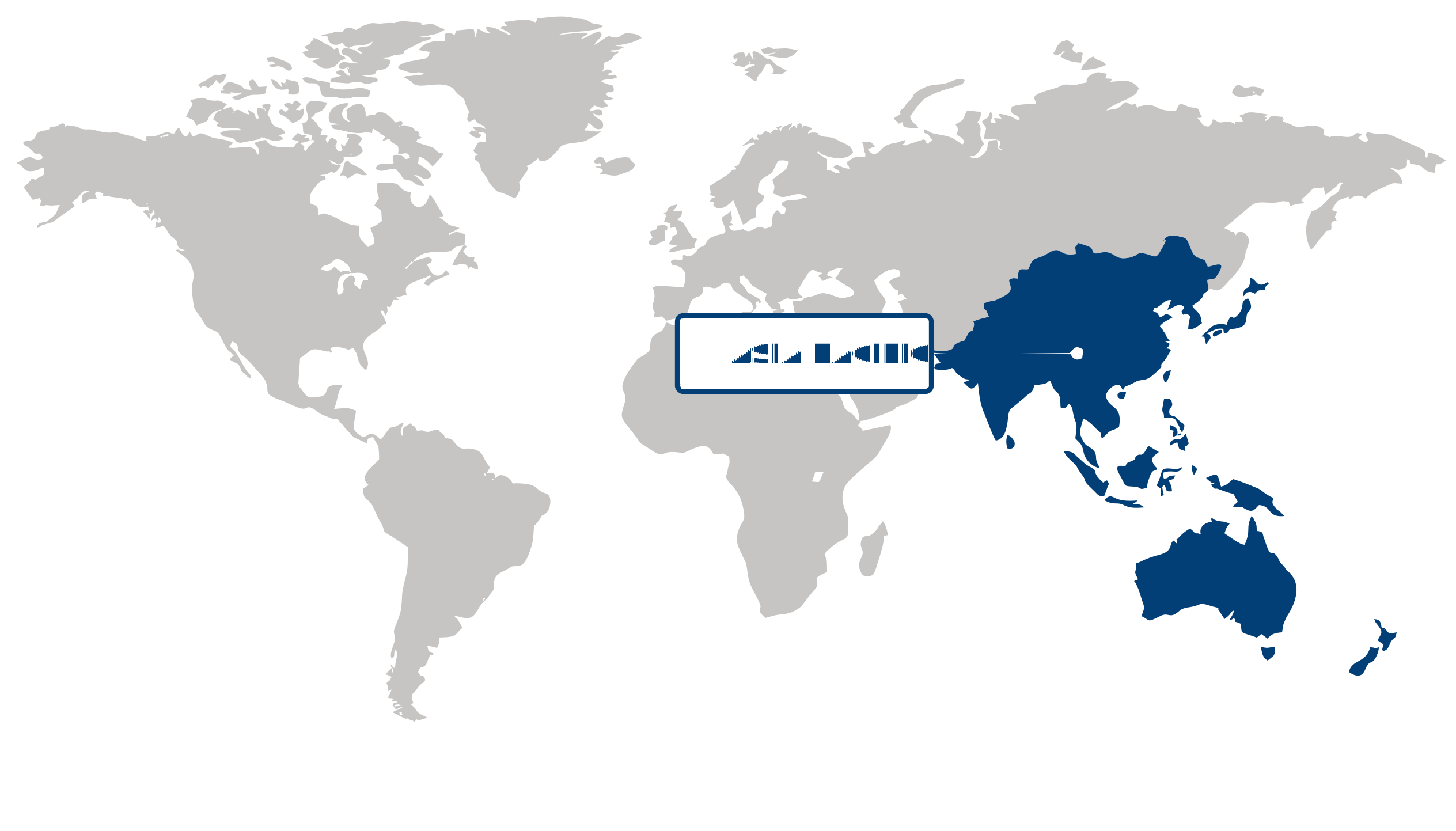
Asia Pacific dominated the isononanoic acid market in 2025, representing more than 36.8% of the global share. This leadership is closely linked to the rising demand for industrial lubricants and personal care formulations, which has driven production and innovation across the region. The robust industrial base in countries like China and Japan fuels consumption, while evolving consumer preferences toward high-performance and sustainable personal care products sustain market momentum. According to a corporate press release from Kao Corporation, breakthroughs in eco-friendly formulations using isononanoic acid have strengthened their product portfolio, exemplifying operational advancements. Additionally, government initiatives in China to boost domestic chemical manufacturing and regulatory support for sustainable ingredients enhance the region’s competitive edge. These factors converge to create a resilient market environment, positioning Asia Pacific as a strategic hub with expanding opportunities in specialty chemicals like isononanoic acid.
Japan acts as a pivotal center within the Asia Pacific isononanoic acid market, leveraging its advanced personal care industry and stringent regulatory standards promoting product safety and sustainability. The Japan Chemical Industry Association highlights ongoing investments in R&D to develop novel, bio-based isononanoic acid derivatives, meeting high consumer demand for efficacy and environmental compliance. Conversely, China’s role is anchored in its vast industrial landscape and expanding lubricant manufacturing sector. The China Petroleum and Chemical Industry Federation reports increased integration of isononanoic acid in high-performance lubricants used across automotive and manufacturing sectors, reflecting the country’s focus on improving operational efficiency and emission standards. Together, Japan’s innovation-driven approach and China’s production scale reinforce Asia Pacific’s dominant position and continuous growth in the isononanoic acid market.
North America Market Analysis:
North America emerged as the fastest-growing region in the isononanoic acid market, registering a robust CAGR of 7.5%. This impressive growth is predominantly driven by the increasing adoption of eco-friendly bio-based chemicals and advanced coating technologies, reflecting a shift toward sustainable industrial practices. Heightened awareness among manufacturers and consumers alike has accelerated demand for environmentally safer chemical alternatives, while regulatory frameworks led by agencies such as the U.S. Environmental Protection Agency (EPA) have reinforced stringent emissions and safety standards. Additionally, investments from industry leaders like BASF and Croda International in bio-based formulations underscore the region’s commitment to innovation and operational excellence. With its strong infrastructure, technological advancement, and progressive environmental policies, North America stands poised to offer significant future opportunities in the isononanoic acid market, especially as global demand for sustainable specialty chemicals intensifies.
The U.S. plays a pivotal role in driving the North American isononanoic acid market growth, fueled by widespread adoption of bio-based chemicals and modern coating processes across automotive, construction, and packaging sectors. The country’s progressive regulatory environment, shaped by the EPA and the Department of Energy, encourages manufacturers to pivot towards greener alternatives, enabling market leaders like Solvay and Croda to introduce next-generation eco-friendly products. Consumer trends favoring sustainability have also pushed industrial players to innovate, as reflected in recent product launches aimed at reducing volatile organic compound (VOC) emissions. Furthermore, the U.S. benefits from a robust supply chain network and access to research institutions that accelerate commercial-scale bio-chemical production. These dynamics situate the U.S. as the cornerstone of North America’s growth, reinforcing extensive regional prospects in the isononanoic acid market through continued adoption of cleaner, more efficient technologies.
Europe Market Trends:
Europe maintained a notable presence in the isononanoic acid market, commanding a significant share driven by advanced manufacturing capabilities and stringent regulatory landscapes fostering high-quality chemical production. The region benefits from a well-established infrastructure supporting efficient supply chains and a growing emphasis on sustainable raw materials, aligned with the European Chemicals Agency’s (ECHA) initiatives on chemical safety and environmental compliance. European consumers increasingly favor eco-friendly products, prompting manufacturers to innovate and integrate greener processes. Additionally, strong partnerships among leading chemical firms like BASF and Evonik, coupled with digital transformation initiatives, enhance operational efficiency and market responsiveness. These dynamics position Europe as a resilient market with robust potential, especially as regulatory frameworks encourage continuous improvement in product safety and sustainability, paving the way for long-term growth.
Germany plays a pivotal role in the isononanoic acid market as Europe’s largest chemical manufacturer, propelled by its advanced production technology and focused investment in sustainable chemistry. Companies such as BASF have announced initiatives emphasizing renewable feedstocks and process intensification, reinforcing Germany’s competitive edge. The country’s regulatory environment, backed by the Federal Environment Agency (UBA), ensures high compliance standards, driving demand for innovative isononanoic acid derivatives in automotive lubricants and specialty chemicals. Germany’s skilled workforce and logistical network further streamline supply chain efficiency, enabling swift adaptation to market shifts. This establishes Germany not only as a production hub but also as a critical driver of innovation that shapes broader regional market trajectories.
France occupies a strategic position in the isononanoic acid market by fostering a dynamic ecosystem balancing industrial growth with environmental stewardship, in line with evolving European Union chemical regulations. French companies, including Arkema, actively pursue advances in bio-based chemistry and circular economy models, responding to rising local and export demand fueled by consumer preferences for sustainable ingredients. Regulatory oversight from the French Agency for Food, Environmental and Occupational Health & Safety (ANSES) ensures stringent compliance, encouraging safer product formulations. The country’s commitment to R&D and digital integration facilitates streamlined production and product innovation. France’s proactive stance enhances regional market diversification and resilience, creating complementary growth avenues alongside Germany’s manufacturing leadership.
| Parameter | North America | Asia Pacific | Europe | Latin America | MEA |
|---|---|---|---|---|---|
| Innovation HubiScaleNascentDeveloping Advanced | |||||
| Cost-Sensitive RegioniScaleLowMedium High | |||||
| Regulatory EnvironmentiScaleRestrictiveNeutral Supportive | |||||
| Demand DriversiScaleWeakModerate Strong | |||||
| Development StageiScaleEmergingDeveloping Developed | |||||
| Adoption RateiScaleLowMedium High | |||||
| New Entrants / StartupsiScaleSparseModerate Dense | |||||
| Macro IndicatorsiScaleWeakStable Strong |
Isononanoic Acid Market Share (%), by Application, 2026
Go beyond the chart, access full insights & data tables
Request Free Sample ReportThe lubricants and grease segment held the largest share in the isononanoic acid market in 2025, driven primarily by the increasing use of isononanoic acid esters in high-performance lubricants. This segment’s leadership is supported by growing demand for advanced lubricants that enhance machinery efficiency and longevity, addressing evolving industrial performance standards globally. Sustainability considerations and regulatory pushing for eco-friendly lubricant formulations have further encouraged adoption, as highlighted in research from the U.S. Environmental Protection Agency (EPA). The segment provides strategic opportunities for both established chemical manufacturers and innovative startups focusing on green chemistry. Given ongoing technological advances and the sustained expansion of industries relying on high-grade lubricants, this segment is poised to maintain its relevance through the near to medium term.
Analysis by End-Use Industry
The automotive segment represented the largest share in the isononanoic acid market in 2025, propelled by rising demand for specialty chemicals utilized in automotive lubricants and coatings. This dominance stems from the automotive industry’s continuous pursuit of improved fuel efficiency and reduced emissions, aligning with stricter global regulations such as those enforced by the European Chemicals Agency (ECHA). Additionally, consumer preferences for high-performance, durable vehicle components intensify the need for advanced lubricant and coating solutions incorporating isononanoic acid derivatives. The segment offers key growth avenues for major automotive chemical suppliers and material innovators. As the automotive sector accelerates electrification and lightweighting trends, its reliance on customized chemical inputs will sustain the segment’s market strength.
Analysis by Derivatives
The nonyl ester segment dominated the isononanoic acid market in 2025, fueled by extensive utilization in plasticizers and lubricant formulations. This segment benefits from the versatility of nonyl esters, which cater to evolving demand patterns for flexible yet durable materials in packaging, automotive, and industrial applications. Regulatory movements toward phasing out harmful plasticizers, as outlined by the U.S. Consumer Product Safety Commission (CPSC), have heightened interest in safer, more sustainable ester options like those derived from isononanoic acid. The broad applicability of nonyl esters presents lucrative entry points for both legacy chemical producers and emerging green chemical firms. Technological advancements enhancing ester performance further ensure the segment’s continued prominence amid growing global sustainability imperatives.
| Segment | Sub-Segment | Largest Segment | Fastest Growing |
|---|---|---|---|
| Application | Metalworking, Plasticizers, Lubricants and Grease, Paints and Coatings, Surfactants and Emulsifiers | ||
| End-Use Industry | Automotive, Packaging, Construction, Personal Care, Industrial | ||
| Derivatives | Nonanoic Acid, Nonyl Ester, Nonyl Alcohol, Nonylphenol, Nonanedioic Acid |
Unlock insights tailored to your business with our bespoke market research solutions.
Click to get your customized report now.
Competitive Landscape and Market Positioning
The competitive environment reflects a pronounced emphasis on enhancing innovation capacity and expanding product offerings. Leaders frequently engage in strategic collaborations and optimize production efficiencies to meet evolving regulatory and sustainability expectations. For instance, Eastman Chemical and BASF focus on refining synthesis processes, while Asian entities such as Godrej and Zhejiang Xinhua leverage regional cost advantages to capture market share. Advances in specialty formulations and customization drive customer retention and market penetration. Cross-sector alliances have increased, facilitating access to emerging application segments. This robust mix of initiatives sustains competitive differentiation through continual technological advancement and supply chain integration, fostering resilience amid shifting demand patterns.
Strategic / Actionable Recommendations for Regional Players
North American stakeholders could benefit from deepening partnerships with innovative specialty chemical firms and integrating digital technologies to enhance product traceability and process automation. Targeting niche end-use industries requiring high-performance additives will further solidify market positioning while responding to sustainability-driven client demands.
In the Asia Pacific, expanding collaborative ventures with regional manufacturers and investing in scalable, eco-friendly production techniques can accelerate growth. Leveraging local market knowledge to develop tailored isononanoic acid derivatives that align with emerging industrial needs will enhance competitive advantage amid intensifying domestic competition.
European market participants should focus on aligning with regulatory frameworks through continuous enhancement of green chemistry solutions. Building strategic alliances that emphasize circular economy principles and investing in advanced R&D to innovate specialty formulations can strengthen brand equity and unlock high-value segments within mature markets.
| Company | Market Share | Company Revenue | Revenue CAGR (%) | Product Portfolio | Geographic Presence | Innovation / R&D Focus | Strategic Developments |
|---|---|---|---|---|---|---|---|
| No companies available. | |||||||
Customize Your Report
Explore examples of how this report can be tailored to different research needs, including custom segments, additional topics or chapters, and related reports. Click a section of the wheel or its numbered marker to explore the available options.
Isononanoic Acid Market — Custom Segments
| Segment | Sub-Segment |
|---|---|
| No segment data available. | |
Isononanoic Acid Market — Custom TOC
| Custom Chapter | Chapter Details |
|---|---|
| No custom TOC data available. | |
Need a different cut of the data?
Request Custom ResearchFrequently Asked Questions
How is the isononanoic acid industry size expected to evolve during the forecast period?
Which part of the world represents the largest segment of the isononanoic acid market?
In which region is the isononanoic acid sector expanding most rapidly?
When did lubricants and grease sub-segment emerge as the largest sub-segment in the application segment of isononanoic acid sector?
Why is the automotive segment leading in the isononanoic acid industry?
Why does nonyl ester sub-segment dominate the derivatives segment of isononanoic acid sector?
Who are the leading players in the isononanoic acid landscape?
Our Clients
"The report helped us understand emerging consumer trends in our product category. It clarified where to focus innovation for the next product launch."
LyondellBasell
"The regional forecast section was incredibly useful. We were able to identify two new potential partners in Europe thanks to the vendor mapping you included."
SABIC
"We appreciated how actionable the recommendations were. It guided us to improve supply chain resilience."
Olin Corporation
Our Research Team & Methodology
Every Fundamental Business Insights report is built by a dedicated vertical research team, validated through a structured primary-and-secondary methodology, and reviewed for accuracy before it reaches you.
This report was prepared by the Chemicals & Materials Research Team at Fundamental Business Insights, a dedicated research group specializing in the global chemicals, advanced materials, and industrial manufacturing sectors. Our analysts continuously monitor raw material supply chains, feedstock pricing, production technologies, regulatory developments, sustainability initiatives, environmental compliance, trade dynamics, and evolving end-use applications to deliver timely and reliable market intelligence. The research is developed using a structured methodology that combines primary discussions with manufacturers, raw material suppliers, distributors, and industry experts, along with company annual reports, regulatory publications, government trade statistics, industry associations, technical literature, patent databases, and other authoritative secondary sources. Market estimates are validated through multiple research techniques, including top-down and bottom-up analysis, before undergoing an internal quality review to ensure accuracy, consistency, and methodological integrity prior to publication.
Delivery
Published
Available
Support
- Market Size & Forecast
- Market Segmentation
- Regional Analysis
- Growth Drivers & Challenges
- Market Dynamics
- Competitive Landscape
- Company Profiles
- Competitive Benchmarking
- Mergers & Acquisitions
- Market Share Analysis or Key Company Strategies
- Value Chain Analysis
- Porter's Five Forces
- PESTLE Analysis
- Pricing Trends
- Supply-Demand Analysis
- Technology Landscape
- Regulatory Landscape
- Investment & Funding Landscape
- Emerging Opportunities
- Future Market Outlook