Inoculants Market Size & Forecasts 2026-2035, By Segments (Type, Microbes, Crop Type), Growth Opportunities, Innovation Landscape, Regulatory Shifts, Strategic Regional Insights (U.S., Japan, China, South Korea, UK, Germany, France), and Competitive Dynamics (Novozymes, BASF, Rizobacter, Novagreen, Becker Underwood)
Jump to Content
Market Size and Growth Outlook
Inoculants Market size is anticipated to rise from USD 1.38 billion in 2025 to USD 3.21 billion by 2035, reflecting a CAGR surpassing 8.8% over the forecast horizon of 2026-2035. The estimated revenue for 2026 is USD 1.48 billion.
Get more details on this report
Request Free Sample ReportInoculants Market Intelligence Snapshot
Regional Market Dynamics
Segment Momentum
Market Expansion Drivers
Leading Market Participants
Global Market Forecast Snapshot
Market Outlook
Regional and Segment Outlook
Market Growth Drivers and Industry Trends
Wide-scale uptake of seed-applied biologicals and integrated protection is reshaping the inoculants market by moving treatments upstream in the value chain, driven by farmer demand for yield security and reduced chemical loads. Corporate activity—Corteva Agriscience and Bayer CropScience expanding biological seed-treatment offerings in recent press releases—and regulatory pathways overseen by the United States Department of Agriculture (USDA) have reduced commercialization friction, while distributor networks accelerate farmer trials. Established agrochemical firms can leverage scale, regulatory experience, and seed channels; newcomers can capture niche segments with specialized formulations and digital trial data. Given continuing commercialization announcements and expanded on-farm trials, expect accelerating integration of inoculants into standard seed treatment packages.
Innovations in Microbial Inoculants for Sustainable Agriculture
Advances in strain discovery, formulation, and delivery technologies are improving efficacy and farmer acceptance, transforming the inoculants market toward sustainable inputs. Novozymes and BASF have public R&D programs and product launches emphasizing microbial solutions, while the Food and Agriculture Organization of the United Nations (FAO) highlights biologicals as tools for sustainable intensification. This creates opportunities for incumbents to bolt-on biological portfolios and for biotech startups to partner on co-development and licensing. With rising investment in microbial R&D and visible field-validation case studies, expect a steady pipeline of commercially viable biological products that integrate with existing crop management systems.
Expansion of Agriculture in Emerging Markets with Growing Arable Land
Geographic expansion and intensified cultivation in parts of Africa, South Asia, and Latin America are widening addressable demand for inoculants market solutions as farmers adopt yield-enhancing inputs. Observations from the Food and Agriculture Organization of the United Nations (FAO) and World Bank country programs document expansion of cultivated area and investment in agri-infrastructure, while national agencies such as Embrapa and India’s Ministry of Agriculture have supported trials and extension. Multinational firms can scale manufacturing and distribution; local producers and service-oriented entrants can differentiate on local strains, agroecological fit, and extension services. Continued public-sector extension and private investment indicate growing commercialization pathways tied to local agronomic validation.
Industry Restraints:
Regulatory Approval Complexity and Heterogeneous Standards
Lengthy, fragmented approval pathways and divergent data requirements across jurisdictions slow product launches and raise compliance costs, constraining innovation and farmer access. The U.S. Environmental Protection Agency (EPA) and the European Food Safety Authority (EFSA), along with the European Commission’s approval processes, impose rigorous safety and environmental data packages for microbial products; India’s Central Insecticides Board & Registration Committee (CIB&RC) applies different evidentiary standards, creating repeat testing and delayed market entry. These burdens favor well-capitalized incumbents able to absorb regulatory timelines and deter smaller developers and agro‑tech entrants. Expect sustained regulatory scrutiny as authorities prioritize biosafety and traceability; harmonization efforts could ease frictions over the medium term but will not eliminate upfront investment requirements.
Cold-Chain, Shelf-Life and Manufacturing Scale Limitations
Biological sensitivity, short shelf lives, and limited fermentation capacity restrict distribution, field adoption, and rapid scale-up. The Food and Agriculture Organization (FAO) highlights storage and handling challenges for biofertilizers and inoculants, while Novozymes and Chr. Hansen have publicly described investments to expand production and stabilize formulations, underscoring capital intensity. Global supply-chain shocks noted by the World Bank further magnify risks to ingredient sourcing and logistics. Practically, established players with integrated manufacturing and distribution gain resilience, whereas new entrants face higher barriers to achieve reliable supply. Continued advances in formulation and localized production are likely to mitigate but not fully remove these structural constraints in the near to medium term.
| Growth Driver | Impact on CAGR | Regulatory Influence | Geographic Relevance | Adoption Rate | Impact Timeline |
|---|---|---|---|---|---|
| Increasing adoption in seed treatment and crop protection | 2.50% | Short term (≤ 2 yrs) | North America, Europe; Spillover: Asia Pacific | High | Fast |
| Innovations in microbial inoculants for sustainable agriculture | 2.80% | Medium term (2–5 yrs) | Europe, Asia Pacific | Medium | Moderate |
| Expansion of agriculture in emerging markets with growing arable land | 1.80% | Long term (5+ yrs) | Asia Pacific, Latin America; Spillover: MEA | Low | Moderate |
Explore Growth Opportunities
Request Free Sample ReportRegional Demand Dynamics
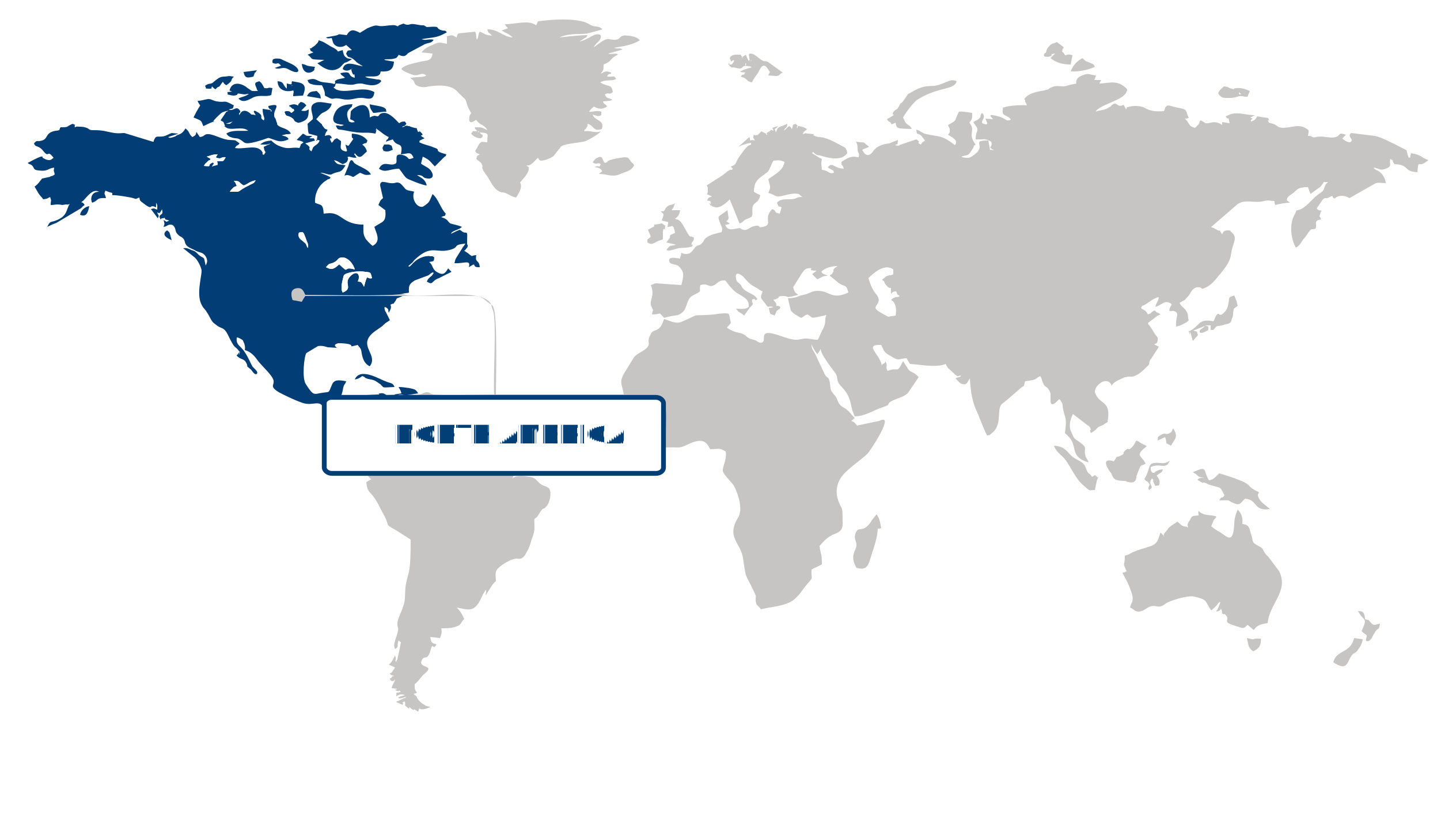
The North American inoculants market captured over 35.00% of the global market in 2025, making the region the largest by share. This leadership is rooted in advanced agricultural practices and high adoption of sustainable farming in North America, supported by public- and private-sector activity: U.S. Department of Agriculture (USDA) programs and data documenting expanded use of conservation practices, the U.S. Environmental Protection Agency’s (EPA) Biopesticides and Pollution Prevention Division streamlining registrations for microbial products, and corporate announcements from Corteva Agriscience and Novozymes detailing expanded R&D and commercial launches of seed- and soil-applied biologicals. Combined with widespread precision-agriculture deployment, strong distribution networks, and sizable commercial farm operations, these factors create a favorable environment for scale-up and faster product uptake, positioning the region for continued investor interest and commercialization opportunities.
The United States anchors the North American market, and the U.S. inoculants market is characterized by robust regulatory pathways, extensive field testing, and large-scale adoption on row-crop acres. USDA initiatives and state extension services routinely fund on-farm trials and education that accelerate farmer acceptance, while EPA registrations provide a clearer route to market for microbial solutions; Corteva Agriscience and BASF field-trial disclosures illustrate product rollouts across Midwestern and Western production systems. As the primary commercialization and innovation hub in the region, the United States offers companies a replicable platform for scaling inoculant solutions, validating performance under commercial conditions, and capturing regional export and licensing opportunities.
Asia Pacific Market Analysis:
Asia Pacific emerged as the fastest-growing region in the inoculants market, registering a CAGR of 10.56%, driven by accelerating adoption of bio‑fertilizers and strengthened government support for sustainable agriculture. Rapid policy endorsements—from the Ministry of Agriculture, Forestry and Fisheries (MAFF) in Japan to the Ministry of Agriculture and Rural Affairs of the People’s Republic of China (MARA)—combined with development finance from the Asian Development Bank (ADB) and sector analysis by the International Fertilizer Association (IFA) and the Food and Agriculture Organization of the United Nations (FAO) have reduced regulatory friction and expanded pilot programs. Shifts toward lower-input, yield-stable cropping and rising procurement of certified inputs among commercial growers are increasing demand; supply-chain investments in microbial production and cold‑chain logistics are following. These dynamics position the region as a scalable testbed for product innovation and commercial rollouts over the next policy‑driven adoption cycles.
Japan acts as a technology- and quality-driven market in the inoculants market, where precision agriculture, stringent food-safety expectations, and targeted MAFF incentives favor high-efficacy, traceable biological inputs. Adoption is concentrated on high-value horticulture and rice systems where growers seek yield resilience and residue reduction; MAFF programs and pilot grants for low-input farming have made certified biofertilizers more accessible to co-ops and agri-tech integrators. Corporates and research institutes in Japan emphasize product validation and digital traceability, creating premium positioning and faster regulatory acceptance. Strategically, Japan’s rigorous testing and premium demand create validation pathways that de‑risk regional scale-up for exporters and technology partners.
China serves as the volume engine in the inoculants market, where MARA-led promotion of biofertilizers, rural revitalization policies, and large-scale mechanized farms accelerate widespread deployment. Government pilot zones and procurement incentives under provincial agricultural bureaus have encouraged domestic manufacturers to scale microbial production and distribution networks; FAO and MARA publications highlight national targets to reduce chemical fertilizer intensity. This environment favors cost‑competitive formulations, regional manufacturing hubs, and partnerships with agro-input distributors to reach millions of hectares. For investors and strategists, China’s scale and policy backing offer rapid commercialization routes that can drive regional unit economics and supply-chain consolidation.
Europe Market Trends:
Europe experienced moderate growth in the inoculants market, maintaining a notable presence across both large-scale arable systems and high-value horticulture as sustainability and input-efficiency rose on the policy agenda. Evidence of this shift appears in the European Commission’s Farm to Fork communications and in the European Biostimulants Industry Council (EBIC) advocacy for microbial solutions, while the European Food Safety Authority (EFSA) has increased scrutiny that is clarifying market pathways. Commercial signals—such as Novozymes’ expansion of agricultural microbial programs and BASF’s biologicals announcements—underscore industry commitment. These combined regulatory, commercial, and sustainability dynamics position Europe for continued commercial innovation and partnership-driven scaling of inoculant solutions across supply chains.
Germany plays a leading innovation role and experienced moderate growth in the inoculants market, propelled by strong industrial biotech capacity and farmer interest in precision agronomy. Domestic firms such as BASF have publicly expanded biologicals activities, and research bodies including the Julius Kühn‑Institut receive public support from the Bundesministerium für Ernährung und Landwirtschaft, aligning R&D with on‑farm adoption. Logistics networks and mechanized planting systems in Germany allow pilots of seed‑applied and granular inoculants to be operationalized quickly. Strategically, Germany’s combination of industrial R&D and structured farm advisory networks makes it an efficient commercialization gateway for solutions destined for wider European deployment.
France serves as a major adoption and commercialization hub and experienced moderate growth in the inoculants market, supported by cooperative distribution systems and rising demand for low‑input and organic production. Research institutions such as INRAE and policy measures from the Ministère de l'Agriculture et de l'Alimentation, alongside market signals reported by Agence BIO on organic acreage expansion, have encouraged trials of microbial inoculants. French seed companies and cooperatives, including Limagrain and Vilmorin & Cie, have engaged in collaborative R&D and pilot programs integrating biological seed treatments. This cooperative, farm‑centric structure makes France a strategic partner for pilots that validate efficacy and build downstream commercial channels across Europe.
| Parameter | North America | Asia Pacific | Europe | Latin America | MEA |
|---|---|---|---|---|---|
| Innovation HubiScaleNascentDeveloping Advanced | |||||
| Cost-Sensitive RegioniScaleLowMedium High | |||||
| Regulatory EnvironmentiScaleRestrictiveNeutral Supportive | |||||
| Demand DriversiScaleWeakModerate Strong | |||||
| Development StageiScaleEmergingDeveloping Developed | |||||
| Adoption RateiScaleLowMedium High | |||||
| New Entrants / StartupsiScaleSparseModerate Dense | |||||
| Macro IndicatorsiScaleWeakStable Strong |
Inoculants Market Share (%), by Type, 2026
Go beyond the chart, access full insights & data tables
Request Free Sample ReportAgricultural inoculants represented the largest share in 2025 of the inoculants market, driven by widespread on‑farm adoption to boost nitrogen fixation, nutrient uptake and yields in staple crops. Leadership stems from clear agronomic benefits highlighted in FAO guidance on sustainable soil management and extension recommendations from the USDA promoting inoculants for legumes and cover crops; major suppliers such as Novozymes and Bayer have expanded biological portfolios and distribution, reflecting robust commercial validation. Rising farmer demand for input efficiency, supply‑chain emphasis on input traceability, and regulatory encouragement for reduced synthetic fertilizer use create strategic openings for incumbents to scale integrated solutions and for nimble entrants to niche formulations and service models. Given policy focus on sustainability and volatility in fertilizer markets, this segment should remain central near term.
Analysis by Microbes
Bacterial held largest share in 2025 of the inoculants market, owing to the proven efficacy of organisms like Rhizobium and Azospirillum in enhancing nitrogen fixation and soil health across diverse crops. Scientific endorsements from institutions such as the International Rice Research Institute (IRRI) and technical guidance from FAO underscore bacterial strains’ repeatable field performance, while agricultural extension services and seed companies have accelerated adoption through co‑formulation and seed treatment partnerships. Implicit drivers include farmer preference for predictable yield lifts, advances in formulation and storage, and commercial alliances between biotech firms and distributors. Opportunities include precision strain development, digital application tracking, and licensed strain portfolios for established firms and specialized providers. Continued R&D and deployment in sustainable cropping systems support ongoing relevance into the medium term.
Analysis by Crop Type
Cereals & Grains dominated the inoculants market in 2025, reflecting the vast global acreage of wheat, rice and maize and demonstrated yield responses to inoculation in these staples. FAO statistics on global cereal production and field research from CIMMYT and IRRI documenting positive responses to microbial inoculants underpin demand, while seed companies and agronomy service providers increasingly bundle inoculants with seed and crop management packages. Trends in farmer demand for yield resilience, food‑security priorities, and procurement practices favor scalable solutions that reduce input costs, opening large commercial channels for incumbents and targeted opportunities for startups offering crop‑specific formulations. Given the centrality of cereals to global food systems and ongoing research integration, this segment is poised to remain strategically important in the near to medium term.
| Segment | Sub-Segment | Largest Segment | Fastest Growing |
|---|---|---|---|
| Type | Agricultural Inoculants, Silage Inoculants | ||
| Microbes | Bacterial, Fungal, Others | ||
| Crop Type | Oilseeds & Pulses, Cereals & Grains, Fruits & Vegetables, Forage, Others |
Unlock insights tailored to your business with our bespoke market research solutions.
Click to get your customized report now.
Competitive Landscape and Market Positioning
The competitive landscape is defined by consolidation of capabilities, targeted portfolio expansion and collaborations that align biological assets with commercial channels. Leading firms are expanding product suites and integrating microbial platforms with seed, nutrient and application technologies to strengthen shelf appeal and grow channel access, while regional specialists deepen local-adaptation and farmer-facing support. Investment in strain pipelines, formulation stability and trial networks is widening differentiation, and arrangements with distributors and seed companies accelerate field adoption. These moves increase the importance of integrated offerings and raise the bar for new entrants seeking scale, regulatory robustness and validated field performance.
Strategic / Actionable Recommendations for Regional Players
In North America, prioritize deeper ties with seed companies and precision-ag platforms to embed inoculants into seed-to-soil solutions; focus on compatibility with existing fertility programs and demonstration networks to build commercial credibility, and pursue partnerships that extend distribution while accelerating field validation across major row crops.
In Asia Pacific, concentrate on locally adapted strains and robust formulations that tolerate storage and transport challenges; collaborate with public research stations and regional distributors to tailor messaging for diverse smallholder and commercial systems, and use digital extension tools to scale farmer uptake for high-potential crops and legumes.
In Europe, emphasize sustainability credentials and integration with integrated nutrient and crop management programs; work with cooperatives and value-chain stakeholders to create traceable, certified offerings, and invest in advanced validation and compliance capabilities to differentiate in markets sensitive to regulatory and environmental scrutiny.
| Company | Market Share | Company Revenue | Revenue CAGR (%) | Product Portfolio | Geographic Presence | Innovation / R&D Focus | Strategic Developments |
|---|---|---|---|---|---|---|---|
| No companies available. | |||||||
Customize Your Report
Explore examples of how this report can be tailored to different research needs, including custom segments, additional topics or chapters, and related reports. Click a section of the wheel or its numbered marker to explore the available options.
Inoculants Market — Custom Segments
| Segment | Sub-Segment |
|---|---|
| No segment data available. | |
Inoculants Market — Custom TOC
| Custom Chapter | Chapter Details |
|---|---|
| No custom TOC data available. | |
Need a different cut of the data?
Request Custom ResearchFrequently Asked Questions
How much is the inoculants market worth?
What is the anticipated CAGR of the inoculants industry?
Which geographic area exhibits the highest level of inoculants market penetration?
Who is driving the fastest regional growth in the inoculants sector?
What share does agricultural inoculants segment hold in the inoculants sector as of 2025?
Where is the bacterial segment seeing the strongest adoption within the inoculants industry?
When did cereals & grains sub-segment emerge as the largest sub-segment in the crop type segment of inoculants sector?
What are the key competitors in the inoculants landscape?
Our Clients
"The report helped us understand emerging consumer trends in our product category. It clarified where to focus innovation for the next product launch."
LyondellBasell
"The regional forecast section was incredibly useful. We were able to identify two new potential partners in Europe thanks to the vendor mapping you included."
SABIC
"We appreciated how actionable the recommendations were. It guided us to improve supply chain resilience."
Olin Corporation
Our Research Team & Methodology
Every Fundamental Business Insights report is built by a dedicated vertical research team, validated through a structured primary-and-secondary methodology, and reviewed for accuracy before it reaches you.
This report was prepared by the Chemicals & Materials Research Team at Fundamental Business Insights, a dedicated research group specializing in the global chemicals, advanced materials, and industrial manufacturing sectors. Our analysts continuously monitor raw material supply chains, feedstock pricing, production technologies, regulatory developments, sustainability initiatives, environmental compliance, trade dynamics, and evolving end-use applications to deliver timely and reliable market intelligence. The research is developed using a structured methodology that combines primary discussions with manufacturers, raw material suppliers, distributors, and industry experts, along with company annual reports, regulatory publications, government trade statistics, industry associations, technical literature, patent databases, and other authoritative secondary sources. Market estimates are validated through multiple research techniques, including top-down and bottom-up analysis, before undergoing an internal quality review to ensure accuracy, consistency, and methodological integrity prior to publication.
Delivery
Published
Available
Support
- Market Size & Forecast
- Market Segmentation
- Regional Analysis
- Growth Drivers & Challenges
- Market Dynamics
- Competitive Landscape
- Company Profiles
- Competitive Benchmarking
- Mergers & Acquisitions
- Market Share Analysis or Key Company Strategies
- Value Chain Analysis
- Porter's Five Forces
- PESTLE Analysis
- Pricing Trends
- Supply-Demand Analysis
- Technology Landscape
- Regulatory Landscape
- Investment & Funding Landscape
- Emerging Opportunities
- Future Market Outlook