Immunohistochemistry (IHC) Market Size & Forecasts 2026-2035, By Segments (End-Use, Product, Application), Growth Opportunities, Innovation Landscape, Regulatory Shifts, Strategic Regional Insights (U.S., Japan, China, South Korea, UK, Germany, France), and Competitive Dynamics (Agilent Technologies, Danaher, Bio-Techne, PerkinElmer, Roche)
Jump to Content
Market Size and Growth Outlook
Immunohistochemistry Market size is forecast to climb from USD 2.75 billion in 2025 to USD 4.97 billion by 2035, expanding at a CAGR of over 6.1% during 2026-2035. Industry revenue in 2026 is projected at USD 2.9 billion.
Get more details on this report
Request Free Sample ReportImmunohistochemistry (IHC) Market Intelligence Snapshot
Regional Market Dynamics
Segment Momentum
Market Expansion Drivers
Leading Market Participants
Global Market Forecast Snapshot
Market Outlook
Regional and Segment Outlook
Market Growth Drivers and Industry Trends
The increasing utilization of immunohistochemistry (IHC) in oncology for precise tumor identification and biomarker detection is a pivotal growth driver in the IHC market. This trend reflects heightened clinical focus on personalized medicine, with organizations like the National Cancer Institute emphasizing IHC’s role in enhancing diagnostic accuracy and treatment planning. As cancer prevalence rises globally, demand for advanced diagnostic tools intensifies, spurring innovations in antibody development and staining techniques. This creates strategic openings for established firms to expand their oncology-focused assay portfolios and for emerging players to introduce niche, high-specificity reagents. Ongoing clinical research involving IHC, backed by entities such as the American Association for Cancer Research, suggests sustained integration of IHC into diagnostic algorithms, positioning the market to evolve alongside precision oncology advances.
Automation and Integration of Digital Pathology
Automation and digital pathology integration significantly advance the immunohistochemistry (IHC) market by improving throughput, reproducibility, and diagnostic precision. Leading companies like Leica Biosystems and Roche Diagnostics have deployed automated staining platforms and AI-powered image analysis systems that streamline workflows and reduce human error. This technological convergence aligns with broader healthcare digital transformation priorities, facilitating remote consultations and standardized reporting. For market incumbents, this trend underscores the importance of investing in interoperable, software-driven solutions, while new entrants can capitalize on opportunities in AI algorithm development and workflow optimization. Continued regulatory support for digital diagnostics from agencies such as the U.S. FDA reinforces this trajectory, ensuring that innovation in automation will remain a key market differentiator.
Growth Through Biopharmaceutical Testing and Companion Diagnostics
The expansion of biopharmaceutical testing and companion diagnostics is reshaping the immunohistochemistry (IHC) market by integrating biomarker identification into drug development and patient stratification. Pharmaceutical leaders including Pfizer and Novartis increasingly incorporate IHC assays in clinical trials to validate therapeutic targets and evaluate treatment efficacy, as documented in their corporate communications. This alignment with precision medicine initiatives enhances drug approval success rates and market access strategies, driving demand for high-quality IHC reagents and assay kits. Established IHC suppliers can leverage partnerships with biopharma to co-develop validated diagnostic solutions, while startups may focus on customizable assays for emerging therapies. The increasing regulatory emphasis on companion diagnostics by bodies such as the European Medicines Agency ensures IHC’s continued relevance in tailored therapeutics development.
Industry Restraints:
Regulatory Approval Complexities
Navigating diverse regulatory frameworks across regions significantly constrains the IHC market’s expansion. The varying and often stringent requirements for diagnostic tests from authorities such as the U.S. Food and Drug Administration (FDA) and the European Medicines Agency (EMA) increase time-to-market and elevate compliance costs, particularly for novel antibody reagents and automated platforms. For instance, Roche’s delay in launching certain IHC diagnostics in Europe was tied to extended CE marking processes, underscoring operational inefficiencies that dampen innovation velocity. This complexity disproportionately burdens smaller companies lacking extensive regulatory expertise, limiting competitive dynamics. Large players must allocate significant resources to ongoing regulatory surveillance, slowing product diversification. As global harmonization efforts remain nascent, these regulatory hurdles will persist, compelling stakeholders to prioritize robust compliance frameworks and strategic regulatory partnerships to maintain market momentum.
High Reagent and Instrumentation Costs
The substantial costs associated with premium antibodies, detection kits, and automated IHC instruments impose a critical barrier, particularly in emerging markets with constrained healthcare budgets. For example, Agilent Technologies’ pricing of its Dako Link auto-stainers highlights how capital expenditure and consumable costs can limit adoption by smaller pathology labs. This economic headwind restricts widespread use despite rising demand for precision diagnostics. Moreover, reimbursement inconsistencies in markets like India and Brazil exacerbate consumer hesitancy, impacting revenue predictability for suppliers. Established firms face pressure to optimize pricing structures while newcomers struggle to achieve economies of scale. Looking ahead, ongoing demand for cost-effective, high-throughput solutions will drive innovation in reagent miniaturization and instrument modularity, although affordability concerns will continue to temper broader market penetration in the near term.
| Growth Driver | Impact on CAGR | Regulatory Influence | Geographic Relevance | Adoption Rate | Impact Timeline |
|---|---|---|---|---|---|
| Increasing use of IHC in cancer diagnostics and research | 2.00% | Short term (≤ 2 yrs) | North America, Europe; Spillover: Asia Pacific | Medium | Fast |
| Automation and digital pathology integration | 2.50% | Medium term (2–5 yrs) | Europe, North America; Spillover: Asia Pacific | Medium | Moderate |
| Expansion of biopharmaceutical testing and companion diagnostics | 1.00% | Long term (5+ yrs) | North America, Asia Pacific; Spillover: Europe | Medium | Slow |
Explore Growth Opportunities
Request Free Sample ReportRegional Demand Dynamics
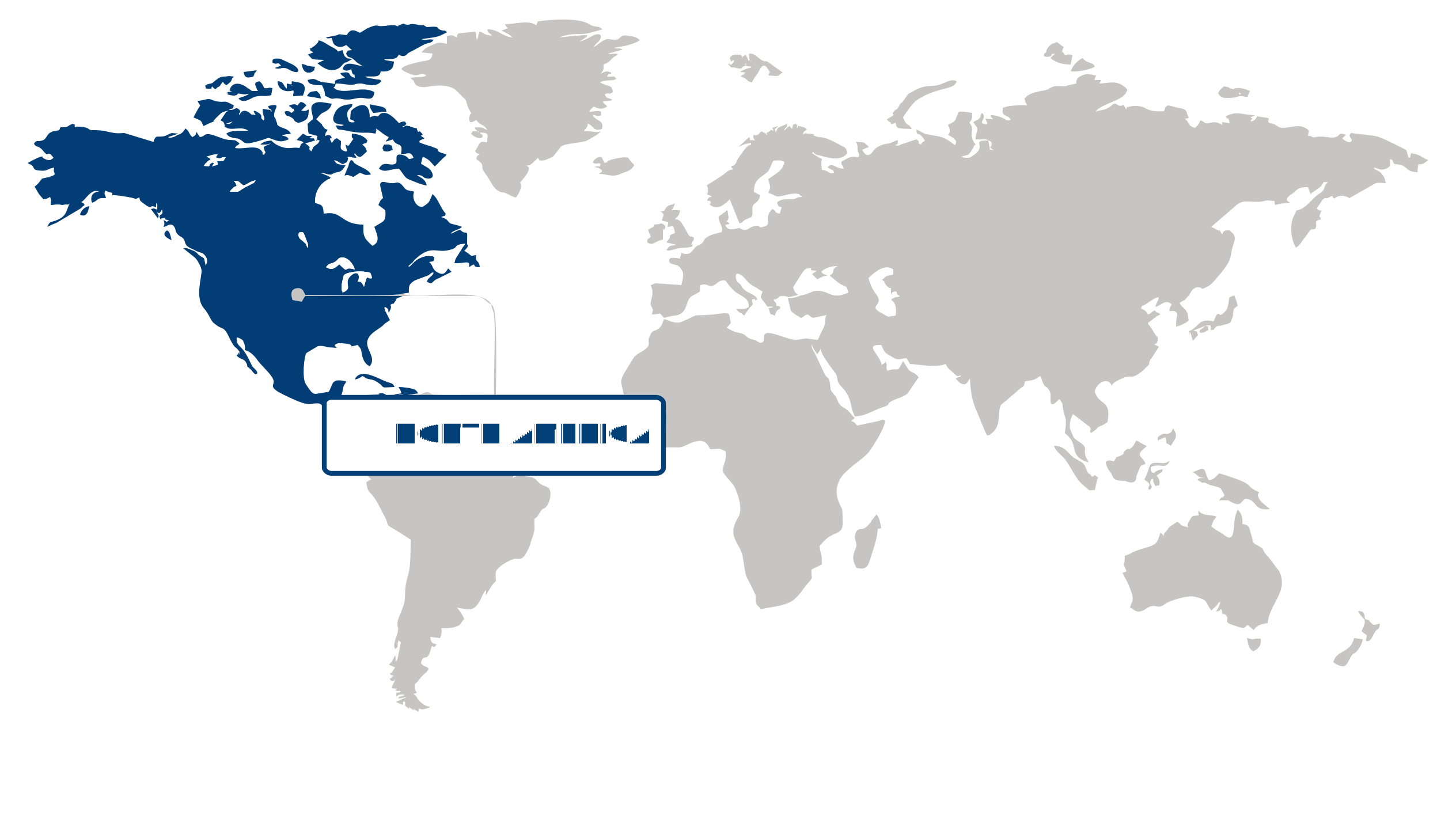
North America dominated the immunohistochemistry (IHC) market, representing more than 41.5% of the global share in 2025. The region’s leadership is anchored by its advanced pathology infrastructure and elevated adoption rates of cancer diagnostics and companion diagnostics in oncology. This position is bolstered by sustained investments in healthcare innovation and regulatory frameworks that expedite approval of cutting-edge diagnostic tools, as evidenced by the U.S. Food and Drug Administration’s (FDA) recent clearances for novel IHC assays. Additionally, the robust network of research institutions and collaborations, such as those facilitated by the National Cancer Institute (NCI), underpins continuous technological advancements. These factors collectively drive demand shifts favoring precision medicine and personalized oncology care, reinforcing North America’s commercial edge. Looking ahead, the increasing focus on early cancer detection and integration of AI-driven pathology is poised to fuel further growth opportunities within the region’s immunohistochemistry (IHC) market.
The United States anchors the North American immunohistochemistry (IHC) market, leveraging a sophisticated ecosystem of oncology diagnostics and companion testing protocols widely adopted across clinical settings. The country’s commitment to innovation in precision medicine is reflected in the strategic partnerships forged by leading players like Thermo Fisher Scientific with academic and clinical institutions to expand IHC assay portfolios. Regulatory clarity from the FDA continues to facilitate rapid market entry for innovative tests, supporting an environment conducive to both incumbents and emerging players. Moreover, a culturally diverse patient population drives demand for more tailored diagnostic approaches, enhancing diagnostic specificity and treatment outcomes. These dynamics position the U.S. as a pivotal contributor to regional market expansion, underpinning North America’s overall dominance in the immunohistochemistry (IHC) market.
Asia Pacific Market Analysis:
Asia Pacific emerged as the fastest-growing region in the immunohistochemistry (IHC) market, registering a robust CAGR of 8.54%. This accelerated growth is propelled by the rising incidence of oncology cases, which intensifies demand for precise diagnostic tools, alongside expanding diagnostic laboratory infrastructure and burgeoning investments in emerging economies. Enhancements in healthcare frameworks, improved access to advanced medical technologies, and increased government backing have collectively strengthened regional capabilities. For instance, the Asian Development Bank’s initiatives to upgrade healthcare infrastructure in multiple Pacific nations underscore these trends. These dynamics foster a competitive environment where innovation and operational efficiency are prioritized, positioning Asia Pacific as a critical growth hub. The region’s demographic diversity and expanding middle-class populations further sustain demand for reliable cancer diagnostics, making it a compelling market for sustained investment in the immunohistochemistry (IHC) domain.
Japan plays a pivotal role in Asia Pacific’s IHC market, driven by its advanced healthcare system and aging population that fuels demand for cancer diagnostics. The country’s robust regulatory frameworks and incentives for medical innovation, highlighted by approvals from the Pharmaceuticals and Medical Devices Agency (PMDA), support rapid adoption of cutting-edge IHC technologies. Meanwhile, China's market expansion is shaped by significant government investments in healthcare modernization and large-scale development of diagnostic labs, as demonstrated by initiatives like the Healthy China 2030 plan. This has enhanced accessibility to advanced diagnostic services across urban and tier-2 cities. Collectively, these country-specific trends reinforce Asia Pacific’s dominance, underscoring the strategic importance of tailored innovation and infrastructure development to capture emerging opportunities in the immunohistochemistry (IHC) market.
Europe Market Trends:
Europe maintained a substantial share in the immunohistochemistry (IHC) market, underscoring its pivotal role fueled by advanced healthcare infrastructure and robust research ecosystems. The region's demand reflects a growing preference for precision diagnostics and personalized medicine, supported by sustained investments in biotechnological innovation and regulatory environments favoring rapid adoption of novel IHC technologies. European nations benefit from integrated supply chains and collaborations among leading medical institutions and industry players such as Roche Diagnostics and Agilent Technologies, as highlighted in their recent corporate press releases. Additionally, policy frameworks promoting sustainability and digital health transformation enhance operational efficiencies, while a skilled workforce ensures continuous innovation. These combined factors position Europe as a critical hub for expanding IHC applications across oncology and autoimmune disease diagnosis, presenting significant opportunities for strategic investments and technological advancements.
Germany serves as a cornerstone in Europe’s immunohistochemistry (IHC) market, propelled by strong public and private funding in medical research and healthcare modernization. The country’s healthcare system demonstrates high adoption rates of cutting-edge IHC platforms, supported by collaborations between local biotech firms and academic institutions such as the Max Planck Society. German regulatory authorities have streamlined pathways for diagnostic approvals, enhancing accessibility and market penetration, as shown in recent announcements from Siemens Healthineers. This dynamic fosters a competitive environment where innovation thrives, encouraging new product launches and clinical trials. Germany’s leadership amplifies regional opportunities by driving technological standards and offering a scalable market that underpins broader European growth potential.
France plays a vital role in Europe’s immunohistochemistry (IHC) market, driven by strong clinical demand and government initiatives promoting cancer research and precision medicine. The country’s focus on integrating digital pathology with IHC advances is evident through partnerships involving Inserm and major diagnostics companies like bioMérieux, as detailed in recent industry collaborations. France’s evolving reimbursement policies and increasing patient awareness contribute to rising adoption rates across diagnostic centers. This environment fosters competitive differentiation and innovation tailored to local needs, reinforcing France’s strategic importance in the region. Consequently, France enhances Europe’s overall IHC ecosystem by complementing technological progress with supportive regulatory and reimbursement landscapes, thus bolstering long-term regional market expansion.
| Parameter | North America | Asia Pacific | Europe | Latin America | MEA |
|---|---|---|---|---|---|
| Innovation HubiScaleNascentDeveloping Advanced | |||||
| Cost-Sensitive RegioniScaleLowMedium High | |||||
| Regulatory EnvironmentiScaleRestrictiveNeutral Supportive | |||||
| Demand DriversiScaleWeakModerate Strong | |||||
| Development StageiScaleEmergingDeveloping Developed | |||||
| Adoption RateiScaleLowMedium High | |||||
| New Entrants / StartupsiScaleSparseModerate Dense | |||||
| Macro IndicatorsiScaleWeakStable Strong |
Immunohistochemistry (IHC) Market Share (%), by End-Use, 2026
Go beyond the chart, access full insights & data tables
Request Free Sample ReportThe hospitals and diagnostic laboratories segment represented the largest share in the immunohistochemistry (IHC) market in 2025. This leadership stems from the growing demand for comprehensive disease diagnostics and pathology services within clinical laboratories, which are central to patient care delivery. Increasing patient admissions and the prioritization of early and accurate disease detection in hospital settings underpin the segment’s dominance. Regulatory advances, such as guidelines from the U.S. Food and Drug Administration (FDA) facilitating in vitro diagnostic approvals, have streamlined test adoption in these environments. This segment offers strategic advantages by providing consistent volumes and fostering integration with digital pathology platforms, benefiting both established industry leaders and innovative startups. As hospitals advance their molecular diagnostics capabilities, this segment will remain crucial, driven by evolving clinical workflows and the focus on personalized medicine.
Analysis by Product
The antibodies segment held the largest share in the immunohistochemistry (IHC) market in 2025 owing to the fundamental role antibodies play in IHC assays for biomarker detection. The specificity and diversity of antibodies enable precise identification of cellular antigens across multiple biological contexts, critical for disease diagnosis and research. Industry leaders like Abcam and Cell Signaling Technology have expanded high-affinity monoclonal offerings, highlighting the competitive emphasis on antibody refinement and production scalability. Demand for validated, reproducible reagents coupled with sustainability-driven supply chain optimizations further supports this segment’s leadership. For both incumbent suppliers and emerging biotech firms, antibody innovation remains a key avenue for differentiation. With continual improvements in antibody engineering and support from organizations such as the International Union of Immunological Societies, this segment’s relevance is anticipated to persist as diagnostic and research needs evolve.
Analysis by Application
The diagnostics segment held the largest share in the immunohistochemistry (IHC) market in 2025, propelled by the rising demand for precise diagnostic tools across chronic and infectious diseases. The clinical imperative for early and accurate detection of conditions like cancer, cardiovascular disorders, and infectious diseases has intensified reliance on IHC-based diagnostics. Institutions such as the Centers for Disease Control and Prevention (CDC) endorse and utilize IHC diagnostics for pathogen identification and disease staging, reinforcing trust in these applications. Rising healthcare access in emerging economies and integration with digital health platforms enhance the segment’s growth and penetration. Established diagnostic companies and innovative ventures benefit strategically by targeting this broad applicability to meet diverse clinical needs. Continued innovation in multiplex IHC and AI-assisted interpretation ensures sustained prominence of this segment amid evolving healthcare challenges.
| Segment | Sub-Segment | Largest Segment | Fastest Growing |
|---|---|---|---|
| End-Use | Hospitals and Diagnostic Laboratories, Research Institutes, Others | ||
| Product | Antibodies, Equipment, Kits, Reagents | ||
| Application | Cancer, Diagnostics, Cardiovascular Diseases, Infectious Diseases, Autoimmune Diseases, Diabetes Mellitus, Nephrological Diseases, Research |
Unlock insights tailored to your business with our bespoke market research solutions.
Click to get your customized report now.
Competitive Landscape and Market Positioning
The competitive environment is marked by concerted efforts to enhance capabilities through alliances, targeted acquisitions, and pipeline expansions. Major participants have broadened their offerings by integrating novel biomarkers and multiplexing technologies, responding to increasing demand for multiplex immunoassays. Investment in research and development ensures continuous enhancement of automated staining instruments and digital pathology solutions, driving better diagnostic accuracy. Collaborative ventures among these leaders emphasize functionality and user-centric design, positioning them as primary enablers of translational research and personalized medicine. This proactive innovation fosters resilience amid intensifying competition and regulatory complexities.
Strategic / Actionable Recommendations for Regional Players
North American firms should prioritize deepening ties with healthcare providers and research networks, accelerating adoption of AI-driven image analysis and expanding multiplex assay platforms. Collaboration with emerging biotech startups could foster innovation pipelines, positioning them at the forefront of precision diagnostics. Leveraging digital transformation provides a pathway to address personalized immunoprofiling needs effectively.
In Asia Pacific, players can capitalize on growing infrastructure investments by forging alliances with local academic centers and hospitals to co-develop cost-effective, scalable IHC solutions. Emphasis on training and capacity-building initiatives will enhance market penetration, while tapping into regional genetic diversity may support the development of novel biomarkers tailored to local populations.
European companies may benefit from fostering integration across multi-disciplinary diagnostics by partnering with digital pathology innovators and expanding their molecular pathology portfolios. Strengthening regulatory knowledge and harmonizing compliance practices will support smoother market access. Embracing sustainability in manufacturing and operations could further differentiate their offerings within increasingly environmentally conscious markets.
| Company | Market Share | Company Revenue | Revenue CAGR (%) | Product Portfolio | Geographic Presence | Innovation / R&D Focus | Strategic Developments |
|---|---|---|---|---|---|---|---|
| No companies available. | |||||||
Customize Your Report
Explore examples of how this report can be tailored to different research needs, including custom segments, additional topics or chapters, and related reports. Click a section of the wheel or its numbered marker to explore the available options.
Immunohistochemistry (IHC) Market — Custom Segments
| Segment | Sub-Segment |
|---|---|
| No segment data available. | |
Immunohistochemistry (IHC) Market — Custom TOC
| Custom Chapter | Chapter Details |
|---|---|
| No custom TOC data available. | |
Need a different cut of the data?
Request Custom ResearchFrequently Asked Questions
What is the forecasted size of the immunohistochemistry (IHC) industry?
Which geographical area accounts for the highest portion of the immunohistochemistry (IHC) market?
In which region is the immunohistochemistry sector expanding at the quickest pace?
Why is the hospitals and diagnostic laboratories segment leading in the immunohistochemistry (IHC) industry?
Why does antibodies sub-segment dominate the product segment of immunohistochemistry (IHC) sector?
How much is the diagnostics segment expected to grow in the immunohistochemistry (IHC) industry beyond 2025?
Which companies dominate the immunohistochemistry (IHC) landscape?
Our Clients
"The team took the time to understand our specific business needs and delivered a report that was well aligned with our objectives. Their expertise and understanding of the industry were clearly reflected in the quality and relevance of the insights provided."
Siemens Healthcare
"Our experience in acquiring the research report has been excellent. The depth of analysis, and actionable insights provided have been extremely valuable in supporting our ongoing R&D efforts."
GC Biopharma
"The report offered a comprehensive view of the market trends. The in-depth segmentation and analysis of emerging opportunities gave us a better understanding of the market."
Medtronic
Our Research Team & Methodology
Every Fundamental Business Insights report is built by a dedicated vertical research team, validated through a structured primary-and-secondary methodology, and reviewed for accuracy before it reaches you.
This report was prepared by the Healthcare & Medical Devices Research Team at Fundamental Business Insights, a dedicated research group specializing in the global healthcare and medical technology industry. Our analysts continuously monitor advancements in medical technologies, clinical adoption trends, regulatory developments, reimbursement policies, healthcare infrastructure investments, competitive strategies, and evolving patient care requirements to deliver timely and reliable market intelligence. The research is developed using a structured methodology that combines primary discussions with healthcare stakeholders, company financial disclosures, regulatory publications, clinical literature, government healthcare databases, medical associations, and other authoritative secondary sources. Market estimates are validated through multiple research techniques, including top-down and bottom-up analysis, before undergoing an internal quality review to ensure accuracy, consistency, and methodological integrity prior to publication.
Delivery
Published
Available
Support
- Market Size & Forecast
- Market Segmentation
- Regional Analysis
- Growth Drivers & Challenges
- Market Dynamics
- Competitive Landscape
- Company Profiles
- Competitive Benchmarking
- Mergers & Acquisitions
- Market Share Analysis or Key Company Strategies
- Value Chain Analysis
- Porter's Five Forces
- PESTLE Analysis
- Pricing Trends
- Supply-Demand Analysis
- Technology Landscape
- Regulatory Landscape
- Investment & Funding Landscape
- Emerging Opportunities
- Future Market Outlook