Hydroxyethyl Methyl Cellulose Market Size & Growth Forecast 2027–2036, By Segments (Application), Regional Demand Trends (North America, Asia Pacific, Europe), Key Country Insights (U.S., Japan, South Korea, Germany, France, Italy), and Competitive Landscape
Jump to Content
Market Size and Growth Outlook
Hydroxyethyl Methyl Cellulose Market size stood at USD 69.11 million in 2026 and is predicted to grow at a 8.65% CAGR from 2027 to 2036, exceeding USD 158.43 million by 2036. The industry revenue for 2027 is assessed at USD 74.14 million.
Get more details on this report
Request Free Sample ReportHydroxyethyl Methyl Cellulose Market Intelligence Snapshot
Regional Market Dynamics
- Asia Pacific held a 37.10% share in 2026, supported by large-scale construction activity, extensive manufacturing capacity, and broad demand across building materials, pharmaceuticals, and personal care.
- North America is expected to grow at a 10.4% CAGR as demand increases for high-performance formulations in construction chemicals and pharmaceutical applications requiring consistent product quality.
Segment Momentum
- Construction held a 40.81% share in 2026 because hydroxyethyl methyl cellulose is widely used in cement-based materials to improve water retention, workability, and adhesion.
- Food is the fastest-growing application as manufacturers increasingly use hydroxyethyl methyl cellulose to improve texture, stability, and processing consistency in formulated products.
Market Expansion Drivers
- Expanding construction and cement mortar applications driving HEMC demand globally.
- Rising demand for processed bakery and low-fat food formulations boosting cellulose ether usage.
- Increasing pharmaceutical and personal care applications enhancing multifunctional polymer adoption.
Leading Market Participants
- Leading players in the hydroxyethyl methyl cellulose market include Dow Inc. (USA), Ashland Inc. (USA), Akzo Nobel N.V. (Netherlands), Lotte Fine Chemical Co., Ltd. (South Korea), Celotech Chemical Co., Ltd. (China), Shin-Etsu Chemical Co., Ltd. (Japan), Nouryon (Netherlands), DuPont de Nemours, Inc. (USA), Shandong Head Co., Ltd. (China).
Global Market Forecast Snapshot
Market Outlook
- 2026 Market Size: USD 69.11 million
- 2027 Estimated Market Size: USD 74.14 million.
- Projected Market Size: USD 158.43 million by 2036
- Growth Forecast: 8.65% CAGR (2027-2036)
Regional and Segment Outlook
- Leading Regional Market: Asia Pacific
- High-Growth Regional Hub: North America
- Core Revenue Segment: Construction (Application)
- Emerging Opportunity Segment: Food (Application)
Market Growth Drivers and Industry Trends
Expanding construction and cement mortar applications driving HEMC demand globally
Expanding use in construction and cement mortar applications is strengthening the hydroxyethyl methyl cellulose market as manufacturers require additives that support the performance and workability of construction formulations. Increasing application across cement-based materials is creating broader demand for HEMC within building material production and mortar preparation processes.
Rising demand for processed bakery and low-fat food formulations boosting cellulose ether usage
The hydroxyethyl methyl cellulose market is supported by growing demand for processed bakery products and low-fat food formulations, where cellulose ethers can contribute functional properties to product formulations. Increasing use of such formulations is encouraging food manufacturers to incorporate cellulose-based ingredients into products designed around changing processing and formulation requirements.
Increasing pharmaceutical and personal care applications enhancing multifunctional polymer adoption
Increasing pharmaceutical and personal care applications are broadening the hydroxyethyl methyl cellulose market by creating demand beyond traditional industrial uses. Its multifunctional characteristics support incorporation into diverse formulations, allowing manufacturers in these sectors to use cellulose ether materials across products requiring specific formulation, texture, or performance attributes.
| Growth Driver | Impact on CAGR | Regulatory Influence | Geographic Relevance | Adoption Rate | Impact Timeline |
|---|---|---|---|---|---|
| Expanding construction and cement mortar applications driving HEMC demand globally | 2.30% | Moderate | Asia Pacific, Middle East & Africa | High | Mid Term |
| Rising demand for processed bakery and low-fat food formulations boosting cellulose ether usage | 2.00% | Moderate | North America, Europe, Asia Pacific | High | Near Term |
| Increasing pharmaceutical and personal care applications enhancing multifunctional polymer adoption | 1.70% | High | North America, Europe | Medium | Mid Term |
Explore Growth Opportunities
Request Free Sample ReportRegional Demand Dynamics
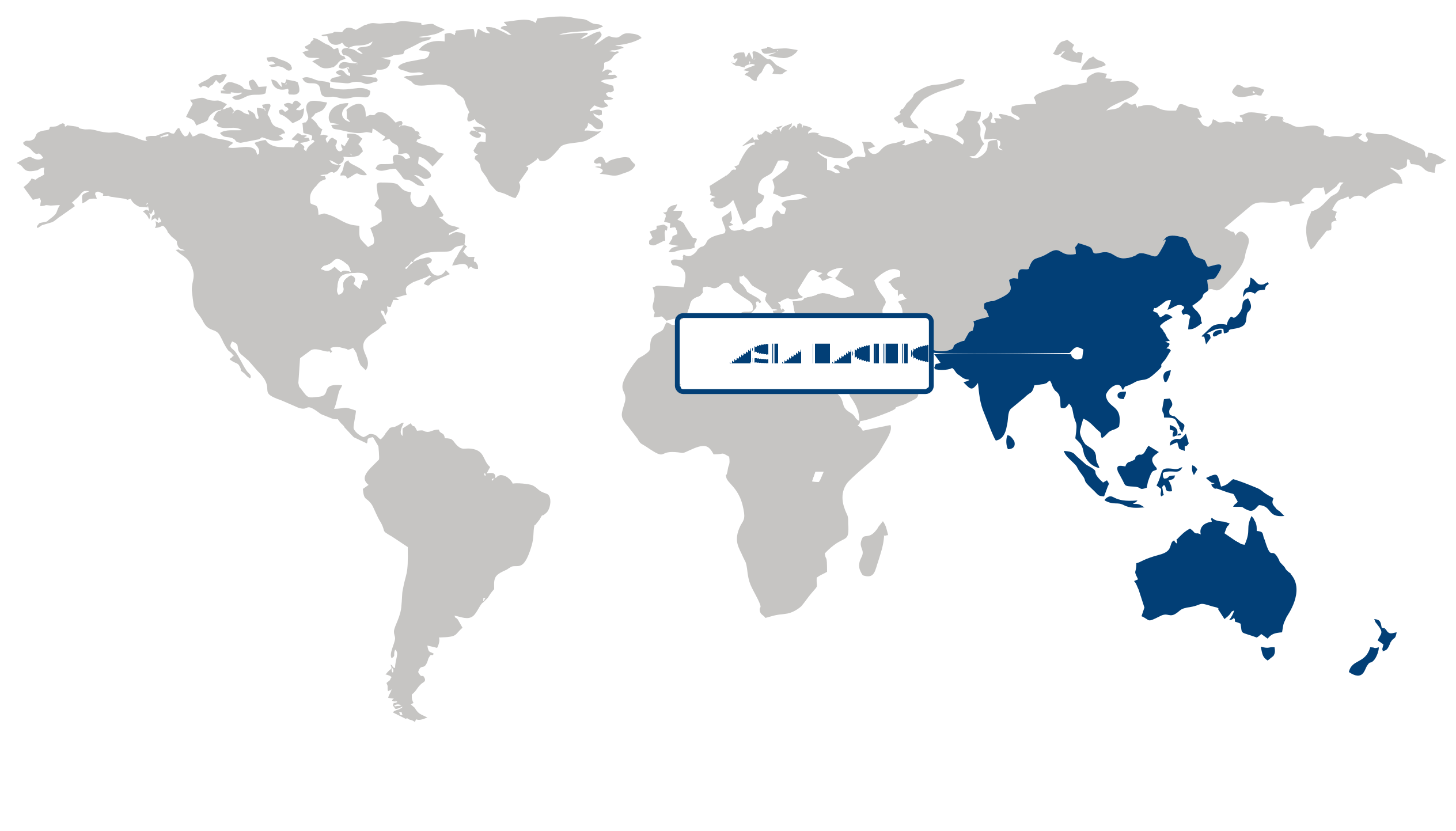
Asia Pacific (Largest Region)
Asia Pacific dominated the hydroxyethyl methyl cellulose market with a 37.10% share in 2026, underpinned by extensive construction activity, expanding pharmaceutical manufacturing, and strong demand from paints, coatings, adhesives, and other industrial applications. Rapid urban development and infrastructure investment are supporting consumption in construction-related formulations, where hydroxyethyl methyl cellulose contributes to properties such as viscosity control, water retention, and workability. The region's broad manufacturing base and growing production of formulated pharmaceutical and personal care products are also strengthening demand, while increasing industrialization across emerging economies continues to widen the application base.
North America (Fastest-Growing Region)
North America is the fastest-growing region for hydroxyethyl methyl cellulose, driven by continued investment in construction, renovation, pharmaceuticals, and specialty chemical applications. Demand is being reinforced by the need for high-performance formulation ingredients that improve product consistency and processing characteristics across diverse end-use industries. Growth in advanced building materials, coatings, and healthcare-related manufacturing is encouraging greater utilization of cellulose ethers, while ongoing emphasis on product performance and formulation efficiency is supporting opportunities for specialized hydroxyethyl methyl cellulose applications.
| Parameter | North America | Asia Pacific | Europe | Latin America | MEA |
|---|---|---|---|---|---|
| Innovation HubiScaleNascentDeveloping Advanced | |||||
| Cost-Sensitive RegioniScaleLowMedium High | |||||
| Regulatory EnvironmentiScaleRestrictiveNeutral Supportive | |||||
| Demand DriversiScaleWeakModerate Strong | |||||
| Development StageiScaleEmergingDeveloping Developed | |||||
| Adoption RateiScaleLowMedium High | |||||
| New Entrants / StartupsiScaleSparseModerate Dense | |||||
| Macro IndicatorsiScaleWeakStable Strong |
Key Country Insights
Germany 🇩🇪
Energy-Efficient Building MaterialsGermany is directing demand toward hydroxyethyl methyl cellulose used in insulation systems and energy-efficient construction products. Manufacturers in Germany emphasize high-performance additives that support durable and compliant building solutions.
France 🇫🇷
Renovation Materials SupportFrance is generating demand for hydroxyethyl methyl cellulose through building refurbishment and specialty mortar applications. Producers are increasingly focusing on formulations that enhance ease of application and support long-lasting construction performance.
Italy 🇮🇹
Tile Adhesive IntegrationItaly's extensive ceramic and construction industries create sustained demand for hydroxyethyl methyl cellulose in tile adhesives and cement-based products. Manufacturers prioritize additives that deliver strong adhesion and improved workability for professional installers.
Japan 🇯🇵
High Specification ApplicationsJapan favors hydroxyethyl methyl cellulose grades designed for precision construction and specialty industrial formulations. Product consistency and compatibility with advanced material systems remain important purchasing considerations in the country.
South Korea 🇰🇷
Industrial Formulation DemandSouth Korea uses hydroxyethyl methyl cellulose across construction chemicals and selected industrial applications requiring viscosity control. Local demand is influenced by the need for reliable additives that improve application efficiency and finished product quality.
United States 🇺🇸
Performance Construction AdditivesThe U.S. market relies on hydroxyethyl methyl cellulose for dry-mix mortars, tile adhesives, and renovation products requiring improved workability and water retention. Demand is tied to advanced construction materials and consistent product performance across applications.
Hydroxyethyl Methyl Cellulose Market Share (%), by Application, 2026
Go beyond the chart, access full insights & data tables
Request Free Sample ReportApplication Segment Analysis: Construction (Largest Segment) vs Food (Fastest-Growing Segment)
The construction segment held the largest share of the hydroxyethyl methyl cellulose market in 2026, accounting for 40.81% of the market. Demand is supported by the material's ability to improve water retention, workability, viscosity, and consistency in cement-based products, tile adhesives, mortars, and other construction formulations. Its contribution to smoother application and improved performance makes it an important additive in modern building materials. Ongoing emphasis on durable construction materials and efficient building processes continues to reinforce its established position.
The food segment is emerging as the fastest-growing application, supported by increasing use of hydroxyethyl methyl cellulose as a functional ingredient in food formulations. Its thickening, stabilizing, and texture-enhancing properties make it suitable for improving product consistency and maintaining desired characteristics during processing. Growing interest in formulation efficiency, texture control, and functional food ingredients is creating additional opportunities for adoption across diverse food applications.
| Segment | Sub-Segment | Largest Segment | Fastest Growing |
|---|---|---|---|
| Application | Construction, Pharmaceuticals, Food, Others | Construction | Food |
Unlock insights tailored to your business with our bespoke market research solutions.
Click to get your customized report now.
Competitive Landscape and Market Positioning
Key companies in the hydroxyethyl methyl cellulose market:
1. Dow Inc. (USA)
2. Ashland Inc. (USA)
3. Akzo Nobel N.V. (Netherlands)
4. Lotte Fine Chemical Co. Ltd. (South Korea)
5. Celotech Chemical Co. Ltd. (China)
6. Shin-Etsu Chemical Co. Ltd. (Japan)
7. Nouryon (Netherlands)
8. DuPont de Nemours Inc. (USA)
9. Shandong Head Co. Ltd. (China)
The hydroxyethyl methyl cellulose market is growing with increasing applications across construction, pharmaceuticals, and personal care sectors. In the hydroxyethyl methyl cellulose market, innovation is focused on improving viscosity control and performance stability. Continuous development efforts are expanding functional versatility across industries. Rising demand for high-performance additives is supporting market growth.
| Company | Market Share | Company Revenue | Revenue CAGR (%) | Product Portfolio | Geographic Presence | Innovation / R&D Focus | Strategic Developments |
|---|---|---|---|---|---|---|---|
| Dow Inc. (USA) | |||||||
| Ashland Inc. (USA) | |||||||
| Akzo Nobel N.V. (Netherlands) | |||||||
| Lotte Fine Chemical Co. Ltd. (South Korea) | |||||||
| Celotech Chemical Co. Ltd. (China) | |||||||
| Shin-Etsu Chemical Co. Ltd. (Japan) | |||||||
| Nouryon (Netherlands) | |||||||
| DuPont de Nemours Inc. (USA) | |||||||
| Shandong Head Co. Ltd. (China). |
Customize Your Report
Explore examples of how this report can be tailored to different research needs, including custom segments, additional topics or chapters, and related reports. Click a section of the wheel or its numbered marker to explore the available options.
Hydroxyethyl Methyl Cellulose Market — Custom Segments
| Segment | Sub-Segment |
|---|---|
| Viscosity Grade | Low Viscosity, Medium Viscosity, High Viscosity |
| Product Form | Powder, Granules, Ready-to-use Solutions |
| Customer Type | Manufacturers, Distributors & Formulators, Research & Specialty Users |
Hydroxyethyl Methyl Cellulose Market — Custom TOC
| Custom Chapter | Chapter Details |
|---|---|
| End-use Application Growth Opportunities |
|
| Construction Additive Innovation Landscape |
|
| Sustainable Polymer Alternatives Assessment |
|
Need a different cut of the data?
Request Custom ResearchFrequently Asked Questions
What is the market size of hydroxyethyl methyl cellulose?
What is the expected industry size of hydroxyethyl methyl cellulose by 2036?
How are evolving construction material practices influencing demand in the hydroxyethyl methyl cellulose market?
Why is the food segment emerging as a key growth opportunity in the hydroxyethyl methyl cellulose market?
Why is construction the largest application in the hydroxyethyl methyl cellulose market?
Which application segment is growing the fastest in the hydroxyethyl methyl cellulose market?
Why is Asia Pacific the largest hydroxyethyl methyl cellulose market?
What is driving hydroxyethyl methyl cellulose market growth in North America?
Which organizations are considered leaders in the hydroxyethyl methyl cellulose landscape?
Our Clients
"The report helped us understand emerging consumer trends in our product category. It clarified where to focus innovation for the next product launch."
LyondellBasell
"The regional forecast section was incredibly useful. We were able to identify two new potential partners in Europe thanks to the vendor mapping you included."
SABIC
"We appreciated how actionable the recommendations were. It guided us to improve supply chain resilience."
Olin Corporation
Our Research Team & Methodology
Every Fundamental Business Insights report is built by a dedicated vertical research team, validated through a structured primary-and-secondary methodology, and reviewed for accuracy before it reaches you.
This report was prepared by the Chemicals & Materials Research Team at Fundamental Business Insights, a dedicated research group specializing in the global chemicals, advanced materials, and industrial manufacturing sectors. Our analysts continuously monitor raw material supply chains, feedstock pricing, production technologies, regulatory developments, sustainability initiatives, environmental compliance, trade dynamics, and evolving end-use applications to deliver timely and reliable market intelligence. The research is developed using a structured methodology that combines primary discussions with manufacturers, raw material suppliers, distributors, and industry experts, along with company annual reports, regulatory publications, government trade statistics, industry associations, technical literature, patent databases, and other authoritative secondary sources. Market estimates are validated through multiple research techniques, including top-down and bottom-up analysis, before undergoing an internal quality review to ensure accuracy, consistency, and methodological integrity prior to publication.
Delivery
Published
Available
Support
- Market Size & Forecast
- Market Segmentation
- Regional Analysis
- Growth Drivers & Challenges
- Market Dynamics
- Competitive Landscape
- Company Profiles
- Competitive Benchmarking
- Mergers & Acquisitions
- Market Share Analysis or Key Company Strategies
- Value Chain Analysis
- Porter's Five Forces
- PESTLE Analysis
- Pricing Trends
- Supply-Demand Analysis
- Technology Landscape
- Regulatory Landscape
- Investment & Funding Landscape
- Emerging Opportunities
- Future Market Outlook