Hydrogen Buses Market Size & Share, By Fuel Type (Green Hydrogen, Blue Hydrogen, Grey Hydrogen), Bus Type (Single-Decker Hydrogen Buses, Double-Decker Hydrogen Buses, Fuel Cell Hybrid Buses, Battery Electric Hydrogen Buses), Propulsion Type (Internal Combustion Engine (ICE), Fuel Cell Electric Vehicle (FCEV)), Application (Public Transportation, Private Transportation, School Transportation, Tourism, Airport Transportation) - Growth Trends, Regional Insights (U.S., Japan, South Korea, UK, Germany), Competitive Positioning, Global Forecast Report 2025-2034

Report ID: FBI 15698| Published Date: Apr-2025| Format: PDF, Excel
Jump to Content
Market Outlook

Market Size and Growth Outlook

Hydrogen Buses Market size is forecast to grow from USD 2.16 billion to USD 101.08 billion between 2025 and 2034, marking a CAGR of more than 46.9%. The expected industry revenue in 2025 is USD 2.97 billion.

Base Year Value (2024)
USD 2.16 Billion
CAGR (2025-2034)
46.9%
Forecast Year Value (2034)
USD 101.08 Billion
Historical Data Period
2021-2024
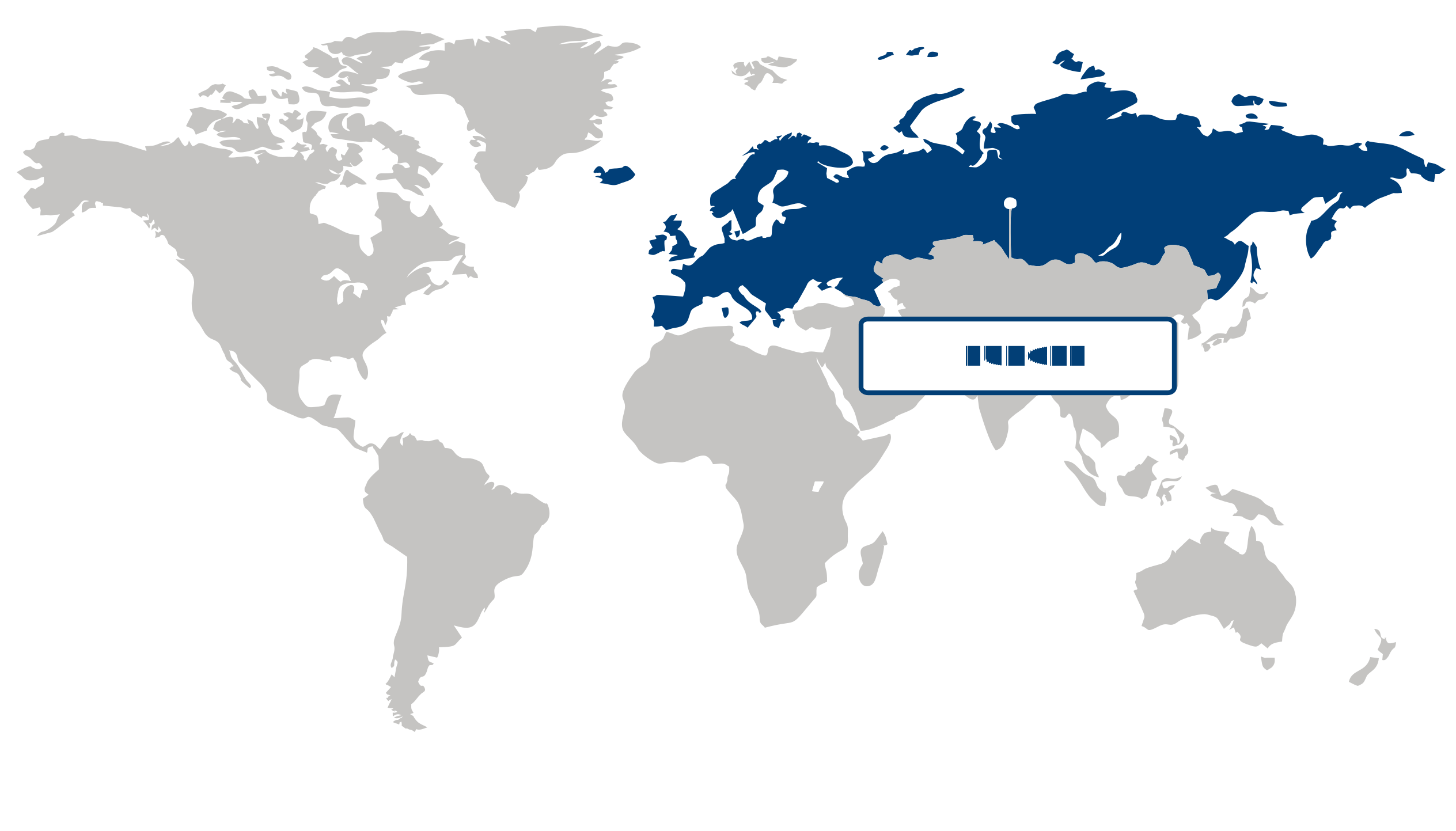
Largest Region
Europe
Forecast Period
2025-2034

Get more details on this report

Request Free Sample Report
Snapshot

Hydrogen Buses Market Intelligence Snapshot

Regional Market Dynamics

Segment Momentum

Market Expansion Drivers

Leading Market Participants

Forecast Snapshot

Global Market Forecast Snapshot

Market Outlook

Regional and Segment Outlook

Market Dynamics

Market Growth Drivers and Industry Trends

Growth Drivers & Opportunities The hydrogen buses market is experiencing notable growth driven by the increasing demand for sustainable and environmentally friendly public transportation solutions. A key factor propelling this trend is the global shift towards decarbonization and stringent emissions regulations set by governments to combat climate change. As cities and countries strive to reduce their carbon footprints, hydrogen fuel cell technology has emerged as a viable alternative to traditional diesel-powered buses, offering zero tailpipe emissions and minimal environmental impact. In addition to regulatory support, advancements in hydrogen production and storage technology are creating significant opportunities for the market. Innovations such as green hydrogen production, which utilizes renewable energy sources like wind and solar for splitting water molecules, are leading to more affordable and efficient hydrogen generation. This increased availability of clean hydrogen through advanced production methods is likely to further drive the adoption of hydrogen buses within public transportation fleets. Furthermore, significant investments in hydrogen infrastructure development are expanding the market's potential. The establishment of hydrogen refueling stations in urban areas, coupled with public-private partnerships, is enhancing the feasibility and operational capability of hydrogen buses. These initiatives not only facilitate the smooth integration of hydrogen vehicles into existing transportation networks but also boost consumer confidence in adopting this technology. Industry Restraints: Despite the promising growth outlook, the hydrogen buses market faces notable Industry Restraints: that could hinder its expansion. One of the primary challenges is the high cost associated with hydrogen fuel cell technology and the production of hydrogen itself. The initial investment required for hydrogen buses is still significantly higher compared to traditional vehicles, which may deter transportation authorities and operators from making the switch. Another key restraint is the limited availability and accessibility of hydrogen refueling infrastructure. Many regions still lack comprehensive networks of refueling stations, creating concerns regarding the range and reliability of hydrogen buses. Without adequate infrastructure, potential users may hesitate to invest in hydrogen technology, fearing operational challenges related to fuel accessibility. Moreover, competition from alternative fuel technologies, such as battery electric buses, poses a significant challenge to the hydrogen buses market. With the advancements in battery technology resulting in longer ranges and lower operating costs, some transport operators may prefer electric solutions over hydrogen, thus impacting the market's growth trajectory. Additionally, the ongoing debate regarding the environmental impact of hydrogen production, particularly from non-renewable sources, may further complicate its adoption in the public transportation sector.

Explore Growth Opportunities

Request Free Sample Report
Regional Forecast

Regional Demand Dynamics

Hydrogen Buses Market
Largest Region
Europe
XX% Market Share in 2024
North America In North America, the hydrogen buses market is primarily driven by the United States, which has been investing heavily in hydrogen fuel cell technology and infrastructure as part of its broader sustainability goals. California leads the charge with stringent emissions regulations and various funding initiatives to promote zero-emission transportation. Canada is also making headway, particularly in provinces like British Columbia and Alberta, where government incentives support the adoption of hydrogen fuel cell vehicles. Together, these regions are expected to see a steady growth in hydrogen bus deployment, thanks to an increasing public awareness of environmental issues and strong governmental backing for clean transportation alternatives. Asia Pacific The Asia Pacific region presents a robust landscape for the hydrogen buses market, with China being a front-runner. The Chinese government has made significant investments in hydrogen infrastructure and technology, aligning with its ambitious goals to reduce carbon emissions and build a sustainable transport network. Japan also plays a pivotal role, driven by its early adoption of hydrogen technology and strong corporate backing from companies like Toyota and Honda. South Korea is emerging as a notable market as well, with initiatives aimed at promoting fuel cell technology as part of its future mobility plan. This region is expected to display the highest growth rates due to substantial government support, ongoing innovation, and increasing demand for cleaner public transport solutions. Europe In Europe, the hydrogen buses market is influenced by various national policies aimed at achieving carbon neutrality. Germany stands out as a leader in this sector, with significant investments in hydrogen production and fueling infrastructure, bolstered by a robust manufacturing ecosystem. The UK is rapidly advancing as well, particularly through initiatives like the Hydrogen for Transport Program, which encourages the use of hydrogen fuel in public transportation. France is also focusing on hydrogen technology as part of its green transport strategy, although its market is still developing. Overall, Europe is expected to witness a balanced growth trajectory, driven by strong regulatory frameworks, collaborative industrial partnerships, and an increasing commitment to sustainability across various transportation modalities.
🔒 Need data on a specific country or region? Individual country/region reports are available at discounted pricing. Inquire Before Buying

Go beyond the chart, access full insights & data tables

Request Free Sample Report
Fuel Type The hydrogen buses market can be segmented by fuel type into green hydrogen, blue hydrogen, and grey hydrogen. Among these, green hydrogen is anticipated to exhibit the largest market size due to its superior environmental benefits and increasing policy support from governments worldwide. The growing investment in renewable energy sources to produce green hydrogen makes it a favorable choice for sustainable public transportation. Blue hydrogen, while slightly trailing green hydrogen in market size, is expected to show rapid growth owing to its ability to transition towards a lower carbon footprint while utilizing existing natural gas infrastructure. Grey hydrogen, produced from fossil fuels without carbon capture, is anticipated to grow at a slower rate due to its lesser focus on sustainability and rising regulations against high-emission fuels. Bus Type Bus types in the hydrogen market encompass single-decker hydrogen buses, double-decker hydrogen buses, fuel cell hybrid buses, and battery electric hydrogen buses. Single-decker hydrogen buses are expected to dominate the market share as they are widely used for public transportation in urban areas, offering flexibility and efficiency. Double-decker buses, typically used in tourism and high-density routes, are forecasted to experience significant growth, particularly in cities looking to enhance passenger capacity without increasing traffic congestion. Fuel cell hybrid buses are projected to grow rapidly due to their ability to reduce fuel consumption and emissions while providing reliability. Battery electric hydrogen buses, however, will likely remain a niche segment as market preferences favor fuel cell technology. Propulsion Type In terms of propulsion type, the market is segmented into internal combustion engine (ICE) and fuel cell electric vehicles (FCEVs). FCEVs are expected to dominate the hydrogen bus market, driven by advancements in fuel cell technology, market demand for cleaner vehicles, and favorable regulatory environments. The adoption of FCEVs is further accelerated by their efficiency and longer driving ranges compared to traditional ICE vehicles. As the industry pivots towards decarbonization, ICE propulsion is anticipated to decline in market share, struggling to compete with the rising tide of environmentally friendly propulsion technologies. Application The hydrogen buses market can also be categorized by application, including public transportation, private transportation, school transportation, tourism, and airport transportation. Public transportation is anticipated to hold the largest share, fueled by government initiatives and investment aimed at decarbonizing urban mobility. School transportation is likely to see fast growth, spurred by increasing awareness of the need for eco-friendly school travel solutions, alongside government incentives for adopting cleaner technologies. The tourism sector is expected to grow as cities strive to offer sustainable travel options for tourists, particularly in areas with high foot traffic and environmental concerns. Airport transportation is also projected to expand as terminals seek to implement cleaner transport solutions for connecting passengers to and from airports.
Segment Sub-Segment Largest Segment Fastest Growing
Custom Research

Unlock insights tailored to your business with our bespoke market research solutions.

Click to get your customized report now.

Request Customization →
Competitive Landscape

Competitive Landscape and Market Positioning

The competitive landscape in the Hydrogen Buses Market is characterized by a mix of established automotive manufacturers and emerging players focused on developing clean transportation solutions. A growing emphasis on sustainable transport initiatives and strict emissions regulations globally has fueled the innovation and production of hydrogen fuel cell technology in public transportation. Key players are investing significantly in research and development to enhance fuel efficiency and reduce operational costs, while partnerships between companies and public transit authorities are becoming more common to accelerate the deployment of hydrogen buses. The market is also witnessing collaborations with hydrogen production companies to ensure a reliable supply chain for fuel, further intensifying competition among firms aiming to capture market share in this evolving sector. Top Market Players 1. Albert GmbH 2. Ballard Power Systems 3. BYD Company Limited 4. Daimler AG 5. Hyundai Motor Company 6. Scania AB 7. Siemens AG 8. Toyota Motor Corporation 9. Van Hool NV 10. Wrightbus Limited
Company Market Share Company Revenue Revenue CAGR (%) Product Portfolio Geographic Presence Innovation / R&D Focus Strategic Developments
No companies available.
🔒 This section is available as a standalone purchase. Buy only the data you need. Inquire Before Buying
Report Customization

Customize Your Report

Explore examples of how this report can be tailored to different research needs, including custom segments, additional topics or chapters, and related reports. Click a section of the wheel or its numbered marker to explore the available options.

1 Custom Segments 2 Custom TOC 3 Related Reports

Hydrogen Buses Market — Custom Segments

Segment Sub-Segment
No segment data available.

Hydrogen Buses Market — Custom TOC

Custom Chapter Chapter Details
No custom TOC data available.

Need a different cut of the data?

Request Custom Research
FAQ

Frequently Asked Questions

Testimonials

Our Clients

"The team surpassed our expectations with the report depth. The actionable insights provided proved crucial in navigating market challenges."

Business Strategy Lead
Tata Motors

"We found the report to be very informative. The expertise and attention to market nuances significantly influenced our business direction."

Product Design Engineer
DENSO Corporation

"The consumer survey findings were quite good. We now have a clearer picture of the customer churning and retention strategy."

Head of Customer Experience & Insights
HL Mando
THE RESEARCH BEHIND THIS REPORT

Our Research Team & Methodology

Every Fundamental Business Insights report is built by a dedicated vertical research team, validated through a structured primary-and-secondary methodology, and reviewed for accuracy before it reaches you.

THIS REPORT'S RESEARCH VERTICAL
Industry Reports
Research Team Overview

This report was prepared by the Automotive & Transportation Research Team at Fundamental Business Insights, a dedicated research group specializing in the global automotive, mobility, and transportation industries. Our analysts continuously monitor vehicle technology advancements, electrification trends, autonomous and connected mobility, manufacturing developments, supply chain dynamics, regulatory standards, emissions policies, aftermarket activities, and evolving consumer and commercial transportation requirements to deliver timely and reliable market intelligence. The research is developed using a structured methodology that combines primary discussions with vehicle manufacturers, component suppliers, technology providers, distributors, logistics stakeholders, and industry experts, along with company annual reports, regulatory publications, government transportation statistics, industry associations, technical standards, and other authoritative secondary sources. Market estimates are validated through multiple research techniques, including top-down and bottom-up analysis, before undergoing an internal quality review to ensure accuracy, consistency, and methodological integrity prior to publication.

Prepared by the Automotive & Transportation Research Team
10+Industry Verticals
100+Countries Analyzed
5-7Days Standard
Delivery
13.8K+Research Reports
Published
On-DemandCustomized Research
Available
6Months Analyst
Support
PDF + XLSReport Deliverables
Trust & Compliance
D&B D-U-N-S
GDPR & CCPA Compliant
ISO 9001 Certified (ISO 9001:2015)
SSL Encryption
Secure Payments
Confidential Handling
Research Intelligence
Primary Research Network
Secondary Sources
Executive Leadership
Product & Technology Experts
Manufacturing & Operations Leaders
Procurement & Supply Chain Professionals
Sales & Commercial Executives
Channel Partners & Distribution Networks
Enterprise Buyers & End Users
Industry Consultants & Regulatory Experts
Research Workflow & Quality Assurance
01
Data Collection
Verified information gathered through primary and secondary research.
02
Data Triangulation
Cross-validation using multiple independent data sources.
03
Forecast Modelling
Market estimates developed using historical trends and analytical models.
04
Analyst Validation
Findings reviewed by domain experts for accuracy and consistency.
05
Editorial & Quality Review
Final editorial, quality, and compliance checks before publication.
06
Final Publication
Released after successful completion of the internal review process.
Report Coverage
Market Assessment
  • Market Size & Forecast
  • Market Segmentation
  • Regional Analysis
  • Growth Drivers & Challenges
  • Market Dynamics
🏢 Competitive Intelligence
  • Competitive Landscape
  • Company Profiles
  • Competitive Benchmarking
  • Mergers & Acquisitions
  • Market Share Analysis or Key Company Strategies
🔍 Strategic Analysis
  • Value Chain Analysis
  • Porter's Five Forces
  • PESTLE Analysis
  • Pricing Trends
  • Supply-Demand Analysis
🚀 Future Outlook
  • Technology Landscape
  • Regulatory Landscape
  • Investment & Funding Landscape
  • Emerging Opportunities
  • Future Market Outlook
Have a question about this report or need a custom scope?
Request Customization

Want this data scoped to your exact question?

Tell us the segments, regions, or competitors you need answered — an analyst will confirm scope before any custom work starts.

Talk to an Analyst →