Hydraulic Tools and Equipment Market Size & Share, By Type (Hydraulic Rescue Tool, Tension and Torque Tools, Hydraulic Cylinder and Jack, Others), End User (Industrial Manufacturing, Oil, Gas, and Petrochemical, Electric Utility, Railway, Others), Component (Pumps, Valves, Cylinders, Motors, Filters and Accumulators, Transmission, Other Product Types) - Growth Trends, Regional Insights (U.S., Japan, South Korea, UK, Germany), Competitive Positioning, Global Forecast Report 2025-2034

Report ID: FBI 6430| Published Date: Jan-2025| Format: PDF, Excel
Jump to Content
Market Outlook

Market Size and Growth Outlook

Hydraulic Tools and Equipment Market size is set to grow from USD 51.21 billion in 2024 to USD 77.27 billion by 2034, reflecting a CAGR of more than 4.2% between 2025 and 2034. In 2025, the industry is estimated to generate USD 53.15 billion in revenue.

Base Year Value (2024)
USD 51.21 billion
CAGR (2025-2034)
4.2%
Forecast Year Value (2034)
USD 77.27 billion
Historical Data Period
2019-2024
Largest Region
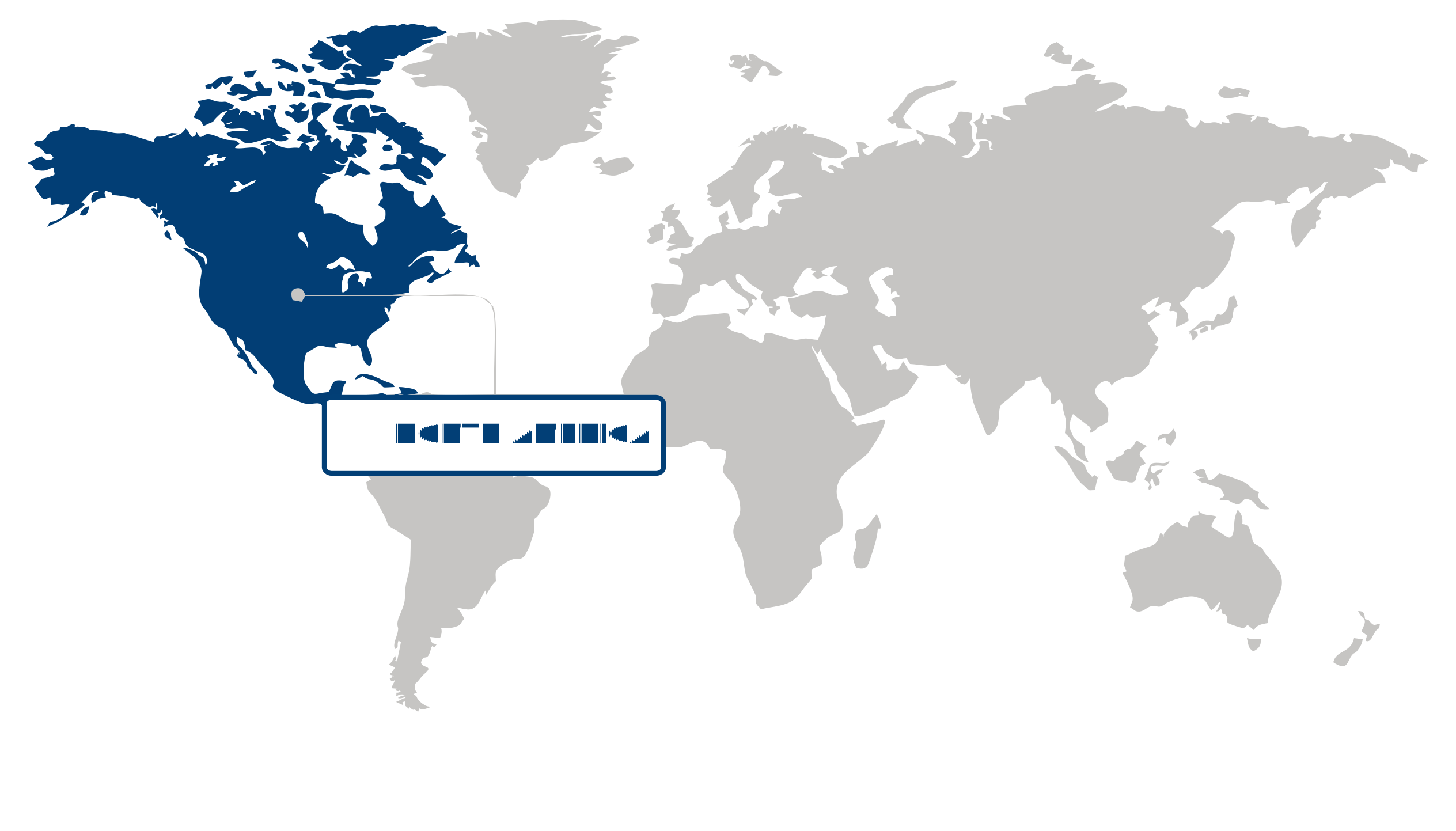
North America
Forecast Period
2025-2034

Get more details on this report

Request Free Sample Report
Snapshot

Hydraulic Tools and Equipment Market Intelligence Snapshot

Regional Market Dynamics

Segment Momentum

Market Expansion Drivers

Leading Market Participants

Forecast Snapshot

Global Market Forecast Snapshot

Market Outlook

Regional and Segment Outlook

Market Dynamics

Market Growth Drivers and Industry Trends

Growth Drivers & Opportunity: One of the major growth drivers for the Hydraulic Tools and Equipment Market is the increasing demand in the construction and manufacturing sectors. As urbanization and infrastructure development continue to rise globally, the need for efficient and powerful tools that can handle heavy workloads becomes paramount. Hydraulic tools offer precision, reliability, and enhanced productivity, which significantly appeals to contractors and manufacturers. The ongoing investment in large-scale projects, including bridges, highways, and commercial buildings, further accelerates the demand for hydraulic equipment, facilitating sustained market growth. Another crucial growth driver is the technological advancements in hydraulic equipment. Innovations such as smart hydraulics and automated systems have enhanced the performance and efficiency of hydraulic tools. The integration of IoT technologies allows for real-time monitoring and predictive maintenance, reducing downtime and enhancing operational efficiency. As industries strive to improve productivity and reduce costs, the adoption of modern hydraulic tools equipped with advanced technologies is significantly gained traction, driving further growth in the market. The rising focus on sustainability and environmental considerations also fuels growth in the Hydraulic Tools and Equipment Market. Companies are increasingly adopting eco-friendly practices and are looking for equipment that minimizes energy consumption and reduces environmental impact. Hydraulic tools, which can be operated with lower energy inputs while delivering high performance, align well with these sustainability goals. Consequently, the market is witnessing a shift towards hydraulic solutions that meet regulatory standards, thereby enhancing market opportunities driven by the demand for green technology. Industry Restraints: Despite the positive growth indicators, the Hydraulic Tools and Equipment Market faces certain restraints, one being the high initial investment and maintenance costs associated with hydraulic systems. The complexity of hydraulic machinery not only demands significant capital for purchase but also incurs ongoing expenses for repairs and upkeep. This financial burden can deter small and medium-sized enterprises from investing in hydraulic tools, limiting market penetration and growth, especially in developing regions with budget constraints. Another significant restraint is the volatility in raw material prices, which can impact the overall cost structure of hydraulic equipment production. Fluctuations in the prices of metals and other components used in hydraulic tools can lead to unpredictable pricing strategies for manufacturers, making it challenging to maintain profit margins. This uncertainty could result in price hikes for the end-users, thereby affecting demand. Additionally, prolonged economic downturns can exacerbate these price fluctuations, further constraining the growth of the market.

Explore Growth Opportunities

Request Free Sample Report
Regional Forecast

Regional Demand Dynamics

Hydraulic Tools and Equipment Market
Largest Region
North America
42% Market Share in 2024
North America The hydraulic tools and equipment market in North America is primarily driven by the robust industrial base and increasing adoption of automation across various sectors including construction, manufacturing, and oil and gas. The U.S. holds a significant share due to the presence of major manufacturers and high investment in infrastructure development. The growth of the market is supported by technological advancements and the increasing demand for efficient and reliable tools. Canada also plays a crucial role, with a focus on energy and resource extraction industries where hydraulic tools are extensively used. Asia Pacific The Asia Pacific region is witnessing rapid growth in the hydraulic tools and equipment market, propelled by industrial expansion and urbanization, particularly in China, Japan, and South Korea. China is the largest market in the region, driven by extensive investments in infrastructure projects and manufacturing capabilities. The rise in construction activities and automotive industries further stimulates demand for hydraulic tools. Japan and South Korea also contribute significantly to the market, with a focus on technological innovation and high-quality manufacturing processes, particularly in advanced applications. Europe In Europe, the hydraulic tools and equipment market is characterized by a mature industrial sector and stringent regulations concerning safety and efficiency. The United Kingdom, Germany, and France are key players in this region. Germany stands out with its strong engineering sector and high demand for advanced hydraulic solutions, especially in automotive and machinery manufacturing. The UK and France are also significant markets, focusing on enhancing operational efficiency and reducing environmental impact through the adoption of hydraulic tools. Ongoing technological advancements and an increasing shift toward sustainable practices are expected to drive market growth in Europe.
🔒 Need data on a specific country or region? Individual country/region reports are available at discounted pricing. Inquire Before Buying

Go beyond the chart, access full insights & data tables

Request Free Sample Report
Type The Hydraulic Tools and Equipment Market is diversified by type, featuring key segments such as Hydraulic Rescue Tools, Tension and Torque Tools, Hydraulic Cylinders and Jacks, and Others. Hydraulic Rescue Tools are gaining traction primarily due to their critical role in emergency scenarios, particularly in firefighting and road rescue operations. Tension and Torque Tools are integral in industries that require precise fastening and tensioning. Hydraulic Cylinders and Jacks, known for their robustness and reliability, dominate the market due to their widespread application in lifting and moving heavy loads across various industries. The Others segment includes niche tools tailored for specific applications, contributing to overall market growth as industries increasingly adopt customized hydraulic solutions. End User The end-user segment of the Hydraulic Tools and Equipment Market is categorized into Industrial Manufacturing, Oil, Gas, and Petrochemical, Electric Utility, Railway, and Others. Industrial Manufacturing remains the largest consumer of hydraulic tools due to the high demand for efficient and powerful machinery. The Oil, Gas, and Petrochemical sector is also a significant contributor, driven by the need for specialized equipment that can withstand harsh environments and operate under extreme conditions. The Electric Utility sector relies on hydraulic tools for installation and maintenance of infrastructure. The Railway industry utilizes hydraulic tools for track maintenance and train operations, while the Others segment represents various industries such as construction and automotive, which are increasingly adopting hydraulic solutions. Component The market can also be segmented by components, including Pumps, Valves, Cylinders, Motors, Filters and Accumulators, Transmission, and Other Product Types. Pumps are essential as they generate the pressure needed for hydraulic operations and are characterized by continuous demand in various applications. Valves, responsible for controlling fluid flow and pressure, also command a significant share, owing to their importance in system efficiency and functionality. Cylinders, the primary actuators in hydraulic equipment, are crucial due to their versatility in lifting and pushing applications. Motors facilitate the hydraulic system's operation and are vital for efficiency. Filters and Accumulators help enhance system performance and reliability, while the Transmission segment focuses on the effective transfer of power. The Other Product Types segment includes various accessories that support hydraulic systems, collectively emphasizing the broad operational scale of hydraulic tools and equipment across industries.
Segment Sub-Segment Largest Segment Fastest Growing
Custom Research

Unlock insights tailored to your business with our bespoke market research solutions.

Click to get your customized report now.

Request Customization →
Competitive Landscape

Competitive Landscape and Market Positioning

The hydraulic tools and equipment market is characterized by a competitive landscape with several key players that dominate the industry. The market is driven by a growing demand for advanced hydraulic systems across various sectors, including construction, manufacturing, and oil and gas. Companies are focusing on innovation and technological advancements to enhance the efficiency and performance of hydraulic tools. Additionally, strategic partnerships, mergers, and acquisitions are prevalent as firms aim to expand their geographical reach and product offerings. The presence of both established manufacturers and emerging players creates a dynamic environment, leading to competitive pricing strategies and improved product features. Top Market Players 1. Bosch Rexroth AG 2. Parker Hannifin Corporation 3. Eaton Corporation plc 4. SKF Group 5. Holmatro 6. Enerpac Tool Group 7. Royal Dahlman 8. Actuant Corporation 9. Trelleborg AB 10. SPX Flow Inc.
Company Market Share Company Revenue Revenue CAGR (%) Product Portfolio Geographic Presence Innovation / R&D Focus Strategic Developments
No companies available.
🔒 This section is available as a standalone purchase. Buy only the data you need. Inquire Before Buying
Report Customization

Customize Your Report

Explore examples of how this report can be tailored to different research needs, including custom segments, additional topics or chapters, and related reports. Click a section of the wheel or its numbered marker to explore the available options.

1 Custom Segments 2 Custom TOC 3 Related Reports

Hydraulic Tools and Equipment Market — Custom Segments

Segment Sub-Segment
No segment data available.

Hydraulic Tools and Equipment Market — Custom TOC

Custom Chapter Chapter Details
No custom TOC data available.

Need a different cut of the data?

Request Custom Research
FAQ

Frequently Asked Questions

Testimonials

Our Clients

"Your insights on workforce structures were spot-on. The analysis on mid-to-senior level roles validated some of our hiring decisions and highlighted gaps."

Senior Systems Engineer
Ateliers De France

"The report gave us insights on competitors in the market. It helped our team refine our bidding strategy for upcoming contracts."

Program Manager
Clark Construction

"The reports provided a deep dive into market trends, and competitive landscape. The strategic insights and recommendations have been very helpful."

Sales Director
Rudolph and Sletten
THE RESEARCH BEHIND THIS REPORT

Our Research Team & Methodology

Every Fundamental Business Insights report is built by a dedicated vertical research team, validated through a structured primary-and-secondary methodology, and reviewed for accuracy before it reaches you.

THIS REPORT'S RESEARCH VERTICAL
Construction & Manufacturing
Research Team Overview

This report was prepared by the Construction & Manufacturing Research Team at Fundamental Business Insights, a dedicated research group specializing in global construction, building materials, manufacturing processes, and industrial infrastructure markets. The team closely tracks construction activity, infrastructure investments, manufacturing technologies, raw material trends, equipment adoption, labor and productivity developments, sustainability initiatives, regulatory standards, and supply chain dynamics to provide timely and reliable market intelligence. The research is developed using a structured methodology that combines primary discussions with manufacturers, construction companies, equipment suppliers, distributors, contractors, and industry experts, along with company annual reports, government infrastructure statistics, regulatory publications, industry associations, engineering standards, technical publications, and other authoritative secondary sources. Market estimates are validated through multiple research techniques, including top-down and bottom-up analysis, before undergoing an internal quality review to ensure accuracy, consistency, and methodological integrity prior to publication.

Prepared by the Construction & Manufacturing Research Team
10+Industry Verticals
100+Countries Analyzed
5-7Days Standard
Delivery
13.8K+Research Reports
Published
On-DemandCustomized Research
Available
6Months Analyst
Support
PDF + XLSReport Deliverables
Trust & Compliance
D&B D-U-N-S
GDPR & CCPA Compliant
ISO 9001 Certified (ISO 9001:2015)
SSL Encryption
Secure Payments
Confidential Handling
Research Intelligence
Primary Research Network
Secondary Sources
Executive Leadership
Product & Technology Experts
Manufacturing & Operations Leaders
Procurement & Supply Chain Professionals
Sales & Commercial Executives
Channel Partners & Distribution Networks
Enterprise Buyers & End Users
Industry Consultants & Regulatory Experts
Research Workflow & Quality Assurance
01
Data Collection
Verified information gathered through primary and secondary research.
02
Data Triangulation
Cross-validation using multiple independent data sources.
03
Forecast Modelling
Market estimates developed using historical trends and analytical models.
04
Analyst Validation
Findings reviewed by domain experts for accuracy and consistency.
05
Editorial & Quality Review
Final editorial, quality, and compliance checks before publication.
06
Final Publication
Released after successful completion of the internal review process.
Report Coverage
Market Assessment
  • Market Size & Forecast
  • Market Segmentation
  • Regional Analysis
  • Growth Drivers & Challenges
  • Market Dynamics
🏢 Competitive Intelligence
  • Competitive Landscape
  • Company Profiles
  • Competitive Benchmarking
  • Mergers & Acquisitions
  • Market Share Analysis or Key Company Strategies
🔍 Strategic Analysis
  • Value Chain Analysis
  • Porter's Five Forces
  • PESTLE Analysis
  • Pricing Trends
  • Supply-Demand Analysis
🚀 Future Outlook
  • Technology Landscape
  • Regulatory Landscape
  • Investment & Funding Landscape
  • Emerging Opportunities
  • Future Market Outlook
Have a question about this report or need a custom scope?
Request Customization

Want this data scoped to your exact question?

Tell us the segments, regions, or competitors you need answered — an analyst will confirm scope before any custom work starts.

Talk to an Analyst →