High Purity Boehmite Market Size & Forecasts 2026-2035, By Segments (Product Type, End-Use, Application), Growth Opportunities, Innovation Landscape, Regulatory Shifts, Strategic Regional Insights (U.S., Japan, China, South Korea, UK, Germany, France), and Competitive Dynamics (Sumitomo Chemical, SASOL, BASF, Albemarle, NEI Corporation)
Jump to Content
Market Size and Growth Outlook
High Purity Boehmite Market size is projected to grow steadily from USD 521.18 million in 2025 to USD 7.35 billion by 2035, demonstrating a CAGR exceeding 30.3% through the forecast period (2026-2035). The 2026 revenue is estimated at USD 666.22 million.
Get more details on this report
Request Free Sample ReportHigh Purity Boehmite Market Intelligence Snapshot
Regional Market Dynamics
Segment Momentum
Market Expansion Drivers
Leading Market Participants
Global Market Forecast Snapshot
Market Outlook
Regional and Segment Outlook
Market Growth Drivers and Industry Trends
Surging application needs in automotive emission control, fuel cells, and electronic ceramics are tightening specification requirements and directly lifting demand in the high purity boehmite market. Regulatory tightening on vehicle emissions led by the U.S. Environmental Protection Agency (EPA) and energy-sector initiatives from the U.S. Department of Energy (DOE) have both highlighted the role of high-quality support materials for catalytic systems and advanced ceramic components. Johnson Matthey and other catalyst producers have emphasized high‑purity supports in corporate disclosures, creating opportunities for incumbent producers to upsell certified grades and for new entrants to capture niche supply contracts tied to performance guarantees and co‑development partnerships. Near‑term direction points to more integrated supply chains linking raw‑material quality to final component performance.
Regulatory Standards for High‑Purity Materials
Strengthening international standards and chemical controls are elevating specification floors and compliance burdens that shape the high purity boehmite market. Organizations such as the International Organization for Standardization (ISO) and ASTM International are refining test methods for particle size and impurity limits, while the European Chemicals Agency (ECHA) under REACH increases scrutiny on trace contaminants; both trends require tighter incoming‑material quality assurance. This regulatory environment rewards producers that invest in certified analytical capabilities and traceability, enabling established firms to defend premiums and newcomers to differentiate via third‑party certification or contract‑manufacturing that embeds compliance. Observable developments suggest procurement teams will increasingly favor suppliers with formal ISO/ASTM conformance and documented REACH‑compliant supply chains.
Advanced Processing and Material Innovations
Progress in synthesis and surface‑engineering methods is changing the performance economics of boehmite as a precursor for alumina supports and ceramic matrices in the high purity boehmite market. Research and scale‑up work at Oak Ridge National Laboratory (ORNL) and Argonne National Laboratory has demonstrated routes—such as controlled sol‑gel and templated synthesis—that improve surface area and reduce contaminant incorporation; industrial R&D collaborations reported by leading producers are translating those techniques toward manufacturable processes. For incumbents this enables product premiumization and yield gains; for entrants it creates avenues to compete via proprietary processing or licensing deals. Expect continued momentum around industrialized lab‑to‑plant transfer and joint R&D as the practical focus for near‑term commercialization.
Industry Restraints:
Regulatory and Environmental Compliance Burdens
Strict chemical registration, emissions and waste-management requirements materially raise time-to-market and operating costs for high purity boehmite manufacturing. Compliance regimes such as the European Chemicals Agency (ECHA) REACH registration and candidate-list processes and the U.S. Environmental Protection Agency (EPA) Toxic Substances Control Act (TSCA) reviews impose extensive testing, documentation and notification obligations that can delay product launches and necessitate capital for effluent controls and laboratory validation. Companies such as Evonik and Sumitomo Chemical have signaled greater investment in regulatory teams and pilot-scale controls to meet these standards, illustrating the fixed-cost barrier. Strategically, incumbent producers with compliance infrastructure gain advantage while new entrants face higher entry costs and slower commercialization; buyers may favor vertically integrated suppliers. Expect continued regulatory tightening and cross-jurisdiction harmonization to sustain cost pressure and elongate qualification cycles in the near to medium term.
Feedstock Concentration and Processing Scale Constraints
High purity boehmite production depends on consistent, high-grade alumina hydrate feedstocks and specialized precipitation and calcination steps; upstream concentration of bauxite/alumina supply and energy-intensive refining creates vulnerability. Major upstream players such as Alcoa, Rio Tinto and China Hongqiao Group control large portions of bauxite and alumina capacity, and industry analyses from the International Aluminium Institute and the International Energy Agency (IEA) highlight energy and logistics as choke points that can force curtailments during price or power shocks. For market participants this means longer lead times, need for secure off-take agreements, or investment in captive refining to assure quality and continuity—barriers that favor established firms and capital-rich entrants. Near-term, energy cost volatility and supplier concentration will continue to constrain scaling and encourage strategic sourcing or vertical integration.
| Growth Driver | Impact on CAGR | Regulatory Influence | Geographic Relevance | Adoption Rate | Impact Timeline |
|---|---|---|---|---|---|
| Demand in high-performance ceramics and catalysts | 10.00% | Short term (≤ 2 yrs) | North America, Europe | Medium | Fast |
| Regulatory standards for high-purity materials | 9.50% | Medium term (2–5 yrs) | Europe, North America | High | Moderate |
| Advanced processing and material innovations | 10.80% | Long term (5+ yrs) | Asia Pacific, Europe | Medium | Slow |
Explore Growth Opportunities
Request Free Sample ReportRegional Demand Dynamics
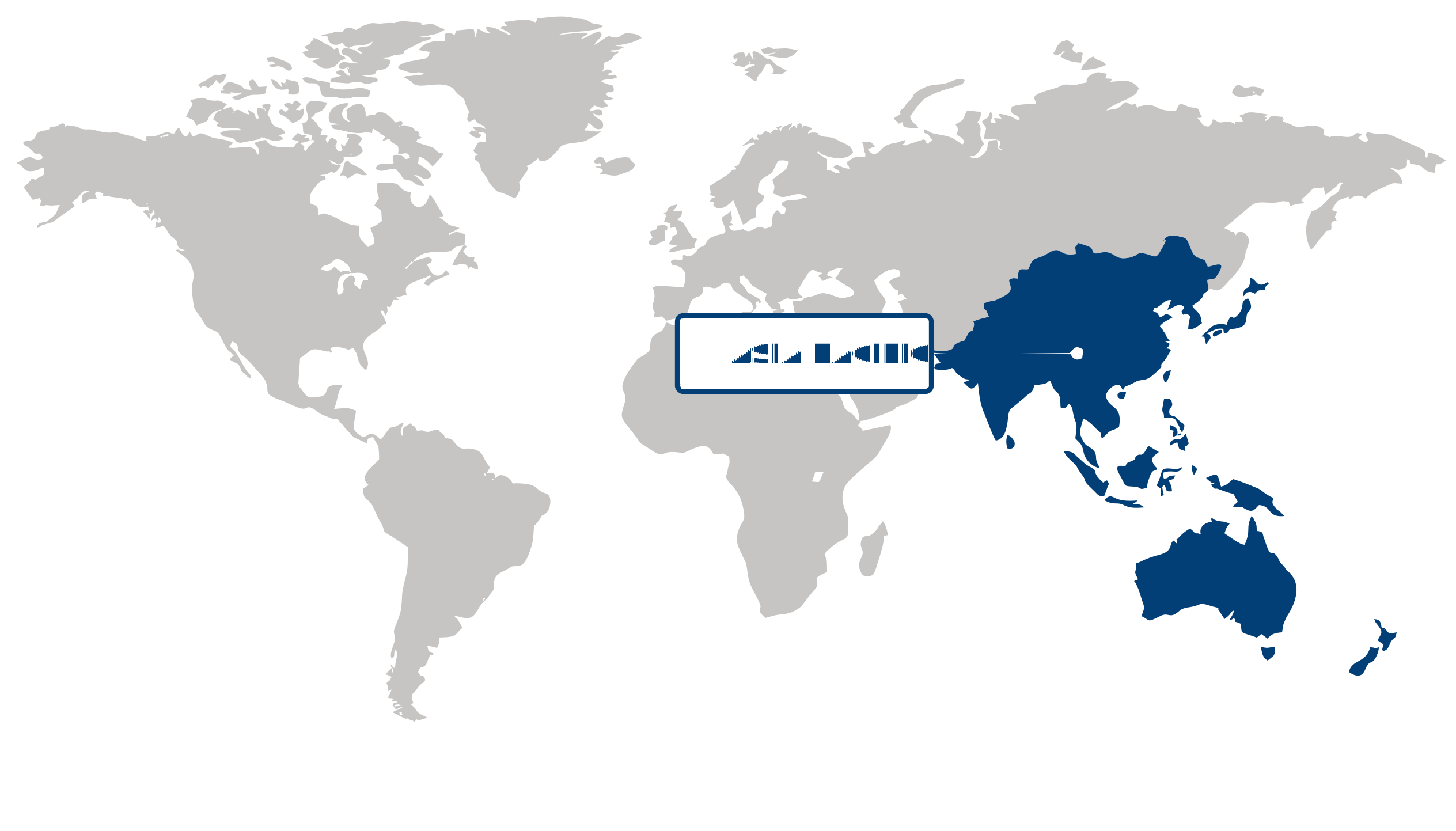
The high purity boehmite market in Asia Pacific captured approximately 40% of the global market in 2025 and is the region with the largest share. This leadership reflects surging demand for lithium‑ion battery separators and rapid expansion of EV battery and electronics manufacturing across APAC: the International Energy Agency (IEA) highlights the region’s dominant EV adoption, while companies such as Contemporary Amperex Technology Co. Limited (CATL) and BYD Co., Ltd. have announced large-scale capacity expansions that increase upstream demand for specialty alumina materials. Policy support from China’s Ministry of Industry and Information Technology (MIIT) and industrial initiatives by Japan’s Ministry of Economy, Trade and Industry (METI) further tighten supply chains and accelerate industrial investment. These dynamics, combined with electronics makers’ push for higher purity materials, position APAC as a commercially attractive growth arena for investors and suppliers.
Japan is positioned as a pivotal hub in Asia Pacific, where the high purity boehmite market benefits from advanced electronics and precision battery-component manufacturing. Japanese firms such as Panasonic Corporation and materials suppliers serving automotive OEMs are upgrading formulations and production lines to meet stringent purity and performance requirements, supported by METI programs to reinforce domestic supply chains and recycling. Strong OEM relationships and a skilled technical workforce enable rapid qualification of new grades for separators and coating applications. Strategically, Japan’s focus on high-value, high-reliability applications complements broader APAC scale plays and offers premium-margin opportunities for specialty producers.
China anchors the Asia Pacific market, where the high purity boehmite market is driven by large-scale EV and battery manufacturing clusters. Major battery manufacturers—Contemporary Amperex Technology Co. Limited (CATL) and BYD Co., Ltd.—have disclosed capacity growth and R&D investments that increase demand for high‑quality precursor materials used in separator and electrode processes. Supportive measures from the Ministry of Industry and Information Technology (MIIT) and provincial incentives accelerate factory buildouts and local sourcing, while intense competitive pressure pushes suppliers to scale and lower costs. For regional strategy, China’s volume-led ecosystem provides channel depth and production volume that reinforce APAC’s overall market dominance and create entry points for both global and local specialty suppliers.
North America Market Analysis:
The high purity boehmite market in North America emerged as the fastest-growing region, registering a CAGR of 34.5%, driven by increasing EV/battery production, reshoring of supply chains, and rising demand for high-performance materials in electronics and flame-retardant applications. Rapid expansion of battery gigafactories and investments in advanced materials for separators and electrode coatings—highlighted by public announcements from Tesla and Ford Motor Company and funding from the U.S. Department of Energy—is elevating demand for high-purity alumina derivatives. White House supply-chain initiatives and the CHIPS and Science Act are incentivizing local processing and procurement, while material suppliers such as BASF are advancing formulations that meet flame-retardant standards. These converging forces position North America for sustained commercial opportunity across automotive, electronics, and specialty chemical value chains.
The high purity boehmite market in the U.S. is the principal engine of regional growth, reflecting concentrated EV/battery build-out, active reshoring incentives, and advanced electronics manufacturing. Large-scale announcements by Ford Motor Company, Ultium Cells (General Motors/LG), and Tesla on battery capacity, alongside Intel’s fabrication investments and DOE grants, are creating localized demand for high-specification boehmite used in ceramic precursors and flame-retardant composites. U.S. procurement policies and industry partnerships favor domestic supply-chain integration, benefiting specialty producers and contract manufacturers that can meet regulatory and performance requirements. Strategically, the U.S. landscape amplifies North America’s appeal for investors and suppliers seeking scale, proximity to OEMs, and policy-backed market adoption.
Europe Market Trends:
Maintained a notable presence, Europe’s high purity boehmite market is supported by coordinated policy signals, capital flows, and an established specialty-chemicals ecosystem that together sustain a significant share of demand for high-value precursor materials. Regulatory momentum from the European Commission Green Deal and targeted financing from the European Investment Bank are encouraging substitution and scale-up of advanced materials, while Cefic notes industry initiatives to strengthen intra‑EU supply resilience; corporate statements from Evonik and BASF underscore continued investment into specialty alumina and ceramic materials. These dynamics—combined with logistics integration and growing buyer preference for traceable, lower‑carbon inputs—create material opportunities in upstream production and certified supply chains across the region.
Germany plays a leading role in the high purity boehmite market thanks to dense manufacturing clusters and applied R&D capacity that accelerate commercialization. National programs run by the Federal Ministry for Economic Affairs and Climate Action and Fraunhofer‑Gesellschaft collaborations emphasize battery and catalyst materials, driving industrial offtake and process optimization; Evonik and BASF operational updates highlight commercialization pathways from pilot to plant scale. For investors and strategists, Germany’s scale and engineering ecosystem make it the primary hub for industrial partnerships and capacity investments within Europe.
France is an important adopter in the high purity boehmite market, propelled by state‑backed research and high‑value end markets where material performance is critical. Research institutions such as CEA and CNRS, together with ADEME’s sustainability programs and Airbus procurement for advanced ceramics, foster targeted innovation and qualified demand for specialty boehmite grades; Solvay and other regional specialists participate in collaborative projects. Strategically, France offers premium application pathways and public‑private R&D testbeds that complement manufacturing scale elsewhere in Europe.
| Parameter | North America | Asia Pacific | Europe | Latin America | MEA |
|---|---|---|---|---|---|
| Innovation HubiScaleNascentDeveloping Advanced | |||||
| Cost-Sensitive RegioniScaleLowMedium High | |||||
| Regulatory EnvironmentiScaleRestrictiveNeutral Supportive | |||||
| Demand DriversiScaleWeakModerate Strong | |||||
| Development StageiScaleEmergingDeveloping Developed | |||||
| Adoption RateiScaleLowMedium High | |||||
| New Entrants / StartupsiScaleSparseModerate Dense | |||||
| Macro IndicatorsiScaleWeakStable Strong |
High Purity Boehmite Market Share (%), by Product Type, 2026
Go beyond the chart, access full insights & data tables
Request Free Sample ReportWater Dispersible dominated the high purity boehmite market in 2025 as the largest share, propelled by strong uptake of water‑based coatings for battery separators and ceramic formulations. Leadership stems from formulators preferring aqueous chemistries for safety, lower VOC emissions, and compatibility with roll‑to‑roll coating lines used by separator suppliers such as Asahi Kasei and Toray; U.S. Department of Energy programs promoting water‑based battery manufacturing further validate this trend. Implicit drivers include OEM demand for scalable, sustainable processes, tighter environmental regulations, and suppliers’ moves toward localized, low‑emission supply chains. Established chemical players can scale grade consistency while newcomers can target niche surface‑modified variants for advanced ceramics. Given ongoing electrification and regulatory pressure to reduce solvent use, water‑dispersible grades are likely to stay central to near‑term product development and procurement strategies.
Analysis by End-Use
Automotive represented largest share of the high purity boehmite market in 2025 as the dominant end‑use, driven by adoption in electric vehicle battery systems and vehicle electronics. The segment’s leadership is linked to automakers and cell manufacturers—Tesla, Volkswagen, LG Energy Solution, and CATL—prioritizing separator safety and electronic ceramic components that rely on high‑purity boehmite. Market dynamics reflect procurement preferences for qualified suppliers, supply‑chain resilience near gigafactories, and regulatory commitments to EV deployment highlighted by the International Energy Agency and the European Commission. Opportunities exist for tier‑1 suppliers to integrate boehmite‑based coatings and for specialty chemical entrants to offer tailored particle and surface profiles. Continued electrification, tighter safety standards, and automakers’ verticalization of battery supply chains suggest persistent relevance into the medium term.
Analysis by Application
Lithium‑Ion Battery held largest share in the high purity boehmite market in 2025, driven by the material’s role in improving separator thermal stability and thereby enhancing battery safety as production scales. This leadership is supported by cell manufacturers such as Panasonic and Samsung SDI incorporating alumina‑type coatings and by U.S. Department of Energy research initiatives aimed at safer, high‑energy cells. Factors such as demand for higher cycle life, recyclability considerations, and manufacturers’ investments in advanced coating technologies reinforce adoption, while supply‑chain shifts toward regional gigafactories increase demand predictability. Strategic openings include partnerships between boehmite producers and separator or cell makers to qualify grades, and specialized producers offering tight particle‑size distributions. Given accelerated battery manufacturing and regulatory focus on safety, boehmite’s role in separator and electrode formulations will remain strategically important in the near to medium term.
| Segment | Sub-Segment | Largest Segment | Fastest Growing |
|---|---|---|---|
| Product Type | Water Dispersible, Acid Dispersible, Surface Modified Dispersible | ||
| End-Use | Automotive, Construction, Electronics, Consumer Goods, Oil Refineries, Other End Users | ||
| Application | Lithium-Ion Battery, Refractory Materials, Electronics Ceramics, Flame Retardants, Catalysis, Surface Fractioning, Microcrystalline Ceramics, Polymer Additives, Rheology Control, Other Applications |
Unlock insights tailored to your business with our bespoke market research solutions.
Click to get your customized report now.
Competitive Landscape and Market Positioning
The competitive environment is driven by moves to secure application-led demand, improve purification pathways, and broaden product assortments for high-end electronics and energy storage customers. Several incumbents have expanded generation and finishing capabilities and tailored grades for substrate polishing, catalyst supports, and separator coatings, while others have strengthened feedstock and downstream linkages to improve supply consistency. These initiatives are sharpening differentiation around ultra-high-purity specifications, faster qualification for OEMs, and localized service offerings, prompting an arms race in process refinement and customer-centric product engineering.
Strategic / Actionable Recommendations for Regional Players
North America: Firms should deepen commercial ties with battery and semiconductor assemblers and pursue pilot deployments of continuous purification and modular tolling near demand clusters. Emphasizing co-development with end-users on grade-specific formulations and offering rapid qualification support will help capture premium applications while responding to competitors’ moves to secure long-term supply.
Asia Pacific: Leverage proximity to large electronics and battery manufacturing hubs by scaling flexible manufacturing that can shift between high-purity and specialty grades. Strengthen links with domestic OEMs and research institutions to accelerate application-validation cycles and adopt advanced separation and wash technologies to raise technical barriers to entry.
Europe: Focus on integrating boehmite into advanced materials value chains for automotive and industrial catalysts, enhancing sustainability credentials through lower-energy processing and recycled feedstocks. Engage with consortiums and testing centers to fast-track qualification in regulated industries and prioritize localized, high-service models that counterbalance global suppliers’ scale advantages.
| Company | Market Share | Company Revenue | Revenue CAGR (%) | Product Portfolio | Geographic Presence | Innovation / R&D Focus | Strategic Developments |
|---|---|---|---|---|---|---|---|
| No companies available. | |||||||
Customize Your Report
Explore examples of how this report can be tailored to different research needs, including custom segments, additional topics or chapters, and related reports. Click a section of the wheel or its numbered marker to explore the available options.
High Purity Boehmite Market — Custom Segments
| Segment | Sub-Segment |
|---|---|
| No segment data available. | |
High Purity Boehmite Market — Custom TOC
| Custom Chapter | Chapter Details |
|---|---|
| No custom TOC data available. | |
Need a different cut of the data?
Request Custom ResearchFrequently Asked Questions
What is the market size of high purity boehmite?
How is the high purity boehmite industry expected to grow over the next 10 years?
Which geographical region leads the high purity boehmite market market?
In which region is the high purity boehmite sector expanding at the quickest pace?
When did water dispersible sub-segment emerge as the largest sub-segment in the product type segment of high purity boehmite sector?
Why is the automotive segment leading in the high purity boehmite industry?
Why does lithium-ion battery sub-segment dominate the application segment of high purity boehmite sector?
Which organizations are considered leaders in the high purity boehmite landscape?
Our Clients
"The report helped us understand emerging consumer trends in our product category. It clarified where to focus innovation for the next product launch."
LyondellBasell
"The regional forecast section was incredibly useful. We were able to identify two new potential partners in Europe thanks to the vendor mapping you included."
SABIC
"We appreciated how actionable the recommendations were. It guided us to improve supply chain resilience."
Olin Corporation
Our Research Team & Methodology
Every Fundamental Business Insights report is built by a dedicated vertical research team, validated through a structured primary-and-secondary methodology, and reviewed for accuracy before it reaches you.
This report was prepared by the Chemicals & Materials Research Team at Fundamental Business Insights, a dedicated research group specializing in the global chemicals, advanced materials, and industrial manufacturing sectors. Our analysts continuously monitor raw material supply chains, feedstock pricing, production technologies, regulatory developments, sustainability initiatives, environmental compliance, trade dynamics, and evolving end-use applications to deliver timely and reliable market intelligence. The research is developed using a structured methodology that combines primary discussions with manufacturers, raw material suppliers, distributors, and industry experts, along with company annual reports, regulatory publications, government trade statistics, industry associations, technical literature, patent databases, and other authoritative secondary sources. Market estimates are validated through multiple research techniques, including top-down and bottom-up analysis, before undergoing an internal quality review to ensure accuracy, consistency, and methodological integrity prior to publication.
Delivery
Published
Available
Support
- Market Size & Forecast
- Market Segmentation
- Regional Analysis
- Growth Drivers & Challenges
- Market Dynamics
- Competitive Landscape
- Company Profiles
- Competitive Benchmarking
- Mergers & Acquisitions
- Market Share Analysis or Key Company Strategies
- Value Chain Analysis
- Porter's Five Forces
- PESTLE Analysis
- Pricing Trends
- Supply-Demand Analysis
- Technology Landscape
- Regulatory Landscape
- Investment & Funding Landscape
- Emerging Opportunities
- Future Market Outlook