High Performance Rubber Market Size & Forecasts 2026-2035, By Segments (Product, Application), Growth Opportunities, Innovation Landscape, Regulatory Shifts, Strategic Regional Insights (U.S., Japan, China, South Korea, UK, Germany, France), and Competitive Dynamics (Bridgestone, Michelin, Goodyear, Continental, Sumitomo)
Jump to Content
Market Size and Growth Outlook
High Performance Rubber Market size is forecasted to reach USD 42.11 billion by 2035, rising from USD 26.6 billion in 2025, at a CAGR of more than 4.7% between 2026 and 2035. In 2026, revenue is projected at USD 27.68 billion.
Get more details on this report
Request Free Sample ReportHigh Performance Rubber Market Intelligence Snapshot
Regional Market Dynamics
Segment Momentum
Market Expansion Drivers
Leading Market Participants
Global Market Forecast Snapshot
Market Outlook
Regional and Segment Outlook
Market Growth Drivers and Industry Trends
Advancements in Synthetic Rubber Technologies: Breakthroughs in polymer design, bio-based feedstocks and compounding processes are expanding application windows and sustainability credentials within the high performance rubber market. Innovation announcements from LANXESS AG, BASF SE and The Goodyear Tire & Rubber Company, and R&D investments at The Dow Chemical Company demonstrate commercially viable alternatives to legacy polymers, while engagement with the European Chemicals Agency (ECHA) regulatory agenda accelerates reformulation. Incumbents can monetize scale advantages and license proprietary chemistries; startups can differentiate via niche, lower-emissions or REACH-compliant compounds. Observable patent filings and public R&D commitments signal continued material evolution that will change supplier and product roadmaps.
Infrastructure Growth in Asia Pacific: Large-scale road, rail and port projects across Asia are creating sustained end-market pull for durable elastomers used in pavement seals, bridge bearings and heavy-vehicle tires, directly affecting the high performance rubber market. Funding pipelines and project portfolios from the Asian Development Bank (ADB), World Bank and national agencies such as the Ministry of Road Transport and Highways (India) and the Ministry of Transport of the People’s Republic of China showcase demand concentration in the region. Multinationals can pursue localized manufacturing and EPC partnerships to capture specification-driven contracts; regional entrants can capitalize on aftermarket and retrofit supply. With continued public investment commitments from ADB and national ministries, procurement-led demand for robust elastomer solutions is a near-term structural trend.
Industry Restraints:
Feedstock Price Volatility and Petrochemical Dependence
Highly variable natural rubber and petrochemical feedstock prices constrain investment and long-term planning in high performance rubber by compressing margins and discouraging capex for specialty compounds. The International Rubber Study Group (IRSG) has documented routine supply fluctuations from weather and planting cycles for natural rubber, while the U.S. Energy Information Administration (EIA) links crude oil swings to synthetic rubber feedstock costs. Bridgestone has cited raw-material cost pressure in its annual reporting, illustrating operational impact on manufacturers. Strategically, incumbents with scale and long-term procurement contracts are better positioned to absorb shocks, whereas new entrants face higher working-capital needs and hedging costs. Expect continued price-driven conservatism: firms will pursue feedstock diversification, tighter supplier contracts, and selective vertical integration in the near to medium term.
Stringent Chemical Regulations and Sustainability Mandates
Escalating regulatory scrutiny of additives, emissions, and end‑of‑life impacts slows product introduction and raises compliance costs for high performance rubber. The European Chemicals Agency (ECHA) and the European Commission have tightened restrictions under REACH, and the U.S. Environmental Protection Agency (EPA) is increasing oversight of chemical substances, forcing reformulation and extended testing. Michelin and Bridgestone have announced sustainability roadmaps that increase internal compliance requirements and supplier expectations. The result: larger firms can amortize testing and reformulation costs, while smaller suppliers and startups face higher market-access barriers and longer approval timelines. Moving forward, regulatory tightening and buyer-driven sustainability criteria will increasingly favor players investing in compliant chemistries and circular‑economy solutions.
| Growth Driver | Impact on CAGR | Regulatory Influence | Geographic Relevance | Adoption Rate | Impact Timeline |
|---|---|---|---|---|---|
| Automotive & industrial demand for high-performance rubber | 2.00% | Short term (≤ 2 yrs) | North America, Europe | Medium | Fast |
| Advancements in synthetic rubber technologies | 1.50% | Medium term (2–5 yrs) | Europe, Asia Pacific | Low | Moderate |
| Infrastructure growth in Asia Pacific | 1.20% | Long term (5+ yrs) | Asia Pacific; Spillover: MEA | Low | Moderate |
Explore Growth Opportunities
Request Free Sample ReportRegional Demand Dynamics
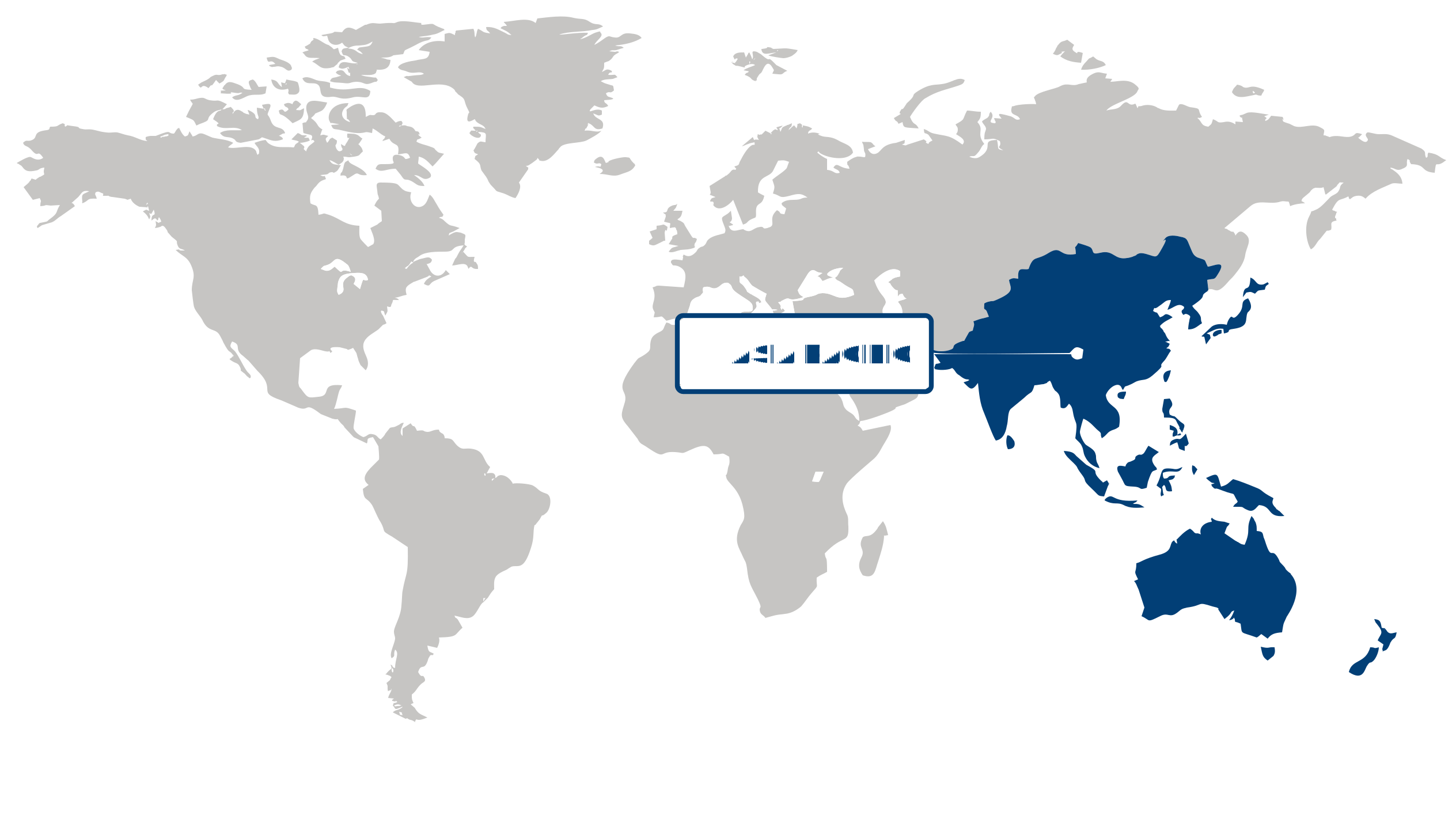
Asia Pacific captured approximately 41% of the global high performance rubber market in 2025, making it the largest regional market driven principally by the massive expansion of automotive production and tire manufacturing hubs across the region. Growth is underpinned by rising vehicle output and localized tire capacity as reflected in data and commentary from the China Association of Automobile Manufacturers (CAAM) and investment announcements by Toyota Motor Corporation, while tire capacity expansions by Bridgestone Corporation and Shandong Linglong Tire Co., Ltd. illustrate supply-side scaling. Demand-side shifts toward electrification and higher-performance tires, alongside tighter emissions and safety standards referenced by the Ministry of Economy, Trade and Industry (METI) of Japan and the Ministry of Industry and Information Technology (MIIT) of China, make the region fertile for advanced elastomer formulations, recycling solutions and premium tire segments, supporting sustained investor and OEM interest across Asia Pacific.
Japan is positioned as a pivotal hub in Asia Pacific and the high performance rubber market, concentrating premium R&D, specialty compounding expertise and high-value tire manufacturing. Established players such as Bridgestone Corporation and Yokohama Rubber Co., Ltd., together with technology and policy signals from the Japan Automobile Manufacturers Association (JAMA) and METI, emphasize product performance, safety and material innovation—areas that favor advanced high-durability and low-rolling-resistance rubbers. Japan’s supplier ecosystem and engineering talent accelerate commercialization of specialty rubbers and testing protocols, creating a pathway for regional OEMs to source high-spec materials and for investors to back niche technology providers that can be scaled across neighboring markets.
China anchors the Asia Pacific region and the high performance rubber market through sheer scale and rapid electrified vehicle adoption that drives tire and compound demand. CAAM production volumes, MIIT industrial guidance and OEM expansion by companies like BYD, combined with capacity investments from Shandong Linglong Tire Co., Ltd. and Zhongce Rubber Group, demonstrate a clustered value chain where upstream elastomer suppliers, compounders and tire plants co-locate for cost and logistical advantage. This concentration enables fast iteration on cost-competitive formulations and high-volume supply contracts for both domestic and export markets, offering strategic opportunities for manufacturers and raw-material providers to capture scale-driven margins and to pilot circular-economy initiatives at industrial scale.
Europe Market Analysis:
Europe emerged as the fastest-growing region at a CAGR of 5.8% in the high performance rubber market, propelled by stringent industrial regulations and a shift toward high-performance specialized materials. Regulatory tightening by the European Chemicals Agency (ECHA) under REACH and the European Commission’s Green Deal/circular economy initiatives have raised material performance and compliance requirements, prompting demand for low-PAH, high-durability compounds; Continental AG and Michelin product announcements reflect increased investment in specialty formulations and sustainable elastomers. Supply-chain resilience in advanced manufacturing hubs and rising industrial electrification further concentrate demand for engineered rubber solutions, creating near-term premium pricing and long-term recurring-replacement opportunities for suppliers who can meet regulatory and sustainability criteria.
Germany is the region’s innovation and demand anchor in the high performance rubber market, where stringent industrial standards and a deep automotive supply base amplify uptake of specialty materials. Original equipment manufacturers and Tier 1 suppliers such as Volkswagen Group and Continental AG are specifying advanced compounds for EV tires, noise-vibration-harshness reduction, and safety-critical seals; Kraftfahrt-Bundesamt (KBA) homologation and Germany’s rigorous type-approval processes accelerate adoption of certified high-performance blends. Robust manufacturing clusters, skilled technical workforce, and integrated supplier networks enable rapid scale-up of new formulations, making Germany a natural staging ground for pilots that can be rolled out across Europe and exported globally.
France is a technology and sustainability leader in the high performance rubber market, combining major OEM demand with innovative material development. Michelin’s public R&D commitments and product releases targeting sustainable, high-durability tire compounds illustrate how French players prioritize lifecycle performance alongside regulatory compliance; Stellantis and Renault Group electrification strategies increase requirements for low-rolling-resistance, thermally stable elastomers. Public-private collaboration and government support for advanced materials strengthen domestic commercialization channels, offering suppliers a platform to validate low-emissions, high-performance solutions that reinforce Europe’s broader regulatory-driven market momentum.
North America Market Trends:
Held a substantial share, North America’s position in the high performance rubber market is anchored by a dense cluster of automotive, aerospace, and specialty-industrial demand driven by OEMs and tier suppliers. Major players such as Goodyear and Michelin North America continue to invest in advanced compounds to meet performance and durability targets, while regulatory pressure from the U.S. Environmental Protection Agency and California Air Resources Board is accelerating material- and end-of-life innovation. Manufacturing and logistics resilience—illustrated by supply-chain adaptations at the Port of Los Angeles and capacity investments by ExxonMobil Chemical and Dow—coupled with workforce trends tracked by the U.S. Bureau of Labor Statistics, create a commercially attractive environment. These dynamics point to growing opportunities in EV-oriented tires, lightweighting, and circular material solutions.
As the regional anchor, the U.S. shapes the high performance rubber market through scale in vehicle production and pronounced electrification investments by OEMs such as Ford Motor Company and Tesla. Federal initiatives and funding through the U.S. Department of Energy for advanced manufacturing and materials, together with stricter state-level rules from the California Air Resources Board, are raising demand for novel elastomers and recycled-content solutions; Goodyear and Michelin North America have publicly signaled R&D shifts toward EV-specific compounds. Strategically, suppliers that align domestic production, regulatory-compliant formulations, and circular-material capabilities will capture outsized regional share.
| Parameter | North America | Asia Pacific | Europe | Latin America | MEA |
|---|---|---|---|---|---|
| Innovation HubiScaleNascentDeveloping Advanced | |||||
| Cost-Sensitive RegioniScaleLowMedium High | |||||
| Regulatory EnvironmentiScaleRestrictiveNeutral Supportive | |||||
| Demand DriversiScaleWeakModerate Strong | |||||
| Development StageiScaleEmergingDeveloping Developed | |||||
| Adoption RateiScaleLowMedium High | |||||
| New Entrants / StartupsiScaleSparseModerate Dense | |||||
| Macro IndicatorsiScaleWeakStable Strong |
High Performance Rubber Market Share (%), by Product, 2026
Go beyond the chart, access full insights & data tables
Request Free Sample ReportSynthetic represented largest share of the high performance rubber market in 2025, driven by its superior heat and chemical resistance that makes it the default choice for demanding industrial seals, hoses, and specialty components. This leadership stems from material advantages cited by manufacturers such as Lanxess (HNBR product communications) and BASF (specialty elastomer literature) that emphasize longevity under thermal and chemical stress; procurement teams and OEMs increasingly prioritize lifecycle cost and reliability, while supply-chain specialists value predictable compound properties. Regulatory attention from the European Chemicals Agency (ECHA) on chemical exposure and corporate sustainability commitments by Bridgestone create openings for formulators and compounders to differentiate. For established players and niche entrants alike, custom compound development and qualification services offer strategic upside, and continued industrial electrification and stricter performance standards will keep synthetic rubbers central in the near to medium term.
Analysis by Application
Automotive held largest share of the high performance rubber market in 2025, propelled by rising vehicle production and stronger demand for durable, high-performance rubber components across powertrains and chassis systems. OEM emphasis on component longevity and reduced maintenance—as reflected in supplier guidance from Toyota Motor Corporation and design priorities announced by Ford Motor Company—has pushed Tier‑1 suppliers to specify heat- and abrasion-resistant grades; the European Automobile Manufacturers' Association (ACEA) and the U.S. National Highway Traffic Safety Administration (NHTSA) have also influenced material selection through safety and emissions-related regulations. Shifts toward electrification, aftermarket durability preferences, and digitalized supply-chain qualification favor both large elastomer producers and agile compound innovators. Given ongoing vehicle production trends and regulatory focus on safety and efficiency, the automotive segment is poised to remain a primary driver of demand in the near to medium term.
| Segment | Sub-Segment | Largest Segment | Fastest Growing |
|---|---|---|---|
| Product | Natural, Synthetic | ||
| Application | Automotive, Machinery & Equipment, Construction, Consumer Goods, Other |
Unlock insights tailored to your business with our bespoke market research solutions.
Click to get your customized report now.
Competitive Landscape and Market Positioning
The competitive environment is characterized by concentrated activity around product refinement, capability investment, and selective footprint adjustments among the top firms. Several incumbents have refreshed high-performance portfolios while deepening technical links with vehicle makers and specialist suppliers to accelerate compound and tread innovation. Parallel efforts to optimize production networks and extend development facilities support faster iteration cycles for electric-vehicle and high-speed applications. Brand-led testing platforms and closer aftermarket engagements are also being used to validate new formulations and digital services, sharpening differentiation and raising entry thresholds for challengers.
Strategic / Actionable Recommendations for Regional Players
North America: Focus on strengthening alliances with domestic OEMs and fleet operators to secure specification opportunities for high-performance EV and light-truck applications. Combine targeted investments in compound R&D with pilot collaborations with materials startups and university labs, and expand service-oriented aftermarket offerings to capture value beyond initial fitment.
Asia Pacific: Leverage regional manufacturing scale to accelerate adoption of advanced compound and construction techniques for growing premium and performance EV segments. Deepen upstream supplier relationships for key elastomers, increase automation in plants to shorten development-to-production lead times, and explore joint development with local OEMs to lock in platform-specific specifications.
Europe: Build on premium brand equity by intensifying co-development with high-end vehicle makers and motorsport programs to validate sustainable high-performance formulations. Prioritize partnerships that address regulatory and sustainability requirements, and integrate digital performance services that reinforce premium pricing and customer retention.
| Company | Market Share | Company Revenue | Revenue CAGR (%) | Product Portfolio | Geographic Presence | Innovation / R&D Focus | Strategic Developments |
|---|---|---|---|---|---|---|---|
| No companies available. | |||||||
Customize Your Report
Explore examples of how this report can be tailored to different research needs, including custom segments, additional topics or chapters, and related reports. Click a section of the wheel or its numbered marker to explore the available options.
High Performance Rubber Market — Custom Segments
| Segment | Sub-Segment |
|---|---|
| No segment data available. | |
High Performance Rubber Market — Custom TOC
| Custom Chapter | Chapter Details |
|---|---|
| No custom TOC data available. | |
Need a different cut of the data?
Request Custom ResearchFrequently Asked Questions
How much revenue does the high performance rubber market generate?
How is the high performance rubber industry size expected to evolve during the forecast period?
Which geographic area exhibits the highest level of high performance rubber market penetration?
Which region shows the most rapid acceleration in the high performance rubber sector?
Why does synthetic sub-segment dominate the product segment of high performance rubber sector?
How does automotive segment fare in the high performance rubber industry?
What are the prominent companies operating in the high performance rubber landscape?
Our Clients
"The report helped us understand emerging consumer trends in our product category. It clarified where to focus innovation for the next product launch."
LyondellBasell
"The regional forecast section was incredibly useful. We were able to identify two new potential partners in Europe thanks to the vendor mapping you included."
SABIC
"We appreciated how actionable the recommendations were. It guided us to improve supply chain resilience."
Olin Corporation
Our Research Team & Methodology
Every Fundamental Business Insights report is built by a dedicated vertical research team, validated through a structured primary-and-secondary methodology, and reviewed for accuracy before it reaches you.
This report was prepared by the Chemicals & Materials Research Team at Fundamental Business Insights, a dedicated research group specializing in the global chemicals, advanced materials, and industrial manufacturing sectors. Our analysts continuously monitor raw material supply chains, feedstock pricing, production technologies, regulatory developments, sustainability initiatives, environmental compliance, trade dynamics, and evolving end-use applications to deliver timely and reliable market intelligence. The research is developed using a structured methodology that combines primary discussions with manufacturers, raw material suppliers, distributors, and industry experts, along with company annual reports, regulatory publications, government trade statistics, industry associations, technical literature, patent databases, and other authoritative secondary sources. Market estimates are validated through multiple research techniques, including top-down and bottom-up analysis, before undergoing an internal quality review to ensure accuracy, consistency, and methodological integrity prior to publication.
Delivery
Published
Available
Support
- Market Size & Forecast
- Market Segmentation
- Regional Analysis
- Growth Drivers & Challenges
- Market Dynamics
- Competitive Landscape
- Company Profiles
- Competitive Benchmarking
- Mergers & Acquisitions
- Market Share Analysis or Key Company Strategies
- Value Chain Analysis
- Porter's Five Forces
- PESTLE Analysis
- Pricing Trends
- Supply-Demand Analysis
- Technology Landscape
- Regulatory Landscape
- Investment & Funding Landscape
- Emerging Opportunities
- Future Market Outlook