Green Polypropylene Market Size & Forecasts 2026-2035, By Segments (Grade, Production Process, Application), Growth Opportunities, Innovation Landscape, Regulatory Shifts, Strategic Regional Insights (U.S., Japan, China, South Korea, UK, Germany, France), and Competitive Dynamics (Braskem, LyondellBasell, SABIC, INEOS, TotalEnergies)
Jump to Content
Market Size and Growth Outlook
Green Polypropylene Market size is projected to grow steadily from USD 23.21 billion in 2025 to USD 73.38 billion by 2035, demonstrating a CAGR exceeding 12.2% through the forecast period (2026-2035). The 2026 revenue is estimated at USD 25.74 billion.
Get more details on this report
Request Free Sample ReportGreen Polypropylene Market Intelligence Snapshot
Regional Market Dynamics
Segment Momentum
Market Expansion Drivers
Leading Market Participants
Global Market Forecast Snapshot
Market Outlook
Regional and Segment Outlook
Market Growth Drivers and Industry Trends
The green polypropylene market is significantly propelled by increasing consumer and corporate demand for eco-friendly packaging. Major brands like Unilever and Nestlé have publicly committed to reducing plastic waste by integrating sustainable materials into their packaging, aligning with stringent regulations from entities such as the European Chemicals Agency (ECHA). This shift toward environmentally responsible products incentivizes manufacturers to adopt green polypropylene, presenting strategic opportunities to innovate packaging designs that meet both sustainability goals and functional requirements. For incumbents, scaling sustainable product lines strengthens market positioning, while entrants can capture niche segments focused on biodegradable applications. The sustained momentum of environmental consciousness driven by policy mandates and evolving buyer preferences will solidify this trend as a pivotal growth vector for the green polypropylene market.
Expansion of Green Polymer Production Capacities
The green polypropylene market benefits from significant capacity expansions by leading chemical producers like Braskem and LyondellBasell, who have announced investments in bio-based polymer facilities. This drives economies of scale, reduces costs, and improves supply reliability, addressing previous barriers such as price competitiveness and feedstock availability. These capacity enhancements also signal increased confidence in the material’s commercial viability, encouraging upstream suppliers and downstream converters to further integrate green polypropylene into their portfolios. For established players, ramping up capacity supports broad market penetration, while new entrants can leverage improved infrastructure for agile market entry. Continued capacity growth aligns with global decarbonization efforts and will remain a key enabler of the green polypropylene market’s transition from niche to mainstream status.
R&D Advancements in Bio-based Polypropylene
Innovations in the green polypropylene market, particularly through R&D in bio-based monomers and polymerization techniques, are reshaping product performance and sustainability profiles. Companies such as SABIC and TotalEnergies Chemicals have unveiled projects focused on enhancing polymer purity and recyclability, which address longstanding technical challenges and expand application possibilities across automotive, packaging, and consumer goods sectors. Enhanced polymer properties foster broader adoption by delivering comparable or superior qualities to fossil-based counterparts, mitigating trade-offs in performance and cost. This creates lucrative avenues for both incumbents to diversify offerings and startups to differentiate through proprietary technologies. The ongoing commitment to material innovation, supported by collaborations with academic institutions and technology startups, underscores the central role of R&D in driving the green polypropylene market’s evolution toward functional and environmental excellence.
Industry Restraints:
High Production Costs and Feedstock Limitations
The elevated production costs associated with bio-based or recycled feedstocks significantly constrain green polypropylene market expansion. Traditional polypropylene enjoys economies of scale with petrochemical feedstocks, whereas sourcing consistent, high-quality renewable inputs remains capital-intensive and operationally complex. For instance, Braskem’s quarterly reports highlight costly process adaptations and feedstock volatility as hurdles to competitive pricing. This financial burden deters price-sensitive end-users and complicates margin sustainability for both legacy producers and newcomers. Strategically, companies must invest in feedstock innovation and supply chain optimization to balance cost and environmental benefits. As feedstock availability and processing technologies gradually mature, cost differentials are expected to narrow, but in the near term, these economic pressures will continue limiting widespread adoption and market penetration.
Regulatory Fragmentation and Certification Barriers
Divergent regulatory standards and certification requirements worldwide impede seamless green polypropylene commercialization and adoption. Unlike petrochemical-based polypropylene, green variants must navigate a patchwork of regional sustainability criteria and eco-labeling protocols, creating compliance complexity and market entry delays. For example, the European Chemicals Agency’s evolving framework juxtaposed with less stringent standards in other regions complicates product uniformity and cross-border trade, as noted in PlasticsEurope’s regulatory analysis. This fragmentation risks operational inefficiencies and higher compliance costs, disproportionately impacting smaller firms lacking regulatory expertise. Moving forward, until greater harmonization and streamlined certification emerge, regulatory challenges will remain a critical restraint, compelling market players to prioritize localized strategies and engage with policymakers to foster clearer and more cohesive standards.
| Growth Driver | Impact on CAGR | Regulatory Influence | Geographic Relevance | Adoption Rate | Impact Timeline |
|---|---|---|---|---|---|
| Growing demand for sustainable packaging solutions | 3.50% | Short term (≤ 2 yrs) | Europe, Asia Pacific | High | Fast |
| Expansion of green polymer production capacities | 2.00% | Medium term (2–5 yrs) | North America, Asia Pacific | Medium | Moderate |
| R&D advancements in bio-based polypropylene | 1.50% | Long term (5+ yrs) | Europe, North America | Medium | Slow |
Explore Growth Opportunities
Request Free Sample ReportRegional Demand Dynamics
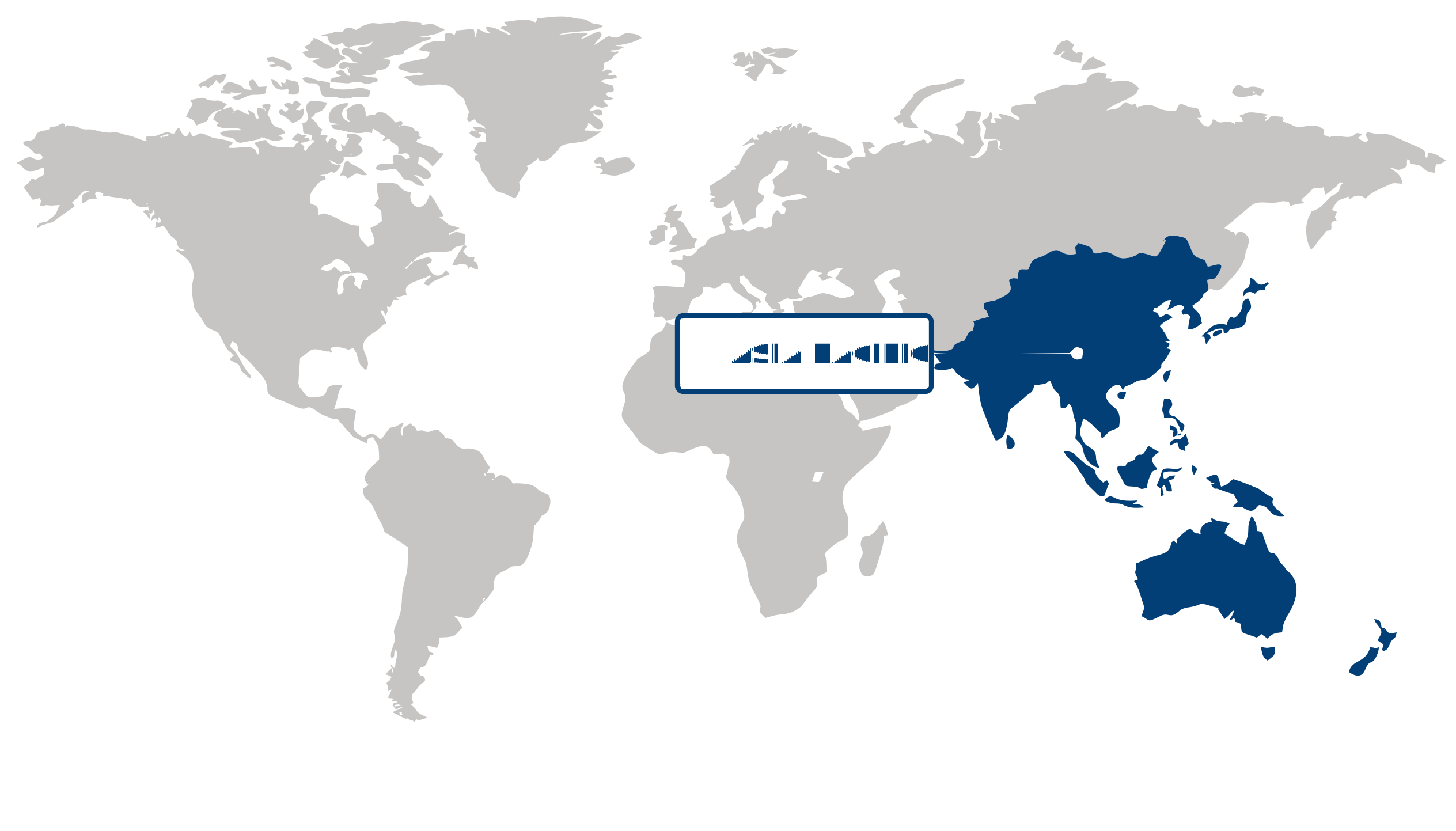
Asia Pacific dominated the global green polypropylene market, representing more than 48% of the total share in 2025. This leadership stems primarily from the region’s status as a global hub for plastic production combined with accelerating circular economy initiatives. For instance, China’s commitment to reducing plastic waste through government-backed recycling programs has catalyzed demand for biodegradable alternatives like green polypropylene. Additionally, manufacturers across Asia Pacific, including in emerging economies, are increasingly adopting advanced polymer recycling technologies to meet stringent environmental regulations championed by agencies such as the Ministry of Ecology and Environment of China. These dynamics position the region not only as the largest but also a key innovation leader, driven by evolving sustainability priorities, operational modernization, and resilient supply chains. With continued policy support and growing consumer preference for eco-friendly materials, Asia Pacific offers substantial long-term growth potential in the green polypropylene market.
Japan anchors the Asia Pacific green polypropylene market by leveraging its advanced manufacturing ecosystem and regulatory focus on sustainability. Driven by stringent environmental standards instituted by the Ministry of Economy, Trade and Industry (METI) and heightened consumer demand for green products, Japanese companies like Toray Industries are pioneering bio-based polypropylene. The country’s strong emphasis on innovation and circular material use also fosters partnerships between local governments and industry players to enhance polymer recycling capabilities. These efforts underscore Japan’s strategic role in accelerating green polypropylene adoption, reinforcing Asia Pacific’s market leadership. As eco-conscious consumer behaviors intensify, Japan’s market developments serve as a blueprint for sustainable growth in the broader region.
China plays a pivotal role in bolstering Asia Pacific’s dominance in the green polypropylene market through expansive production capacity and aggressive environmental reforms. The Chinese government’s policies, such as the Plastic Restriction Order and the expanded recycling mandates enforced by the National Development and Reform Commission (NDRC), actively promote the switch to sustainable polymers. Industrial leaders like Sinopec have made significant investments in green polypropylene technologies, integrating bio-based feedstocks and circular processes into their supply chains. Consumer awareness regarding plastic pollution further fuels demand for greener alternatives. Consequently, China’s scale and policy-driven momentum amplify Asia Pacific’s market trajectory, positioning the region as an indispensable base for investors and strategists targeting sustainable polymer innovation.
Europe Market Analysis:
Europe emerged as the fastest-growing region in the green polypropylene market, registering a robust CAGR of 13.5%. This impressive expansion is primarily driven by stringent environmental regulations and government mandates promoting sustainable packaging materials across the region. The European Union’s policies, such as the Single-Use Plastics Directive and enhanced recycling targets, have compelled manufacturers to adopt eco-friendly polymers, fostering widespread demand for green polypropylene. Additionally, heightened consumer awareness toward sustainability and corporate commitments to carbon neutrality have amplified investments in bio-based and recycled polypropylene solutions. Recent initiatives by the European Chemicals Agency (ECHA) reflect increased regulatory pressure to curb plastic waste, further accelerating market transformation. Given Europe’s leadership in sustainability and regulatory rigor, it offers significant opportunities for innovation, scale-up, and integration of green polypropylene into multiple industries including packaging, automotive, and consumer goods.
Germany serves as a cornerstone of Europe’s green polypropylene market, leveraging its pioneering environmental policies and advanced industrial infrastructure. The country’s Circular Economy Act and packaging laws have intensified requirements for sustainable material use, prompting manufacturers to prioritize recycled and bio-based polypropylene. Leading corporations such as BASF and Covestro are investing heavily in developing next-generation green polymers, supported by Germany’s robust R&D ecosystem and skilled workforce. Consumer preferences in Germany also align strongly with eco-conscious purchasing patterns, boosting demand for green packaging options. Similarly, France’s commitment to sustainability is evidenced by its Anti-Waste Law, which curbs single-use plastics and incentivizes eco-design. French companies like TotalEnergies are expanding their green polymer product lines in response, enhancing market penetration. These country-specific advances underscore Europe’s broader regulatory and innovation landscape, reinforcing the region’s strategic dominance and growth prospects in the green polypropylene market.
North America Market Trends:
North America maintained a notable presence in the green polypropylene market, driven by increasing corporate commitments to sustainability and shifting consumer preferences toward eco-friendly products. The region benefits from stringent environmental regulations championed by agencies such as the U.S. Environmental Protection Agency, which incentivize the adoption of biobased and recycled polypropylene. Further, advanced technological capabilities within the manufacturing sector, alongside robust logistics and supply chain frameworks, facilitate efficient production and distribution. Leading firms like Dow Chemical and ExxonMobil have publicly emphasized green polypropylene initiatives, showcasing operational advancements in renewable feedstock integration. These dynamics, supported by a culturally driven emphasis on sustainable consumption and resilient economic fundamentals, position North America as a competitive hub. Going forward, continued regulatory support and growing demand for sustainable packaging and automotive components suggest significant opportunities for expanding green polypropylene applications across diverse industries.
The U.S. plays a commanding role within North America’s green polypropylene market, shaped by aggressive federal and state-level sustainability policies that fuel demand for bioplastics in packaging and consumer goods. The U.S. Department of Energy’s investment in circular economy projects and the consistent rise in eco-conscious consumer segments, as reported by the Plastics Industry Association, underscore momentum in product innovation and adoption. Competitive pressures incentivize key manufacturers like LyondellBasell to develop proprietary green polypropylene grades, enhancing performance while reducing carbon footprints. Additionally, the mature supply chain infrastructure supports scalable deployment of sustainable materials. Strategically, the U.S. market acts as a critical testbed for green polypropylene technologies, amplifying regional market growth and influencing broader North American industry trends through innovation dissemination and policy-driven demand.
| Parameter | North America | Asia Pacific | Europe | Latin America | MEA |
|---|---|---|---|---|---|
| Innovation HubiScaleNascentDeveloping Advanced | |||||
| Cost-Sensitive RegioniScaleLowMedium High | |||||
| Regulatory EnvironmentiScaleRestrictiveNeutral Supportive | |||||
| Demand DriversiScaleWeakModerate Strong | |||||
| Development StageiScaleEmergingDeveloping Developed | |||||
| Adoption RateiScaleLowMedium High | |||||
| New Entrants / StartupsiScaleSparseModerate Dense | |||||
| Macro IndicatorsiScaleWeakStable Strong |
Green Polypropylene Market Share (%), by Grade, 2026
Go beyond the chart, access full insights & data tables
Request Free Sample ReportHomopolymer represented the largest share in the green polypropylene market in 2025, driven by robust demand for high-stiffness, easily recyclable polypropylene particularly in packaging and film applications. This leadership is supported by shifting consumer preferences toward sustainability and stringent regulatory mandates from bodies like the U.S. Environmental Protection Agency emphasizing recyclability. Industry leaders such as Braskem have actively promoted homopolymer’s eco-friendly attributes, enhancing supply chain efficiencies through advanced recycling partnerships. This segment offers strategic advantages by meeting growing packaging industry demands for durable yet sustainable materials, appealing to both established manufacturers and new entrants focused on green innovations. Given ongoing investment in polymer enhancement and increasing global packaging regulations, the homopolymer segment is set to maintain its prominence through the medium term.
Analysis by Production Process
The polymerization process held the largest share in the green polypropylene market in 2025, owing to its fundamental role in manufacturing sustainable polypropylene resins with superior environmental profiles. This process’s dominance stems from innovations in catalyst integration and process optimization, as demonstrated by LyondellBasell’s advancements in chemical recycling technologies. These improvements align with increasing industrial pressure to reduce carbon footprints and streamline resource use. By enabling scalable and cleaner production of green polypropylene, the polymerization process creates competitive advantages in cost and sustainability for both industry veterans and emerging bio-polymer producers. The continual refinement of polymerization techniques and supportive regulatory frameworks from agencies like the European Chemicals Agency (ECHA) ensure this segment's sustained relevance.
Analysis by Application
Packaging held the largest share in the green polypropylene market in 2025, propelled by escalating demand for sustainable packaging solutions and intensified regulatory focus on material recyclability worldwide. This segment’s growth is reinforced by consumer shifts towards eco-conscious products combined with mandates such as the Extended Producer Responsibility (EPR) regulations enforced by the Circular Plastics Alliance in Europe. Companies including Amcor have led in deploying green polypropylene to replace conventional plastics, supporting circular economy models through design-for-recycling initiatives. Packaging’s strategic advantage lies in its direct interface with end consumers and retail sectors that prioritize sustainability, offering entry points for both established firms and innovative start-ups. With persistent regulatory momentum and evolving consumer expectations, packaging remains a crucial deployment area for green polypropylene technology and investment.
| Segment | Sub-Segment | Largest Segment | Fastest Growing |
|---|---|---|---|
| Grade | Homopolymer, Copolymer | ||
| Production Process | Polymerization Process, Catalyst Technology | ||
| Application | Automotive, Consumer Products, Packaging, Industrial, Electrical and Electronics |
Unlock insights tailored to your business with our bespoke market research solutions.
Click to get your customized report now.
Competitive Landscape and Market Positioning
The competitive environment is shaped by collaborative ventures, technology enhancement, and portfolio diversification undertaken by these key players. Several companies have aligned with renewable feedstock suppliers or innovators in catalyst development to enhance sustainable polypropylene production. Strategic integrations and asset expansions improve supply chain efficiencies, bolstering market reach and pricing agility. New product launches focus on performance-branded green polypropylene grades tailored for packaging, automotive, and consumer goods sectors, reinforcing leadership in high-demand niches. Continuous investments in circular economy initiatives and chemical recycling technologies underline the commitment to innovation, differentiating top players by increasing environmental compliance and meeting evolving stakeholder expectations.
Strategic / Actionable Recommendations for Regional Players
In North America, collaboration between regional producers and technology developers specializing in renewable feedstocks and advanced recycling technologies can fortify sustainable polypropylene portfolios. Focusing on high-value applications such as automotive lightweighting and durable consumer products could unlock new revenue streams amid tightening environmental regulations.
Asia Pacific players should capitalize on growing demand within emerging economies by adopting scalable production methods and forming alliances with petrochemical producers for feedstock security. Prioritizing investments in bio-based polypropylene grades aligned with rising consumer eco-consciousness will enhance market differentiation.
European firms could leverage strong regulatory frameworks by intensifying R&D partnerships to accelerate innovation in circular polymers and biodegradable polypropylene blends. Expanding integration across the value chain through sustainable sourcing and joint ventures would strengthen operational resilience and align with stringent sustainability targets.
| Company | Market Share | Company Revenue | Revenue CAGR (%) | Product Portfolio | Geographic Presence | Innovation / R&D Focus | Strategic Developments |
|---|---|---|---|---|---|---|---|
| No companies available. | |||||||
Customize Your Report
Explore examples of how this report can be tailored to different research needs, including custom segments, additional topics or chapters, and related reports. Click a section of the wheel or its numbered marker to explore the available options.
Green Polypropylene Market — Custom Segments
| Segment | Sub-Segment |
|---|---|
| No segment data available. | |
Green Polypropylene Market — Custom TOC
| Custom Chapter | Chapter Details |
|---|---|
| No custom TOC data available. | |
Need a different cut of the data?
Request Custom ResearchFrequently Asked Questions
How is the green polypropylene industry expected to grow over the next 10 years?
In which region is the green polypropylene market share the greatest?
Which geographical area is witnessing the highest growth rate in the green polypropylene sector?
Why is the homopolymer segment leading in the green polypropylene industry?
Why does polymerization process sub-segment dominate the production process segment of green polypropylene sector?
How much is the packaging segment expected to grow in the green polypropylene industry beyond 2025?
Who holds a significant market share in the green polypropylene landscape?
Our Clients
"The report helped us understand emerging consumer trends in our product category. It clarified where to focus innovation for the next product launch."
LyondellBasell
"The regional forecast section was incredibly useful. We were able to identify two new potential partners in Europe thanks to the vendor mapping you included."
SABIC
"We appreciated how actionable the recommendations were. It guided us to improve supply chain resilience."
Olin Corporation
Our Research Team & Methodology
Every Fundamental Business Insights report is built by a dedicated vertical research team, validated through a structured primary-and-secondary methodology, and reviewed for accuracy before it reaches you.
This report was prepared by the Chemicals & Materials Research Team at Fundamental Business Insights, a dedicated research group specializing in the global chemicals, advanced materials, and industrial manufacturing sectors. Our analysts continuously monitor raw material supply chains, feedstock pricing, production technologies, regulatory developments, sustainability initiatives, environmental compliance, trade dynamics, and evolving end-use applications to deliver timely and reliable market intelligence. The research is developed using a structured methodology that combines primary discussions with manufacturers, raw material suppliers, distributors, and industry experts, along with company annual reports, regulatory publications, government trade statistics, industry associations, technical literature, patent databases, and other authoritative secondary sources. Market estimates are validated through multiple research techniques, including top-down and bottom-up analysis, before undergoing an internal quality review to ensure accuracy, consistency, and methodological integrity prior to publication.
Delivery
Published
Available
Support
- Market Size & Forecast
- Market Segmentation
- Regional Analysis
- Growth Drivers & Challenges
- Market Dynamics
- Competitive Landscape
- Company Profiles
- Competitive Benchmarking
- Mergers & Acquisitions
- Market Share Analysis or Key Company Strategies
- Value Chain Analysis
- Porter's Five Forces
- PESTLE Analysis
- Pricing Trends
- Supply-Demand Analysis
- Technology Landscape
- Regulatory Landscape
- Investment & Funding Landscape
- Emerging Opportunities
- Future Market Outlook