Geochemical Services Market Size & Forecasts 2026-2035, By Segments (Type, End-User, Application), Growth Opportunities, Innovation Landscape, Regulatory Shifts, Strategic Regional Insights (U.S., Japan, China, South Korea, UK, Germany, France), and Competitive Dynamics (ALS Limited, SGS SA, Bureau Veritas, Intertek Group, Eurofins Scientific)
Jump to Content
Market Size and Growth Outlook
Geochemical Services Market size is likely to expand from USD 1.25 billion in 2025 to USD 1.9 billion by 2035, posting a CAGR above 4.3% across 2026-2035. The industry’s revenue potential for 2026 is USD 1.3 billion.
Get more details on this report
Request Free Sample ReportGeochemical Services Market Intelligence Snapshot
Regional Market Dynamics
Segment Momentum
Market Expansion Drivers
Leading Market Participants
Global Market Forecast Snapshot
Market Outlook
Regional and Segment Outlook
Market Growth Drivers and Industry Trends
Increasing global demand for energy and minerals is escalating exploration and drilling activities, directly propelling the geochemical services market. According to the U.S. Energy Information Administration (EIA), expanding offshore and unconventional resource explorations are driving a surge in geological data requirements. This upward trend compels companies to leverage geochemical services to assess resource viability and reduce drilling risks, enhancing operational efficiency. Established players benefit by offering comprehensive, integrated solutions, while new entrants can capitalize on niche regional markets with burgeoning exploration projects. With energy transition agendas prompting diversified resource hunts, sustained exploration activity is poised to maintain robust demand for geochemical services, presenting strategic growth avenues aligned with evolving resource landscapes.
Tightening Environmental and Geological Regulations
Stricter environmental and geological regulations worldwide are becoming a pivotal growth driver for the geochemical services market. The European Environment Agency’s enforcement of enhanced soil and water quality standards mandates precise geochemical assessments to ensure compliance and mitigate ecological risks. This regulatory tightening elevates the necessity for accurate, site-specific analyses, pushing operators to engage specialized service providers. For market incumbents, compliance-driven projects offer steady contractual engagements, while startups can differentiate through agile, cutting-edge testing methodologies targeting evolving regulatory criteria. As policymakers intensify environmental scrutiny, opportunities expand for service providers to integrate sustainability-focused offerings, reinforcing the market’s foundation on compliance and environmental stewardship.
Advancements in Geochemical Analysis Technologies
Innovations in geochemical analysis technologies are significantly shaping the geochemical services market by enhancing accuracy, speed, and data integration capabilities. The Royal Society of Chemistry highlights breakthroughs in mass spectrometry and in-situ elemental analysis that improve detection limits and reduce sample processing times. These technological enhancements enable real-time decision-making in exploration and environmental monitoring, driving demand for technologically sophisticated service providers. Incumbent firms can leverage this to upgrade service portfolios, while new entrants equipped with advanced analytical platforms may disrupt traditional service models. The continual refinement of analytical tools is setting a new industry benchmark, creating dynamic competitive pressures and opening avenues for technology-driven differentiation in the evolving geochemical services market.
Industry Restraints:
Stringent Environmental and Regulatory Compliance
Stringent environmental regulations significantly constrain the geochemical services market by increasing compliance costs and prolonging project timelines. Companies must navigate complex frameworks such as the U.S. Environmental Protection Agency’s (EPA) mandates on soil and water contamination testing, which demand rigorous data accuracy and reporting standards. These requirements often result in operational inefficiencies as firms allocate extensive resources to meet legal thresholds, delaying service delivery and escalating expenses. Established players face pressure to continuously invest in upgraded technologies and training, while new entrants encounter high entry barriers due to the need for regulatory expertise and certification. The International Association of Geochemistry highlights similar regulatory challenges in global jurisdictions, underscoring a universal trend. This restraint is expected to persist in the near term, compelling market participants to prioritize compliance-driven innovation and risk management to maintain competitiveness and market access.
Supply Chain and Equipment Accessibility Challenges
The availability and cost of specialized analytical instruments and reagents represent critical constraints within the geochemical services sector. Disruptions exacerbated by global supply chain volatility, as reported by Agilent Technologies’ 2023 supply chain update, have led to delays in procuring high-precision spectrometers and chromatography equipment essential for geochemical analyses. This scarcity inflates operational costs and hampers timely project execution. For incumbent firms, dependency on limited suppliers restricts agility, while startups often face capital constraints that impede securing advanced equipment. These challenges can deter investment and slow service innovation across the value chain. The Association of Analytical Communities (AOAC) notes ongoing efforts to diversify sourcing; however, near- to mid-term limitations in supply resilience will continue to shape strategic procurement and inventory management practices within the market.
| Growth Driver | Impact on CAGR | Regulatory Influence | Geographic Relevance | Adoption Rate | Impact Timeline |
|---|---|---|---|---|---|
| Exploration & Drilling Activity Growth | 1.50% | Short term (≤ 2 yrs) | North America, Europe; Spillover: Asia Pacific | Medium | Moderate |
| Environmental & Geological Regulations | 1.40% | Medium term (2–5 yrs) | Europe, North America; Spillover: MEA | High | Slow |
| Advanced Geochemical Analysis Technologies | 1.40% | Long term (5+ yrs) | Asia Pacific, North America; Spillover: Europe | Medium | Moderate |
Explore Growth Opportunities
Request Free Sample ReportRegional Demand Dynamics
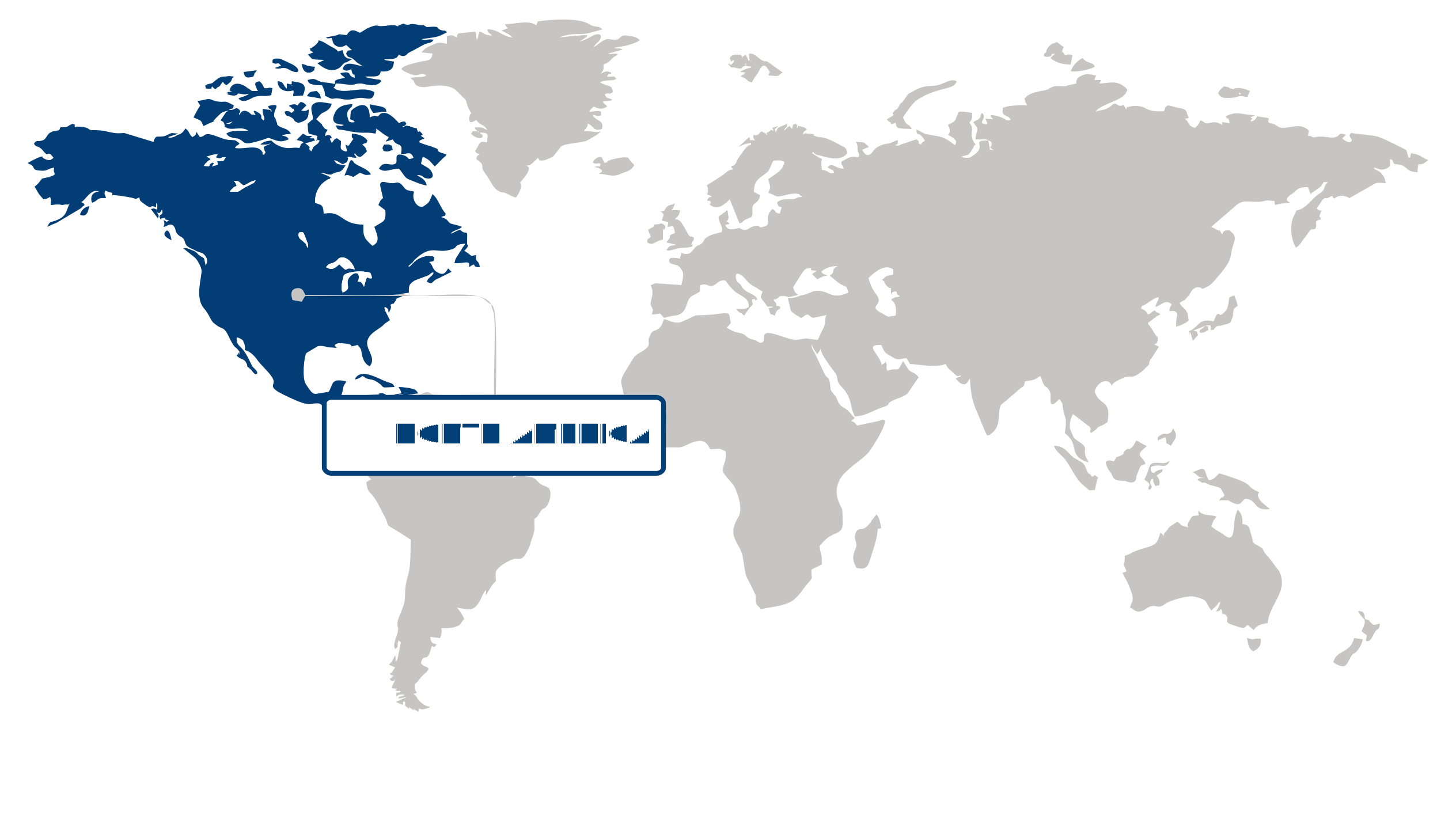
North America dominated the geochemical services market in 2025, capturing over 42% of the global share. This region leads primarily due to advanced exploration technologies and extensive shale resource development, which have reshaped hydrocarbon exploration and production activities. The integration of cutting-edge analytical tools and digital transformation, as exemplified by Halliburton’s recent deployment of real-time geochemical data systems, optimizes reservoir characterization and reduces operational risks. Regulatory frameworks from the U.S. Environmental Protection Agency (EPA) emphasize environmental safety in resource extraction, fostering sustainability in geochemical applications. Such dynamics heighten demand for precise geochemical data across energy and mining sectors. Consequently, North America remains a strategic hub with robust opportunities for innovation and expansion in the geochemical services market, supported by continued investments in technology and shale plays.
The United States anchors the North American geochemical services market, propelled by substantial shale resource development in regions like the Permian Basin and Marcellus Shale. Enhanced regulatory oversight by agencies such as the U.S. Geological Survey (USGS) encourages adoption of advanced geochemical profiling technologies to monitor environmental impacts, aligning with corporate sustainability goals highlighted in Chevron’s recent sustainability report. Innovations in sensor technologies and data analytics from leading firms like Schlumberger further streamline exploration workflows. These factors create a competitive landscape that drives efficiencies and precision, reinforcing the U.S. as a crucial growth engine within North America’s geochemical services market framework.
Asia Pacific Market Analysis:
Asia Pacific emerged as the fastest-growing region in the geochemical services market, registering a robust CAGR of 5.2%, driven primarily by rising mineral and hydrocarbon exploration activities. This surge reflects the region's strategic push towards tapping its vast natural resources amid evolving energy demands and industrial expansion. Increased governmental support in countries like Australia and Indonesia, coupled with advancements in geochemical analysis technologies, has enhanced exploration efficiency and reduced environmental impact. For instance, the Asian Development Bank’s recent funding initiatives boost sustainable mining practices, reinforcing a shift toward precision-based exploration methods. These factors collectively strengthen Asia Pacific’s position as a vital hub for geochemical services, poised to capitalize on escalating demand from both established and emerging economies aiming to secure resource independence and sustainable growth.
Japan serves as a pivotal player in Asia Pacific’s geochemical services market, leveraging its technological prowess and stringent regulatory framework to address escalating mineral exploration and environmental monitoring needs. The country’s emphasis on sustainable resource management, exemplified by initiatives from Japan’s Ministry of Economy, Trade and Industry (METI), drives adoption of cutting-edge geochemical techniques to optimize hydrocarbon extraction while mitigating ecological risks. Furthermore, Japan’s innovation in sensor technology and data analytics enhances exploration precision, supporting its shift toward cleaner energy sources and contributing to regional market dynamics. These capabilities reinforce Asia Pacific’s competitive edge by fostering market diversification and integrating environmental stewardship into geochemical applications.
China holds a dominant role in Asia Pacific’s geochemical services market, propelled by expansive mineral and hydrocarbon exploration underpinning its industrial growth. The China Geological Survey and Ministry of Natural Resources have ramped up resource mapping and geochemical profiling efforts to meet soaring energy and raw material demands. China’s increasing investment in infrastructure and digital technologies, including AI-driven geochemical data processing, expedites exploration and improves yield predictability. Additionally, policy directives favoring sustainable resource development align with regional trends, encouraging comprehensive environmental assessments during project phases. China’s scale and technological advancement solidify Asia Pacific’s rapid market growth while enhancing its appeal to investors targeting high-potential extraction sectors within the geochemical services domain.
Europe Market Trends:
Europe held a substantial share in the geochemical services market, underpinned by the region’s robust mining and environmental monitoring sectors. The continent’s push towards sustainable resource extraction and stringent environmental regulations—highlighted by directives from the European Environment Agency—has elevated demand for advanced geochemical analysis. Furthermore, the integration of cutting-edge technologies such as automated sampling and in situ sensor networks, promoted by initiatives like the Horizon Europe research program, has enhanced service quality and operational efficiency. Economic resilience amid global uncertainties supports stable investment flows, while growing collaboration within the European Union fosters streamlined supply chains and talent mobility. These dynamics collectively position Europe as a critical hub for geochemical services, offering significant prospects for innovation-driven growth and regulatory-compliant adaptations in the coming years.
Germany serves as a pivotal player in Europe’s geochemical services market, driven by its expansive industrial base and stringent environmental standards enforced by the German Federal Environment Agency (Umweltbundesamt). The country’s focus on mitigating industrial pollution through precise soil and water composition analysis fuels demand for sophisticated geochemical solutions. Corporate investments in sustainable mining practices, demonstrated by announcements from companies like BASF and Evonik, further stimulate market expansion. Additionally, Germany’s advanced technological infrastructure enables the adoption of digital geochemical workflows, enhancing data accuracy and processing speeds. As a result, Germany not only anchors regional market growth but also acts as a strategic platform for innovations that can be scaled across Europe’s evolving landscape.
France plays a strategic role in Europe’s geochemical services market, with its emphasis on environmental protection and resource management highlighted by the National Institute for Industrial Environment and Risks (INERIS). French government incentives supporting green technologies encourage the deployment of eco-friendly geochemical methods, particularly in the agricultural and mining sectors. Corporate collaborations such as those between TotalEnergies and local research institutes illustrate the country’s commitment to integrating sustainable practices within geochemical applications. Moreover, regulatory frameworks aligned with the European Union’s Green Deal create a demand for compliance-driven analytical services. France’s proactive approach to environmental stewardship enhances its market relevance and contributes to the broader European opportunity for geochemical services driven by sustainability priorities and regulatory compliance.
| Parameter | North America | Asia Pacific | Europe | Latin America | MEA |
|---|---|---|---|---|---|
| Innovation HubiScaleNascentDeveloping Advanced | |||||
| Cost-Sensitive RegioniScaleLowMedium High | |||||
| Regulatory EnvironmentiScaleRestrictiveNeutral Supportive | |||||
| Demand DriversiScaleWeakModerate Strong | |||||
| Development StageiScaleEmergingDeveloping Developed | |||||
| Adoption RateiScaleLowMedium High | |||||
| New Entrants / StartupsiScaleSparseModerate Dense | |||||
| Macro IndicatorsiScaleWeakStable Strong |
Geochemical Services Market Share (%), by Type, 2026
Go beyond the chart, access full insights & data tables
Request Free Sample ReportLab-based segment held the largest share in the geochemical services market in 2025, driven by the industry's strong reliance on detailed laboratory geochemical analysis. This preference reflects the critical need for precise, standardized results essential in mineral exploration, environmental assessments, and regulatory compliance. Enhanced laboratory capabilities, supported by advancements in instrumentation and digital data management as seen in announcements from SGS and Bureau Veritas, have elevated the quality and reliability of lab-based services. Additionally, regulatory frameworks emphasizing accuracy in contamination detection bolster demand for laboratory solutions. These factors create strategic opportunities for established labs to innovate and for new entrants to differentiate through cutting-edge analytical technologies. Given ongoing advancements in analytical methods and sustained regulatory scrutiny, the lab-based segment is poised to maintain its leadership in the near to medium term.
Analysis by End-User
Industrial segment represented the largest share in the geochemical services market in 2025, propelled by increasing industrial exploration and resource evaluation activities worldwide. Industries such as mining, oil and gas, and chemicals prioritize geochemical insights for optimizing resource extraction and meeting environmental standards, as highlighted in reports by the International Council on Mining and Metals (ICMM). Growing investments in infrastructure renewal and energy transition projects further amplify industrial demand. This segment benefits from growing collaborations between service providers and multinational industrial players, fostering integrated solutions that enhance operational efficiency and sustainability. The industrial focus on sustainable resource management and compliance with stringent environmental regulations ensures that geochemical services will remain an indispensable element of industrial strategies in the foreseeable future.
Analysis by Application
Hydro geochemistry segment dominated the geochemical services market in 2025, fueled by rising demand for hydrogeochemical data in environmental and resource studies. This reflects growing concerns over water resource management, contamination monitoring, and regulatory mandates for sustainable water use cited by the U.S. Geological Survey and the European Environment Agency. Customers increasingly seek comprehensive hydrogeochemical profiling to support groundwater protection, mineral exploration, and climate resilience initiatives. Technological advancements in in-situ sensing and data integration enhance service precision and accessibility, as demonstrated by partnerships between analytical firms and water agencies. The segment offers significant strategic appeal for firms delivering integrated environmental solutions. With escalating global water challenges and regulatory focus on sustainable management, the hydro geochemistry segment is expected to sustain its critical role amid evolving environmental priorities.
| Segment | Sub-Segment | Largest Segment | Fastest Growing |
|---|---|---|---|
| Type | Lab-Based, Infield-Based | ||
| End-User | Commercial, Industrial, Infrastructure, Residential | ||
| Application | Sample Preparation, Mixed Acid Digest, Hydro Geochemistry, Aqua Regia Digest, X-Ray Fluorescence, Fire Assay, Others |
Unlock insights tailored to your business with our bespoke market research solutions.
Click to get your customized report now.
Competitive Landscape and Market Positioning
The competitive landscape is marked by strategic collaborations and technological advancements that reinforce market positioning. Several key players have expanded capabilities through strategic uptake of novel analytical techniques, enhancing data precision and turnaround times. Collaborative engagements with research institutions and industrial partners have accelerated innovation trajectories, enabling customized solutions tailored to evolving client requirements. Additionally, consolidation efforts among leading firms and expansion into emerging regional markets have led to intensified competition, fostering continual enhancement of service quality and breadth. These dynamics cultivate a highly responsive ecosystem adaptive to sectoral shifts and regulatory evolution.
Strategic / Actionable Recommendations for Regional Players
In North America, aligning with technology innovators and academic research centers can enhance solution development, particularly in advanced geochemical characterization techniques. Expanding service offerings toward emerging application sectors such as environmental remediation and unconventional resource monitoring may capture new market opportunities amid increasing regulatory scrutiny.
For Asia Pacific players, forging partnerships with multinational service providers can enable knowledge transfer and access to advanced instrumentation. Leveraging digital analytics and automation technologies will be critical to improving operational efficiency while addressing the complexities of diverse geological conditions prevalent in the region.
European entities should continue deepening integration into cross-border networks and invest in specialized expertise targeting sustainability-driven sub-segments. Emphasizing high-precision, eco-compliant testing services aligns with stringent regional regulations, fostering competitive differentiation and long-term client trust.
| Company | Market Share | Company Revenue | Revenue CAGR (%) | Product Portfolio | Geographic Presence | Innovation / R&D Focus | Strategic Developments |
|---|---|---|---|---|---|---|---|
| No companies available. | |||||||
Customize Your Report
Explore examples of how this report can be tailored to different research needs, including custom segments, additional topics or chapters, and related reports. Click a section of the wheel or its numbered marker to explore the available options.
Geochemical Services Market — Custom Segments
| Segment | Sub-Segment |
|---|---|
| No segment data available. | |
Geochemical Services Market — Custom TOC
| Custom Chapter | Chapter Details |
|---|---|
| No custom TOC data available. | |
Need a different cut of the data?
Request Custom ResearchFrequently Asked Questions
How will the geochemical services industry grow in terms of size and CAGR by 2035?
What is the leading region in terms of geochemical services market share?
Who is driving the fastest regional growth in the geochemical services sector?
How much is the lab-based segment expected to grow in the geochemical services industry beyond 2025?
What factors give industrial segment a competitive edge in the geochemical services sector?
Which is the largest sub-segment within the application segment for geochemical services industry?
Who are the major participants shaping the geochemical services landscape?
Our Clients
"The report helped us understand emerging consumer trends in our product category. It clarified where to focus innovation for the next product launch."
LyondellBasell
"The regional forecast section was incredibly useful. We were able to identify two new potential partners in Europe thanks to the vendor mapping you included."
SABIC
"We appreciated how actionable the recommendations were. It guided us to improve supply chain resilience."
Olin Corporation
Our Research Team & Methodology
Every Fundamental Business Insights report is built by a dedicated vertical research team, validated through a structured primary-and-secondary methodology, and reviewed for accuracy before it reaches you.
This report was prepared by the Chemicals & Materials Research Team at Fundamental Business Insights, a dedicated research group specializing in the global chemicals, advanced materials, and industrial manufacturing sectors. Our analysts continuously monitor raw material supply chains, feedstock pricing, production technologies, regulatory developments, sustainability initiatives, environmental compliance, trade dynamics, and evolving end-use applications to deliver timely and reliable market intelligence. The research is developed using a structured methodology that combines primary discussions with manufacturers, raw material suppliers, distributors, and industry experts, along with company annual reports, regulatory publications, government trade statistics, industry associations, technical literature, patent databases, and other authoritative secondary sources. Market estimates are validated through multiple research techniques, including top-down and bottom-up analysis, before undergoing an internal quality review to ensure accuracy, consistency, and methodological integrity prior to publication.
Delivery
Published
Available
Support
- Market Size & Forecast
- Market Segmentation
- Regional Analysis
- Growth Drivers & Challenges
- Market Dynamics
- Competitive Landscape
- Company Profiles
- Competitive Benchmarking
- Mergers & Acquisitions
- Market Share Analysis or Key Company Strategies
- Value Chain Analysis
- Porter's Five Forces
- PESTLE Analysis
- Pricing Trends
- Supply-Demand Analysis
- Technology Landscape
- Regulatory Landscape
- Investment & Funding Landscape
- Emerging Opportunities
- Future Market Outlook