Electronic Stability Control System Market Size & Share, By Technology (Antilock Braking System, Traction Control System, Electronic Brakeforce Distribution), Component (Sensors, Control Modules, Hydraulic Actuators, Power Supply), Vehicle Type (Passenger Cars, Light Commercial Vehicles, Heavy Commercial Vehicles, Electric Vehicles), Functionality (Yaw Control, Braking Control, Acceleration Control) - Growth Trends, Regional Insights (U.S., Japan, South Korea, UK, Germany), Competitive Positioning, Global Forecast Report 2025-2034

Report ID: FBI 16011| Published Date: Apr-2025| Format: PDF, Excel
Jump to Content
Market Outlook

Market Size and Growth Outlook

Electronic Stability Control System Market size is predicted to grow from USD 35.92 billion in 2024 to USD 55.25 billion by 2034, reflecting a CAGR of over 4.4% from 2025 through 2034. The industry revenue is forecasted to reach USD 37.19 billion in 2025.

Base Year Value (2024)
USD 35.92 Billion
CAGR (2025-2034)
4.4%
Forecast Year Value (2034)
USD 55.25 Billion
Historical Data Period
2021-2024
Largest Region
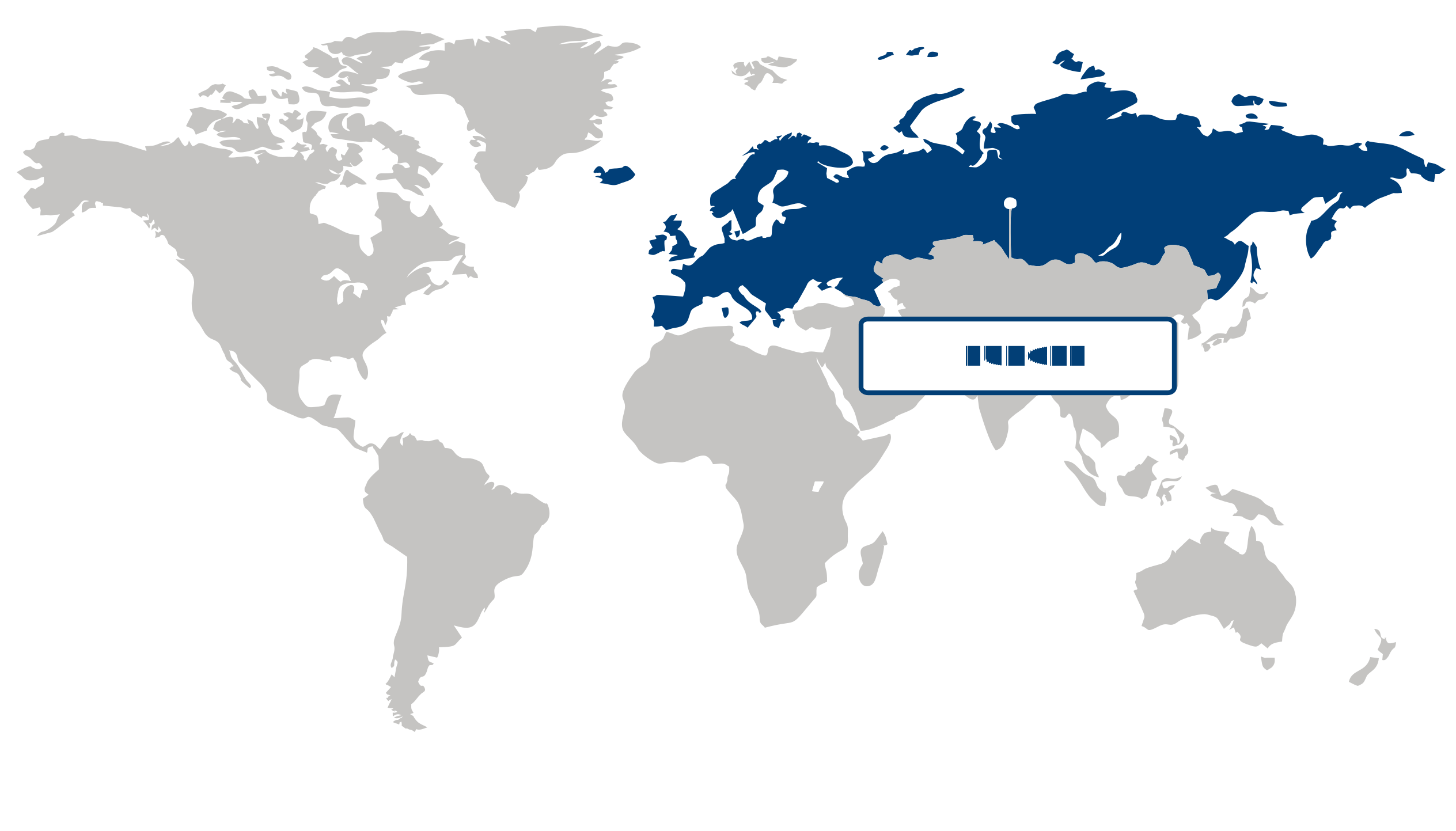
Europe
Forecast Period
2025-2034

Get more details on this report

Request Free Sample Report
Snapshot

Electronic Stability Control System Market Intelligence Snapshot

Regional Market Dynamics

Segment Momentum

Market Expansion Drivers

Leading Market Participants

Forecast Snapshot

Global Market Forecast Snapshot

Market Outlook

Regional and Segment Outlook

Market Dynamics

Market Growth Drivers and Industry Trends

Growth Drivers & Opportunities The Electronic Stability Control (ESC) System market is witnessing significant growth driven by increasing concerns for vehicle safety and advancements in automotive technologies. As consumer awareness regarding road safety rises, automakers are emphasizing the integration of advanced safety features in their vehicles. The adoption of ESC systems has become a standard requirement in many regions due to stringent government regulations aimed at reducing road accidents. This trend is further supported by the growing demand for vehicles equipped with enhanced safety mechanisms, which has led to manufacturers investing in research and development to innovate their ESC offerings. Another influential factor is the rapid expansion of the automotive industry, particularly in emerging markets. As these markets develop economically, there is a concurrent rise in disposable incomes, fueling the purchase of vehicles equipped with modern safety technologies. The increasing production of electric and autonomous vehicles is also propelling the ESC market, as these vehicles rely heavily on advanced stability control systems to ensure safe operation. The convergence of interconnected technologies, such as Vehicle-to-Everything (V2X) communications, presents additional opportunities for ESC systems, enabling improved vehicle control by processing real-time data from surrounding environments. Moreover, the trend towards shared mobility solutions, including ride-hailing services, highlights the necessity for vehicles to have robust stability control systems to enhance passenger safety. With the growing fleet of shared transportation options, the demand for ESC systems integrated into these vehicles is expected to rise. Additionally, the increased emphasis on sustainability and reducing carbon footprints encourages manufacturers to develop ESC technologies that not only improve vehicle safety but also enhance fuel efficiency and reduce emissions. Industry Restraints: Despite the promising growth prospects, the Electronic Stability Control System market faces several constraints. One of the primary challenges is the high cost associated with the research, development, and implementation of advanced ESC technologies. For many manufacturers, particularly smaller firms or those in emerging markets, investing in complex safety systems can be financially prohibitive. This can lead to disparities in the availability of ESC-equipped vehicles across different market segments. Furthermore, the complexity of integrating ESC systems into existing vehicle structures can pose significant challenges. Automakers may encounter difficulties in compatibility with various vehicle models, leading to increased costs and time delays in production. There is also the risk of technological malfunctions, which can result in safety concerns and negatively impact the reputation of manufacturers. Consumer resistance towards advanced technology remains a notable restraint as well. Many consumers are unfamiliar with the benefits of ESC systems and may prioritize purchase decisions based on cost rather than safety features. Additionally, in certain markets, regulatory frameworks may not mandate the inclusion of ESC systems, leading to a lack of urgency among manufacturers to invest in these technologies. These factors combined can hinder the overall growth potential of the ESC market, necessitating effective strategies from industry players to overcome such challenges.

Explore Growth Opportunities

Request Free Sample Report
Regional Forecast

Regional Demand Dynamics

Electronic Stability Control System Market
Largest Region
Europe
XX% Market Share in 2024
North America The North American electronic stability control system market is predominantly driven by strong automotive safety regulations and a growing demand for advanced vehicle safety features. The United States, as the largest automotive market in the region, is expected to exhibit a significant market size due to stringent government mandates requiring ESC systems in new vehicles. Canada is also experiencing a similar trend, with increasing consumer awareness regarding vehicle safety contributing to the growth of ESC systems. The presence of major automotive manufacturers and a focus on technological advancements further bolsters market prospects in this region. Asia Pacific In the Asia Pacific region, China stands out as a key player in the electronic stability control system market, owing to its massive automotive sector and rapid urbanization efforts. The growing middle class in China is pushing demand for modern, safety-oriented vehicles, contributing to the expansion of ESC systems. Japan and South Korea also present considerable opportunities, driven by their established automotive industries and continuous innovation in vehicle technologies. The increasing emphasis on safety features and the expansion of electric and autonomous vehicles in these countries is expected to propel the market growth for electronic stability control systems. Europe The European electronic stability control system market is largely influenced by strict safety regulations and a strong consumer preference for advanced safety features. Germany, being one of the largest automotive hubs in Europe, is predicted to maintain a large market size due to its pioneering automobile manufacturers that emphasize cutting-edge safety technologies. The United Kingdom and France are also noteworthy contributors, with ongoing investments in innovative automotive safety solutions and electrification efforts that enhance the adoption of ESC systems. The general trend towards sustainability and increased safety in the automotive sector across Europe is likely to further foster market growth in these countries.
🔒 Need data on a specific country or region? Individual country/region reports are available at discounted pricing. Inquire Before Buying

Go beyond the chart, access full insights & data tables

Request Free Sample Report
Market by Technology The Electronic Stability Control (ESC) System market is influenced significantly by its technology segments. The Antilock Braking System (ABS) is anticipated to dominate, driven by its critical role in preventing wheel lock-up during emergency braking situations. Following closely is the Traction Control System, which enhances vehicle stability by controlling wheel spin. The Electronic Brakeforce Distribution (EBD) is also noteworthy, providing optimal brake force to each wheel based on weight distribution, especially important in vehicles with varying loads. Overall, ABS is expected to exhibit the largest market size, while the growing emphasis on safety is likely to spur rapid growth in Traction Control Systems. Market by Component When analyzing the components of the ESC System, sensors are indispensable for their role in monitoring vehicle dynamics and providing data for immediate corrective actions. Control Modules, which process these data and execute system responses, follow closely in importance. Hydraulic Actuators are essential as well, as they apply necessary force to braking systems in real-time situations. The Power Supply component, ensuring efficient energy distribution to these systems, is also important. Among these, sensors are expected to lead in market size, with rapid growth anticipated in Control Modules driven by advancements in vehicle automation. Market by Vehicle Type The vehicle type segment reveals diverse dynamics within the ESC System market. Passenger Cars dominate in terms of market size, a consequence of stringent safety regulations and consumer demand for advanced safety features. Light Commercial Vehicles also reflect significant growth due to their rising use in urban transportation. Heavy Commercial Vehicles are gradually adopting ESC technologies driven by improvements in logistics safety. Electric Vehicles (EVs), gaining traction rapidly, are expected to exhibit the fastest growth rate, tied to the parallel rise in EV sales and increasing focus on enhanced vehicle stability technologies. Market by Functionality In terms of functionality, the Yaw Control segment is critical for maintaining vehicle stability during cornering by managing the vehicle's rotational motion. Braking Control represents a substantial portion of the market, integral to the ESC System’s ability to avert skidding. Acceleration Control, while less prominent, is gaining traction as vehicles evolve with more technology. Yaw Control is expected to hold a significant market share, while Braking Control is projected to grow steadily, driven by increased safety standards and technological advancing within the automotive sector.
Segment Sub-Segment Largest Segment Fastest Growing
Custom Research

Unlock insights tailored to your business with our bespoke market research solutions.

Click to get your customized report now.

Request Customization →
Competitive Landscape

Competitive Landscape and Market Positioning

The competitive landscape in the Electronic Stability Control System Market is characterized by rapid technological advancements and increasing consumer demand for enhanced safety features in vehicles. Major automotive manufacturers and technology companies are investing heavily in research and development to improve the efficacy and reliability of stability control systems. The market is witnessing strategic collaborations, mergers, and acquisitions, as companies aim to expand their product offerings and enhance their market positions. Additionally, regulatory frameworks across various regions are pushing for the adoption of advanced safety technologies, further intensifying competition among key players. Top Market Players 1. Bosch 2. Continental AG 3. Toyota Motor Corporation 4. ZF Friedrichshafen AG 5. Delphi Technologies 6. DENSO Corporation 7. Honeywell International Inc. 8. Autoliv Inc. 9. Tesla Inc. 10. Mitsubishi Electric Corporation
Company Market Share Company Revenue Revenue CAGR (%) Product Portfolio Geographic Presence Innovation / R&D Focus Strategic Developments
No companies available.
🔒 This section is available as a standalone purchase. Buy only the data you need. Inquire Before Buying
Report Customization

Customize Your Report

Explore examples of how this report can be tailored to different research needs, including custom segments, additional topics or chapters, and related reports. Click a section of the wheel or its numbered marker to explore the available options.

1 Custom Segments 2 Custom TOC 3 Related Reports

Electronic Stability Control System Market — Custom Segments

Segment Sub-Segment
No segment data available.

Electronic Stability Control System Market — Custom TOC

Custom Chapter Chapter Details
No custom TOC data available.

Need a different cut of the data?

Request Custom Research
FAQ

Frequently Asked Questions

Testimonials

Our Clients

"The team surpassed our expectations with the report depth. The actionable insights provided proved crucial in navigating market challenges."

Business Strategy Lead
Tata Motors

"We found the report to be very informative. The expertise and attention to market nuances significantly influenced our business direction."

Product Design Engineer
DENSO Corporation

"The consumer survey findings were quite good. We now have a clearer picture of the customer churning and retention strategy."

Head of Customer Experience & Insights
HL Mando
THE RESEARCH BEHIND THIS REPORT

Our Research Team & Methodology

Every Fundamental Business Insights report is built by a dedicated vertical research team, validated through a structured primary-and-secondary methodology, and reviewed for accuracy before it reaches you.

THIS REPORT'S RESEARCH VERTICAL
Industry Reports
Research Team Overview

This report was prepared by the Automotive & Transportation Research Team at Fundamental Business Insights, a dedicated research group specializing in the global automotive, mobility, and transportation industries. Our analysts continuously monitor vehicle technology advancements, electrification trends, autonomous and connected mobility, manufacturing developments, supply chain dynamics, regulatory standards, emissions policies, aftermarket activities, and evolving consumer and commercial transportation requirements to deliver timely and reliable market intelligence. The research is developed using a structured methodology that combines primary discussions with vehicle manufacturers, component suppliers, technology providers, distributors, logistics stakeholders, and industry experts, along with company annual reports, regulatory publications, government transportation statistics, industry associations, technical standards, and other authoritative secondary sources. Market estimates are validated through multiple research techniques, including top-down and bottom-up analysis, before undergoing an internal quality review to ensure accuracy, consistency, and methodological integrity prior to publication.

Prepared by the Automotive & Transportation Research Team
10+Industry Verticals
100+Countries Analyzed
5-7Days Standard
Delivery
13.8K+Research Reports
Published
On-DemandCustomized Research
Available
6Months Analyst
Support
PDF + XLSReport Deliverables
Trust & Compliance
D&B D-U-N-S
GDPR & CCPA Compliant
ISO 9001 Certified (ISO 9001:2015)
SSL Encryption
Secure Payments
Confidential Handling
Research Intelligence
Primary Research Network
Secondary Sources
Executive Leadership
Product & Technology Experts
Manufacturing & Operations Leaders
Procurement & Supply Chain Professionals
Sales & Commercial Executives
Channel Partners & Distribution Networks
Enterprise Buyers & End Users
Industry Consultants & Regulatory Experts
Research Workflow & Quality Assurance
01
Data Collection
Verified information gathered through primary and secondary research.
02
Data Triangulation
Cross-validation using multiple independent data sources.
03
Forecast Modelling
Market estimates developed using historical trends and analytical models.
04
Analyst Validation
Findings reviewed by domain experts for accuracy and consistency.
05
Editorial & Quality Review
Final editorial, quality, and compliance checks before publication.
06
Final Publication
Released after successful completion of the internal review process.
Report Coverage
Market Assessment
  • Market Size & Forecast
  • Market Segmentation
  • Regional Analysis
  • Growth Drivers & Challenges
  • Market Dynamics
🏢 Competitive Intelligence
  • Competitive Landscape
  • Company Profiles
  • Competitive Benchmarking
  • Mergers & Acquisitions
  • Market Share Analysis or Key Company Strategies
🔍 Strategic Analysis
  • Value Chain Analysis
  • Porter's Five Forces
  • PESTLE Analysis
  • Pricing Trends
  • Supply-Demand Analysis
🚀 Future Outlook
  • Technology Landscape
  • Regulatory Landscape
  • Investment & Funding Landscape
  • Emerging Opportunities
  • Future Market Outlook
Have a question about this report or need a custom scope?
Request Customization

Want this data scoped to your exact question?

Tell us the segments, regions, or competitors you need answered — an analyst will confirm scope before any custom work starts.

Talk to an Analyst →