E-Waste Management Market Size & Share, By Application (Trashed, Recycled), Material Type (Metal, Plastic, Glass, Others), Source Type (Household Appliance, Consumer Electronics, Industrial Electronics, Others), Recycler Type (Glass Recycler, Metal Recycler, Plastic Recycler, Printed Circuit Board Recycler, Others) - Growth Trends, Regional Insights (U.S., Japan, South Korea, UK, Germany), Competitive Positioning, Global Forecast Report 2025-2034

Report ID: FBI 7107| Published Date: Jan-2025| Format: PDF, Excel
Jump to Content
Market Outlook

Market Size and Growth Outlook

E-Waste Management Market size is predicted to grow from USD 72.77 billion in 2024 to USD 318.26 billion by 2034, reflecting a CAGR of over 15.9% from 2025 through 2034. The industry revenue is forecasted to reach USD 83.18 billion in 2025.

Base Year Value (2024)
USD 72.77 billion
CAGR (2025-2034)
15.9%
Forecast Year Value (2034)
USD 318.26 billion
Historical Data Period
2019-2024
Largest Region
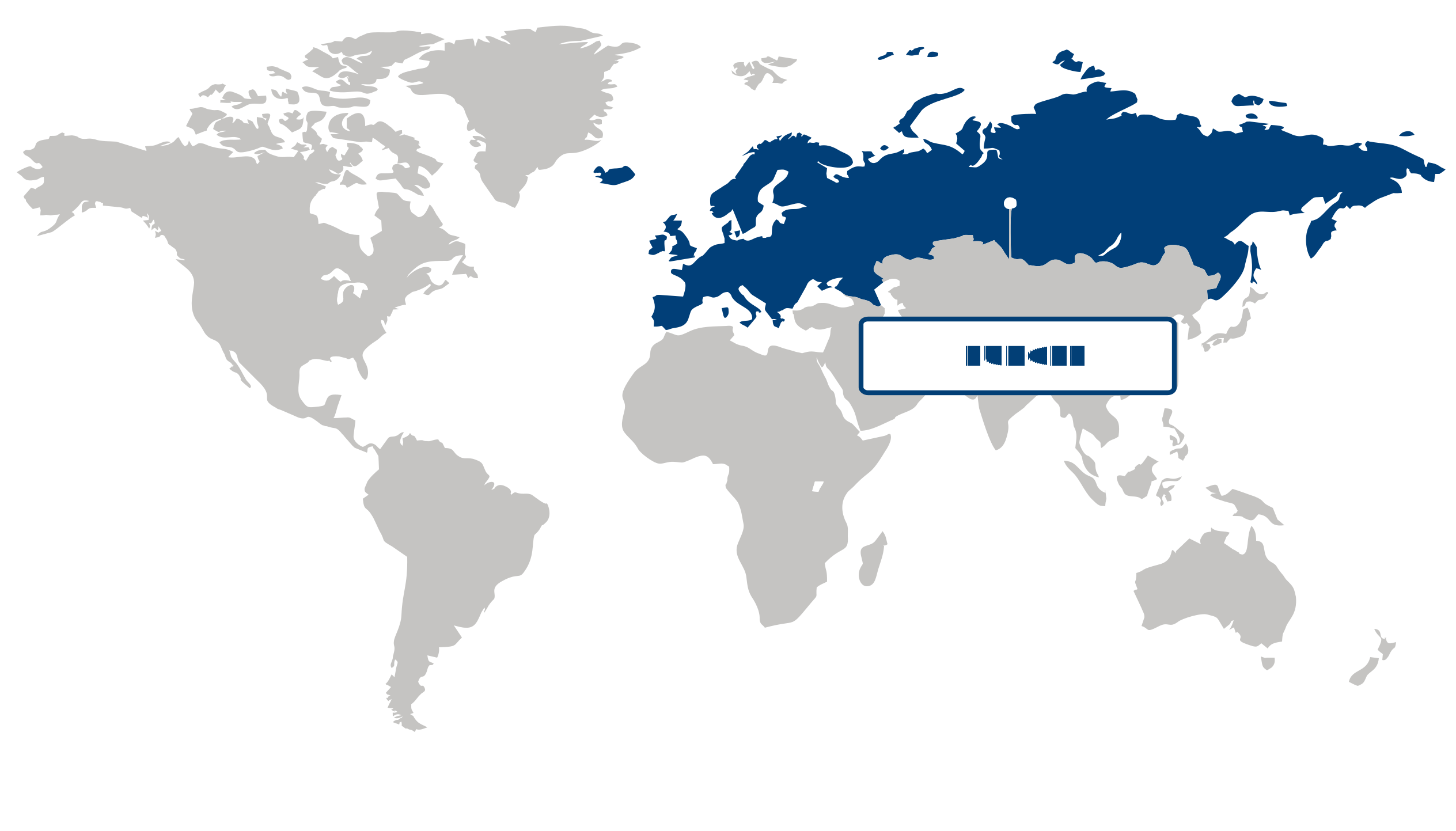
Europe
Forecast Period
2025-2034

Get more details on this report

Request Free Sample Report
Snapshot

E-Waste Management Market Intelligence Snapshot

Regional Market Dynamics

Segment Momentum

Market Expansion Drivers

Leading Market Participants

Forecast Snapshot

Global Market Forecast Snapshot

Market Outlook

Regional and Segment Outlook

Market Dynamics

Market Growth Drivers and Industry Trends

Growth Drivers & Opportunity: One of the primary growth drivers for the E-Waste Management Market is the increasing regulatory pressure surrounding electronic waste disposal. Governments and regulatory bodies worldwide are implementing stricter policies and regulations aimed at promoting the safe disposal and recycling of electronic waste. These regulations encourage businesses and consumers to adopt responsible e-waste management practices, leading to an enhanced market for recycling and recovery services. The enforcement of these regulations not only ensures environmental protection but also provides a lucrative opportunity for companies specializing in e-waste management solutions. Another significant growth driver is the rising awareness among consumers about the environmental impact of e-waste. As society becomes more conscious of sustainability issues, individuals are increasingly looking for eco-friendly disposal options for their electronic devices. This growing consumer sentiment is pushing businesses to adopt more sustainable practices, creating demand for e-waste recycling services. Educational initiatives and outreach programs aimed at informing the public about the dangers of improper e-waste disposal are further reinforcing this trend, thereby contributing to market growth. The rapid advancement in technology and the proliferation of electronic devices also represent a powerful growth driver for the E-Waste Management Market. The constant evolution of consumer electronics, including smartphones, laptops, and tablets, leads to a shorter product lifecycle, resulting in a significant amount of electronic waste. As new technologies emerge, older devices are discarded at an increasing rate, creating a pressing need for effective e-waste management solutions. Companies can leverage this trend by offering innovative recycling methods and recovery processes, thereby tapping into the expanded volume of e-waste generated. Industry Restraints: Despite the favorable growth prospects, the E-Waste Management Market faces several restraints, one of which is the high cost associated with recycling and disposal processes. The advanced technologies and equipment required for efficient e-waste recycling can be capital-intensive, creating a barrier for smaller companies looking to enter the market. Furthermore, the complexity of e-waste materials often necessitates specialized knowledge and infrastructure, which can lead to significant operational costs. This financial burden may deter potential players from investing in the e-waste management sector, limiting overall market expansion. Another major restraint in the market is the lack of public awareness and participation in e-waste recycling programs. While there is a growing concern regarding the environmental impact of e-waste, many consumers remain unaware of the appropriate disposal methods and local recycling options available to them. This gap in awareness can result in substantial volumes of electronic waste being improperly discarded, leading to environmental harm and undermining the efforts of regulated e-waste management initiatives. To mitigate this restraint, there needs to be a concerted effort from stakeholders, including governments and private sector entities, to educate the public about the importance of responsible e-waste management practices.

Explore Growth Opportunities

Request Free Sample Report
Regional Forecast

Regional Demand Dynamics

E-Waste Management Market
Largest Region
Europe
38% Market Share in 2024
North America The E-Waste Management Market in North America is primarily driven by stringent regulations regarding electronic waste disposal and increasing awareness about the environmental impacts of e-waste. The United States leads the market with a robust recycling infrastructure and proactive government initiatives promoting sustainable e-waste management. Canada is also seeing growth due to similar regulatory frameworks and rising public concern over electronic waste. Moreover, the presence of key players focusing on advanced recycling technologies and initiatives for responsible e-waste disposal is expected to further boost the market in this region. Asia Pacific The Asia Pacific region dominates the global E-Waste Management Market, primarily due to the rapid economic growth and increasing consumer electronics penetration in countries like China, Japan, and South Korea. China is the largest contributor to e-waste generation, prompting significant efforts in recycling and management to mitigate environmental effects. Japan is known for its comprehensive recycling policies and technological innovations in waste processing, while South Korea has implemented effective take-back programs and public awareness campaigns. The collaboration between government and private sectors to enhance e-waste recycling facilities supports market growth across the region. Europe The E-Waste Management Market in Europe is characterized by rigorous legislation, such as the Waste Electrical and Electronic Equipment (WEEE) directive, which mandates responsible disposal and recycling of e-waste. The United Kingdom, Germany, and France are key players in this market, leveraging advanced recycling technologies and systems for efficient waste management. Germany leads in terms of innovative recycling processes and public engagement strategies aimed at reducing e-waste. The UK is focusing on improving collection systems and increasing the rate of e-waste recycling through various initiatives. France is making significant strides with its circular economy policies, encouraging the reduction of waste generation and promoting sustainable practices in electronics disposal.
🔒 Need data on a specific country or region? Individual country/region reports are available at discounted pricing. Inquire Before Buying

Go beyond the chart, access full insights & data tables

Request Free Sample Report
E-Waste Management Market Segment Analysis By Application The application segment of the E-Waste Management Market is divided into two main categories: Trashed and Recycled. The trashed segment indicates e-waste that is disposed of in landfills or incinerated, contributing to environmental hazards. However, the recycled segment holds significant importance as it focuses on the recovery of useful materials from waste electronics, thereby reducing the carbon footprint and promoting sustainability. The increasing awareness of environmental issues and government regulations on e-waste disposal are enhancing the growth of the recycled segment, making it a focal point for both businesses and consumers. Material Type When analyzing the material type segment, the E-Waste Management Market can be categorized into Metal, Plastic, Glass, and Others. Metal is a dominant component, as it constitutes a significant portion of e-waste, primarily due to the presence of copper, aluminum, and precious metals. The plastic segment follows, driven by the high volume of plastic casings in electronic devices. Glass, primarily from screens and displays, also represents a notable portion, although it is generally less than metals and plastics. The others category encompasses various materials like circuit boards and batteries, which require specialized recycling techniques. The emphasis on recycling metals and plastics is rising due to their high reclamation value and growing concerns around resource scarcity. Source Type The source type segment evaluates the origin of e-waste and is classified into Household Appliance, Consumer Electronics, Industrial Electronics, and Others. Household appliances contribute significantly to the e-waste landscape, as the rapid turnover of such devices accelerates waste generation. Consumer electronics, encompassing smartphones, laptops, and tablets, also play a substantial role in e-waste production, with consumers frequently upgrading to newer models. Industrial electronics, while smaller in volume compared to household and consumer types, contribute to the complexity of e-waste due to the presence of specialized materials. The others category includes items such as medical equipment and telecommunication devices, which are also becoming a focus for effective e-waste management strategies. Recycler Type In the recycler type segment, the E-Waste Management Market consists of Glass Recycler, Metal Recycler, Plastic Recycler, Printed Circuit Board Recycler, and Others. Metal recyclers dominate the market due to the high value and demand for reclaimed metals from e-waste, allowing for significant profitability. Plastic recyclers are gaining traction as awareness of plastic pollution grows. Glass recyclers have a vital role in dealing with discarded screens and other glass components, although the segment remains smaller compared to metals. Printed circuit board recyclers are essential for extracting valuable precious metals and components that are critical in electronics manufacturing. The others category includes various specialized recyclers that handle unique e-waste components, highlighting the need for diverse recycling solutions in the market.
Segment Sub-Segment Largest Segment Fastest Growing
Custom Research

Unlock insights tailored to your business with our bespoke market research solutions.

Click to get your customized report now.

Request Customization →
Competitive Landscape

Competitive Landscape and Market Positioning

The competitive landscape in the E-Waste Management Market is characterized by numerous players striving for market share through innovative recycling technologies, strategic partnerships, and compliance with regulatory frameworks. Companies are increasingly focusing on sustainable practices and circular economy principles to enhance their service offerings and reduce environmental impacts. The market is influenced by stringent regulations regarding waste disposal and growing awareness among consumers about e-waste issues. Firms are also investing in advanced logistics and collection systems to improve inefficiencies in e-waste collection and processing. Collaborations between various stakeholders, including manufacturers, recyclers, and government bodies, are becoming more common as the industry seeks to streamline operations and improve overall environmental performance. Top Market Players 1. Veolia 2. Waste Management Inc. 3. Sims Metal Management 4. Electronic Recyclers International 5. Umicore 6. Stena Recycling 7. Aqua Metals 8. ERI (Electronic Recyclers International) 9. SB Michael 10. CloudBlue
Company Market Share Company Revenue Revenue CAGR (%) Product Portfolio Geographic Presence Innovation / R&D Focus Strategic Developments
No companies available.
🔒 This section is available as a standalone purchase. Buy only the data you need. Inquire Before Buying
Report Customization

Customize Your Report

Explore examples of how this report can be tailored to different research needs, including custom segments, additional topics or chapters, and related reports. Click a section of the wheel or its numbered marker to explore the available options.

1 Custom Segments 2 Custom TOC 3 Related Reports

E-Waste Management Market — Custom Segments

Segment Sub-Segment
No segment data available.

E-Waste Management Market — Custom TOC

Custom Chapter Chapter Details
No custom TOC data available.

Need a different cut of the data?

Request Custom Research
FAQ

Frequently Asked Questions

Testimonials

Our Clients

"The report provided us with a clear direction, and the level of detail was beyond what we expected. I would definitely recommend their services to others."

Senior Project Engineer
Haier Appliances

"The collaboration with Fundamental Business Insights has added significant value to our decision-making process, and we look forward to continuing this partnership for our future market research requirements."

Category Manager
Luxottica Group S.p.A.

"The team at FBI delivered an exceptional research report. The insights on industry innovations were particularly impressive and added a lot of value to the overall report."

Director - R&D
Nike
THE RESEARCH BEHIND THIS REPORT

Our Research Team & Methodology

Every Fundamental Business Insights report is built by a dedicated vertical research team, validated through a structured primary-and-secondary methodology, and reviewed for accuracy before it reaches you.

THIS REPORT'S RESEARCH VERTICAL
Consumer Goods & Services
Research Team Overview

This report was prepared by the Consumer Goods & Services Research Team at Fundamental Business Insights, a dedicated research group specializing in global consumer markets, retail industries, and service-oriented businesses. The team closely tracks evolving consumer preferences, purchasing behavior, product innovation, brand strategies, retail and e-commerce developments, pricing trends, distribution channels, sustainability initiatives, demographic shifts, and changing lifestyle patterns to deliver timely and reliable market intelligence. The research is developed using a structured methodology that combines primary discussions with manufacturers, brand owners, retailers, distributors, service providers, industry experts, and other key stakeholders, along with company annual reports, government consumer statistics, regulatory publications, industry associations, retail market data, trade publications, and other authoritative secondary sources. Market estimates are validated through multiple research techniques, including top-down and bottom-up analysis, before undergoing an internal quality review to ensure accuracy, consistency, and methodological integrity prior to publication.

Prepared by the Consumer Goods & Services Research Team
10+Industry Verticals
100+Countries Analyzed
5-7Days Standard
Delivery
13.8K+Research Reports
Published
On-DemandCustomized Research
Available
6Months Analyst
Support
PDF + XLSReport Deliverables
Trust & Compliance
D&B D-U-N-S
GDPR & CCPA Compliant
ISO 9001 Certified (ISO 9001:2015)
SSL Encryption
Secure Payments
Confidential Handling
Research Intelligence
Primary Research Network
Secondary Sources
Executive Leadership
Product & Technology Experts
Manufacturing & Operations Leaders
Procurement & Supply Chain Professionals
Sales & Commercial Executives
Channel Partners & Distribution Networks
Enterprise Buyers & End Users
Industry Consultants & Regulatory Experts
Research Workflow & Quality Assurance
01
Data Collection
Verified information gathered through primary and secondary research.
02
Data Triangulation
Cross-validation using multiple independent data sources.
03
Forecast Modelling
Market estimates developed using historical trends and analytical models.
04
Analyst Validation
Findings reviewed by domain experts for accuracy and consistency.
05
Editorial & Quality Review
Final editorial, quality, and compliance checks before publication.
06
Final Publication
Released after successful completion of the internal review process.
Report Coverage
Market Assessment
  • Market Size & Forecast
  • Market Segmentation
  • Regional Analysis
  • Growth Drivers & Challenges
  • Market Dynamics
🏢 Competitive Intelligence
  • Competitive Landscape
  • Company Profiles
  • Competitive Benchmarking
  • Mergers & Acquisitions
  • Market Share Analysis or Key Company Strategies
🔍 Strategic Analysis
  • Value Chain Analysis
  • Porter's Five Forces
  • PESTLE Analysis
  • Pricing Trends
  • Supply-Demand Analysis
🚀 Future Outlook
  • Technology Landscape
  • Regulatory Landscape
  • Investment & Funding Landscape
  • Emerging Opportunities
  • Future Market Outlook
Have a question about this report or need a custom scope?
Request Customization

Want this data scoped to your exact question?

Tell us the segments, regions, or competitors you need answered — an analyst will confirm scope before any custom work starts.

Talk to an Analyst →