Dermal Toxicity Testing Market Size & Growth Forecast 2027–2036, By Segments (Testing Method, Type, Test Type, End-use), Regional Demand Trends (North America, Asia Pacific, Europe), Key Country Insights (U.S., Japan, South Korea, Germany, France, Italy), and Competitive Landscape
Jump to Content
Market Size and Growth Outlook
Dermal Toxicity Testing Market size was estimated at USD 2.76 Billion in 2026 and is projected to grow at 8.8% CAGR from 2027 to 2036, reaching USD 6.42 Billion by 2036. The industry revenue for 2027 is assessed at USD 2.97 Billion.
Get more details on this report
Request Free Sample ReportDermal Toxicity Testing Market Intelligence Snapshot
Regional Market Dynamics
- North America benefits from established pharmaceutical, cosmetics, and chemical industries, alongside strong product-safety requirements and continued research investment.
- Expanding pharmaceutical, cosmetics, and chemical production, combined with stronger safety attention and rising R&D activity, is broadening regional testing demand.
Segment Momentum
- In-vitro testing held 44.52% of the market in 2026 because it delivers reliable, reproducible safety assessments, supports regulatory acceptance, and reduces dependence on animal testing across multiple industries.
- Outsource services are growing fastest as pharmaceutical, cosmetic, and chemical companies partner with specialized testing providers to improve efficiency, access advanced expertise, and accelerate product development.
Market Expansion Drivers
- Increasing regulatory variability driving global dermal safety compliance testing demand
- Rising consumer awareness of product safety accelerating preclinical toxicology validation
- Expanding cosmetics and chemicals outsourcing increasing third-party safety testing services
Leading Market Participants
- Leading players in the dermal toxicity testing market include Charles River Laboratories International, Inc. (United States), Eurofins Scientific SE (Luxembourg), SGS SA (Switzerland), Intertek Group plc (United Kingdom), QIMA Limited (Hong Kong), Evotec SE (Germany), MatTek Corporation (United States), InVivo Biosystems, Inc. (United States), Laboratory Corporation of America Holdings (United States), ICON plc (Ireland)
Global Market Forecast Snapshot
Market Outlook
- 2026 Market Size: USD 2.76 Billion
- 2027 Estimated Market Size: USD 2.97 Billion
- Projected Market Size: USD 6.42 Billion by 2036
- Growth Forecast: 8.8% CAGR (2027-2036)
Regional and Segment Outlook
- Leading Regional Market: North America
- High-Growth Regional Hub: Asia Pacific
- Core Revenue Segment: In-vitro Testing (Testing Method) | Services (Type) | Skin Sensitization Tests (Test Type) | Healthcare Industry (End-use)
- Emerging Opportunity Segment: In-silico Modeling (Testing Method) | Outsource Services (Type) | Skin Sensitization Tests (Test Type) | Cosmetics and Personal Care Products Industry (End-use)
Market Growth Drivers and Industry Trends
Increasing regulatory variability driving global dermal safety compliance testing demand
Diverging regulatory requirements across regions will drive the dermal toxicity testing market growth as manufacturers seek reliable evaluation methods to meet evolving safety standards. Differences in chemical registration frameworks, product approval processes, and testing expectations are encouraging companies to invest in comprehensive dermal safety assessments before commercialization. Increased scrutiny of ingredients used in pharmaceuticals, cosmetics, and chemicals is strengthening demand for testing solutions that support regulatory compliance across multiple markets.
Rising consumer awareness of product safety accelerating preclinical toxicology validation
Growing consumer focus on safer products will propel the dermal toxicity testing market demand as companies prioritize early-stage validation of ingredients and formulations. Manufacturers are placing greater emphasis on identifying potential skin-related risks before product launches to protect brand reputation and meet rising expectations for transparency. This shift is increasing the use of toxicology testing during research and development processes across industries that rely on skin-contact products.
Expanding cosmetics and chemicals outsourcing increasing third-party safety testing services
Expansion of outsourced research activities will boost the dermal toxicity testing market growth as companies increasingly rely on specialized service providers for regulatory testing and safety evaluations. Third-party laboratories offer expertise, advanced testing capabilities, and flexible resources that help manufacturers manage complex compliance requirements without building extensive internal infrastructure. Growing product development activity in cosmetics and chemical industries is supporting greater adoption of external toxicology services.
| Growth Driver | Impact on CAGR | Regulatory Influence | Geographic Relevance | Adoption Rate | Impact Timeline |
|---|---|---|---|---|---|
| Increasing regulatory variability driving global dermal safety compliance testing demand | 2.1% | High | North America, Europe | High | Near Term |
| Rising consumer awareness of product safety accelerating preclinical toxicology validation | 1.9% | Moderate | North America, Asia Pacific | High | Near Term |
| Expanding cosmetics and chemicals outsourcing increasing third-party safety testing services | 1.6% | Moderate | Asia Pacific, Europe | Medium | Mid Term |
Explore Growth Opportunities
Request Free Sample ReportRegional Demand Dynamics
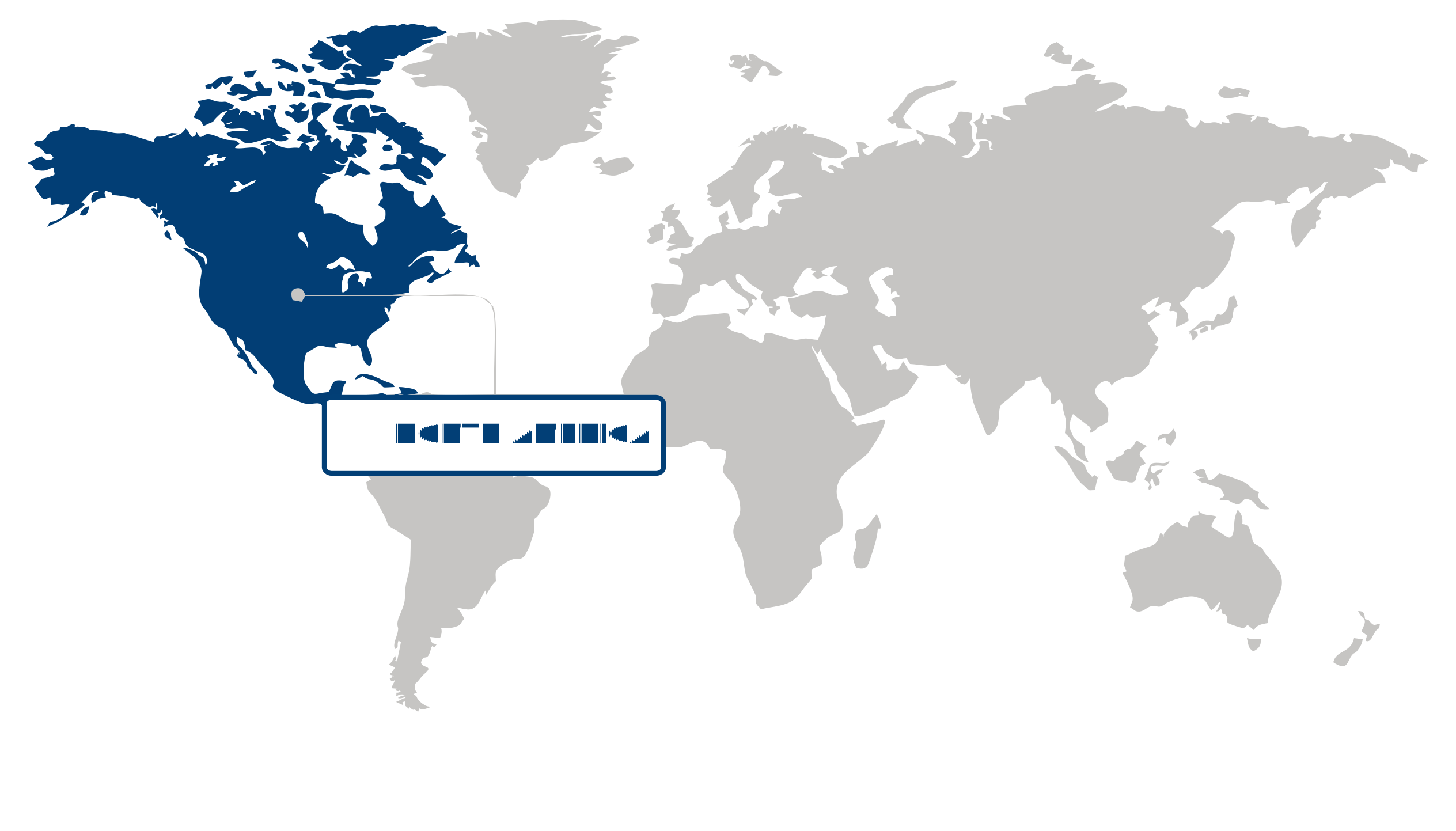
North America (Largest Region)
The dermal toxicity testing market was largest in North America in 2026, reflecting the region’s established pharmaceutical, cosmetics, and chemical industries and strong emphasis on product safety. Extensive regulatory requirements for assessing the safety of substances intended for skin contact encourage manufacturers and researchers to conduct comprehensive toxicity evaluations. Continued investment in drug development, personal care products, and chemical research is sustaining demand for reliable dermal safety testing, while advances in alternative testing methodologies are supporting the evolution of assessment practices.
Asia Pacific (Fastest-Growing Region)
Asia Pacific is anticipated to record the fastest growth as pharmaceutical manufacturing, cosmetics production, and chemical processing expand across the region. Increasing regulatory attention to consumer and product safety is encouraging manufacturers to strengthen toxicological evaluation throughout product development. Rising research and development activity, expanding healthcare and life sciences capabilities, and growing demand for personal care products are also broadening the need for dermal toxicity assessments across diverse applications.
| Parameter | North America | Asia Pacific | Europe | Latin America | MEA |
|---|---|---|---|---|---|
| Innovation HubiScaleNascentDeveloping Advanced | |||||
| Cost-Sensitive RegioniScaleLowMedium High | |||||
| Regulatory EnvironmentiScaleRestrictiveNeutral Supportive | |||||
| Demand DriversiScaleWeakModerate Strong | |||||
| Development StageiScaleEmergingDeveloping Developed | |||||
| Adoption RateiScaleLowMedium High | |||||
| New Entrants / StartupsiScaleSparseModerate Dense | |||||
| Macro IndicatorsiScaleWeakStable Strong |
Key Country Insights
United States 🇺🇸
Advanced Safety AssessmentThe U.S. dermal toxicity testing market prioritizes scientifically robust evaluation methods supporting pharmaceuticals, cosmetics, and specialty chemicals. Organizations in the U.S. continue investing in alternative testing approaches and advanced laboratory capabilities that strengthen product safety assessments.
Germany 🇩🇪
Regulatory Testing ExcellenceGermany emphasizes dermal toxicity testing solutions that meet rigorous regulatory expectations and high laboratory quality standards. German testing organizations continue adopting validated in vitro methods and advanced analytical techniques to support product safety evaluations.
Japan 🇯🇵
Alternative Method AdoptionJapan increasingly incorporates alternative dermal toxicity testing approaches that improve efficiency while supporting evolving regulatory expectations. Japanese laboratories focus on validated testing platforms that deliver reliable safety data across pharmaceutical and cosmetic applications.
South Korea 🇰🇷
Innovative Laboratory CapabilitiesSouth Korea expands dermal toxicity testing through modern laboratory infrastructure and growing demand from cosmetics and life sciences industries. Testing providers in South Korea continue strengthening advanced in vitro capabilities to support efficient product development and regulatory compliance.
France 🇫🇷
Ethical Testing AdvancementFrance encourages dermal toxicity testing methods that reduce reliance on animal studies while maintaining scientific reliability. French laboratories increasingly adopt validated alternative models that address regulatory requirements for cosmetic and healthcare product safety evaluations.
Italy 🇮🇹
Product Safety ValidationItaly focuses on dermal toxicity testing that supports safe commercialization of pharmaceuticals, cosmetics, and chemical products. Testing laboratories in Italy continue enhancing analytical capabilities and validated assessment methods to meet evolving industry compliance requirements.
Dermal Toxicity Testing Market Share (%), by Testing Method, 2026
Go beyond the chart, access full insights & data tables
Request Free Sample ReportTesting Method Segment Analysis: In-vitro Testing (Largest Segment) vs In-silico Modeling (Fastest-Growing Segment)
The in-vitro testing segment accounted for the largest share of 44.52% in 2026, making it the leading testing method in the dermal toxicity testing market. Its strong position is supported by increasing adoption of laboratory-based alternative testing approaches that provide reliable safety assessments while reducing dependence on animal testing. In-vitro methods offer improved reproducibility, regulatory acceptance, and efficient evaluation of skin toxicity, making them widely utilized in product safety testing across multiple industries.
The in-silico modeling segment is projected to witness the fastest growth as computational technologies become increasingly important for predicting dermal toxicity outcomes. Advances in predictive modeling, artificial intelligence, and computational toxicology are enabling faster and more cost-efficient safety assessments, supporting the growing use of in-silico approaches during early-stage product development and regulatory evaluation.
Type Segment Analysis: Services (Largest Segment) vs Outsource Services (Fastest-Growing Segment)
The services segment held the largest share of 60.53% in 2026, reflecting the growing reliance on specialized testing providers with advanced laboratory capabilities and regulatory expertise. Organizations increasingly utilize professional testing services to ensure compliance with evolving safety standards while accessing specialized scientific knowledge and validated testing methodologies without maintaining extensive in-house infrastructure.
The dermal toxicity testing market is experiencing the fastest growth in outsource services as pharmaceutical, cosmetic, and chemical manufacturers increasingly partner with external testing organizations to improve operational efficiency and accelerate product development. Outsourcing provides access to advanced testing technologies, specialized expertise, and flexible service models that support evolving regulatory and research requirements.
Test Type Segment Analysis: Skin Sensitization Tests (Largest & Fastest-Growing Segment)
The dermal toxicity testing market was dominated by the skin sensitization tests segment, which accounted for the largest share of 32.4% in 2026 while also emerging as the fastest-growing test type. Increasing emphasis on identifying allergic skin reactions during product development, coupled with stringent product safety expectations across pharmaceutical, cosmetic, and chemical industries, continues to drive demand for skin sensitization testing. Ongoing advancements in alternative testing methods and heightened regulatory focus on consumer safety further strengthen the segment's leading position.
| Segment | Sub-Segment | Largest Segment | Fastest Growing |
|---|---|---|---|
| Testing Method | In-vivo Testing, In-vitro Testing, In-silico Modeling | In-vitro Testing | In-silico Modeling |
| Type | Product, Services, Inhouse Services, Outsource Services | Services | Outsource Services |
| Test Type | Skin Irritation Tests, Skin Sensitization Tests, Skin Corrosion Tests, Phototoxicity Tests | Skin Sensitization Tests | Skin Sensitization Tests |
| End-use | Healthcare Industry, Cosmetics and Personal Care Products Industry, Chemical Industry, Others | Healthcare Industry | Cosmetics and Personal Care Products Industry |
Unlock insights tailored to your business with our bespoke market research solutions.
Click to get your customized report now.
Competitive Landscape and Market Positioning
Top players in the dermal toxicity testing market:
- Charles River Laboratories International, Inc. (United States)
- Eurofins Scientific SE (Luxembourg)
- SGS SA (Switzerland)
- Intertek Group plc (United Kingdom)
- QIMA Limited (Hong Kong)
- Evotec SE (Germany)
- MatTek Corporation (United States)
- InVivo Biosystems, Inc. (United States)
- Laboratory Corporation of America Holdings (United States)
- ICON plc (Ireland)
The dermal toxicity testing market is witnessing a transformation as competitive positioning increasingly depends on the ability to provide reliable alternatives to conventional testing methods while meeting evolving regulatory expectations. Companies are advancing through the development of more sophisticated testing platforms that improve predictive accuracy, efficiency, and ethical compliance. Competition is shifting toward specialized capabilities in biological modeling, analytical techniques, and application-specific testing solutions, with market participants seeking to support diverse needs across pharmaceutical, cosmetic, and chemical research sectors. Providers that can deliver consistent performance while adapting to changing evaluation standards are strengthening their position within this specialized testing landscape.
| Company | Market Share | Company Revenue | Revenue CAGR (%) | Product Portfolio | Geographic Presence | Innovation / R&D Focus | Strategic Developments |
|---|---|---|---|---|---|---|---|
| Charles River Laboratories International Inc. (United States) | |||||||
| Eurofins Scientific SE (Luxembourg) | |||||||
| SGS SA (Switzerland) | |||||||
| Intertek Group plc (United Kingdom) | |||||||
| QIMA Limited (Hong Kong) | |||||||
| Evotec SE (Germany) | |||||||
| MatTek Corporation (United States) | |||||||
| InVivo Biosystems Inc. (United States) | |||||||
| Laboratory Corporation of America Holdings (United States) | |||||||
| ICON plc (Ireland) |
Industry Development/News
| Company Name | Date | Key Development |
|---|---|---|
| Eurofins Scientific | Jan-23 | Eurofins Scientific expanded its geographical and operational footprint in India by launching an advanced laboratory in Genome Valley, Hyderabad, delivering comprehensive safety toxicology testing services to pharmaceutical and biotech clients. |
| Charles River Laboratories | Jan-21 | Charles River established a strategic partnership with Cypre, Inc. to integrate proprietary 3D hydrogel technology, expanding its in-vitro service capabilities for drug screening and safety evaluation applications. |
Customize Your Report
Explore examples of how this report can be tailored to different research needs, including custom segments, additional topics or chapters, and related reports. Click a section of the wheel or its numbered marker to explore the available options.
Dermal Toxicity Testing Market — Custom Segments
| Segment | Sub-Segment |
|---|---|
| Regulatory Region | North America, Europe, Asia Pacific, Latin America, Middle East & Africa |
| Testing Stage | Early-Stage Product Development, Pre-Commercial Validation, Regulatory Submission Testing, Post-Market Safety Testing |
| Regulatory Requirement | Mandatory Regulatory Testing, Registration & Approval Testing, Voluntary Safety Assessment, Compliance Monitoring |
Dermal Toxicity Testing Market — Custom TOC
| Custom Chapter | Chapter Details |
|---|---|
| Regulatory Testing Strategy |
|
| Alternative Testing Methods Adoption |
|
| Outsourcing & Contract Testing Dynamics |
|
Need a different cut of the data?
Request Custom ResearchFrequently Asked Questions
How much is the dermal toxicity testing market worth?
How will the dermal toxicity testing industry grow in terms of size and CAGR by 2036?
How are evolving regulatory requirements influencing demand for dermal toxicity testing services?
Why are companies increasingly outsourcing dermal toxicity testing?
Why is in-vitro testing the leading testing method in the dermal toxicity testing market?
What is driving the rapid growth of outsource services in the dermal toxicity testing market?
Why does North America hold the largest dermal toxicity testing market position?
How is Asia Pacific supporting growth in dermal toxicity testing?
What are the key competitors in the dermal toxicity testing landscape?
Our Clients
"The team took the time to understand our specific business needs and delivered a report that was well aligned with our objectives. Their expertise and understanding of the industry were clearly reflected in the quality and relevance of the insights provided."
Siemens Healthcare
"Our experience in acquiring the research report has been excellent. The depth of analysis, and actionable insights provided have been extremely valuable in supporting our ongoing R&D efforts."
GC Biopharma
"The report offered a comprehensive view of the market trends. The in-depth segmentation and analysis of emerging opportunities gave us a better understanding of the market."
Medtronic
Our Research Team & Methodology
Every Fundamental Business Insights report is built by a dedicated vertical research team, validated through a structured primary-and-secondary methodology, and reviewed for accuracy before it reaches you.
This report was prepared by the Healthcare & Medical Devices Research Team at Fundamental Business Insights, a dedicated research group specializing in the global healthcare and medical technology industry. Our analysts continuously monitor advancements in medical technologies, clinical adoption trends, regulatory developments, reimbursement policies, healthcare infrastructure investments, competitive strategies, and evolving patient care requirements to deliver timely and reliable market intelligence. The research is developed using a structured methodology that combines primary discussions with healthcare stakeholders, company financial disclosures, regulatory publications, clinical literature, government healthcare databases, medical associations, and other authoritative secondary sources. Market estimates are validated through multiple research techniques, including top-down and bottom-up analysis, before undergoing an internal quality review to ensure accuracy, consistency, and methodological integrity prior to publication.
Delivery
Published
Available
Support
- Market Size & Forecast
- Market Segmentation
- Regional Analysis
- Growth Drivers & Challenges
- Market Dynamics
- Competitive Landscape
- Company Profiles
- Competitive Benchmarking
- Mergers & Acquisitions
- Market Share Analysis or Key Company Strategies
- Value Chain Analysis
- Porter's Five Forces
- PESTLE Analysis
- Pricing Trends
- Supply-Demand Analysis
- Technology Landscape
- Regulatory Landscape
- Investment & Funding Landscape
- Emerging Opportunities
- Future Market Outlook