Combi Ovens Market Size & Forecasts 2026-2035, By Segments (Power Source, Steam Generation, Operation, Capacity), Growth Opportunities, Innovation Landscape, Regulatory Shifts, Strategic Regional Insights (U.S., Japan, China, South Korea, UK, Germany, France), and Competitive Dynamics (Electrolux, Rational AG, Moffat Ltd, Ali Group, Convotherm)
Jump to Content
Market Size and Growth Outlook
Combi Ovens Market size is set to grow from USD 18.9 billion in 2025 to USD 45.16 billion by 2035, reflecting a CAGR greater than 9.1% through 2026-2035. Industry revenues in 2026 are estimated at USD 20.4 billion.
Get more details on this report
Request Free Sample ReportCombi Ovens Market Intelligence Snapshot
Regional Market Dynamics
Segment Momentum
Market Expansion Drivers
Leading Market Participants
Global Market Forecast Snapshot
Market Outlook
Regional and Segment Outlook
Market Growth Drivers and Industry Trends
The increasing adoption of multifunctional commercial kitchen equipment is reshaping the combi ovens market by enabling operators to streamline kitchen operations and enhance productivity. As evidenced by Rational AG’s announcement of new models integrating cooking methods with digital control systems, operators benefit from optimized resource use and menu versatility. This drives efficiency essential to meet dynamic consumer preferences in diverse food service segments. Established manufacturers can leverage this trend by innovating product offerings with integrated smart features, while new entrants may focus on niche applications or affordable multifunctional solutions. As restaurants and institutional kitchens seek equipment that reduces complexity and accelerates meal preparation, the combi ovens market will continue evolving to prioritize adaptability and operational efficiency.
Growth in Foodservice Establishments Fuels Equipment Demand
Expansion in the restaurant, hotel, and institutional kitchen sectors directly propels growth in the combi ovens market, reflecting broader economic recovery and rising consumer dining out. According to the World Tourism Organization, the surge in hotel infrastructure to accommodate international tourism simultaneously elevates demand for advanced kitchen solutions. This influx creates opportunities for suppliers to tailor products for high-volume, fast-paced environments demanding reliability and consistency. Companies like MKN GmbH capitalize on this by offering heavy-duty ovens suited to institutional settings, while newcomers can explore specialized segments such as boutique hotels or health-focused cafeterias. As these sectors continue to expand globally, strategic investments towards scalable and user-friendly combi ovens will become increasingly imperative.
Stricter Energy Efficiency and Emissions Regulations Drive Innovation
Regulatory tightening around energy usage and emissions in commercial kitchens is a critical driver transforming the combi ovens market through heightened demand for sustainable, low-impact solutions. Agencies such as the U.S. Environmental Protection Agency (EPA) increasingly mandate energy-efficient appliances, motivating manufacturers to optimize oven designs to meet environmental standards and reduce operating costs for clients. This regulatory push encourages industry leaders like Electrolux Professional to invest in advanced insulation and heat recovery technology, presenting competitive differentiation through sustainability credentials. Emerging players can capitalize by developing eco-innovative, compliant products targeting environmentally conscious buyers. As regulatory scrutiny intensifies worldwide, the combi ovens market will increasingly prioritize green performance as a core value proposition.
Industry Restraints:
High Initial Investment Costs
The elevated upfront capital required for advanced combi ovens significantly limits market penetration, particularly among small- and medium-sized foodservice operators facing tight budget constraints. Leading manufacturers such as Rational AG and Electrolux Professional offer technologically sophisticated units whose premium pricing deters widespread adoption despite operational efficiencies. According to the U.S. National Restaurant Association, equipment expenditure remains a primary barrier for independent restaurants prioritizing cost control amid narrow profit margins. This financial hurdle compels market participants to balance innovation with affordability, challenging newcomers to compete effectively and pressuring incumbents to develop cost-optimized models or flexible financing solutions. As technological complexity intensifies, this restraint will likely persist, compelling the industry to explore scalable pricing strategies and value propositions to broaden accessibility while sustaining growth trajectories.
Energy Efficiency and Environmental Regulations
Stringent energy consumption standards and environmental mandates increasingly pressure combi oven manufacturers to innovate sustainable solutions, constraining market dynamics. Regulatory bodies such as the European Union’s EcoDesign Directive impose rigorous energy efficiency criteria, necessitating costly redesigns and compliance investments, as highlighted in Rational AG’s sustainability disclosures. Additionally, rising utility costs amplify operational expenses, reducing the appetite for energy-intensive models among cost-conscious operators. These regulatory and economic challenges compel manufacturers to prioritize sustainable product development while navigating the trade-offs between performance and compliance costs. The ongoing tightening of environmental policies globally will continue to shape product roadmaps, making energy efficiency a critical competitive differentiator and a pivotal factor influencing purchasing decisions across market segments in the medium term.
| Growth Driver | Impact on CAGR | Regulatory Influence | Geographic Relevance | Adoption Rate | Impact Timeline |
|---|---|---|---|---|---|
| Increasing adoption of multifunctional commercial kitchen equipment | 3.50% | Short term (≤ 2 yrs) | North America, Europe | Medium | Fast |
| Expansion in restaurants, hotels, and institutional kitchens | 3.00% | Medium term (2–5 yrs) | Asia Pacific, North America | Low | Moderate |
| Energy efficiency and emissions regulations for commercial ovens | 2.00% | Long term (5+ yrs) | Europe, North America | High | Moderate |
Explore Growth Opportunities
Request Free Sample ReportRegional Demand Dynamics
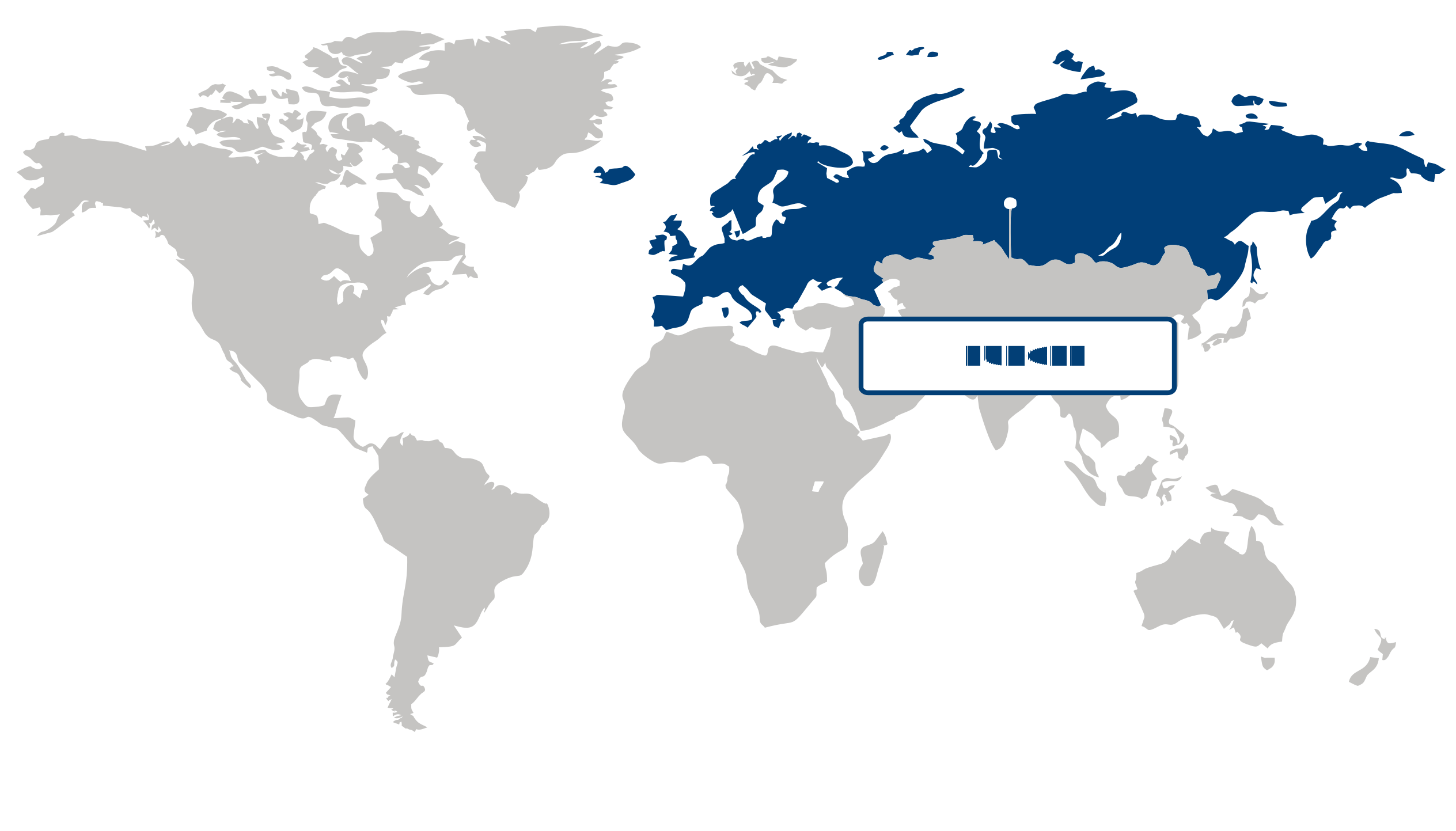
Europe dominated the global combi ovens market in 2025, capturing approximately 41.7% of the total share. This leading position is primarily fueled by the widespread adoption of energy-efficient and multifunctional cooking equipment across the commercial foodservice sector. Increasing demand for innovative kitchen technologies that reduce operational costs and environmental impact has been a significant growth lever. Organizations like the European Commission’s Directorate-General for Energy have promoted sustainability initiatives, encouraging restaurants and commercial kitchens to invest in advanced cooking appliances. Moreover, rising consumer expectations for high-quality and diverse culinary experiences further drive adoption. The region’s robust infrastructure and proactive policy frameworks supporting energy conservation enhance market potential. With ongoing technological integration and stringent regulations on energy consumption, Europe offers substantial opportunities for stakeholders focusing on efficient, versatile combi ovens.
Germany anchors the Europe combi ovens market, driven by its strong manufacturing base and emphasis on energy efficiency. German foodservice operators prioritize equipment that optimizes utility costs and improves kitchen workflow, supported by directives from the Federal Ministry for Economic Affairs and Climate Action promoting sustainable industrial practices. Leading manufacturers such as Rational AG continually innovate, reinforcing Germany’s influence in the market. This environment fosters premium product adoption, reinforcing Europe’s dominance and accelerating regional market expansion.
France plays a pivotal role in the Europe combi ovens market through its vibrant gastronomy culture and increasing demand for multifunctional cooking technologies. French commercial kitchens, balancing tradition with modern efficiency, benefit from government incentives under the ADEME program promoting energy-saving kitchen appliances. Industry players like Unox France capitalize on these trends by introducing smart ovens with digital controls suited for diverse culinary demands. France’s focus on sustainability and culinary excellence strengthens Europe’s leadership, highlighting significant growth avenues within the regional combi ovens market.
Asia Pacific Market Analysis:
Asia Pacific emerged as the fastest-growing region in the combi ovens market, registering rapid growth with a robust CAGR of 10.92%. This remarkable expansion is primarily driven by the rapid growth of the foodservice industry and the escalating demand for modern commercial kitchen automation across the region. Countries in Asia Pacific are witnessing increasing investments in technological upgrades within the hospitality and catering sectors, fueled by changing consumer preferences for efficient, high-quality food preparation. The region’s diverse and booming urban populations promote substantial spending on dining out and convenience foods, motivating operators to adopt advanced combi ovens for consistency and energy efficiency. Additionally, initiatives by organizations such as the Asia Pacific Foodservice Association underscore a commitment to modernizing kitchen equipment, aligning with environmental sustainability trends and labor optimization. This dynamic landscape positions Asia Pacific as a significant arena for innovation and demand growth in the combi ovens market, with ample opportunities for technology providers and commercial kitchen operators.
Japan plays a pivotal role in the Asia Pacific combi ovens market, leveraging its advanced technological infrastructure and a mature foodservice sector that prioritizes precision and quality. The country’s emphasis on automation and labor-saving kitchen solutions is reflected in the adoption of sophisticated combi ovens by leading hotel chains and institutional caterers, as highlighted by the Japan Foodservice Association’s latest reports. Japan’s stringent regulatory standards for food safety and energy efficiency further stimulate demand for cutting-edge cooking technologies that align with sustainability goals, helping maintain competitive advantage amid rising labor costs. Meanwhile, China’s rapidly expanding foodservice industry complements the regional growth pattern through its vast scale and increasing modernization of commercial kitchens. Government campaigns like “Made in China 2025,” promoting industrial automation and smart manufacturing, are accelerating the integration of combi ovens in both urban and tier-2 city markets. Major operators in metropolitan areas such as Shanghai and Beijing are investing heavily in digital kitchen solutions to meet evolving consumer expectations and operational efficiency requirements. Together, Japan and China exemplify the broader Asia Pacific momentum, reinforcing the region’s strategic importance in advancing the combi ovens market globally.
North America Market Trends:
North America held a commanding share in the combi ovens market, driven by strong commercial foodservice demand and heightened emphasis on energy efficiency and operational automation. The region benefits from a mature hospitality sector where consumer preferences increasingly favor quality and consistency, pushing foodservice operators to adopt versatile cooking technologies. Organizations like the U.S. Environmental Protection Agency have advanced sustainability regulations that encourage energy-saving appliances, further incentivizing the switch to combi ovens. Additionally, North America’s robust supply chain networks and technological infrastructure support swift adoption of innovative combi oven models, as showcased by companies such as Alto-Shaam expanding product lines to meet evolving operator needs. These dynamics, coupled with a skilled workforce and digital integration trends, position North America to sustain noteworthy growth, offering significant opportunities for market players focused on efficiency and environmental compliance.
The U.S. plays a pivotal role in North America’s combi ovens market, propelled by a large base of full-service restaurants and institutional kitchens emphasizing food safety and operational flexibility. Heightened consumer expectations for healthier, varied menus align with the U.S. Food and Drug Administration’s enhanced food handling guidelines, encouraging venues to invest in advanced cooking solutions that optimize throughput without compromising quality. As reported by Electrolux Professional, the company’s U.S. expansion strategy includes launching smart combi ovens capable of data-driven cooking processes, reflecting the country’s penchant for digital transformation and efficiency-centric upgrades. This makes the U.S. a critical market for innovation-driven growth, directly influencing broader North American adoption and innovation trajectories in the combi ovens market.
| Parameter | North America | Asia Pacific | Europe | Latin America | MEA |
|---|---|---|---|---|---|
| Innovation HubiScaleNascentDeveloping Advanced | |||||
| Cost-Sensitive RegioniScaleLowMedium High | |||||
| Regulatory EnvironmentiScaleRestrictiveNeutral Supportive | |||||
| Demand DriversiScaleWeakModerate Strong | |||||
| Development StageiScaleEmergingDeveloping Developed | |||||
| Adoption RateiScaleLowMedium High | |||||
| New Entrants / StartupsiScaleSparseModerate Dense | |||||
| Macro IndicatorsiScaleWeakStable Strong |
Combi Ovens Market Share (%), by Power Source, 2026
Go beyond the chart, access full insights & data tables
Request Free Sample ReportThe electric segment represented the largest share in the combi ovens market in 2025, driven primarily by its energy efficiency and widespread adoption in commercial kitchens. This preference aligns with increasing operational cost concerns and sustainability mandates emphasized by regulatory bodies such as the U.S. Department of Energy, which promotes energy-efficient kitchen appliances. Moreover, advances in electric heating technology have improved reliability and temperature control, meeting the demand of large-scale foodservice operations. Leading manufacturers like Rational AG have showcased electric combi ovens for their reduced environmental footprint and lower utility expenses. This segment offers strategic growth avenues for both established players emphasizing green credentials and emerging firms integrating smart energy management systems. Given ongoing regulatory focus on energy conservation and rising utility costs, the electric segment is poised to maintain its leadership and relevance across diverse culinary applications in the foreseeable future.
Analysis by Steam Generation
The boiler segment held the largest share in the combi ovens market in 2025, attributable to its superior performance and consistent steam production capability. This segment benefits from operational reliability critical to high-volume kitchens and institutions, where uniform steam delivery ensures product quality, a priority highlighted by food safety agencies like the FDA. Boiler-based systems have also adapted to evolving hygiene standards and are favored in environments with strict regulatory oversight, such as healthcare facilities and hotels. Companies such as Alto-Shaam emphasize boiler technology in their product lines to meet these exacting demands. The robustness and control offered by boiler steam generation create a competitive edge and expansion potential for manufacturers focusing on precision cooking solutions. Sustained attention to performance consistency and compliance ensures the boiler segment’s continued prominence in the combi ovens market.
Analysis by Operation
The fully automatic segment dominated the combi ovens market in 2025, driven by escalating demand for labor-saving, precise cooking solutions amid rising labor costs and workforce shortages. This segment resonates strongly with commercial kitchens in large-scale foodservice providers and global restaurant chains, where automation reduces human error and standardizes output, as documented by the National Restaurant Association’s focus on technology adoption. Innovations in digital controls and IoT integration by brands like MKN support this segment’s leadership by enabling remote operation, recipe management, and maintenance alerts. The fully automatic operation segment allows firms to differentiate through technological sophistication and meet evolving consumer expectations for quality and speed. Given industry-wide digital transformation initiatives, fully automatic combi ovens will remain a critical growth lever and strategic investment for market participants.
| Segment | Sub-Segment | Largest Segment | Fastest Growing |
|---|---|---|---|
| Power Source | Electric, Gas | ||
| Steam Generation | Boiler, Injector | ||
| Operation | Manual, Semi-Automatic, Fully Automatic | ||
| Capacity | Less than 20 pounds, 20-50 pounds, 50-100 pounds, More than 100 pounds |
Unlock insights tailored to your business with our bespoke market research solutions.
Click to get your customized report now.
Competitive Landscape and Market Positioning
The competitive landscape in the combi ovens segment is dynamic, characterized by continuous enhancements in product capabilities and service integration. Market leaders frequently enhance their market presence through collaborative ventures and extension of technology portfolios, fostering improved operational efficiency and user experience. Electrolux and Ali Group focus on expanding modular solutions, whereas Rational AG deepens investment in intelligent cooking control. Similarly, Turbochef and Merrychef advance by introducing faster and multifunctional heating technologies. Companies like Convotherm and Henny Penny strengthen their footprint by integrating IoT and energy management features, collectively intensifying competition and pushing advancement boundaries in product sophistication and sustainability.
Strategic / Actionable Recommendations for Regional Players
For North America, aligning with technology innovators and enhancing smart cooking solutions can reinforce competitive differentiation. Operators should consider partnerships to integrate data-driven management systems, catering to evolving culinary demands and operational efficiency in high-volume environments.
In the Asia Pacific region, focusing on market-specific customization alongside scalable distribution networks will be crucial. Leveraging automation and energy-efficient models can unlock potential across expanding hospitality sectors and institutional clients, catering to diverse cuisines and cooking styles.
European stakeholders would benefit from deepening sustainability practices and investing in R&D that aligns with stringent environmental regulations. Collaborations centered on advanced controls and eco-friendly technologies could bolster product appeal amid growing demand for energy conservation and performance optimization.
| Company | Market Share | Company Revenue | Revenue CAGR (%) | Product Portfolio | Geographic Presence | Innovation / R&D Focus | Strategic Developments |
|---|---|---|---|---|---|---|---|
| No companies available. | |||||||
Customize Your Report
Explore examples of how this report can be tailored to different research needs, including custom segments, additional topics or chapters, and related reports. Click a section of the wheel or its numbered marker to explore the available options.
Combi Ovens Market — Custom Segments
| Segment | Sub-Segment |
|---|---|
| No segment data available. | |
Combi Ovens Market — Custom TOC
| Custom Chapter | Chapter Details |
|---|---|
| No custom TOC data available. | |
Need a different cut of the data?
Request Custom ResearchFrequently Asked Questions
How is the combi ovens industry projected to perform over the next decade?
In which region is the combi ovens market most concentrated?
In which region is the combi ovens sector expanding most rapidly?
Why does electric sub-segment dominate the power source segment of combi ovens sector?
How much is the boiler segment expected to grow in the combi ovens industry beyond 2025?
What factors give fully automatic segment a competitive edge in the combi ovens sector?
Which is the largest sub-segment within the capacity segment for combi ovens industry?
What are the key competitors in the combi ovens landscape?
Our Clients
"The report provided us with a clear direction, and the level of detail was beyond what we expected. I would definitely recommend their services to others."
Haier Appliances
"The collaboration with Fundamental Business Insights has added significant value to our decision-making process, and we look forward to continuing this partnership for our future market research requirements."
Luxottica Group S.p.A.
"The team at FBI delivered an exceptional research report. The insights on industry innovations were particularly impressive and added a lot of value to the overall report."
Nike
Our Research Team & Methodology
Every Fundamental Business Insights report is built by a dedicated vertical research team, validated through a structured primary-and-secondary methodology, and reviewed for accuracy before it reaches you.
This report was prepared by the Consumer Goods & Services Research Team at Fundamental Business Insights, a dedicated research group specializing in global consumer markets, retail industries, and service-oriented businesses. The team closely tracks evolving consumer preferences, purchasing behavior, product innovation, brand strategies, retail and e-commerce developments, pricing trends, distribution channels, sustainability initiatives, demographic shifts, and changing lifestyle patterns to deliver timely and reliable market intelligence. The research is developed using a structured methodology that combines primary discussions with manufacturers, brand owners, retailers, distributors, service providers, industry experts, and other key stakeholders, along with company annual reports, government consumer statistics, regulatory publications, industry associations, retail market data, trade publications, and other authoritative secondary sources. Market estimates are validated through multiple research techniques, including top-down and bottom-up analysis, before undergoing an internal quality review to ensure accuracy, consistency, and methodological integrity prior to publication.
Delivery
Published
Available
Support
- Market Size & Forecast
- Market Segmentation
- Regional Analysis
- Growth Drivers & Challenges
- Market Dynamics
- Competitive Landscape
- Company Profiles
- Competitive Benchmarking
- Mergers & Acquisitions
- Market Share Analysis or Key Company Strategies
- Value Chain Analysis
- Porter's Five Forces
- PESTLE Analysis
- Pricing Trends
- Supply-Demand Analysis
- Technology Landscape
- Regulatory Landscape
- Investment & Funding Landscape
- Emerging Opportunities
- Future Market Outlook