Coin Cell Batteries Market Size & Forecasts 2026-2035, By Segments (Type, Application), Growth Opportunities, Innovation Landscape, Regulatory Shifts, Strategic Regional Insights (U.S., Japan, China, South Korea, UK, Germany, France), and Competitive Dynamics (Panasonic, Sony, Energizer, Renata, Maxell)
Jump to Content
Market Size and Growth Outlook
Coin Cell Batteries Market size is predicted to expand from USD 5.32 billion in 2025 to USD 9.89 billion by 2035, with growth underpinned by a CAGR above 6.4% between 2026 and 2035. The industry revenue outlook for 2026 is USD 5.62 billion.
Get more details on this report
Request Free Sample ReportCoin Cell Batteries Market Intelligence Snapshot
Regional Market Dynamics
Segment Momentum
Market Expansion Drivers
Leading Market Participants
Global Market Forecast Snapshot
Market Outlook
Regional and Segment Outlook
Market Growth Drivers and Industry Trends
The rapid proliferation of trackers, sensors and short‑range consumer devices has increased demand for long‑life, compact primary cells, directly shaping the coin cell batteries market as manufacturers prioritize energy density, shelf life and low self‑discharge. Apple’s product design choices (Apple AirTag uses a CR2032) and Samsung’s SmartTag announcements illustrate OEM preference for standardized coin formats, while GSMA Intelligence’s IoT analyses highlight the surge in low‑power endpoints—evidence that device makers will continue to specify coin cells. Established producers can deepen OEM partnerships and scale supply; new entrants can compete on specialty chemistries and thin‑form packaging. Given ongoing product launches and IoT rollouts, demand for optimized coin formats will remain a structural tailwind.
Expansion in Medical Devices and Healthcare Applications
Growing use of wearable monitors, disposable diagnostic patches and compact home‑use medical devices is elevating safety, longevity and regulatory compliance requirements that affect coin cell sourcing and qualification in the coin cell batteries market. The World Health Organization’s emphasis on aging populations and chronic‑care monitoring, together with the U.S. Food and Drug Administration’s device safety and guidance activities, underscore heightened regulatory scrutiny; Medtronic and other device OEMs routinely cite battery life and reliability in product specifications. This creates opportunities for suppliers to offer certified, traceable cells and for entrants to specialize in medical‑grade production and documentation. As healthcare device pipelines and regulatory emphasis persist, certified coin‑cell supply will become increasingly strategic for device manufacturers.
Development of High‑Energy‑Density Coin Cells
Advances in electrode materials, electrolyte formulations and manufacturing methods are enabling higher‑energy coin formats that preserve small form factors, directly influencing product design choices and supply chains within the coin cell batteries market. Companies such as Murata Manufacturing and Panasonic Corporation have announced development and commercialization efforts for improved button/coin cells, and U.S. Department of Energy ARPA‑E funding for small‑format battery research signals public investment in enabling technologies. Incumbent manufacturers can leverage scale to introduce upgraded SKUs, while startups and materials firms can pursue licensing or niche partnerships. With corporate R&D announcements and public research funding continuing, incremental roll‑out of higher‑energy coin cells across device categories is an observable near‑term trend.
Industry Restraints:
Raw Material Concentration and Supply Chain Vulnerabilities
The coin cell market is constrained by concentrated upstream supply of critical inputs—notably refined lithium and specialty metals—and by processing capacity concentrated in a few geographies, increasing exposure to geopolitical disruption, trade measures, and logistic bottlenecks. The U.S. Geological Survey (USGS) and the International Energy Agency (IEA) have documented these concentration risks for battery-grade minerals and processing, creating episodic input-price spikes and long lead times for cell manufacturers. For incumbents this raises sourcing and hedging burdens; for new entrants it increases capital and supplier-negotiation requirements. Expect continued procurement-driven strategies, supplier diversification, and vertical integration to remain central near-term responses as buyers manage interruption and cost volatility.
Regulatory and Transport Compliance for Lithium Metal Cells
Strict transport and end-of-life rules for primary lithium coin cells impose operational costs and time-to-market friction: the U.S. Department of Transportation’s Pipeline and Hazardous Materials Safety Administration (PHMSA) and the International Air Transport Association (IATA) maintain stringent packaging and shipping rules, while the European Commission’s new Batteries Regulation tightens recycling, labeling, and carbon reporting. These measures increase compliance, testing and logistics expenses and limit distribution channels for smaller suppliers lacking regulatory infrastructure. Large manufacturers can amortize compliance investments; smaller players face higher barriers or must rely on third-party logistics specialists. Over the near to medium term, regulatory scrutiny is likely to persist, favoring firms that invest in certified packaging, take-back systems, or lower-risk chemistries.
| Growth Driver | Impact on CAGR | Regulatory Influence | Geographic Relevance | Adoption Rate | Impact Timeline |
|---|---|---|---|---|---|
| Growing adoption of wearables and IoT devices | 2.50% | Short term (≤ 2 yrs) | Asia Pacific, North America | Low | Fast |
| Expansion in medical devices and healthcare applications | 2.00% | Medium term (2–5 yrs) | North America, Europe | Medium | Moderate |
| Development of high-energy-density coin cells | 1.50% | Long term (5+ yrs) | Asia Pacific; Spillover: North America | Low | Moderate |
Explore Growth Opportunities
Request Free Sample ReportRegional Demand Dynamics
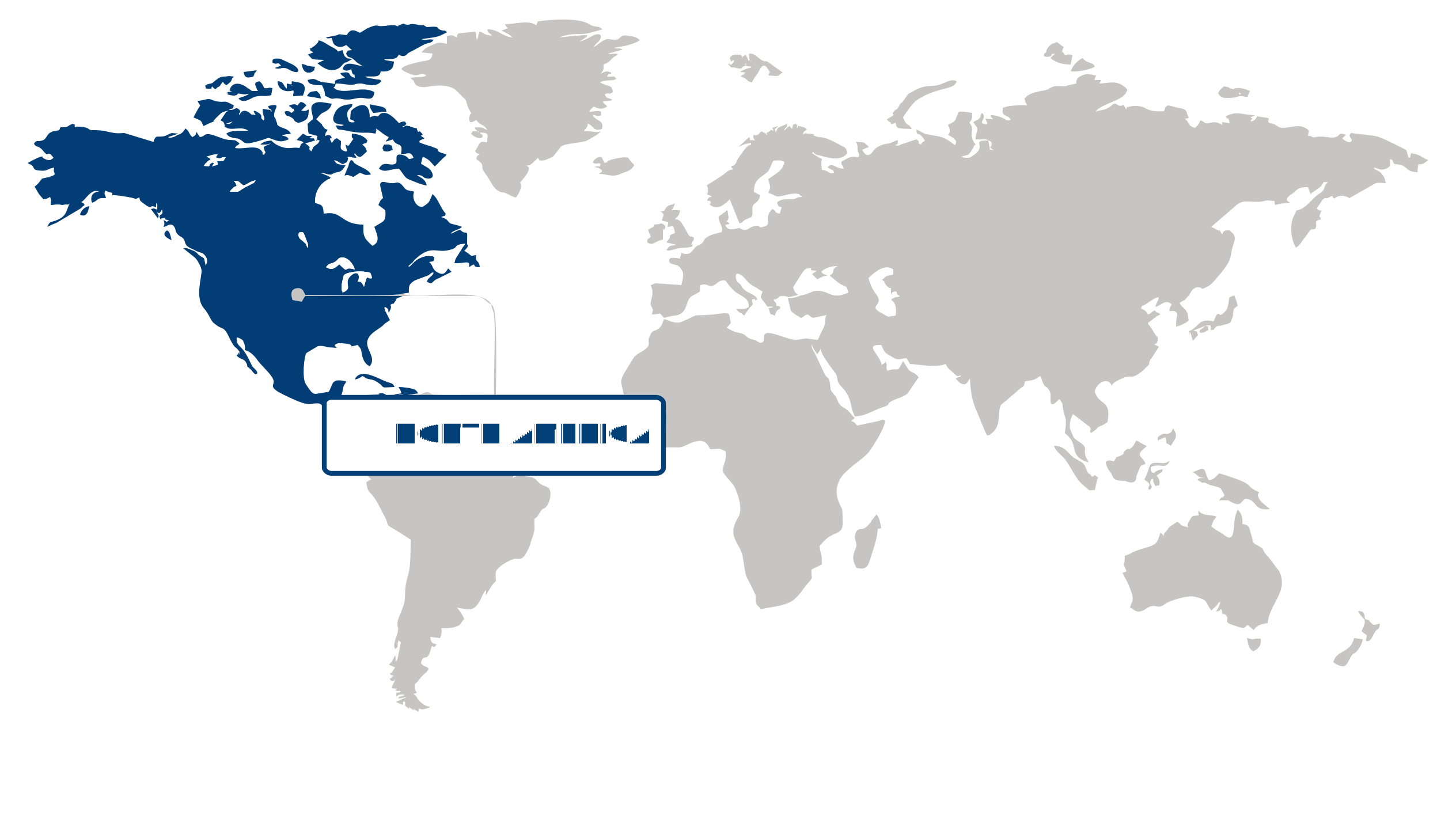
North America captured approximately 65.00% of the coin cell batteries market in 2025, the largest regional share driven by heavy product digitization and very high consumer-electronics consumption. Demand from ubiquitous low-power IoT devices, wearables and small medical sensors—highlighted by Consumer Technology Association data on connected device adoption and U.S. Census Bureau retail-sales strength—has concentrated volume and investment in the region. Apple press release examples (e.g., AirTag using CR2032 cells) illustrate product-level consumption, while stewardship programs such as Call2Recycle reflect sustainability and regulatory responsiveness that shape end‑of‑life logistics. These dynamics, combined with dense OEM ecosystems and resilient supply chains, position North America for continued expansion and targeted capacity and technology investments.
The United States anchors the North American market and drives the majority of coin cell batteries market demand through outsized consumer spend and rapid product digitization. U.S. retail trends reported by the U.S. Census Bureau and device roadmaps cited by the Consumer Technology Association underscore persistent replacement and accessory markets; Apple press release examples show OEM design choices that favor coin cells. Supportive U.S. institutional frameworks—illustrated by FDA Digital Health Center of Excellence initiatives and Call2Recycle operations—enable commercialization of small connected devices and responsible recycling. Strategically, U.S. demand creates a focal point for manufacturers and investors seeking scale, faster product qualification cycles, and partnerships across device OEMs and stewardship programs to amplify regional opportunity.
Asia Pacific Market Analysis:
Emerged as the fastest-growing region at a CAGR of 8.2%, the Asia Pacific coin cell batteries market is propelled by rising production and demand for smart wearables and medical instruments, with manufacturers scaling capacity to meet both consumer and clinical specifications. IDC’s Worldwide Quarterly Wearable Device Tracker documents accelerating wearable shipments in the region, while Murata Manufacturing and Panasonic Energy continue to emphasize coin-type lithium cell portfolios; policy signals from Japan’s Ministry of Economy, Trade and Industry and China’s Ministry of Industry and Information Technology further support electronics and medical device value chains. These dynamics create sustained demand for high-reliability, miniaturized power sources and position APAC as a strategic growth corridor for investors and suppliers.
Japan serves as a technology and high-quality components hub in the coin cell batteries market, where precision, longevity, and regulatory compliance command premium pricing. Domestic players such as Murata Manufacturing and Panasonic Energy focus on high-reliability cells for medical instruments and advanced wearables; Japan’s Ministry of Health, Labour and Welfare demographic data on ageing populations reinforces strong clinical device demand. Corporate product technical notes and industry communications show Japanese firms emphasizing quality and certification pathways, making Japan a source of premium, certifiable supply that anchors regional OEM strategies and raises overall market standards.
China is the volume-driven growth engine in the coin cell batteries market, translating mass wearable adoption and expanding domestic medical-device manufacturing into scale production and competitive pricing. Companies like Xiaomi and Huawei have publicly expanded wearable lines, supported by IDC data on regional shipment growth and regulatory oversight from the National Medical Products Administration that is facilitating scaled device approval; Chinese manufacturers are leveraging vertical integration to lower unit costs. For regional players, China’s scale complements Japan’s quality focus, offering investors opportunities across premium and high-volume segments while accelerating time-to-market for wearable and medical-device customers.
Europe Market Trends:
Europe held a substantial share in the coin cell batteries market, supported by a dense manufacturing base, strong demand from medical devices and wearables, and policy-driven circularity priorities. The European Commission’s Batteries Regulation and funding signals from the European Investment Bank underscore regulatory and capital tailwinds, while recyclers such as Umicore and manufacturers like VARTA AG illustrate local value-chain depth. Consumer preference for safe, long-life small-format batteries and adoption in industrial IoT and healthcare devices have driven design and production advances reported in VARTA AG press releases and Bosch sensor integration announcements. These combined dynamics make Europe a high-opportunity region for scale-up and differentiated, low-carbon coin cell solutions.
Germany is a leading manufacturing and innovation hub in the coin cell batteries market, with a clustered supply chain and supportive industrial policy. VARTA AG’s European capacity initiatives and Robert Bosch’s integration of coin-cell-powered sensors highlight industrial demand and product innovation, while the Federal Ministry for Economic Affairs and Climate Action (BMWK) programs to strengthen battery value chains enhance local competitiveness. Strong engineering talent and downstream OEM demand mean Germany serves as a proving ground for premium, regulatory-compliant coin cell products and manufacturing technologies, reinforcing broader regional deployment and export potential.
France plays a strategic role in the coin cell batteries market through policy support and industrial players focused on sustainability and industrialization. Saft (TotalEnergies) investments in battery capabilities, ADEME initiatives on circular economy, and French government industrial battery support programs signal demand for domestically-compatible recycling and production solutions. A sizable medical-device sector and growing IoT adoption drive specialized form-factor requirements; French public-private projects suggest opportunities for partners that can deliver compliant, recyclable coin cells, strengthening pan-European supply resilience and technology differentiation.
| Parameter | North America | Asia Pacific | Europe | Latin America | MEA |
|---|---|---|---|---|---|
| Innovation HubiScaleNascentDeveloping Advanced | |||||
| Cost-Sensitive RegioniScaleLowMedium High | |||||
| Regulatory EnvironmentiScaleRestrictiveNeutral Supportive | |||||
| Demand DriversiScaleWeakModerate Strong | |||||
| Development StageiScaleEmergingDeveloping Developed | |||||
| Adoption RateiScaleLowMedium High | |||||
| New Entrants / StartupsiScaleSparseModerate Dense | |||||
| Macro IndicatorsiScaleWeakStable Strong |
Coin Cell Batteries Market Share (%), by Type, 2026
Go beyond the chart, access full insights & data tables
Request Free Sample ReportCR (Lithium) dominated the coin cell batteries market's Type segment with the largest share in 2025; leadership stems from high energy density and form‑factor advantages that meet the growth driver of expanding wearable, IoT sensor, and compact electronics use. Manufacturers such as Murata Manufacturing and Panasonic list extensive coin‑type lithium portfolios supporting OEM integration, while Consumer Technology Association documentation on wearable adoption underscores end‑user demand patterns; supply‑chain scale, safety standards from IEC/UL, and circularity expectations further entrench CR preference. This creates strategic openings for incumbent firms to leverage scale and for challengers to differentiate via recycling solutions or niche chemistries, and ongoing miniaturization and device proliferation point to sustained relevance near term.
Analysis by Application
Electrical & Electronics represented largest share of the coin cell batteries market's Application segment in 2025, reflecting dominance in wearables, IoT devices, and portable electronics driven by compact reliable power needs. GSMA Intelligence and Consumer Technology Association analyses cite rising connected devices and sensor deployments that favor coin cells, and product offerings from Murata and Panasonic demonstrate industry adoption; regulatory safety guidance and OEM supply partnerships shape procurement and competitive dynamics across segments. The segment offers incumbents aftermarket and integration margins and allows entrants to win design‑win opportunities with low‑power niches, and continued digital transformation and standards maturation support its near‑to‑medium‑term resilience.
| Segment | Sub-Segment | Largest Segment | Fastest Growing |
|---|---|---|---|
| Type | LR (Alkaline), SR (Silver Oxide), CR (Lithium), ZnAir, Others | ||
| Application | Automotive, Construction, Railway & Shipbuilding, Retail, Aerospace & Defense, Mining, Electrical & Electronics, Others |
Unlock insights tailored to your business with our bespoke market research solutions.
Click to get your customized report now.
Competitive Landscape and Market Positioning
The competitive landscape is defined by moves to secure application relevance and technical differentiation. Market leaders are expanding production footprints, aligning closely with device makers, rolling out application-tailored chemistries for wearables, medical and IoT, and bolstering upstream sourcing and end-of-life processes. These initiatives reinforce customer lock-in, accelerate product innovation toward higher energy density and reliability, and raise entry thresholds for smaller competitors while shifting competition from price to performance and compliance.
Strategic / Actionable Recommendations for Regional Players
North America: Prioritize closer ties with medical, defense and IoT OEMs, co-create cells tailored for stringent regulatory and reliability needs, and strengthen domestic sourcing and recycling partnerships to reduce supply-chain exposure and differentiate on trust and performance.
Asia Pacific: Leverage proximity to major electronics manufacturers by scaling cost-efficient production and joint development with handset and wearable OEMs, invest in high-energy-density and miniaturized chemistries, and use regional supply-chain advantages to capture volume-led segments.
Europe: Emphasize sustainability and traceability by integrating circular practices and recycling partnerships, target premium industrial and healthcare applications with high-reliability cells, and collaborate with automotive and regulatory stakeholders to convert compliance into market advantage.
| Company | Market Share | Company Revenue | Revenue CAGR (%) | Product Portfolio | Geographic Presence | Innovation / R&D Focus | Strategic Developments |
|---|---|---|---|---|---|---|---|
| No companies available. | |||||||
Customize Your Report
Explore examples of how this report can be tailored to different research needs, including custom segments, additional topics or chapters, and related reports. Click a section of the wheel or its numbered marker to explore the available options.
Coin Cell Batteries Market — Custom Segments
| Segment | Sub-Segment |
|---|---|
| No segment data available. | |
Coin Cell Batteries Market — Custom TOC
| Custom Chapter | Chapter Details |
|---|---|
| No custom TOC data available. | |
Need a different cut of the data?
Request Custom ResearchFrequently Asked Questions
How much revenue does the coin cell batteries market generate?
What are the growth projections for the coin cell batteries industry?
Which region emerges as the top contributor to the coin cell batteries market revenue?
Which region is experiencing the fastest growth in the coin cell batteries sector?
Why does CR (lithium) sub-segment dominate the type segment of coin cell batteries sector?
How much is the electrical & electronics segment expected to grow in the coin cell batteries industry beyond 2025?
What are the prominent companies operating in the coin cell batteries landscape?
Our Clients
"The information presented in the report was genuinely insightful. The data was clear and easy to understand, which made it much easier to interpret the findings."
Amara Raja Group
"The responsiveness and professionalism exhibited by the team were exemplary. They were readily available to address queries, provide clarifications, and offer additional insights."
ONGC
"The reports offered a comprehensive analysis of various segments within the market. The detailed insights into market trends, and regulatory landscapes were excellent."
TotalEnergies
Our Research Team & Methodology
Every Fundamental Business Insights report is built by a dedicated vertical research team, validated through a structured primary-and-secondary methodology, and reviewed for accuracy before it reaches you.
This report was prepared by the Energy & Power Research Team at Fundamental Business Insights, a dedicated research group specializing in global energy markets, power generation technologies, and energy infrastructure. Our analysts continuously monitor developments in renewable energy, conventional power generation, grid modernization, energy storage, transmission and distribution infrastructure, decarbonization initiatives, regulatory policies, energy investments, and evolving electricity demand across residential, commercial, and industrial sectors to deliver timely and reliable market intelligence. The research is developed using a structured methodology that combines primary discussions with utility companies, equipment manufacturers, technology providers, project developers, energy consultants, and industry experts, along with company annual reports, government energy statistics, regulatory publications, industry associations, technical publications, and other authoritative secondary sources. Market estimates are validated through multiple research techniques, including top-down and bottom-up analysis, before undergoing an internal quality review to ensure accuracy, consistency, and methodological integrity prior to publication.
Delivery
Published
Available
Support
- Market Size & Forecast
- Market Segmentation
- Regional Analysis
- Growth Drivers & Challenges
- Market Dynamics
- Competitive Landscape
- Company Profiles
- Competitive Benchmarking
- Mergers & Acquisitions
- Market Share Analysis or Key Company Strategies
- Value Chain Analysis
- Porter's Five Forces
- PESTLE Analysis
- Pricing Trends
- Supply-Demand Analysis
- Technology Landscape
- Regulatory Landscape
- Investment & Funding Landscape
- Emerging Opportunities
- Future Market Outlook