Ceramic Tube Market Size & Forecasts 2026-2035, By Segments (Application, Material Type), Growth Opportunities, Innovation Landscape, Regulatory Shifts, Strategic Regional Insights (U.S., Japan, China, South Korea, UK, Germany, France), and Competitive Dynamics (CoorsTek, Murata Manufacturing, KYOCERA, Morgan Advanced Materials, CeramTec)
Jump to Content
Market Size and Growth Outlook
Ceramic Tube Market size is projected to grow steadily from USD 106.7 billion in 2025 to USD 241.25 billion by 2035, demonstrating a CAGR exceeding 8.5% through the forecast period (2026-2035). The 2026 revenue is estimated at USD 114.68 billion.
Get more details on this report
Request Free Sample ReportCeramic Tube Market Intelligence Snapshot
Regional Market Dynamics
Segment Momentum
Market Expansion Drivers
Leading Market Participants
Global Market Forecast Snapshot
Market Outlook
Regional and Segment Outlook
Market Growth Drivers and Industry Trends
The ceramic tube market is experiencing accelerated growth driven by rising demand across electronics, automotive, and industrial sectors. Advanced consumer electronics increasingly rely on ceramic components for their insulating and thermal properties, as highlighted by recent product developments announced by Applied Materials. Similarly, the automotive industry's shift toward electric vehicles, exemplified by Tesla’s increasing ceramic-based battery components, intensifies demand for durable and high-performance ceramic tubes. Industrial applications also benefit from ceramics’ resistance to heat and corrosion, as noted in a report from the U.S. Department of Energy. These trends push manufacturers to optimize supply chains and innovate product portfolios. Established players can leverage existing client relationships, while new entrants can focus on specialized niche applications to capture market share. Continued cross-sector integration ensures sustained demand growth for ceramic tubes aligned with technological advancement.
Innovations in Ceramic Tube Materials and Manufacturing Processes
Technological advancements in ceramic materials and manufacturing methods are pivotal in shaping the ceramic tube market’s evolution. Industry leaders like CoorsTek are pioneering new composite materials that enhance tube durability and thermal stability, responding to stringent performance requirements in sectors such as aerospace and electronics. Additive manufacturing techniques have also enabled more complex designs and reduced lead times, facilitating supply chain agility, as reported by the Fraunhofer Institute for Ceramic Technologies. Such innovations expand product capabilities and cost-effectiveness, offering competitive differentiation for manufacturers. Both incumbents and startups are positioned to harness these developments by investing in R&D and collaborating with research institutions. This dynamic signals a long-term trajectory toward more sophisticated and application-specific ceramic tubes.
Expansion of End-Use Industries Including Aerospace and Electronics
The ceramic tube market is benefiting from the outward expansion of end-use industries like aerospace and advanced electronics, which demand higher performance materials. Boeing’s adoption of ceramic tubes for thermal management in jet engines reflects aerospace’s commitment to lightweight, heat-resistant components. Concurrently, the electronics sector’s push for miniaturization and enhanced power density fosters a preference for ceramic tubes in semiconductor manufacturing, as stated in Intel’s 2023 innovation report. These sectors’ sophistication encourages ceramic tube manufacturers to upgrade product specifications and quality control. This creates strategic openings for both longstanding suppliers and new entrants to tailor solutions that meet exacting industry standards. The ongoing diversification of application areas promises to sustain momentum in the ceramic tube market driven by evolving industrial needs.
Industry Restraints:
High Production Costs and Energy Intensity
The ceramic tube market faces significant constraints from its inherently high production costs and energy-intensive manufacturing processes. Ceramic materials demand precise temperature controls and specialized equipment, driving operational inefficiencies and inflated capital expenditures. As highlighted by the U.S. Department of Energy’s Industrial Technologies Program, the energy consumption in ceramics manufacturing remains substantially higher than many alternative materials, pressuring profit margins. This cost barrier disproportionately affects smaller producers and new entrants lacking scale economies, limiting their competitive agility. Established firms, while better equipped, grapple with balancing quality standards against cost reduction imperatives. Strategically, market participants must prioritize innovations in energy-efficient kiln technologies and process optimization to alleviate these financial burdens. Given ongoing energy price volatility and tightening corporate sustainability goals underscored by the International Energy Agency (IEA), these production cost challenges will persist as a critical restraint shaping investment and expansion decisions.
Raw Material Supply Volatility and Quality Inconsistencies
Volatility in the supply and quality of raw materials such as alumina and silica poses a formidable restraint on the ceramic tube market’s stability and growth. According to the U.S. Geological Survey (USGS), fluctuations in mining outputs and geopolitical tensions in key sourcing regions disrupt consistent raw material availability, elevating procurement risks. Variability in material purity further complicates manufacturing reliability, potentially causing defects and increased waste, as noted in recent quality audits by Saint-Gobain. Such uncertainties undermine manufacturers’ ability to uphold stringent product specifications, crucial for sectors like electronics and medical devices. This constraint compels companies to invest heavily in supply chain management and alternative sourcing strategies, raising operational complexity and costs. Going forward, the quest for supply chain resilience—through vertical integration or strategic partnerships—will be essential for both established producers and market entrants to maintain market competitiveness amid ongoing raw material uncertainties.
| Growth Driver | Impact on CAGR | Regulatory Influence | Geographic Relevance | Adoption Rate | Impact Timeline |
|---|---|---|---|---|---|
| Growing demand for ceramic tubes in electronics, automotive, and industrial sectors | 3.00% | Short term (≤ 2 yrs) | North America, Europe | Medium | Fast |
| Innovations in ceramic tube materials and manufacturing | 2.50% | Medium term (2–5 yrs) | Asia Pacific, Europe | Medium | Moderate |
| Expansion of end-use industries including aerospace and electronics | 3.00% | Long term (5+ yrs) | Asia Pacific, North America | Low | Moderate |
Explore Growth Opportunities
Request Free Sample ReportRegional Demand Dynamics
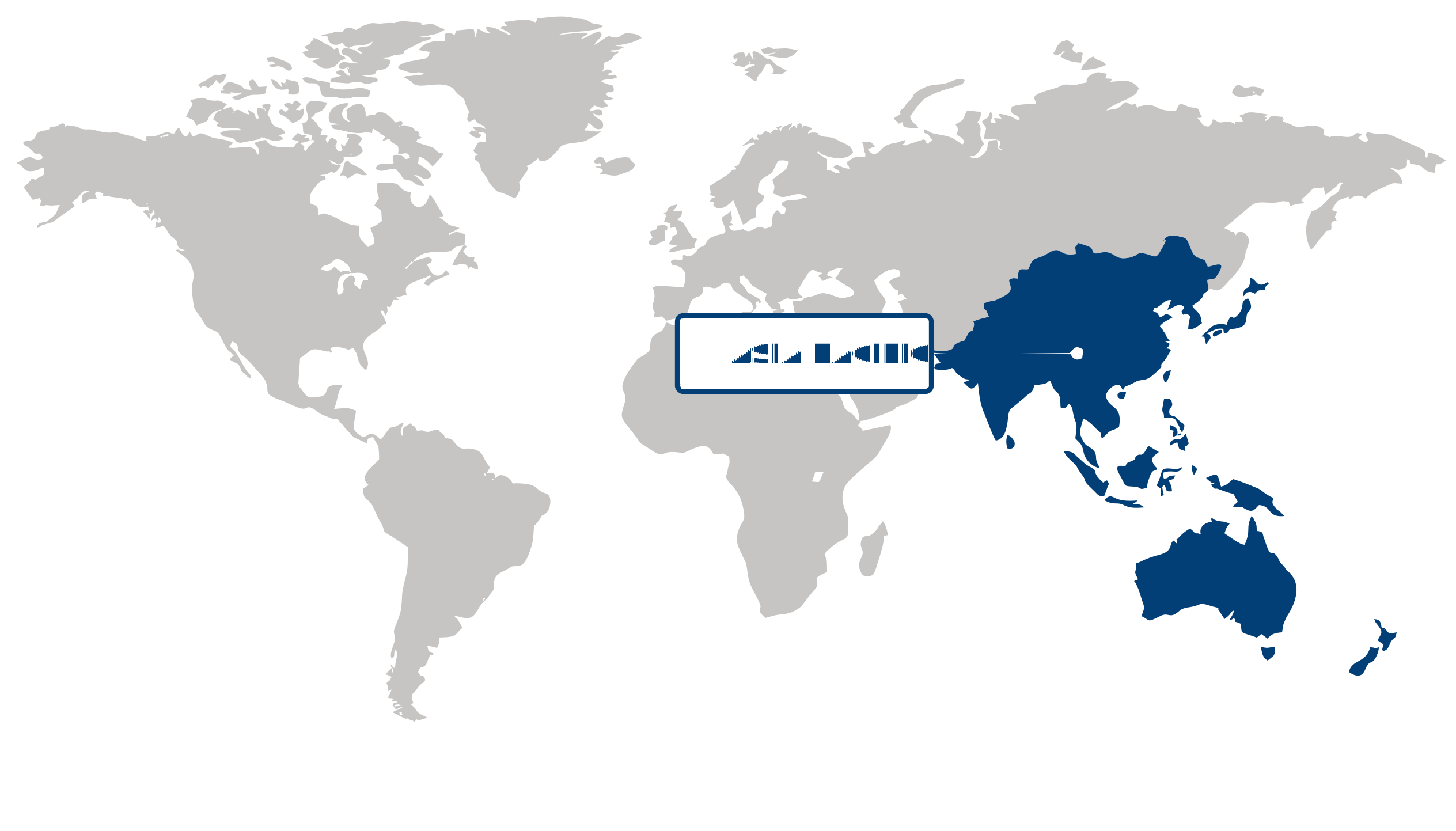
Asia Pacific dominated the ceramic tube market by capturing more than 38.5% of the global share in 2025, supported by a robust CAGR of 10.2%, making it the largest and fastest-growing region. This leadership largely stems from expanding applications in the electronics and semiconductor sectors, where ceramic tubes are critical for thermal and electrical insulation. The region's rapid technological advancements, notably in industrial hubs, align with growing consumer demand for high-performance electronic devices, as highlighted by strategic initiatives from the Japan External Trade Organization (JETRO) promoting semiconductor innovation. Additionally, government support in countries like China through policies that foster high-tech manufacturing ecosystems underpins supply chain resilience, enabling Asia Pacific to sustain its competitive advantage. These factors herald significant opportunities for investors seeking to capitalize on the region's dynamic industrial landscape and accelerated digital transformation.
Japan is positioned as a pivotal hub in Asia Pacific’s ceramic tube market, propelled by its deep expertise in semiconductor manufacturing and materials innovation. Government projects such as those led by the New Energy and Industrial Technology Development Organization (NEDO) emphasize sustainable production technologies, subtly influencing ceramic tube demand through eco-efficient processes. Corporate players like NGK Insulators leverage cutting-edge research to supply high-purity ceramic tubes tailored for precision electronics, reflecting a cultural preference for quality and innovation. Japan’s focus on integrating advanced ceramics into next-generation semiconductors reinforces its strategic importance, offering a blueprint for industry standards that elevate the regional market’s sophistication.
China acts as the powerhouse anchoring Asia Pacific’s growth in the ceramic tube market, driven by escalating consumer electronics consumption and expansive semiconductor fabrication capacity. Policy measures from the Ministry of Industry and Information Technology (MIIT) incentivize domestic production, fostering competitive dynamics that accelerate product diversification and operational scale. Leading firms such as Shenzhen Huagong Ceramic Co. capitalize on these developments, rapidly expanding their manufacturing footprint to meet rising demands. This vibrancy reflects China’s evolving industrial strategy, which combines scale economies with innovation-driven growth, positioning it as a crucial contributor to Asia Pacific’s overall dominance and offering substantial leverage for global market participants.
North America Market Analysis:
North America holds a substantial share in the ceramic tube market, driven by its established industrial base and advanced manufacturing capabilities. The region's sizable demand stems from sectors such as aerospace, electronics, and chemical processing, where ceramic tubes play a critical role in enhancing durability and thermal resistance. Regulatory emphasis on environmental safety and energy-efficient materials, as underscored by the U.S. Environmental Protection Agency’s recent initiatives, further spurs adoption of ceramics over metals. Moreover, ongoing innovations in material science, supported by institutions like the U.S. Department of Energy, enhance product performance and operational efficiency. North America's robust logistics infrastructure and highly skilled workforce ensure steady supply chain efficiencies, contributing to the region’s market resilience. With these strengthening factors, North America stands to sustain its significant market position by addressing evolving industrial needs and sustainability priorities.
The U.S. serves as the pivotal market within North America, showcasing strong consumer demand for high-precision ceramic tubes, particularly in aerospace and semiconductor manufacturing. U.S. government incentives for advanced manufacturing, such as those from the National Institute of Standards and Technology (NIST), facilitate innovation and adoption of cutting-edge ceramic technologies. The regulatory framework encourages materials that reduce emissions and improve energy efficiency, aligning with rising corporate sustainability efforts. Companies like CoorsTek and 3M actively invest in R&D centers across the country, enhancing the availability of customized ceramic tube solutions. This strategic focus on technological prowess and quality positions the U.S. as a key driver of regional market strength, reinforcing North America’s competitive edge in the ceramic tube market.
Europe Market Trends:
Europe held a commanding share in the ceramic tube market, driven by its advanced manufacturing infrastructure and stringent regulatory frameworks that emphasize product safety and sustainability. The region’s commitment to environmental policies and energy-efficient solutions has nudged manufacturers towards innovative ceramic materials that meet these standards, as highlighted in the European Ceramic Industry Association’s recent review. Moreover, Europe's robust supply chains and skilled workforce have enabled rapid adoption of high-performance ceramic tubes across sectors like automotive and electronics. The ongoing digital transformation in manufacturing hubs has further optimized production efficiency and quality control. Given these dynamics, Europe is poised to remain a key player, offering significant growth opportunities fueled by continuous technological advancements and increasing demand from eco-conscious industries.
Germany serves as a pivotal market within the European ceramic tube market, underpinned by its leadership in automotive component manufacturing and industrial engineering. German companies are leveraging cutting-edge ceramic tube technologies to enhance durability and thermal resistance, as reported by Siemens’ recent product releases. Additionally, strong government incentives promoting research and development in advanced materials have bolstered innovation pipelines. The country’s focus on precision manufacturing and quality assurance has attracted investments in ceramic tube production facilities, making it a benchmark for operational excellence. Strategically, Germany’s industrial ecosystem amplifies regional opportunities by setting high standards that drive competition and foster superior product adoption across Europe.
France contributes significantly to the European ceramic tube market through its growing emphasis on sustainable industrial solutions and regulatory encouragement for green technologies. French manufacturers have increasingly integrated ceramic tubes into renewable energy applications, such as fuel cells and power electronics, as documented in the French Ministry of Industry’s sustainability report. This aligns with broader European Union directives promoting reduced carbon emissions and energy efficiency, which French firms have embraced to enhance product portfolios. The competitive landscape in France is distinguished by collaborations between research institutions and industry players, accelerating innovation. Consequently, France’s evolving market dynamics reinforce Europe’s strategic position, enabling diversification and strengthening resilience in the ceramic tube market.
| Parameter | North America | Asia Pacific | Europe | Latin America | MEA |
|---|---|---|---|---|---|
| Innovation HubiScaleNascentDeveloping Advanced | |||||
| Cost-Sensitive RegioniScaleLowMedium High | |||||
| Regulatory EnvironmentiScaleRestrictiveNeutral Supportive | |||||
| Demand DriversiScaleWeakModerate Strong | |||||
| Development StageiScaleEmergingDeveloping Developed | |||||
| Adoption RateiScaleLowMedium High | |||||
| New Entrants / StartupsiScaleSparseModerate Dense | |||||
| Macro IndicatorsiScaleWeakStable Strong |
Ceramic Tube Market Share (%), by Application, 2026
Go beyond the chart, access full insights & data tables
Request Free Sample ReportThe electronics & electrical segment held largest share in the ceramic tube market in 2025, driven by escalating demand for materials with high-temperature resistance and superior insulation capabilities in electronic components. This segment leads due to its critical role in advancing next-generation electronics, where miniaturization and reliability are paramount. Customer preferences for durable and efficient devices, along with stricter regulatory requirements on safety and performance, have intensified focus on ceramic tubes with exemplary thermal and electrical properties. For instance, Toshiba’s recent innovation in ceramic insulators underscores industry commitment to enhancing component endurance. The segment offers strategic growth avenues for established firms leveraging advanced manufacturing and new entrants exploring niche applications in power electronics and telecommunications. Given ongoing technological advancements and the accelerating adoption of high-performance electronics in various sectors, the segment is set to maintain its dominance through continuous innovation and supply chain enhancements.
Analysis by Material Type
The alumina segment dominated the ceramic tube market in 2025, propelled by its superior thermal stability, electrical insulation, and cost-effectiveness. This segment’s leadership is linked to alumina’s widespread acceptance in diverse industrial and electronic applications requiring robust performance under harsh conditions. The material’s capacity to maintain mechanical integrity while supporting energy-efficient operations aligns well with sustainability priorities emphasized by organizations like the U.S. Department of Energy. Demand patterns reflect a preference for reliable materials that balance cost with performance, as reflected in industry competitive dynamics and supply chain optimizations by key players such as CoorsTek. Alumina’s versatility allows both market incumbents and new entrants to explore applications across sectors including automotive, aerospace, and consumer electronics. The segment’s advantage is reinforced by continuous material science advancements and growing integration into digital transformation efforts focused on smarter manufacturing, ensuring enduring relevance in the medium term.
| Segment | Sub-Segment | Largest Segment | Fastest Growing |
|---|---|---|---|
| Application | Medical & Healthcare, Electronics & Electrical | ||
| Material Type | Zirconia, Alumina |
Unlock insights tailored to your business with our bespoke market research solutions.
Click to get your customized report now.
Competitive Landscape and Market Positioning
The competitive landscape is marked by concerted efforts to enhance technological differentiation and broaden application scope. Leading firms have broadened collaboration networks with research institutions and industry partners to accelerate innovation cycles in ceramic materials. Several have strategically expanded product portfolios with next-generation ceramic tubes featuring superior thermal, mechanical, and electrical properties to meet evolving end-user demands. Investment in cutting-edge R&D facilities and integration of automation in production processes underpin advancements, particularly in fabrication precision and scalability. Such deliberate initiatives consolidate their forte in specialty ceramics, optimize cost structures, and protect competitive positioning amid intensifying market requirements.
Strategic / Actionable Recommendations for Regional Players
North American stakeholders should focus on forging partnerships with technology startups and research organizations to co-develop innovative ceramic composites tailored for aerospace and semiconductor sectors. Enhancing digital manufacturing capabilities may unlock efficiencies and facilitate customization, boosting appeal in high-value industrial segments.
In the Asia Pacific region, tapping into the rapidly expanding electronics and automotive industries by aligning with semiconductor fabs and EV manufacturers can generate substantial opportunities. Emphasizing sustainability and incorporation of novel materials designed for miniaturized, high-performance applications could differentiate regional players.
European entities would benefit from intensifying collaboration across the EU’s advanced materials and clean energy programs to capitalize on regulatory incentives. Narrowing focus on specialized, high-reliability ceramic tubes for medical devices and energy infrastructures could enhance competitive edge and foster premium positioning.
| Company | Market Share | Company Revenue | Revenue CAGR (%) | Product Portfolio | Geographic Presence | Innovation / R&D Focus | Strategic Developments |
|---|---|---|---|---|---|---|---|
| No companies available. | |||||||
Customize Your Report
Explore examples of how this report can be tailored to different research needs, including custom segments, additional topics or chapters, and related reports. Click a section of the wheel or its numbered marker to explore the available options.
Ceramic Tube Market — Custom Segments
| Segment | Sub-Segment |
|---|---|
| No segment data available. | |
Ceramic Tube Market — Custom TOC
| Custom Chapter | Chapter Details |
|---|---|
| No custom TOC data available. | |
Need a different cut of the data?
Request Custom ResearchFrequently Asked Questions
What is the market size of ceramic tube?
How is the ceramic tube industry expected to grow over the next 10 years?
Which geographical region leads the ceramic tube market market?
In which region is the ceramic tube sector expanding most rapidly?
Where is the electronics & electrical segment seeing the strongest adoption within the ceramic tube industry?
When did alumina sub-segment emerge as the largest sub-segment in the material type segment of ceramic tube sector?
Which organizations are considered leaders in the ceramic tube landscape?
Our Clients
"The report helped us understand emerging consumer trends in our product category. It clarified where to focus innovation for the next product launch."
LyondellBasell
"The regional forecast section was incredibly useful. We were able to identify two new potential partners in Europe thanks to the vendor mapping you included."
SABIC
"We appreciated how actionable the recommendations were. It guided us to improve supply chain resilience."
Olin Corporation
Our Research Team & Methodology
Every Fundamental Business Insights report is built by a dedicated vertical research team, validated through a structured primary-and-secondary methodology, and reviewed for accuracy before it reaches you.
This report was prepared by the Chemicals & Materials Research Team at Fundamental Business Insights, a dedicated research group specializing in the global chemicals, advanced materials, and industrial manufacturing sectors. Our analysts continuously monitor raw material supply chains, feedstock pricing, production technologies, regulatory developments, sustainability initiatives, environmental compliance, trade dynamics, and evolving end-use applications to deliver timely and reliable market intelligence. The research is developed using a structured methodology that combines primary discussions with manufacturers, raw material suppliers, distributors, and industry experts, along with company annual reports, regulatory publications, government trade statistics, industry associations, technical literature, patent databases, and other authoritative secondary sources. Market estimates are validated through multiple research techniques, including top-down and bottom-up analysis, before undergoing an internal quality review to ensure accuracy, consistency, and methodological integrity prior to publication.
Delivery
Published
Available
Support
- Market Size & Forecast
- Market Segmentation
- Regional Analysis
- Growth Drivers & Challenges
- Market Dynamics
- Competitive Landscape
- Company Profiles
- Competitive Benchmarking
- Mergers & Acquisitions
- Market Share Analysis or Key Company Strategies
- Value Chain Analysis
- Porter's Five Forces
- PESTLE Analysis
- Pricing Trends
- Supply-Demand Analysis
- Technology Landscape
- Regulatory Landscape
- Investment & Funding Landscape
- Emerging Opportunities
- Future Market Outlook