Cell Freezing Media Market Size & Growth Forecast 2027–2036, By Segments (Application, End-use, Product), Regional Demand Trends (North America, Asia Pacific, Europe), Key Country Insights (U.S., Japan, South Korea, Germany, France, Italy), and Competitive Landscape
Jump to Content
Market Size and Growth Outlook
Cell Freezing Media Market size stood at USD 1.3 billion in 2026 and is predicted to grow at a 8.55% CAGR from 2027 to 2036, exceeding USD 2.95 billion by 2036. The industry revenue for 2027 is calculated at USD 1.39 billion.
Get more details on this report
Request Free Sample ReportCell Freezing Media Market Intelligence Snapshot
Regional Market Dynamics
- North America holds 40.41% share supported by established biopharmaceutical research, widespread cryopreservation workflows, and strict quality standards ensuring reliable cell storage and reproducibility.
- Asia Pacific growth at 11.07% CAGR is driven by expanding biotech research capacity, regenerative medicine activity, and increasing demand for reliable cryopreservation across laboratories and biomanufacturing.
Segment Momentum
- Stem cells accounted for 31.22% of the market in 2026 due to the critical need to preserve cell viability, functionality, and recovery potential across research, regenerative medicine, and cell banking activities.
- Pharmaceutical and biotechnological companies held a 42.75% share and are expanding fastest because they depend on scalable, standardized cell preservation workflows across drug discovery, biologics development, and cell-based research.
Market Expansion Drivers
- Rising adoption in pharmaceutical and biotechnology sectors for stem cell preservation.
- Growing preference for ready-to-use cryopreservation media over in-house freezing methods.
- Expansion of biobanking and regenerative medicine accelerating long-term cryostorage demand.
Leading Market Participants
- Leading players in the cell freezing media market include Thermo Fisher Scientific Inc. (United States), Merck KGaA (Germany), Sartorius AG (Germany), BioLife Solutions, Inc. (United States), Bio-Techne Corporation (United States), Vitrolife AB (Sweden), PromoCell GmbH (Germany), HiMedia Laboratories Pvt. Ltd. (India), AMS Biotechnology Ltd. (United Kingdom), Capricorn Scientific GmbH (Germany).
Global Market Forecast Snapshot
Market Outlook
- 2026 Market Size: USD 1.3 billion
- 2027 Estimated Market Size: USD 1.39 billion.
- Projected Market Size: USD 2.95 billion by 2036
- Growth Forecast: 8.55% CAGR (2027-2036)
Regional and Segment Outlook
- Leading Regional Market: North America
- High-Growth Regional Hub: Asia Pacific
- Core Revenue Segment: Stem Cells (Application) | Pharmaceutical and Biotechnological Companies (End-use) | DMSO (Product)
- Emerging Opportunity Segment: Cancer Cell Lines (Application) | Pharmaceutical and Biotechnological Companies (End-use) | DMSO (Product)
Market Growth Drivers and Industry Trends
Rising adoption in pharmaceutical and biotechnology sectors for stem cell preservation
Growing use of stem cells in pharmaceutical and biotechnology research will drive the cell freezing media market as laboratories require reliable methods to preserve viable cells during storage, transportation, and downstream experimentation. Specialized cryopreservation media help maintain cell integrity during freezing and thawing by limiting cellular damage associated with temperature changes. Increasing activity in cell-based research, development workflows, and therapeutic applications is therefore creating broader requirements for media formulations designed for different cell types and preservation conditions.
Growing preference for ready-to-use cryopreservation media over in-house freezing methods
The shift toward standardized, ready-to-use products will propel the cell freezing media market as research and bioprocessing facilities seek greater consistency and operational efficiency in cryopreservation workflows. Commercially prepared media reduce the need for laboratories to formulate freezing solutions internally, helping minimize preparation variability and simplify handling procedures. Ready-to-use formulations can also support more reproducible cell recovery across repeated experiments, making them attractive for laboratories that prioritize standardized protocols and streamlined sample processing.
Expansion of biobanking and regenerative medicine accelerating long-term cryostorage demand
Expansion of biobanking and regenerative medicine is increasing the need for the cell freezing media market as biological samples, stem cells, and other viable cellular materials require controlled long-term preservation. Biobanks depend on effective cryopreservation workflows to maintain sample quality for future research and clinical applications, while regenerative medicine programs require reliable storage of cells throughout development and treatment processes. As collections become more diverse and cell-based applications expand, preservation media are increasingly selected according to cell characteristics, storage requirements, and recovery performance.
| Growth Driver | Impact on CAGR | Regulatory Influence | Geographic Relevance | Adoption Rate | Impact Timeline |
|---|---|---|---|---|---|
| Rising adoption in pharmaceutical and biotechnology sectors for stem cell preservation | 2.00% | Moderate | North America, Europe | High | Near Term |
| Growing preference for ready-to-use cryopreservation media over in-house freezing methods | 1.70% | Moderate | North America, Asia Pacific | High | Mid Term |
| Expansion of biobanking and regenerative medicine accelerating long-term cryostorage demand | 1.30% | Moderate | Europe, Asia Pacific, North America | Medium | Long Term |
Explore Growth Opportunities
Request Free Sample ReportRegional Demand Dynamics
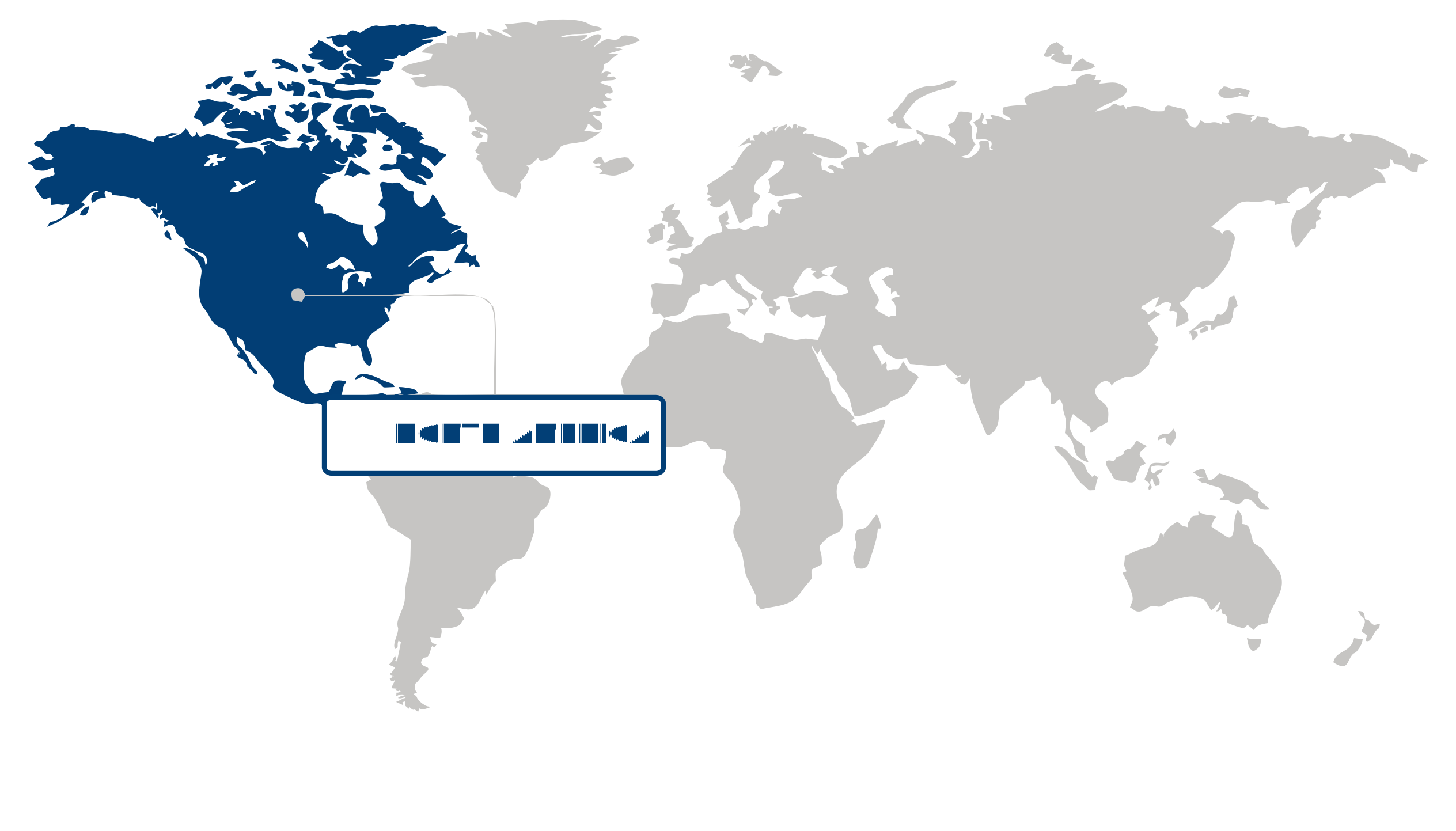
North America (Largest Region)
The cell freezing media market was led by North America, which accounted for a 40.41% share in 2026, supported by a strong biotechnology and life sciences ecosystem, advanced cell-processing capabilities, and extensive research activity involving cell-based applications. The region's mature laboratory infrastructure facilitates the use of specialized cryopreservation solutions across research, biobanking, regenerative medicine, and biopharmaceutical workflows. Continued investment in cell-based research, increasing demand for reliable preservation of biological materials, and technological progress in cryopreservation processes are reinforcing the region's established market position.
Asia Pacific (Fastest-Growing Region)
Asia Pacific is experiencing the fastest market growth as biotechnology capabilities, cell-based research, and biopharmaceutical development continue to expand across the region. Increasing investment in laboratory infrastructure and research facilities is creating broader demand for effective cell preservation solutions, while growing adoption of cell and tissue-based applications is strengthening the need for dependable cryopreservation workflows. Improvements in scientific capabilities, expanding research collaborations, and greater emphasis on preserving viable biological materials are contributing to the region's accelerating adoption of cell freezing media.
| Parameter | North America | Asia Pacific | Europe | Latin America | MEA |
|---|---|---|---|---|---|
| Innovation HubiScaleNascentDeveloping Advanced | |||||
| Cost-Sensitive RegioniScaleLowMedium High | |||||
| Regulatory EnvironmentiScaleRestrictiveNeutral Supportive | |||||
| Demand DriversiScaleWeakModerate Strong | |||||
| Development StageiScaleEmergingDeveloping Developed | |||||
| Adoption RateiScaleLowMedium High | |||||
| New Entrants / StartupsiScaleSparseModerate Dense | |||||
| Macro IndicatorsiScaleWeakStable Strong |
Key Country Insights
Germany 🇩🇪
Bioprocess Quality FocusGermany strengthens the cell freezing media market by supporting advanced bioprocessing and research activities requiring reliable cryopreservation solutions. German manufacturers and laboratories emphasize product consistency and reproducible cell recovery across clinical and research applications.
France 🇫🇷
Clinical Biobanking SupportFrance strengthens the cell freezing media market through expanding biobanking initiatives and translational research programs. French research institutions focus on dependable cryopreservation solutions that maintain sample integrity for clinical development and long-term storage.
Italy 🇮🇹
Research Sample PreservationItaly supports the cell freezing media market by enhancing laboratory capabilities involved in biomedical research and cell preservation. Italian institutions increasingly adopt reliable cryopreservation media to improve sample quality across academic, clinical, and biotechnology applications.
Japan 🇯🇵
Regenerative Research EnablementJapan advances the cell freezing media market through sustained investment in regenerative medicine and stem cell research. Japanese laboratories prioritize optimized cryopreservation media that help preserve sensitive cell populations while supporting high-quality research outcomes.
South Korea 🇰🇷
Biotech Preservation SolutionsSouth Korea expands the use of cell freezing media alongside growing biotechnology, cell therapy, and research infrastructure. Organizations in South Korea increasingly seek high-performance preservation media that support reliable storage and downstream manufacturing processes.
United States 🇺🇸
Cell Therapy Manufacturing SupportThe U.S. drives demand for cell freezing media through expanding cell therapy manufacturing, regenerative medicine research, and biobanking activities. Organizations across the U.S. prioritize media formulations that preserve cell viability and maintain consistency throughout storage and transportation.
Cell Freezing Media Market Share (%), by Application, 2026
Go beyond the chart, access full insights & data tables
Request Free Sample ReportApplication Segment Analysis: Stem Cells (Largest Segment) vs Cancer Cell Lines (Fastest-Growing Segment)
The stem cells segment dominated the cell freezing media market, accounting for 31.22% share in 2026, supported by the increasing importance of stem cell preservation in research, regenerative medicine, drug discovery, and cell-based therapeutic development. Effective cryopreservation is critical for maintaining cell viability and biological characteristics during storage, transportation, and subsequent laboratory use. Stem cell research often requires reliable preservation methods because cells may undergo extensive processing and need to remain available for repeated experimental or therapeutic applications. Advances in cell-based research and increasing interest in regenerative approaches are consequently sustaining demand for specialized freezing media capable of supporting high-quality cellular recovery. The need for reproducible preservation protocols across research institutions and clinical development environments further reinforces the established position of stem cell applications within the market.
Cancer cell lines are expected to experience the fastest growth as oncology research increasingly relies on preserved cellular models for studying disease mechanisms, evaluating therapeutic candidates, and investigating treatment responses. Cryopreserved cancer cell lines provide researchers with reproducible biological material that can be stored and subsequently recovered for laboratory experiments, supporting continuity across research programs. Growing interest in precision oncology and the development of targeted therapies is increasing the need for reliable experimental models that can be maintained over extended research workflows. In addition, the expansion of drug screening and cancer biology studies is creating broader demand for efficient cell preservation solutions. As oncology research becomes more dependent on diverse and well-characterized cellular models, the use of specialized freezing media for cancer cell lines is gaining greater importance.
End-use Segment Analysis: Pharmaceutical and Biotechnological Companies (Largest & Fastest-Growing Segment)
Pharmaceutical and biotechnological companies represented the largest share of the cell freezing media market, accounting for 42.75% in 2026, and are also positioned as the fastest-growing end-use segment because these organizations increasingly depend on preserved cell systems throughout research, development, testing, and therapeutic production workflows. Cell freezing media are important for maintaining viable biological materials used in drug discovery, toxicity studies, cell-based assays, biologics development, and advanced therapeutic research. The expansion of biotechnology research is increasing the number and complexity of cellular models that require controlled storage and reliable recovery. Pharmaceutical developers also require reproducible cell preservation practices to maintain consistency across research and development activities. As investment in cell-based technologies, biologics, and innovative therapeutic approaches continues to strengthen demand for dependable biological material management, pharmaceutical and biotechnology organizations are becoming increasingly important users of advanced cryopreservation media.
| Segment | Sub-Segment | Largest Segment | Fastest Growing |
|---|---|---|---|
| Application | Stem Cells, Cancer Cell Lines, Reproductive Cells, Primary Cells, Bioproduction Cell Lines, Others | Stem Cells | Cancer Cell Lines |
| End-use | Pharmaceutical and Biotechnological Companies, Research & Academic Institutes, Others | Pharmaceutical and Biotechnological Companies | Pharmaceutical and Biotechnological Companies |
| Product | DMSO, Glycerol, Others | DMSO | DMSO |
Unlock insights tailored to your business with our bespoke market research solutions.
Click to get your customized report now.
Competitive Landscape and Market Positioning
Key companies in the cell freezing media market:
1. Thermo Fisher Scientific Inc. (United States)
2. Merck KGaA (Germany)
3. Sartorius AG (Germany)
4. BioLife Solutions Inc. (United States)
5. Bio-Techne Corporation (United States)
6. Vitrolife AB (Sweden)
7. PromoCell GmbH (Germany)
8. HiMedia Laboratories Pvt. Ltd. (India)
9. AMS Biotechnology Ltd. (United Kingdom)
10. Capricorn Scientific GmbH (Germany)
Advancements in the cell freezing media market are being driven by increasing demand from regenerative medicine, biobanking, and cell therapy applications that require enhanced cryopreservation performance. Research initiatives focused on serum-free formulations, improved cell viability, and scalable storage solutions are contributing to stronger innovation within biotechnology ecosystems.
| Company | Market Share | Company Revenue | Revenue CAGR (%) | Product Portfolio | Geographic Presence | Innovation / R&D Focus | Strategic Developments |
|---|---|---|---|---|---|---|---|
| Thermo Fisher Scientific Inc. (United States) | |||||||
| Merck KGaA (Germany) | |||||||
| Sartorius AG (Germany) | |||||||
| BioLife Solutions Inc. (United States) | |||||||
| Bio-Techne Corporation (United States) | |||||||
| Vitrolife AB (Sweden) | |||||||
| PromoCell GmbH (Germany) | |||||||
| HiMedia Laboratories Pvt. Ltd. (India) | |||||||
| AMS Biotechnology Ltd. (United Kingdom) | |||||||
| Capricorn Scientific GmbH (Germany). |
Industry Development/News
| Company Name | Date | Key Development |
|---|---|---|
| Evia Bio | Nov-25 | Evia Bio launched CellShield MSC, a proprietary non-DMSO cryopreservation solution for the cell therapy and IVF markets. This innovation provides MSC-based therapy developers with a safer, high-performance alternative to traditional DMSO-based media, maintaining equivalent or superior post-thaw cell viability while reducing the toxicological risks associated with standard cryoprotectants. |
| Kryogene | Jan-25 | Kryogene launched its CGT cell freezing media in the United States, providing a GMP-compliant, serum-free, and protein-free cryopreservation solution. Specifically engineered for immune and stem cell therapy applications, the product enhances post-thaw viability and ensures consistent performance, supporting the clinical scalability of sensitive cell-based therapeutic candidates. |
| Nucleus Biologics | Oct-24 | Nucleus Biologics introduced NB-KUL DF, a DMSO-free, chemically defined cryomedia tailored for CGT manufacturers. The product is designed to surpass current DMSO-free alternatives in cell recovery and post-thaw expansion metrics, addressing the industry's critical requirement for standardized, high-viability preservation solutions that comply with evolving regulatory and safety standards. |
| Pluristyx | Apr-24 | Pluristyx launched PluriFreeze, a proprietary cryopreservation solution originally developed for its panCELLa iPSC platform. Now available in both RUO and GMP-ready formats, the solution offers versatility in preserving diverse, sensitive cell types, facilitating smoother transitions from preclinical research to clinical manufacturing for regenerative medicine developers. |
| Iwai North America Inc. and Zenogen Pharma | May-22 | Iwai North America and Zenogen Pharma established a strategic marketing partnership to expand their combined footprint in the cell preservation and biopharma solutions market. This collaboration aims to leverage their respective regional capabilities to provide integrated support for cell culture and preservation workflows in key global biopharmaceutical markets. |
| Sartorius and RoosterBio, Inc. | Jan-21 | Sartorius partnered with RoosterBio to advance human mesenchymal stem cell (hMSC) manufacturing. By streamlining process development and strengthening the supply chain for cryopreservation and culture media, the collaboration focuses on accelerating the commercialization of cell-based therapies and fostering more robust, scalable production protocols for regenerative medicine. |
Customize Your Report
Explore examples of how this report can be tailored to different research needs, including custom segments, additional topics or chapters, and related reports. Click a section of the wheel or its numbered marker to explore the available options.
Cell Freezing Media Market — Custom Segments
| Segment | Sub-Segment |
|---|---|
| Preservation Duration | Short-Term Preservation, Intermediate-Term Preservation, Long-Term Preservation |
| Manufacturing Scale | Research Scale, Preclinical/Development Scale, Commercial Production Scale |
| Regulatory Grade | Research Grade, Clinical Grade, GMP Grade |
Cell Freezing Media Market — Custom TOC
| Custom Chapter | Chapter Details |
|---|---|
| Cell Therapy Manufacturing Demand Outlook |
|
| Biobanking Infrastructure Expansion Assessment |
|
| GMP Raw Material Sourcing and Supply Chain Resilience |
|
Need a different cut of the data?
Request Custom ResearchFrequently Asked Questions
What is the market valuation of cell freezing media?
What is the forecasted size of the cell freezing media industry?
Why are organizations shifting toward validated commercial cell freezing media?
How is the expansion of biobanking influencing demand in the cell freezing media market?
Why are stem cells the largest application segment in the cell freezing media market?
Why are pharmaceutical and biotechnological companies the fastest-growing end users of cell freezing media?
Why does North America lead the cell freezing media market?
What drives Asia Pacific’s growth in cell freezing media market?
Which companies dominate the cell freezing media landscape?
Our Clients
"The team took the time to understand our specific business needs and delivered a report that was well aligned with our objectives. Their expertise and understanding of the industry were clearly reflected in the quality and relevance of the insights provided."
Siemens Healthcare
"Our experience in acquiring the research report has been excellent. The depth of analysis, and actionable insights provided have been extremely valuable in supporting our ongoing R&D efforts."
GC Biopharma
"The report offered a comprehensive view of the market trends. The in-depth segmentation and analysis of emerging opportunities gave us a better understanding of the market."
Medtronic
Our Research Team & Methodology
Every Fundamental Business Insights report is built by a dedicated vertical research team, validated through a structured primary-and-secondary methodology, and reviewed for accuracy before it reaches you.
This report was prepared by the Healthcare & Medical Devices Research Team at Fundamental Business Insights, a dedicated research group specializing in the global healthcare and medical technology industry. Our analysts continuously monitor advancements in medical technologies, clinical adoption trends, regulatory developments, reimbursement policies, healthcare infrastructure investments, competitive strategies, and evolving patient care requirements to deliver timely and reliable market intelligence. The research is developed using a structured methodology that combines primary discussions with healthcare stakeholders, company financial disclosures, regulatory publications, clinical literature, government healthcare databases, medical associations, and other authoritative secondary sources. Market estimates are validated through multiple research techniques, including top-down and bottom-up analysis, before undergoing an internal quality review to ensure accuracy, consistency, and methodological integrity prior to publication.
Delivery
Published
Available
Support
- Market Size & Forecast
- Market Segmentation
- Regional Analysis
- Growth Drivers & Challenges
- Market Dynamics
- Competitive Landscape
- Company Profiles
- Competitive Benchmarking
- Mergers & Acquisitions
- Market Share Analysis or Key Company Strategies
- Value Chain Analysis
- Porter's Five Forces
- PESTLE Analysis
- Pricing Trends
- Supply-Demand Analysis
- Technology Landscape
- Regulatory Landscape
- Investment & Funding Landscape
- Emerging Opportunities
- Future Market Outlook