Caviar Market Size & Forecasts 2026-2035, By Segments (Sturgeon Type, Sales Channel), Growth Opportunities, Innovation Landscape, Regulatory Shifts, Strategic Regional Insights (U.S., Japan, China, South Korea, UK, Germany, France), and Competitive Dynamics (Petrossian, Calvisius, Russian Caviar House, Marky's Caviar, Caviar Russe)
Market Size and Growth Outlook
Caviar Market size is set to grow from USD 363.44 million in 2025 to USD 580.83 million by 2035, reflecting a CAGR greater than 4.8% through 2026-2035. Industry revenues in 2026 are estimated at USD 378.49 million.
Get more details on this report
Request Free Sample ReportCaviar Market Intelligence Snapshot
Regional Market Dynamics
Segment Momentum
Market Expansion Drivers
Leading Market Participants
Global Market Forecast Snapshot
Market Outlook
Regional and Segment Outlook
Market Growth Drivers and Industry Trends
The caviar market is increasingly propelled by rising consumer preferences for premium and exotic seafood. Affluent consumers, particularly in emerging markets like China and the Middle East, exhibit growing willingness to pay for luxury delicacies, as highlighted by the International Seafood Sustainability Foundation. This trend reflects broader shifts toward experiential dining and status-driven consumption. Established producers can capitalize on this by emphasizing provenance and exclusivity, while new entrants may innovate with niche offerings, such as rare sturgeon varieties. The trajectory suggests sustained interest in high-end seafood, encouraging market participants to deepen product differentiation and cater to evolving taste profiles.
Expansion of High-End Restaurants and Hospitality Sector
The luxury hospitality industry’s growth acts as a pivotal catalyst in the caviar market’s expansion, driven by increased fine-dining establishments globally. Reports from the World Tourism Organization indicate that upscale restaurants integrate premium caviar to enhance gastronomic prestige and customer experience. This dynamic strengthens demand channels beyond direct consumer sales, enabling suppliers to forge partnerships with hospitality chains and culinary institutions. For both incumbents and newcomers, this creates opportunities to scale distribution and co-develop tailored products aligned with culinary trends. The convergence of hospitality expansion and premium seafood consumption solidifies caviar as a staple in luxury dining contexts.
Sustainable and Certified Caviar Production Methods
Consumer scrutiny over environmental impact increasingly influences purchasing choices in the caviar market. The rise of sustainability certifications, such as those endorsed by the Aquaculture Stewardship Council, responds to concerns about overfishing and ecosystem damage. Industry leaders like Petrossian emphasize traceability and eco-friendly practices in public communications, enhancing brand reputation and market trust. This shift encourages both established producers to retrofit operations and new entrants to adopt sustainability as a core differentiator. Looking ahead, certified and transparent production methods are set to become baseline expectations, shaping competitive dynamics and regulatory standards across the value chain.
Industry Restraints:
Stringent Regulatory Frameworks and International Trade Restrictions
The caviar market is substantially constrained by complex regulatory frameworks aimed at preserving endangered sturgeon populations, resulting in operational bottlenecks and heightened compliance costs. Organizations such as the Convention on International Trade in Endangered Species of Wild Fauna and Flora (CITES) impose rigorous export-import controls, which, while critical for conservation, limit supply availability and delay shipment times, restricting market expansion. For example, Russian and Iranian caviar producers face stringent quotas and certification requirements, as documented by the Food and Agriculture Organization of the United Nations (FAO). These regulatory hurdles necessitate deep expertise and can disproportionately burden smaller producers and new entrants lacking the resources to navigate such compliance. Moving forward, as conservation efforts intensify globally, market participants must prioritize sustainable practices and invest in transparent supply chain technologies to mitigate delays and maintain legal trade, preserving long-term market viability.
Supply Chain Sensitivities and Environmental Pressures
The caviar market’s reliance on delicate sturgeon aquaculture systems generates significant supply chain vulnerabilities, particularly due to ecological sensitivities and climate change impacts. Fluctuating water temperatures and pollution affect sturgeon health and roe quality, as reported by NOAA Fisheries, leading to inconsistent yields and price volatility. Moreover, operational dependencies on specialized hatcheries and breeding cycles limit scalability and rapid response to demand shifts. Established firms like Petrossian underscore challenges in securing stable, high-quality raw material flows amid these biological constraints. These environmental challenges impose substantial risks for new entrants and disruptors aiming to scale quickly, forcing a focus on resilient, vertically integrated operations. With increasing environmental uncertainties, firms must accelerate the adoption of innovative aquaculture technologies and diversification strategies to safeguard caviar quality and supply continuity in the coming years.
| Growth Driver | Impact on CAGR | Regulatory Influence | Geographic Relevance | Adoption Rate | Impact Timeline |
|---|---|---|---|---|---|
| Growing demand for luxury seafood products | 1.80% | Short term (≤ 2 yrs) | Europe, North America; Spillover: Asia Pacific | Low | Moderate |
| Expansion of high-end restaurants and hospitality sector | 1.50% | Medium term (2–5 yrs) | Europe, Asia Pacific; Spillover: North America | Low | Moderate |
| Sustainable and certified caviar production methods | 1.50% | Long term (5+ yrs) | Europe; Spillover: North America | Medium | Slow |
Unlock insights tailored to your business with our bespoke market research solutions.
Click to get your customized report now.
Regional Demand Dynamics
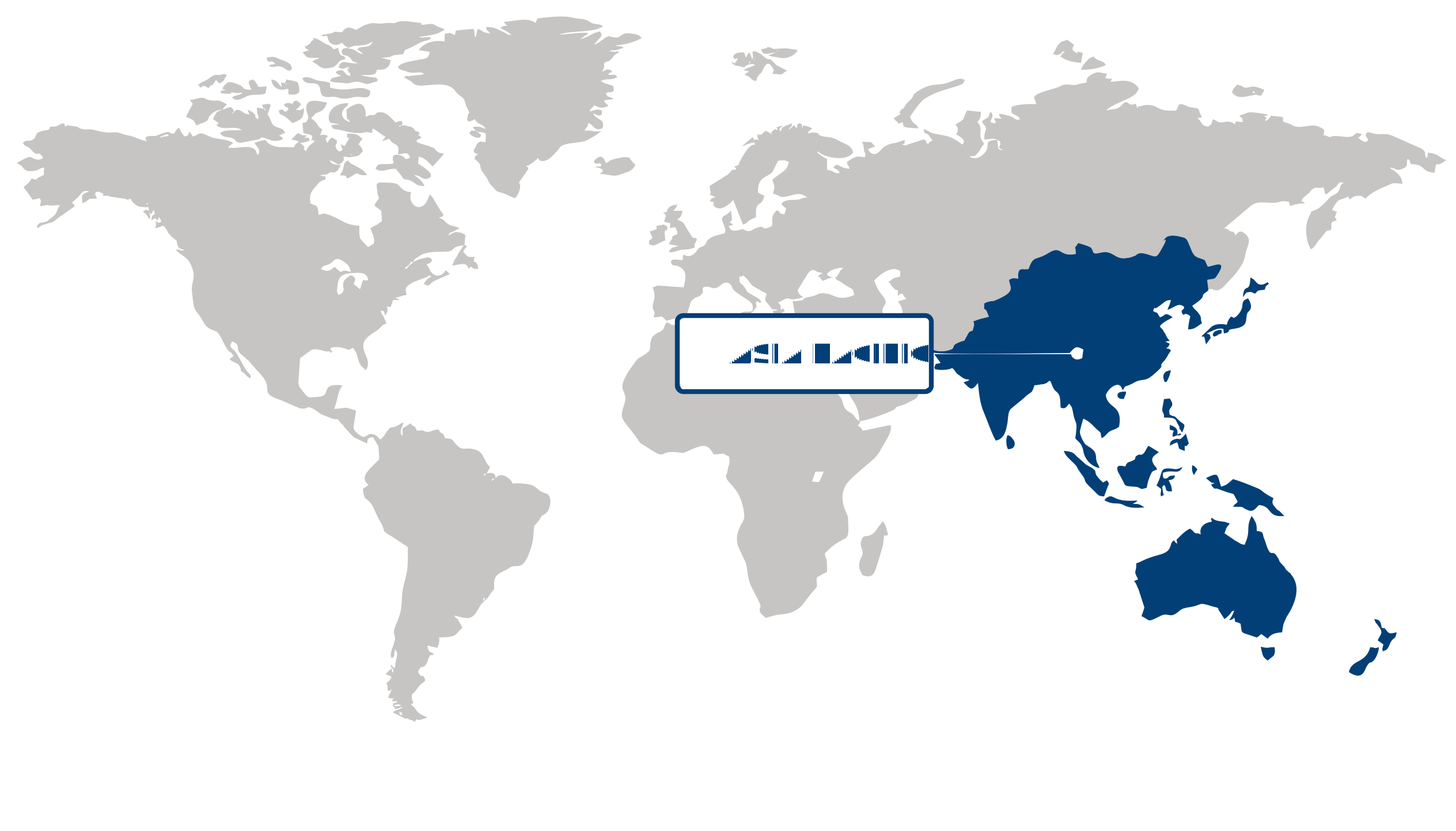
Asia Pacific represented more than 32.5% of the global caviar market in 2025, driven by rising disposable incomes and expanding demand for gourmet foods across the region. As the largest regional share, Asia Pacific benefits from rapidly evolving consumer preferences favoring luxury and niche delicacies, influenced by increasing urbanization and sophistication in culinary tastes. Market dynamics in countries such as China and Japan reflect heightened expenditure on premium food experiences and greater awareness of sustainability in seafood sourcing, supported by reports from the China Aquatic Products Processing and Marketing Alliance. Additionally, technological advancements in aquaculture and streamlined supply chains have bolstered availability and freshness, enhancing consumer access. These factors, combined with regulatory encouragement for sustainable practices, position Asia Pacific as a fertile ground for caviar market expansion, attracting both established brands and new entrants eager to capitalize on the discernible shift in regional consumption patterns.
China anchors the Asia Pacific caviar market through its rapidly growing middle class and an increasing appetite for luxury dining experiences. Chinese consumers demonstrate a preference for exclusivity and health-conscious food choices, which caviar effectively embodies, as noted by the China Fisheries Association’s recent consumer insights. Meanwhile, government support for sustainable seafood production underpins industry confidence and ensures supply stability. In Japan, the caviar market thrives on a well-established gourmet culture that values quality and authenticity, with firms like Maruha Nichiro Corporation advancing efficient aquaculture techniques that sustainably increase output. Both countries' unique consumer behaviors and supply-side enhancements collectively fuel Asia Pacific’s caviar market leadership, highlighting key investment opportunities centered on innovation and premiumization aligned with evolving regional tastes.
Europe Market Analysis:
Europe emerged as the fastest-growing region in the caviar market, registering rapid growth with a robust CAGR of 7.2%. This expansion is predominantly fueled by the heritage culinary tradition coupled with the premiumization of luxury seafood across European countries. The deep-rooted appreciation for gourmet foods and the rising inclination toward high-quality, sustainable delicacies have propelled demand. Furthermore, evolving consumer preferences toward traceable and responsibly sourced products have encouraged investment in advanced aquaculture technologies, aligning with stringent European Union sustainability regulations. The presence of established luxury food retailers and increasing digital integration in supply chains, as highlighted by the European Aquaculture Association, further reinforces market efficiency and accessibility. Looking ahead, Europe’s blend of cultural heritage and commitment to premium quality positions it as a significant hub for innovation and growth in the caviar market.
Germany plays a pivotal role in Europe’s caviar market, driven by strong consumer demand for premium luxury seafood rooted in sophisticated culinary tastes. German consumers increasingly prioritize sustainably farmed and certified products, incentivizing local producers to adopt eco-friendly aquaculture methods noted in reports by the Federal Ministry of Food and Agriculture. This preference fosters both market expansion and product differentiation. Additionally, Germany's efficient logistics network enhances import-export flows, supporting the availability of diverse caviar offerings from domestic and international brands such as Kaviari Germany. These dynamics underscore Germany’s strategic importance in reinforcing Europe’s market leadership and premiumization trend.
France is synonymous with gastronomic excellence, securing its place as a core contributor to Europe’s growing caviar market. French consumers exhibit strong affinity for heritage luxury foods, with caviar consumption embedded in cultural events and haute cuisine, as documented by the French National Institute for Origin and Quality (INAO). The country’s thriving fine dining sector actively incorporates premium seafood experiences, enhancing demand for high-grade caviar. Furthermore, French producers emphasize artisanal techniques and sustainable practices to meet both local and export market needs. This focus complements Europe’s overarching premiumization theme and amplifies the region’s competitive positioning, offering extensive opportunities for innovation and expanding high-end market segments.
North America Market Trends:
North America maintained a notable presence in the caviar market, underpinned by evolving gourmet preferences and rising expenditure on luxury foods. The region benefits from a well-developed cold chain infrastructure and growing consumer awareness around sustainably sourced seafood, as highlighted by the National Oceanic and Atmospheric Administration (NOAA). Regulatory adaptations, such as the U.S. Fish and Wildlife Service’s initiatives on sustainable sturgeon farming, further support market stability. Competitive dynamics are increasingly shaped by artisanal producers leveraging digital platforms to target affluent and environmentally conscious segments. With demographic shifts favoring metropolitan hubs known for fine dining, and a resilient economy supporting discretionary spending, North America offers moderate yet steady growth opportunities that attract premium brand investments and innovation in traceability technologies.
The U.S. serves as a pivotal market within North America’s caviar sector, driven primarily by sophisticated consumer demand and robust distribution networks. High-end restaurant chains and specialty retailers contribute to expanding access, facilitated by transparent import policies overseen by the Fish and Wildlife Service. Companies like Calvisius Caviar have reported enhanced outreach through e-commerce integration, reflecting digitization trends that align with consumer expectations for authenticity and quality verification. This innovation in sourcing and marketing not only elevates the U.S. market’s competitive edge but also strengthens regional value chains, positioning the country as a crucial hub that attracts strategic partnerships and premium product launches within the broader North American caviar market landscape.
| Parameter | North America | Asia Pacific | Europe | Latin America | MEA |
|---|---|---|---|---|---|
| Innovation Hub i Scale Nascent Developing Advanced | |||||
| Cost-Sensitive Region i Scale Low Medium High | |||||
| Regulatory Environment i Scale Restrictive Neutral Supportive | |||||
| Demand Drivers i Scale Weak Moderate Strong | |||||
| Development Stage i Scale Emerging Developing Developed | |||||
| Adoption Rate i Scale Low Medium High | |||||
| New Entrants / Startups i Scale Sparse Moderate Dense | |||||
| Macro Indicators i Scale Weak Stable Strong |
Segment Leadership and Growth Trends
Caviar Market Share (%), by Sturgeon Type, 2026
Go beyond the chart, access full insights & data tables
Request Free Sample ReportSevruga dominated the caviar market in 2025 within the sturgeon type segment, capturing the largest share due to its widespread availability and appealing flavor profile that fits accessible luxury price points. The segment’s leadership is reinforced by growing consumer inclination toward premium yet reasonably priced gourmet products, coupled with advances in sustainable aquaculture practices highlighted by the World Sturgeon Conservation Society. These improvements have enhanced traceability and quality control, meeting increasing regulatory demands while maintaining eco-conscious sourcing. Established producers gain a competitive edge by expanding product lines that emphasize provenance and taste, whereas emerging players can capitalize on niche marketing targeting discerning food connoisseurs. Given continued consumer interest in luxury affordable delicacies and ongoing aquaculture innovation, the Sevruga segment is well-positioned to sustain relevance amid evolving market dynamics.
Analysis by Sales Channel
Fine dining restaurants held the largest share in the caviar market in 2025 within the sales channel segment, propelled by rising demand for premium gourmet experiences that integrate caviar as an exclusive luxury menu item. This segment’s dominance reflects shifting consumer preferences toward experiential dining, as noted in Michelin Guide trends emphasizing caviar’s role in elevating high-end culinary creativity. Supply chain enhancements ensuring consistent product quality and freshness support restaurants' ambitions to offer distinguished dishes, while stringent food safety regulations drive industry-wide adherence to excellence. For established gastronomy leaders, the segment provides a platform to reinforce brand prestige, while innovative entrants can harness culinary innovation and digital reservation systems to capture affluent clientele. The fine dining channel’s alignment with luxury lifestyle trends ensures its continued strategic importance in the medium term.
| Segment | Sub-Segment | Largest Segment | Fastest Growing |
|---|---|---|---|
| Sturgeon Type | Beluga, Ossetra, Sevruga | ||
| Sales Channel | Specialty Food Stores, Fine Dining Restaurants, Online Retailers, Other Sales Channel |
Competitive Landscape and Market Positioning
The competitive environment is shaped by concerted efforts to enhance product excellence and supply chain resilience. Several top players have expanded collaboration across aquaculture technology and sustainability to augment both yield quality and environmental stewardship. Innovations in processing techniques and exclusive varietal offerings serve to differentiate their portfolios, keeping affluent clientele engaged. Strategic expansions and integrations into premium dining sector networks illustrate adaptive responses to shifting consumption patterns, with players like Calvisius and Baeri Caviar focusing on curated experiences that elevate brand prestige and market reach.
Strategic / Actionable Recommendations for Regional Players
North American producers should intensify partnerships with luxury hospitality brands and emphasize cutting-edge, eco-friendly farming methods to meet increasing consumer demand for transparency and traceability. Leveraging digital platforms to narrate product origin and craftsmanship will further enhance premium positioning.
In Asia Pacific, aligning with established distribution networks specializing in gourmet and health-conscious segments can boost market penetration. Embracing advanced aquaculture innovations tailored for local ecosystems could yield distinctive product lines that resonate with discerning consumers seeking exclusivity.
European stakeholders may benefit from reinforcing legacy brand narratives while incorporating sustainable sourcing narratives to appeal to environmentally aware buyers. Collaborations with culinary artisans to foster new serving modalities can drive experiential consumption, sustaining relevance amid growing competition.
| Company | Market Share | Company Revenue | Revenue CAGR (%) | Product Portfolio | Geographic Presence | Innovation / R&D Focus | Strategic Developments |
|---|---|---|---|---|---|---|---|
| No companies available. | |||||||
Industry Development/News
| Company Name | Date | Key Development |
|---|
Customize Your Report
Explore examples of how this report can be tailored to different research needs, including custom segments, additional topics or chapters, and related reports. Click a section of the wheel or its numbered marker to explore the available options.
Caviar Market — Custom Segments
| Segment | Sub-Segment |
|---|---|
| No segment data available. | |
Caviar Market — Custom TOC
| Custom Chapter | Custom Details | ||
|---|---|---|---|
| No custom TOC data available. | |||
Need a different cut of the data?
Request Custom ResearchHow is the caviar industry projected to perform over the next decade?
Which territory dominates the caviar market share rankings?
Which area is showing the greatest surge in caviar sector?
Which is the largest sub-segment within the sturgeon type segment for caviar industry?
Why does fine dining restaurants sub-segment dominate the sales channel segment of caviar sector?
Which organizations are considered leaders in the caviar landscape?
Our Clients
"The report provided a thorough look at market trends, technological advancements, and the competitive landscape. The depth of insights was really valuable."
ITC Limited
"We would highly recommend Fundamental Business Insights & Consulting to anyone looking for reliable, detailed, and comprehensive market research in the Food industry."
Tyson Foods
"The clarity and presentation of the information were commendable. The report was delivered timely, which made the overall experience smooth and convenient."
Mondelēz International
Our Research Team & Methodology
Every Fundamental Business Insights report is built by a dedicated vertical research team, validated through a structured primary-and-secondary methodology, and reviewed for accuracy before it reaches you.
Research Team Overview
Prepared by the Food & Beverage Research Team
Delivery
Published
Demand
Available
Support
Trust & Compliance
Research Domains
10 coverage areasResearch Intelligence
| Source | Reference |
|---|---|
| Food and Agriculture Organization (FAO) | www.fao.org |
| World Health Organization (WHO) | www.who.int |
| U.S. Food & Drug Administration (FDA) | www.fda.gov |
| European Food Safety Authority (EFSA) | www.efsa.europa.eu |
| U.S. Department of Agriculture (USDA) | www.usda.gov |
| Codex Alimentarius Commission | www.fao.org/fao-who-codexalimentarius |
| International Organization for Standardization (ISO) | www.iso.org |
| AOAC INTERNATIONAL | www.aoac.org |
| Institute of Food Technologists (IFT) | www.ift.org |
| International Dairy Foods Association (IDFA) | www.idfa.org |
| International Sweeteners Association (ISA) | www.sweeteners.org |
| International Probiotics Association (IPA) | internationalprobiotics.org |
| Good Food Institute (GFI) | gfi.org |
| American Feed Industry Association (AFIA) | www.afia.org |
| International Feed Industry Federation (IFIF) | ifif.org |
| Specialty Food Association (SFA) | www.specialtyfood.com |
| Brewers Association | www.brewersassociation.org |
| International Bottled Water Association (IBWA) | bottledwater.org |
| International Alliance for Dietary/Food Supplement Associations (IADSA) | www.iadsa.org |
| OECD Agriculture & Food | www.oecd.org/agriculture |
Research Workflow & Quality Assurance
Data Collection
Verified information gathered through primary and secondary research.
Data Triangulation
Cross-validation using multiple independent data sources.
Forecast Modelling
Market estimates developed using historical trends and analytical models.
Analyst Validation
Findings reviewed by domain experts for accuracy and consistency.
Editorial & Quality Review
Final editorial, quality, and compliance checks before publication.
Final Publication
Released after successful completion of the internal review process.
Report Coverage
📊 Market Assessment
- Market Size & Forecast
- Market Segmentation
- Regional Analysis
- Growth Drivers & Challenges
- Market Dynamics
🏢 Competitive Intelligence
- Competitive Landscape
- Company Profiles
- Competitive Benchmarking
- Mergers & Acquisitions
- Market Share Analysis or Key Company Strategies
🔍 Strategic Analysis
- Value Chain Analysis
- Porter's Five Forces
- PESTLE Analysis
- Pricing Trends
- Supply-Demand Analysis
🚀 Future Outlook
- Technology Landscape
- Regulatory Landscape
- Investment & Funding Landscape
- Emerging Opportunities
- Future Market Outlook
Have a question about this report or need a custom scope?
Request Customization