Cathode Materials Market Size & Forecasts 2026-2035, By Segments (Material Type, End User), Growth Opportunities, Innovation Landscape, Regulatory Shifts, Strategic Regional Insights (U.S., Japan, China, South Korea, UK, Germany, France), and Competitive Dynamics (CATL, LG Energy Solution, Panasonic, Umicore, BASF)
Jump to Content
Market Size and Growth Outlook
Cathode Materials Market size is set to grow from USD 38.03 billion in 2025 to USD 159.29 billion by 2035, reflecting a CAGR greater than 15.4% through 2026-2035. Industry revenues in 2026 are estimated at USD 43.24 billion.
Get more details on this report
Request Free Sample ReportCathode Materials Market Intelligence Snapshot
Regional Market Dynamics
Segment Momentum
Market Expansion Drivers
Leading Market Participants
Global Market Forecast Snapshot
Market Outlook
Regional and Segment Outlook
Market Growth Drivers and Industry Trends
High‑Nickel and Cobalt‑Free Cathode Innovations: Advances in high‑nickel NMC formulations and cobalt‑reduction research are altering cost, sustainability, and sourcing risk profiles for battery producers. Research from Argonne National Laboratory alongside development programs at LG Energy Solution, Umicore, and Johnson Matthey illustrate pathways to higher energy density and lower cobalt intensity that influence the cathode materials market by shifting raw‑material mixes and qualification requirements. Established producers can monetize scale and IP through process optimization and licensing, while startups can differentiate on novel chemistries or pilot integration with cell manufacturers. Ongoing commercial pilots and corporate R&D disclosures indicate gradual technology substitution and phased industrial adoption rather than abrupt displacement.
Expansion of Grid Storage and Renewable Applications: Growing deployment of utility‑scale storage to firm wind and solar generation is diversifying end‑use demand for lithium‑ion cathodes beyond mobility. Project developers and integrators such as Fluence Energy and AES Corporation, and analyses from the National Renewable Energy Laboratory (NREL) and the International Renewable Energy Agency (IRENA), document increasing procurement of battery systems that rely on tailored cathode chemistries for cycle life and cost profile, thereby broadening the cathode materials market. This creates strategic openings for suppliers to offer differentiated stationary‑grade products, second‑life supply chains, and long‑duration partnerships with utilities. Observable procurement tenders and grid‑integration projects signal steady incremental uptake of storage‑oriented cathode demand.
Industry Restraints:
Critical Raw Material Supply Constraints
The cathode materials market is tightly constrained by concentrated and volatile upstream supplies—cobalt from the Democratic Republic of Congo, lithium from Chile/Argentina, and refined processing capacity centered in China—creating procurement bottlenecks and execution risk. The International Energy Agency and the U.S. Department of Energy have highlighted dependence on a few jurisdictions and long project lead times, while miners such as Glencore and Albemarle publicly cite permitting and geopolitical risks as operating headwinds. For producers and OEMs this elevates bargaining power for suppliers, forces multi-year offtake contracts, and raises capital intensity for newcomers seeking secure feedstock. Near to medium term, these structural supply constraints will persist, sustaining premium for secured sources and accelerating investment in recycling and upstream partnerships by incumbents.
Environmental and Regulatory Compliance Burdens
Stricter environmental, social, and governance requirements and tighter permitting regimes are slowing capacity additions and increasing compliance costs across the cathode value chain. The European Commission’s Battery Regulation, guidance from the Organisation for Economic Co-operation and Development, and reporting expectations from the U.S. Environmental Protection Agency have amplified due-diligence and carbon-intensity disclosure obligations; Amnesty International’s reporting on artisanal cobalt mining in the DRC adds reputational pressure. Established firms can absorb compliance costs and leverage scale, while new entrants face longer lead times and higher capital needs to meet standards. Expect regulatory scrutiny and lifecycle reporting mandates to intensify in the near term, favoring vertically integrated, audited suppliers and recycling-enabled business models.
| Growth Driver | Impact on CAGR | Regulatory Influence | Geographic Relevance | Adoption Rate | Impact Timeline |
|---|---|---|---|---|---|
| Rising demand for lithium-ion battery cathodes in EVs | 6.00% | Short term (≤ 2 yrs) | Asia Pacific, North America | Medium | Fast |
| Technological advancements in high-nickel and cobalt-free cathodes | 5.00% | Medium term (2–5 yrs) | Europe, North America | Medium | Moderate |
| Expansion in grid storage and renewable energy applications | 4.40% | Long term (5+ yrs) | Asia Pacific, Europe; Spillover: North America | Low | Slow |
Explore Growth Opportunities
Request Free Sample ReportRegional Demand Dynamics
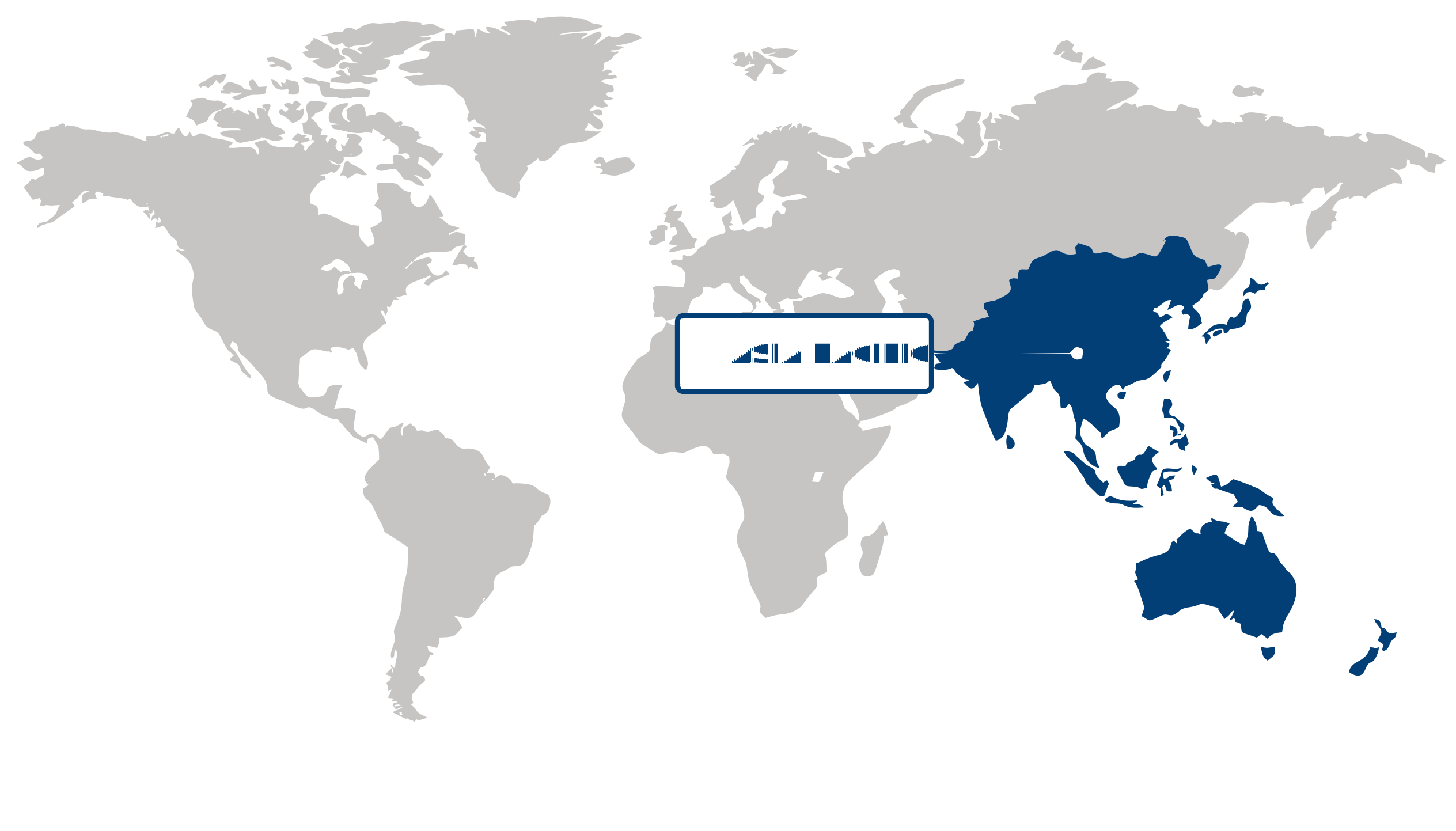
Asia Pacific captured over 57.00% of the global cathode materials market in 2025 and stands as the largest regional hub, propelled by robust demand for lithium-ion batteries in electric vehicles and consumer electronics. Regional leadership reflects concentrated manufacturing scale in China and Korea, advanced material R&D in Japan, and policy support that accelerates deployment; for example, the International Energy Agency highlights outsized EV adoption in China and Asia, while CATL press releases detail capacity expansions and vertical integration. Supply-chain localization, recycling pilots reported by the Ministry of Industry and Information Technology, and OEM partnerships such as Panasonic’s materials collaborations reinforce resilience and cost advantages, making the region a primary locus for investment and innovation over the coming years.
Japan is positioned as a pivotal hub in Asia Pacific; its cathode materials market leverages high-value R&D, tight OEM linkages, and government-backed technology programs. Japanese strengths show up in advanced precursor and high‑nickel chemistries supported by the Ministry of Economy, Trade and Industry (METI) initiatives and corporate activity from Panasonic and Sumitomo, which emphasize purity, safety, and integration with automotive supply chains. These capabilities attract premium contracts and technology licensing, offering strategic opportunities for companies seeking differentiated cathode solutions within the broader regional ecosystem.
China anchors the Asia Pacific supply chain; the country’s cathode materials market is defined by scale, speed of capacity build-out, and cost leadership tied to domestic EV demand. China’s Ministry of Industry and Information Technology and National Development and Reform Commission policy signals have underpinned rapid factory expansion, while CATL and BYD announcements confirm upstream investments and supply integration. This combination of domestic demand, supplier concentration, and logistical density creates efficient procurement pathways for regional and global OEMs, reinforcing Asia Pacific’s competitive edge in cathode materials.
North America Market Analysis:
North America emerged as the fastest-growing region in the cathode materials market, registering a robust CAGR of 20% driven by rising investments in domestic battery manufacturing and renewable energy projects. Strong federal support—notably the Inflation Reduction Act and targeted programs from the U.S. Department of Energy—has catalyzed upstream capacity additions and attracted automotive and cell makers such as Ford Motor Company, General Motors (Ultium Cells LLC), and Tesla to expand North American production footprints. Parallel growth in utility-scale storage driven by developers like NextEra Energy and research advances at the National Renewable Energy Laboratory are increasing demand for high-performance cathodes and local supply resilience. These combined policy, corporate, and R&D moves position the region for scalable, lower-risk investment opportunities in cathode materials supply chains.
The U.S. is the regional hub for the cathode materials market, absorbing the bulk of recent capital deployment and policy support and converting it into manufacturing scale. Federal incentives and DOE-backed grant programs have made domestic precursor and cathode processing economically viable, prompting plant announcements from Ultium Cells LLC (General Motors and LG Energy Solution) and Ford’s battery initiatives; Tesla’s Gigafactory expansions further anchor demand. Renewable procurement by utilities and storage project developers such as NextEra Energy increases long-duration battery sourcing needs, while workforce investments and supplier localization reduce logistical friction. Strategically, U.S.-led capacity buildout accelerates North American vertical integration and creates entry points for materials suppliers, feedstock processors, and recycling partners across the region.
Europe Market Trends:
Europe held a significant share of the cathode materials market, supported by accelerating electric vehicle adoption, established chemicals capacity and EU-level policy coordination that encourages local value chains. Recent analysis from the International Energy Agency (IEA) highlights Europe’s rising EV fleet as a demand driver, while the European Commission’s Battery Regulation and Critical Raw Materials Act provide procurement and sustainability frameworks; corporate moves by Umicore and BASF to expand European capacity further validate on-the-ground industrial momentum. These combined signals create sizeable opportunities for localized cathode production, strategic recycling investments and supply‑chain partners seeking proximity to OEMs and regulatory-aligned demand.
Germany serves as a regional production anchor in the cathode materials market, where OEM-led demand and chemical-industry scale concentrate investment and technical talent. Volkswagen’s battery partnerships and BASF’s investments in European cathode operations illustrate private-sector scale-up, and engagement by the German Federal Ministry for Economic Affairs and Climate Action (BMWK) underscores public support for industrialization. Strong manufacturing clusters and supplier networks in Germany translate into near-term offtake certainty and operational expertise, making the country a focal point for investors targeting scale and integration in Europe.
France is consolidating a strategic role in the cathode materials market through targeted industrial initiatives and public backing that prioritize domestic supply. Government-supported projects such as Automotive Cells Company (ACC), French backing for Verkor, and industrial commitments from Renault and TotalEnergies/Saft demonstrate a policy-driven approach to onshore cell and material capacity. This ecosystem emphasizes state-industry coordination and financing (including support via Bpifrance), offering differentiated prospects for firms focused on vertically integrated, policy-aligned cathode production that complements broader European investment flows.
| Parameter | North America | Asia Pacific | Europe | Latin America | MEA |
|---|---|---|---|---|---|
| Innovation HubiScaleNascentDeveloping Advanced | |||||
| Cost-Sensitive RegioniScaleLowMedium High | |||||
| Regulatory EnvironmentiScaleRestrictiveNeutral Supportive | |||||
| Demand DriversiScaleWeakModerate Strong | |||||
| Development StageiScaleEmergingDeveloping Developed | |||||
| Adoption RateiScaleLowMedium High | |||||
| New Entrants / StartupsiScaleSparseModerate Dense | |||||
| Macro IndicatorsiScaleWeakStable Strong |
Cathode Materials Market Share (%), by Material Type, 2026
Go beyond the chart, access full insights & data tables
Request Free Sample ReportLithium Iron Phosphate (LFP) represented largest share in 2025 of the cathode materials market, leading the material-type segment as OEMs favor its safety and cost profile for high-volume EV applications. BYD’s Blade battery announcement and Tesla’s decision to deploy LFP cells for standard-range models in China, along with CATL’s public LFP capacity expansions, illustrate manufacturer-driven adoption and supply-chain scaling that reduce cobalt exposure and meet sustainability priorities. Customer demand for lower-cost, safer chemistries and advances in LFP formulation create openings for incumbents to lock in OEM contracts and for newcomers to compete on higher-density LFP variants, keeping LFP strategically relevant through the near to medium term.
Analysis by End User
Electric Vehicles (EVs) held largest share in 2025 of the cathode materials market, propelled by accelerating global EV adoption and the requirement for long-life, high-performance batteries. The International Energy Agency’s EV analyses and regulatory drivers such as European Commission CO2 standards, together with automaker commitments from Tesla and Volkswagen, underscore sustained demand from mobility electrification. Shifts in consumer preference toward range, safety, and total cost of ownership, plus OEM-supplier integration, open opportunities for established suppliers to secure long-term supply agreements and for specialized entrants in recycling and niche chemistries, ensuring EV-driven cathode demand remains central in the near to medium term.
| Segment | Sub-Segment | Largest Segment | Fastest Growing |
|---|---|---|---|
| Material Type | Lithium Cobalt Oxide (LCO), Lithium Iron Phosphate (LFP), Lithium Manganese Oxide (LMO), Lithium Nickel Cobalt Aluminum Oxide (NCA) | ||
| End User | Electric Vehicles (EVs), Portable Electronics, Energy Storage Systems (ESS), Medical Devices |
Unlock insights tailored to your business with our bespoke market research solutions.
Click to get your customized report now.
Competitive Landscape and Market Positioning
The competitive landscape is characterized by moves to secure upstream inputs, deepen industrial linkages, absorb niche capability providers, and accelerate higher‑energy and lower‑carbon formulations alongside pilot production scaling. Such initiatives tighten supplier–OEM alignment, elevate differentiation around cycle life and sustainability credentials, and raise technical and qualification barriers that favor well‑capitalized and technologically nimble incumbents.
Strategic / Actionable Recommendations for Regional Players
For the first region, prioritize closer collaboration with major vehicle and cell manufacturers to shorten qualification timelines, expand localized precursor and coating capacity, and align recycling partnerships to reduce feedstock exposure while demonstrating lifecycle performance.
In the second region, leverage existing scale and supplier networks to accelerate advanced formulation pilots, form cross‑border technology exchanges with specialty chemistry firms, and target high‑energy density sub‑segments where integration with cell makers confers advantage.
For the third region, focus on modularizing production to meet stringent sustainability criteria, collaborate with OEMs and recyclers to close material loops, and enhance niche technical capabilities (coatings, doping, process control) to differentiate on product purity and regulatory compliance.
| Company | Market Share | Company Revenue | Revenue CAGR (%) | Product Portfolio | Geographic Presence | Innovation / R&D Focus | Strategic Developments |
|---|---|---|---|---|---|---|---|
| No companies available. | |||||||
Customize Your Report
Explore examples of how this report can be tailored to different research needs, including custom segments, additional topics or chapters, and related reports. Click a section of the wheel or its numbered marker to explore the available options.
Cathode Materials Market — Custom Segments
| Segment | Sub-Segment |
|---|---|
| No segment data available. | |
Cathode Materials Market — Custom TOC
| Custom Chapter | Chapter Details |
|---|---|
| No custom TOC data available. | |
Need a different cut of the data?
Request Custom ResearchFrequently Asked Questions
How big is the cathode materials market?
How is the cathode materials industry projected to perform over the next decade?
In which region is the cathode materials market most concentrated?
Which geographical area is witnessing the highest growth rate in the cathode materials sector?
Why is the lithium iron phosphate (LFP) segment leading in the cathode materials industry?
Why does electric vehicles (EVs) sub-segment dominate the end user segment of cathode materials sector?
Who are the major participants shaping the cathode materials landscape?
Our Clients
"The information presented in the report was genuinely insightful. The data was clear and easy to understand, which made it much easier to interpret the findings."
Amara Raja Group
"The responsiveness and professionalism exhibited by the team were exemplary. They were readily available to address queries, provide clarifications, and offer additional insights."
ONGC
"The reports offered a comprehensive analysis of various segments within the market. The detailed insights into market trends, and regulatory landscapes were excellent."
TotalEnergies
Our Research Team & Methodology
Every Fundamental Business Insights report is built by a dedicated vertical research team, validated through a structured primary-and-secondary methodology, and reviewed for accuracy before it reaches you.
This report was prepared by the Energy & Power Research Team at Fundamental Business Insights, a dedicated research group specializing in global energy markets, power generation technologies, and energy infrastructure. Our analysts continuously monitor developments in renewable energy, conventional power generation, grid modernization, energy storage, transmission and distribution infrastructure, decarbonization initiatives, regulatory policies, energy investments, and evolving electricity demand across residential, commercial, and industrial sectors to deliver timely and reliable market intelligence. The research is developed using a structured methodology that combines primary discussions with utility companies, equipment manufacturers, technology providers, project developers, energy consultants, and industry experts, along with company annual reports, government energy statistics, regulatory publications, industry associations, technical publications, and other authoritative secondary sources. Market estimates are validated through multiple research techniques, including top-down and bottom-up analysis, before undergoing an internal quality review to ensure accuracy, consistency, and methodological integrity prior to publication.
Delivery
Published
Available
Support
- Market Size & Forecast
- Market Segmentation
- Regional Analysis
- Growth Drivers & Challenges
- Market Dynamics
- Competitive Landscape
- Company Profiles
- Competitive Benchmarking
- Mergers & Acquisitions
- Market Share Analysis or Key Company Strategies
- Value Chain Analysis
- Porter's Five Forces
- PESTLE Analysis
- Pricing Trends
- Supply-Demand Analysis
- Technology Landscape
- Regulatory Landscape
- Investment & Funding Landscape
- Emerging Opportunities
- Future Market Outlook