Butyl Glycol Market Size & Forecasts 2026-2035, By Segments (Function, Application), Growth Opportunities, Innovation Landscape, Regulatory Shifts, Strategic Regional Insights (U.S., Japan, China, South Korea, UK, Germany, France), and Competitive Dynamics (Dow Chemical, BASF, Eastman Chemical, LyondellBasell, Shell Chemicals)
Jump to Content
Market Size and Growth Outlook
Butyl Glycol Market size is estimated to increase from USD 1.01 billion in 2025 to USD 1.69 billion by 2035, supported by a CAGR exceeding 5.3% during 2026-2035. In 2026, revenues are forecast to reach USD 1.05 billion.
Get more details on this report
Request Free Sample ReportButyl Glycol Market Intelligence Snapshot
Regional Market Dynamics
Segment Momentum
Market Expansion Drivers
Leading Market Participants
Global Market Forecast Snapshot
Market Outlook
Regional and Segment Outlook
Market Growth Drivers and Industry Trends
The surge in construction, automotive production, and consumer goods manufacturing has significantly boosted demand within the coatings and adhesives sectors, shaping the butyl glycol market’s trajectory. Companies like BASF and Dow Chemical have highlighted the compound’s critical role as a solvent and carrier in advanced paint formulations, driving innovation to meet stricter performance and environmental standards set by agencies such as the U.S. Environmental Protection Agency. This trend offers strategic openings for established chemical producers to diversify product portfolios toward higher-margin specialty solvents, while new entrants can capitalize on tailored solutions for niche industrial adhesives. As manufacturers continue prioritizing durability and VOC reduction, the butyl glycol market is positioned to benefit from expanded application scopes and value-added product introductions.
Expansion in Cleaning and Chemical Applications
The butyl glycol market is increasingly propelled by broader adoption in both industrial and household cleaning products, where its excellent solvency and low toxicity align with evolving regulatory frameworks, including those enforced by the European Chemicals Agency. P&G’s launch of sustainable cleaning formulations underscores this shift toward safer and more effective solvents, impacting consumer preferences globally. This trend challenges market participants to innovate for enhanced biodegradability and compliance, unlocking competitive advantages through green chemistry. For newcomers, there is a window to develop proprietary blends and partner with formulators targeting environmentally conscious markets. Given rising global hygiene standards and regulatory scrutiny, demand in cleaning applications will likely maintain an upward momentum favoring product refinement and regulatory alignment.
Process Optimization and Cost Reduction Initiatives
Manufacturers in the butyl glycol market are increasingly deploying process innovations and cost-efficiency measures to sustain competitiveness amid raw material volatility and supply chain constraints. For example, LyondellBasell has publicly invested in streamlined production technologies to lower energy consumption and reduce waste, illustrating industry-wide commitment to operational excellence. These initiatives present strategic opportunities for legacy producers to bolster margins while enhancing sustainability credentials, a key consideration among industrial clients. Meanwhile, startups with flexible production platforms can exploit lean manufacturing and localized sourcing to disrupt traditional supply models. As global economic pressures persist, continuous process improvement will remain central to maintaining cost leadership and ensuring product availability within the market.
Industry Restraints:
Stringent Environmental and Safety Regulations
The butyl glycol market faces significant slowdowns due to increasingly stringent environmental and safety regulations, which impose operational complexities and compliance costs on manufacturers. Regulatory bodies such as the U.S. Environmental Protection Agency (EPA) and the European Chemicals Agency (ECHA) have tightened restrictions on volatile organic compounds (VOCs), a category that includes many glycol ethers like butyl glycol. These regulations mandate rigorous emissions controls and worker safety standards, which can increase production costs and restrict product formulations. For market incumbents, adhering to evolving standards necessitates substantial investment in cleaner technologies and reformulated products, while new entrants face higher barriers to market entry. This regulatory landscape compels companies to prioritize innovation in safer, sustainable alternatives, influencing R&D allocations. Given continuing governmental commitments to environmental protection, particularly under frameworks like the EU Green Deal, compliance challenges will persist, maintaining pressure on traditional butyl glycol production methods and constraining market expansion.
Feedstock Price Volatility and Supply Chain Challenges
Price fluctuations and intermittent supply disruptions of key petrochemical feedstocks, especially ethylene and propylene derivatives, hinder the butyl glycol market’s stability and growth. The global reliance on fossil fuel-based raw materials exposes manufacturers to geopolitical tensions, trade restrictions, and commodity price swings, as highlighted by recent International Energy Agency (IEA) analyses demonstrating increased volatility since 2020. Such unpredictability inflates operating costs and complicates contract negotiations, causing financial strain across the value chain. For established producers, this demands agile supply chain management and strategic procurement, while newcomers face elevated risk, complicating capital deployment. Additionally, evolving sustainability mandates accelerate the push toward bio-based feedstocks, which remain limited and costly. As global uncertainties persist, feedstock volatility will continue shaping market strategies, urging firms to diversify supply bases and invest in alternative raw materials to safeguard operational resilience and competitive positioning.
| Growth Driver | Impact on CAGR | Regulatory Influence | Geographic Relevance | Adoption Rate | Impact Timeline |
|---|---|---|---|---|---|
| Growing demand from coatings and adhesives industries | 2.00% | Short term (≤ 2 yrs) | North America, Europe | Medium | Fast |
| Expansion in cleaning and chemical applications | 1.50% | Medium term (2–5 yrs) | Asia Pacific, MEA | Low | Moderate |
| Process optimization and cost reduction initiatives | 0.80% | Long term (5+ yrs) | Asia Pacific (Primary), Europe | Low | Slow |
Explore Growth Opportunities
Request Free Sample ReportRegional Demand Dynamics
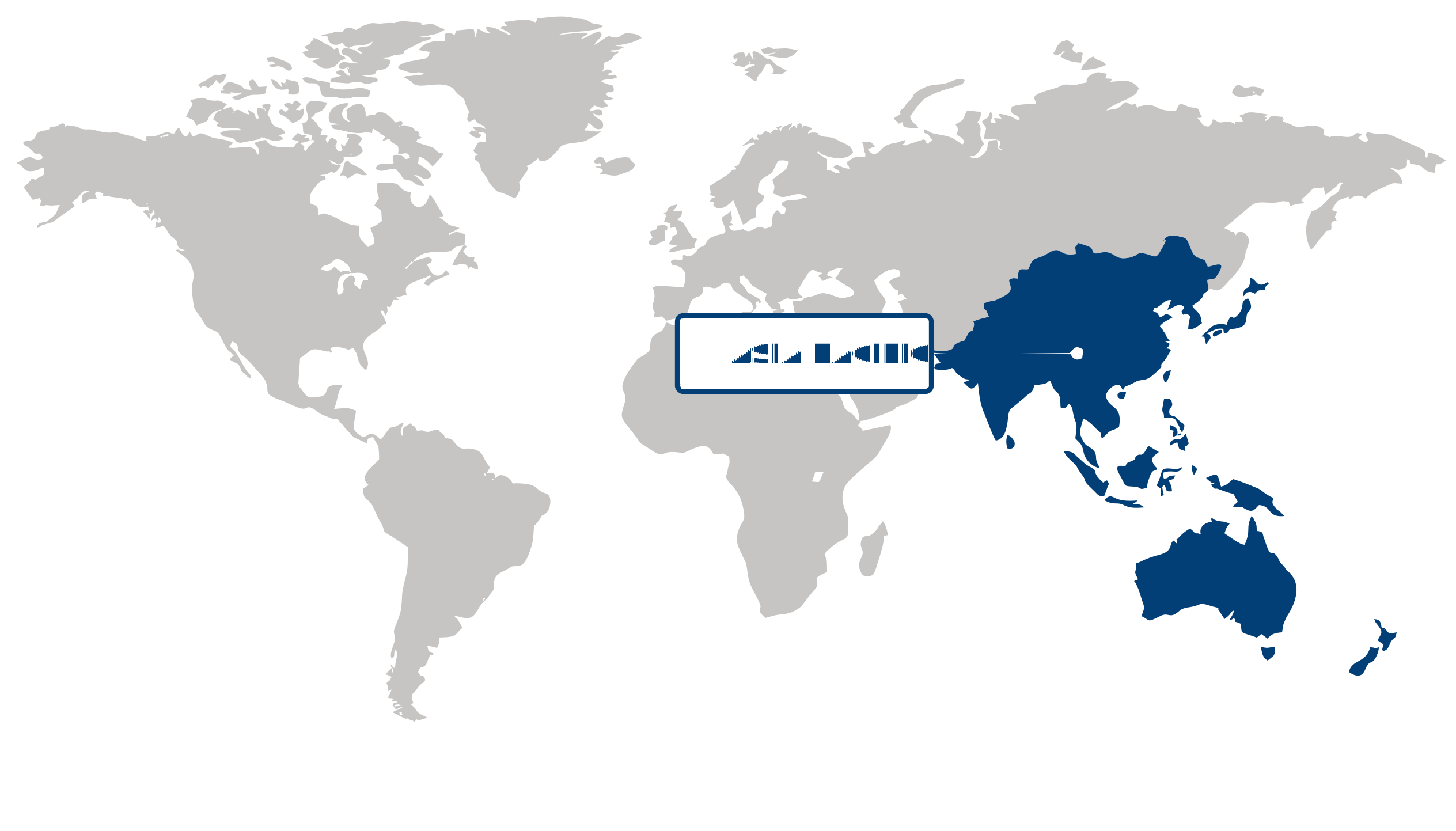
Asia Pacific dominated the butyl glycol market with a commanding 44.3% share in 2025, emerging as the largest and fastest-growing region with a CAGR of 6.5%. This leadership is primarily driven by robust demand from paints, coatings, and industrial manufacturing sectors, reflecting the region's expansive industrialization and urbanization trends. Companies like BASF have expanded local production capacities to meet rising demand, as highlighted in their 2024 press releases. Increasing infrastructure projects and rising consumer spending on durable goods fuel this shift, while regulatory emphasis on low-VOC solvents supports butyl glycol's appeal as a versatile intermediate. Additionally, digital transformation in manufacturing and supply chain optimization by leading players such as Dow Chemical enhance regional competitiveness and supply responsiveness. Asia Pacific’s growing industrial base presents substantial opportunities, attracting further capital investments, innovation, and strategic partnerships within the butyl glycol market.
Japan anchors the Asia Pacific butyl glycol market as a pivotal hub, leveraging advanced manufacturing technologies and stringent environmental regulations that drive demand for high-performance, sustainable solvents. Regulatory frameworks enforced by Japan’s Ministry of Economy, Trade and Industry encourage the adoption of eco-friendly formulations, boosting butyl glycol use in coatings and automotive sectors. Companies such as Mitsui Chemicals have launched eco-conscious solvents tailored for the local market, reflecting shifting consumer preferences towards sustainability. Japan’s emphasis on precision manufacturing and innovation underpins its competitive edge, reinforcing regional supply chains. This strategic positioning enhances Asia Pacific’s market dynamics by promoting higher-value applications, fostering resilience, and expanding the market’s growth trajectory.
China’s role in the Asia Pacific butyl glycol market is defined by its vast industrial base and escalating urban development, driving unprecedented demand in paints, coatings, and industrial manufacturing. The country’s 14th Five-Year Plan prioritizes environmentally sustainable growth, encouraging manufacturers to adopt greener chemical processes, thereby increasing butyl glycol consumption. Companies like Sinopec and Wanhua Chemical have invested in capacity expansions and cleaner production technologies as part of their corporate sustainability initiatives highlighted in recent disclosures. Moreover, rising middle-class consumption fuels demand for quality construction materials and automotive finishes, further propelling butyl glycol use. China’s manufacturing scale and evolving environmental policies amplify Asia Pacific’s market leadership, solidifying the region as a magnet for investment and innovation in the butyl glycol sector.
North America Market Analysis:
North America maintained a substantial share in the butyl glycol market, driven by strong industrial activity and a mature chemical manufacturing base. The region’s demand is underpinned by robust construction and automotive sectors prioritizing durable and efficient solvents. Increasing emphasis on environmentally responsible formulations aligns with stringent regulatory frameworks set by agencies such as the U.S. Environmental Protection Agency (EPA), encouraging adoption of safer chemical alternatives. Supply chain resilience and technological advancements in production methods further fortify the region’s market position. For instance, Dow Inc.’s recent facility upgrade in Texas exemplifies investments enhancing operational efficiency and sustainability. Looking ahead, North America’s well-established infrastructure and regulatory rigor will continue to offer significant opportunities for market participants focusing on innovation and compliance in the butyl glycol market.
The U.S. plays a pivotal role in North America’s butyl glycol market, acting as the primary demand driver due to its vast industrial and consumer base. Market dynamics here are shaped by rigorous environmental regulations that promote safer solvent use in paints, coatings, and cleaning products, as underscored by the EPA’s volatile organic compounds (VOC) standards. Consumer preference is shifting towards products with lower environmental impact, encouraging manufacturers to innovate formulations with butyl glycol as a key ingredient. In addition, strategic investments by companies like Eastman Chemical Company in advanced separation technologies highlight the country’s focus on operational efficiency. Consequently, the U.S. remains central to sustaining North America’s market strength, leveraging regulatory oversight and innovation to create competitive advantages in the butyl glycol market.
Europe Market Trends:
Europe maintained notable presence in the butyl glycol market, driven by the region’s established chemical manufacturing infrastructure and stringent environmental regulations that promote cleaner solvent alternatives. Rising consumer emphasis on sustainability and regulatory frameworks from the European Chemicals Agency (ECHA) have encouraged adoption of safer glycol ethers, fueling moderate market growth. Additionally, Europe's diversified industrial base—from automotive to paints and coatings—sustains steady demand for butyl glycol, supported by logistical efficiency across the EU. Industry leaders like BASF have recently expanded production capacities, reflecting confidence in long-term demand despite global supply chain challenges reported by the European Chemical Industry Council. These factors collectively underscore Europe’s position as a strategic hub for butyl glycol innovations and sustainable solvent solutions, paving the way for ongoing market opportunities aligned with evolving environmental standards and industrial modernization.
Germany commands a pivotal role in Europe’s butyl glycol market, buoyed by its robust manufacturing sector and rigorous regulatory environment that incentivizes eco-friendly solvents. The country’s automotive and construction industries actively incorporate butyl glycol into coatings and cleaning agents, supported by initiatives from the Federal Environment Agency (UBA) promoting low-VOC solvents. Recent announcements from firms like Covestro highlight investments in green chemistry technologies, reinforcing Germany’s focus on innovation within solvent applications. This proactive stance enhances supply chain resilience and responsiveness to shifting consumer preferences toward sustainability, reinforcing Germany’s leadership in the regional market. Strategically, Germany’s integration of stringent environmental policies with advanced manufacturing capacities strengthens Europe’s broader market prospects by setting benchmarks for compliant and efficient butyl glycol usage.
France plays a complementary role in Europe's butyl glycol market, characterized by steady growth through its emphasis on sustainable industrial practices and a dynamic chemical sector. Demand from paint and coating manufacturers aligns with the French Ministry for the Ecological Transition’s push for greener chemical products, influencing butyl glycol formulation trends. Companies such as Arkema are investing in research related to solvent alternatives, underpinning France’s commitment to innovation and regulatory adherence. The local market’s adaptability to evolving environmental norms and consumer sustainability expectations reinforces France’s contribution to regional market expansion. This strategic posture amplifies Europe’s regional opportunities by integrating France’s chemical expertise and regulatory-driven demand into a cohesive butyl glycol supply chain optimized for sustainable growth.
| Parameter | North America | Asia Pacific | Europe | Latin America | MEA |
|---|---|---|---|---|---|
| Innovation HubiScaleNascentDeveloping Advanced | |||||
| Cost-Sensitive RegioniScaleLowMedium High | |||||
| Regulatory EnvironmentiScaleRestrictiveNeutral Supportive | |||||
| Demand DriversiScaleWeakModerate Strong | |||||
| Development StageiScaleEmergingDeveloping Developed | |||||
| Adoption RateiScaleLowMedium High | |||||
| New Entrants / StartupsiScaleSparseModerate Dense | |||||
| Macro IndicatorsiScaleWeakStable Strong |
Butyl Glycol Market Share (%), by Function, 2026
Go beyond the chart, access full insights & data tables
Request Free Sample ReportThe solvent segment held the largest share in the butyl glycol market in 2025, driven by its extensive use as an industrial solvent due to excellent solvency and low evaporation rates. This prominence reflects growing demand from sectors requiring efficient, stable solvents that enhance product performance while meeting evolving environmental regulations. For instance, Dow Chemical’s product announcements emphasize butyl glycol’s role in reducing volatile organic compound (VOC) emissions, aligning with stricter standards from the U.S. Environmental Protection Agency (EPA). The solvent segment’s leadership creates strategic opportunities for manufacturers to innovate low-VOC, eco-friendly formulations and expand into diverse industrial verticals, capitalizing on increasing sustainability mandates. Given ongoing regulatory emphasis on cleaner solvents and advances in formulation technology, the solvent segment is expected to maintain its critical position in the medium term, supported by continuous industrial demand and favorable environmental compliance trends.
Analysis by Application
Paints and coatings represented the largest share in the butyl glycol market in 2025, fueled by rising urbanization and surging demand from construction and automotive refinishing industries. The segment’s dominance is boosted by the need for high-performance coatings that improve durability and aesthetics, aligning with consumer preferences for sustainable, long-lasting finishes. Regulatory frameworks, such as the European Chemicals Agency’s (ECHA) restrictions on hazardous substances, have prompted manufacturers to adopt butyl glycol-based formulations to meet compliance without compromising quality. Additionally, advances in supply chain integration noted by companies like Sherwin-Williams enhance production efficiency and product availability. This segment offers lucrative advantages for incumbents and startups focused on innovative, low-VOC coatings solutions tailored to rapid urban expansion. With ongoing investment in infrastructure and automotive maintenance globally, the paints and coatings segment will remain pivotal to the butyl glycol market’s growth trajectory.
| Segment | Sub-Segment | Largest Segment | Fastest Growing |
|---|---|---|---|
| Function | Solvent, Coalescing Acid, Chemical Intermediate, Plasticizer | ||
| Application | Paints and Coatings, Printing Inks, Metal Working Fluids, Plastic & Polymer, Others |
Unlock insights tailored to your business with our bespoke market research solutions.
Click to get your customized report now.
Competitive Landscape and Market Positioning
The competitive landscape reveals intensified efforts among these leaders to fortify market dominance through integrated value chain enhancements and innovation acceleration. Several have expanded their product offerings by tailoring formulations to meet evolving environmental regulations and customer-specific requirements. Strategic partnerships and selective portfolio expansions enable players like LyondellBasell and Shell Chemicals to address niche applications while optimizing operational efficiencies. Investments in research and development have paved the way for advances in bio-based and low-VOC butyl glycol variants, reinforcing innovation as a critical differentiator amid rising sustainability expectations.
Strategic / Actionable Recommendations for Regional Players
North American players should deepen collaboration with end-user industries such as automotive and coatings to co-develop specialty butyl glycol variants that align with stringent environmental standards. Embracing digital process optimization and sustainability-focused innovations can also enhance operational agility.
In the Asia Pacific, cultivating partnerships with regional chemical manufacturers and leveraging cost-competitive production could unlock greater market penetration. Innovating in high-growth segments like electronics and agrochemicals with application-specific butyl glycol derivatives will drive differentiation.
European entities might benefit from integrating circular economy principles into product development and supply chains. Prioritizing biodegradable or bio-sourced variants through targeted alliances can elevate brand reputation and match regulatory momentum toward greener chemistries.
| Company | Market Share | Company Revenue | Revenue CAGR (%) | Product Portfolio | Geographic Presence | Innovation / R&D Focus | Strategic Developments |
|---|---|---|---|---|---|---|---|
| No companies available. | |||||||
Customize Your Report
Explore examples of how this report can be tailored to different research needs, including custom segments, additional topics or chapters, and related reports. Click a section of the wheel or its numbered marker to explore the available options.
Butyl Glycol Market — Custom Segments
| Segment | Sub-Segment |
|---|---|
| No segment data available. | |
Butyl Glycol Market — Custom TOC
| Custom Chapter | Chapter Details |
|---|---|
| No custom TOC data available. | |
Need a different cut of the data?
Request Custom ResearchFrequently Asked Questions
What is the expected industry size of butyl glycol by 2035?
Which geographical area accounts for the highest portion of the butyl glycol market?
Which region is experiencing the fastest growth in the butyl glycol sector?
When did solvent sub-segment emerge as the largest sub-segment in the function segment of butyl glycol sector?
Why is the paints and coatings segment leading in the butyl glycol industry?
Which organizations are considered leaders in the butyl glycol landscape?
Our Clients
"The report helped us understand emerging consumer trends in our product category. It clarified where to focus innovation for the next product launch."
LyondellBasell
"The regional forecast section was incredibly useful. We were able to identify two new potential partners in Europe thanks to the vendor mapping you included."
SABIC
"We appreciated how actionable the recommendations were. It guided us to improve supply chain resilience."
Olin Corporation
Our Research Team & Methodology
Every Fundamental Business Insights report is built by a dedicated vertical research team, validated through a structured primary-and-secondary methodology, and reviewed for accuracy before it reaches you.
This report was prepared by the Chemicals & Materials Research Team at Fundamental Business Insights, a dedicated research group specializing in the global chemicals, advanced materials, and industrial manufacturing sectors. Our analysts continuously monitor raw material supply chains, feedstock pricing, production technologies, regulatory developments, sustainability initiatives, environmental compliance, trade dynamics, and evolving end-use applications to deliver timely and reliable market intelligence. The research is developed using a structured methodology that combines primary discussions with manufacturers, raw material suppliers, distributors, and industry experts, along with company annual reports, regulatory publications, government trade statistics, industry associations, technical literature, patent databases, and other authoritative secondary sources. Market estimates are validated through multiple research techniques, including top-down and bottom-up analysis, before undergoing an internal quality review to ensure accuracy, consistency, and methodological integrity prior to publication.
Delivery
Published
Available
Support
- Market Size & Forecast
- Market Segmentation
- Regional Analysis
- Growth Drivers & Challenges
- Market Dynamics
- Competitive Landscape
- Company Profiles
- Competitive Benchmarking
- Mergers & Acquisitions
- Market Share Analysis or Key Company Strategies
- Value Chain Analysis
- Porter's Five Forces
- PESTLE Analysis
- Pricing Trends
- Supply-Demand Analysis
- Technology Landscape
- Regulatory Landscape
- Investment & Funding Landscape
- Emerging Opportunities
- Future Market Outlook