Breast Cancer Core Needle Biopsy Market Size & Growth Forecast 2027–2036, By Segments (End-use, Technology), Regional Demand Trends (North America, Asia Pacific, Europe), Key Country Insights (U.S., Japan, South Korea, Germany, France, Italy), and Competitive Landscape
Jump to Content
Market Size and Growth Outlook
Breast Cancer Core Needle Biopsy Market size was more than USD 965.9 million in 2026 and is set to grow at a 4.66% CAGR between 2027 and 2036, reaching USD 1.52 billion by 2036. The industry revenue for 2027 is estimated at USD 1 billion.
Get more details on this report
Request Free Sample ReportBreast Cancer Core Needle Biopsy Market Intelligence Snapshot
Regional Market Dynamics
- North America accounts for 49.04% share, supported by established imaging pathways, widespread image-guided biopsy access, and strong integration into routine diagnostic decision-making.
- Asia Pacific is growing at 5.36% CAGR due to improving diagnostic access, rising minimally invasive procedures, and expanding imaging and hospital capabilities.
Segment Momentum
- Hospitals & Diagnostic Laboratories accounted for 63% of the market in 2026, supported by integrated imaging, biopsy, pathology, and follow-up workflows that enable efficient diagnosis and clinical decision-making.
- CT-based Breast Biopsy is expanding quickly because it supports precise anatomical localization in complex cases where lesion visualization or access is more challenging with conventional guidance techniques.
Market Expansion Drivers
- Rising global breast cancer incidence accelerating demand for minimally invasive diagnostic procedures.
- Advancements in ultrasound-guided and molecular biopsy technologies improving diagnostic precision.
- Expanding breast cancer screening programs increasing hospital-based biopsy procedure volumes.
Leading Market Participants
- Major companies in the breast cancer core needle biopsy market include Hologic, Inc. (United States), Becton, Dickinson and Company (United States), Cook Medical Incorporated (United States), Argon Medical Devices, Inc. (United States), Leica Biosystems Nussloch GmbH (Germany), Merit Medical Systems, Inc. (United States), Mammotome (Devicor Medical Products, Inc.) (United States), STERYLAB S.r.l. (Italy), Olympus Corporation (Japan).
Global Market Forecast Snapshot
Market Outlook
- 2026 Market Size: USD 965.9 million
- 2027 Estimated Market Size: USD 1 billion.
- Projected Market Size: USD 1.52 billion by 2036
- Growth Forecast: 4.66% CAGR (2027-2036)
Regional and Segment Outlook
- Leading Regional Market: North America
- High-Growth Regional Hub: Asia Pacific
- Core Revenue Segment: Hospitals & Diagnostic Laboratories (End-use) | Ultrasound-based Breast Biopsy (Technology)
- Emerging Opportunity Segment: Academic & Research Institutes (End-use) | CT-based Breast Biopsy (Technology)
Market Growth Drivers and Industry Trends
Rising global breast cancer incidence accelerating demand for minimally invasive diagnostic procedures
The increasing burden of breast cancer is creating greater demand for tissue-based diagnostic evaluation, making minimally invasive approaches increasingly important and driving the breast cancer core needle biopsy market growth. Core needle biopsy provides clinicians with tissue samples needed to assess suspicious breast abnormalities while generally involving less tissue disruption than surgical biopsy procedures. As more patients undergo diagnostic evaluation following abnormal findings, healthcare facilities require reliable biopsy techniques that can support pathological assessment and treatment planning.
Advancements in ultrasound-guided and molecular biopsy technologies improving diagnostic precision
Technological progress in image-guided and molecular diagnostic techniques is enhancing the ability to obtain representative tissue samples and characterize breast abnormalities, which will propel breast cancer core needle biopsy market growth. Ultrasound guidance can improve needle placement and support accurate sampling of targeted lesions, while molecular approaches can provide additional information relevant to tumor characteristics and therapeutic decision-making. Improvements in visualization, sampling accuracy, and diagnostic integration can increase clinician confidence in biopsy procedures and support more individualized breast cancer management.
Expanding breast cancer screening programs increasing hospital-based biopsy procedure volumes
Broader implementation of breast cancer screening initiatives is increasing the identification of suspicious lesions requiring further diagnostic investigation, strengthening breast cancer core needle biopsy market growth. Screening programs can lead to greater detection of abnormalities at earlier stages, prompting follow-up imaging and tissue sampling when findings require pathological confirmation. Hospitals and diagnostic centers consequently need accessible biopsy capabilities to manage growing diagnostic workloads and provide timely tissue specimens for pathological evaluation and subsequent treatment planning.
| Growth Driver | Impact on CAGR | Regulatory Influence | Geographic Relevance | Adoption Rate | Impact Timeline |
|---|---|---|---|---|---|
| Rising global breast cancer incidence accelerating demand for minimally invasive diagnostic procedures | 2.00% | High | North America, Asia Pacific | High | Near Term |
| Advancements in ultrasound-guided and molecular biopsy technologies improving diagnostic precision | 1.70% | Moderate | North America, Europe | High | Mid Term |
| Expanding breast cancer screening programs increasing hospital-based biopsy procedure volumes | 1.30% | High | Asia Pacific, Latin America | Emerging | Mid Term |
Explore Growth Opportunities
Request Free Sample ReportRegional Demand Dynamics
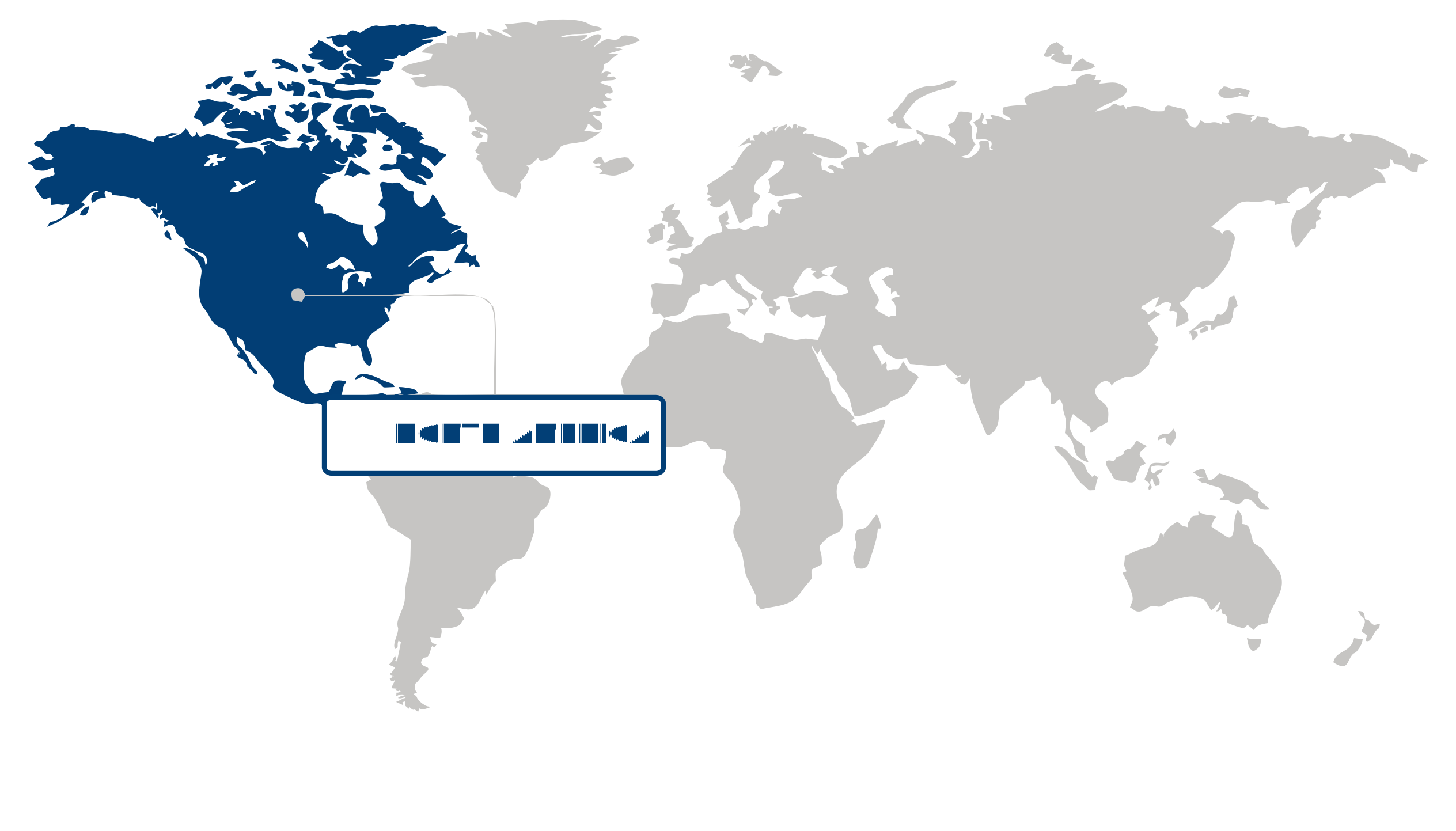
North America (Largest Region)
Holding the largest share of the breast cancer core needle biopsy market, North America accounted for 49.04% share in 2026. The region benefits from established breast cancer screening programs, advanced diagnostic infrastructure, and broad access to image-guided biopsy procedures. Greater emphasis on early detection and accurate tissue diagnosis is supporting the use of core needle biopsy as an important component of breast cancer diagnostic pathways. In addition, technological improvements in imaging and biopsy guidance are helping healthcare professionals obtain tissue samples with greater procedural precision. Strong healthcare expenditure, specialized clinical expertise, and continued investment in diagnostic capabilities are further supporting adoption across hospitals and dedicated breast imaging centers.
Asia Pacific (Fastest-Growing Region)
Asia Pacific is expected to be the fastest-growing regional market, supported by increasing awareness of breast cancer screening, expanding healthcare infrastructure, and improving access to diagnostic procedures. Growing attention to early diagnosis is encouraging healthcare systems to strengthen breast imaging and tissue sampling capabilities, particularly in rapidly developing healthcare markets. The expansion of specialized hospitals and diagnostic centers is also improving access to image-guided biopsy procedures. Furthermore, rising healthcare investment and greater public awareness of breast cancer are encouraging earlier patient presentation and diagnosis, creating stronger demand for minimally invasive tissue sampling techniques such as core needle biopsy.
| Parameter | North America | Asia Pacific | Europe | Latin America | MEA |
|---|---|---|---|---|---|
| Innovation HubiScaleNascentDeveloping Advanced | |||||
| Cost-Sensitive RegioniScaleLowMedium High | |||||
| Regulatory EnvironmentiScaleRestrictiveNeutral Supportive | |||||
| Demand DriversiScaleWeakModerate Strong | |||||
| Development StageiScaleEmergingDeveloping Developed | |||||
| Adoption RateiScaleLowMedium High | |||||
| New Entrants / StartupsiScaleSparseModerate Dense | |||||
| Macro IndicatorsiScaleWeakStable Strong |
Key Country Insights
Germany 🇩🇪
Quality-Centered DiagnosticsGermany prioritizes standardized biopsy procedures supported by established breast care networks and advanced imaging capabilities. Clinical practice in Germany favors technologies that improve tissue sampling consistency while aligning with rigorous diagnostic quality expectations.
France 🇫🇷
Coordinated Screening SupportFrance reinforces the role of core needle biopsy within organized breast cancer screening and diagnostic programs. Healthcare providers across France focus on reliable tissue acquisition methods that support timely pathology review and clinical decision-making.
Italy 🇮🇹
Hospital Diagnostic ModernizationItaly continues modernizing hospital-based breast diagnostics by adopting biopsy technologies that enhance procedural accuracy and workflow efficiency. Clinical teams in Italy increasingly favor minimally invasive sampling methods that complement advanced imaging services.
Japan 🇯🇵
Minimally Invasive FocusJapan continues expanding minimally invasive breast biopsy techniques to improve patient experience and support earlier clinical intervention. Healthcare institutions in Japan increasingly value compact, high-precision biopsy devices that integrate efficiently with diagnostic imaging platforms.
South Korea 🇰🇷
Imaging Integration StrategySouth Korea strengthens adoption of advanced imaging-assisted biopsy procedures within technologically equipped hospitals. Demand in South Korea is supported by continuous investment in diagnostic innovation and efficient breast cancer assessment pathways.
United States 🇺🇸
Precision Diagnostics AdoptionThe U.S. emphasizes broader use of image-guided core needle biopsy to support accurate breast cancer diagnosis and reduce unnecessary surgical procedures. Healthcare providers continue integrating advanced biopsy systems with streamlined pathology workflows to improve diagnostic efficiency.
Breast Cancer Core Needle Biopsy Market Share (%), by End-use, 2026
Go beyond the chart, access full insights & data tables
Request Free Sample ReportEnd-use Segment Analysis: Hospitals & Diagnostic Laboratories (Largest Segment) vs Academic & Research Institutes (Fastest-Growing Segment)
Hospitals & diagnostic laboratories led the breast cancer core needle biopsy market with a 63% share in 2026, reflecting their central role in breast cancer diagnosis, tissue sampling, and pathology evaluation. These facilities combine imaging capabilities, biopsy procedures, laboratory analysis, and specialist expertise within established diagnostic workflows, making them key settings for core needle biopsy procedures. Growing emphasis on early and accurate breast cancer detection, together with the increasing use of image-guided minimally invasive diagnostic techniques, continues to support demand from hospitals and diagnostic laboratories.
Academic & research institutes are expected to be the fastest-growing end-use segment as research activity increasingly focuses on breast cancer biology, diagnostic innovation, and personalized approaches to disease management. Core needle biopsy samples provide valuable material for investigating tumor characteristics, evaluating emerging diagnostic methods, and advancing translational research. Expanding collaboration between clinical and research environments is also creating greater opportunities for biopsy technologies within academic settings.
Technology Segment Analysis: Ultrasound-based Breast Biopsy (Largest Segment) vs CT-based Breast Biopsy (Fastest-Growing Segment)
Ultrasound-based breast biopsy accounted for the largest share of the breast cancer core needle biopsy market at 44.41% in 2026, supported by its real-time imaging capabilities, accessibility, and suitability for guiding tissue sampling procedures. Ultrasound enables clinicians to visualize lesions during biopsy while avoiding ionizing radiation, making it a practical option for a broad range of breast diagnostic procedures. Continued adoption of minimally invasive approaches and improvements in imaging-guided intervention are helping maintain the technology's strong position.
CT-based breast biopsy is anticipated to be the fastest-growing technology segment, driven by increasing demand for precise imaging guidance in cases requiring detailed anatomical visualization. CT can provide cross-sectional views that support accurate localization of lesions and procedural planning, particularly when conventional imaging approaches may be less suitable. Continued development of diagnostic imaging infrastructure and growing clinical interest in advanced image-guided biopsy techniques are creating additional opportunities for CT-based procedures.
| Segment | Sub-Segment | Largest Segment | Fastest Growing |
|---|---|---|---|
| End-use | Hospitals & Diagnostic Laboratories, Pharmaceutical & Biotechnology Companies, Academic & Research Institutes | Hospitals & Diagnostic Laboratories | Academic & Research Institutes |
| Technology | MRI-based Breast Biopsy, Ultrasound-based Breast Biopsy, Mammography-based (Stereotactic) Breast Biopsy, CT-based Breast Biopsy, Others | Ultrasound-based Breast Biopsy | CT-based Breast Biopsy |
Unlock insights tailored to your business with our bespoke market research solutions.
Click to get your customized report now.
Competitive Landscape and Market Positioning
Top players in the breast cancer core needle biopsy market:
1. Hologic Inc. (United States)
2. Becton Dickinson and Company (United States)
3. Cook Medical Incorporated (United States)
4. Argon Medical Devices Inc. (United States)
5. Leica Biosystems Nussloch GmbH (Germany)
6. Merit Medical Systems Inc. (United States)
7. Mammotome (Devicor Medical Products Inc.) (United States)
8. STERYLAB S.r.l. (Italy)
9. Olympus Corporation (Japan)
The breast cancer core needle biopsy market is progressing through advancements in image-guided biopsy systems, minimally invasive sampling techniques, and precision diagnostic tools. Research efforts are focused on improving procedural accuracy, patient comfort, and early-stage cancer detection outcomes. Increasing adoption of advanced diagnostic technologies in oncology care is further supporting innovation within the market.
| Company | Market Share | Company Revenue | Revenue CAGR (%) | Product Portfolio | Geographic Presence | Innovation / R&D Focus | Strategic Developments |
|---|---|---|---|---|---|---|---|
| Hologic Inc. (United States) | |||||||
| Becton Dickinson and Company (United States) | |||||||
| Cook Medical Incorporated (United States) | |||||||
| Argon Medical Devices Inc. (United States) | |||||||
| Leica Biosystems Nussloch GmbH (Germany) | |||||||
| Merit Medical Systems Inc. (United States) | |||||||
| Mammotome (Devicor Medical Products Inc.) (United States) | |||||||
| STERYLAB S.r.l. (Italy) | |||||||
| Olympus Corporation (Japan). |
Industry Development/News
| Company Name | Date | Key Development |
|---|---|---|
| Fred Hutchinson Cancer Center | Jan-26 | Researchers at the Fred Hutchinson Cancer Center developed "TILseg," an AI-driven digital pathology pipeline for the automated whole-slide analysis of tumor-infiltrating lymphocytes in breast cancer biopsies. This tool provides spatially resolved biomarker scoring, offering improved prognostic accuracy and a stronger correlation with treatment response compared to manual assessment. |
| Guardant Health | Apr-25 | Guardant Health partnered with Bayshore HealthCare to integrate its precision oncology tests into Bayshore’s Canadian clinic network. This collaboration improves patient access to diagnostic testing and supports more informed clinical decision-making within the broader cancer care pathway. |
| Mammotome | Feb-25 | Mammotome entered an exclusive distribution agreement with Sirius Medical for the U.S. and German markets. This partnership integrates Mammotome’s expertise in breast care with Sirius Medical’s surgical marker navigation technology, enhancing the continuum of care for breast cancer diagnosis and surgical localization. |
| Mammotome | Nov-24 | Mammotome launched the AutoCore, a spring-loaded core biopsy device designed to streamline breast tissue examinations. By reducing the number of procedure steps and enabling single-insertion sampling, the system increases operational efficiency for clinicians and improves the biopsy experience for patients. |
| Hologic, Inc. | May-24 | Hologic introduced a 7-gauge needle for its Brevera Breast Biopsy System in Europe. This addition expands the system’s range of needle options, providing radiologists with enhanced flexibility to perform more accurate and efficient vacuum-assisted tissue acquisition for breast cancer diagnostic procedures. |
| Insight Medbotics | Sep-23 | The FDA granted 510(k) clearance for Insight Medbotics' IGAR system, the first robotic guidance and placement system approved for use inside an MRI bore. This innovation enhances the precision of MRI-guided breast biopsies, addressing a critical need for advanced robotics in complex diagnostic imaging environments. |
Customize Your Report
Explore examples of how this report can be tailored to different research needs, including custom segments, additional topics or chapters, and related reports. Click a section of the wheel or its numbered marker to explore the available options.
Breast Cancer Core Needle Biopsy Market — Custom Segments
| Segment | Sub-Segment |
|---|---|
| Lesion Type | Mass Lesions, Calcifications, Architectural Distortions, Asymmetries, Other Lesion Types |
| Patient Age Group | Under 40 Years, 40–49 Years, 50–64 Years, 65 Years and Above |
| Reimbursement Type | Public/Government Insurance, Private/Commercial Insurance, Self-Pay/Out-of-Pocket |
Breast Cancer Core Needle Biopsy Market — Custom TOC
| Custom Chapter | Chapter Details |
|---|---|
| Diagnostic Workflow Optimization |
|
| Biopsy Procedure Adoption Analysis |
|
| Pathology Automation Opportunity Assessment |
|
Need a different cut of the data?
Request Custom ResearchFrequently Asked Questions
How big is the breast cancer core needle biopsy market?
How is the breast cancer core needle biopsy industry projected to perform over the next decade?
How are rising breast cancer screening and diagnosis volumes influencing the breast cancer core needle biopsy market?
Why are healthcare providers investing in advanced ultrasound-guided biopsy technologies?
Why do Hospitals & Diagnostic Laboratories dominate the breast cancer core needle biopsy market?
Why is CT-based Breast Biopsy the fastest-growing technology segment?
Why is North America the largest market for breast cancer core needle biopsy?
What is supporting Asia Pacific growth in this biopsy market?
Who are the major participants shaping the breast cancer core needle biopsy landscape?
Our Clients
"The team took the time to understand our specific business needs and delivered a report that was well aligned with our objectives. Their expertise and understanding of the industry were clearly reflected in the quality and relevance of the insights provided."
Siemens Healthcare
"Our experience in acquiring the research report has been excellent. The depth of analysis, and actionable insights provided have been extremely valuable in supporting our ongoing R&D efforts."
GC Biopharma
"The report offered a comprehensive view of the market trends. The in-depth segmentation and analysis of emerging opportunities gave us a better understanding of the market."
Medtronic
Our Research Team & Methodology
Every Fundamental Business Insights report is built by a dedicated vertical research team, validated through a structured primary-and-secondary methodology, and reviewed for accuracy before it reaches you.
This report was prepared by the Healthcare & Medical Devices Research Team at Fundamental Business Insights, a dedicated research group specializing in the global healthcare and medical technology industry. Our analysts continuously monitor advancements in medical technologies, clinical adoption trends, regulatory developments, reimbursement policies, healthcare infrastructure investments, competitive strategies, and evolving patient care requirements to deliver timely and reliable market intelligence. The research is developed using a structured methodology that combines primary discussions with healthcare stakeholders, company financial disclosures, regulatory publications, clinical literature, government healthcare databases, medical associations, and other authoritative secondary sources. Market estimates are validated through multiple research techniques, including top-down and bottom-up analysis, before undergoing an internal quality review to ensure accuracy, consistency, and methodological integrity prior to publication.
Delivery
Published
Available
Support
- Market Size & Forecast
- Market Segmentation
- Regional Analysis
- Growth Drivers & Challenges
- Market Dynamics
- Competitive Landscape
- Company Profiles
- Competitive Benchmarking
- Mergers & Acquisitions
- Market Share Analysis or Key Company Strategies
- Value Chain Analysis
- Porter's Five Forces
- PESTLE Analysis
- Pricing Trends
- Supply-Demand Analysis
- Technology Landscape
- Regulatory Landscape
- Investment & Funding Landscape
- Emerging Opportunities
- Future Market Outlook