Biohybrid Solar Cell Market Size & Share, By Material (Silicon Crystal, Cadmium Telluride, Gallium Arsenide, Others), Application (Battery Storage, Solar Lighting, Commercial, Military and Aerospace, Others) - Growth Trends, Regional Insights (U.S., Japan, South Korea, UK, Germany), Competitive Positioning, Global Forecast Report 2025-2034

Report ID: FBI 6957| Published Date: Jan-2025| Format: PDF, Excel
Jump to Content
Market Outlook

Market Size and Growth Outlook

Biohybrid Solar Cell Market size is expected to expand from USD 489.53 billion in 2024 to USD 962.98 billion by 2034, demonstrating a CAGR of more than 7% between 2025 and 2034. In 2025, the industry revenue is estimated to reach USD 520.37 billion.

Base Year Value (2024)
USD 489.53 billion
CAGR (2025-2034)
7%
Forecast Year Value (2034)
USD 962.98 billion
Historical Data Period
2019-2024
Largest Region
North America
Forecast Period
2025-2034

Get more details on this report

Request Free Sample Report
Snapshot

Biohybrid Solar Cell Market Intelligence Snapshot

Regional Market Dynamics

Segment Momentum

Market Expansion Drivers

Leading Market Participants

Forecast Snapshot

Global Market Forecast Snapshot

Market Outlook

Regional and Segment Outlook

Market Dynamics

Market Growth Drivers and Industry Trends

Growth Drivers & Opportunity: One of the major growth drivers for the biohybrid solar cell market is the increasing demand for renewable energy solutions amidst rising global concerns over climate change and environmental sustainability. As governments and organizations worldwide seek to transition from fossil fuels to greener alternatives, biohybrid solar cells, which utilize both organic and inorganic materials, present an innovative opportunity. Their potential to convert sunlight into energy while minimizing the ecological footprint aligns with global sustainability goals, thereby attracting investments and research efforts aimed at advancing this technology. Another significant growth driver is the technological advancements in biohybrid solar cells that enhance their efficiency and performance. Advances in materials science and engineering have led to the development of new types of biohybrid cells that are not only more efficient but also more cost-effective to produce. This innovation is essential as it addresses the concerns regarding the upfront costs associated with solar technologies. Enhanced efficiency translates into better energy output, which further stimulates market growth as consumers and industries are more inclined to adopt high-performance, sustainable energy solutions. The growing trend of integrating biohybrid solar cells in various applications, such as building-integrated photovoltaics and portable electronic devices, also serves as a key growth driver. The versatility offered by biohybrid solar cells makes them suitable for a range of environments and uses, from urban settings to rural applications. This adaptability opens up new markets and deployment opportunities, making them an attractive option for manufacturers and consumers looking for flexible energy solutions that align with modern design and functionality. Industry Restraints: Despite the promising growth prospects, the biohybrid solar cell market faces significant restraints, one of which is the relatively high production costs compared to traditional solar technologies. The complexity of synthesizing and assembling biohybrid solar components can lead to increased manufacturing expenses, which may hinder widespread adoption. As price competitiveness plays a crucial role in the energy market, this cost barrier poses a challenge for manufacturers to penetrate and establish a stronger presence within the market. Another major restraint is the current limitations in the longevity and stability of biohybrid solar cells. While advancements have been made, some biohybrid systems are still unable to match the durability and degradation resistance of conventional solar cells. Issues related to the lifespan of the organic materials used can lead to concerns over long-term performance and reliability, potentially deterring consumers from making the switch to biohybrid technologies. Addressing these stability concerns is vital for fostering trust and encouraging broader utilization in commercial and residential sectors.

Explore Growth Opportunities

Request Free Sample Report
Regional Forecast

Regional Demand Dynamics

Biohybrid Solar Cell Market
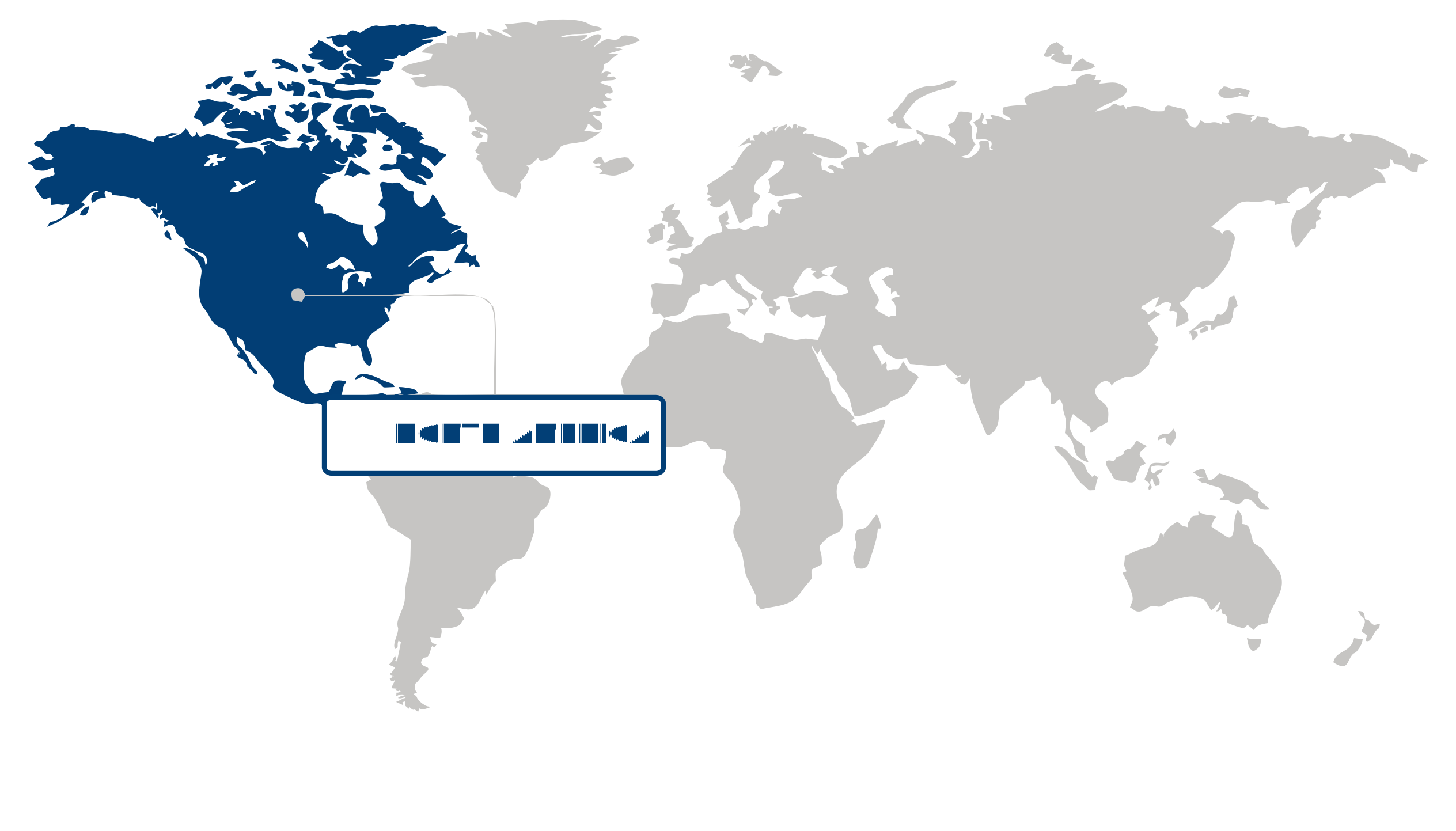
Largest Region
North America
36% Market Share in 2024
North America The Biohybrid Solar Cell Market in North America is poised for significant growth driven by increasing investments in renewable energy technologies and eco-friendly solutions. The U.S. leads the region with a strong emphasis on research and development of biohybrid systems, particularly in academic institutions and advanced technology firms. Canada is also contributing to market growth with its policies focused on sustainability and funding for green technology initiatives. Collaborative efforts between institutions and industries to commercialize biohybrid solar cells are gaining momentum. Asia Pacific The Asia Pacific region, dominated by countries like China, Japan, and South Korea, is witnessing a surge in the adoption of biohybrid solar cells. China stands at the forefront due to its large-scale manufacturing capabilities and substantial investment in renewable energy solutions. Japan is recognized for its innovative approaches in biohybrid technology, focusing on integrating biological components into traditional solar cells. South Korea, with its strong emphasis on clean energy technology and government support, is also making significant advancements in the biohybrid sector, bolstering research and promoting sustainable energy practices. Europe In Europe, the Biohybrid Solar Cell Market is characterized by a robust emphasis on sustainability and technological innovation. The United Kingdom is leading in research initiatives and governmental support aimed at integrating bio-based materials into solar technologies. Germany continues to be a significant player, leveraging its advanced engineering capabilities to enhance biohybrid solar cell efficiency and commercial viability. France is focusing on diversified approaches within renewable energy, encouraging investments and innovations in biohybrid solutions as part of its broader commitment to achieving carbon neutrality.
🔒 Need data on a specific country or region? Individual country/region reports are available at discounted pricing. Inquire Before Buying

Go beyond the chart, access full insights & data tables

Request Free Sample Report
Biohybrid Solar Cell Market Segment Analysis By Material The Biohybrid Solar Cell Market is characterized by a diverse range of materials, including Silicon Crystal, Cadmium Telluride, Gallium Arsenide, and others. Silicon Crystal remains the dominant material due to its established presence and high efficiency in solar energy conversion. It is widely utilized in traditional solar cells, and ongoing advancements continue to enhance its performance. Cadmium Telluride, known for its cost-effectiveness and lower material requirements, is gaining traction, particularly in large-scale solar applications where efficiency and cost are crucial. Gallium Arsenide, though more expensive, offers superior efficiency rates and is primarily used in specialized applications such as space exploration and high-performance systems. The category of "Others" includes emerging materials that are being researched for their potential to improve efficiency and sustainability, indicating a trend toward innovation and diversification in biohybrid solar cell technologies. By Application In terms of applications, the Biohybrid Solar Cell Market serves various sectors, including Battery Storage, Solar Lighting, Commercial, Military and Aerospace, and others. The Battery Storage segment is gaining importance as energy storage technology progresses, allowing excess solar energy to be stored and used efficiently, thereby enhancing the overall utility of solar power systems. Solar Lighting applications are seeing growth driven by a demand for sustainable outdoor lighting solutions in urban environments. The Commercial sector also presents significant opportunities, with businesses increasingly integrating renewable energy solutions to reduce costs and carbon footprints. The Military and Aerospace applications, while a smaller segment, require high-efficiency solar cells that can perform in extreme conditions, showcasing the importance of reliability and performance in these critical areas. Overall, the Biohybrid Solar Cell Market is experiencing growth across various applications, reflecting a wider adoption of solar technologies in both commercial and specialized fields.
Segment Sub-Segment Largest Segment Fastest Growing
Custom Research

Unlock insights tailored to your business with our bespoke market research solutions.

Click to get your customized report now.

Request Customization →
Competitive Landscape

Competitive Landscape and Market Positioning

The competitive landscape in the Biohybrid Solar Cell Market is characterized by a mix of established energy companies and innovative start-ups focusing on sustainable energy solutions. Key players are leveraging advancements in biotechnology and materials science to enhance the efficiency and cost-effectiveness of biohybrid solar cells. Collaborations between academia and industries are also fostering innovation, while increasing investments in research and development aim to improve energy conversion rates and longevity of these solar cells. Moreover, the growing emphasis on renewable energy sources and the need for sustainable alternatives are driving competition in this market. Top Market Players 1. SolarLeaf 2. EnPhotons 3. University of Cambridge 4. Research Institute for Sustainable Energy 5. DiiA Solar 6. University of Illinois 7. Heliosyntec 8. Biodesign Institute 9. Solaronix 10. Ecocyclic Systems
Company Market Share Company Revenue Revenue CAGR (%) Product Portfolio Geographic Presence Innovation / R&D Focus Strategic Developments
No companies available.
🔒 This section is available as a standalone purchase. Buy only the data you need. Inquire Before Buying
Report Customization

Customize Your Report

Explore examples of how this report can be tailored to different research needs, including custom segments, additional topics or chapters, and related reports. Click a section of the wheel or its numbered marker to explore the available options.

1 Custom Segments 2 Custom TOC 3 Related Reports

Biohybrid Solar Cell Market — Custom Segments

Segment Sub-Segment
No segment data available.

Biohybrid Solar Cell Market — Custom TOC

Custom Chapter Chapter Details
No custom TOC data available.

Need a different cut of the data?

Request Custom Research
FAQ

Frequently Asked Questions

Testimonials

Our Clients

"The information presented in the report was genuinely insightful. The data was clear and easy to understand, which made it much easier to interpret the findings."

Director of Marketing
Amara Raja Group

"The responsiveness and professionalism exhibited by the team were exemplary. They were readily available to address queries, provide clarifications, and offer additional insights."

Renewable Energy Specialist
ONGC

"The reports offered a comprehensive analysis of various segments within the market. The detailed insights into market trends, and regulatory landscapes were excellent."

Senior R&D Engineer
TotalEnergies
THE RESEARCH BEHIND THIS REPORT

Our Research Team & Methodology

Every Fundamental Business Insights report is built by a dedicated vertical research team, validated through a structured primary-and-secondary methodology, and reviewed for accuracy before it reaches you.

THIS REPORT'S RESEARCH VERTICAL
Energy & Power
Research Team Overview

This report was prepared by the Energy & Power Research Team at Fundamental Business Insights, a dedicated research group specializing in global energy markets, power generation technologies, and energy infrastructure. Our analysts continuously monitor developments in renewable energy, conventional power generation, grid modernization, energy storage, transmission and distribution infrastructure, decarbonization initiatives, regulatory policies, energy investments, and evolving electricity demand across residential, commercial, and industrial sectors to deliver timely and reliable market intelligence. The research is developed using a structured methodology that combines primary discussions with utility companies, equipment manufacturers, technology providers, project developers, energy consultants, and industry experts, along with company annual reports, government energy statistics, regulatory publications, industry associations, technical publications, and other authoritative secondary sources. Market estimates are validated through multiple research techniques, including top-down and bottom-up analysis, before undergoing an internal quality review to ensure accuracy, consistency, and methodological integrity prior to publication.

Prepared by the Energy & Power Research Team
10+Industry Verticals
100+Countries Analyzed
5-7Days Standard
Delivery
13.8K+Research Reports
Published
On-DemandCustomized Research
Available
6Months Analyst
Support
PDF + XLSReport Deliverables
Trust & Compliance
D&B D-U-N-S
GDPR & CCPA Compliant
ISO 9001 Certified (ISO 9001:2015)
SSL Encryption
Secure Payments
Confidential Handling
Research Intelligence
Primary Research Network
Secondary Sources
Executive Leadership
Product & Technology Experts
Manufacturing & Operations Leaders
Procurement & Supply Chain Professionals
Sales & Commercial Executives
Channel Partners & Distribution Networks
Enterprise Buyers & End Users
Industry Consultants & Regulatory Experts
Research Workflow & Quality Assurance
01
Data Collection
Verified information gathered through primary and secondary research.
02
Data Triangulation
Cross-validation using multiple independent data sources.
03
Forecast Modelling
Market estimates developed using historical trends and analytical models.
04
Analyst Validation
Findings reviewed by domain experts for accuracy and consistency.
05
Editorial & Quality Review
Final editorial, quality, and compliance checks before publication.
06
Final Publication
Released after successful completion of the internal review process.
Report Coverage
Market Assessment
  • Market Size & Forecast
  • Market Segmentation
  • Regional Analysis
  • Growth Drivers & Challenges
  • Market Dynamics
🏢 Competitive Intelligence
  • Competitive Landscape
  • Company Profiles
  • Competitive Benchmarking
  • Mergers & Acquisitions
  • Market Share Analysis or Key Company Strategies
🔍 Strategic Analysis
  • Value Chain Analysis
  • Porter's Five Forces
  • PESTLE Analysis
  • Pricing Trends
  • Supply-Demand Analysis
🚀 Future Outlook
  • Technology Landscape
  • Regulatory Landscape
  • Investment & Funding Landscape
  • Emerging Opportunities
  • Future Market Outlook
Have a question about this report or need a custom scope?
Request Customization

Want this data scoped to your exact question?

Tell us the segments, regions, or competitors you need answered — an analyst will confirm scope before any custom work starts.

Talk to an Analyst →