Beauveria Bassiana Insecticide Market Size & Forecasts 2026-2035, By Segments (Application, Type), Growth Opportunities, Innovation Landscape, Regulatory Shifts, Strategic Regional Insights (U.S., Japan, China, South Korea, UK, Germany, France), and Competitive Dynamics (Beauveria Inc, BioInsect Solutions, GreenAgro Biotech, EntoPharm, MycoGrow)
Jump to Content
Market Size and Growth Outlook
Beauveria Bassiana Insecticide Market size is forecasted to reach USD 8.52 billion by 2035, rising from USD 4.99 billion in 2025, at a CAGR of more than 5.5% between 2026 and 2035. In 2026, revenue is projected at USD 5.23 billion.
Get more details on this report
Request Free Sample ReportBeauveria Bassiana Insecticide Market Intelligence Snapshot
Regional Market Dynamics
Segment Momentum
Market Expansion Drivers
Leading Market Participants
Global Market Forecast Snapshot
Market Outlook
Regional and Segment Outlook
Market Growth Drivers and Industry Trends
Research and Formulation Improvements for Efficacy: Advances in strain selection, UV-protective carriers and application technologies—driven by public and private research—are raising field performance and farmer confidence in the beauveria bassiana insecticide market; examples include work by the U.S. Department of Agriculture Agricultural Research Service (USDA ARS) on entomopathogenic fungi and applied trials by Rothamsted Research. Commercial formulators such as Koppert Biological Systems illustrate how encapsulation and tank-mix compatibility increase adoption in high-value crops. For incumbents, licensing superior strains and investing in formulation science secures premium positioning; for startups, opportunities lie in niche delivery platforms and data-enabled efficacy validation. Ongoing publications and product launches from USDA ARS and Rothamsted demonstrate an observable pipeline of usable innovations.
Expansion of Agriculture and Forestry Sectors in Emerging Economies: Accelerating cropping and plantation forestry in parts of Africa, Latin America and Asia is elevating pest pressure and regulatory scrutiny, expanding the addressable base for the beauveria bassiana insecticide market as documented by the World Bank and the Food and Agriculture Organization of the United Nations (FAO). National research and outreach bodies such as EMBRAPA in Brazil provide locally adapted recommendations and facilitate registration pathways, encouraging adoption of biocontrols to meet export and sustainability standards. Multinationals can scale through distribution partnerships and regulatory support services, while local entrants can capture share via low-cost production and farmer training. Observable policy reforms, infrastructure investment and EMBRAPA-led demonstration projects indicate widening commercial opportunity in these regions.
Industry Restraints:
Regulatory Approval and Compliance Complexity
Regulatory regimes demand strain-specific toxicology, environmental fate, and residue datasets that lengthen approval timelines and raise upfront costs, constraining market entry and scale-up. The U.S. Environmental Protection Agency (EPA) Biopesticides program and the European Food Safety Authority (EFSA) apply rigorous, often differing requirements for microbial agents, while the Australian Pesticides and Veterinary Medicines Authority (APVMA) reinforces country-specific data needs; these authorities routinely require characterization beyond typical chemical dossiers. Strategically, incumbent firms with regulatory budgets and dossier expertise can absorb timelines and secure portfolios, whereas startups face capital and time barriers that reduce innovation velocity and deal flow. Near to medium term, continued stringent, partially fragmented regulation will keep commercialization cycles lengthy, favoring well-capitalized players unless regulatory harmonization or streamlined microbial pathways accelerate.
Variable Field Efficacy and Farmer Adoption Barriers
Beauveria bassiana performance is highly context-dependent—UV exposure, temperature, humidity, application timing and crop practices materially affect efficacy—creating inconsistent results that slow grower adoption. The Food and Agriculture Organization (FAO) documents adoption barriers for biopesticides tied to inconsistent field outcomes and farmer risk aversion, and United States Department of Agriculture Agricultural Research Service (USDA ARS) work highlights environmental sensitivity of entomopathogenic fungi. Strategically, this compels suppliers to invest in formulation science, agronomic extension, and trials; established suppliers can leverage sales forces and service bundles, while smaller entrants struggle to fund on-farm validation. Over the near to medium term, incremental formulation and deployment improvements will reduce variability, but until consistent, repeatable field performance is commonplace, adoption will remain constrained and channel growth muted.
| Growth Driver | Impact on CAGR | Regulatory Influence | Geographic Relevance | Adoption Rate | Impact Timeline |
|---|---|---|---|---|---|
| Adoption in integrated pest management programs | 1.80% | Short term (≤ 2 yrs) | North America, Europe; Spillover: Asia Pacific | High | Fast |
| Research and formulation improvements for efficacy | 2.00% | Medium term (2–5 yrs) | Europe, Asia Pacific | Medium | Moderate |
| Expansion of agriculture and forestry sectors in emerging economies | 1.70% | Long term (5+ yrs) | Asia Pacific, Latin America; Spillover: MEA | Low | Moderate |
Explore Growth Opportunities
Request Free Sample ReportRegional Demand Dynamics
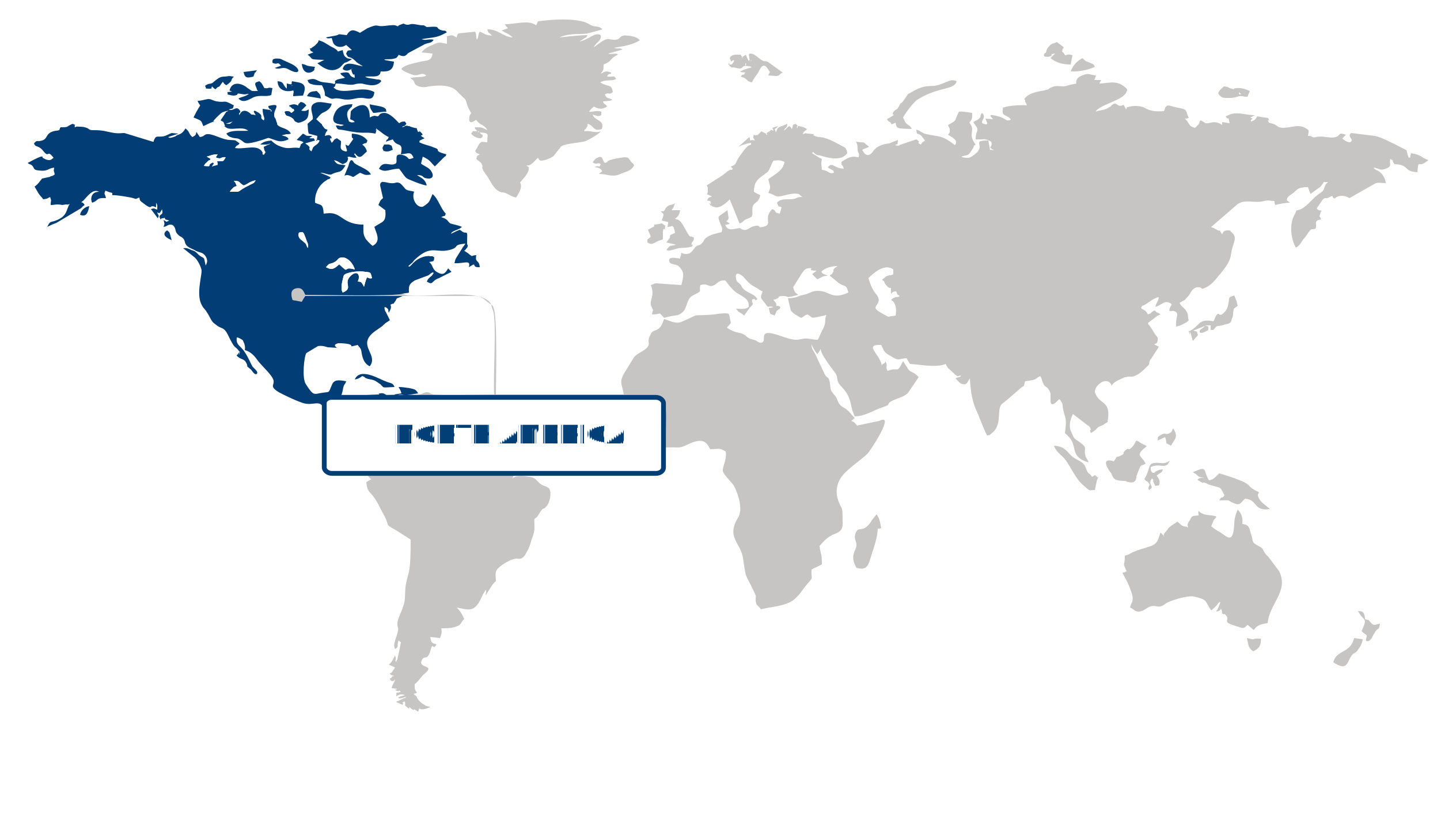
The beauveria bassiana insecticide market captured approximately 36.00% of the global market in North America in 2025, making the region the largest by share; this leadership is rooted in rising government support for biopesticides and accelerating adoption of organic farming across the continent. Federal programs such as the U.S. EPA Biopesticides and Pollution Prevention Division’s streamlined review processes and grant funding from the U.S. Department of Agriculture’s National Institute of Food and Agriculture (NIFA) have lowered barriers to market entry, while the USDA National Organic Program acceptance of microbial biocontrols and Organic Trade Association data on expanding organic sales have increased commercial demand. Complementary signals—from Agriculture and Agri-Food Canada’s sustainable agriculture initiatives to state-level activity by the California Department of Pesticide Regulation—underscore stronger procurement, field validation, and supply-chain investments, positioning North America for scalable commercialization and product innovation over the near term.
The beauveria bassiana insecticide market in the United States anchors the North American market, where federal and state policy, large organic retail channels, and active field research create a de facto commercialization hub. U.S. EPA biopesticide guidance and USDA NIFA/Sustainable Agriculture Research and Education (SARE) grants have supported registered products and field trials reported by land-grant institutions and the University of California Cooperative Extension, while Organic Trade Association reports of rising organic premiums have driven grower uptake. State regulators such as the California Department of Pesticide Regulation provide additional pathways for demonstration and adoption. Strategically, the U.S. market functions as a regulatory and commercial proving ground whose proof points and registration precedents will lower friction for wider North American scale-up and investor-backed manufacturing expansion.
Asia Pacific Market Analysis:
The Asia Pacific beauveria bassiana insecticide market emerged as the fastest-growing region at a CAGR of 7.7%, driven by a large agricultural base, growing awareness of sustainable farming practices and rising demand for biological insecticides in major markets such as China and India. Widespread policy attention to green agriculture and integrated pest management has accelerated adoption: the Food and Agriculture Organization of the United Nations highlights biologicals as core to sustainable intensification, while regional agencies have begun streamlining approvals and incentives. Shifts in buyer behavior toward residue-free produce, coupled with improving cold-chain and distribution networks, lower barriers for microbial insecticides. Recent company announcements and expanded R&D investments across multinationals and domestic players have increased product availability and application technology. Going forward, the region’s scale, policy momentum and diversified cropping systems position it as a high-opportunity market for targeted biological solutions and formulation innovation.
Japan is an early-adopter market for the beauveria bassiana insecticide market, characterized by premium crop profiles and strict residue-management expectations that favor biological alternatives. The Ministry of Agriculture, Forestry and Fisheries (MAFF) has promoted reduced chemical inputs and precision agriculture pilots, encouraging growers of high-value fruits and vegetables to trial biologicals; this aligns with consumer preference for safer, traceable produce. High mechanization and digital farm management in Japan enable precise application and efficacy data collection, helping suppliers demonstrate ROI and secure regulatory acceptance. Strategic implication: Japan serves as a commercialization and validation hub for formulations and application technologies that can be scaled across the rest of Asia Pacific.
China functions as the volume growth engine for the beauveria bassiana insecticide market, where a large cultivated area and policy programs to green the sector are expanding demand rapidly. The Ministry of Agriculture and Rural Affairs of the People’s Republic of China has signaled support for biopesticides within integrated pest management frameworks, while rural cooperatives and agro-input distributors are facilitating rapid market penetration. Domestic production capacity and local formulators are reducing cost barriers, and procurement shifts by large agribusinesses toward lower-residue inputs are creating steady institutional demand. Strategic implication: success in China requires scalable supply, cost-competitive formulations, and partnerships with distribution networks to convert scale potential into sustained market share across Asia Pacific.
Europe Market Trends:
Held a substantial share in the beauveria bassiana insecticide market, Europe combines regulatory momentum, expanding organic acreage, and active R&D collaboration to create a commercially attractive environment for entomopathogenic solutions. The European Commission’s Farm to Fork strategy and Horizon Europe research funding have signaled policy and capital alignment toward low-risk pest management, while European Food Safety Authority (EFSA) assessments of Beauveria bassiana strains have clarified pathways for approvals. Eurostat data showing steady growth in organic farmland and supply-chain shifts toward traceability have increased buyer willingness to pay for biologicals. Companies such as Andermatt Biocontrol and Biobest are visibly scaling distribution across EU markets. These dynamics point to sustained commercial openings for formulators, registrants, and specialized distributors across the region.
Germany maintained a substantial presence in the beauveria bassiana insecticide market, driven by strong greenhouse production, advanced IPM adoption, and a robust registration infrastructure. The Federal Office of Consumer Protection and Food Safety (BVL) provides clear product-authorisation mechanisms that have facilitated market entry for biocontrol products, while research organizations like the Leibniz Centre for Agricultural Landscape Research (ZALF) and Fraunhofer partners advance application and formulation science. Large vegetable and ornamentals clusters near North Rhine-Westphalia and the Netherlands border create dense, logistics-efficient demand corridors, and companies active in the German channel include Biobest and Andermatt Biocontrol. Strategically, Germany’s regulatory clarity and high-value horticulture make it an effective launchpad for region-wide Beauveria-based product rollouts.
France played a pivotal role in the beauveria bassiana insecticide market, supported by public policy pressures to reduce synthetic pesticide use and strong public research collaboration. The French Ministry of Agriculture’s Ecophyto initiative and assessments by ANSES (Agence nationale de sécurité sanitaire de l’alimentation, de l’environnement et du travail) have increased farmer interest and eased conditional registrations for biologicals, while INRAE-led projects have produced field-level validation for entomopathogens. Large cooperative networks and advisory services accelerate farmer trials and adoption in viticulture and arable sectors. Consequently, France serves as both a testing ground and commercialization amplifier for Beauveria formulations, reinforcing broader European commercialization and scale-up opportunities.
| Parameter | North America | Asia Pacific | Europe | Latin America | MEA |
|---|---|---|---|---|---|
| Innovation HubiScaleNascentDeveloping Advanced | |||||
| Cost-Sensitive RegioniScaleLowMedium High | |||||
| Regulatory EnvironmentiScaleRestrictiveNeutral Supportive | |||||
| Demand DriversiScaleWeakModerate Strong | |||||
| Development StageiScaleEmergingDeveloping Developed | |||||
| Adoption RateiScaleLowMedium High | |||||
| New Entrants / StartupsiScaleSparseModerate Dense | |||||
| Macro IndicatorsiScaleWeakStable Strong |
Beauveria Bassiana Insecticide Market Share (%), by Application, 2026
Go beyond the chart, access full insights & data tables
Request Free Sample ReportAgriculture dominated the beauveria bassiana insecticide market in 2025, holding the largest share among application segments. This leadership reflects farmers’ accelerating shift to biological crop protection as a cornerstone of sustainable farming, driven by adoption of integrated pest management and residue-reduction goals; FAO guidance on sustainable pest management and USDA Agricultural Research Service studies demonstrating Beauveria bassiana efficacy underpin grower confidence. Preferences for lower-residue produce, retailer sustainability standards, and supply-chain commitments to green inputs have concentrated demand in row and specialty crops, while firms such as Valent BioSciences and BASF expanding biological portfolios signal commercial validation. The segment creates scale advantages for established agrochemical players and niche opportunities for formulators and service providers; given regulatory momentum and farm-level IPM adoption, agriculture should remain the primary market anchor in the near to medium term.
Analysis by Type
Liquid represented largest share in the beauveria bassiana insecticide market in 2025 among formulation types. Liquids lead because ease of application and superior field coverage increase efficacy and adoption by large-scale and precision operators, aligning with the U.S. Environmental Protection Agency’s framework for microbial pesticide application and USDA ARS findings on spray performance. Labor trends toward mechanized spraying, advances in nozzle and adjuvant technology, and distributors’ preference for ready-to-use formats have reinforced liquid uptake; announcements from BASF and other biologicals suppliers about expanded liquid product lines illustrate commercial momentum. This creates opportunities for sprayer manufacturers, formulation specialists, and agtech integrators, and with ongoing improvements in application technology and regulatory clarity, liquid formulations are expected to retain a dominant role in the near to medium term.
| Segment | Sub-Segment | Largest Segment | Fastest Growing |
|---|---|---|---|
| Application | Forestry, Agriculture | ||
| Type | Powder, Liquid |
Unlock insights tailored to your business with our bespoke market research solutions.
Click to get your customized report now.
Competitive Landscape and Market Positioning
| Company | Market Share | Company Revenue | Revenue CAGR (%) | Product Portfolio | Geographic Presence | Innovation / R&D Focus | Strategic Developments |
|---|---|---|---|---|---|---|---|
| No companies available. | |||||||
Customize Your Report
Explore examples of how this report can be tailored to different research needs, including custom segments, additional topics or chapters, and related reports. Click a section of the wheel or its numbered marker to explore the available options.
Beauveria Bassiana Insecticide Market — Custom Segments
| Segment | Sub-Segment |
|---|---|
| No segment data available. | |
Beauveria Bassiana Insecticide Market — Custom TOC
| Custom Chapter | Chapter Details |
|---|---|
| No custom TOC data available. | |
Need a different cut of the data?
Request Custom ResearchFrequently Asked Questions
What is the current size of the beauveria bassiana insecticide market?
How is the beauveria bassiana insecticide industry size expected to evolve during the forecast period?
Which part of the world represents the largest segment of the beauveria bassiana insecticide market?
Which region has emerged as the fastest-growing for the beauveria bassiana insecticide sector?
Which is the largest sub-segment within the application segment for beauveria bassiana insecticide industry?
Why does liquid sub-segment dominate the type segment of beauveria bassiana insecticide sector?
Who are the leading players in the beauveria bassiana insecticide landscape?
Our Clients
"The report helped us understand emerging consumer trends in our product category. It clarified where to focus innovation for the next product launch."
LyondellBasell
"The regional forecast section was incredibly useful. We were able to identify two new potential partners in Europe thanks to the vendor mapping you included."
SABIC
"We appreciated how actionable the recommendations were. It guided us to improve supply chain resilience."
Olin Corporation
Our Research Team & Methodology
Every Fundamental Business Insights report is built by a dedicated vertical research team, validated through a structured primary-and-secondary methodology, and reviewed for accuracy before it reaches you.
This report was prepared by the Chemicals & Materials Research Team at Fundamental Business Insights, a dedicated research group specializing in the global chemicals, advanced materials, and industrial manufacturing sectors. Our analysts continuously monitor raw material supply chains, feedstock pricing, production technologies, regulatory developments, sustainability initiatives, environmental compliance, trade dynamics, and evolving end-use applications to deliver timely and reliable market intelligence. The research is developed using a structured methodology that combines primary discussions with manufacturers, raw material suppliers, distributors, and industry experts, along with company annual reports, regulatory publications, government trade statistics, industry associations, technical literature, patent databases, and other authoritative secondary sources. Market estimates are validated through multiple research techniques, including top-down and bottom-up analysis, before undergoing an internal quality review to ensure accuracy, consistency, and methodological integrity prior to publication.
Delivery
Published
Available
Support
- Market Size & Forecast
- Market Segmentation
- Regional Analysis
- Growth Drivers & Challenges
- Market Dynamics
- Competitive Landscape
- Company Profiles
- Competitive Benchmarking
- Mergers & Acquisitions
- Market Share Analysis or Key Company Strategies
- Value Chain Analysis
- Porter's Five Forces
- PESTLE Analysis
- Pricing Trends
- Supply-Demand Analysis
- Technology Landscape
- Regulatory Landscape
- Investment & Funding Landscape
- Emerging Opportunities
- Future Market Outlook